Dashboard Regions Weather Stations Radar Alerts Glossary
Contact About
Log In

Register for an account and never miss a forecast again!

Register

Sea To Sky

Bookmark
Email notifications
Forecast Notifications An email every time a forecast is published for this region
Weekly Roundup Every Friday at 6PM you'll get an email with a round up of the weeks' forecasts and observations
Stay informed about Sea To Sky
Create a free account to receive email alerts when new forecasts are published for this region, plus weekly roundups of all avalanche activity.

Black Tusk

Published: Mar 24th, 2026
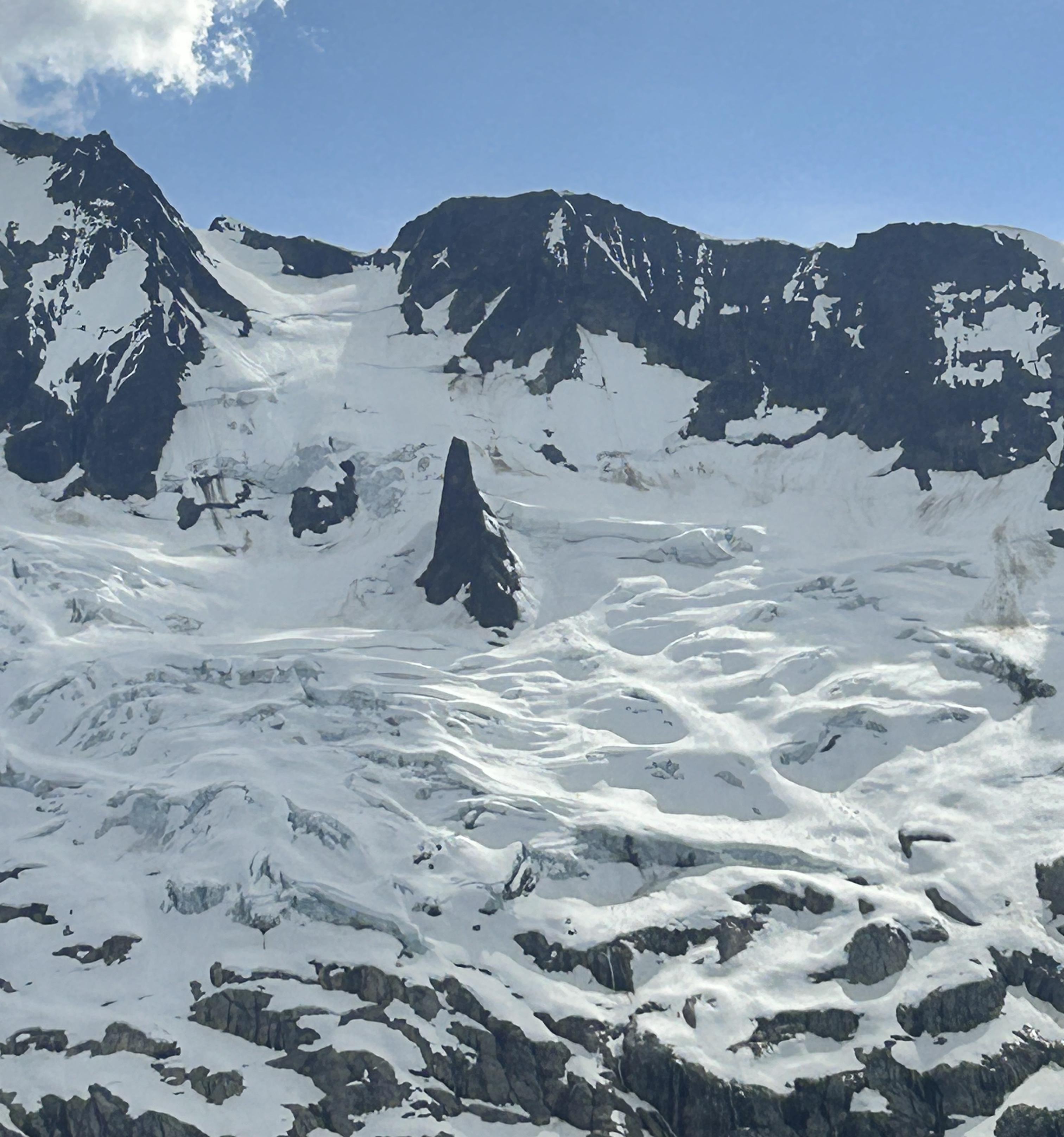
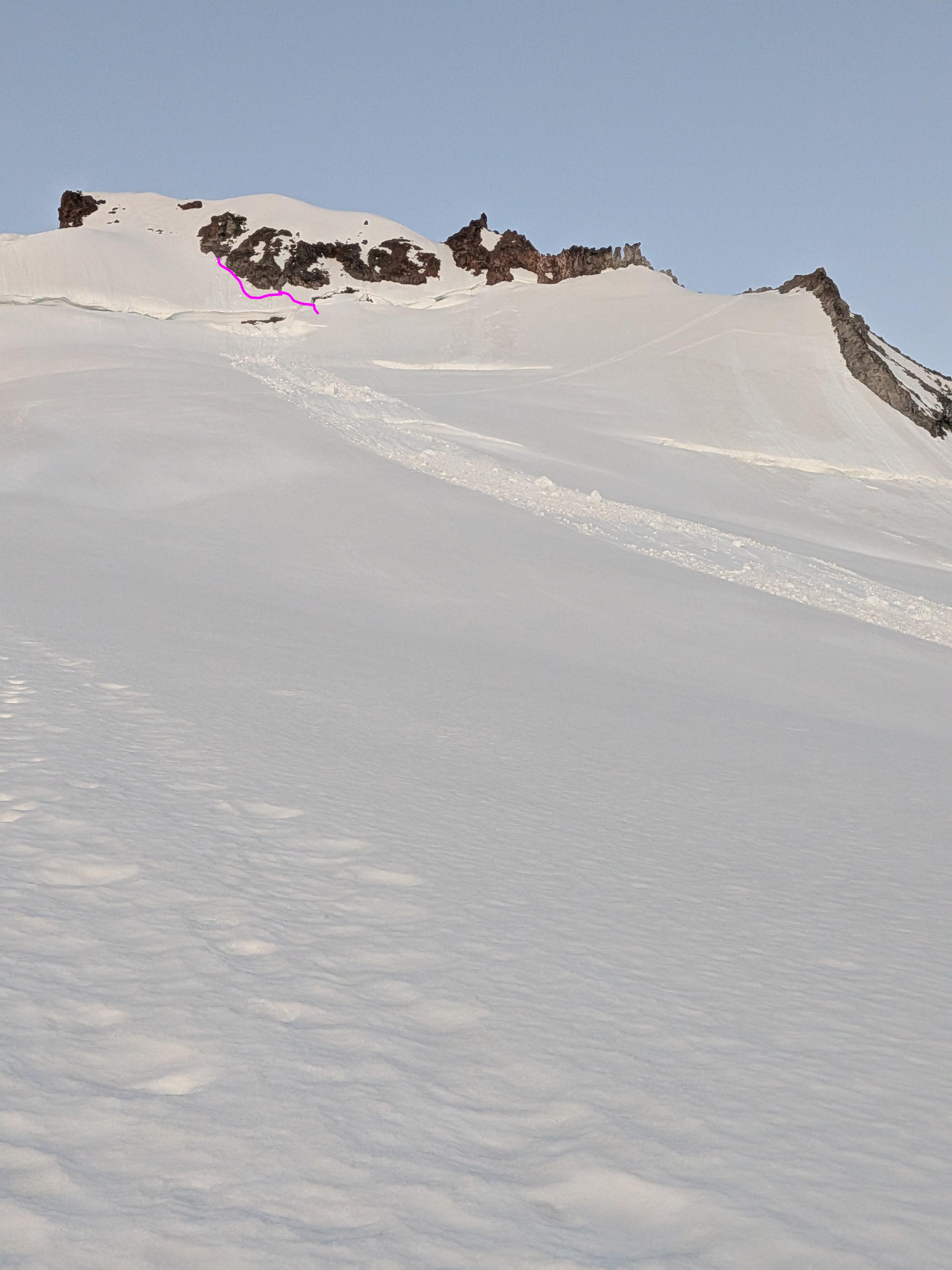
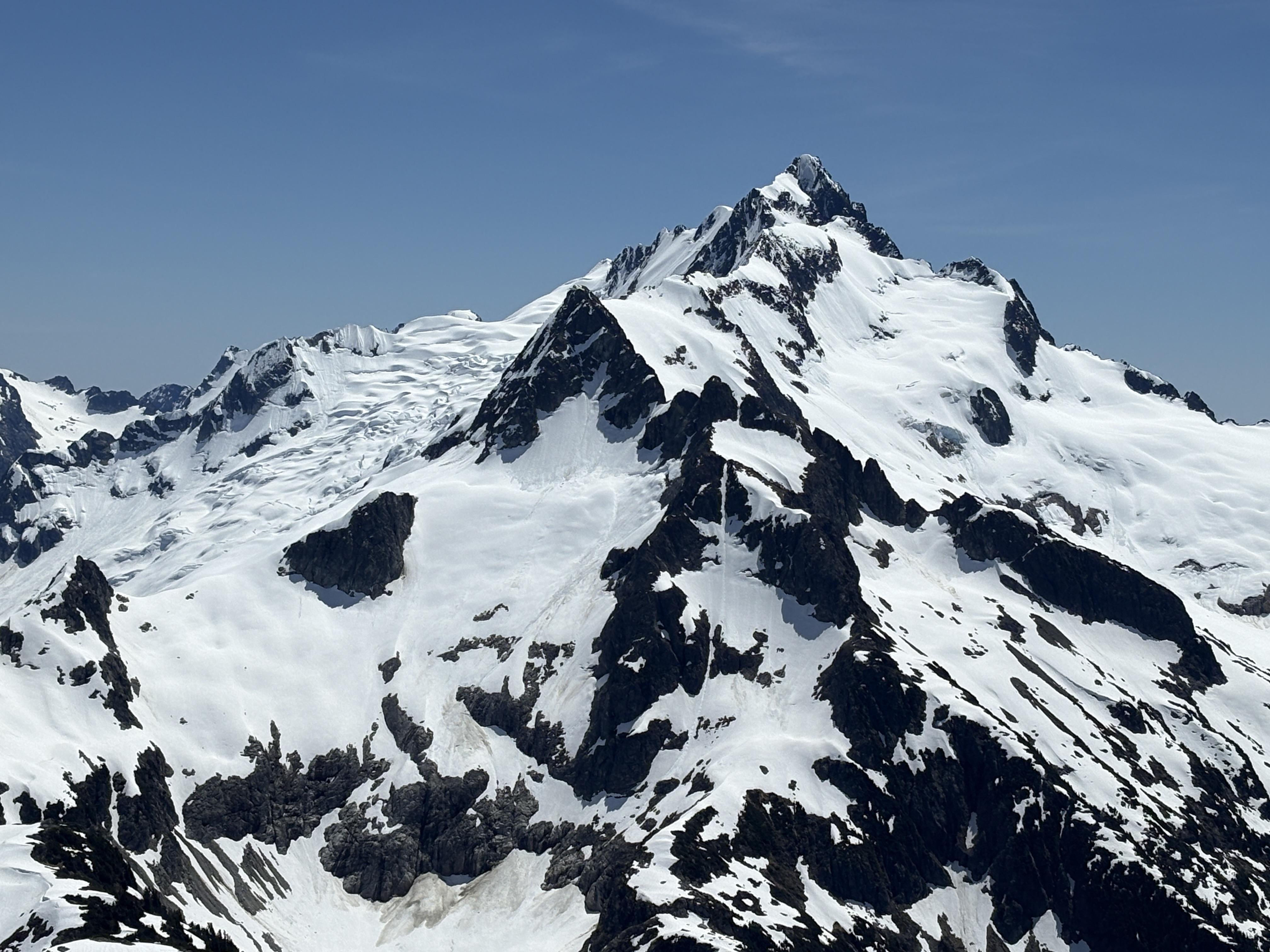
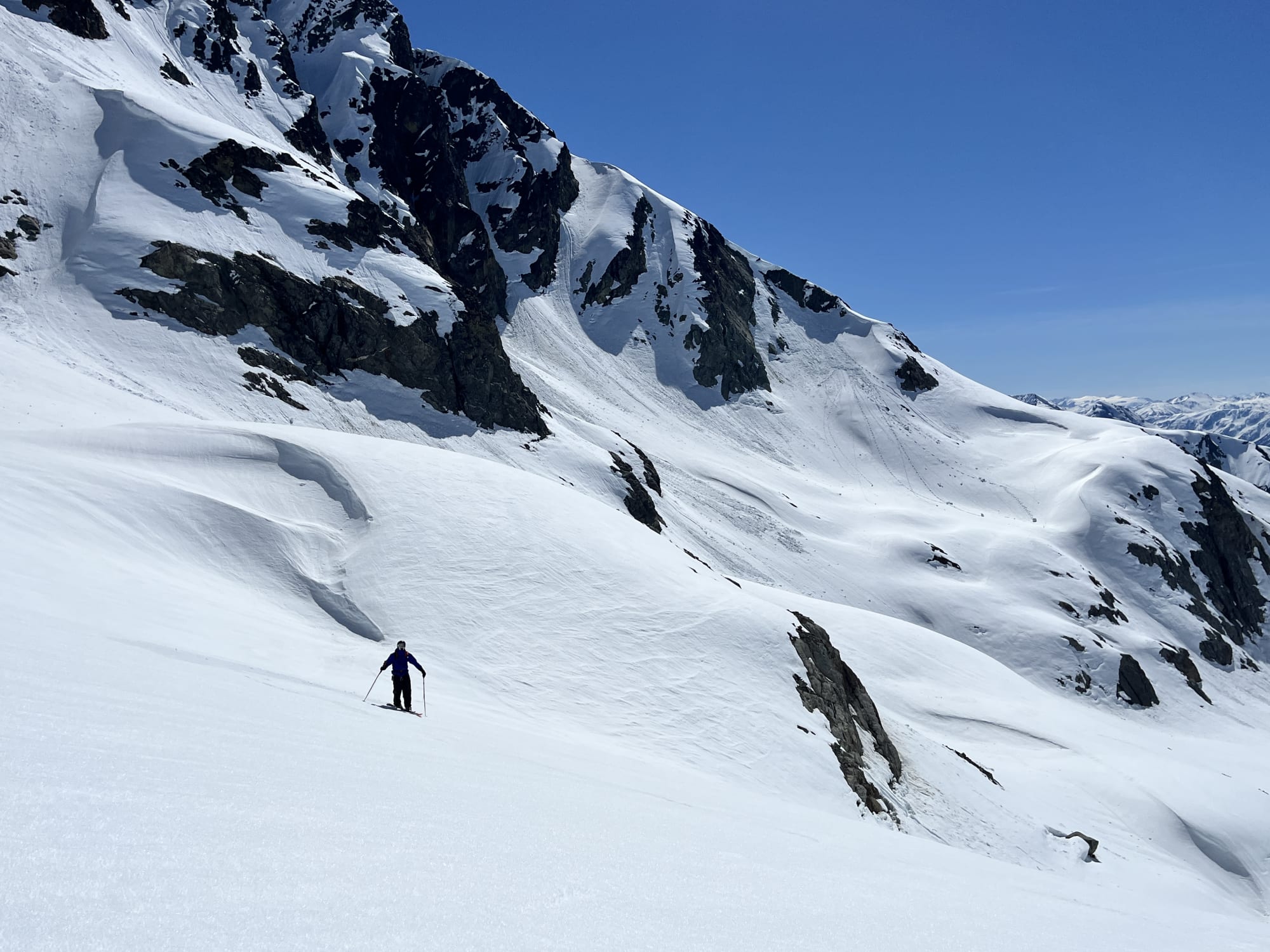
Quick recap: hiked to one of the subpeaks of the Black Tusk (listed as "Black Tusk S1" on some maps) on March 23. A very hard, icy, wind-affected crust was present throughout the treeline and alpine. No signs of instability on our route up to 2100m. Detailed recap: Conditions were M/L/L for the day, and weather was mostly sunny. Snow/ice started halfway up the Rubble Creek trail to Taylor Meadows campground. 3-5cm of light snow on top of a hard crust throughout the entire meadows. We could easily walk on top of the crust without breaking through. Because of the forecast wind slab problem on all slopes except S/SW, we did not take the normal summer trail that curls around the east side of Black Tusk S1. Instead, we approached from the S/SW slope, going up the slopes between Black Tusk SW1 and Black Tusk S1. The entire ascent had a hard crust (likely owing to the rain/wind from last week). Around 1900-2000 meters and above, protected areas had more snow than ice, but still on a firm crust. Overall, perfect conditions for hiking, and likely terrible for skiing. Picture 1: Panorama Ridge in the foreground; Castle Towers, The Sphinx, etc. in the background. Signs of cornice failures/avalanche activity throughout. Picture 2: Typical snow/ice conditions we experienced on the ascent/descent. Very hard crust. Picture 3: View of the Black Tusk from the south subpeak/Black Tusk S1 (around 2100m elevation). As expected, lots of cornices, wind-affected terrain, etc.

🌧️ Do you like Piña Colada's...? 🎵 🌧️🍍

Published: Mar 18th, 2026
We sledded up Miller Ridge north of Pemberton today in the middle of the absolute deluge that is hitting the coast. Conditions were pretty severe with non-stop rain and strong south to southwest wind above treeline. The alpine needs time to adjust yet. Visibility is near zero, getting there is rough, and it’s not worth it right now. We avoided all avalanche terrain and linked low-angle slopes to get out and have a look around at the impact of the storm. It rained up to about 1950 m, with precipitation just starting to transition to snow around 2000 m. During a brief break in the clouds, we saw that large storm slabs had failed naturally in a north-facing alpine bowl across the valley with impressive propagation (see photo). In another north-facing bowl just above treeline, we observed small slabs that entrained snow as they descended the slope and resulted in loose wet avalanches. (see second photo). At and below treeline, the storm’s impact on the snowpack feels like it has peaked. Rain was actively draining through the snowpack, with runnels forming on the surface. Skiing quality was, frankly, terrible, but sled travel wasn’t the worst. That said, this is very much a “making lemonade out of lemons” kind of day. We had a good look around, stayed disciplined with terrain, and came away pretty encouraged for the future. This storm is a full reset for the snowpack, which should set the table nicely for spring adventures once temperatures return to normal.

Photos not coming though on desktop TEST

Published: Mar 17th, 2026
We sledded up Miller Ridge north of Pemberton today in the middle of the absolute deluge 🌊 that is hitting the coast. Conditions were pretty severe with non stop rain and strong south to southwest wind above treeline. The alpine needs time to adjust yet. Visibility is near zero, getting there is rough, and it’s not worth it right now. We avoided all avalanche terrain and linked low-angle slopes to get out and have a look around at the impact of the storm. It rained up to about 1950 m, with precipitation just starting to transition to snow around 2000 m. During a brief break in the clouds, we saw that large storm slabs had failed naturally in a north-facing alpine bowl across the valley with impressive propagation (see photo). In another north-facing bowl just above treeline, we observed small slabs that entrained snow as they descended the slope and resulted in loose wet avalanches. (see second photo). At and below treeline, the storm’s impact on the snowpack feels like it has peaked. Rain was actively draining through the snowpack, with runnels forming on the surface. Skiing quality was, frankly, terrible, but sled travel wasn’t the worst. That said, this is very much a “making lemonade out of lemons” kind of day. 🍋We had a good look around, stayed disciplined with terrain, and came away pretty encouraged for the future. This storm is a full reset for the snowpack, which should set the table nicely for spring adventures once temperatures return to normal.