
Quick report
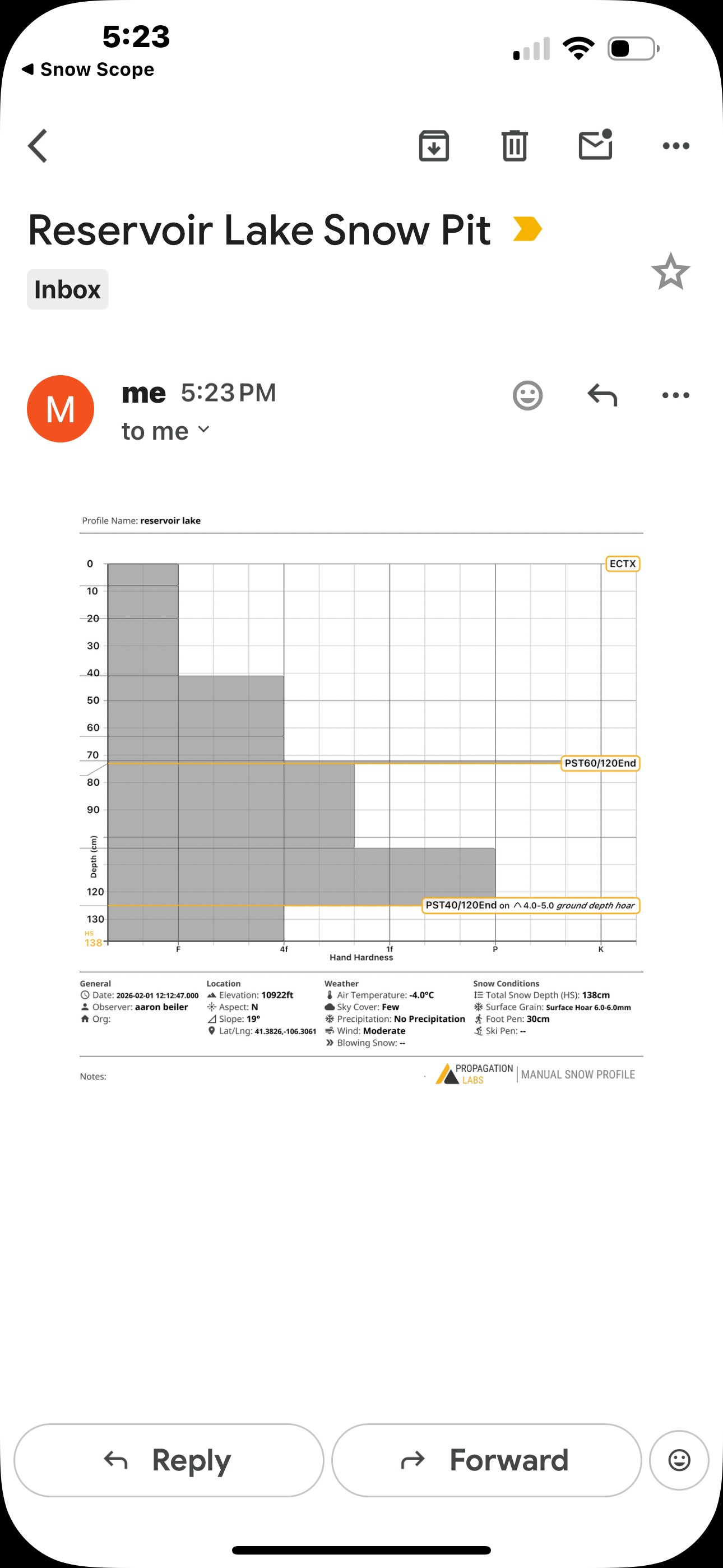
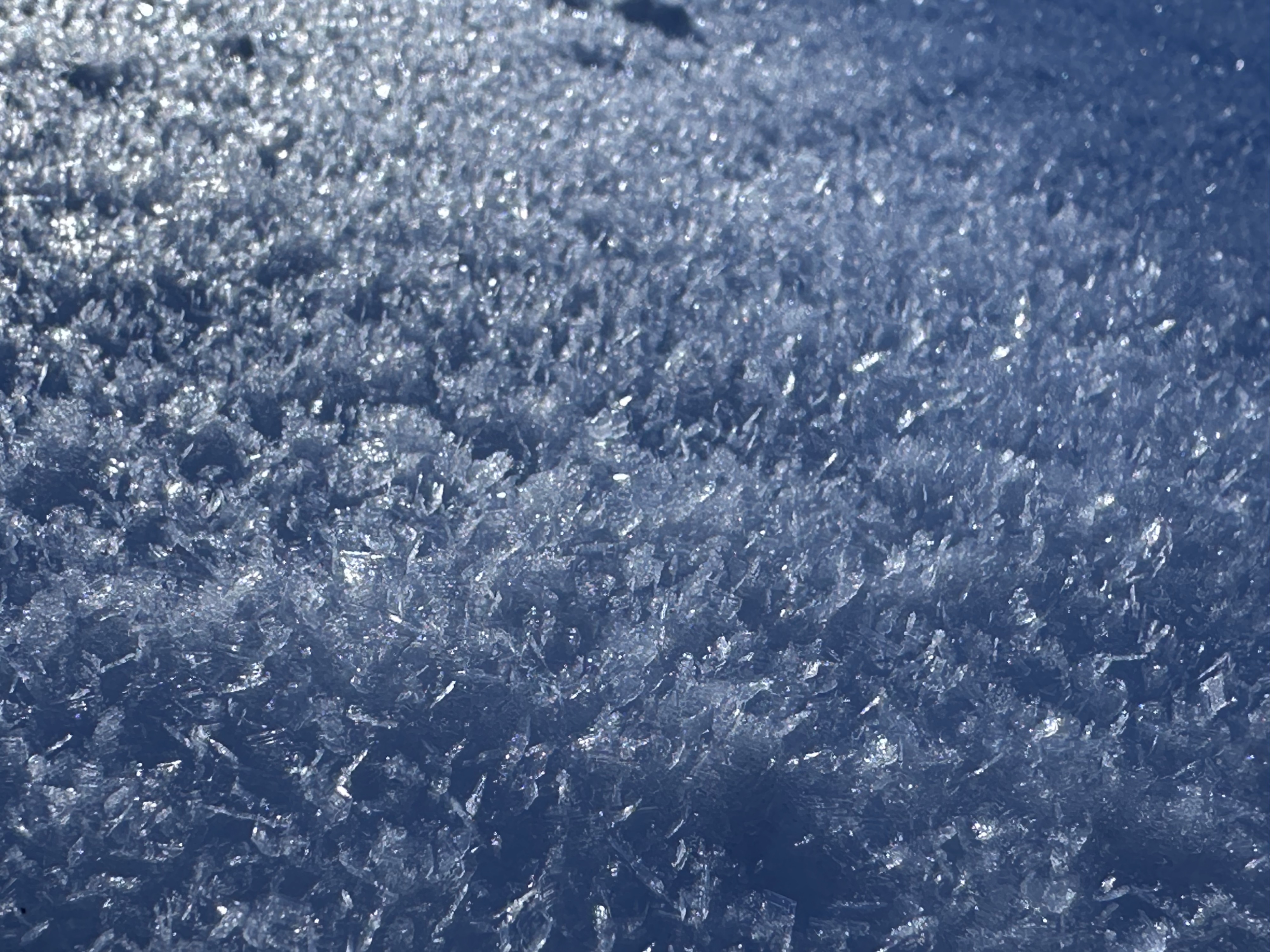
We traveled to the northern side of the snowies to find out how reactive our snow layers were after our recent storm. We chose a N-N/E aspect and observed several distinct layers, including surface hoar, a wind slab layer in the upper snowpack (“Janslab”), and our two persistent weak layers in the lower half of the snow pack (“Christmas crust and depth hoar near ground). An extended column test (ECT) and a propagation saw test (PST) were performed. The ECT yielded no reaction (ECTX) and the Christmas crust layer was stubborn, while the depth hoar layer near the ground produced a more reactive result. While we still cannot take the lower persistent layers off the table, we do need to keep watching the upper 50% of the snowpack. The new surface hoar may very well become a new problem with more storm snow. We definitely need to keep our eyes on the wind slab layer as they will become more reactive with additional snow and wind events. Moving forward, continue to observe the upper wind slab problem and don’t forget that an avalanche is probable with more weight, as well as a potential step down effect could cause a bigger avalanche in the persistent, weak layers lower down in the snow pack. Remember to stay off of slopes 30° or higher in wind prone areas.
Weather
- Air Temp
- 25
- Cloud Cover
- few
- Wind Loading
- light
- Recent Snowfall
- 38
- Snow Avail For Transport
- small smounts
Snowpack
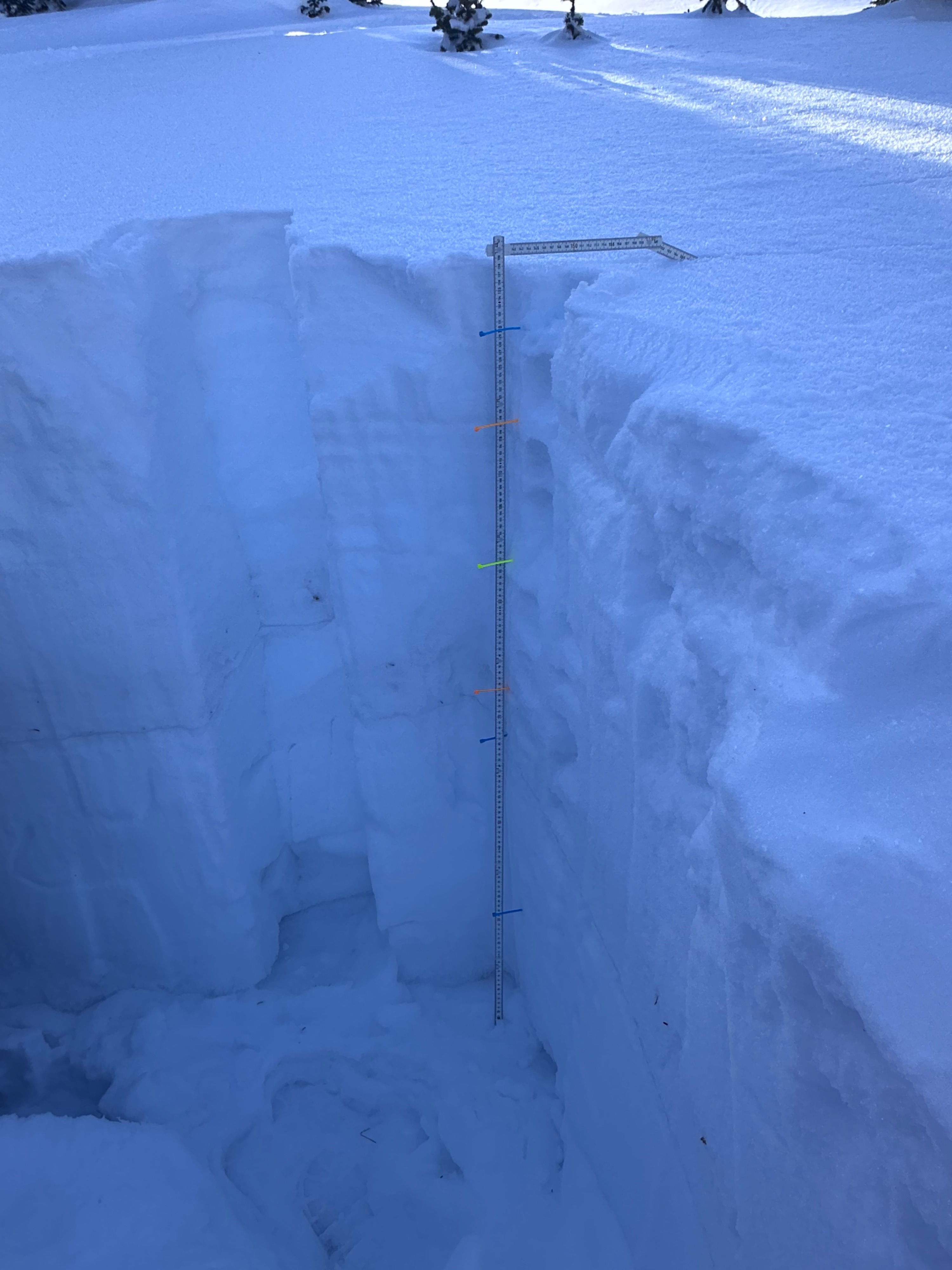
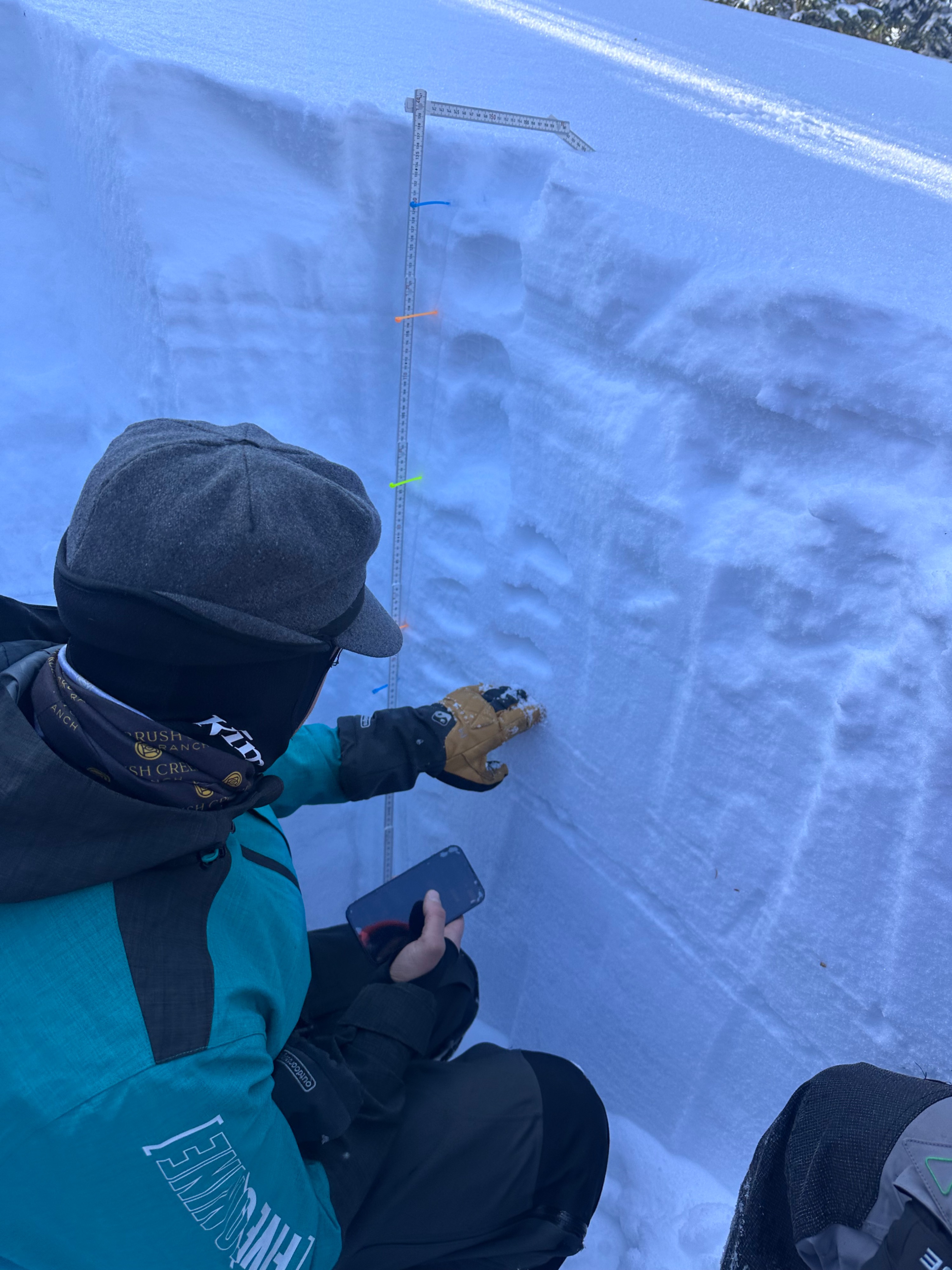
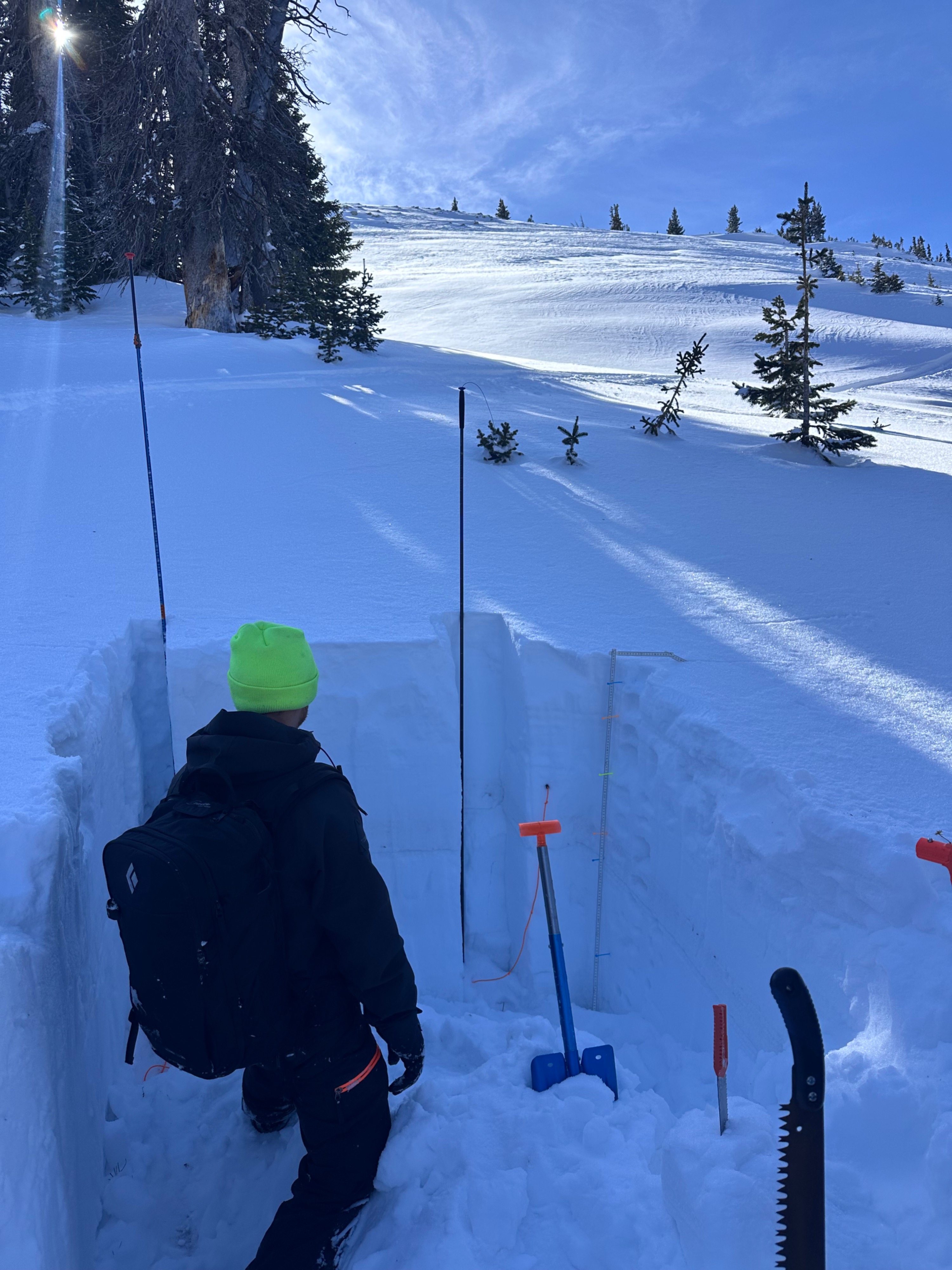
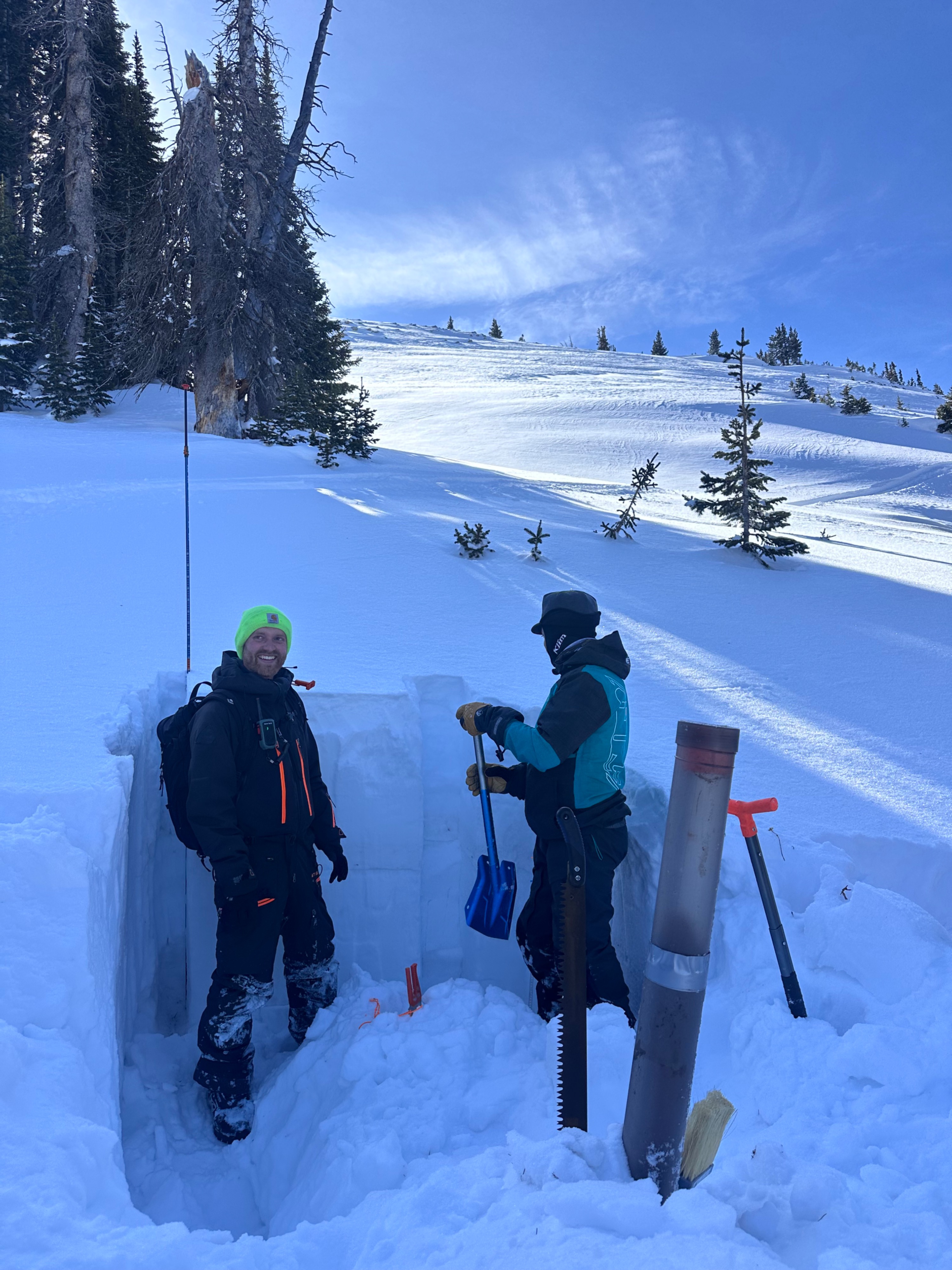
Snow pit was Dug on N-N/E aspect at 10922’ with a slope angle of 19 degrees just above Reservoir Lake. Surface hoar was evident on snow surface from overnight and our height of snow was 138cm. We observed several distinct layers, including the surface hoar, a wind slab layer (“JanSlab”), our existing persistent weak layer (“christmas crust”), and depth hoar near the ground. We performed both an extended column test (ECT) as well as a propagation test (PST). The extended column test yielded no results ending in a score of ECTX. We did two propagation saw tests with a small reaction underneath the Christmas crust (PST 60/120 END)and a more reactive result underneath the depth hoar layer near the ground (PST 40/120 END).