
Quick report
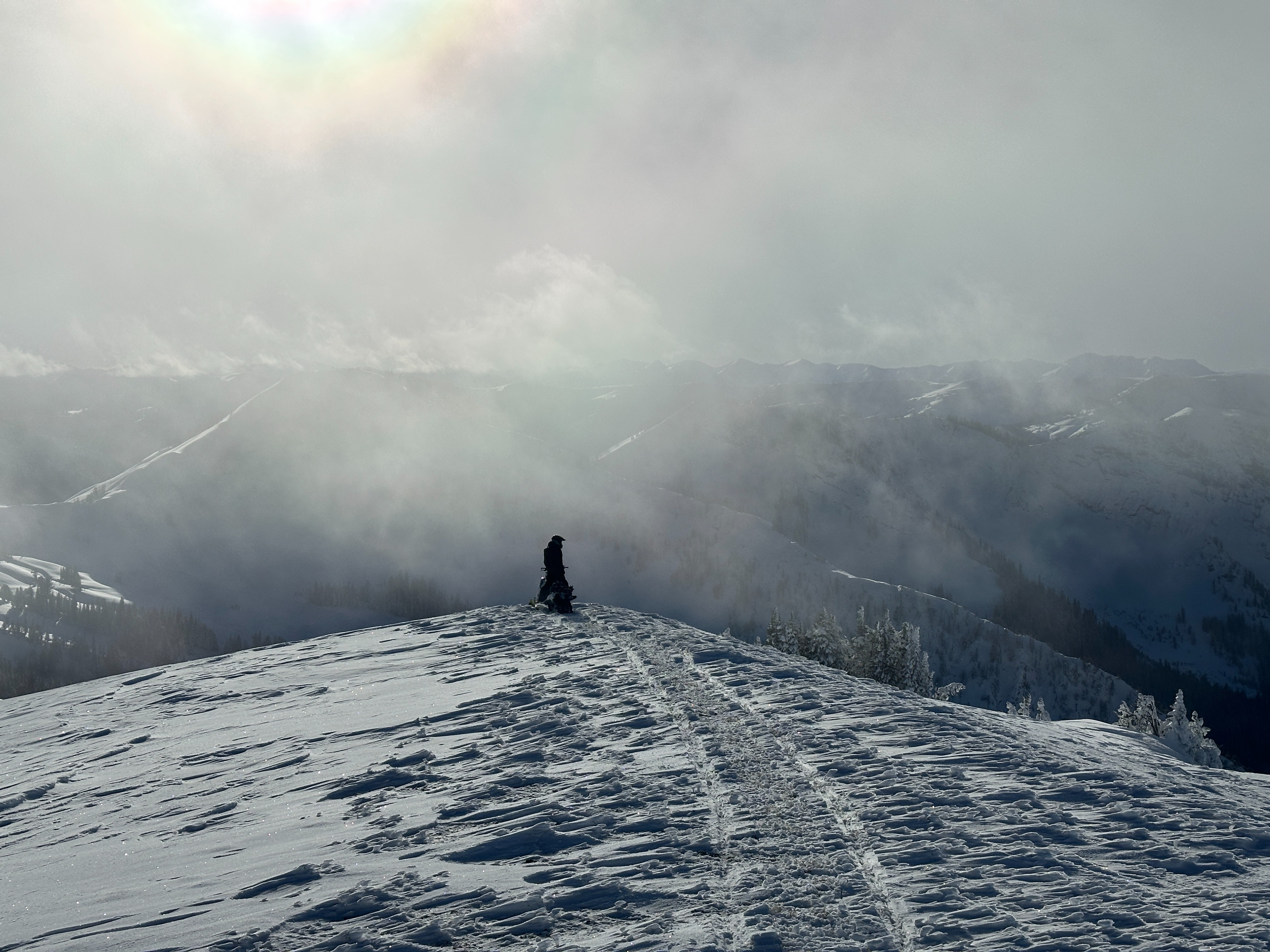
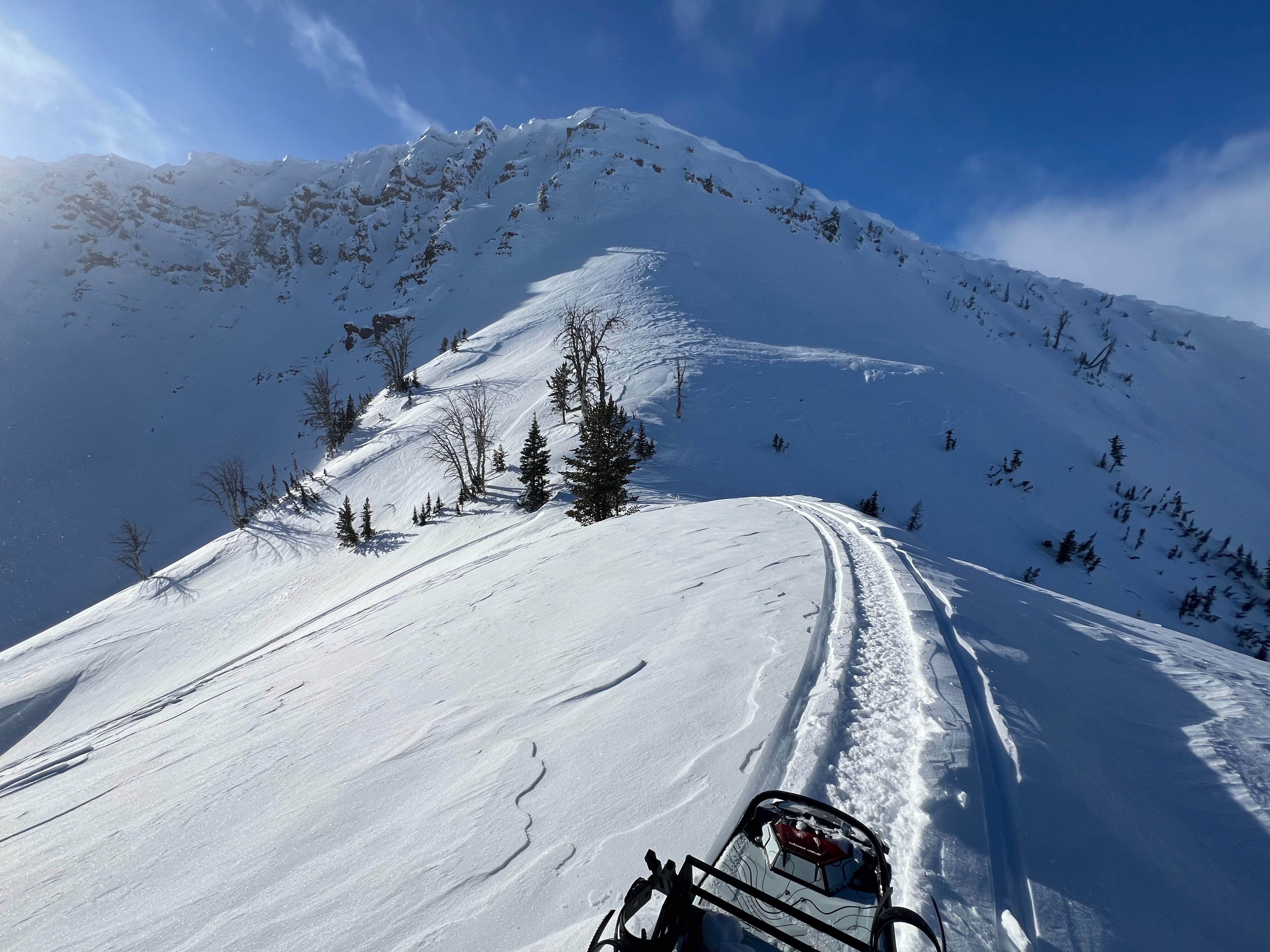
Northerly wind over the last few days has reshaped the recent snow on an array of aspects across all elevations. Most snow surfaces were wind packed (light sastrugi). Observed large wind drifts in atypical locations. Wind slabs were stubborn and we did not experience any cracking even on clearly wind loaded features. Slabs could certainly be triggering in isolated areas. This zone sustains some of the stronger winds in our forecast area. We observed two avalanches that likely occured 1/7, a wind slab (9200' E aspect) and persistent slab (9100' NE aspect). Clear skies and cold temperatures all day. Wind shifted back to the predominant westerly direction by the afternoon.
We dug a snowpit on a shallow slope in the upper elevations to highlight the persistent slab potential on complex slopes where thin, weak spots exist. We found unstable stability test results with failure on weak, sugary facets off the ground (see Snowpack section). Although difficult to trigger in many locations due to the hardness of the overlying slab, the possibility remains...
Snowpack
Average height of snow varied from 150-180cm (~60-70") in the middle to upper elevations, with variability from 100-200cm (40-80"). We ran into some friends who dug a pit around 8800' that did not experience any propagating results with a total height of snow of 180cm and persistent weak layer (PWL) buried 120cm.
In order to gain an understanding of potential thin, weak spots (trigger points) where triggering an avalanche is most likely, we dug on a slope with a thin snowpack ay 9800' N aspect. The total height of snow was 100cm. The PWL was buried 90cm right off the ground containing 2mm facets and 3-4mm depth hoar. The extended column test failed with hard fracture (ECTP25) on the PWL.
Avalanche
- Size
- D2 R2
- Type
- HS
- Count
- 2
- Aspect
- NE
- Trigger
- N
- Elevation
- 9100 ft
Natural persistent slab avalanche that failed on faceted snow on the ground. Crown depth varied from 2-3'.