

Quick report
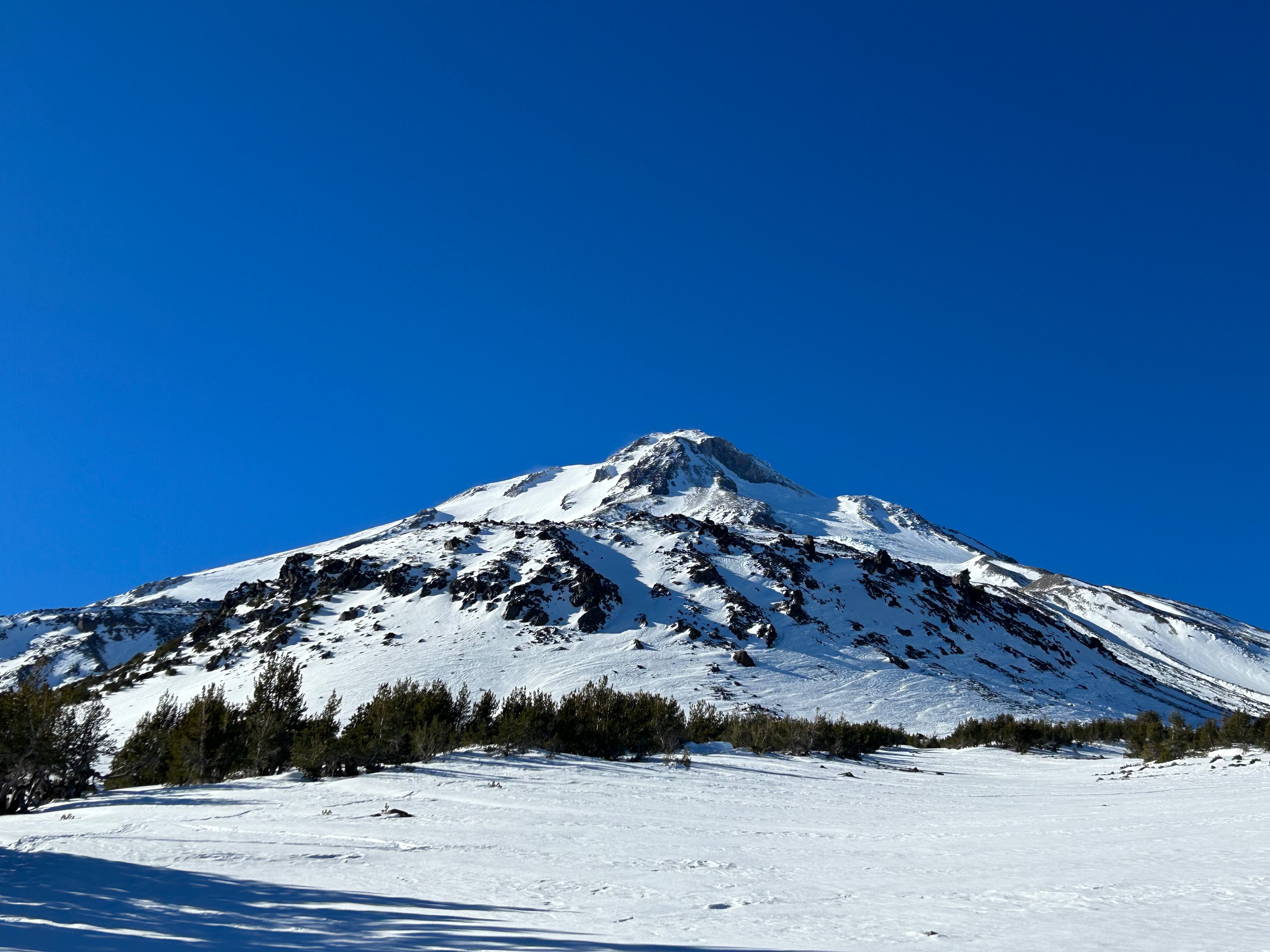
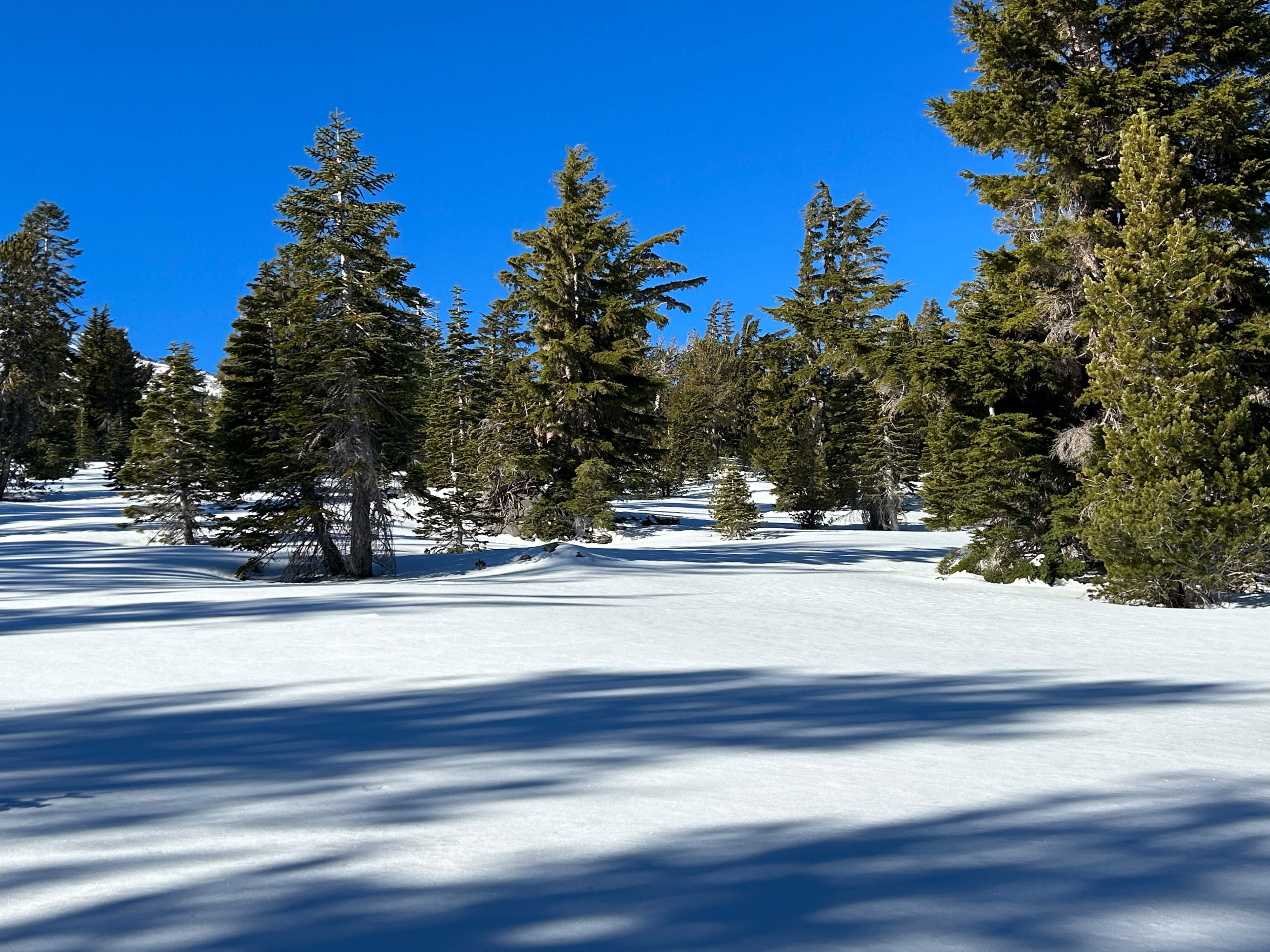
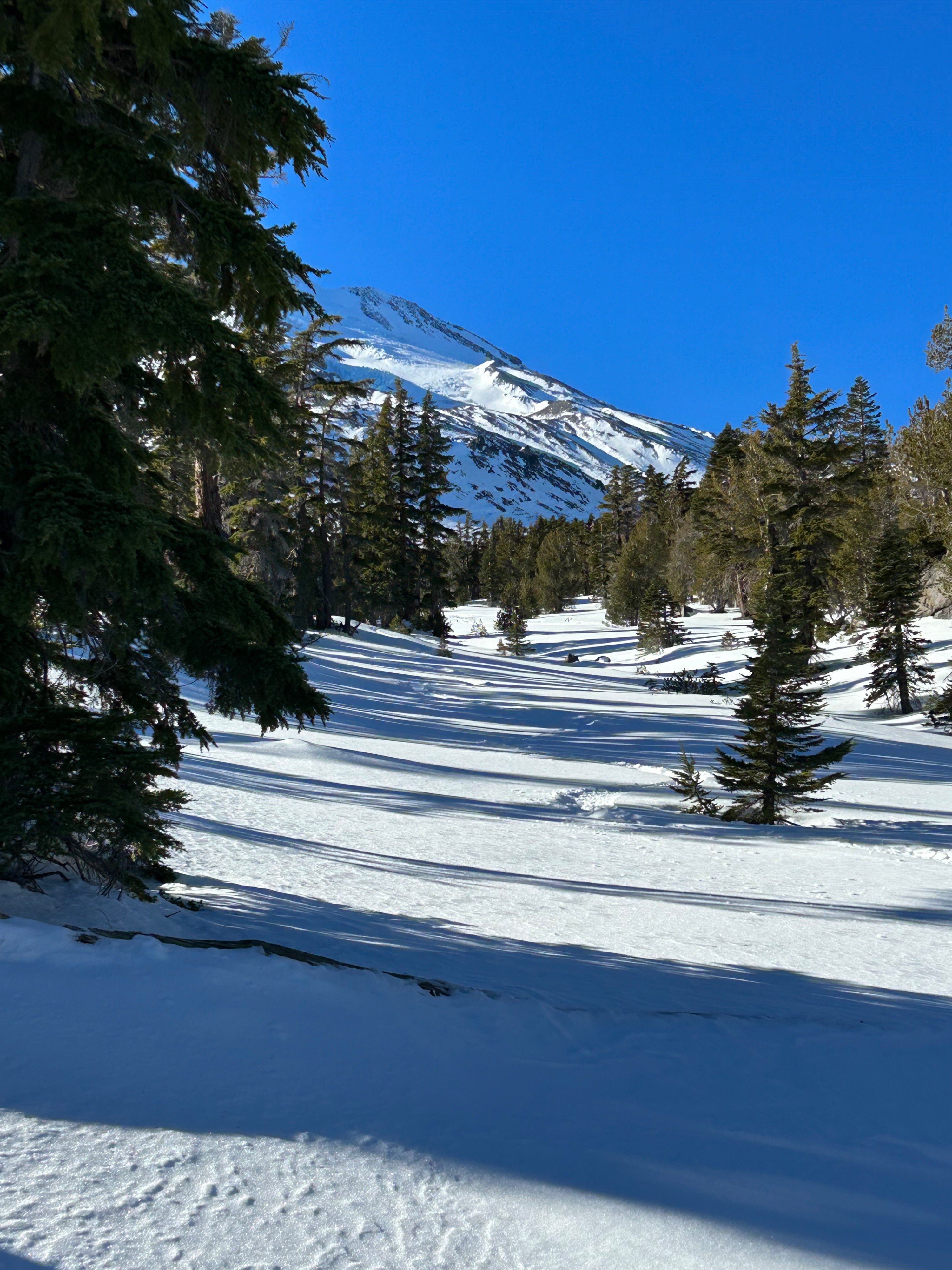
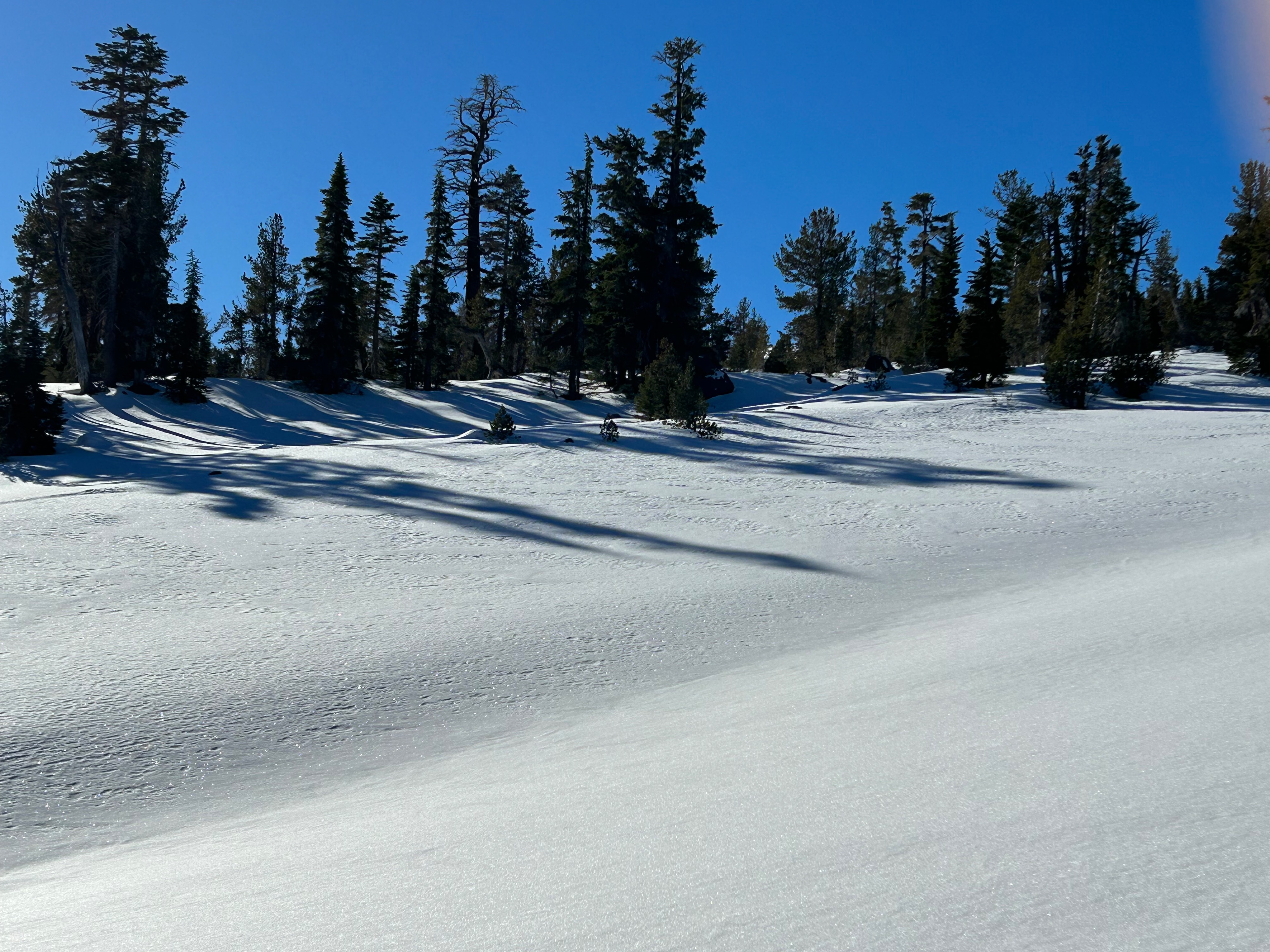
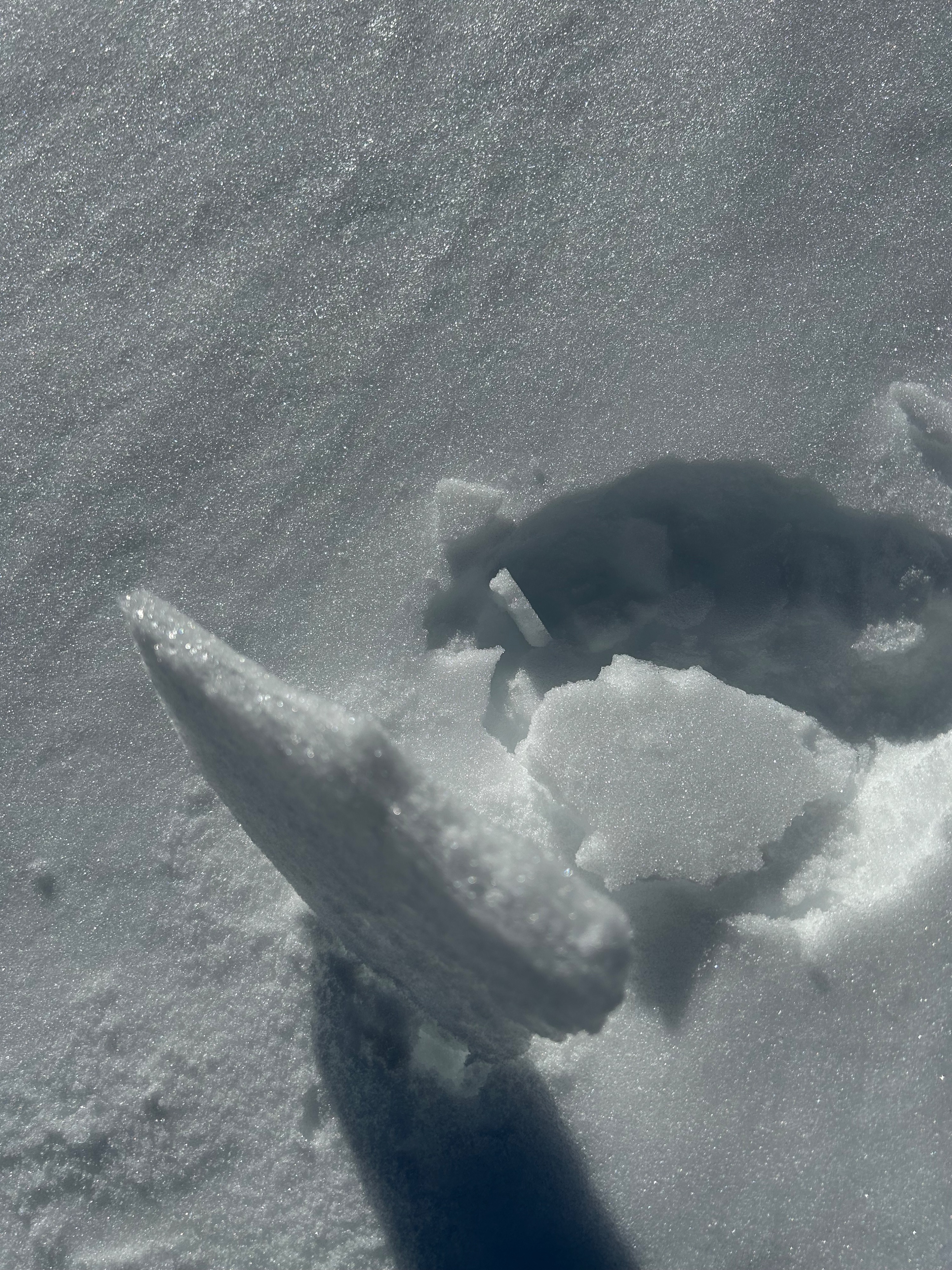
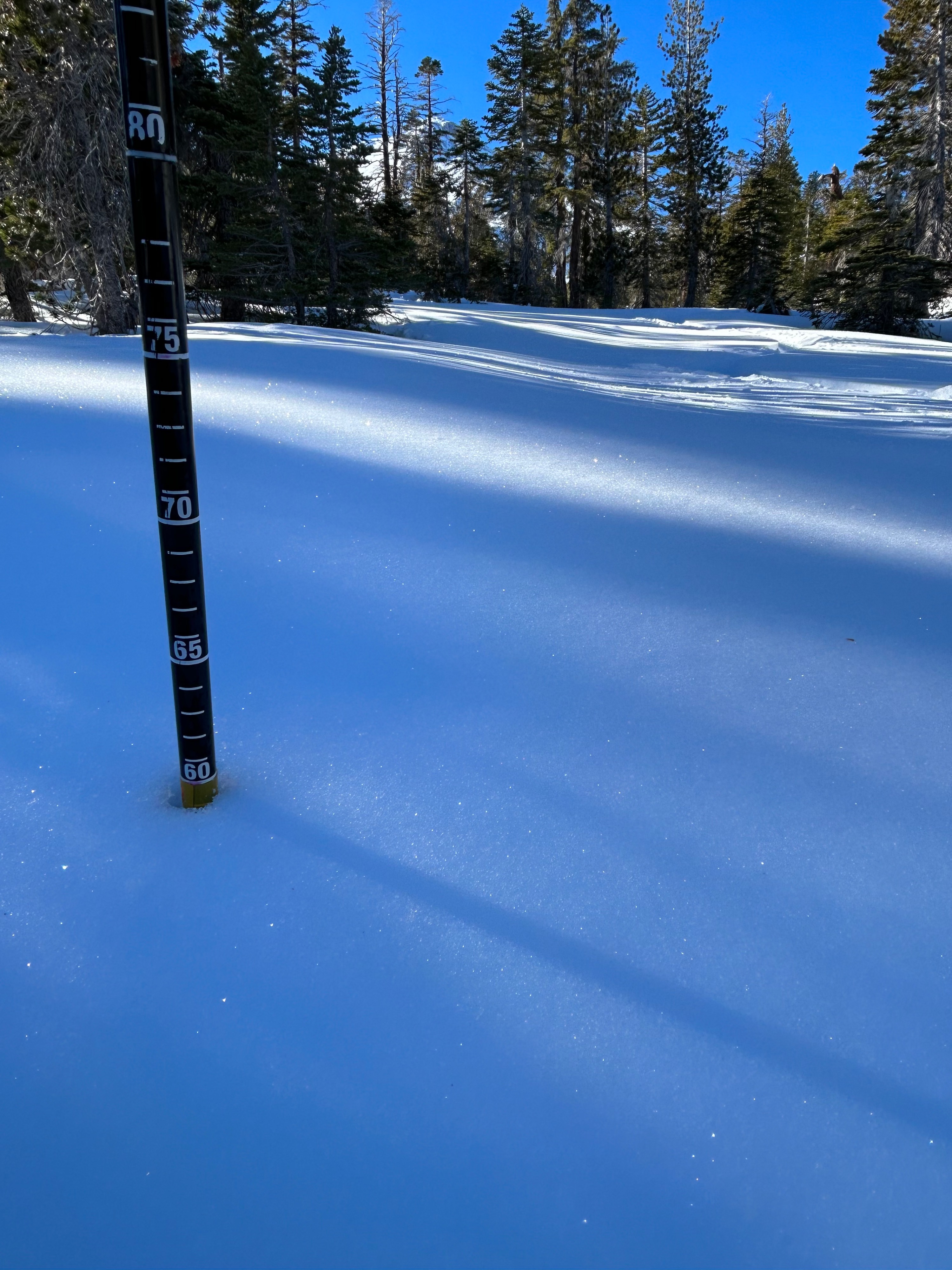
Today, I visited Brewer Creek to compare snowpack structure and snow depths, as well as take advantage of great visibility. At 6,800 feet, snow coverage and surface conditions are not great. A widespread surface crust 1-3 cm thick was present on nearly all slopes, except for shady, protected pockets below treeline where the snow has stayed cold. These locations are also where I observed the deepest snow depth, at 27 inches (60cm).
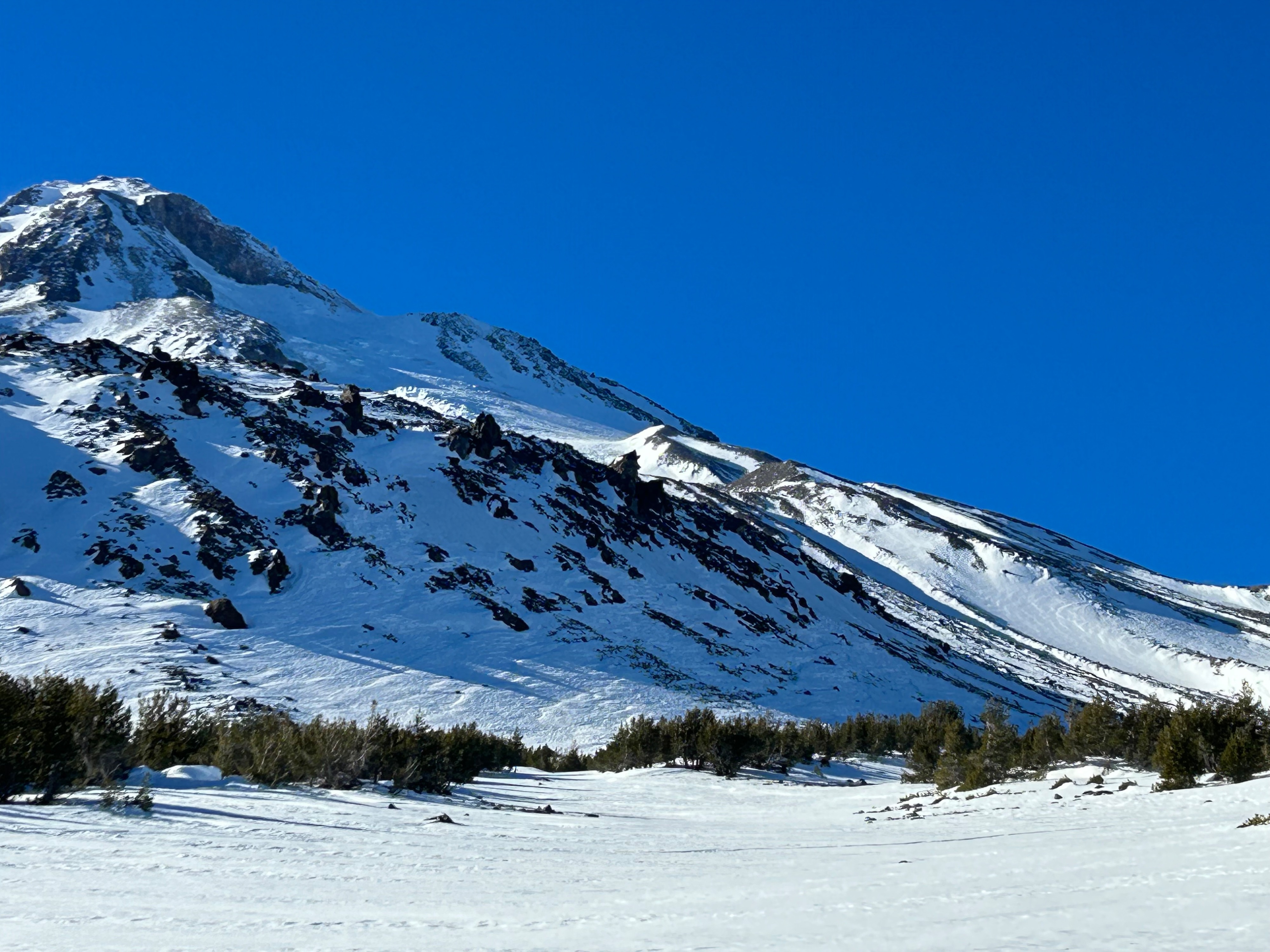
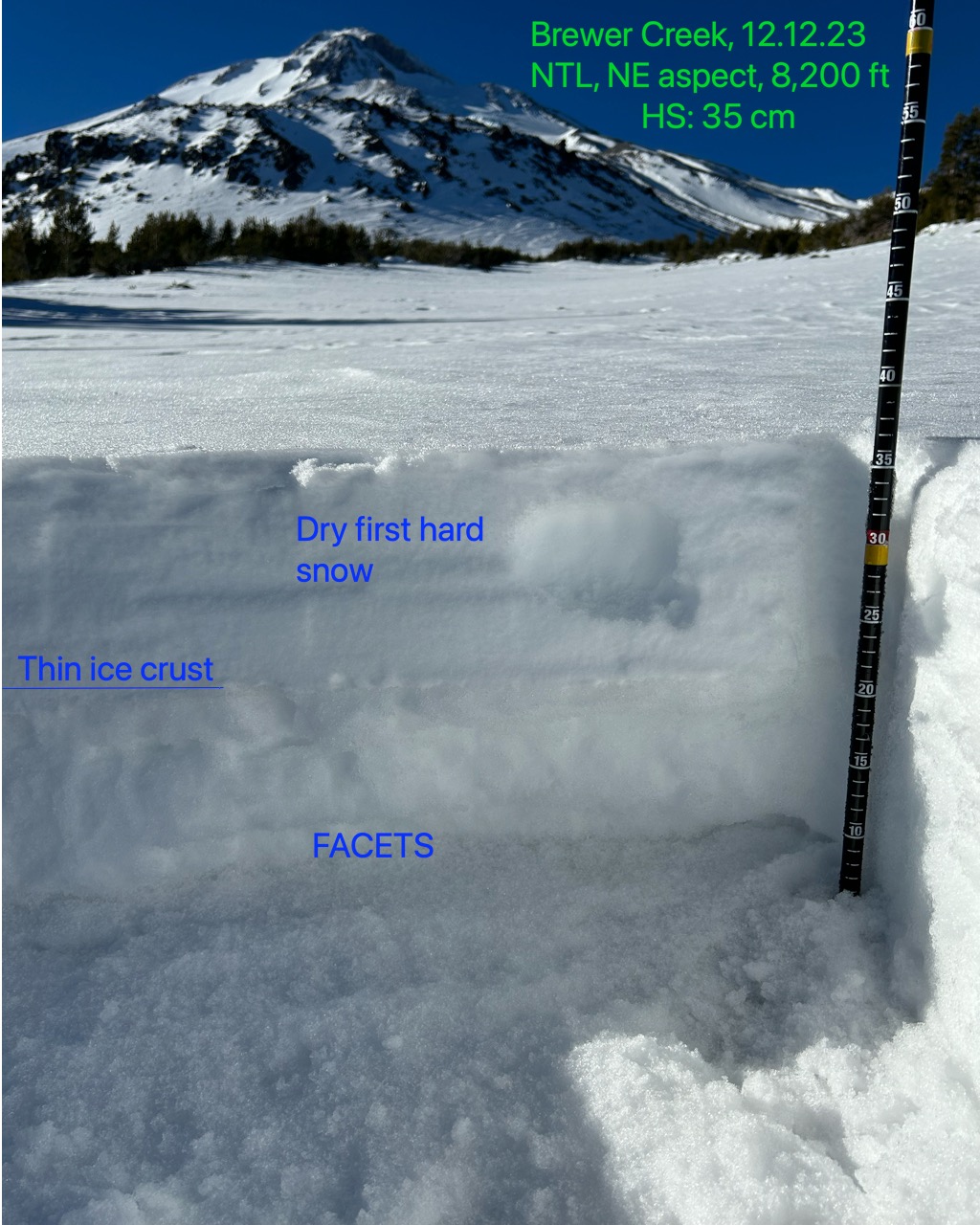
Near treeline at 8,200 feet, a shallower snowpack was observed, with an average of 10–15 inches. This is likely due to the wind stripping all the snow away over the last couple of weeks. Above treeline, slopes presented smooth, hard surfaces, as well as wind-effected ones. High northerly winds could be heard overhead.
Weather
- Air Temp
- 40
- Cloud Cover
- clear
- Wind Loading
- none
- Recent Snowfall
- 0
- Snow Avail For Transport
- none
A day of sunlight with clam winds and above freezing temperatures
Snowpack
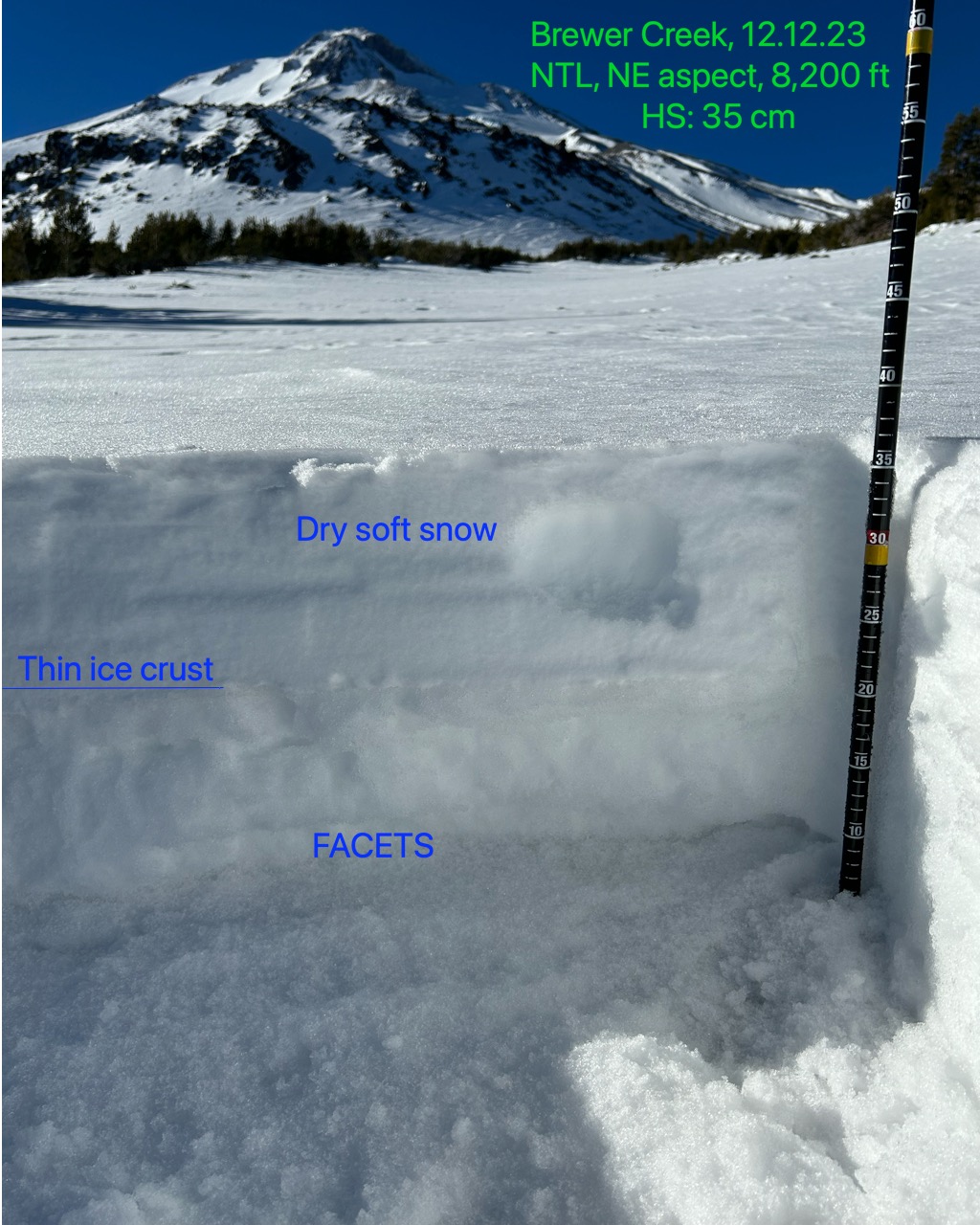
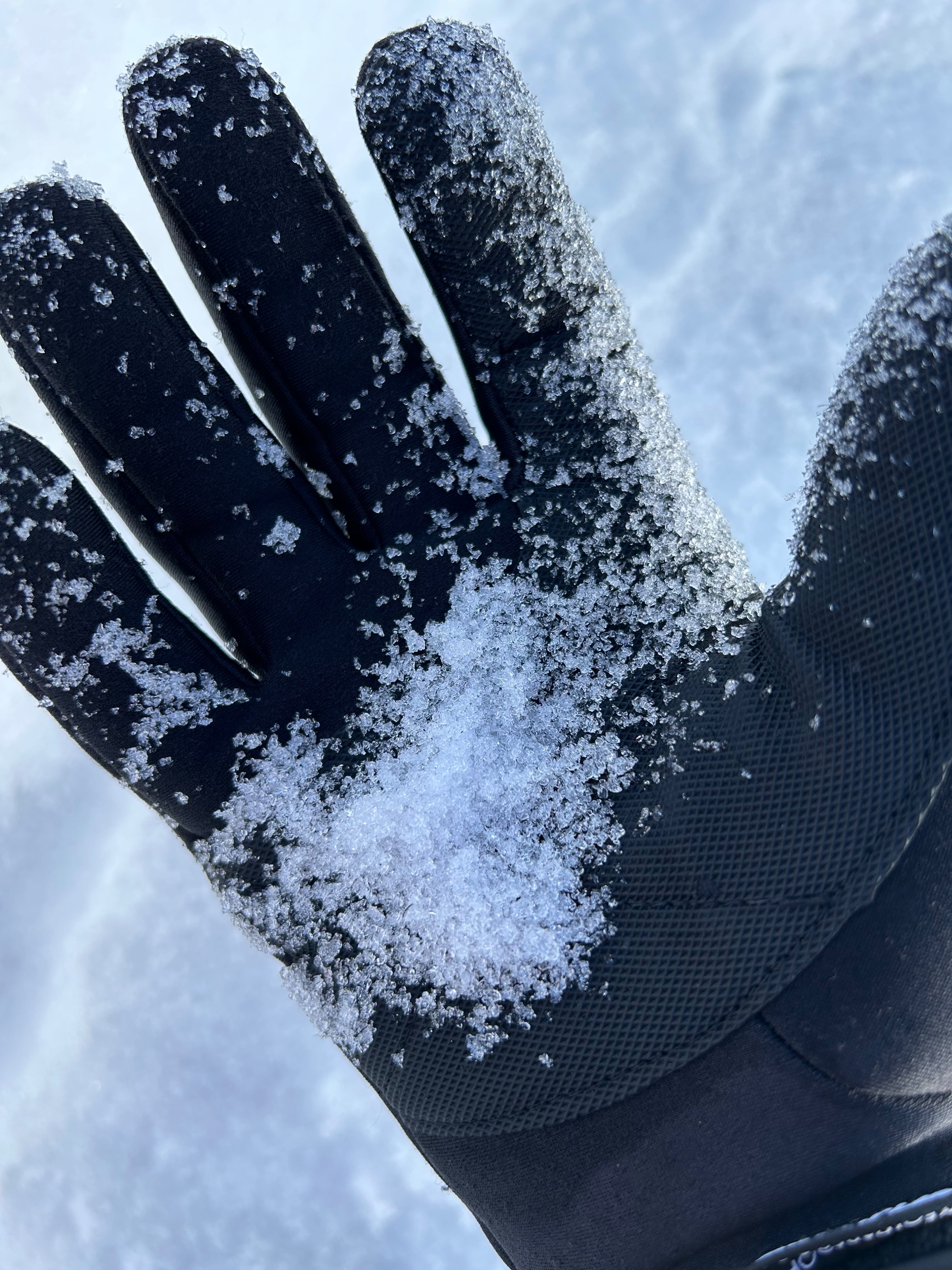
My findings on the north side of Mount Shasta presented a similar snowpack structure to that on the south side of the mountain. What I found was a poor snowpack structure. A surface crust with dry snow beneath sits atop a stout, razor-thin ice crust 20 cm below. Beneath the crust is a base of faceted snow 15 cm thick. The facets range from 0.5 to 1 mm in size. The cold, short nights, along with a shallow snowpack, have allowed for these facets to develop. Stability tests revealed stubborn to unreactive results