
Quick report
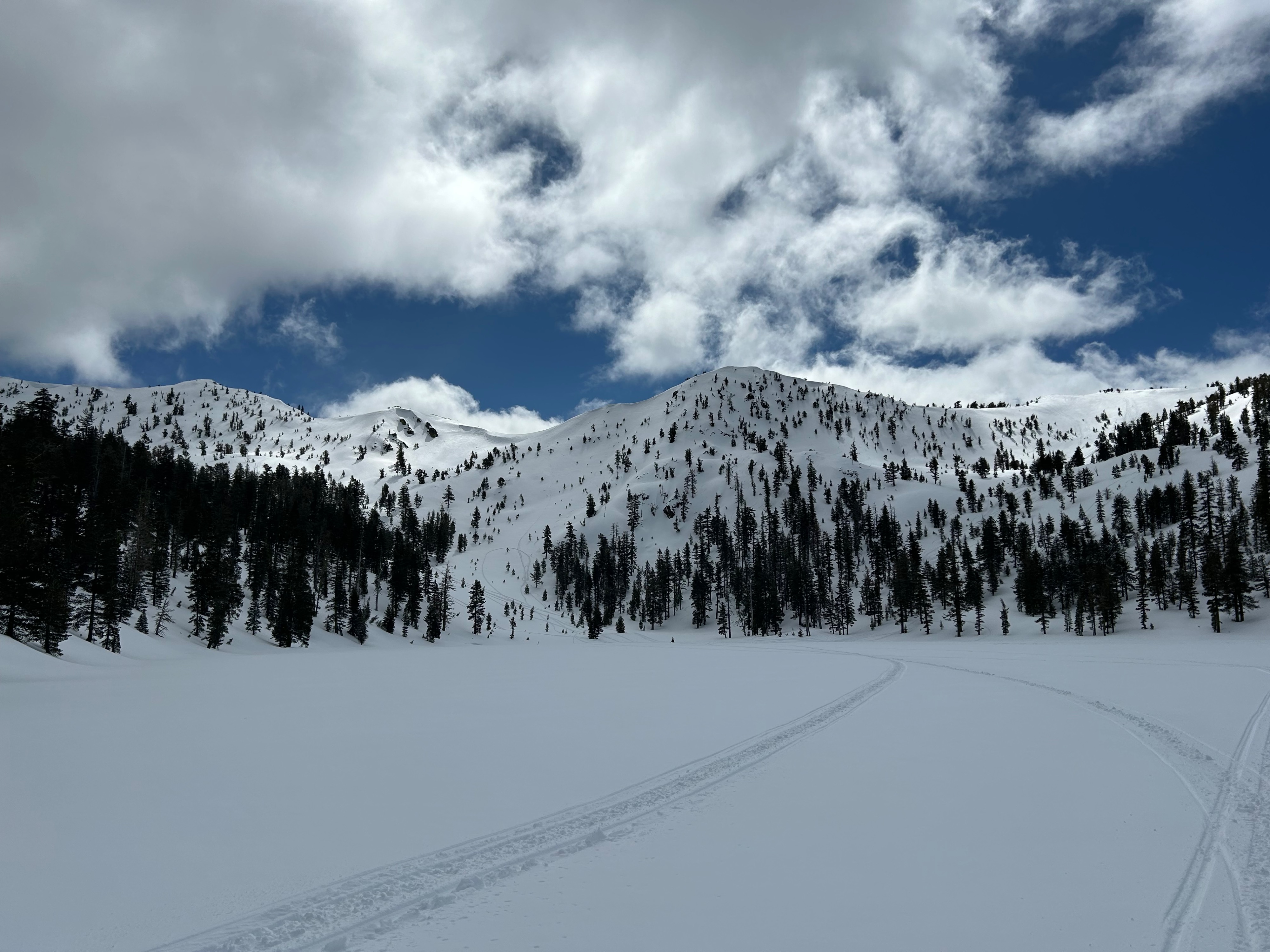
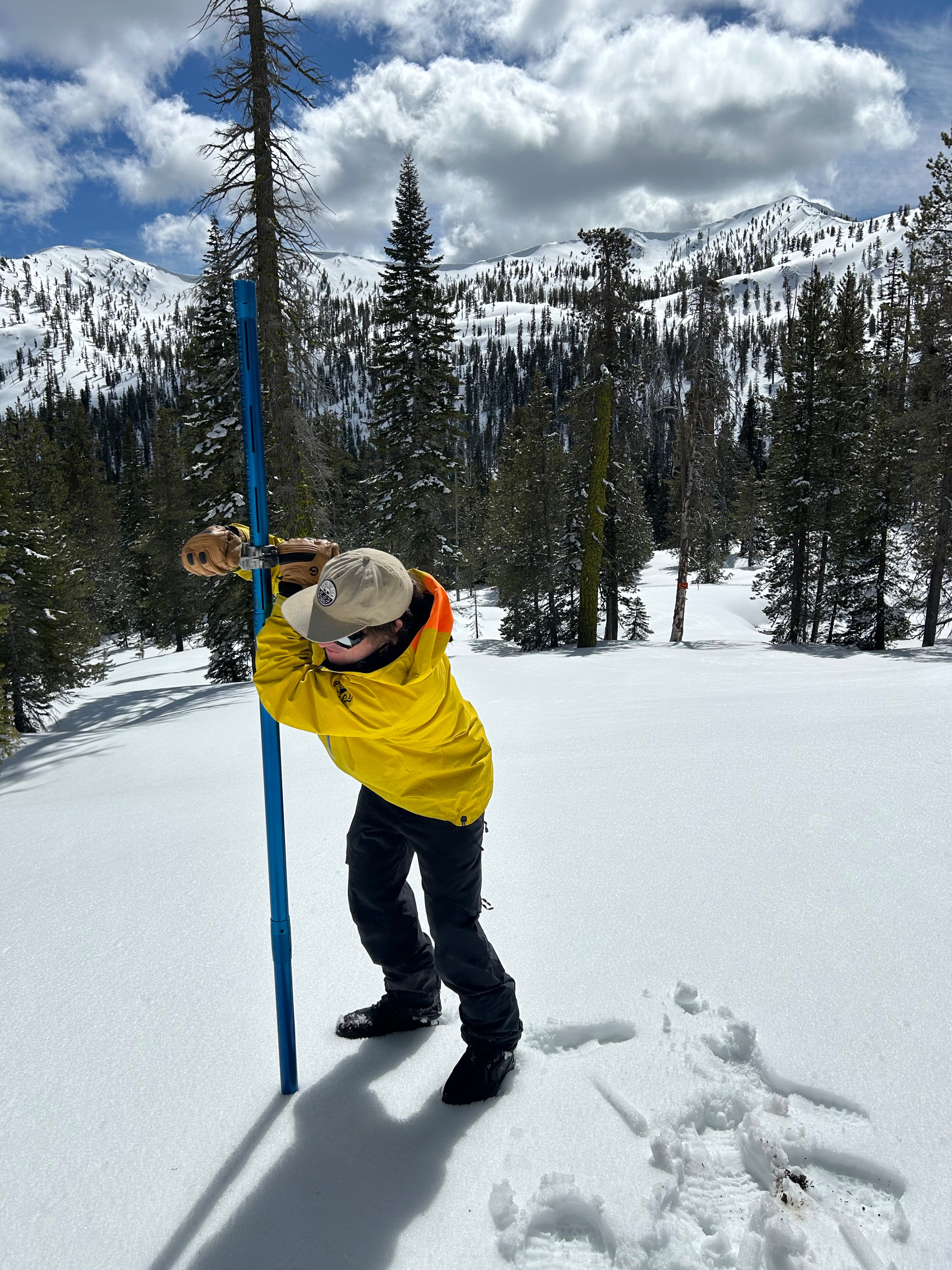
Today, Sam and I embarked on a long journey into the Deadfall Lakes Basin and the North Fork of the Sacramento River drainage to conduct our annual snow surveys. Throughout the entirety of the mission, no red flags of avalanche danger were observed and mostly dry and damp snow surfaces were experienced.
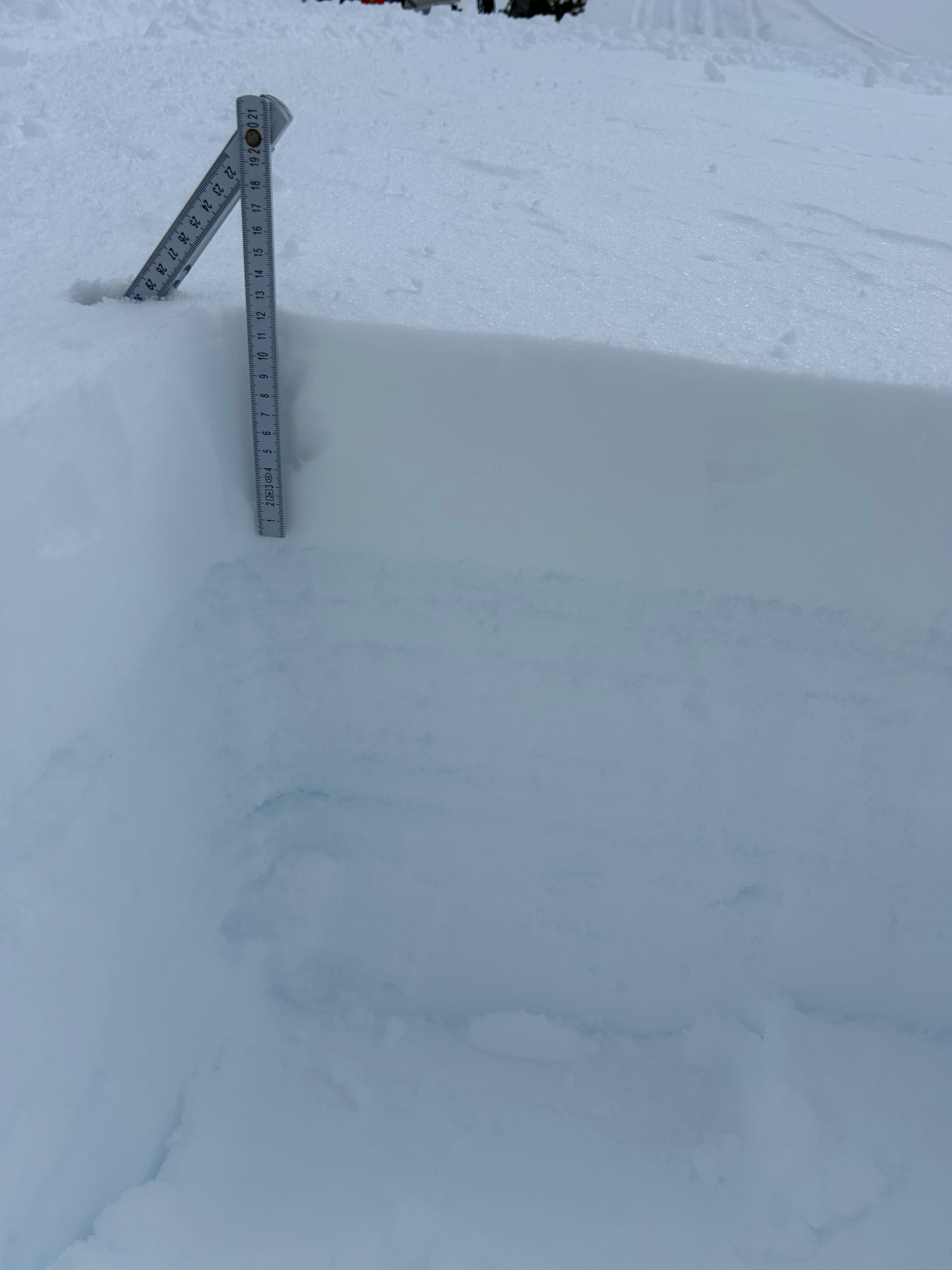
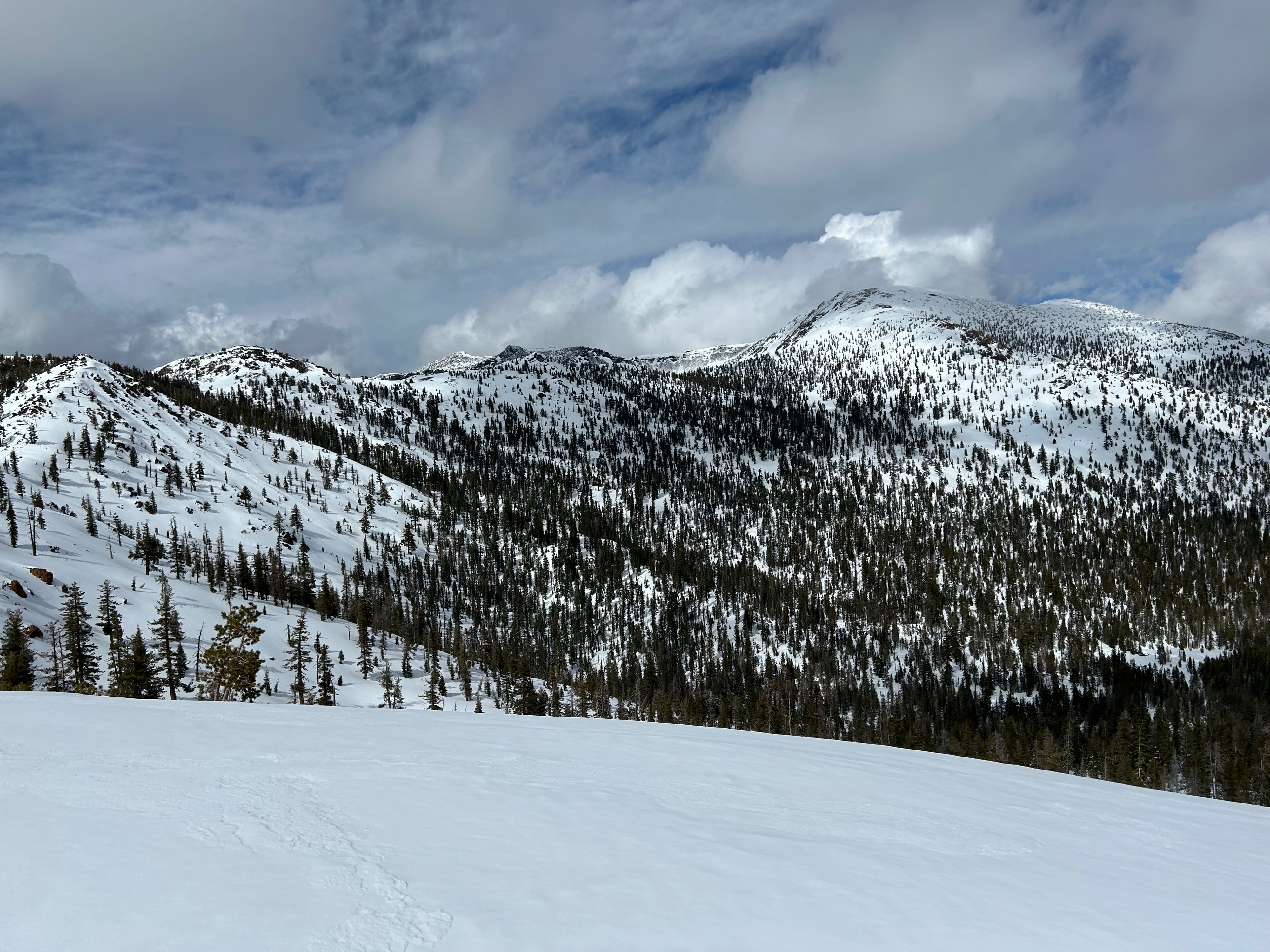
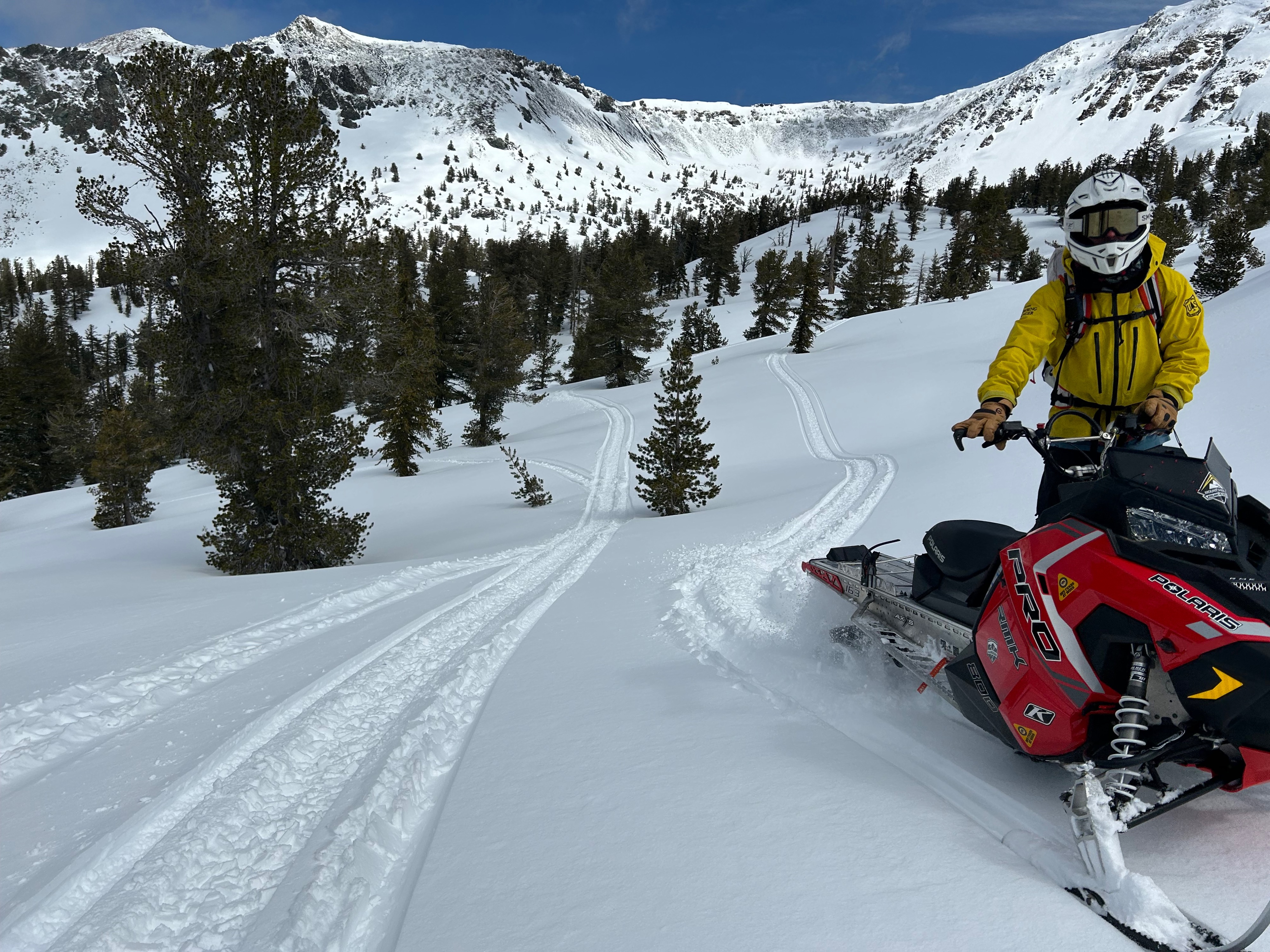
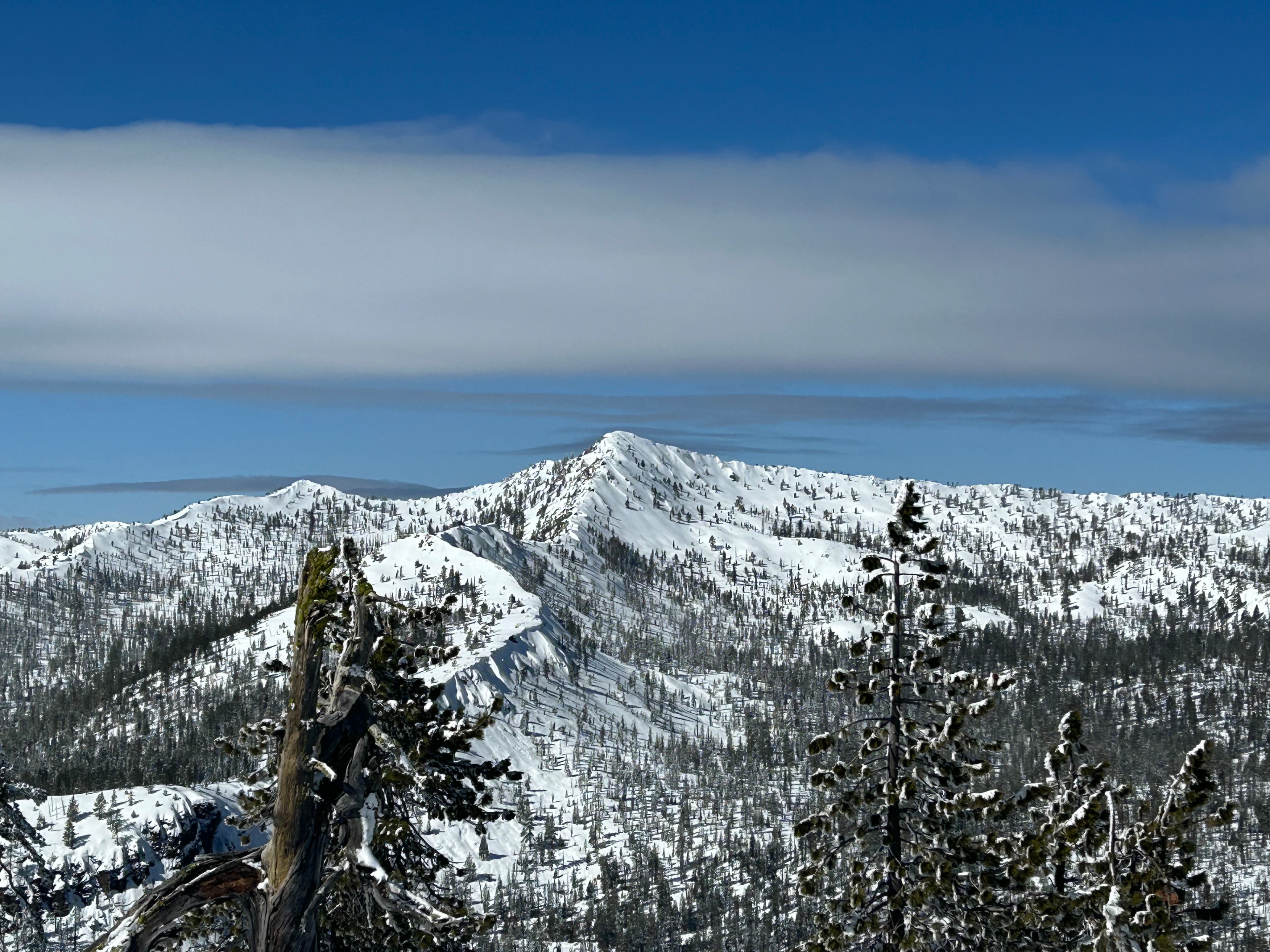
Overall, snow conditions in the Eddy's are holding up well, though they received less snow from the previous storm than Mount Shasta did. Dry powder snow is staying well-preserved in protected, shady areas, with open southerly aspects experiencing significant warming. Roller balls were observed on several large slopes beneath cornices and rock outcroppings; otherwise, no signs of instability were to be had or seen. Snow surfaces are very supportable, with five to seven inches of snow above a stout, melt-free crust. Ridgelines and exposed open slopes held the most wind effected snow and variable surface conditions. As far as the eye could see, nearly all sharp ridgelines were home to monster cornices overhanging leeward, north-facing slopes.
No signs of instability apart from some roller balls were seen or experienced during our outing.Weather
- Air Temp
- 38
- Cloud Cover
- broken
- Wind Loading
- none
- Recent Snowfall
- 0
- Snow Avail For Transport
- small smounts
A blanket of clouds and a gusty north wind decreased in coverage and speed as the day progressed. Above freezing temperatures were present near treeline. The remaining cloud cover contributed to the cooling of the snow surfaces and kept much of the wet-loose avalanche activity at bay.
Snowpack
The snowpack in the Eddy Mountains near treeline is hosting roughly 175 cm (70') of snow coverage. Five to seven inches of dry surface snow were observed primarily in protected shady areas, with three or more inches observed on solar-lit aspects. Below the surface snow, is a series of well consolidated crusts that do not pose a threat to instability.