
Quick report
- Collapsing
- isolated
Poor snowpack structures on the north side of the compass will produce the largest and most widespread avalanche activity with this upcoming storm, where avalanches will likely be breaking as persistent slabs on buried PWLs in the upper, middle, or lower part of the snowpack. Crusts of varying thickness exist on the south side and could act as bedsurfaces or collapsible interfaces for storm slab instabilities.
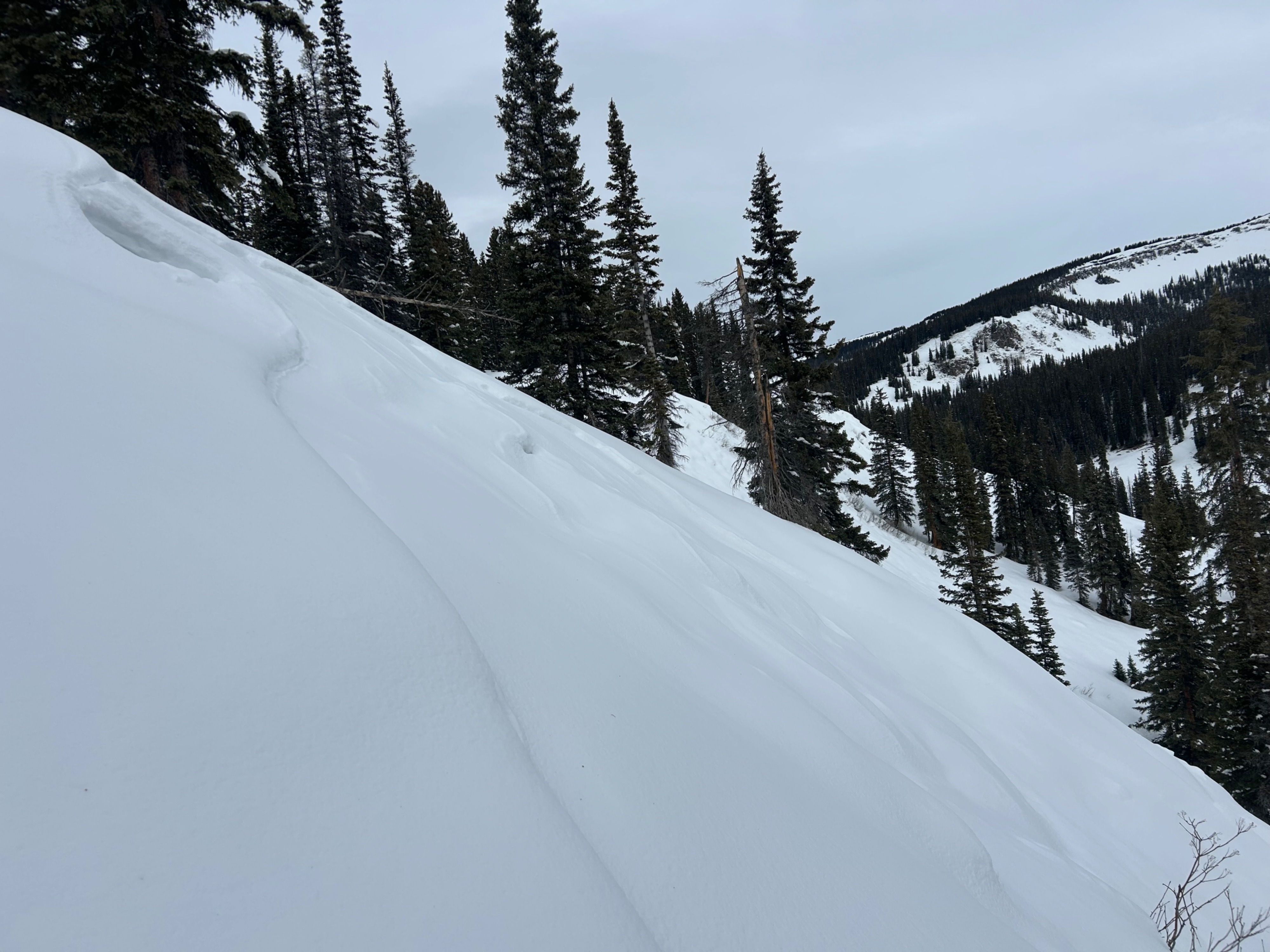
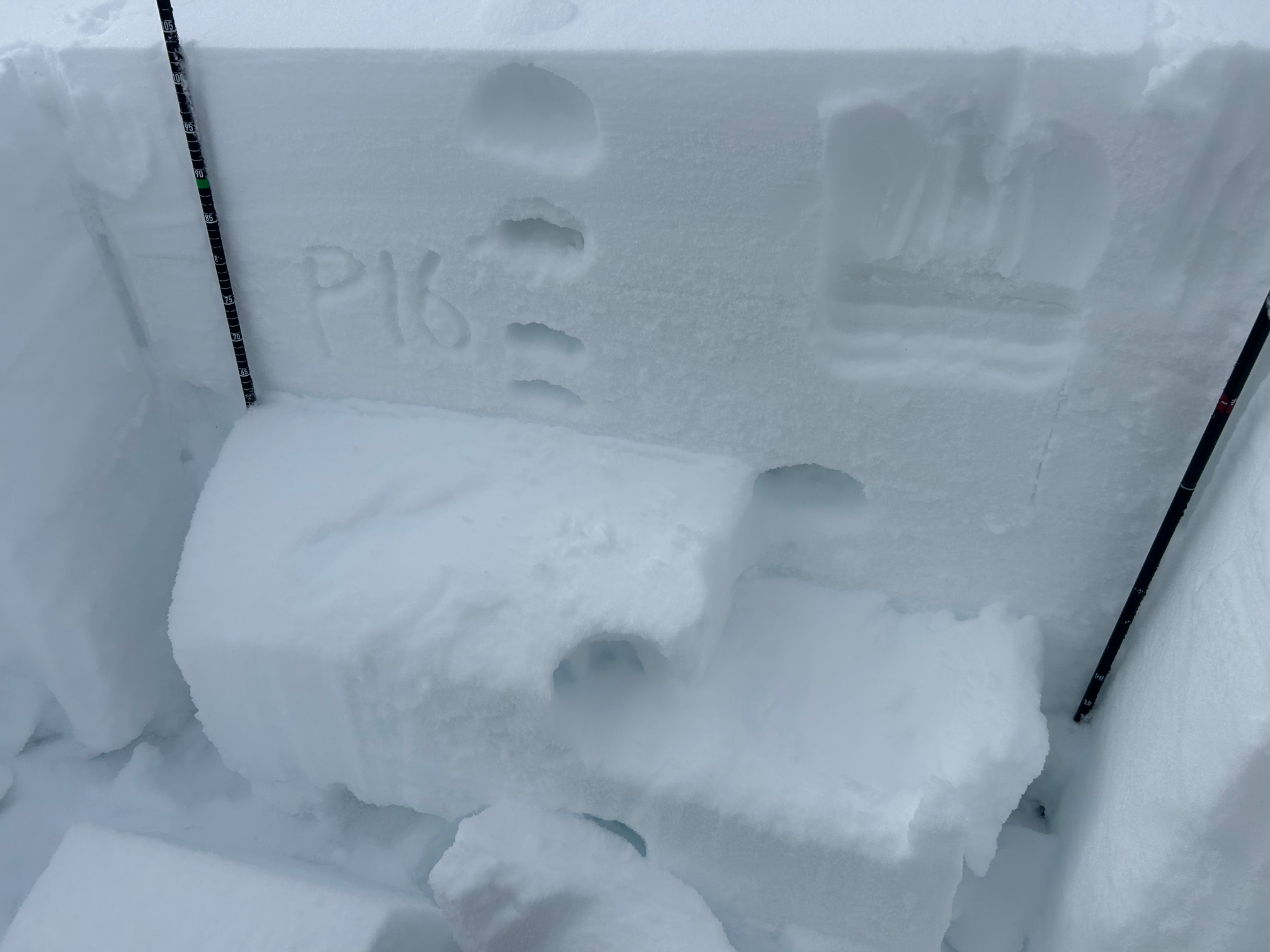
While walking across the top of several northeast-facing start zones, I got 2 collapses that radiated about 30 feet wide and 40 cm deep. An ECTP16 result demonstrated the issue as well, which was failing on the January 23rd facet layer (about 20 cm deeper than the Feb 11 interface).Weather
- Cloud Cover
- broken
- Wind Loading
- none
- Recent Snowfall
- 0
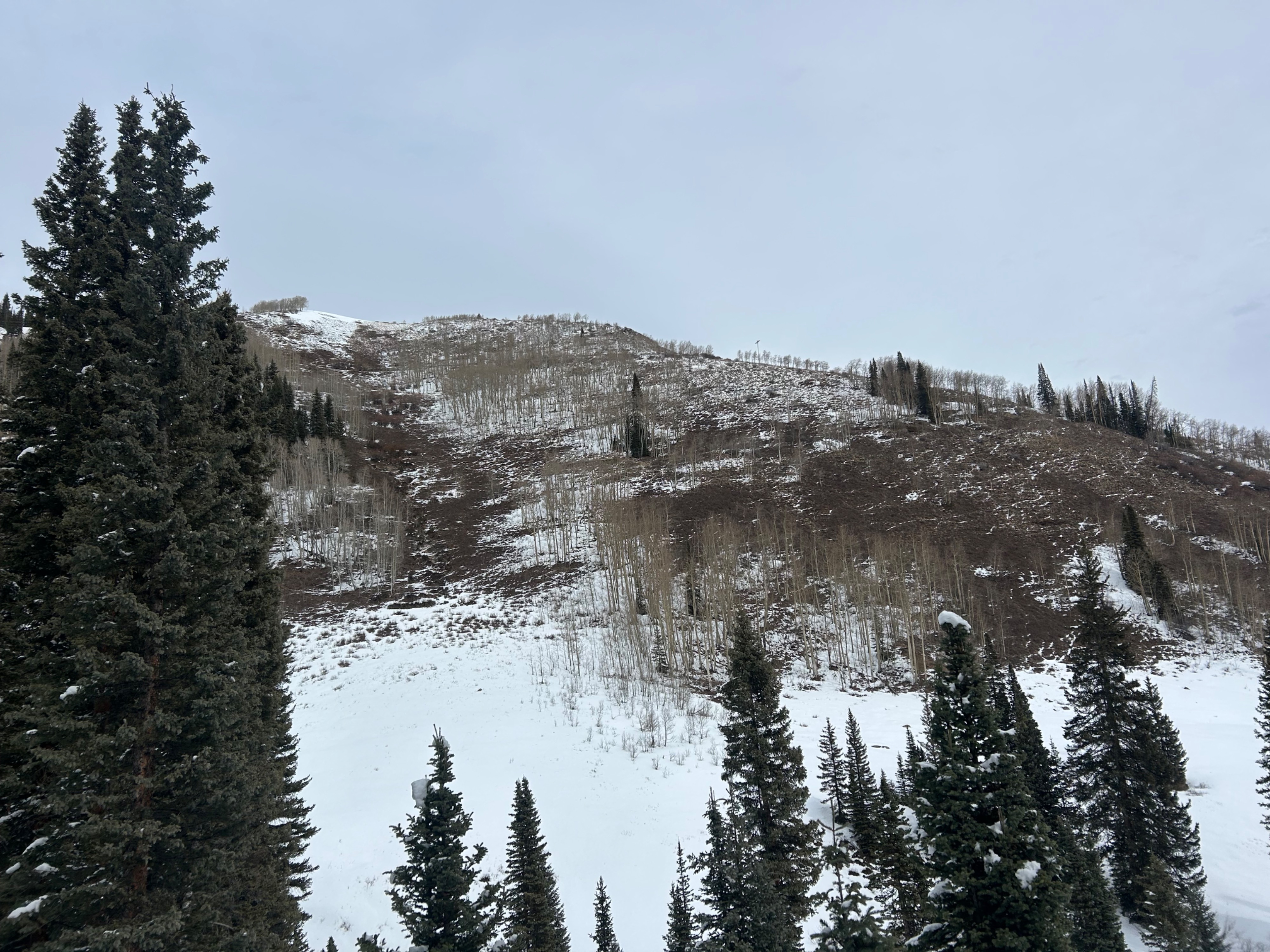
Decent visibility, no transport observed around Axtell or Anthracite Range. Mild, greenhouse feeling day.
Snowpack
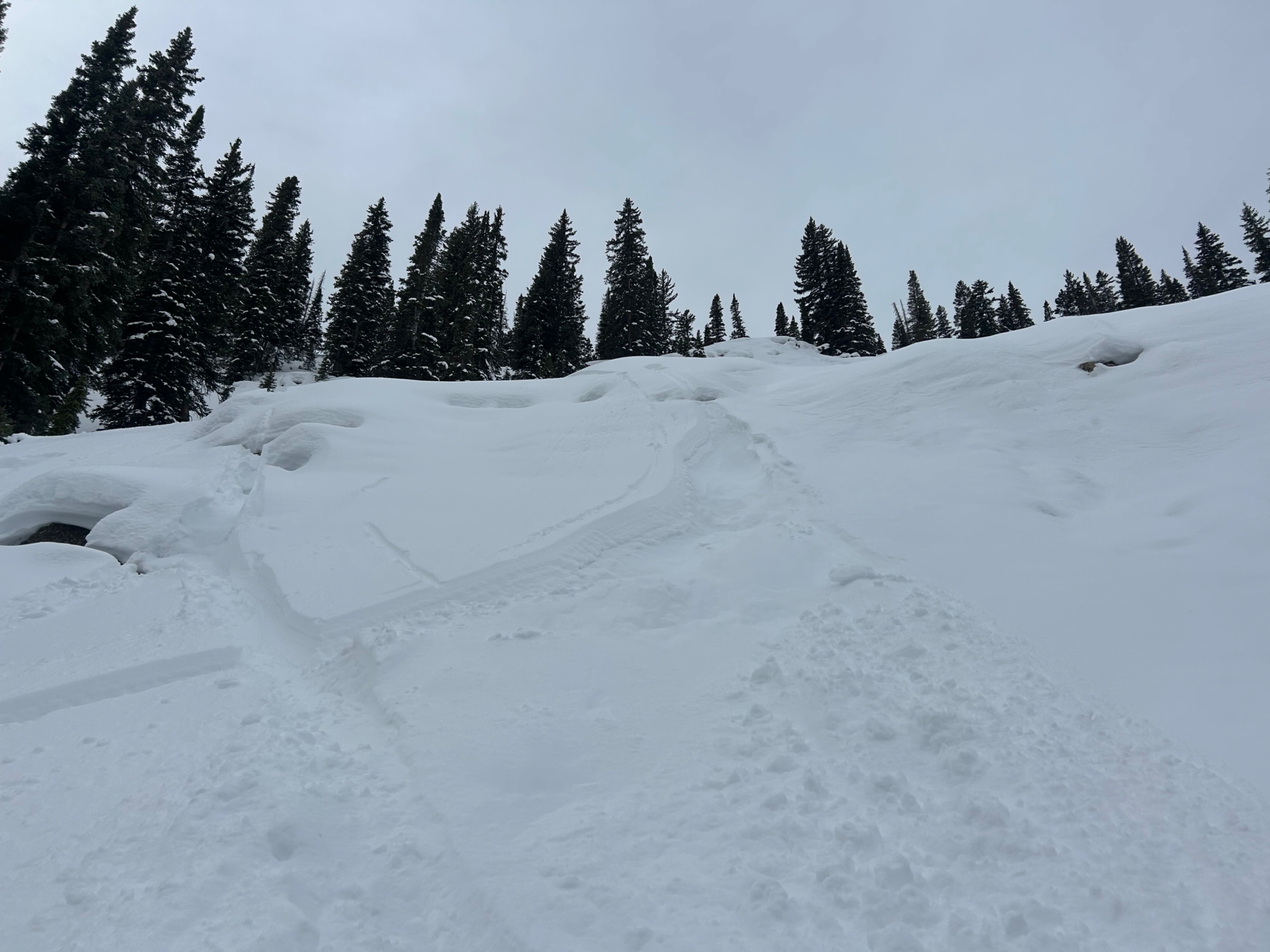
Some notable differences in snow structures between low angle to steep terrain. On steep southerlies, the snowpack is entirely a thick crust with no obvious weak layers on the snow surface. On low-angle terrain, the crusts are thin, soft, and have radiation recrystallization above. I suspect this lower-angle setup is more representative of shoulder aspects (W, E) or higher-elevation southerlies. On low-angle northerly terrain, the most recent weak layer (Feb 11) is bonding under the current load (a 20 cm soft slab), but now the stress is focused on the next weak layer (Jan 23 facets) about 40 cm deep. The Christmas crust/facet complex is quite large-grained and weak near the bottom of the snowpack (~80 cm deep). A stability test produced ECTN13 at 2/11 interface, and ECTP16 at the 1/23 interface, no result on 12/25. On the steep NE facing slopes that we traveled on, the snowpack was much thinner and lacked a midpack due to previous avalanche activity. On those slopes, ski cuts were unproductive; skis were just sinking through the recent snow into a sandbox of facets.
Avalanche
- Size
- D1.5
- Type
- SS
- Aspect
- NE
- Trigger
- N
- Elevation
- 10400 ft
4 small slab avalanches (D1-1.5) ran during the last storm on the storm interface (Feb 11) on steep, NE facing terrain below treeline here.