
Quick report
- Collapsing
- isolated
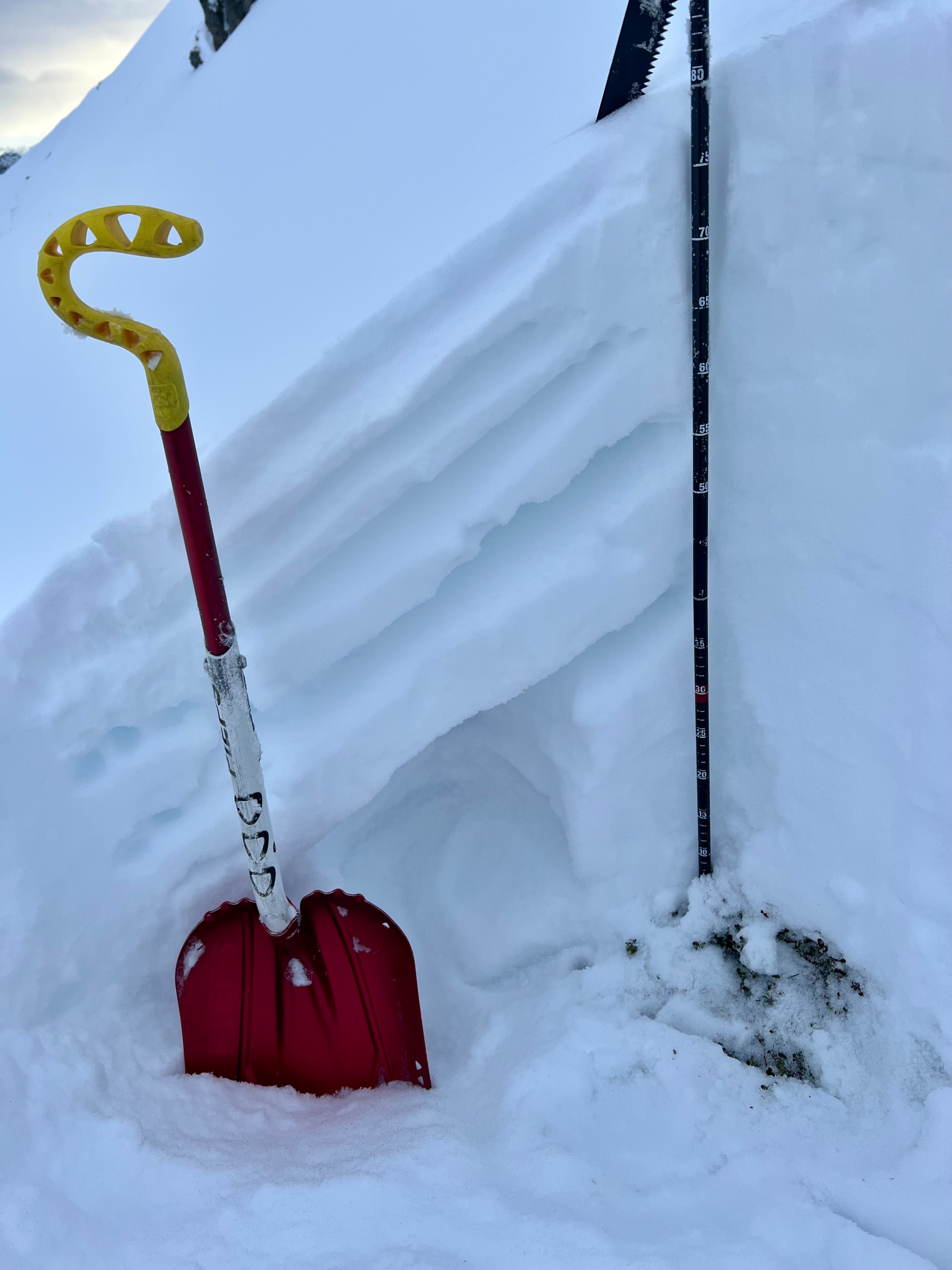
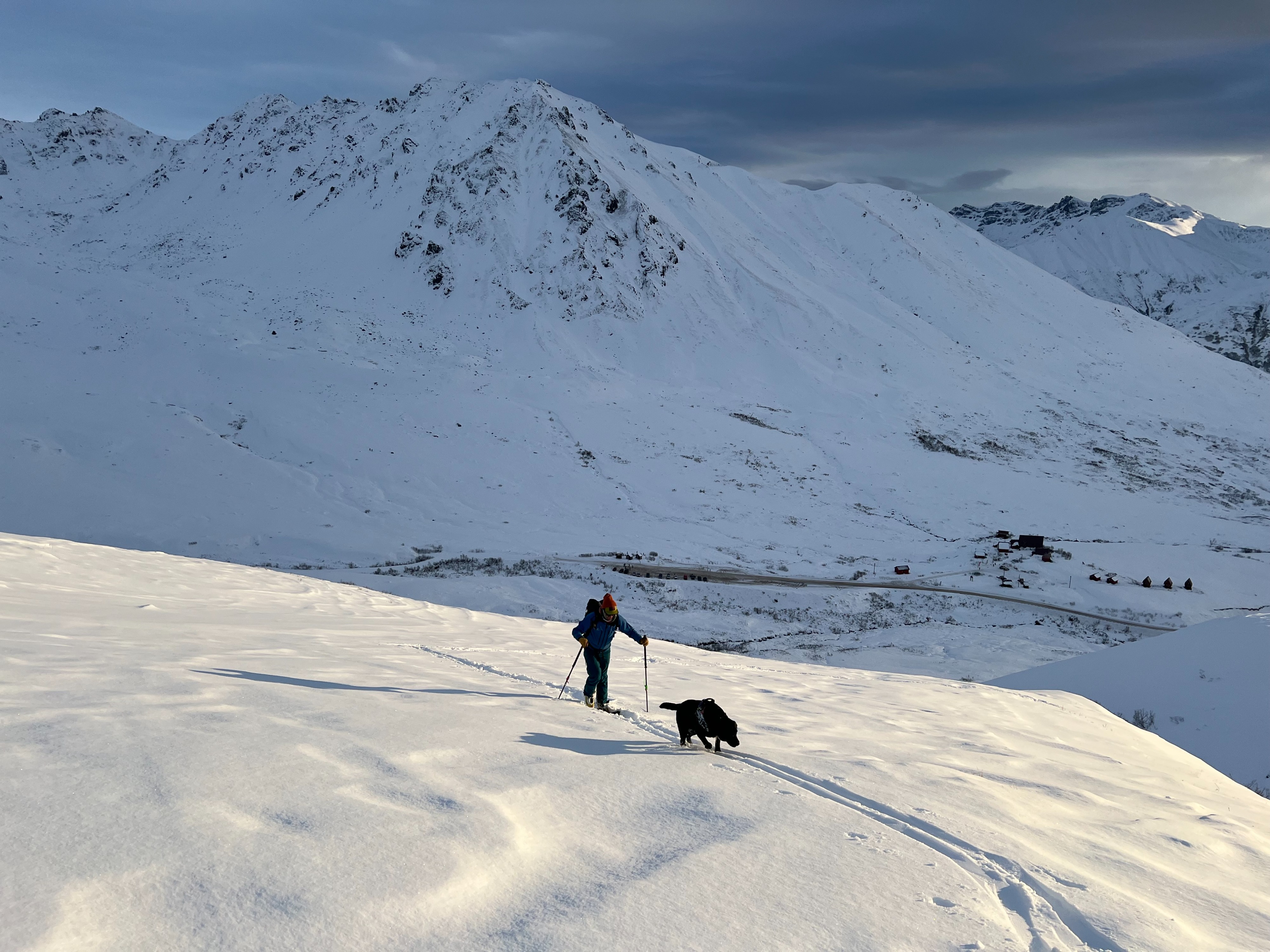
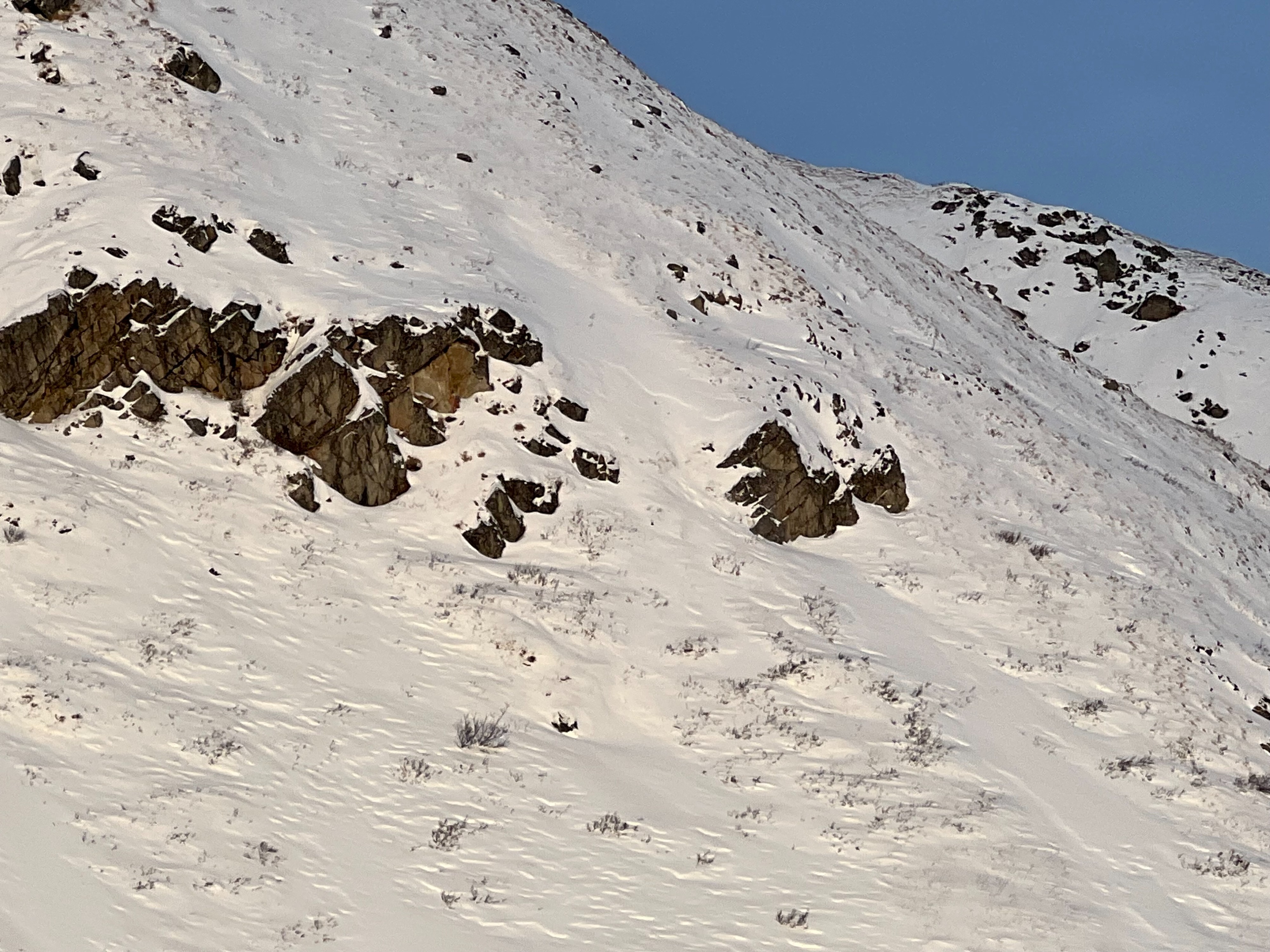
The variability of the structure and snowpack depth is extreme. It ranges from bare tundra to firm icy bed surfaces, to bottomless thick facets to wind crusts. Travel uphill can be firm and downhill is a knee jerker unless you find supportable crusts or thin tundra ridgelines.
Small collapses or whumphs in shallower areas with particularly hard (1F+) old wind slabs above faceted snow grains. These were localized and lacked energy; the failures were underfoot and did not appear to propagate further than beneath the person breaking trail.Weather
- Air Temp
- 35
- Cloud Cover
- broken
- Wind Loading
- previous
- Recent Snowfall
- 2"
- Snow Avail For Transport
- small smounts
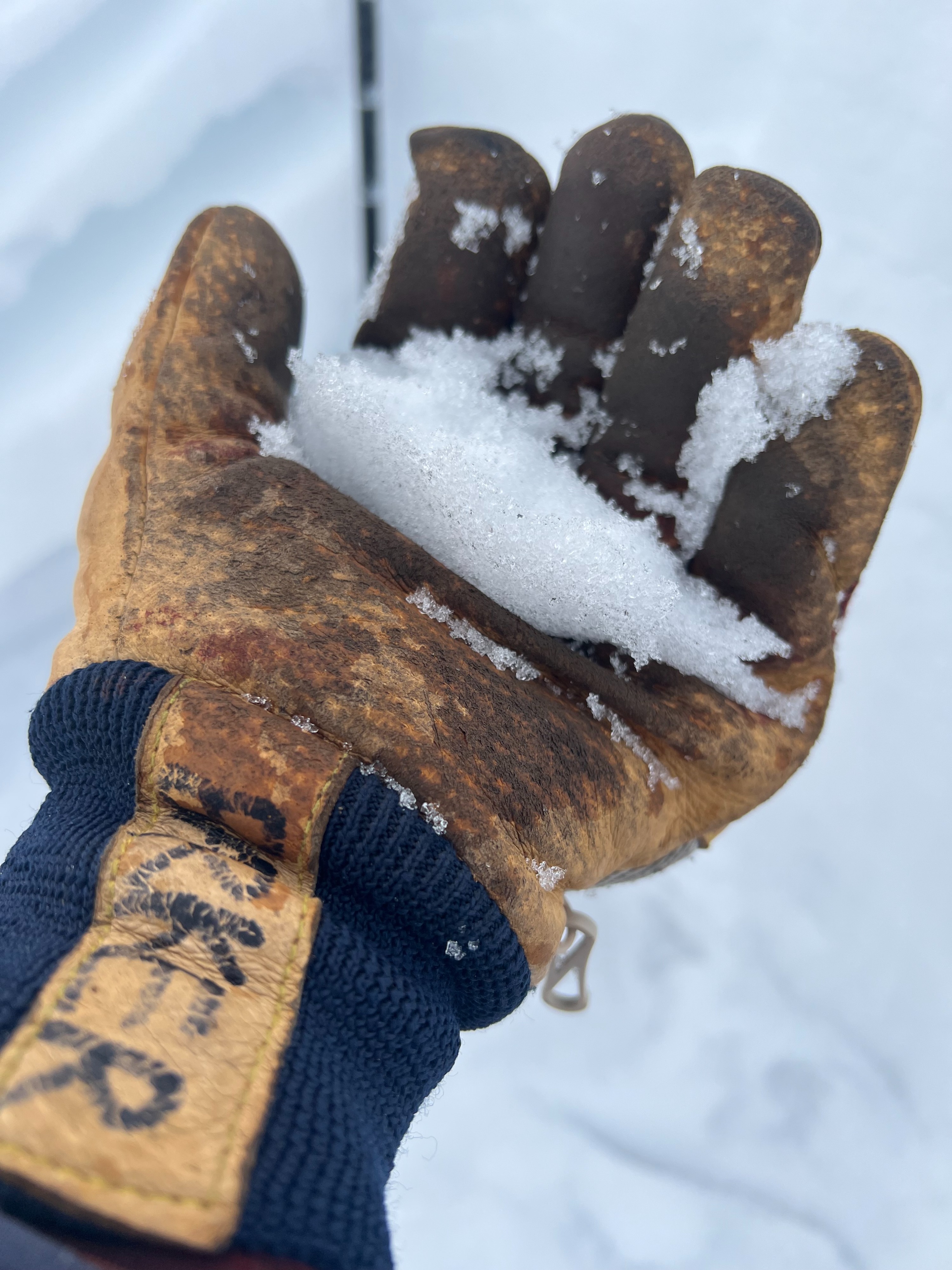
Noticed a small, barely detectable amount of overnight precip on the Independence Mine station by 8am. This registered as .2" Snow Water Equivalent and appeared to be about 2" of upside down, wet snow.
Snowpack
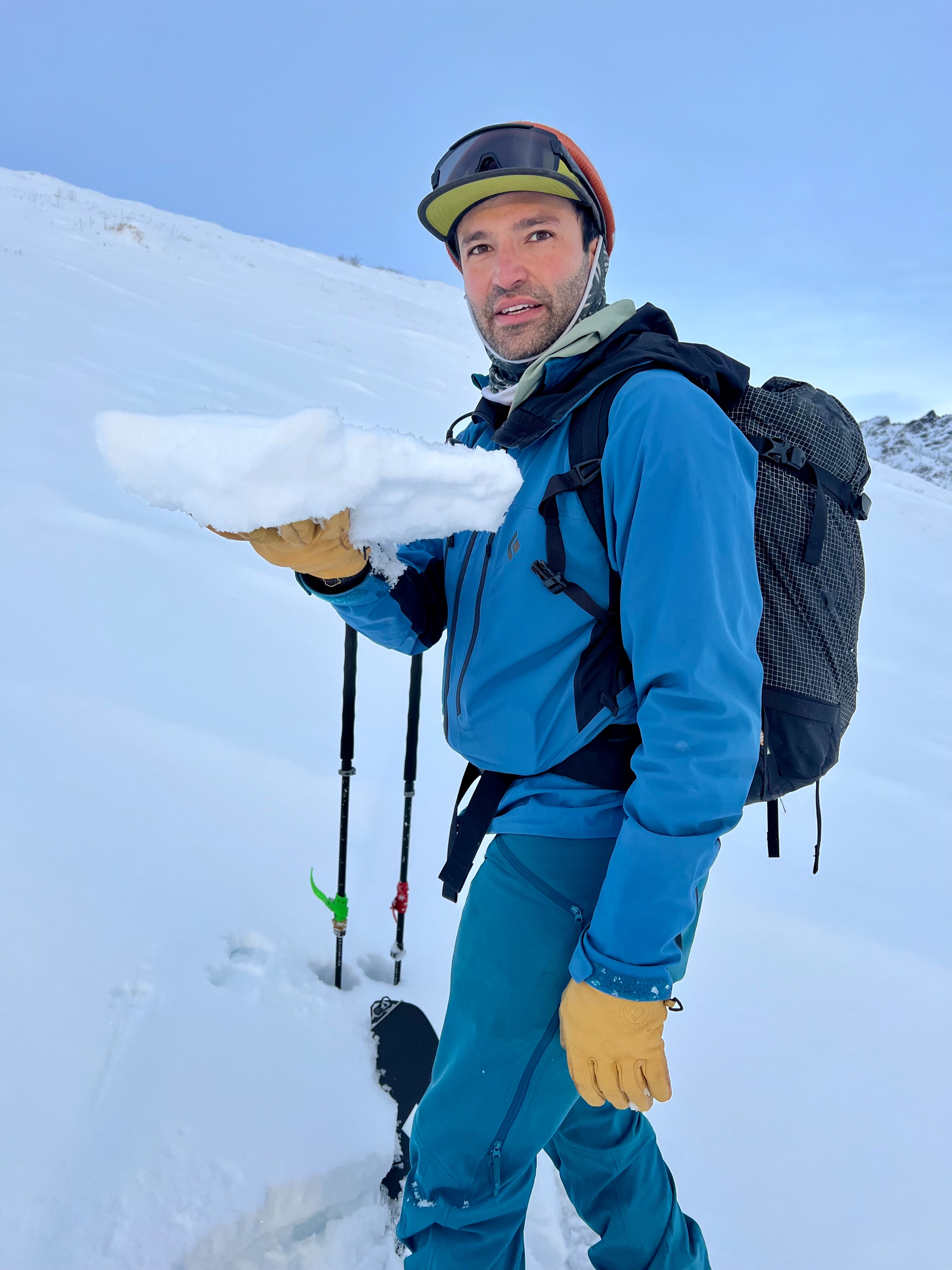
Throughout the tour, the small amount of heavy, new snow had slabby, cohesive characteristics but was so shallow that we did not see any failures. Whumping occurred in areas with shallow cohesive slabs sitting over weak facets.
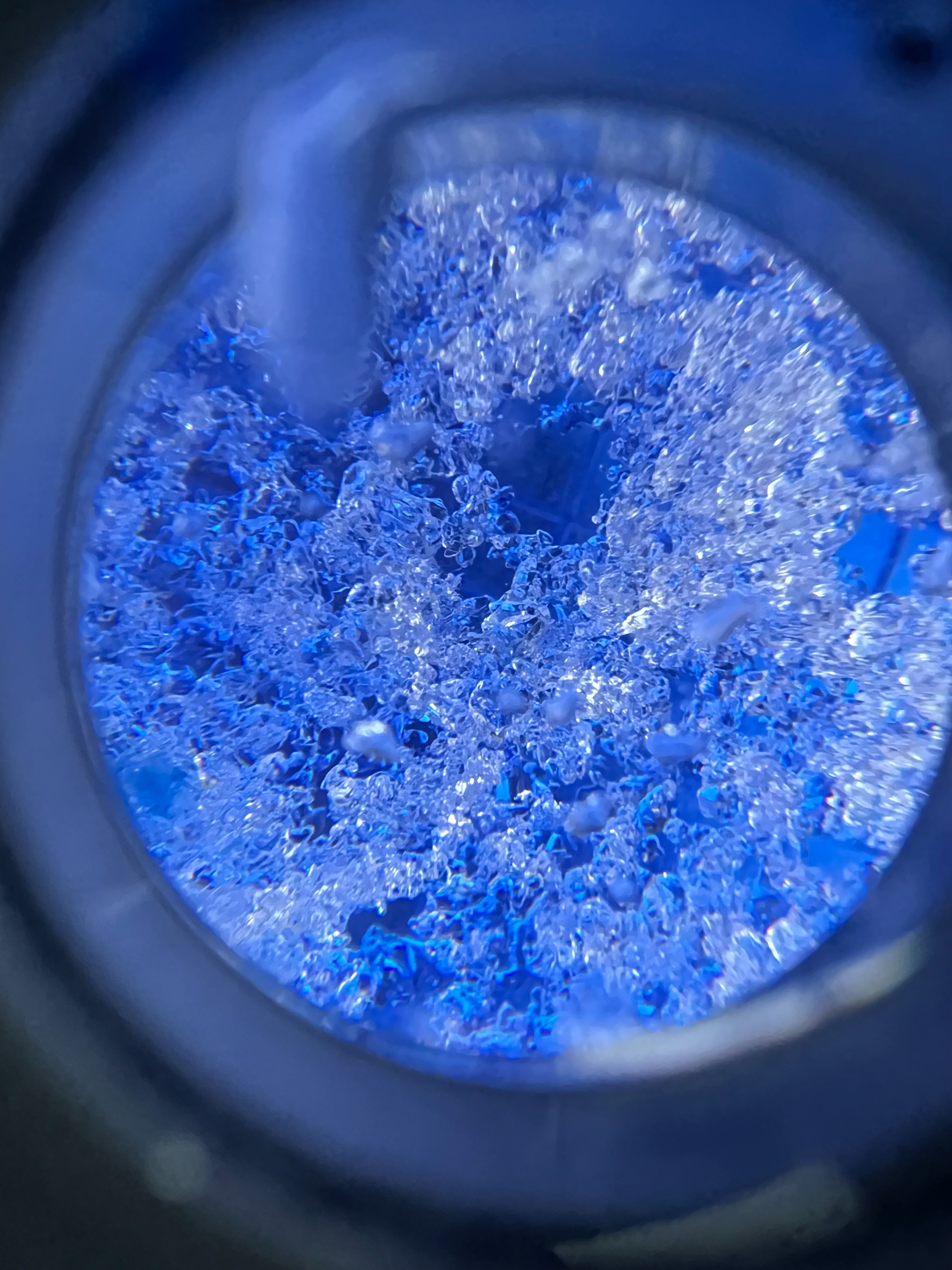
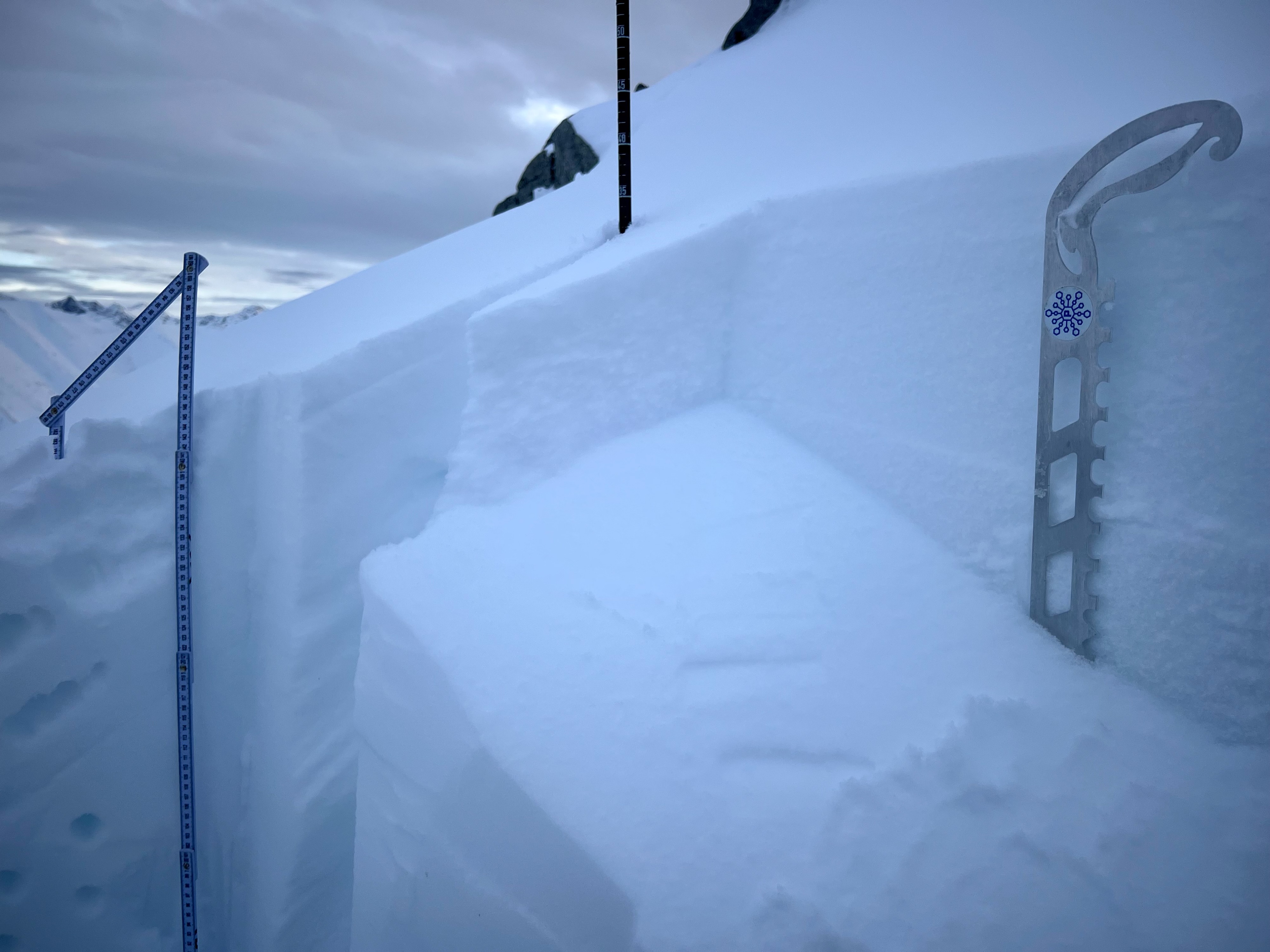
It has been several days (see December 7th April Bowl) since the last reported skier triggered slab avalanche. While we have seen healing of the snowpack with prolonged warm temperatures, there are still areas above 3,500' with firm slabs over poor structure. At higher elevations, it was not hard to find lingering, hard, wind packed slabs on top of faceted grains. We were able to see planar results in propagation in test pits where small facets sat above firm, old buried wind slabs.