
Quick report
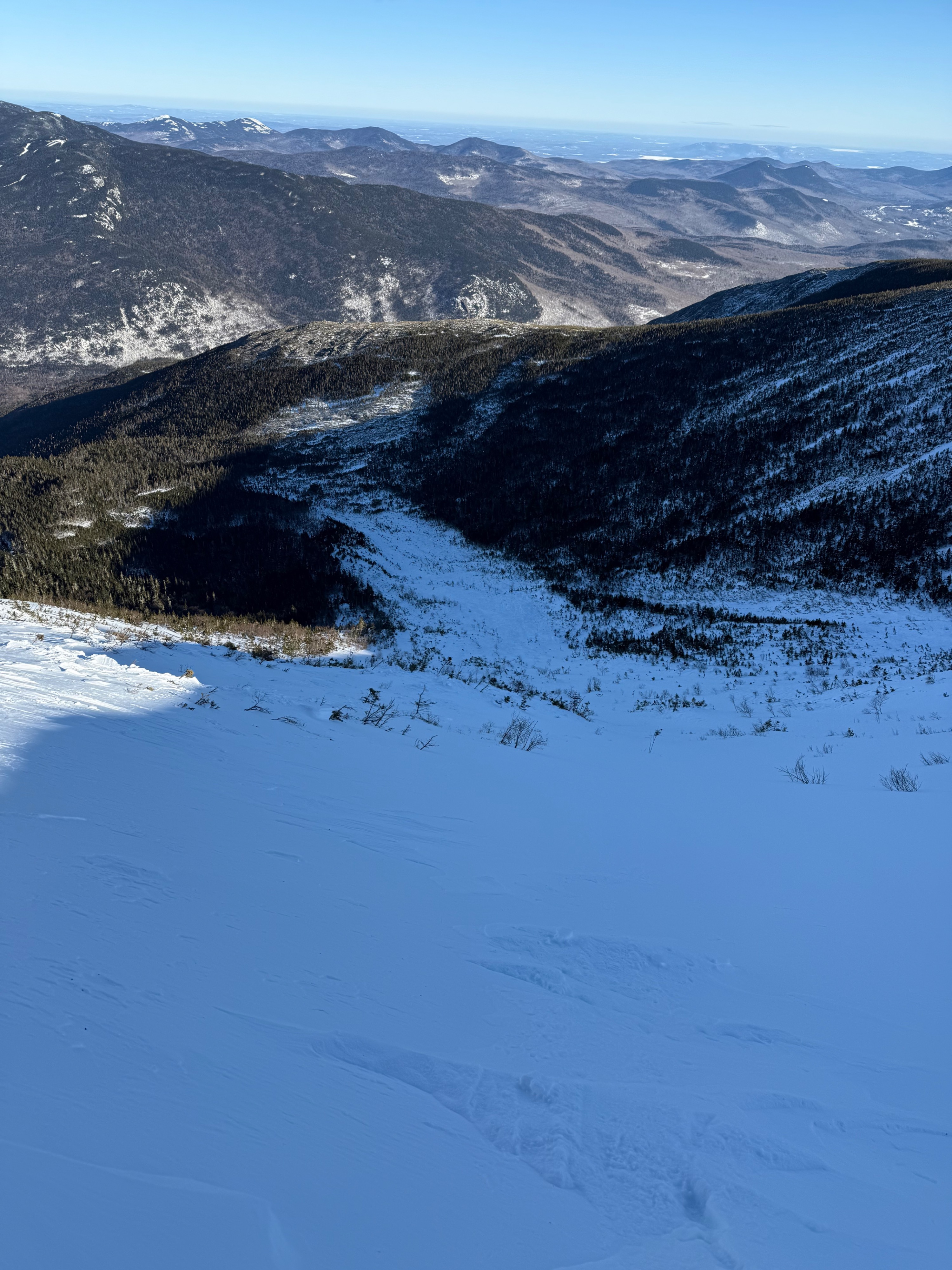
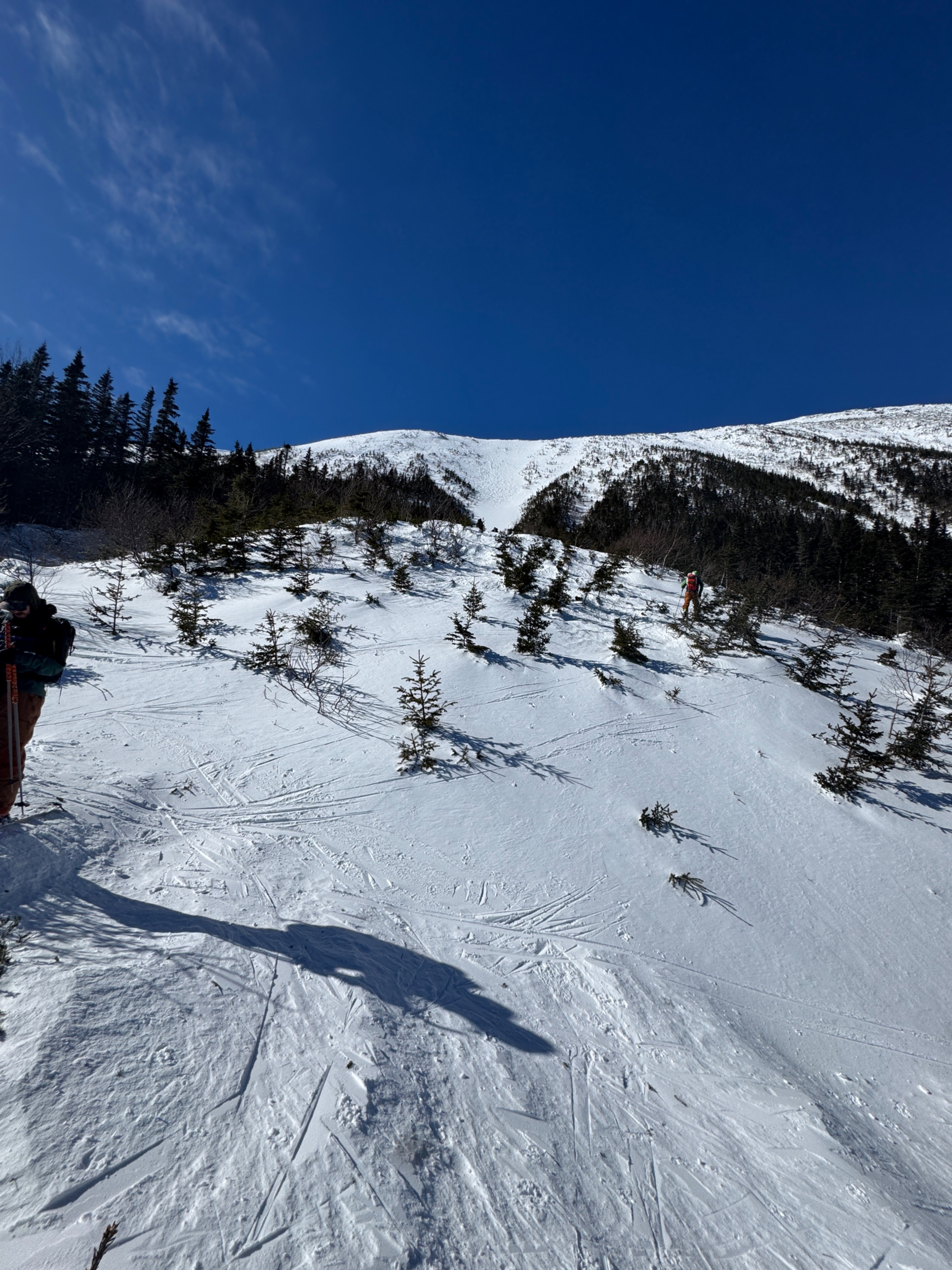
went to Gulf of Slides to look at sheltered terrain after nearly 50 hours of extreme winds to understand the size, sensitivity, and distribution of wind slabs formed on Monday. Our team has been debating if we still have a wind slab problem, and if there was going to be a sensitive wind slab, terrain sheltered like Gulf of Slides was the most likely place to find this. (spoiler did not find much evidence of an avalanche problem)
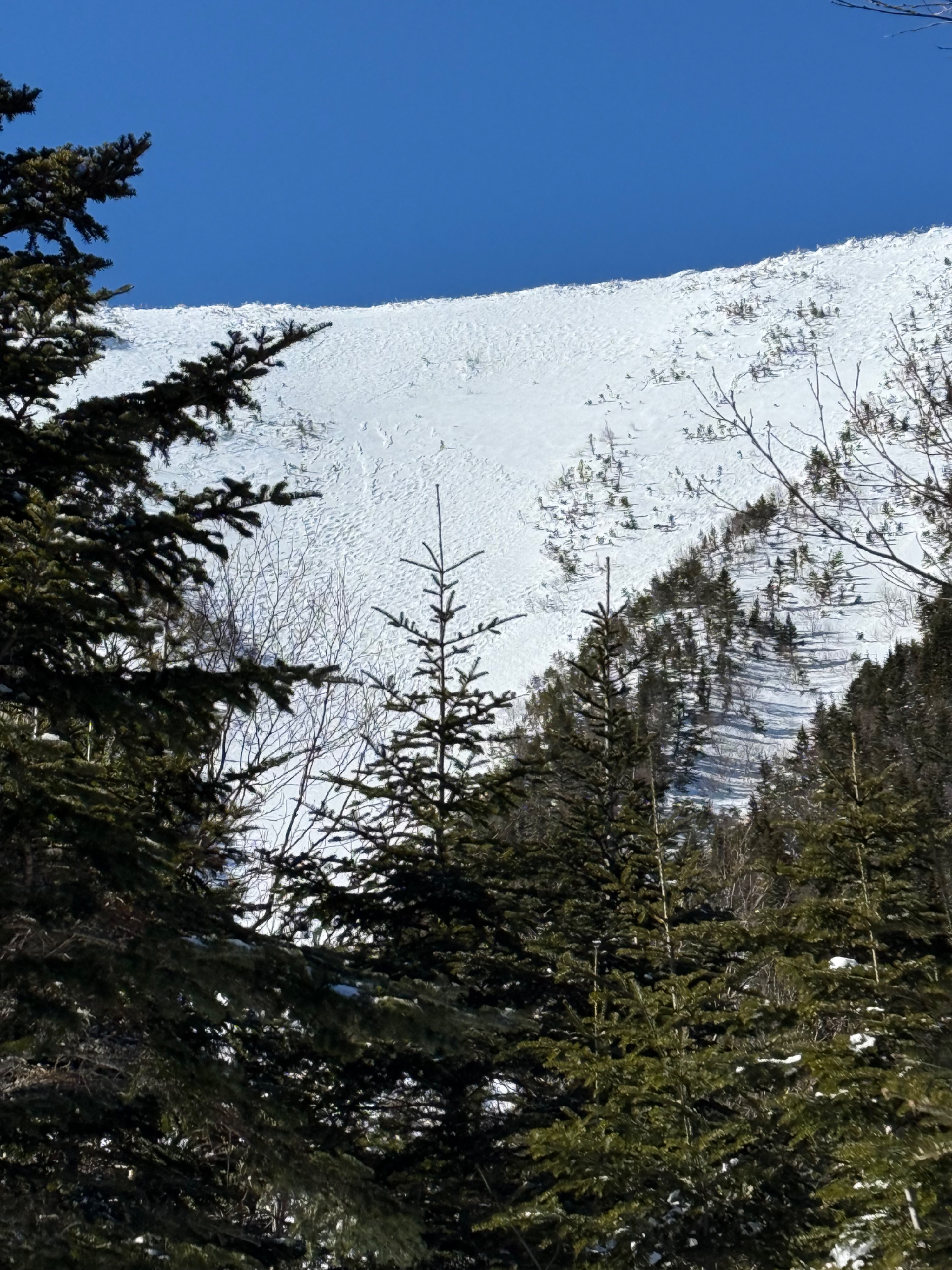
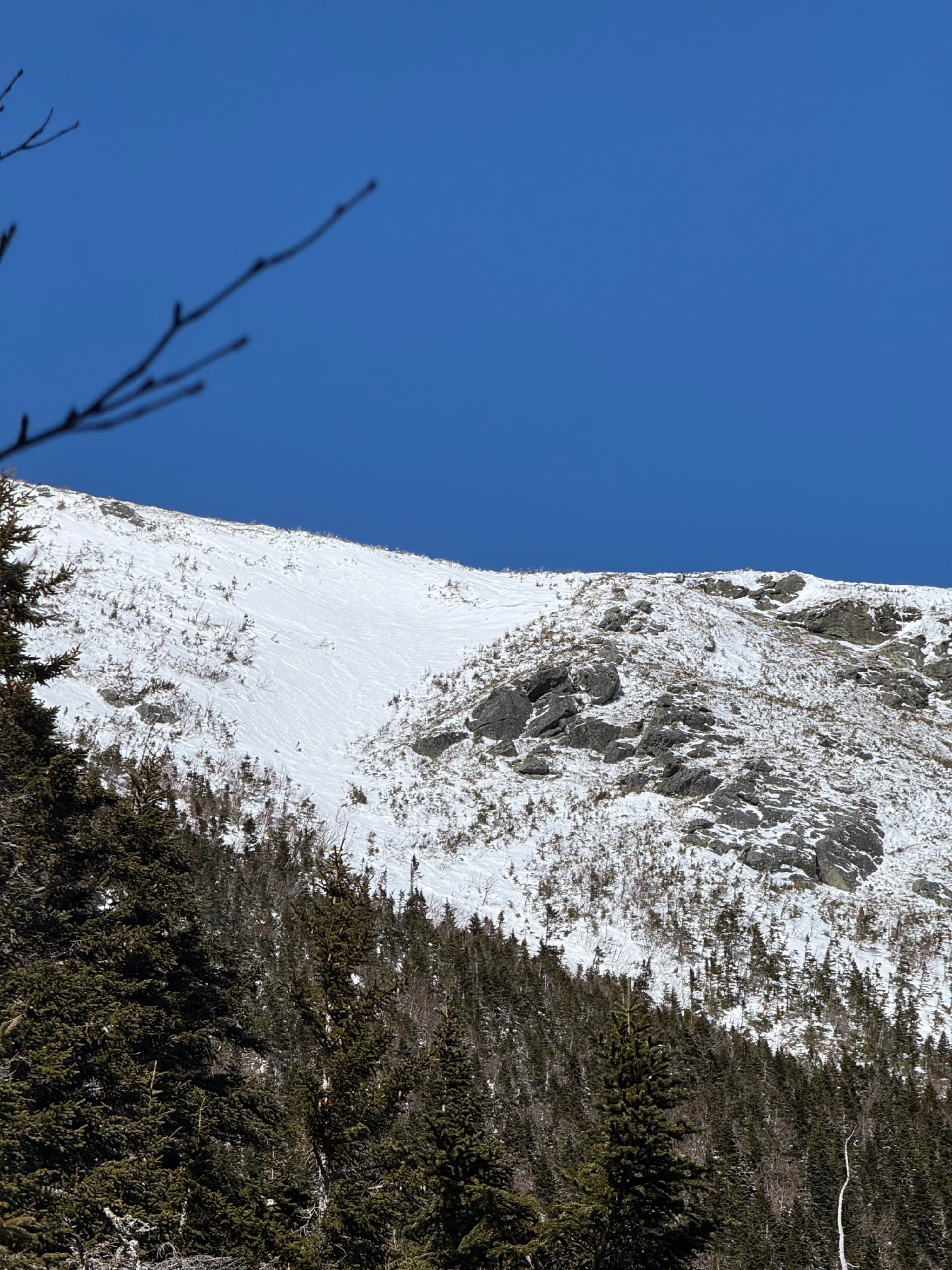
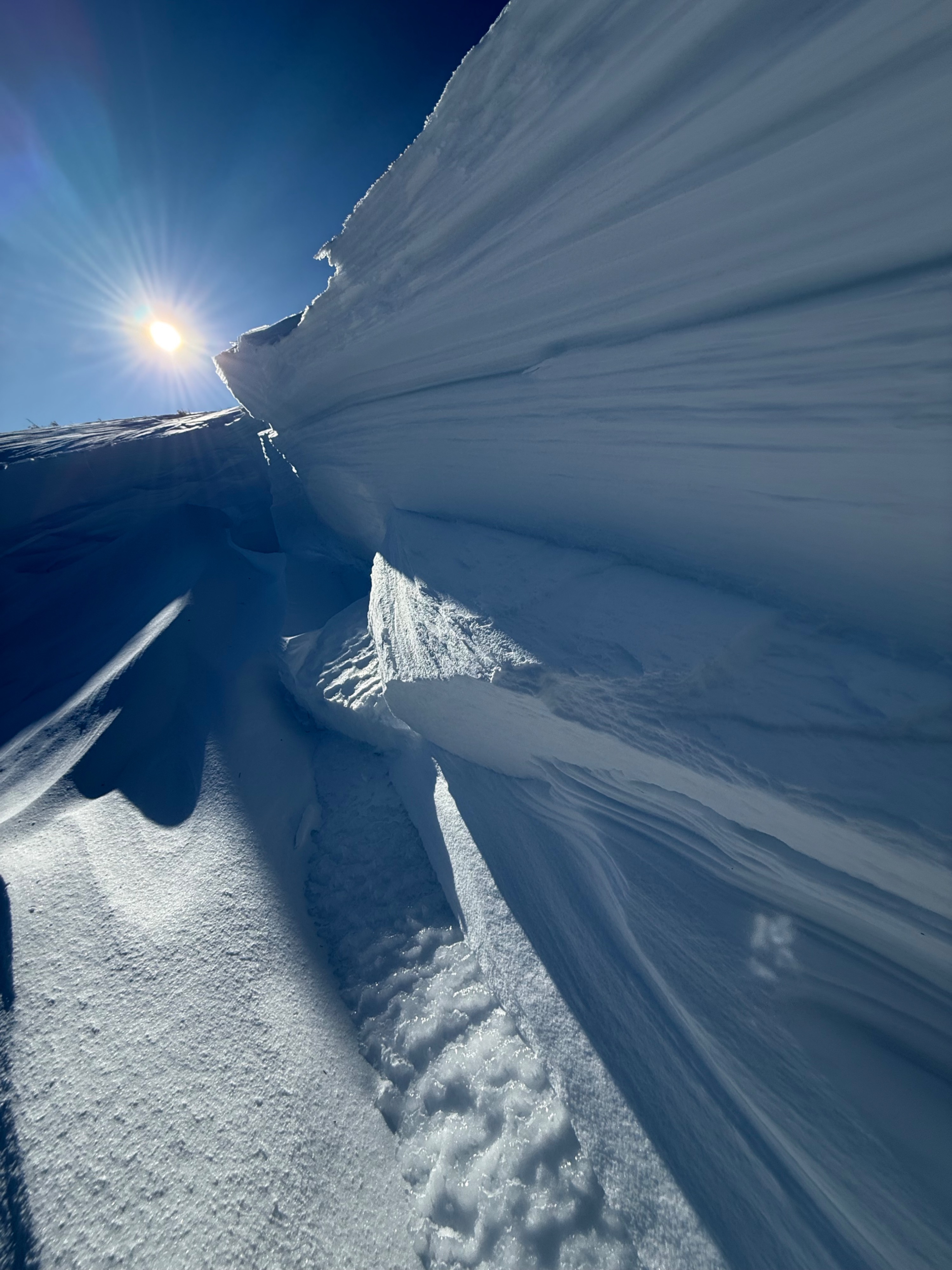
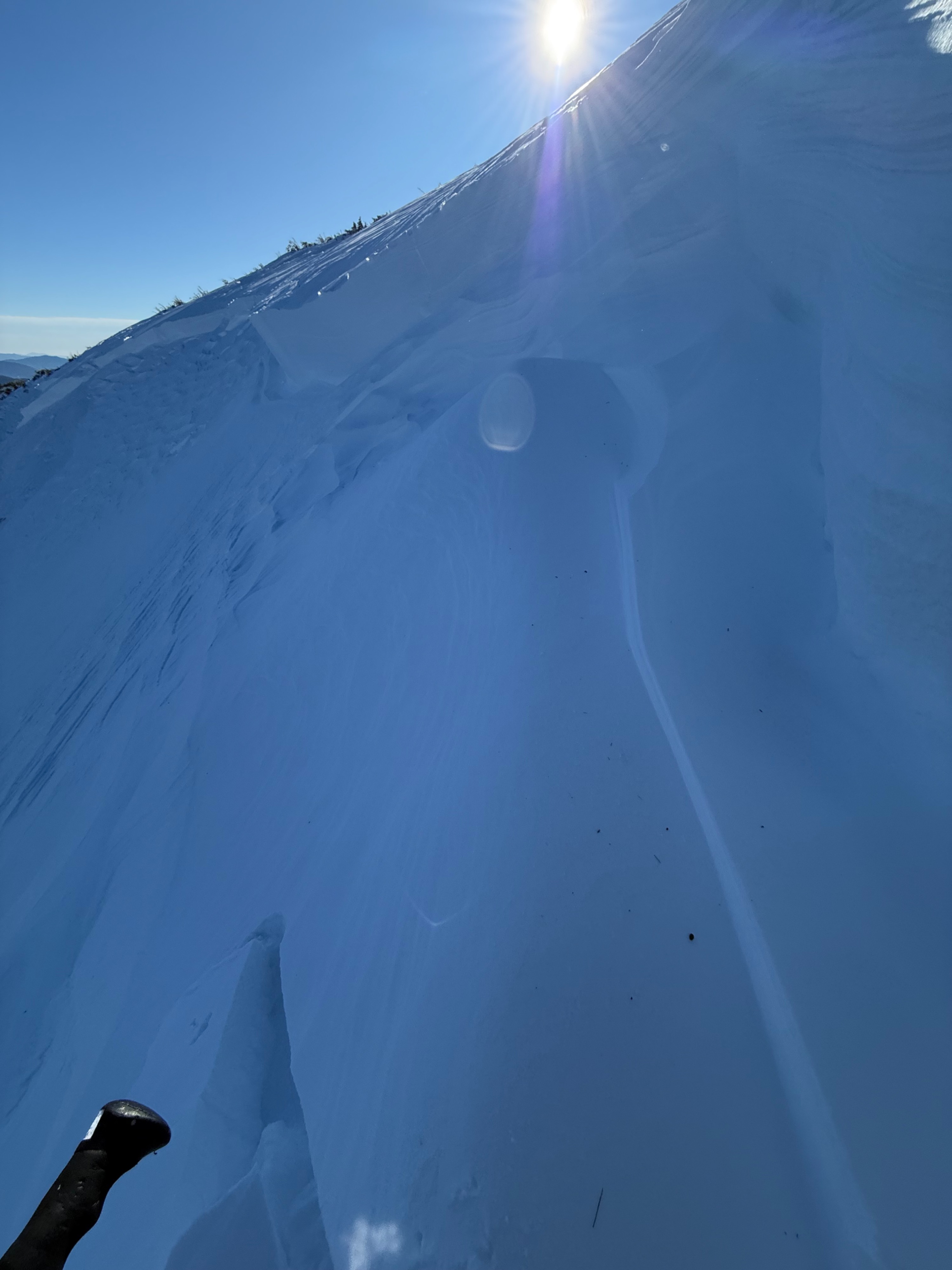
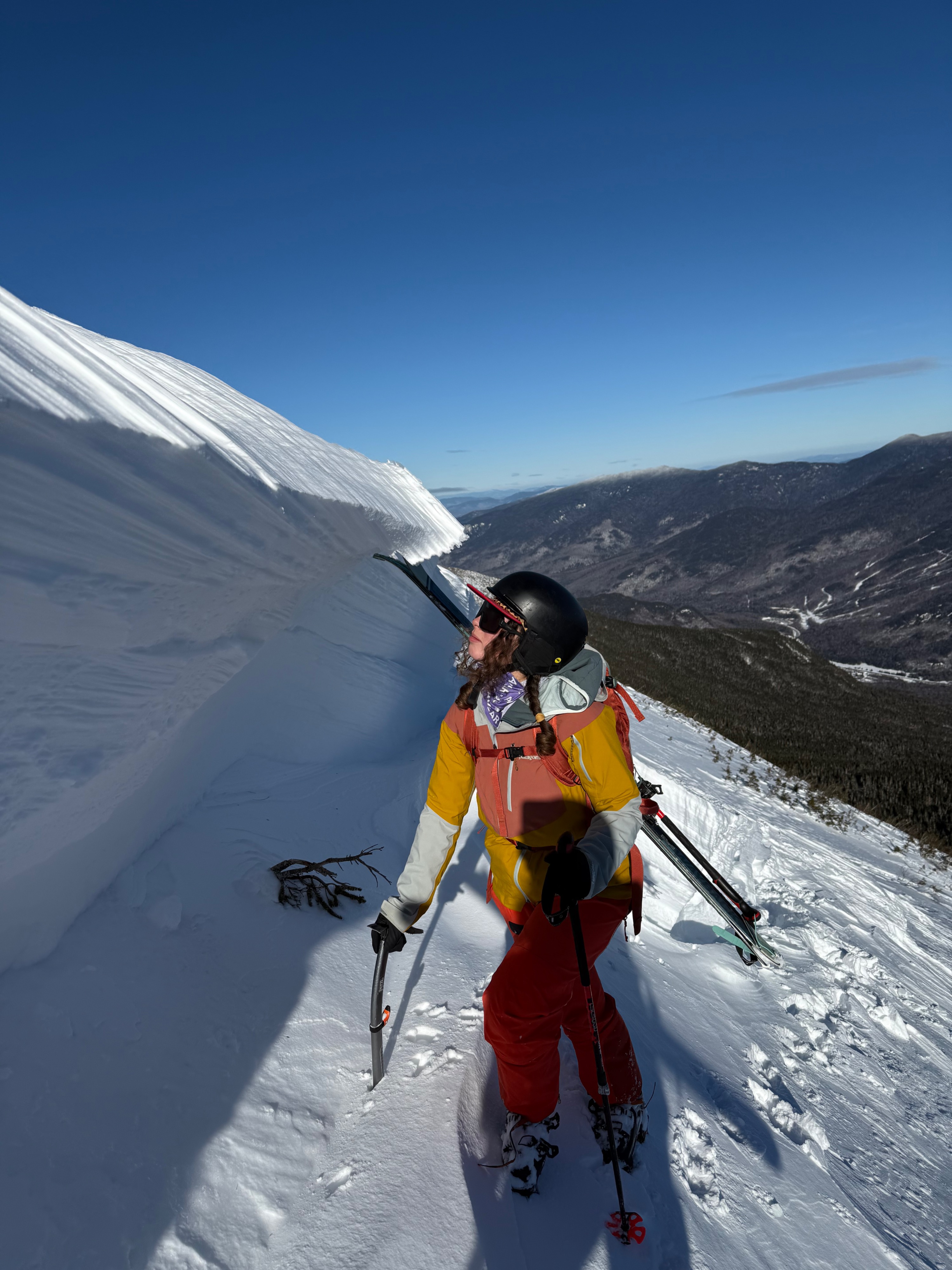
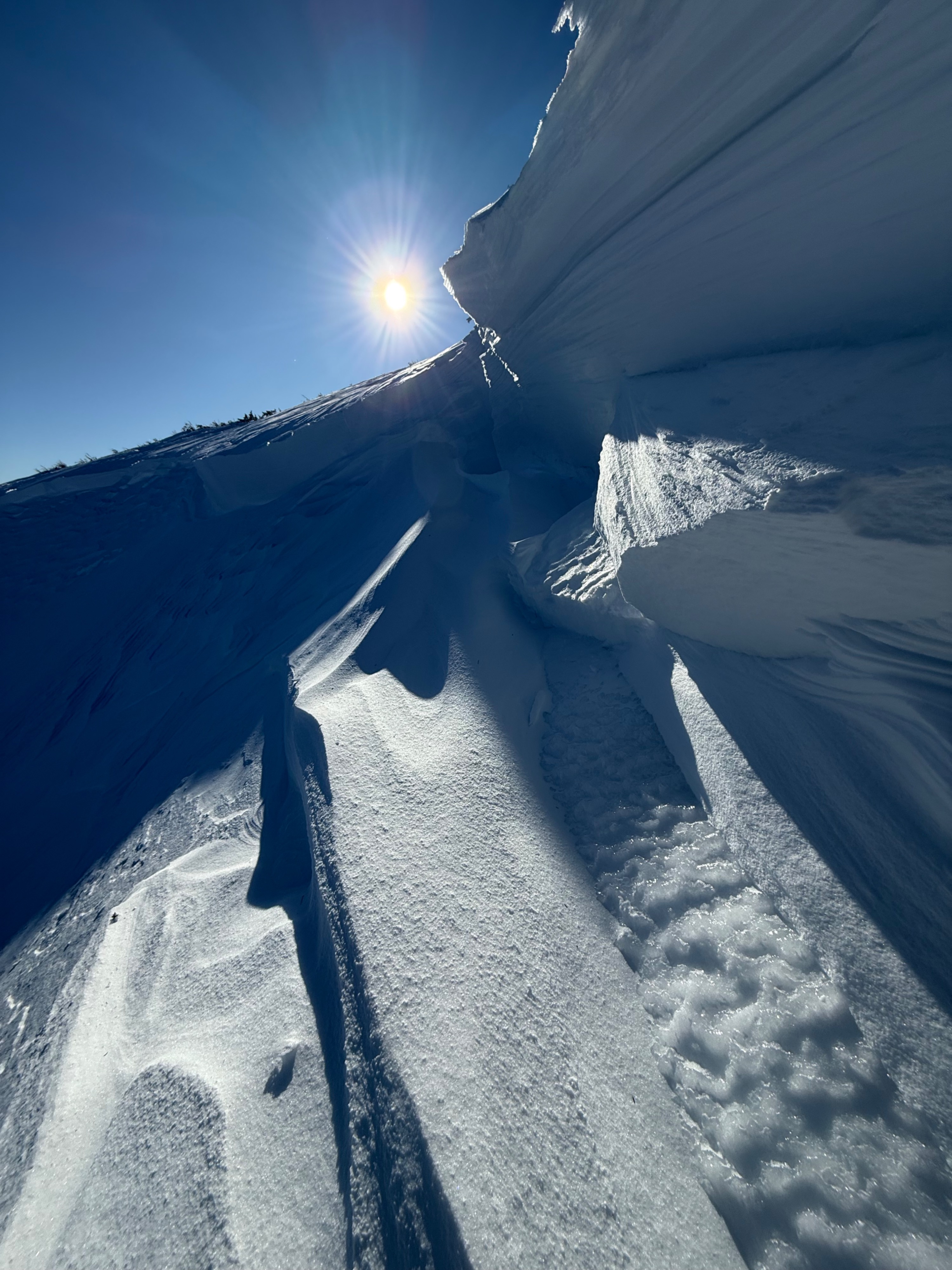
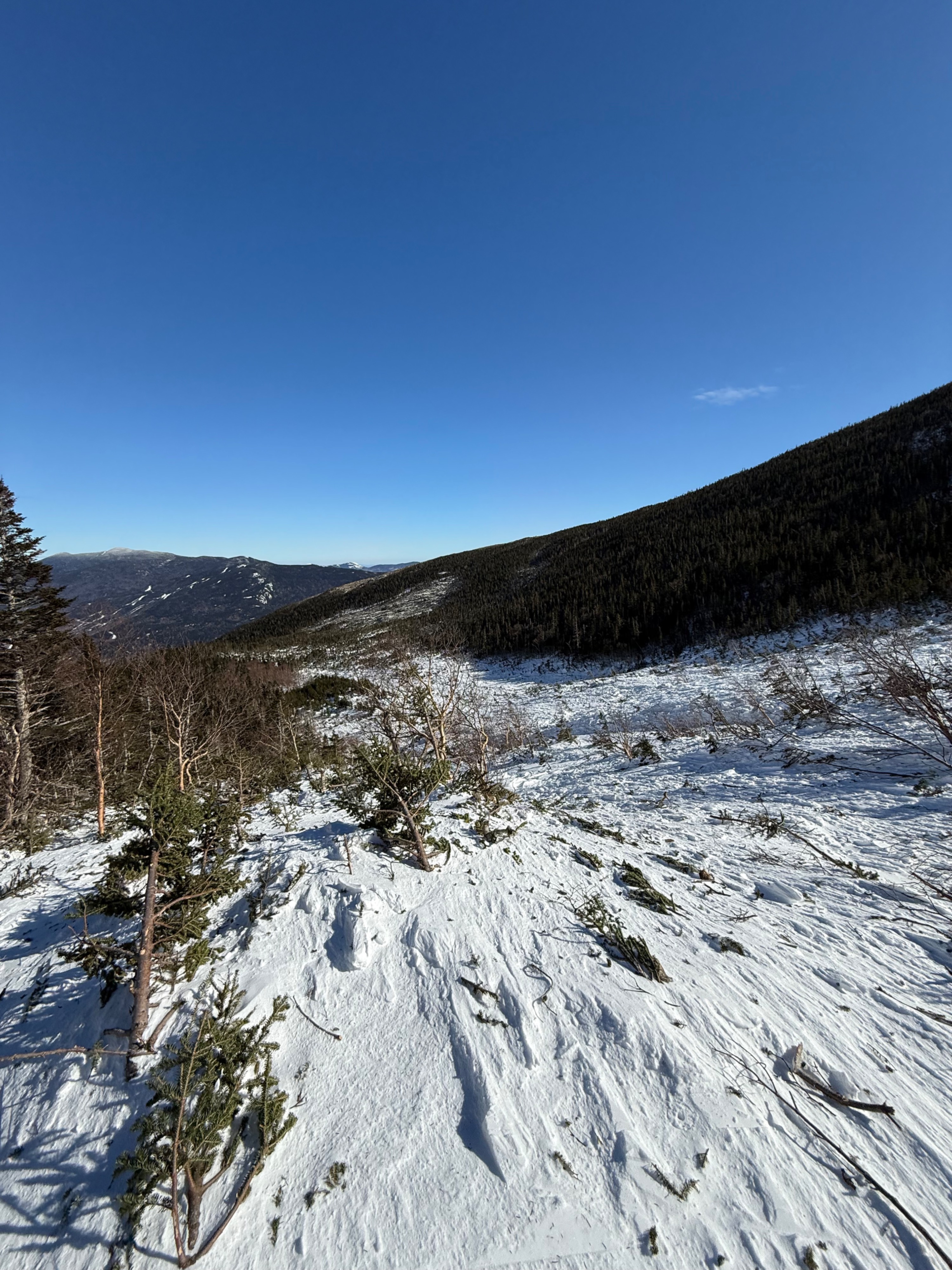
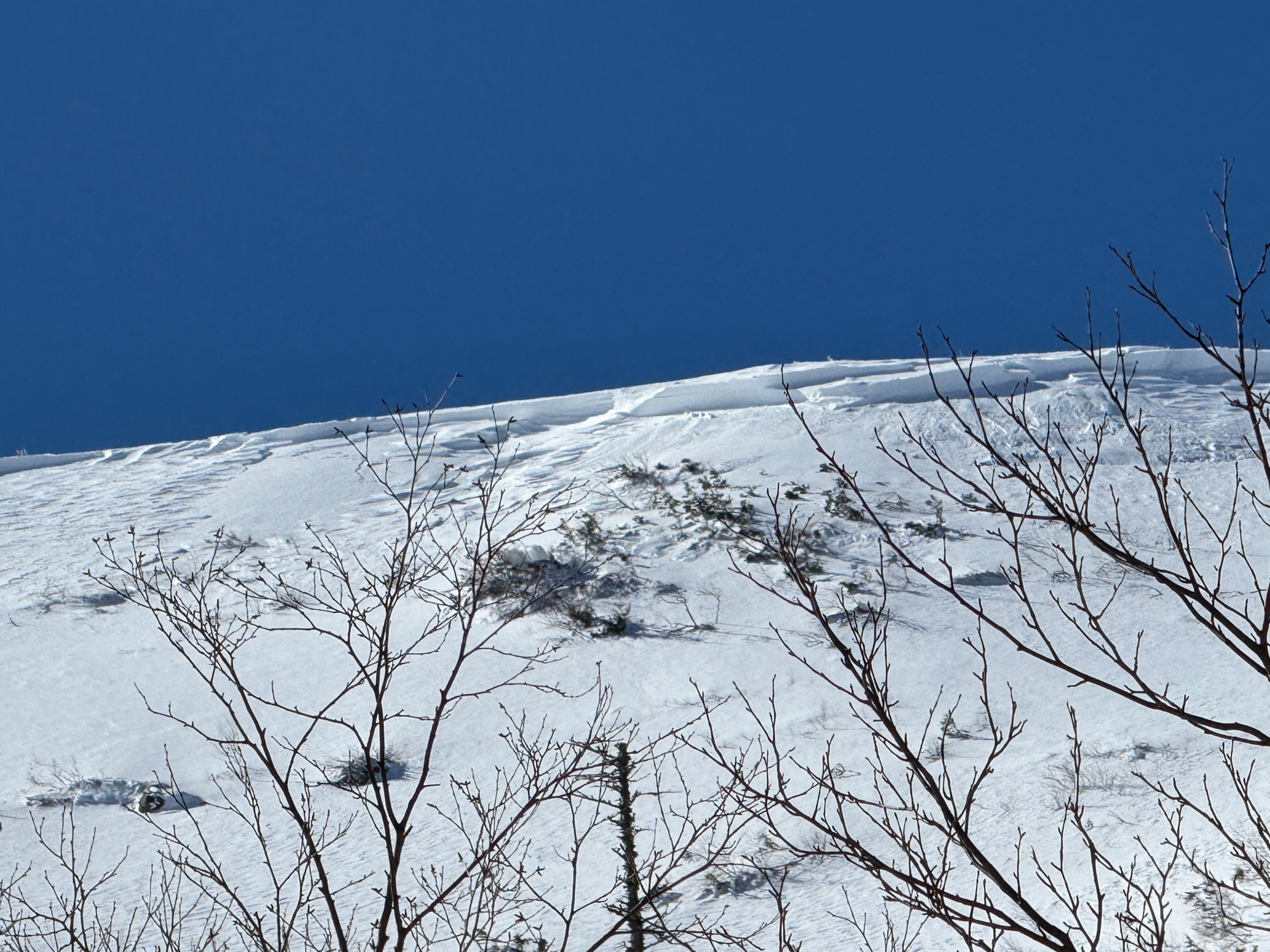
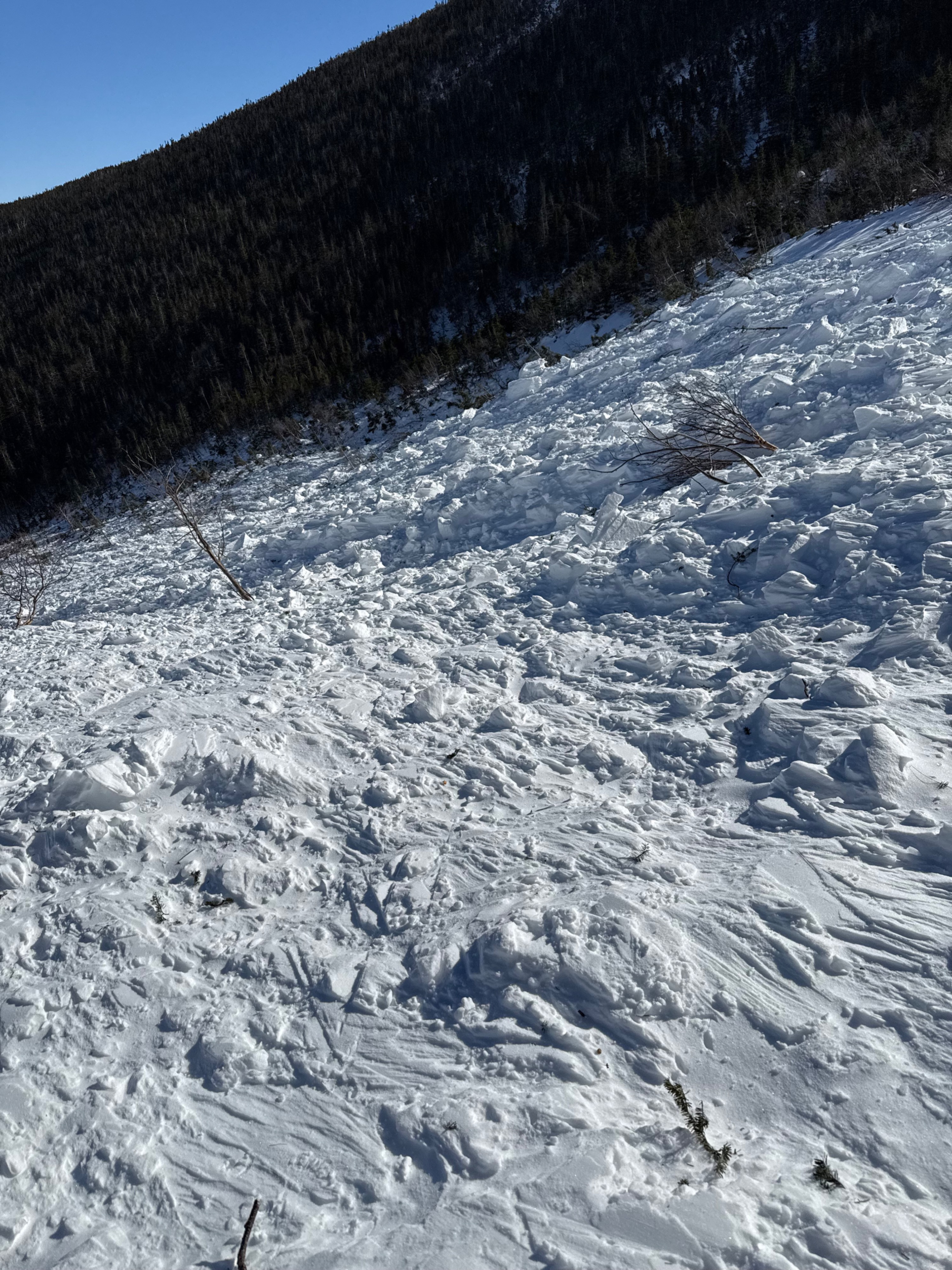
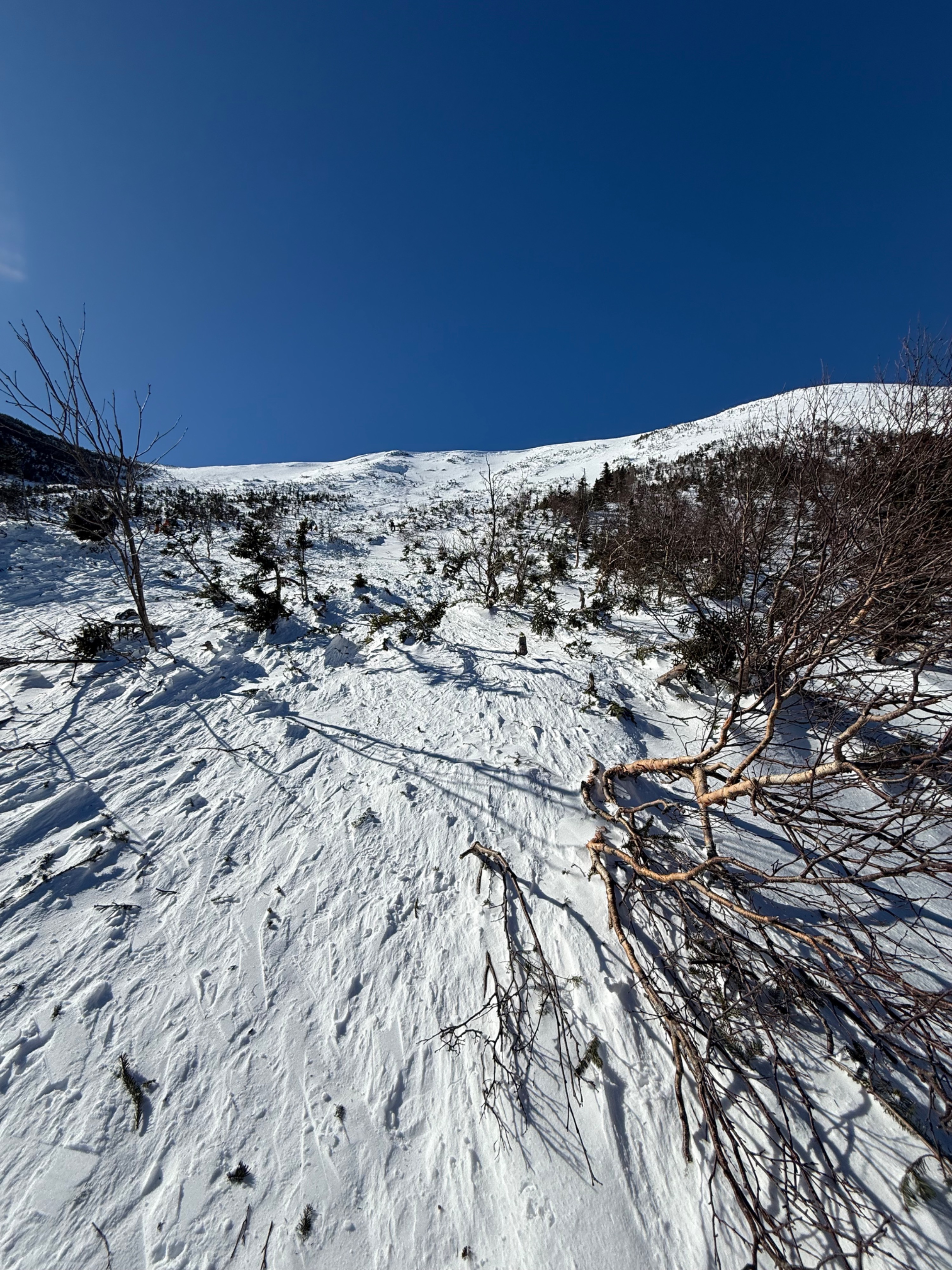
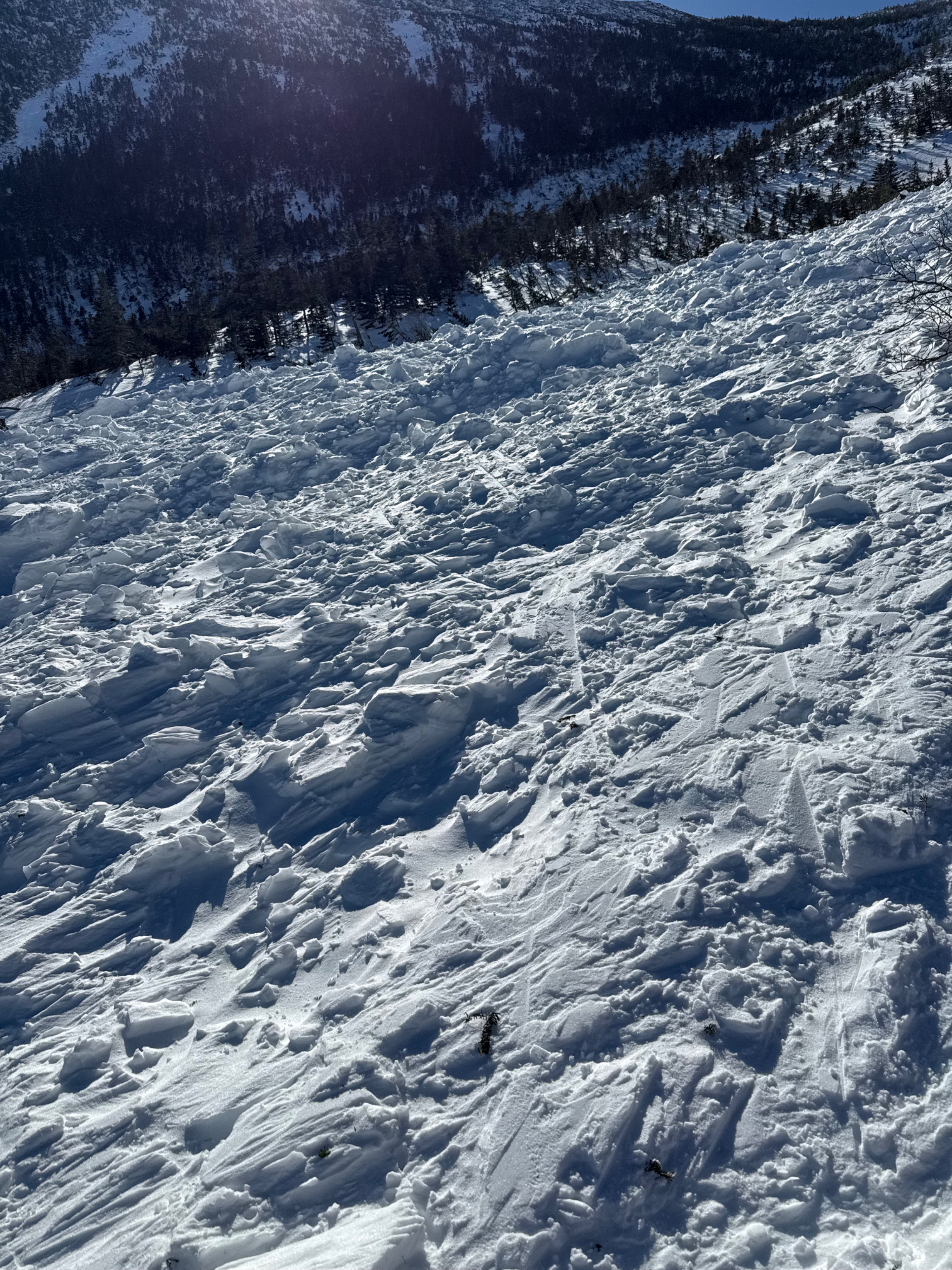
From the road, I observed a large crown across the Southern Snowfields. As we got closer to terrain noticed a ton of wind effect high in the gullies and noticed significant debris in Main Gully and the Southern Snowfields.
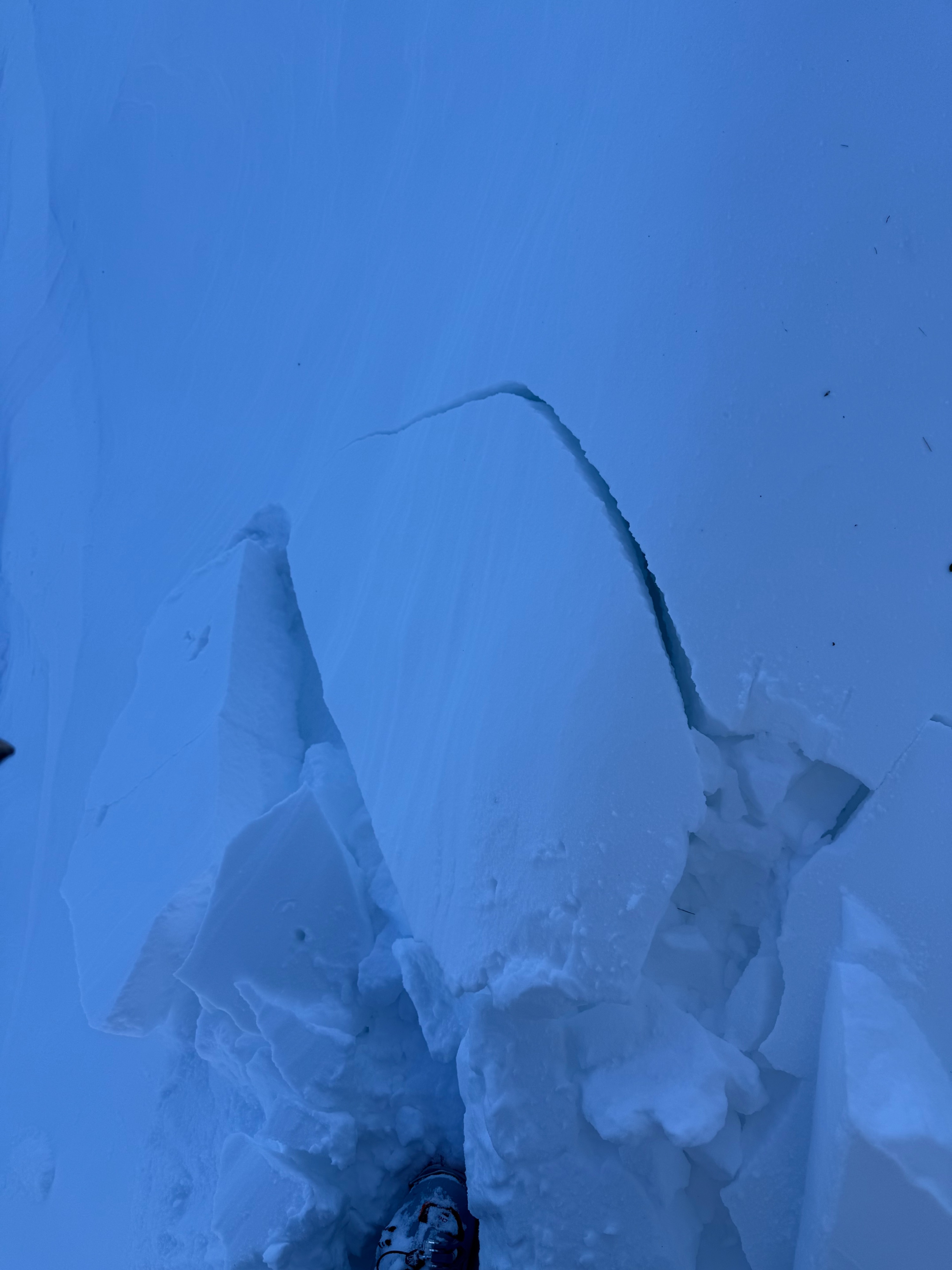
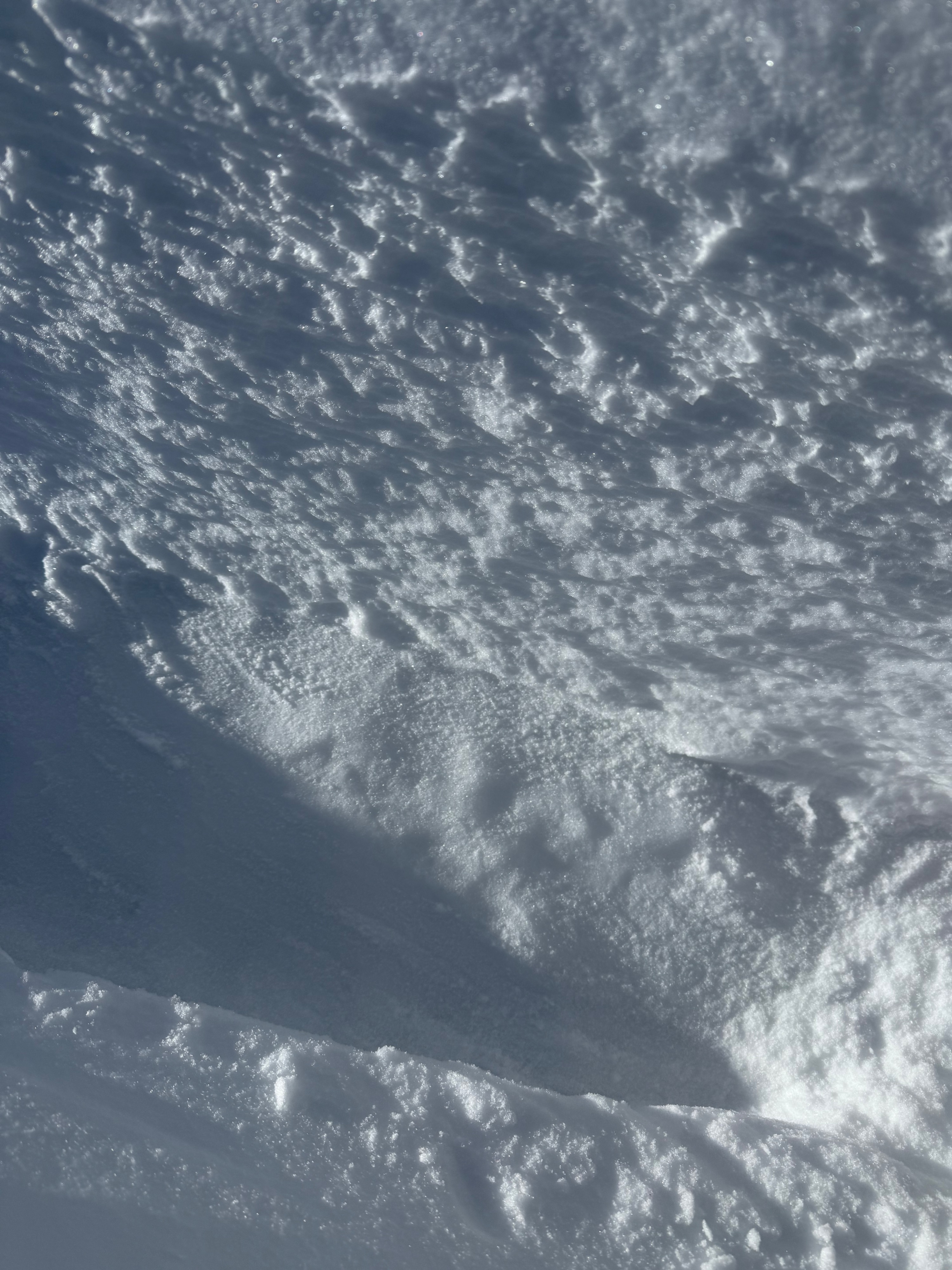
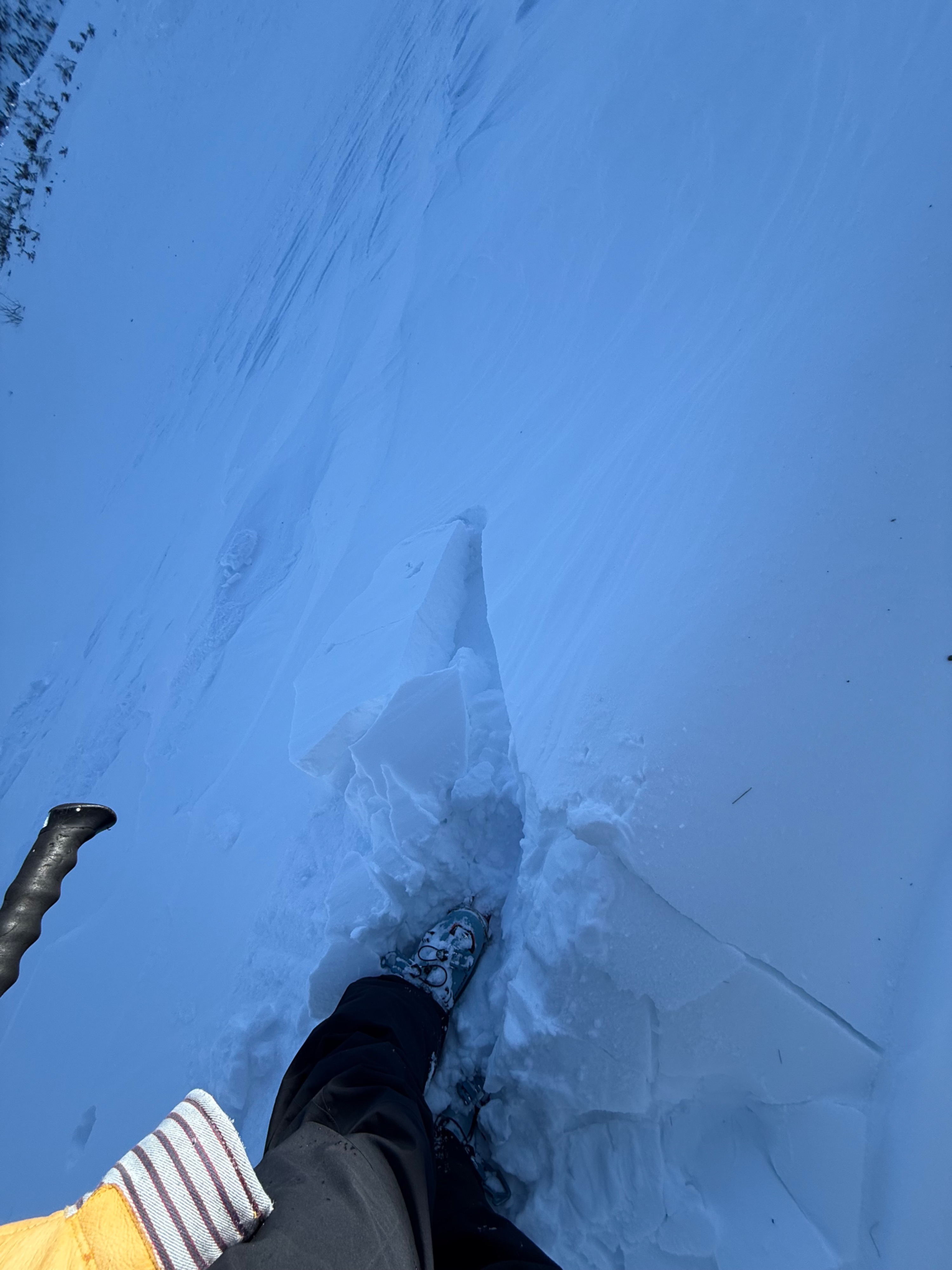
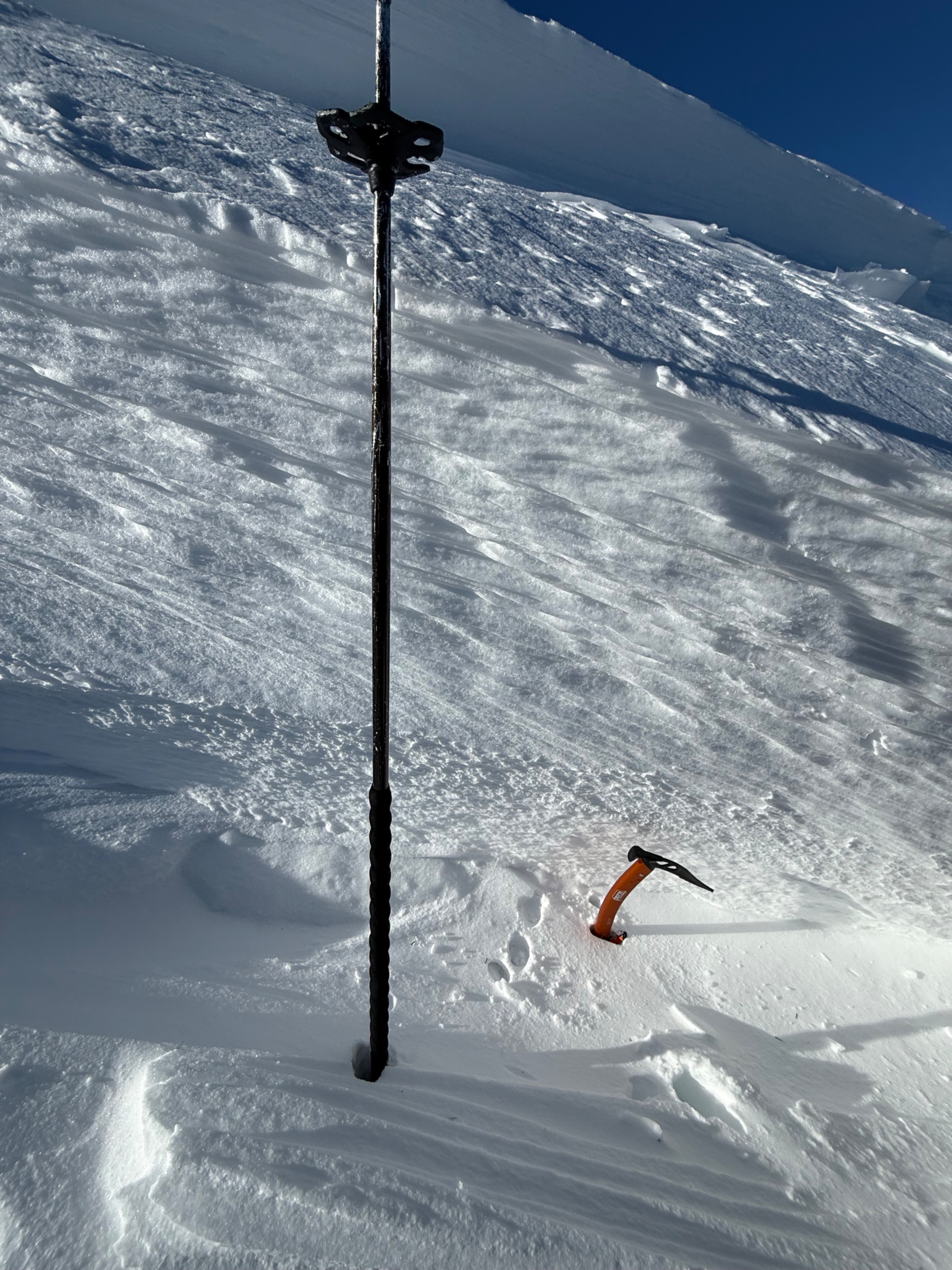
Snow surfaces were variable, but predominantly firm. While there was wind slab, most of it was unreactive. Any snow that had reactivity was stubborn and these were really small, isolated pockets. We could discern these by smoother snow surfaces and all of these were firm, most boot-supportable. The most reactive pocket we found was underneath of the large crown in the Southern Snowfields, this again was firm and stubborn and while cracks did not propagate far, they were most pronounced here. This hard snow was over soft unconsolidated snow, and was also an incredibly sheltered feature, isolated, and small.
Final takeaways are that most snow surfaces are firm, textured, and generally stable. Very small, stubborn wind slabs do exisit, but you are unlikely to encounter them unless you are looking in the most sheltered terrain features and these are very small.
Large avalanches in the Southern Snowfields and Main GullyWeather
- Air Temp
- 15
- Cloud Cover
- few
- Wind Loading
- none
- Recent Snowfall
- trace
- Snow Avail For Transport
- none
late afternoon northwest winds seemed to increase (this was supported by hourly records from MWOBS) overall light winds with intermittent stronger gusts. Some solar, but with cold temperatures this limited any impact
Snowpack
overall observed a generally stable snowpack.
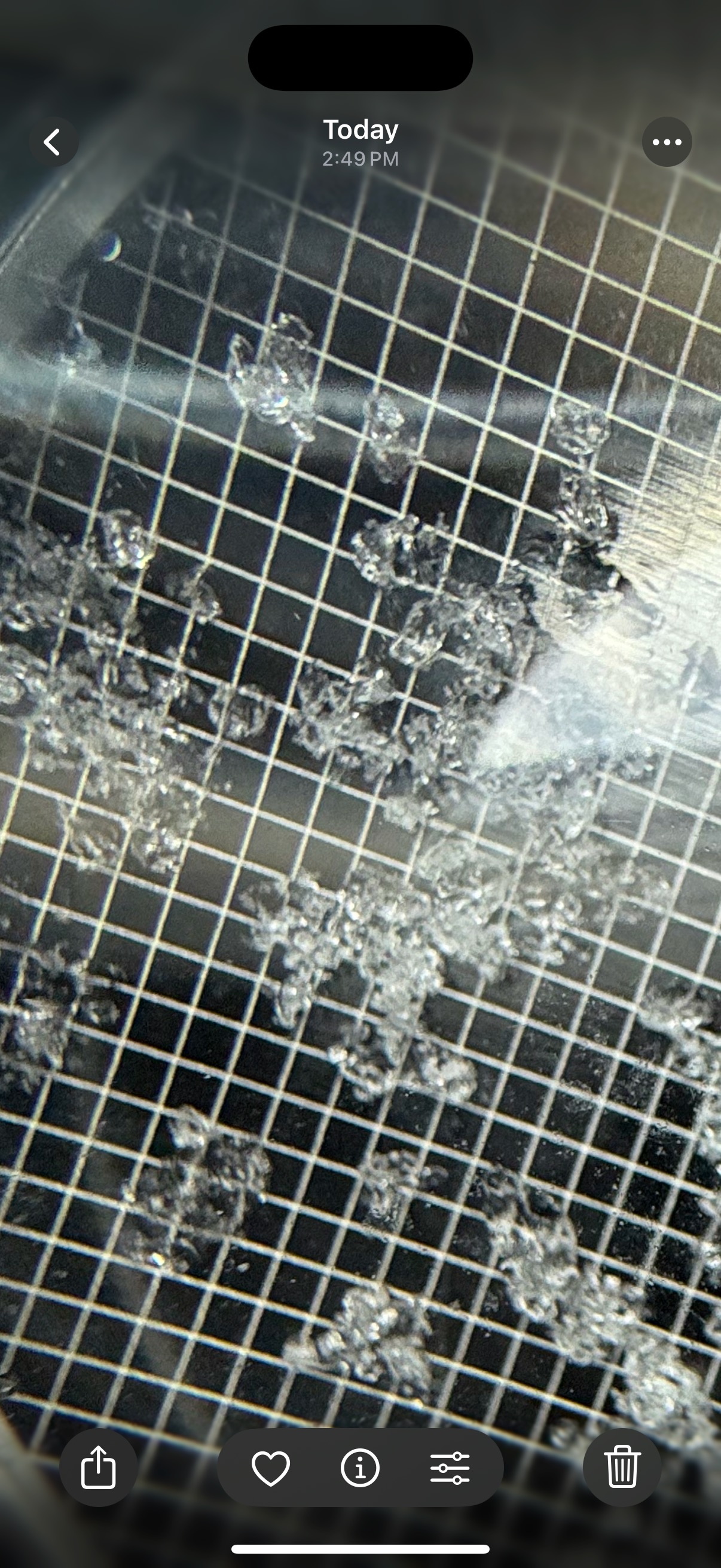
Snow surface conditions were variable, but overall typically firm and wind-affected. In some areas, we found a firm, chalky, and smooth surface texture that was boot-supportable. Other areas had clear texture in the surface snow and some of this was softer, but still was ankle deep (10 cm).
While wind-drifted snow was found, most of it was incredibly unreactive and firm.
The only area where we observed stubborn wind-drifted snow was sheltered under a tall crown in the Southern Snowfields- this wind slab did crack underfoot with some propagation, but this was an isolated feature and it was still incredibly stubborn. This did have strong-over-weak composition and we found soft snow underneath, but evidence was rare and not particularly reactive.
There were some areas of softer snow that had a slight punch crust that was boot top deep, while the travel was not particularly fun this lacked structure or a weak layer and was also easily avoidable as we looked for firmer snow nearby.
Overall not much of a wind slab problem as most snow surfaces were firm softer snow was pocketed limiting the size of any problem to a D1 and on the very small side of that scale
Avalanche
- Size
- D1.5 R2
- Type
- HS
- Count
- 4
- Aspect
- SE
- Trigger
- N
- Elevation
- 4400 ft