
Quick report
- Cracking
- specific
- Collapsing
- specific
Reactive wind slabs were observed today, near treeline, including one recent avalanche. It was a cold, windy day. With tomorrow's nicer weather, folks should use caution if venturing near and above treeline as touchy wind slabs are possible. Read the full observation for more details.
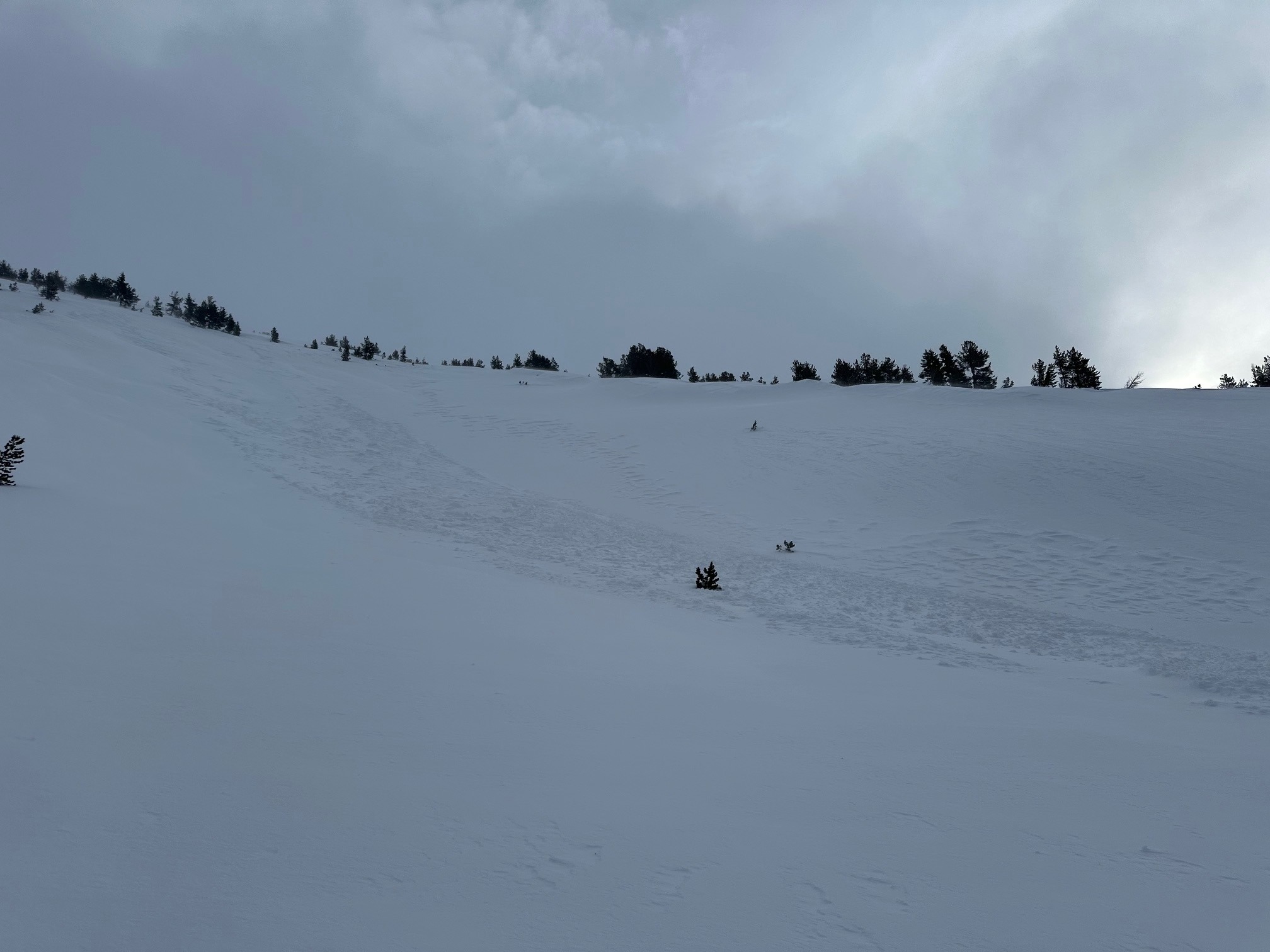
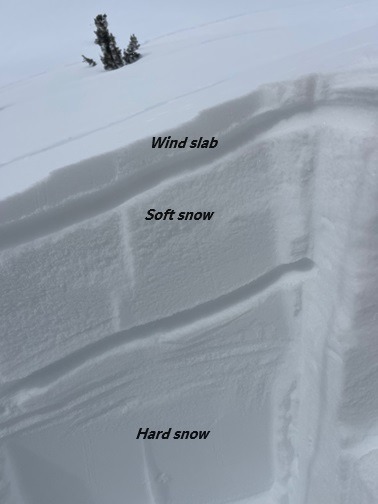
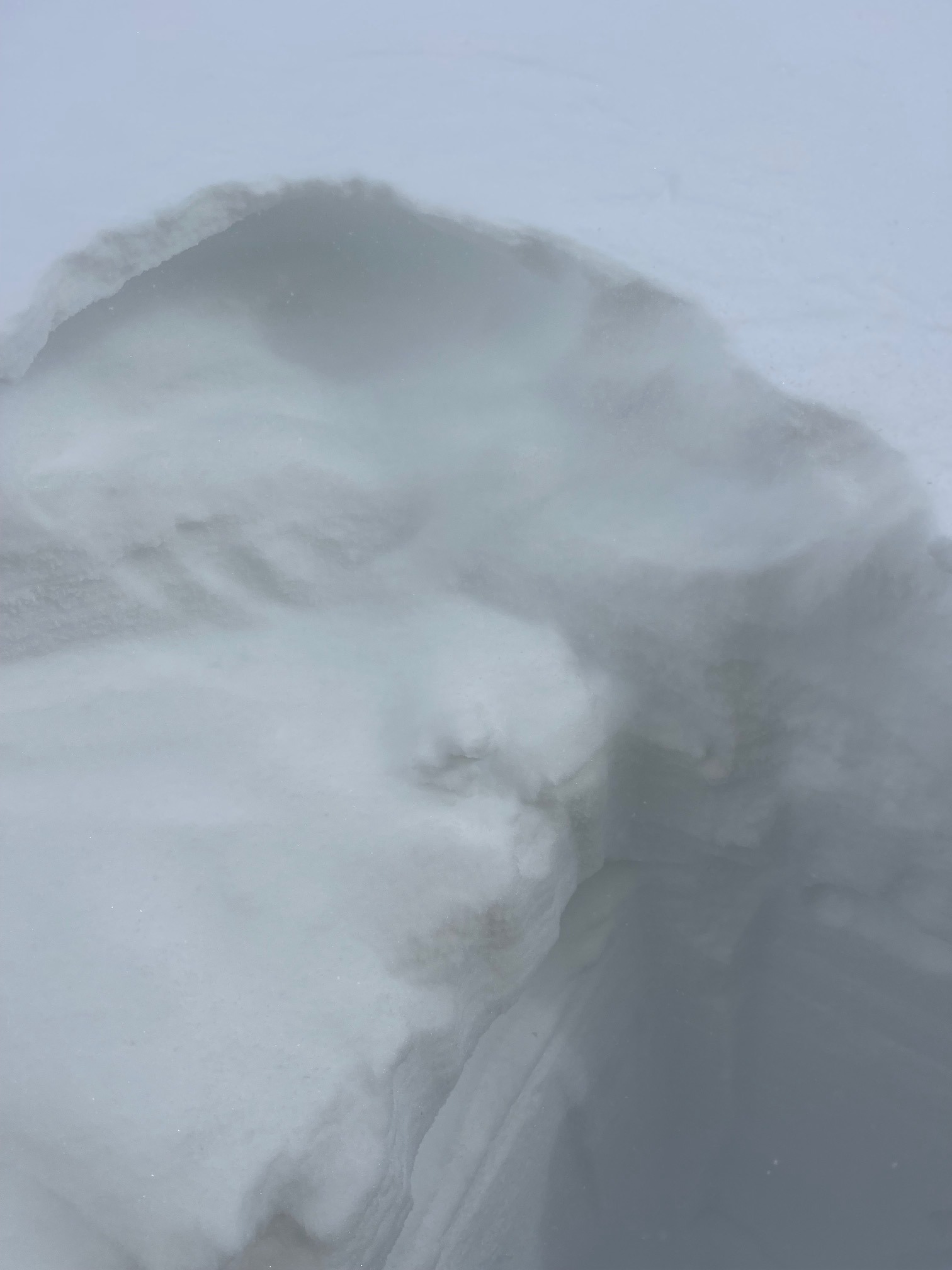
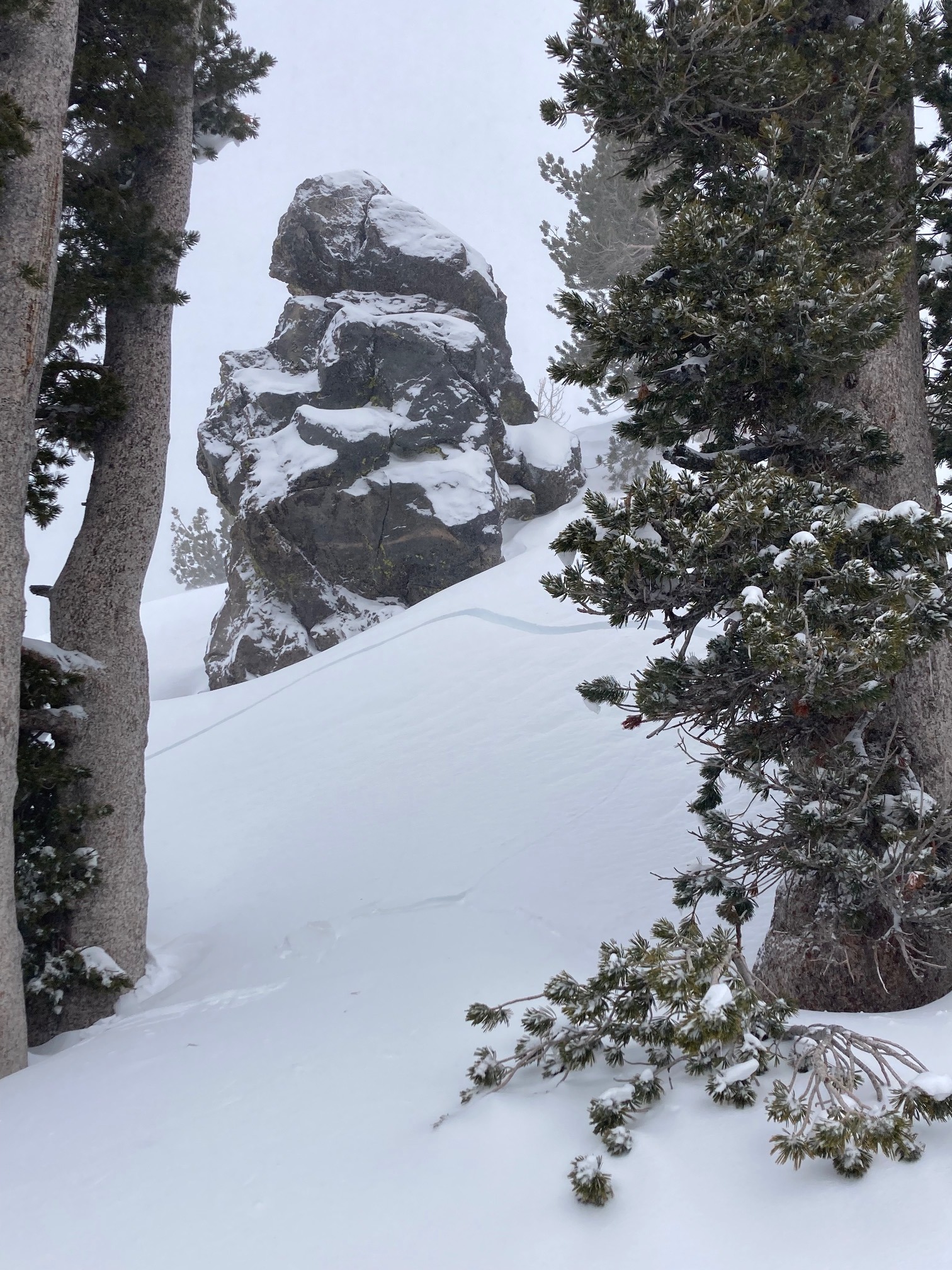
Wind blowing snow was notable today and the primary avalanche concern. Wind aloft blew out of the northwest. In the lee of the mountain in the Old Ski Bowl and Gray Butte area, the wind was more erratic. Small to large cracks and collapsing of small wind slabs were observed in near treeline terrain along the south side of Mount Shasta. A recent natural avalanche was observed in the Anaconda drainage on a southwesterly facing slope near treeline. This slide is estimated to have occurred within the last 24 hours from wind loading. Skiers reported steady NW wind in that area today. Forecasters found a snowpack structure to support the observed cracking slabs: soft snow below a stiff slab. Slabs ranged from one inch to one foot thick.Weather
- Air Temp
- 28
- Cloud Cover
- overcast
- Wind Loading
- moderate
- Rain Elevation
- Base
- Recent Snowfall
- 0
- Snow Avail For Transport
- large amounts
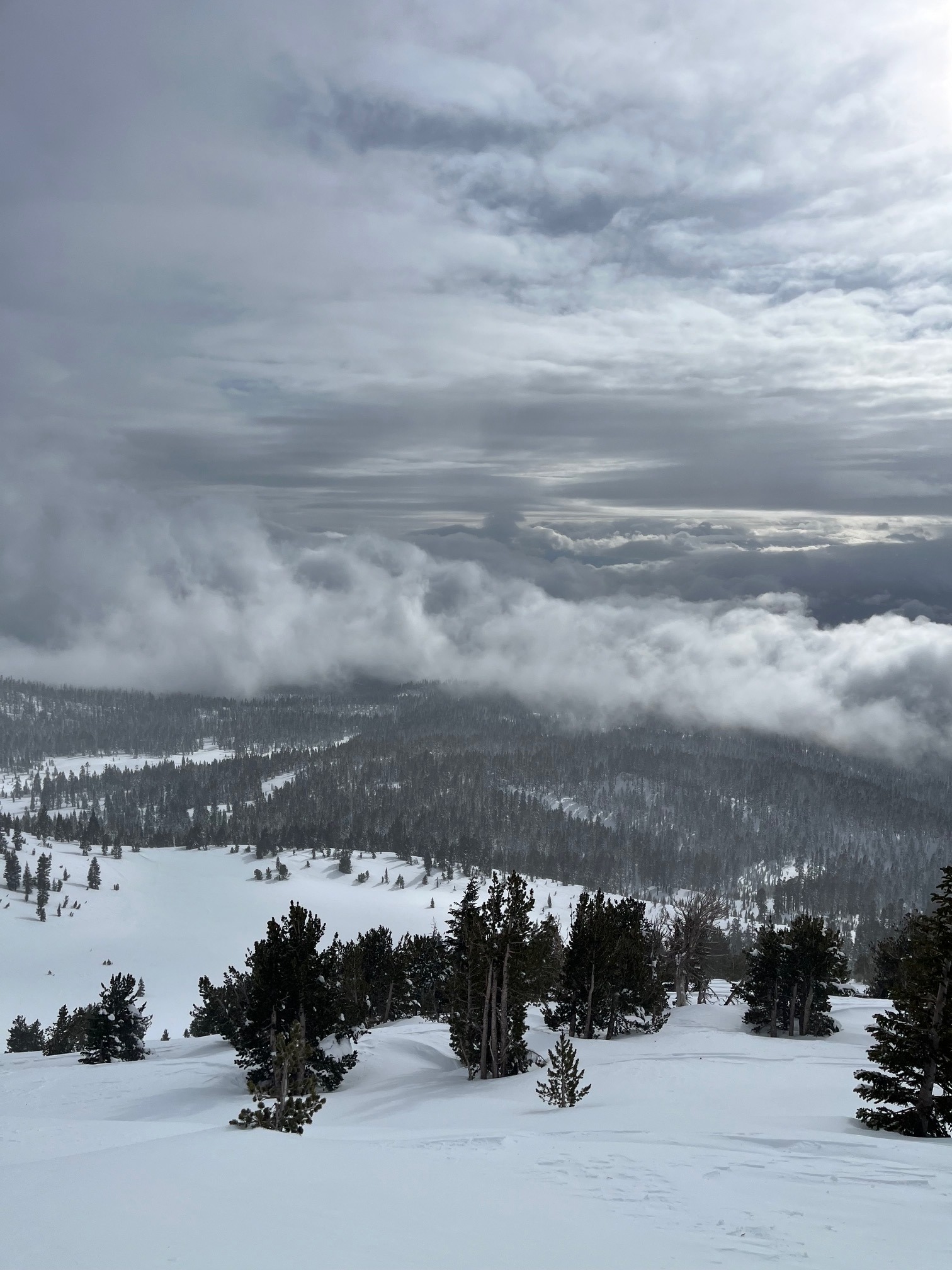
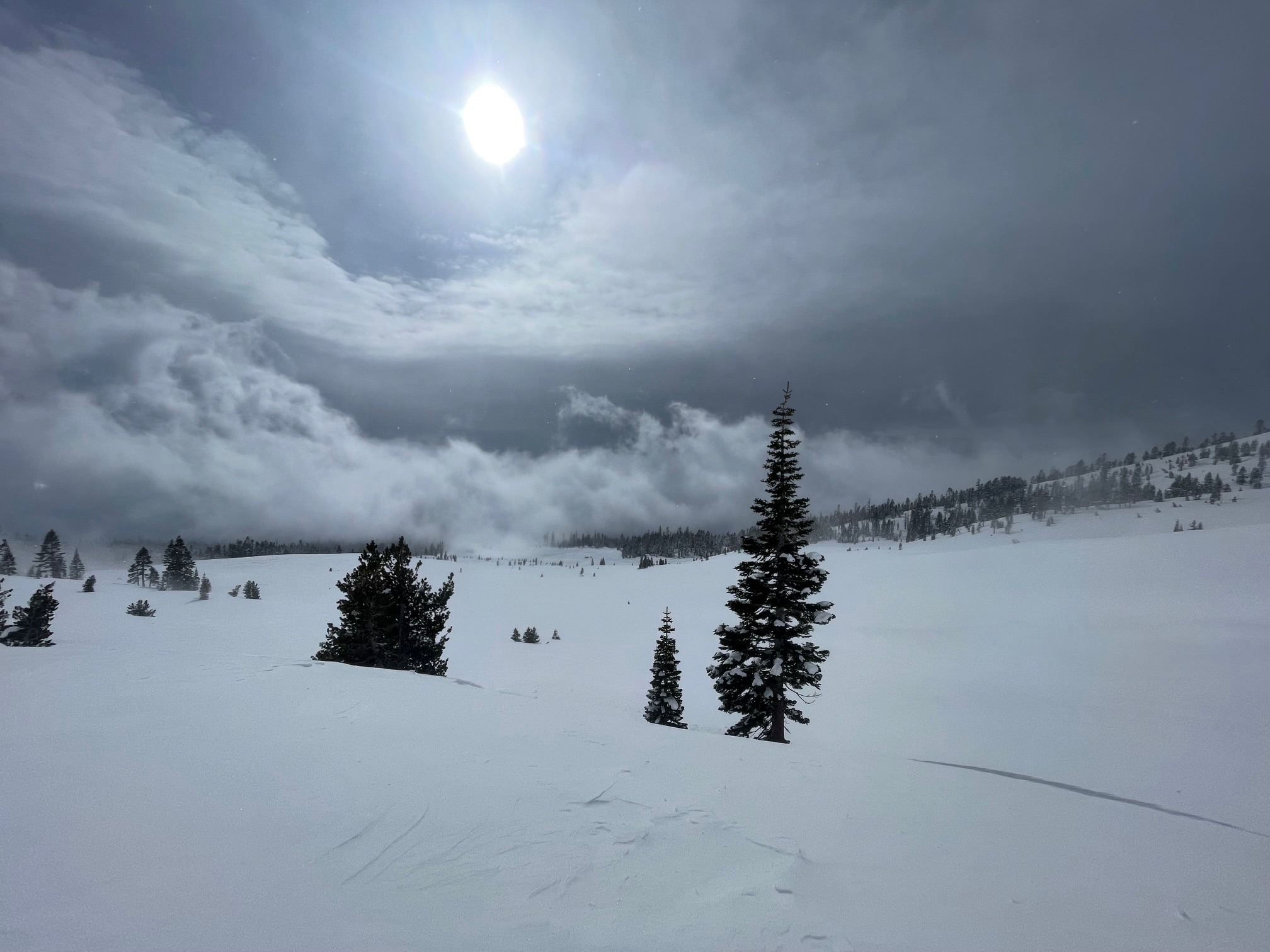
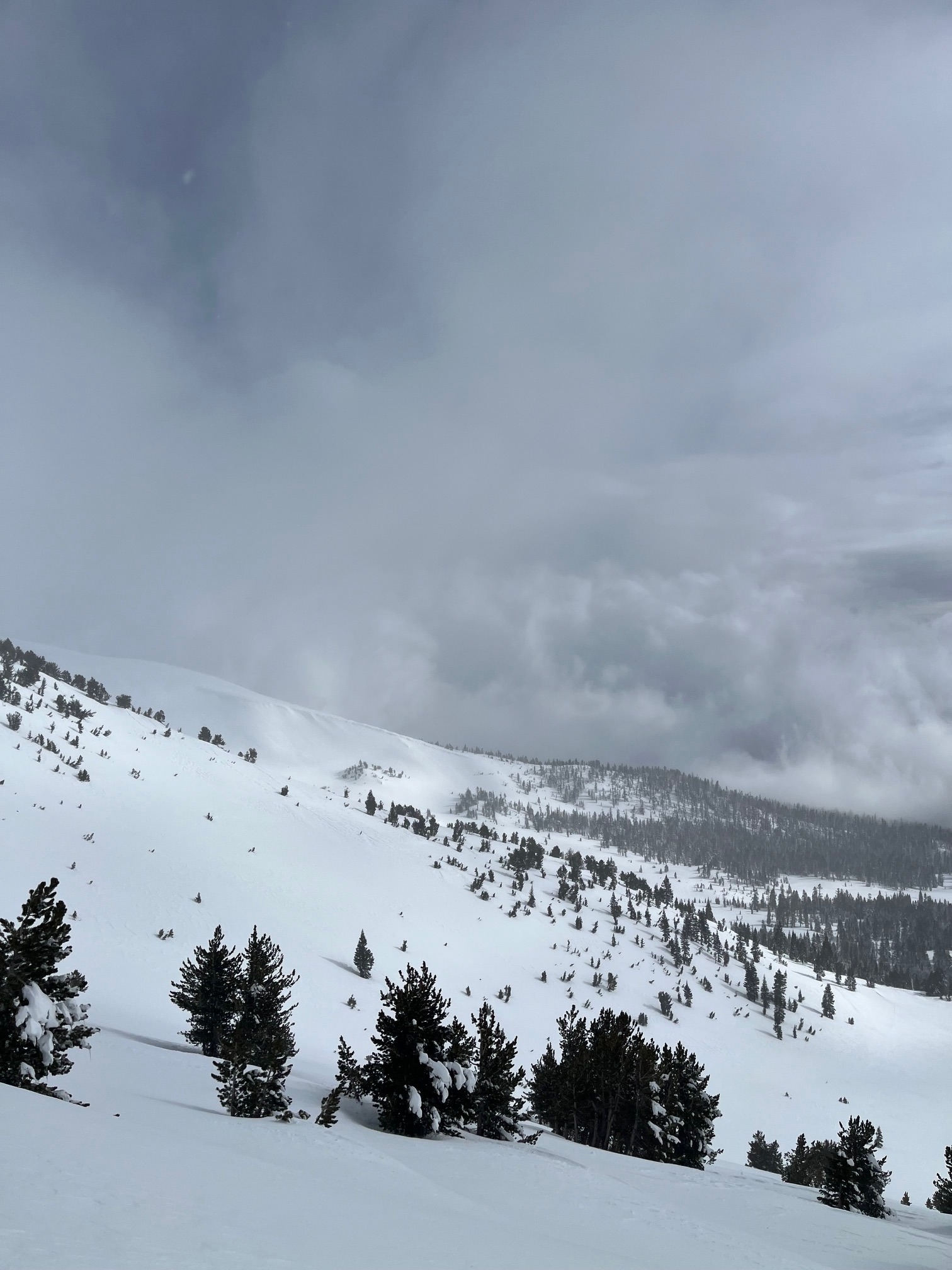
Today felt chilly and wintry, with high temps reaching 29 deg F at 8,000 feet. Winds aloft blew out of the northwest, but on the ground they were gusty and erratic. Gray Butte anemometer recorded wind blowing from nearly every compass direction in the past 24 hours, with speeds averaging 5 mi/hr with gusts to 37 mi/hr. Clouds obscured the sky for most of the day, and visibility was tough above treeline. Periods of clearing would be followed by a whiteout. It tried to snow, but nothing really happened. It was one of those days you'd ask yourself, "Is it storming or what ?"
Snowpack
Near treeline on Mount Shasta, 130 inches of snow rests on the ground. Snow surfaces are soft below treeline. Near treeline, protected areas are soft, windy locales are firmer. Above treeline was not observed due to poor visibility. Firm wind slabs have formed over soft snow below. Signs of the unstable structure showed: a recent natural avalanche, cracking and collapsing of wind slabs on small test slopes.
Avalanche
- Size
- D1.5 R1
- Type
- SS
- Aspect
- SW
- Trigger
- N
- Elevation
- 9500 ft
This avalanche path has been known to slide before and can become heavily wind loaded on a NW wind. The starting zone is in the trees at the top of the photo