
Quick report
- Cracking
- isolated
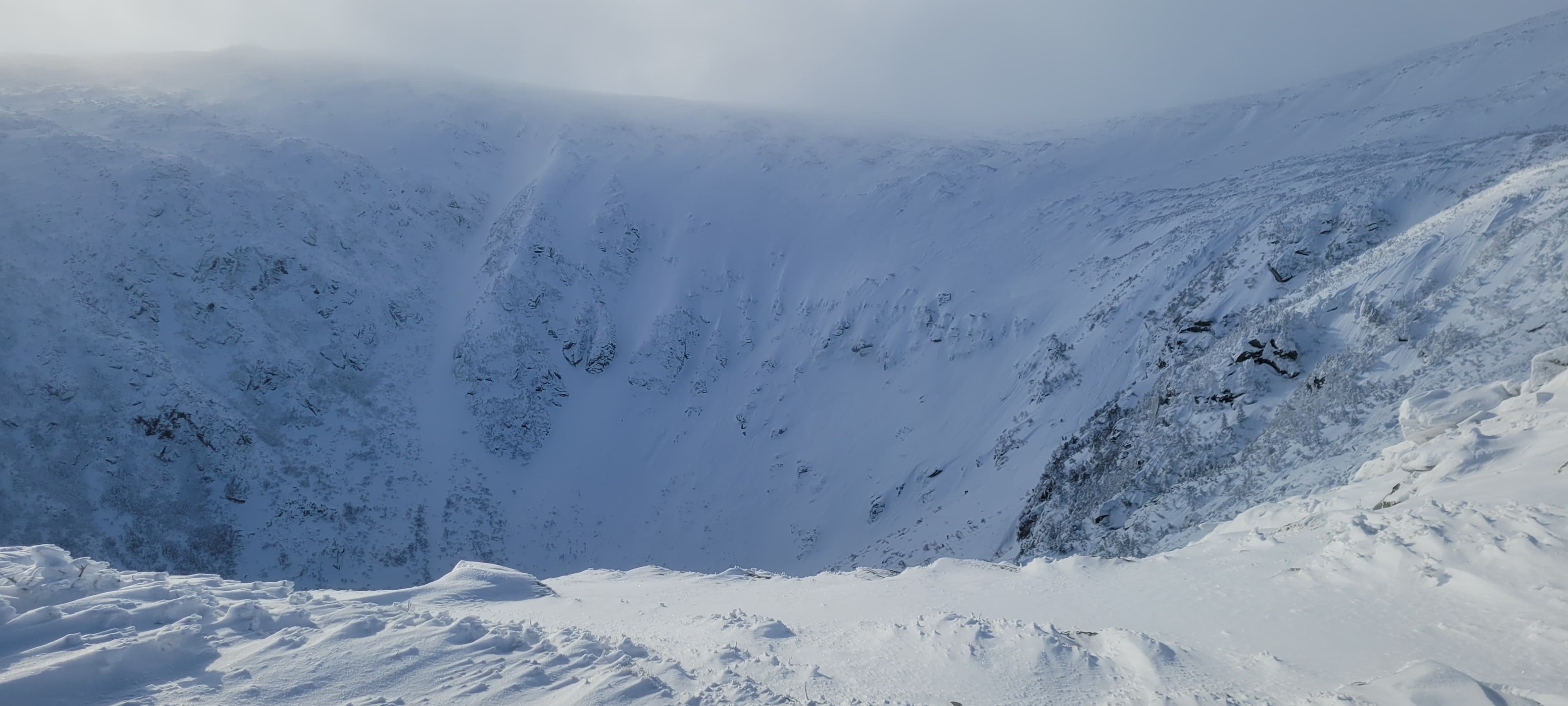
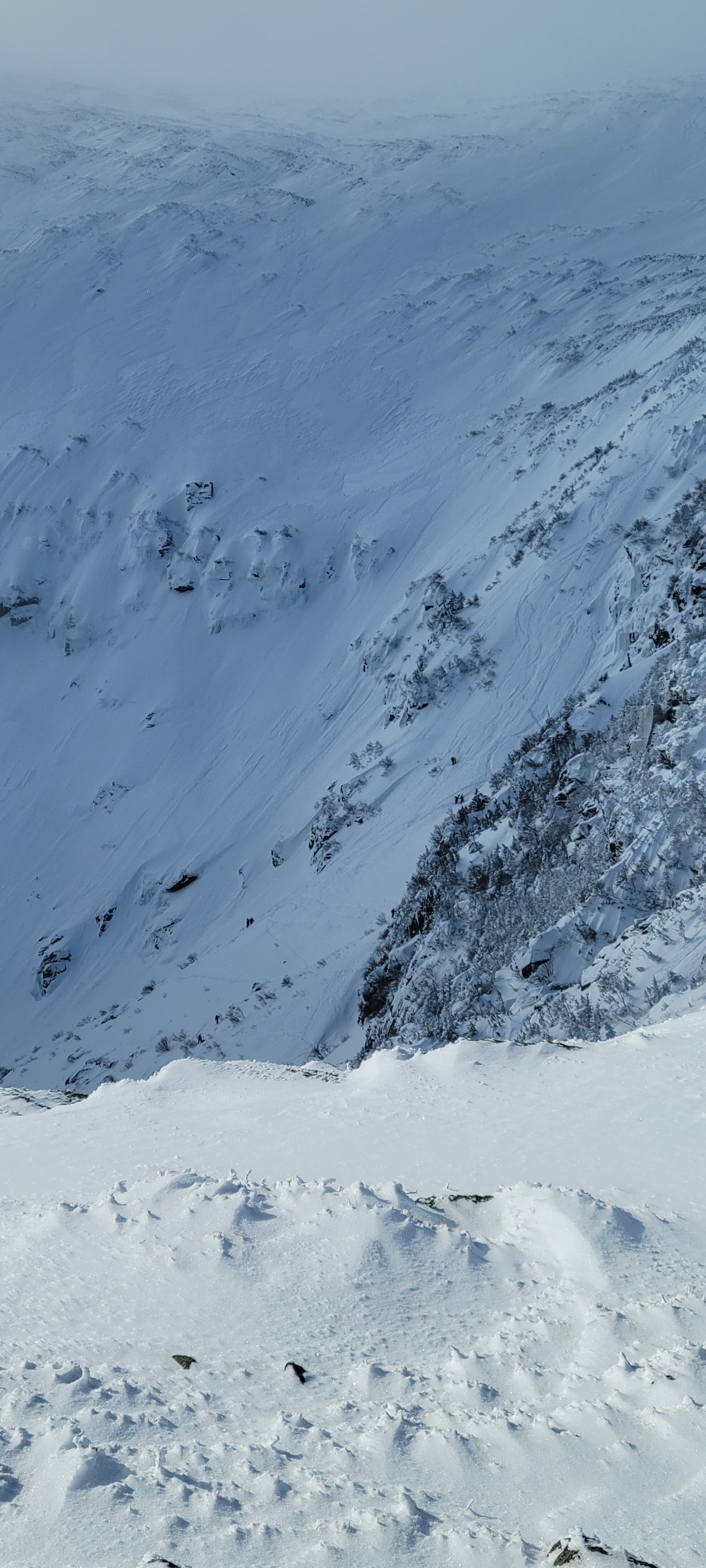
The snowpack is variable based on elevation, aspect, and terrain. Old windslabs in S and SE aspects were found to be stubborn and unreactive in snowpits. The new light-density snow was observered being transported at a light rate in NE through SE aspects at middle elevation. Shooting cracks were observed in SE aspects when walking through small pockets of drifted snow.
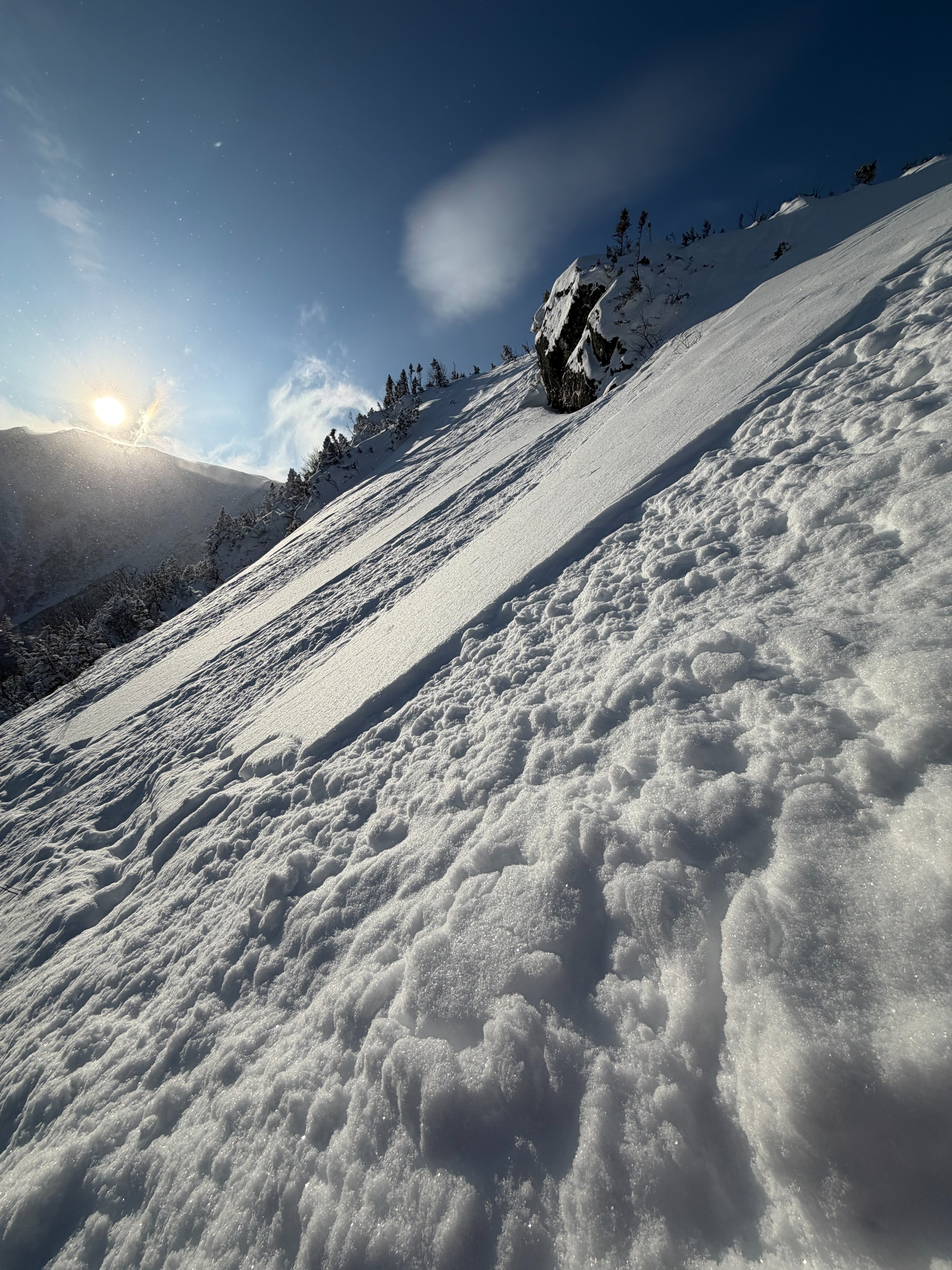
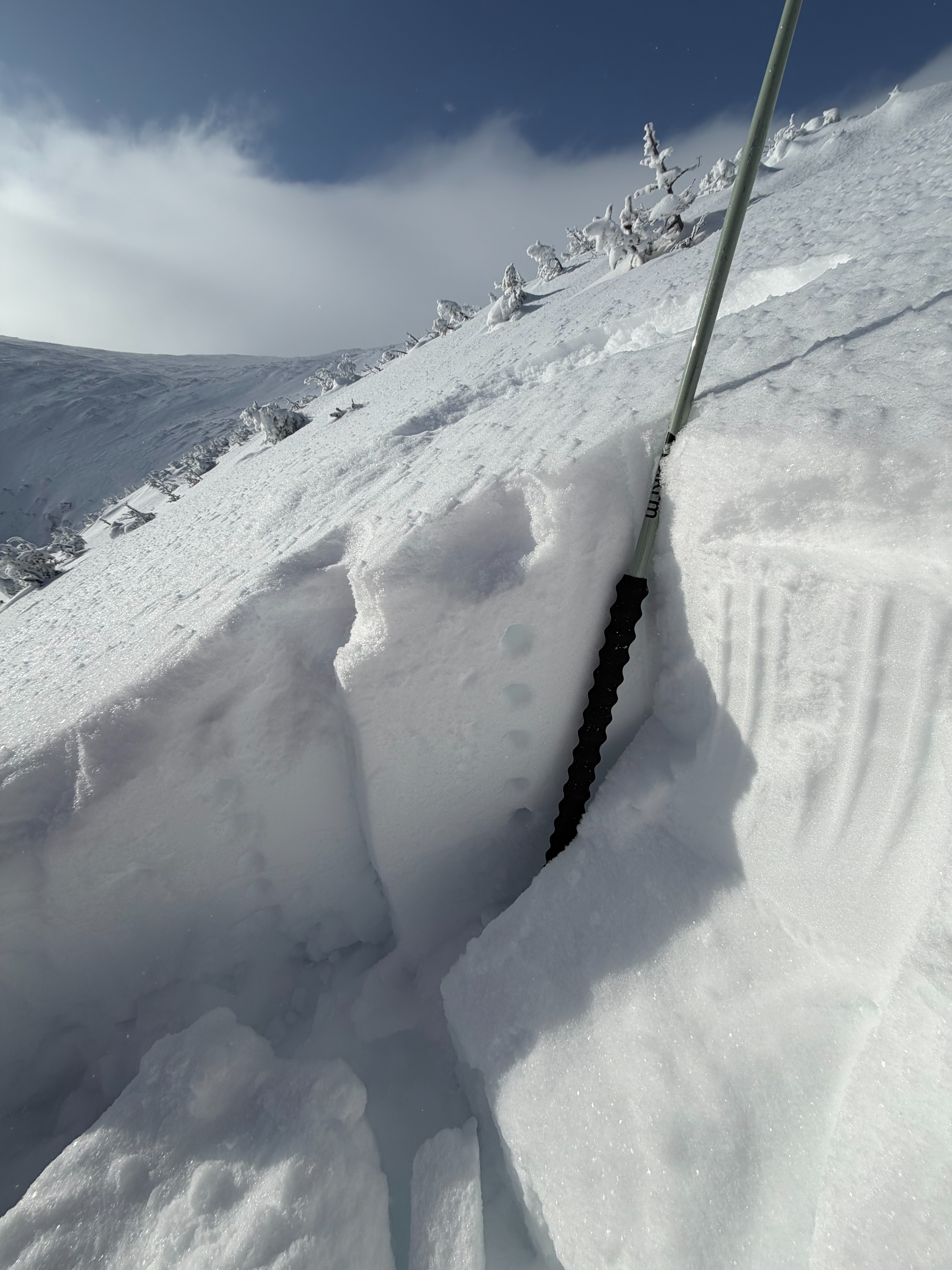
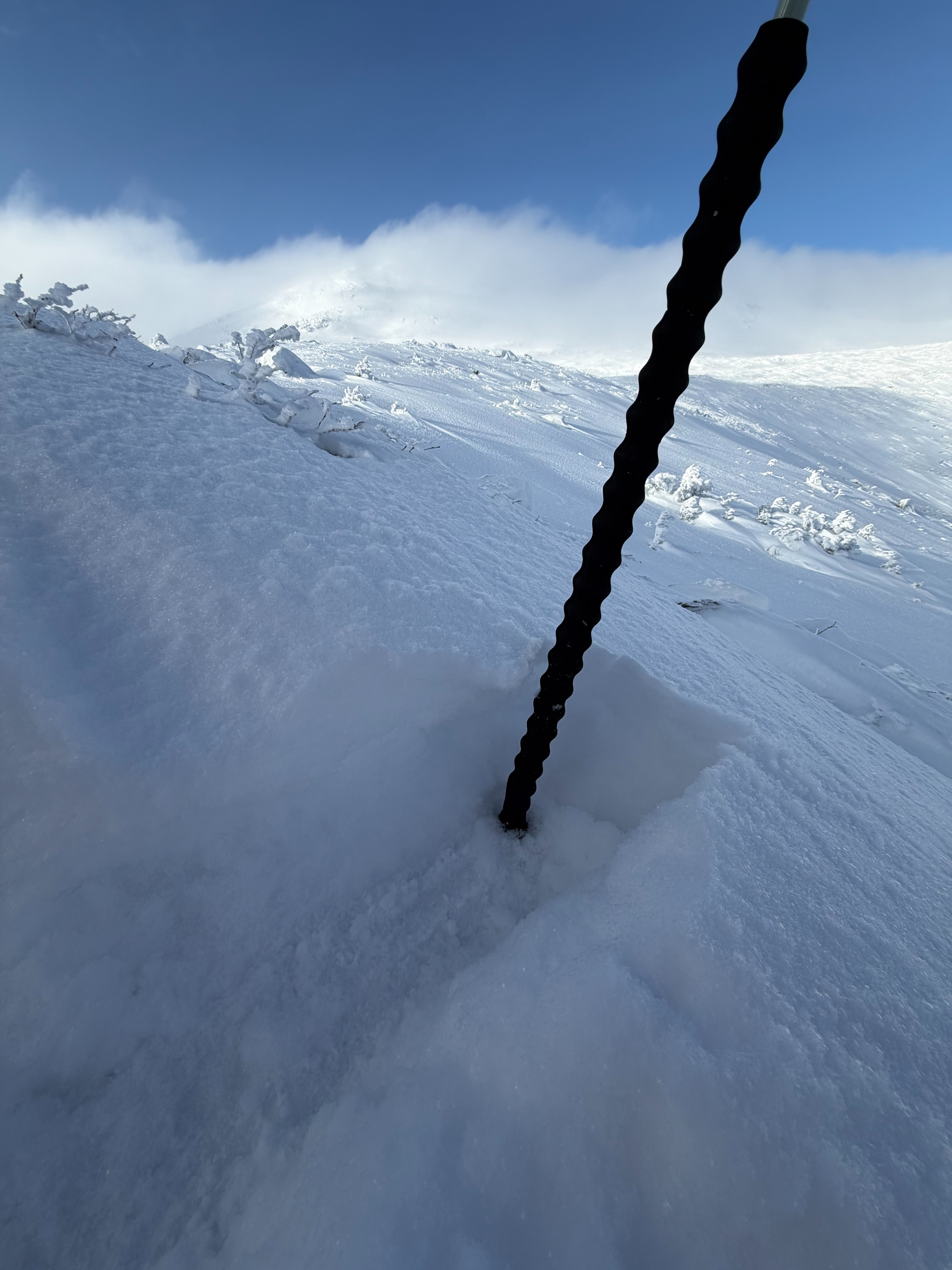
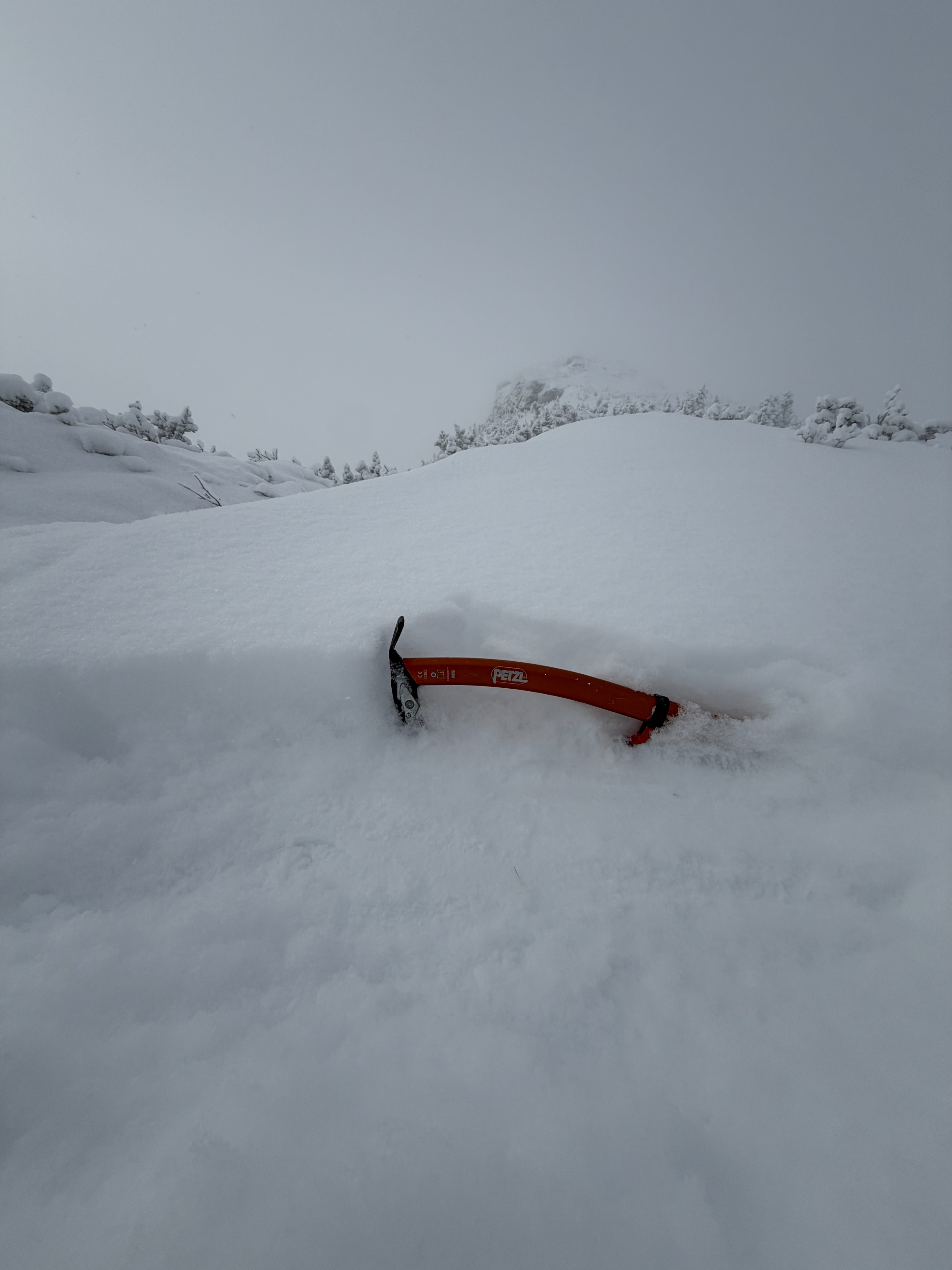
Shooting cracks were observed while walking through small, isolated, newly formed, wind slabs from 4-6 inches of very light density snow on SE aspects.Weather
- Air Temp
- 6
- Cloud Cover
- overcast
- Wind Loading
- light
- Recent Snowfall
- 10
- Snow Avail For Transport
- moderate amounts
Low density snow was falling at a light rate from the start of our uphill (9AM) until around noon with no wind. The sun began to peek out at noon and clouds became scattered. Moderate winds picked up around the same time from the west.
Snowpack
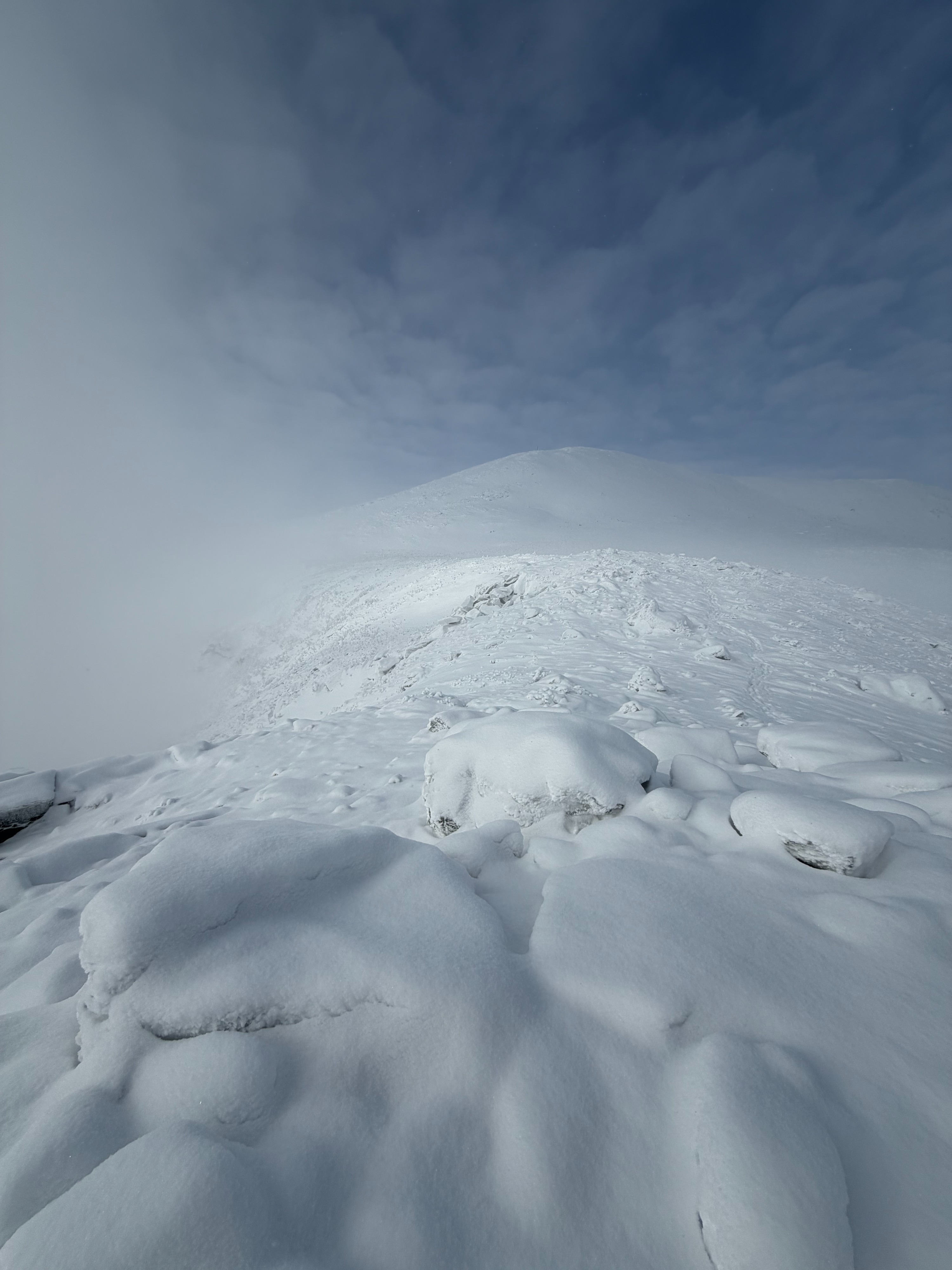
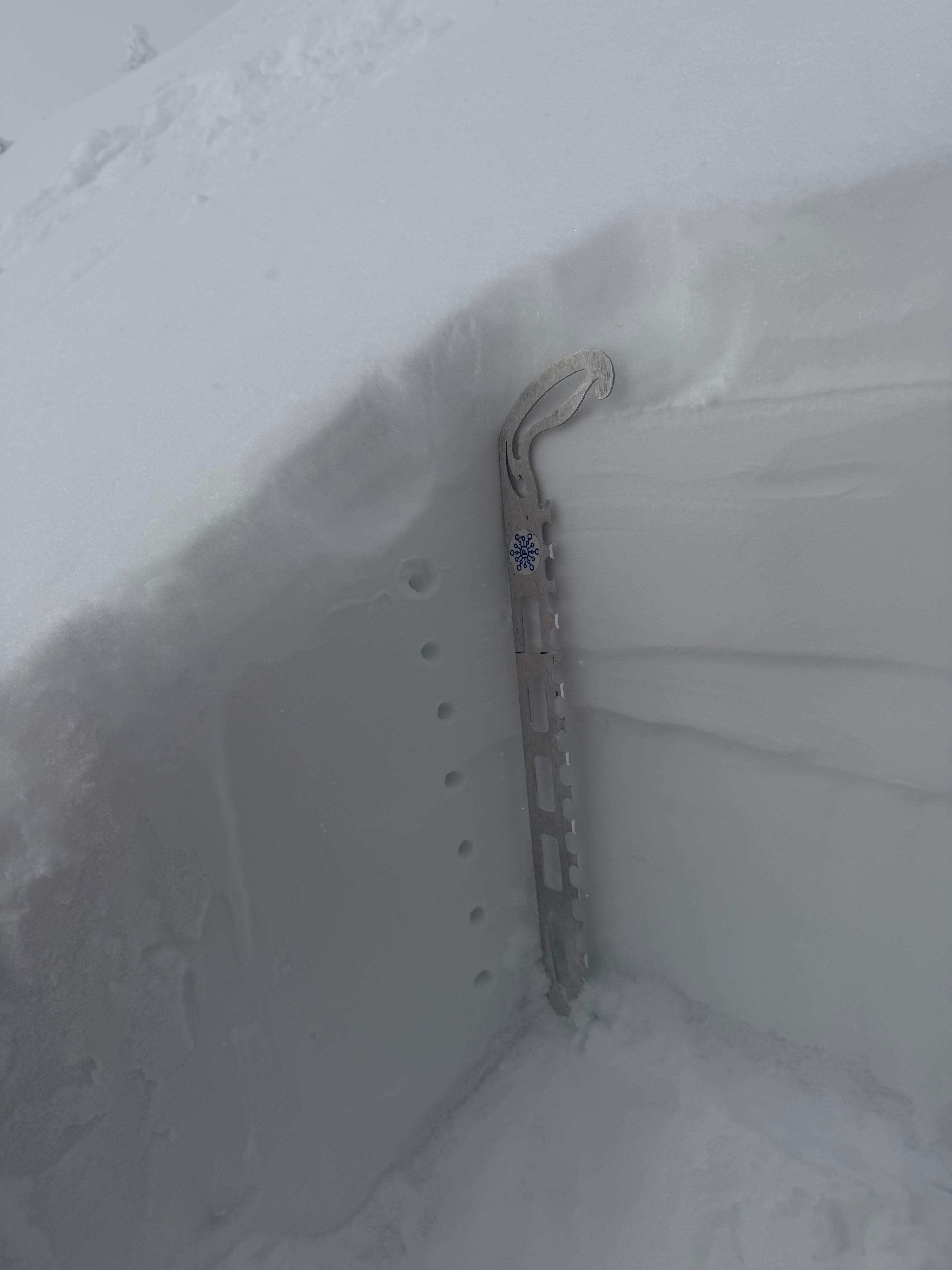
The snowpack is variable based on elevation, aspect, and terrain. Pockets of new windslabs were beginning to form in SE aspects above 4500'. Below 4-6 inches of new, light-density snow, we found bed surfaces with variable densities from 1F to P. In the top of Right Gully on a 35 degree slope, S aspect, ECTN23 45cm down. The top 10cm of snow was F, below that to a stout crust was 1F. The snow was stubborn to react. Old wind slabs are beginning to heal and become more stubborn, We found similar results at the top of Lobster Claw tested on a 30 degree slope, S aspect. ECPN21. The top 10cm of snow was F, below that to the stout curst was P. This shows how variable snow density can be in different gullys, aspects, and elevations. Overall the older windslabs are becomming more stubborn. The new, light density, snow that fell this morning has the potential to create new windslabs if winds increase gradually. Active windloading was observed in NE through SE aspects at the ridgelines.
Avalanche
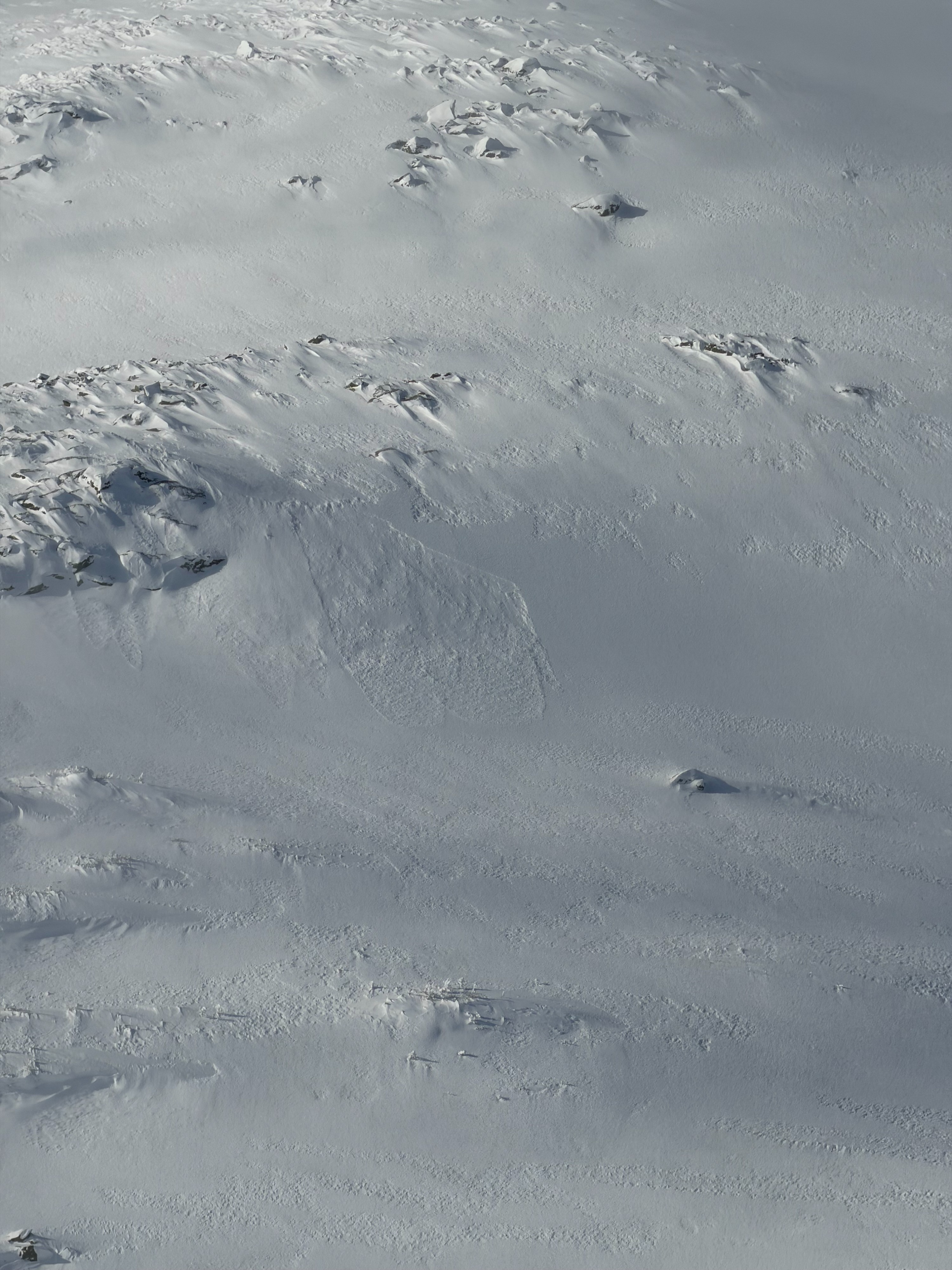
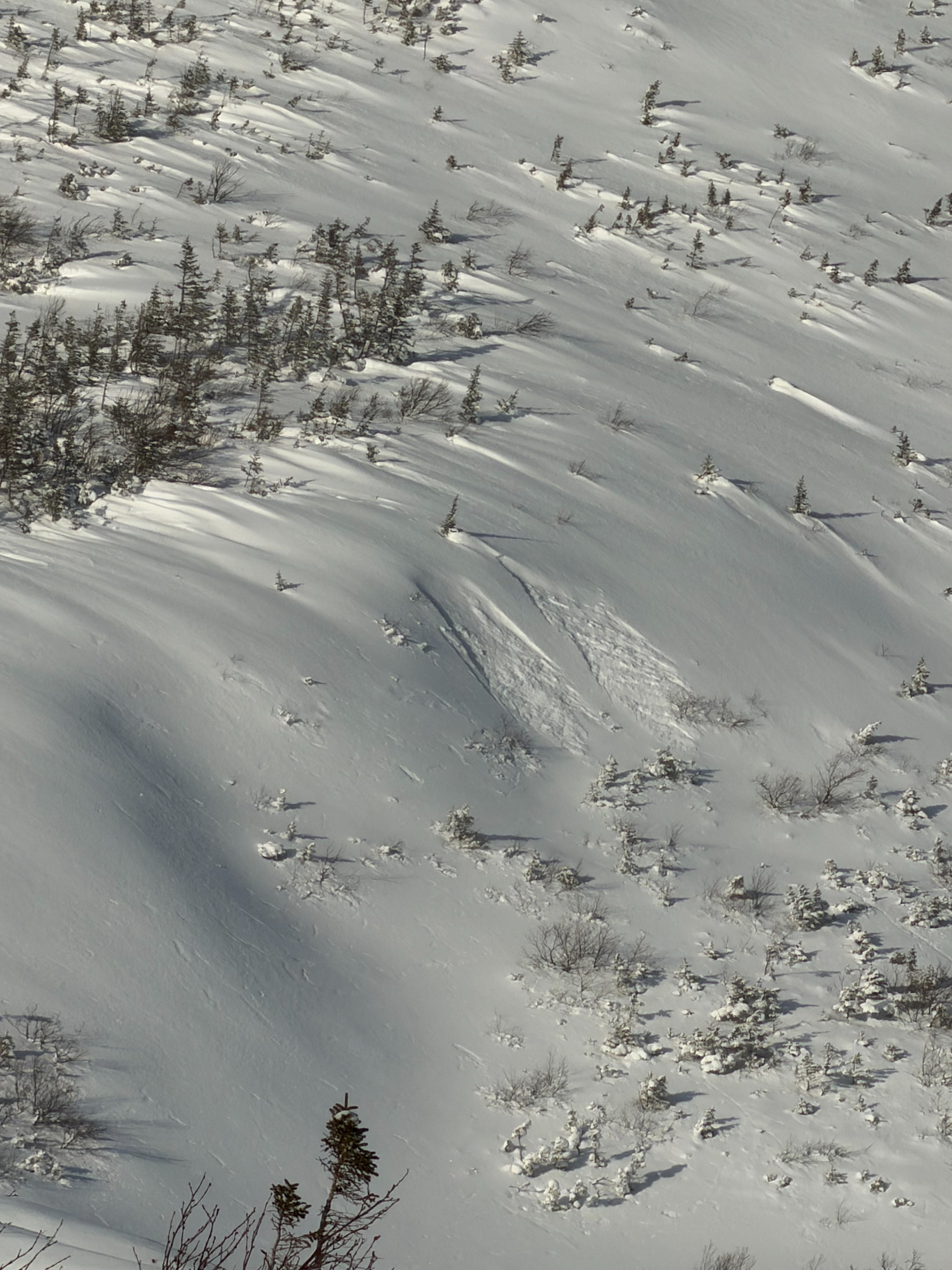
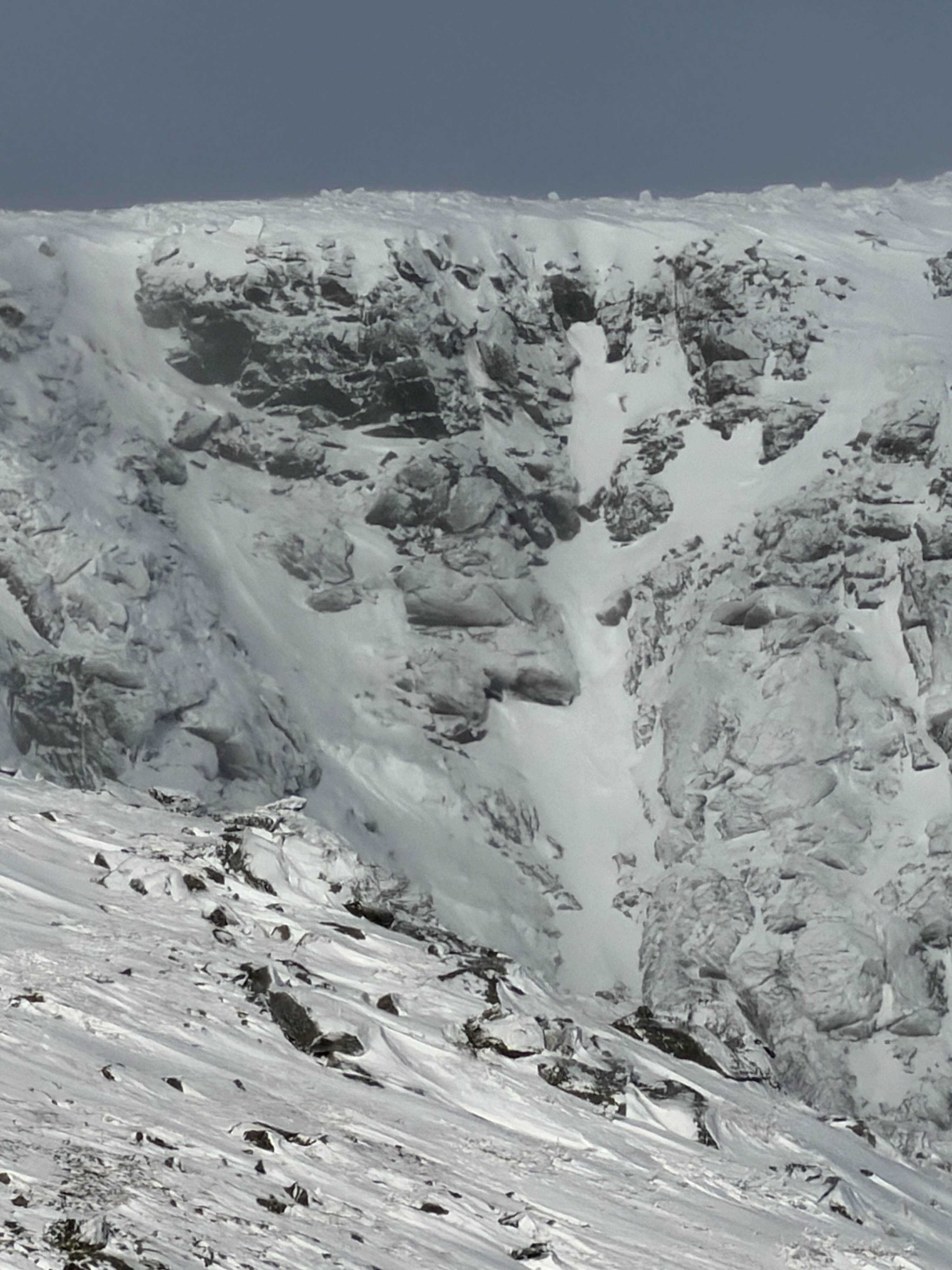
Three small point release loose-dry avalanches were observed on a SE aspect at ~4300ft on Summer Lions Head. A small point release loose-dry avalanche was observed in the SE Snowfields ~5200ft as well as another small point release above Raymond Cataract on an E aspect ~5000ft. These avalanches were from the 4 - 6 inches of new snow that fell early this morning into the afternoon.