
Quick report
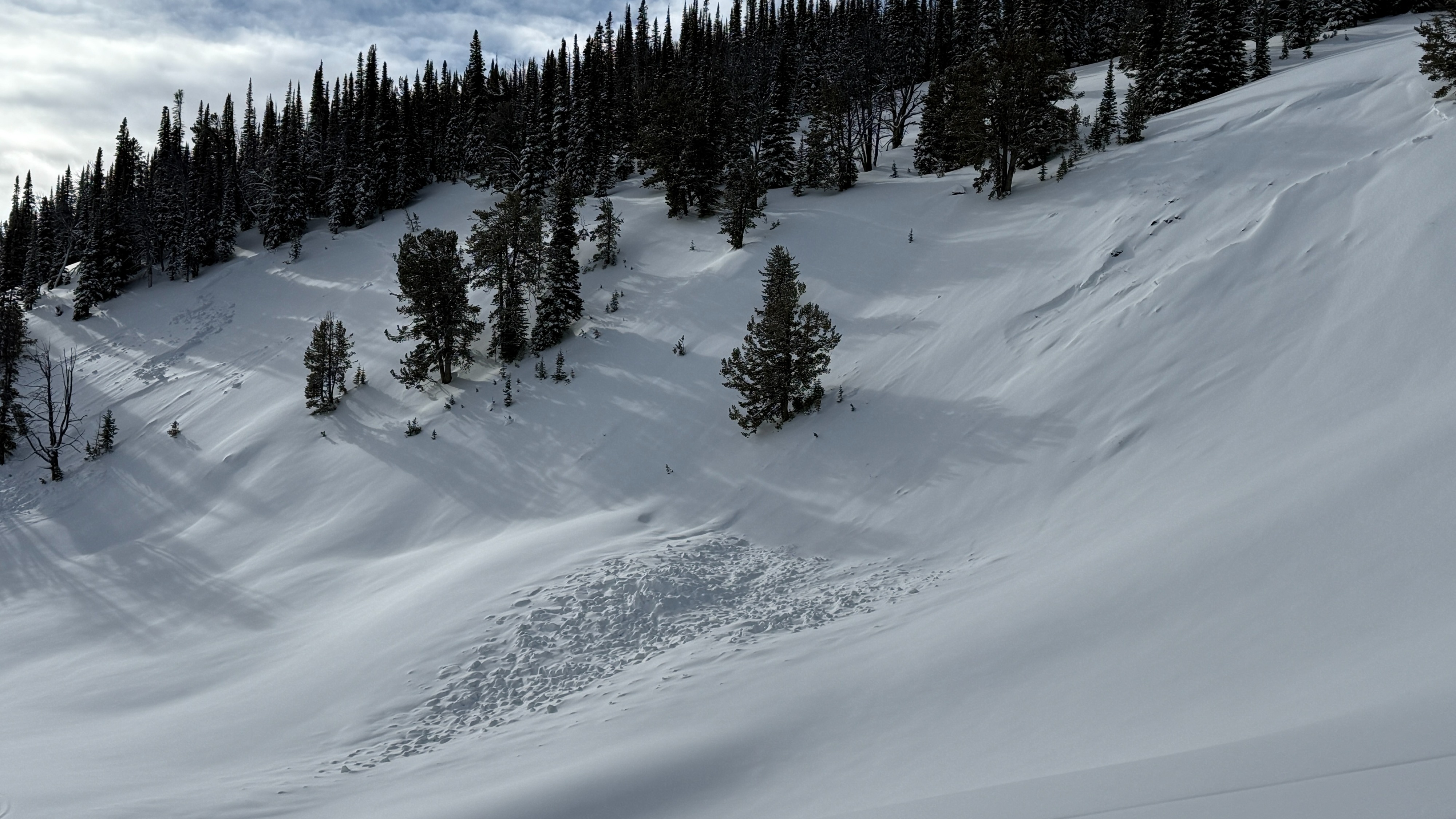
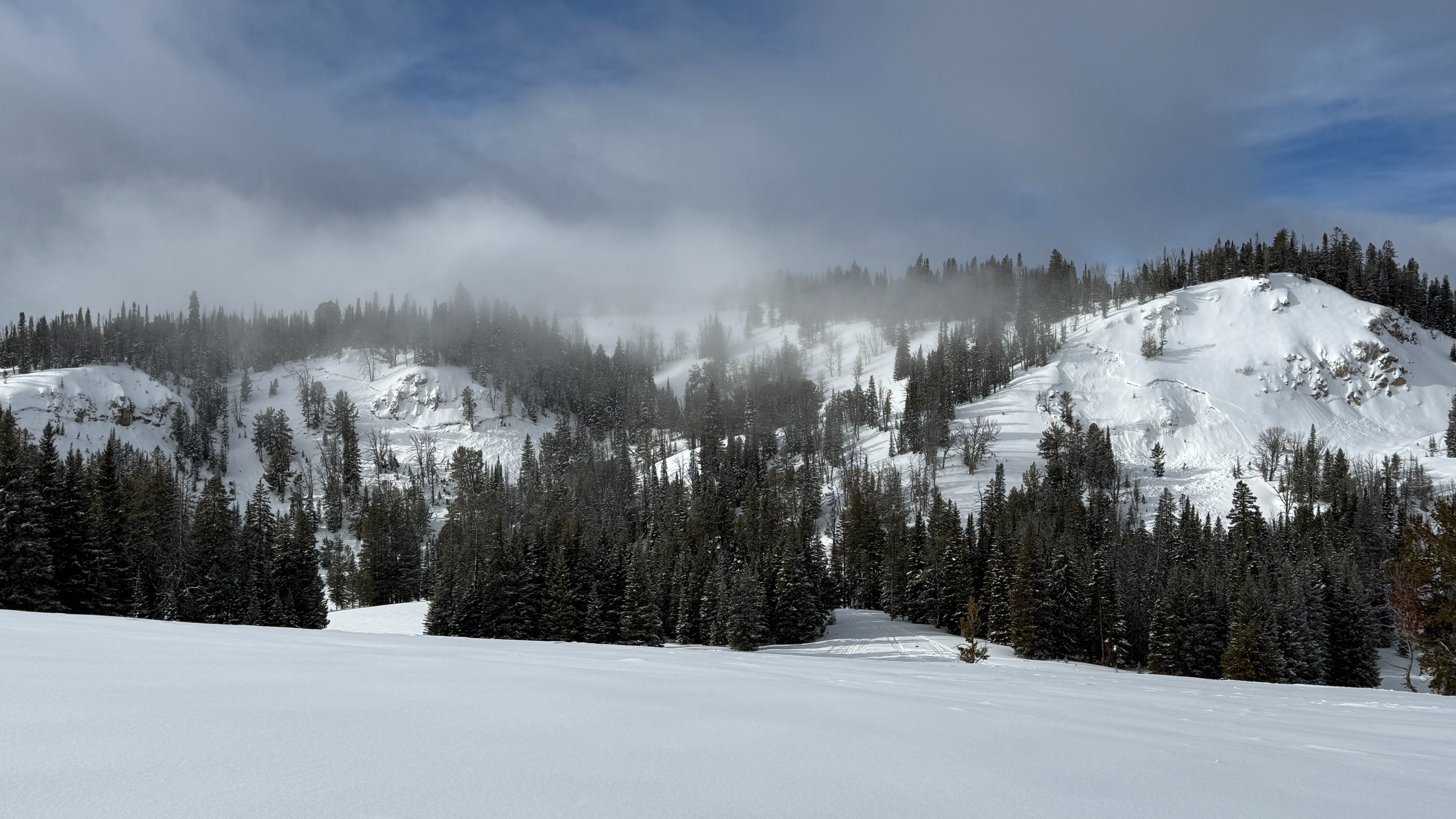
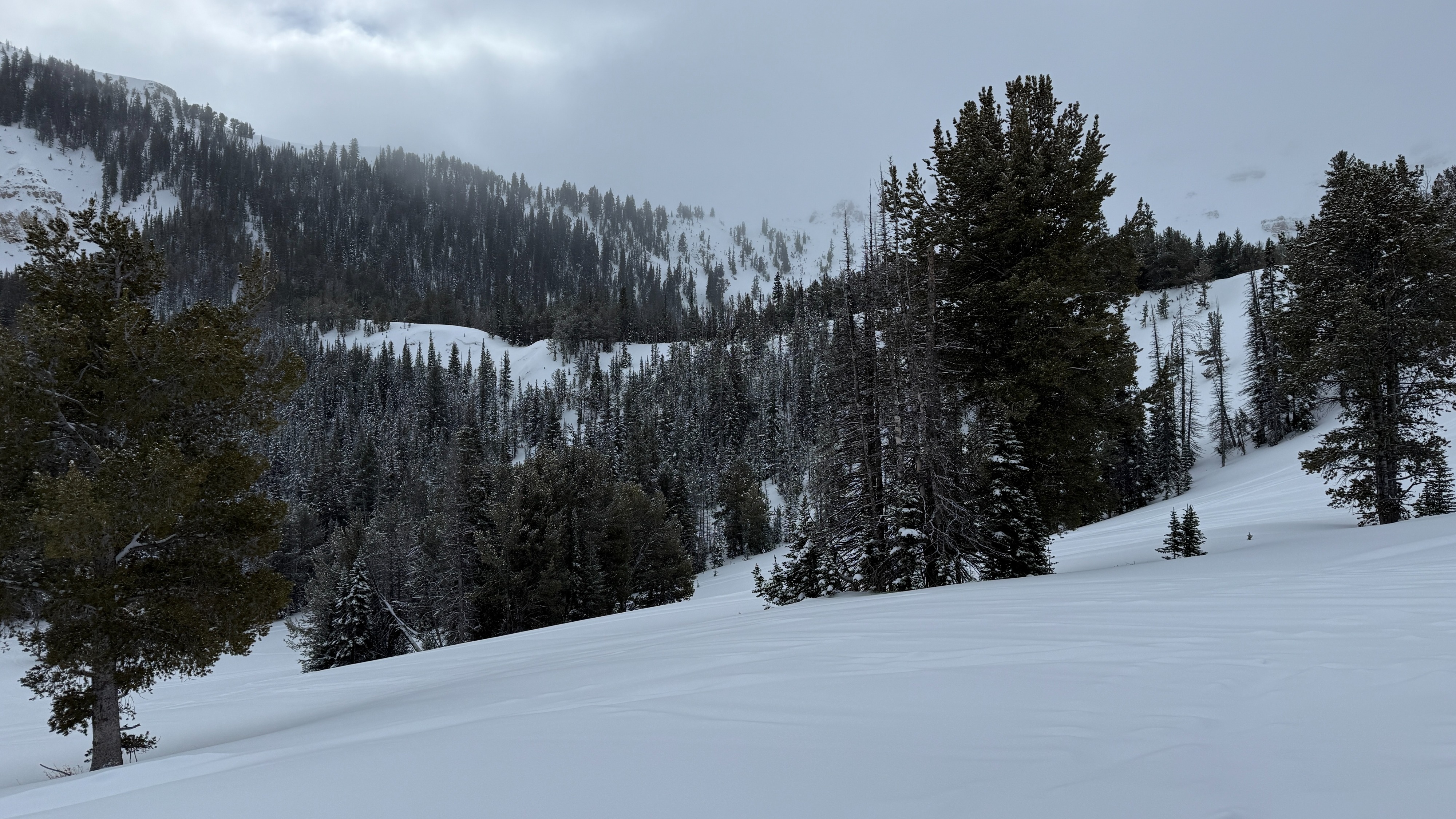
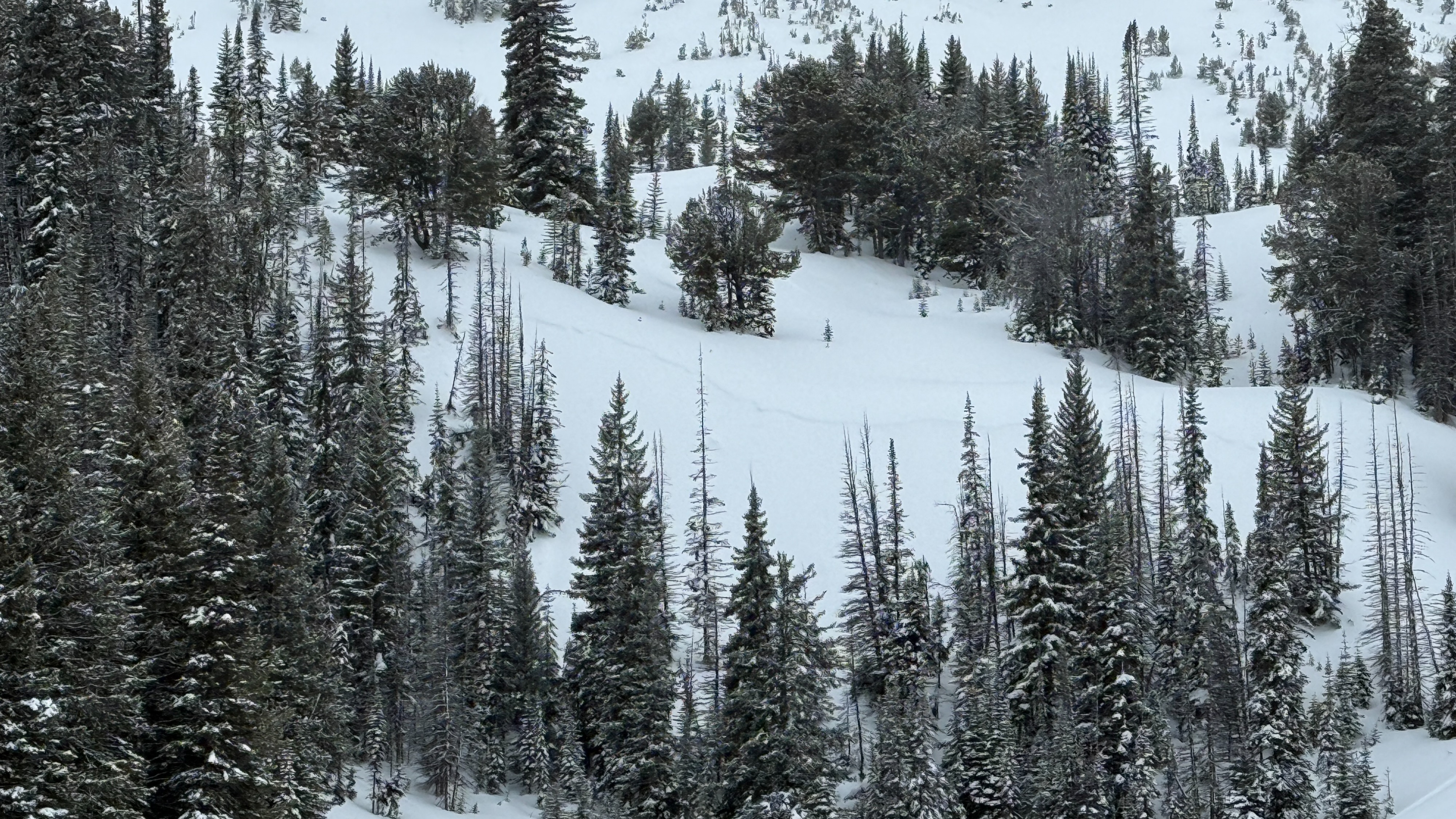
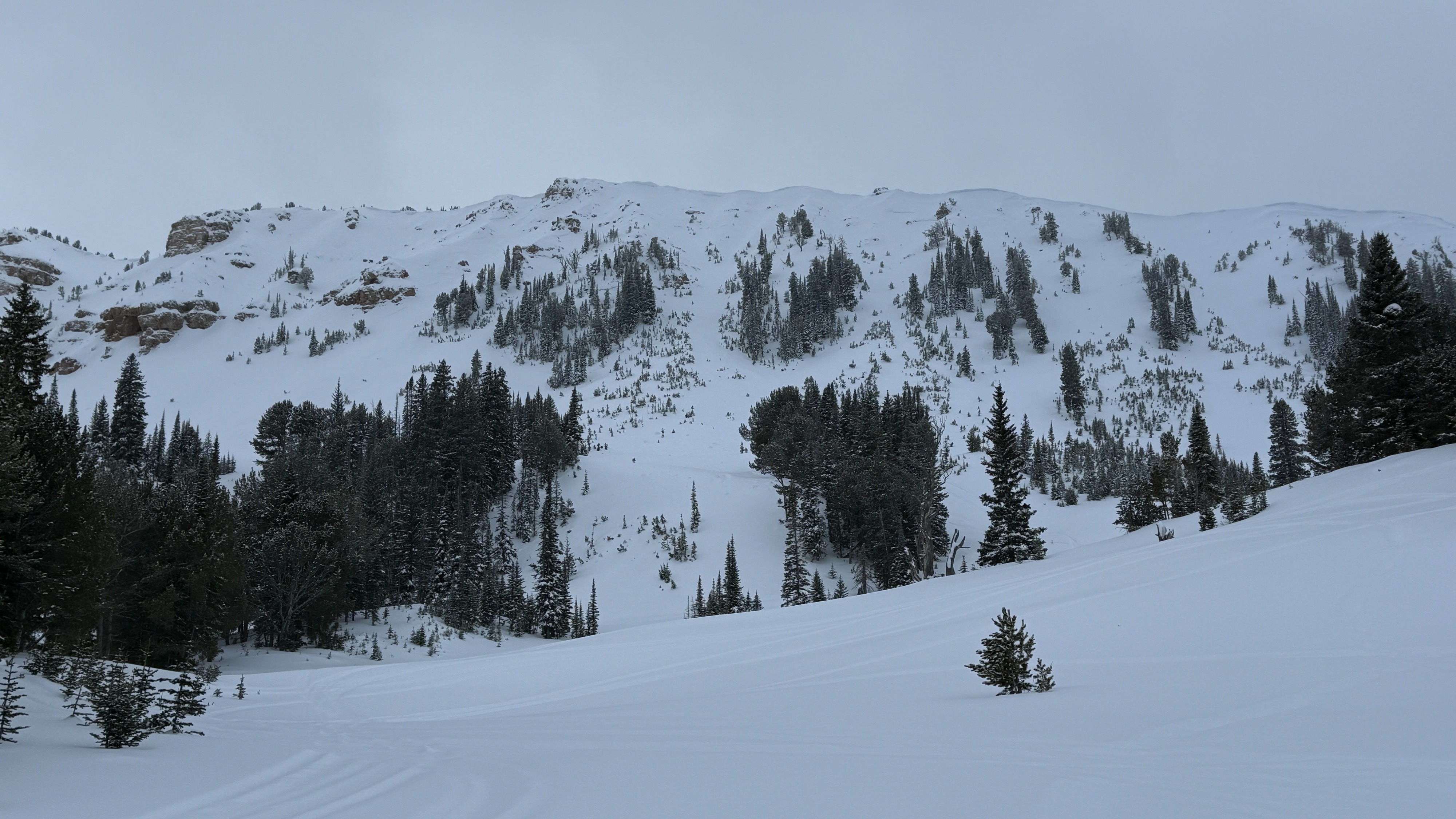
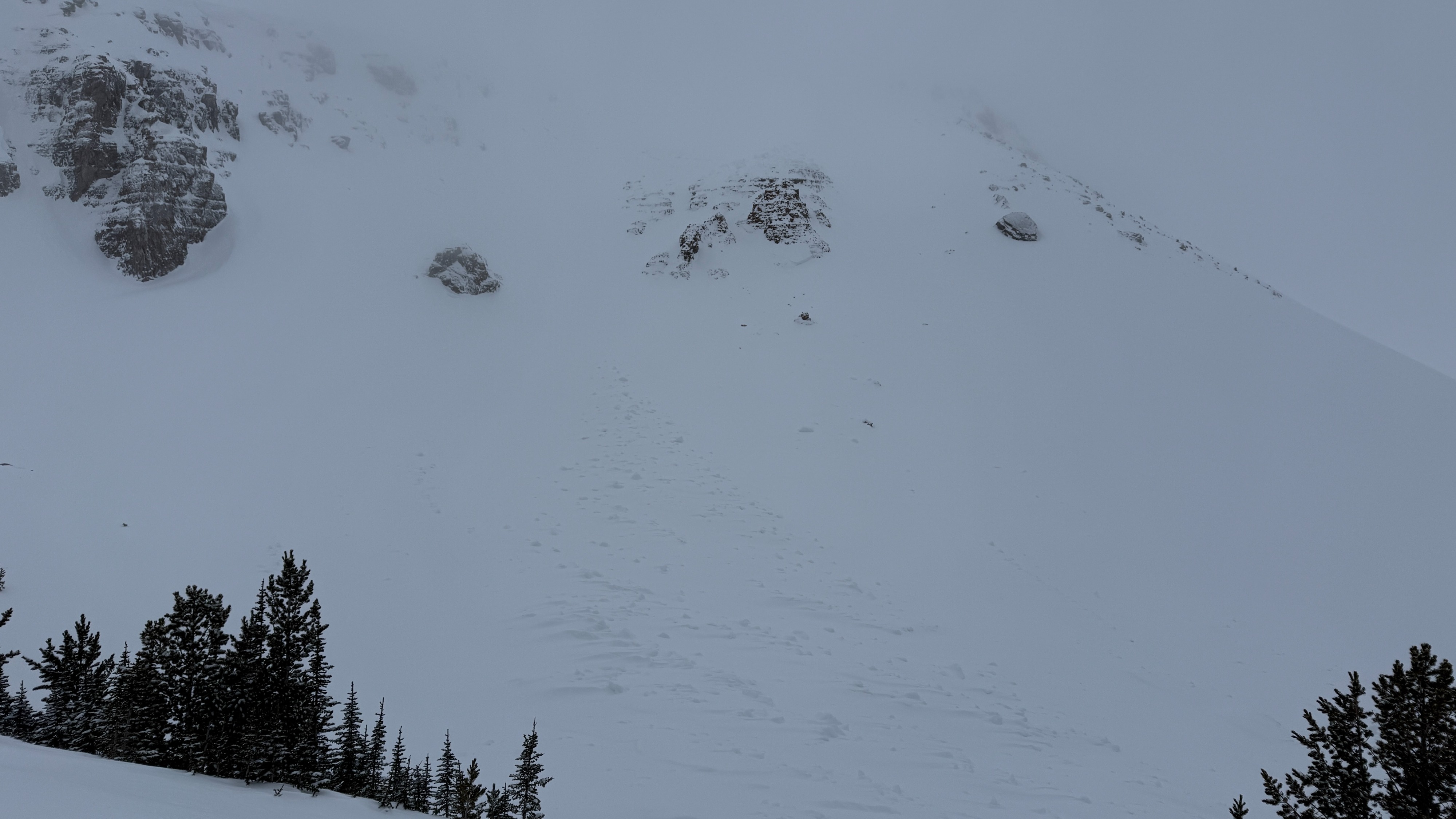
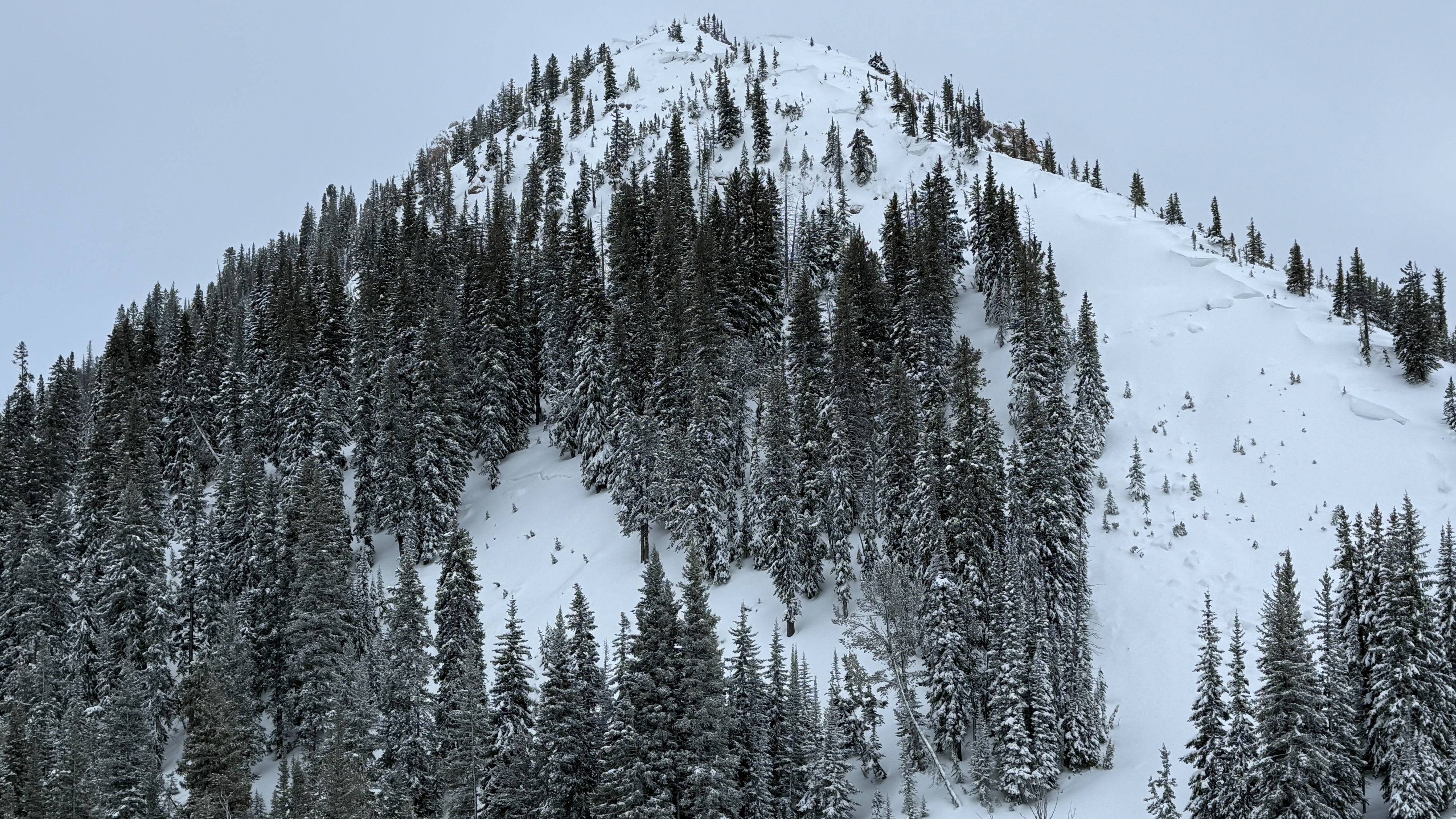
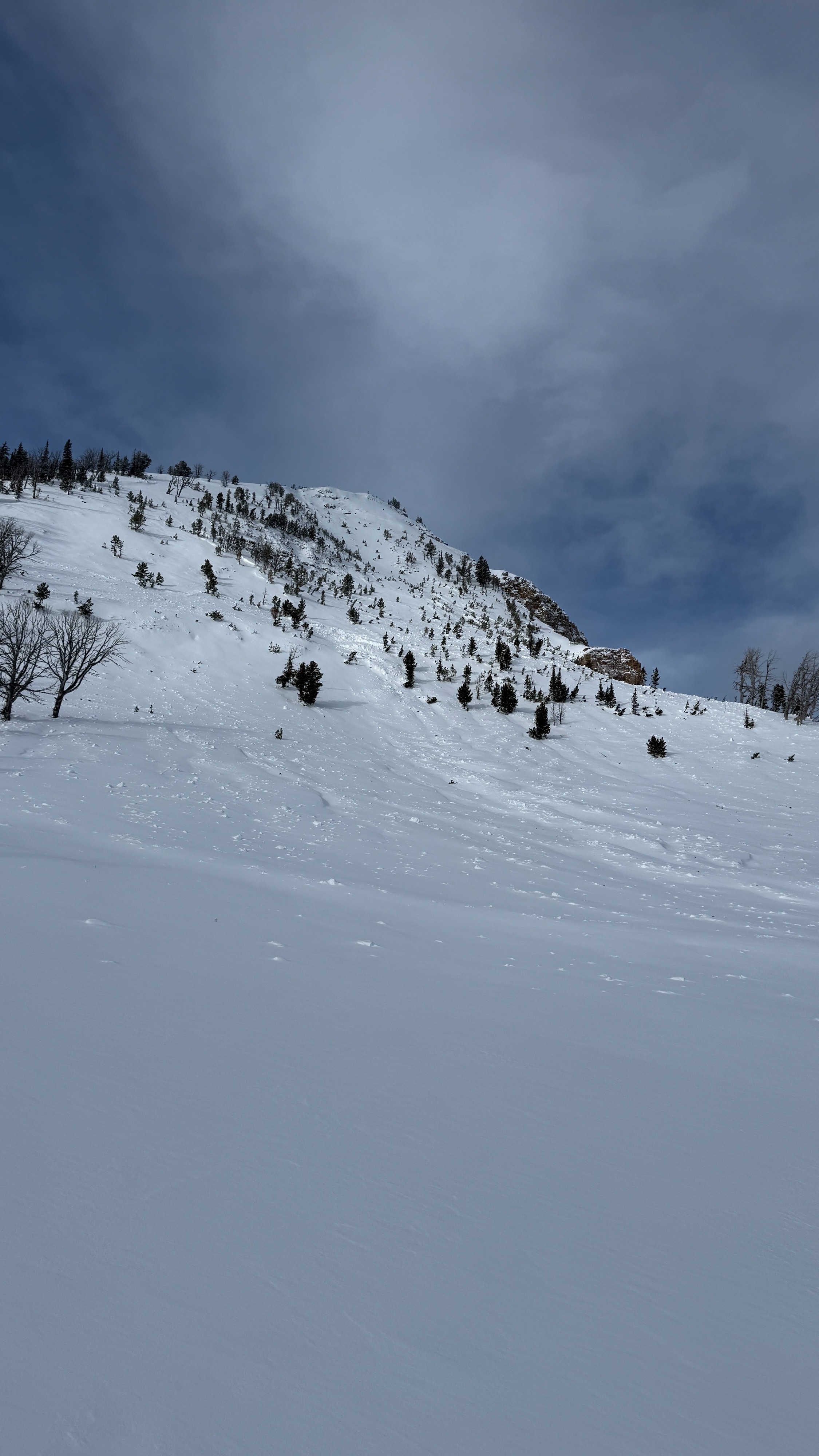
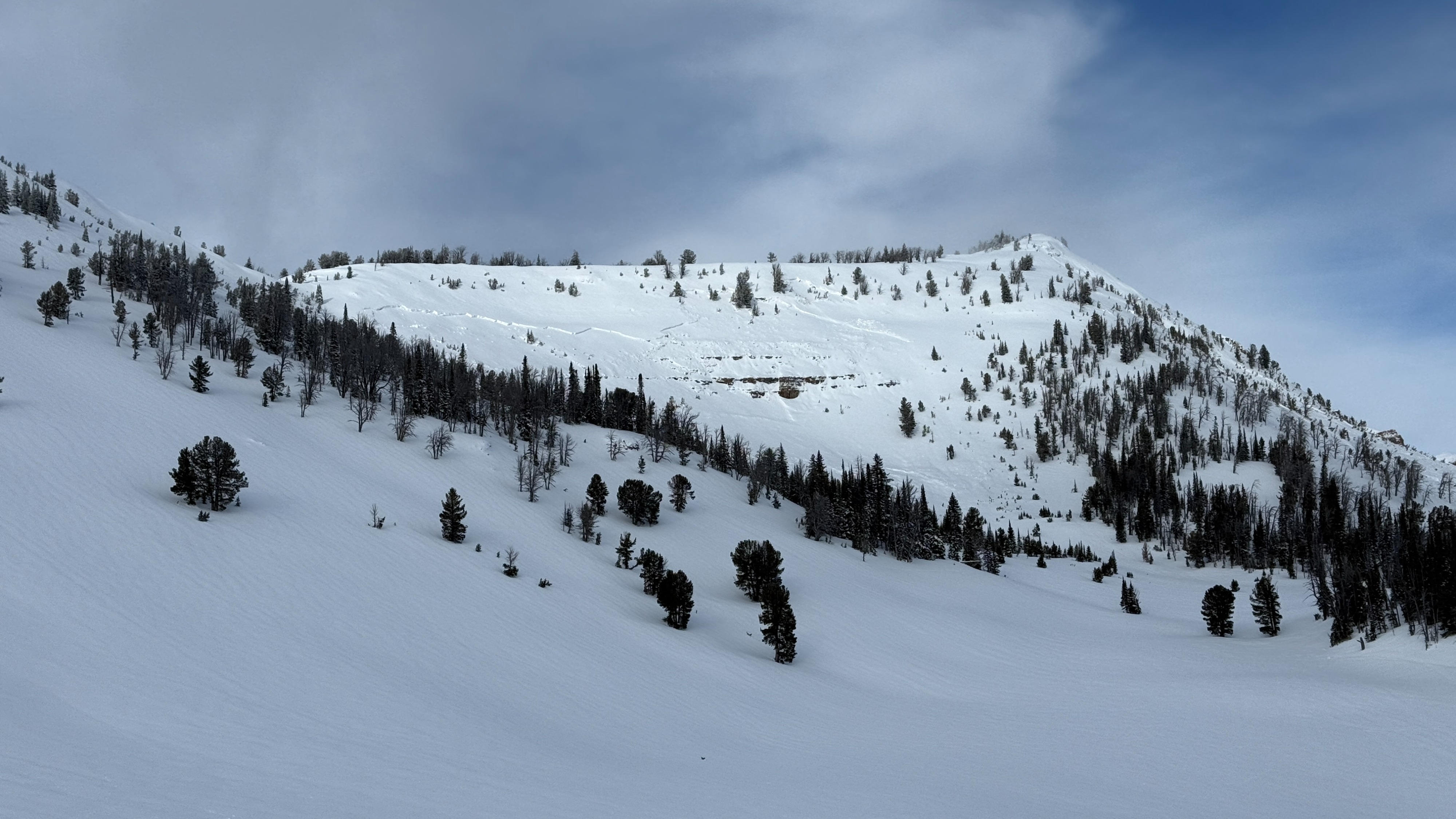
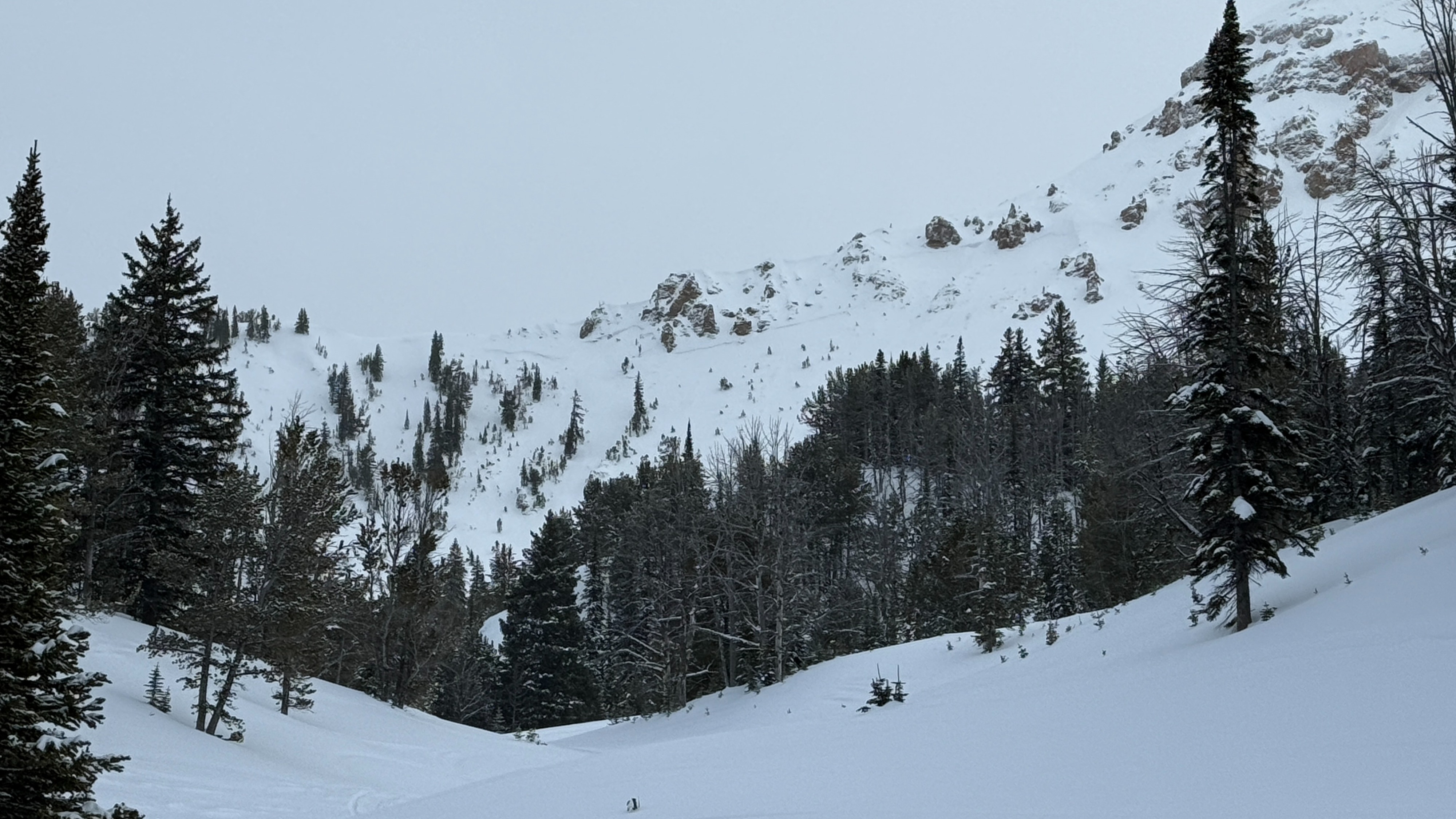
During our ride today we saw many large Persistent Slab avalanches that broke over the last two weeks (at least 15). These slides were on slopes as high as 9800 ft (the highest elevation we were able to see with the cloud cover) and as low as 8400 ft. Several slides propagated up to around 2000 ft wide, wrapping around corners and propagating through lower angle terrain to trigger sympathetic slides on adjacent slopes. Three of the slides looked to have broken in the last couple days (a local guide we talked to told us one of the slides broke 2-3 days ago). These avalanches broke on weak layers near the ground.
There were also several smaller Wind Slab avalanches.
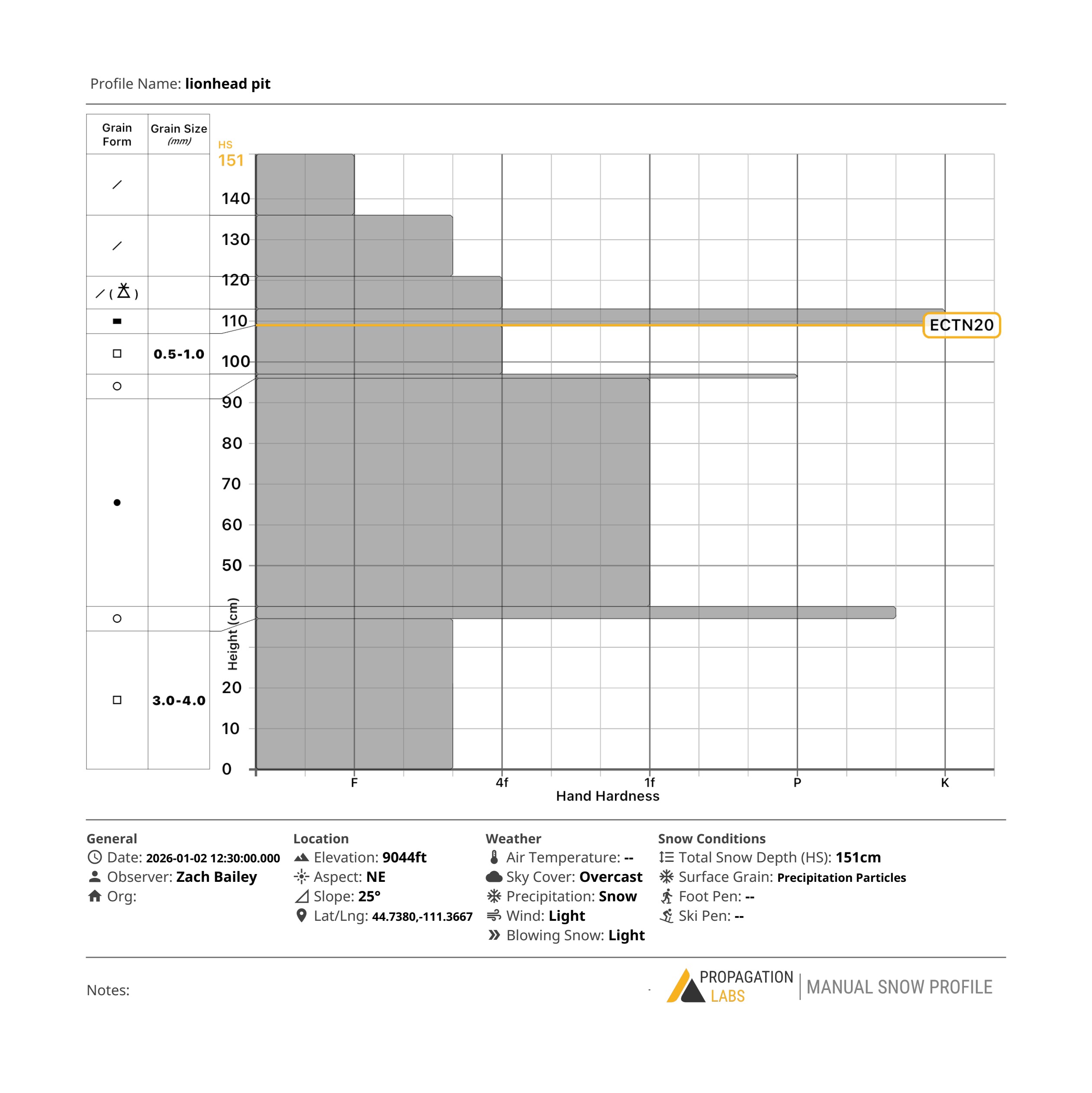
We dug a pit near one of the avalanches at 9100 ft and looked at the layering in the crown of another avalanche at 8700 ft. Both showed stout rain crusts about a foot down (1” thick at upper pit, 10” thick at lower avalanche). There were dry facets about a foot off the ground in both areas. We were surprised that an avalanche could be triggered through such a stout rain crust.
There were 3-5" of new snow and it was snowing lightly when we left mid-afternoon.
Conditions are tricky right now. If we hadn't seen avalanches (SO MANY AVALANCHES!), I would have thought the snowpack was fairly stable. We didn't get unstable test results and it seems hard to believe that you'd be able to trigger an avalanche through such a dense slab and stout rain crusts. But the recent avalanches are the bullseye data. It is clearly possible to trigger large avalanches breaking near the ground, despite the crusts. Without recent loading I'm not sure how likely it is you'll trigger a slide, but the consequences would be big. I'll be continuing to avoid big steep slopes in this area for the time being.
Avalanche
- Size
- D1.5
- Type
- HS
- Count
- 7
- Aspect
- NE
- Trigger
- N
- Elevation
- 8800 ft
Several persistent slab avalanches seen low, in opening in the trees in Watkins Creek. Date is a rough estimate.