
Quick report
In a typical spring pattern, it was wintery up high in the mountains and spring-like in the valley. I wanted to look at recent snow totals, wind slab reactivity, and lingering instabilities over the Early February Crust (EFC). With low-elevation travel beginning to become quite challenging in the Eastern Cascades, I took advantage of lift access at Mission Ridge and then headed out towards Mission Peak. Recently formed wind slabs didn't produce any shooting cracks, and in this location, the bond with the 3/22 melt-freeze crust was favorable. However, we found a surface hoar layer 20cm deep that produced easy, clean shears. The EFC was quite deep where we dug, but weak snow is still preserved over this crust. The crust itself is beginning to break down.
Weather
- Cloud Cover
- overcast
- Wind Loading
- light
- Rain Elevation
- 4000ft
- Recent Snowfall
- 30cm
- Snow Avail For Transport
- moderate amounts
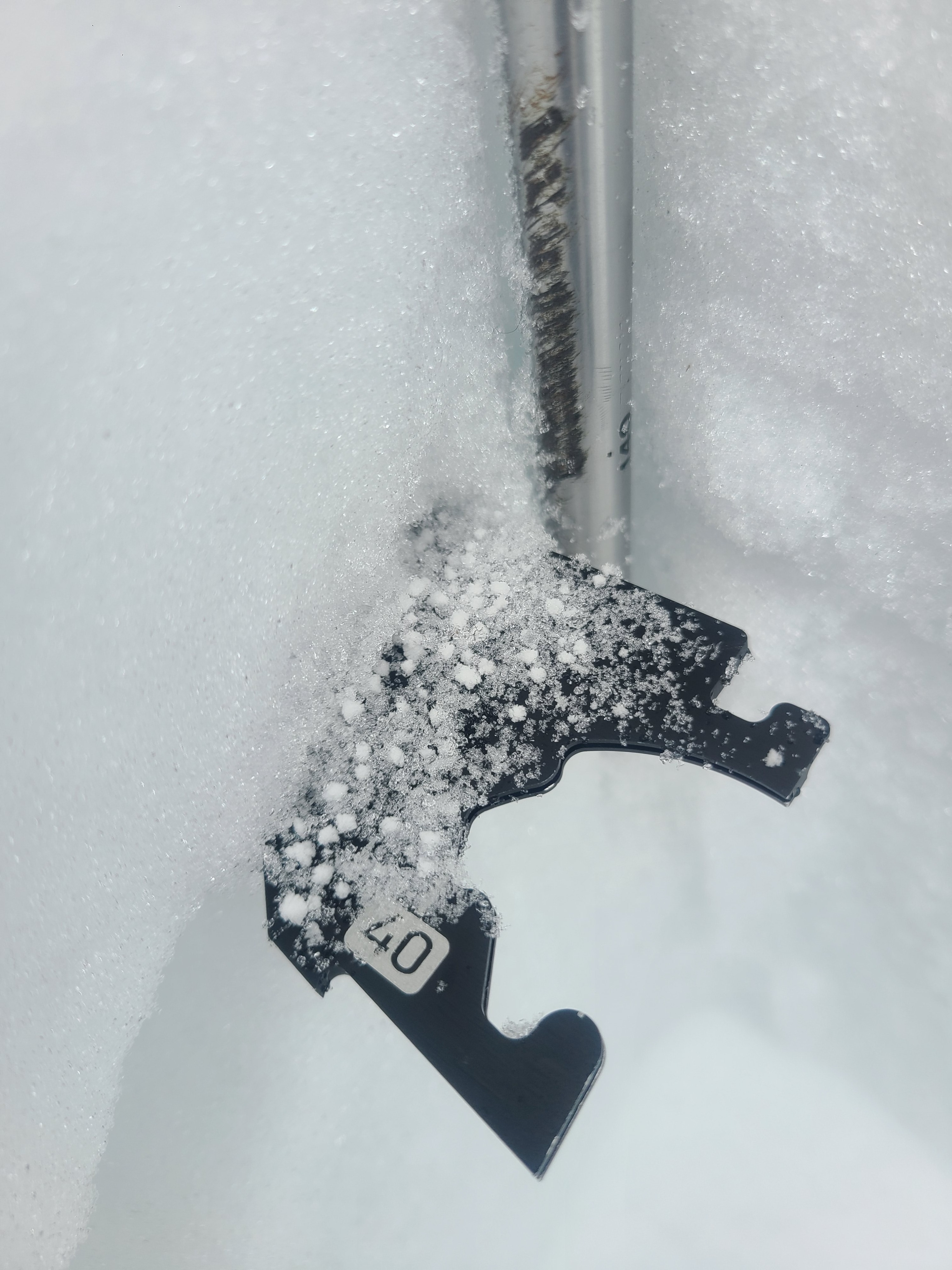
The spring dynamic weather forecast was spot on today. We experienced cold temperatures and short bursts of heavy precipitation with graupel at upper elevations and wet snow down at the parking lot. The valley was sunny, with clear skies and warm temperatures. Winds were mostly light.
Snowpack
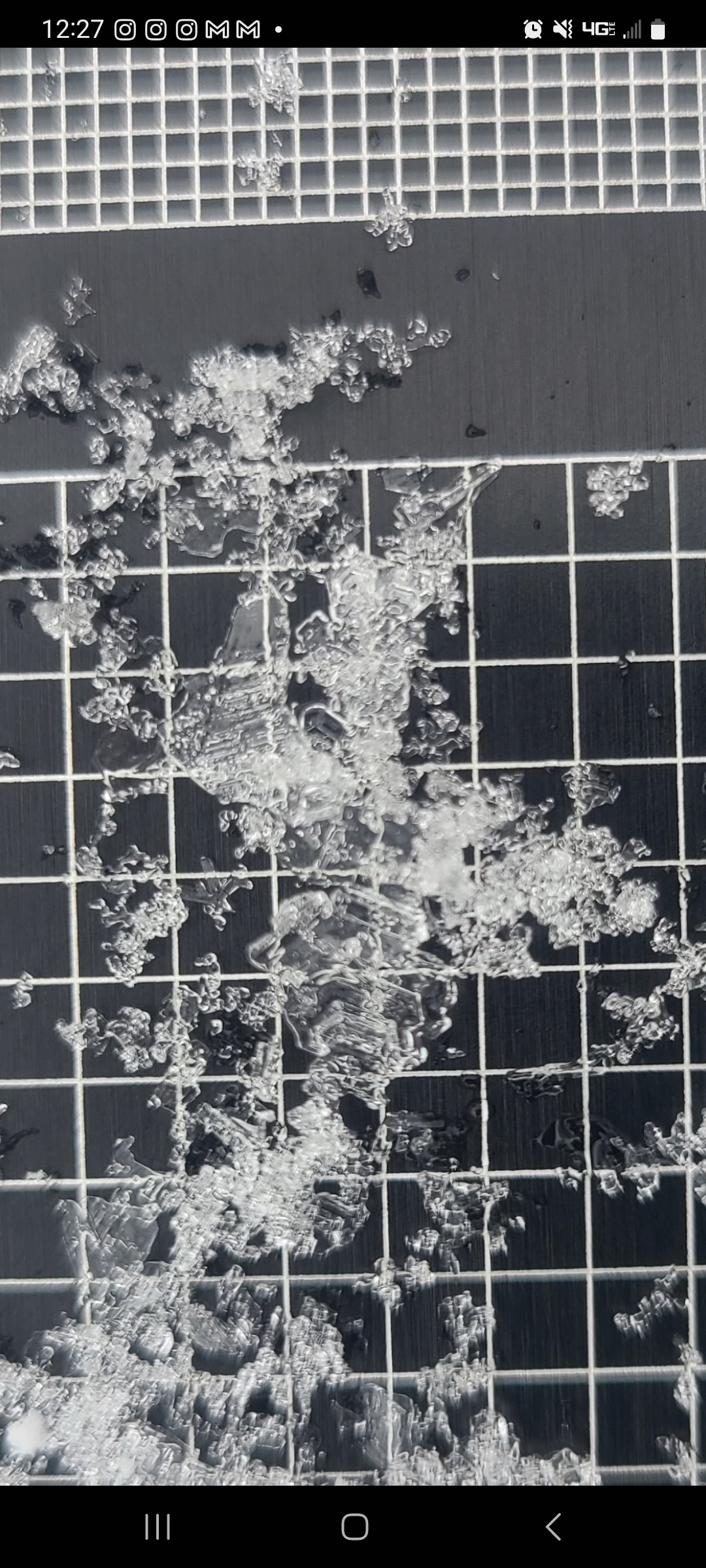
We dug a snow profile on a NE aspect at 6600ft. We found about 30cm of recent snow over the 3/22 melt-freeze crust. We also observed a layer of surface hoar down 20cm that failed easily with shovel tilt tests. The 3/22 crust was inconsistent throughout the pit. Overall, it presents as a complex of crusts about 10-20cm thick with thinner, hard melt-freeze crust layers and weaker melt forms in between. Below this crust was another layer of buried surface hoar that produced sudden failures in compression tests. The Early February Crust is buried 120cm deep, and while the facets over the crust have seen liquid water, they are still weak (4f). A propagation saw test on this layer did show a propensity for propagation. (PST END 36/120)