
Quick report
- Cracking
- specific
- Collapsing
- specific
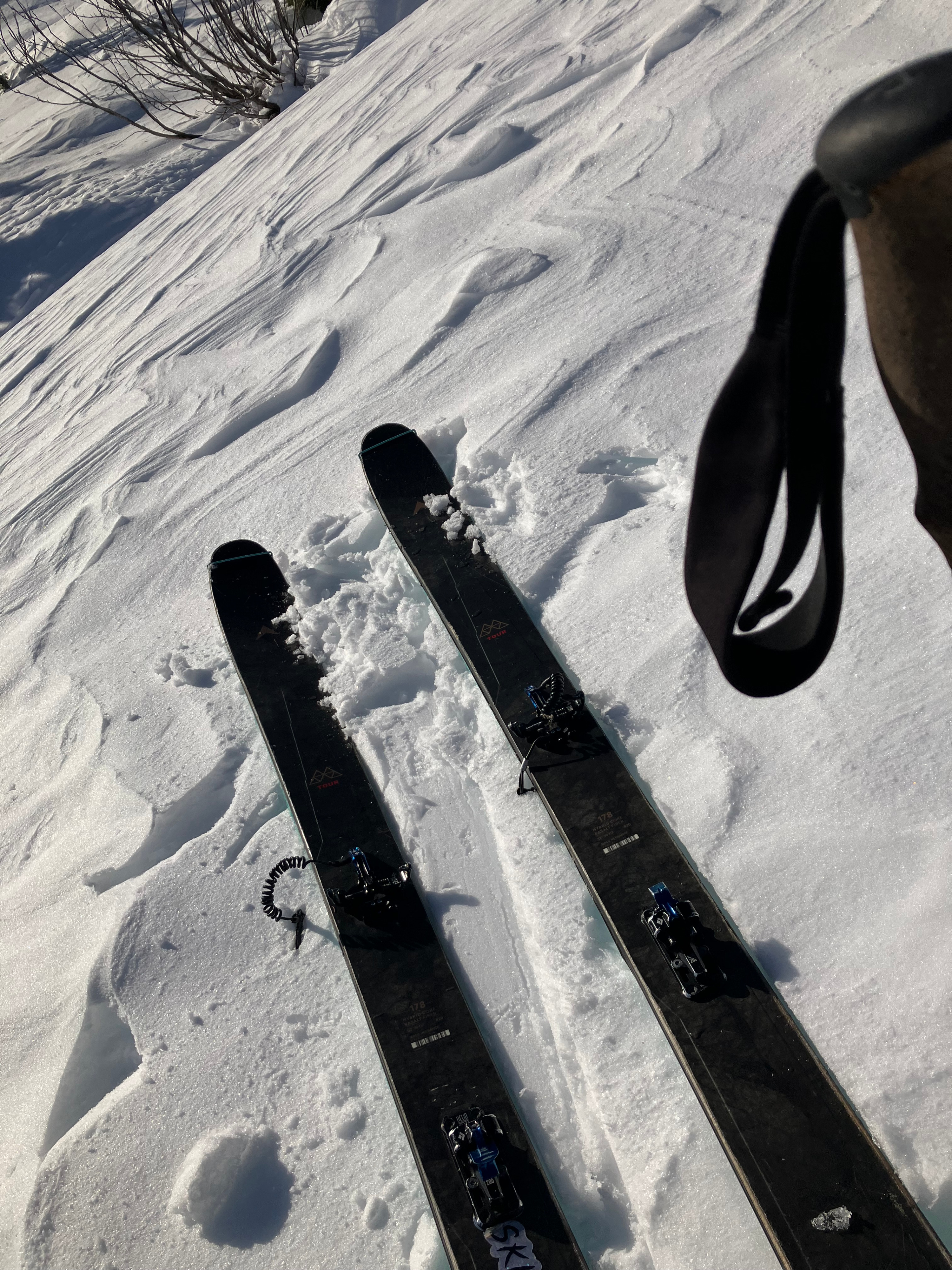
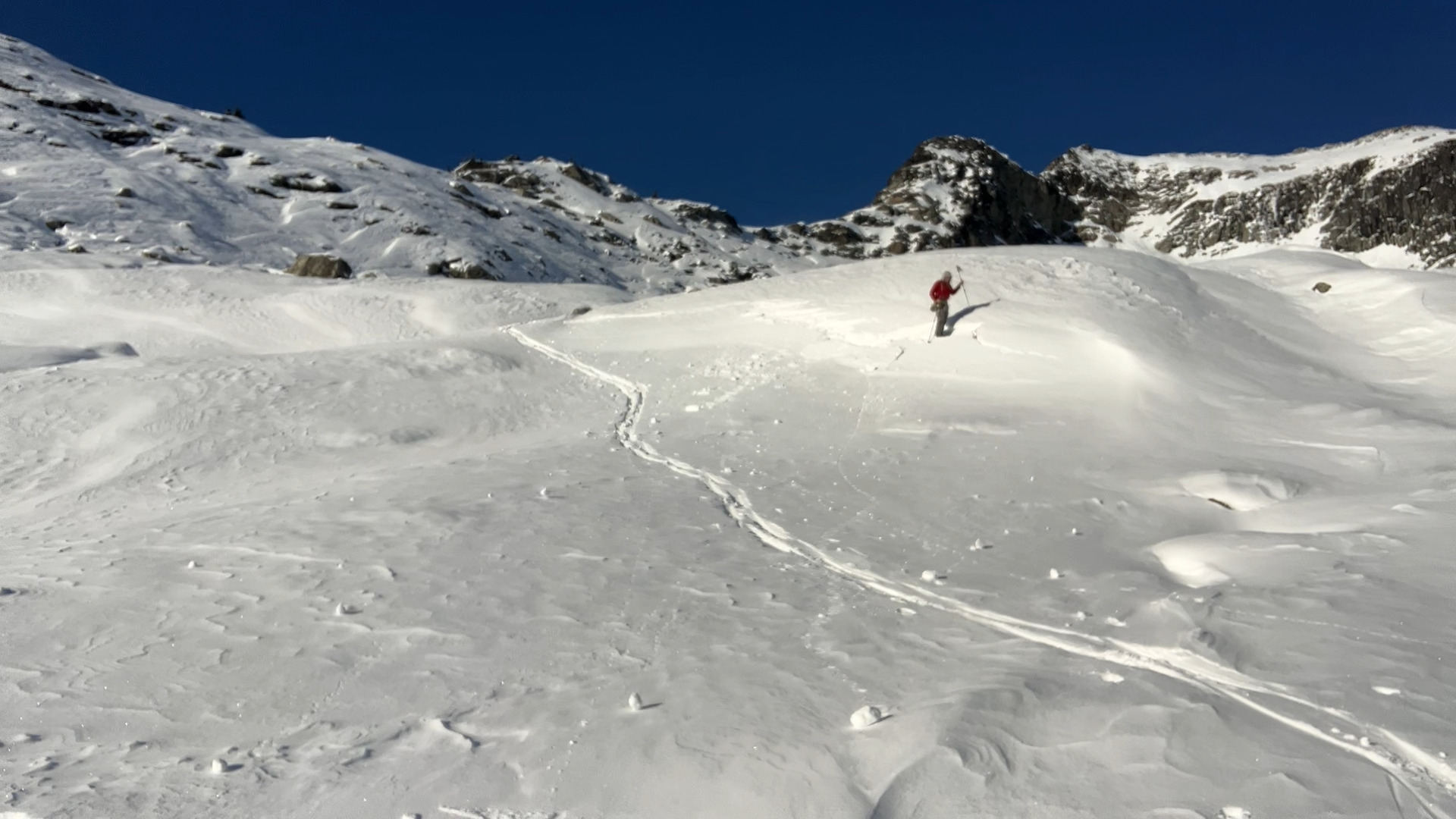
We saw a few rollerballs, but primarily cracking and collapsing wind slabs on Nov 19th. The snowpack appeared to have received around an or two of snow the prior evening, and more snow in the few days before that. The total snow at 6k elevation was roughly 1 meter, but highly variable due to wind transport. The weather on the 19th was sunny, cold in the morning and warmed to a few degrees above freezing in the afternoon. During snowpack testing at 6000 ft we caused 1 avalanche, and doing a column test caused failure on isolation with a very clean break in the slab. We traveled briefly through avalanche terrain exiting the forest around 5500 ft before making greater assessments and deemed the snowpack to be reactive. As a result we broke camp and left the next day. On the 20th the weather was cloudy, but above freezing by late morning. We did no further tests but the snow appeared more stable due to reduced cracking and collapsing, likely from overnight freezing temperatures. Cracks propagated by about 6 inches to a foot, depth was highly variable due to wind slab size. While testing snowpack on an isolated south facing slope, skier was able to trigger a wind slab avalanche with a crown of roughly 8 inches
Avalanche
- Size
- D1
- Count
- 2
- Aspect
- S
- Trigger
- AS
- Elevation
- 6000 ft
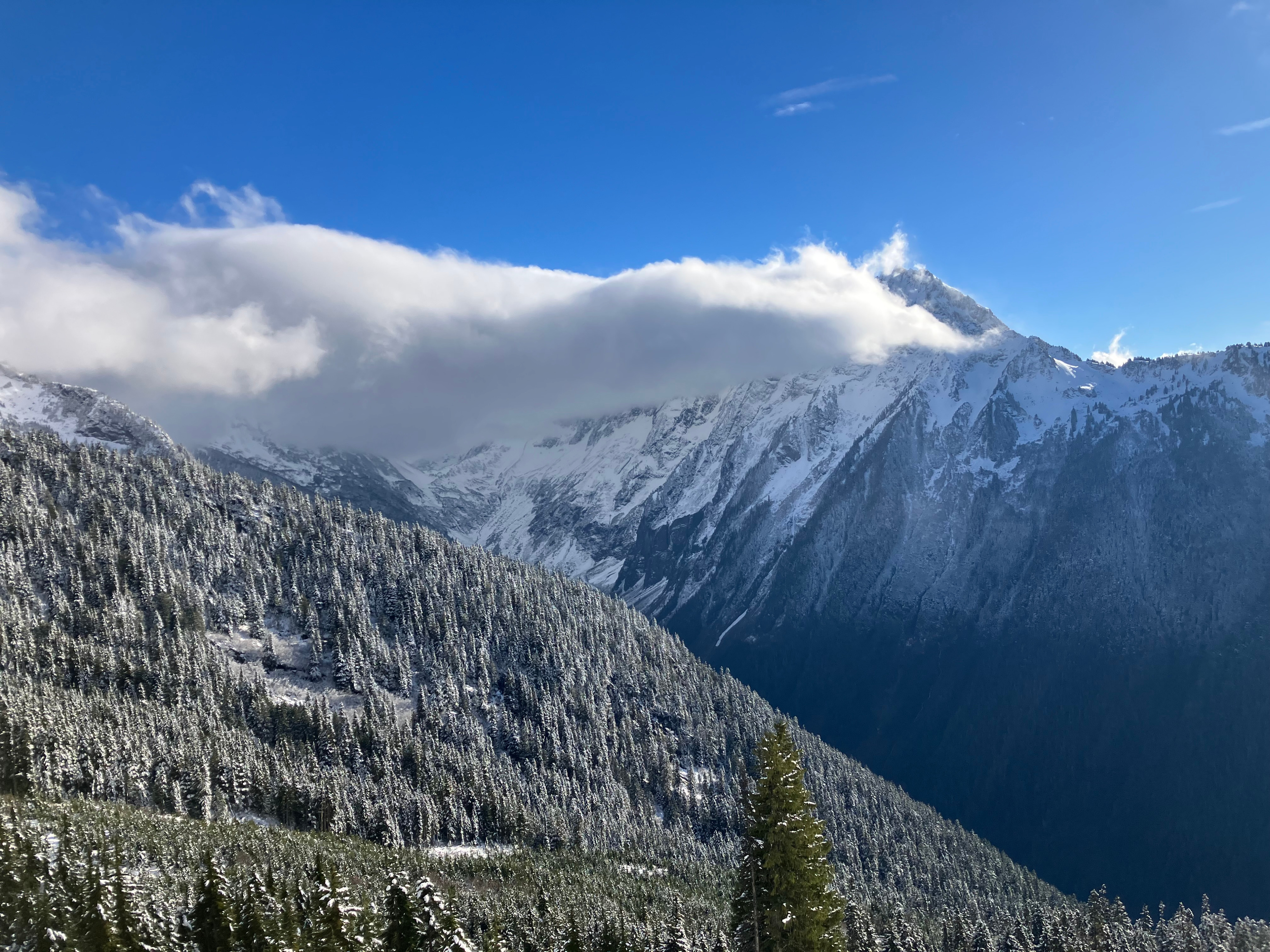
We observed 3 avalanches nearby us that we had more ability to assess the conditions and causes of. Two glide avalanches and one skier created avalanche on a small slope. At higher elevations and on the north facing slopes of Johannesburg Mtn we observed more avalanches, but those appeared to be older, and due to the distances we couldn't determine what the causes may have been. This region was clearly affected heavily by wind transport, new snow, and temperatures consistently above freezing level.