
Quick report
- Cracking
- specific
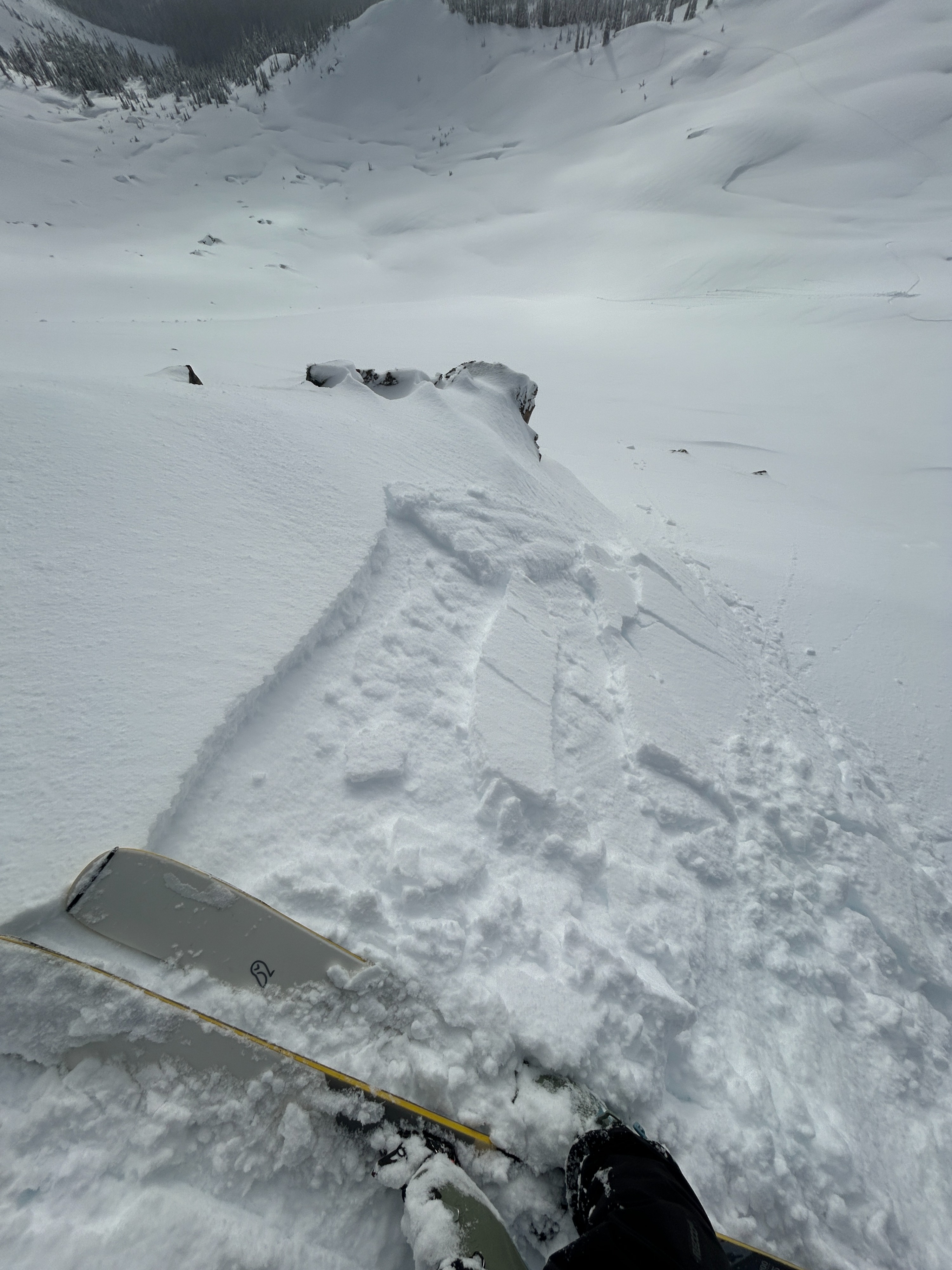
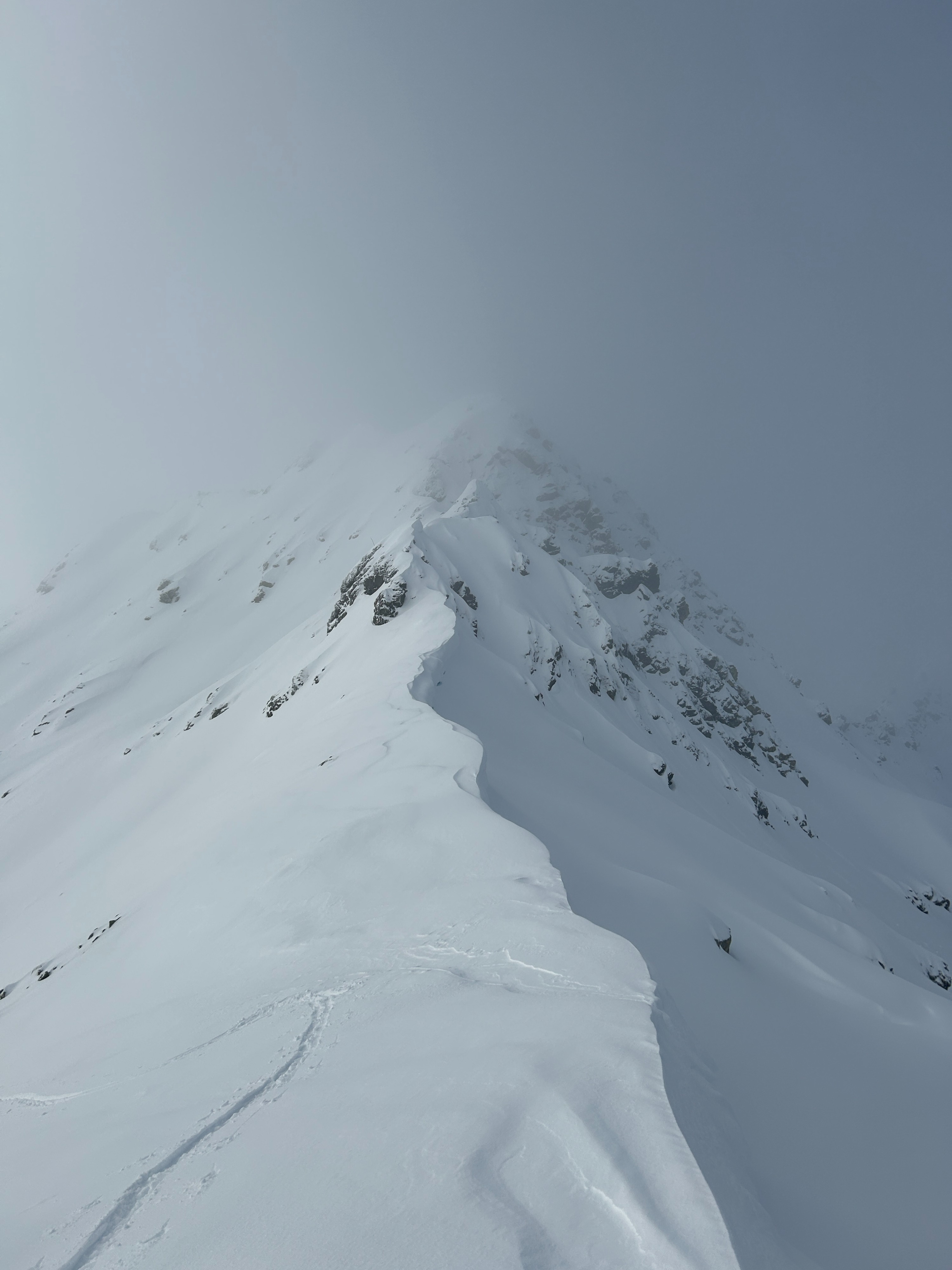
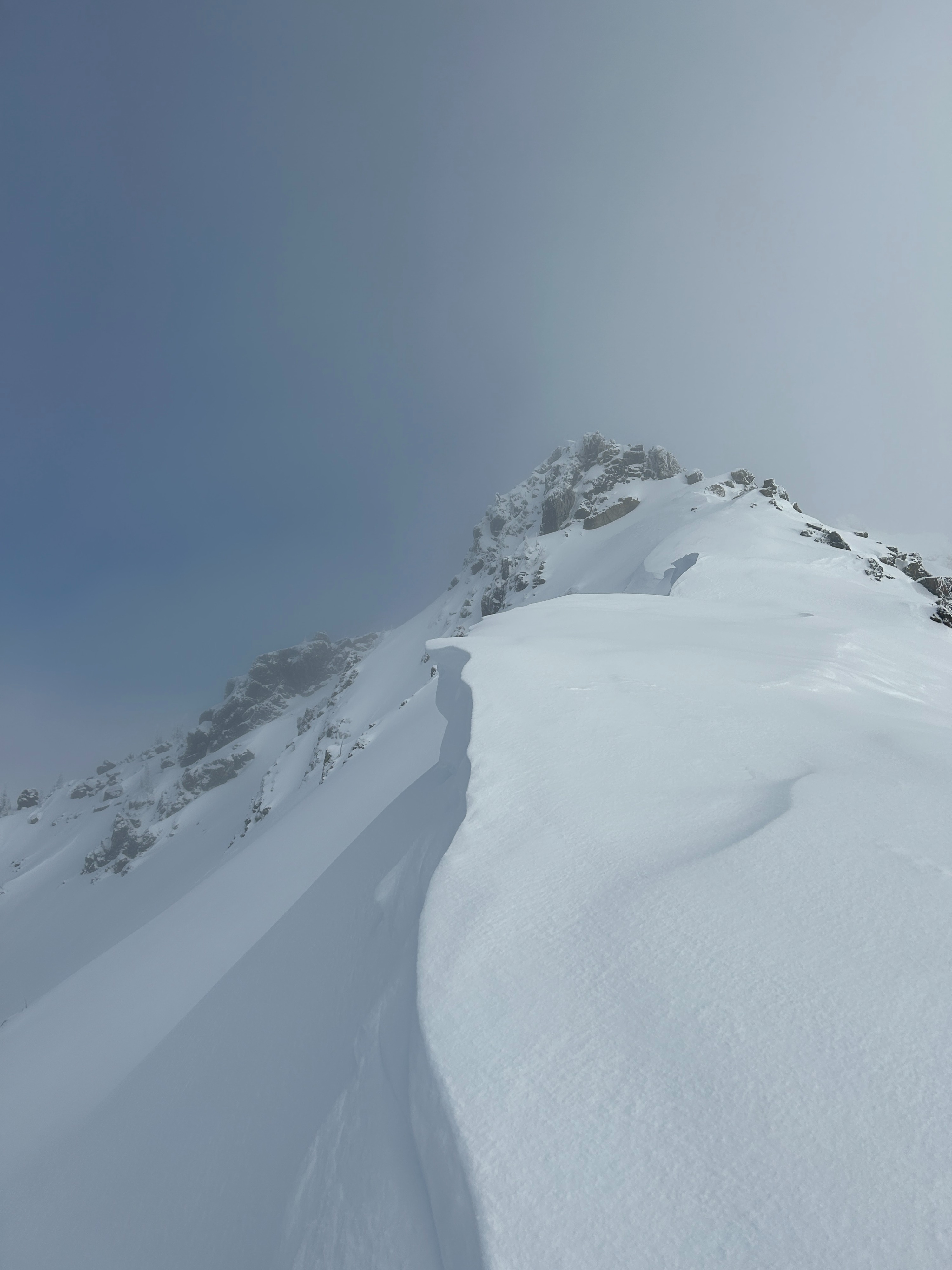
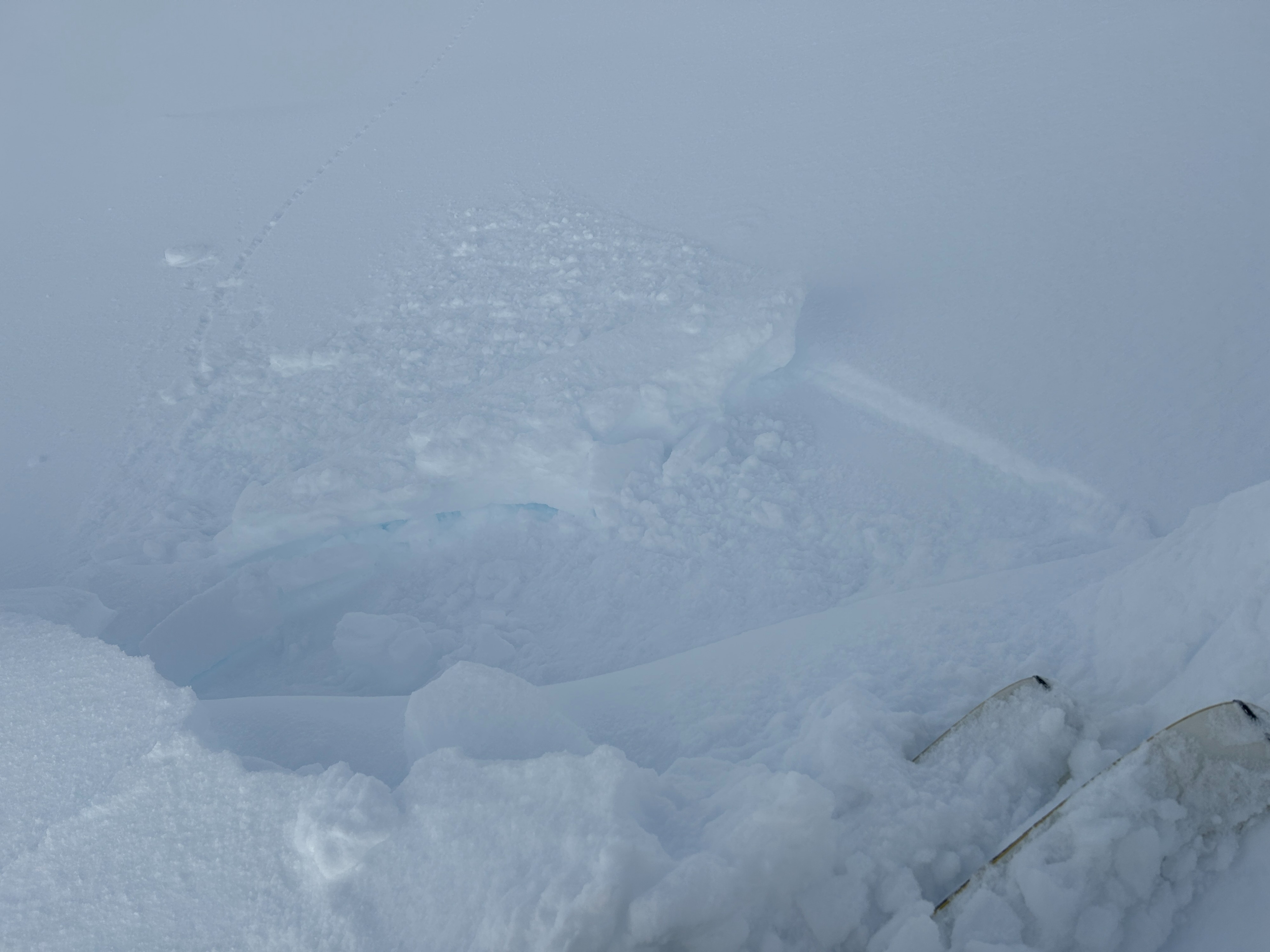
Finally another piece of upper elevation information to add to our database. There is significantly more snow on the ground at upper elevations compared to lower elevations that have continued to struggle to build. Overall, I found good snowpack structure but am suspicious of a thick crust buried just underneath new snow. I observed a lot of signs of wind transport and was able to get some cracking in wind loaded snow on both sides of a ridgeline.
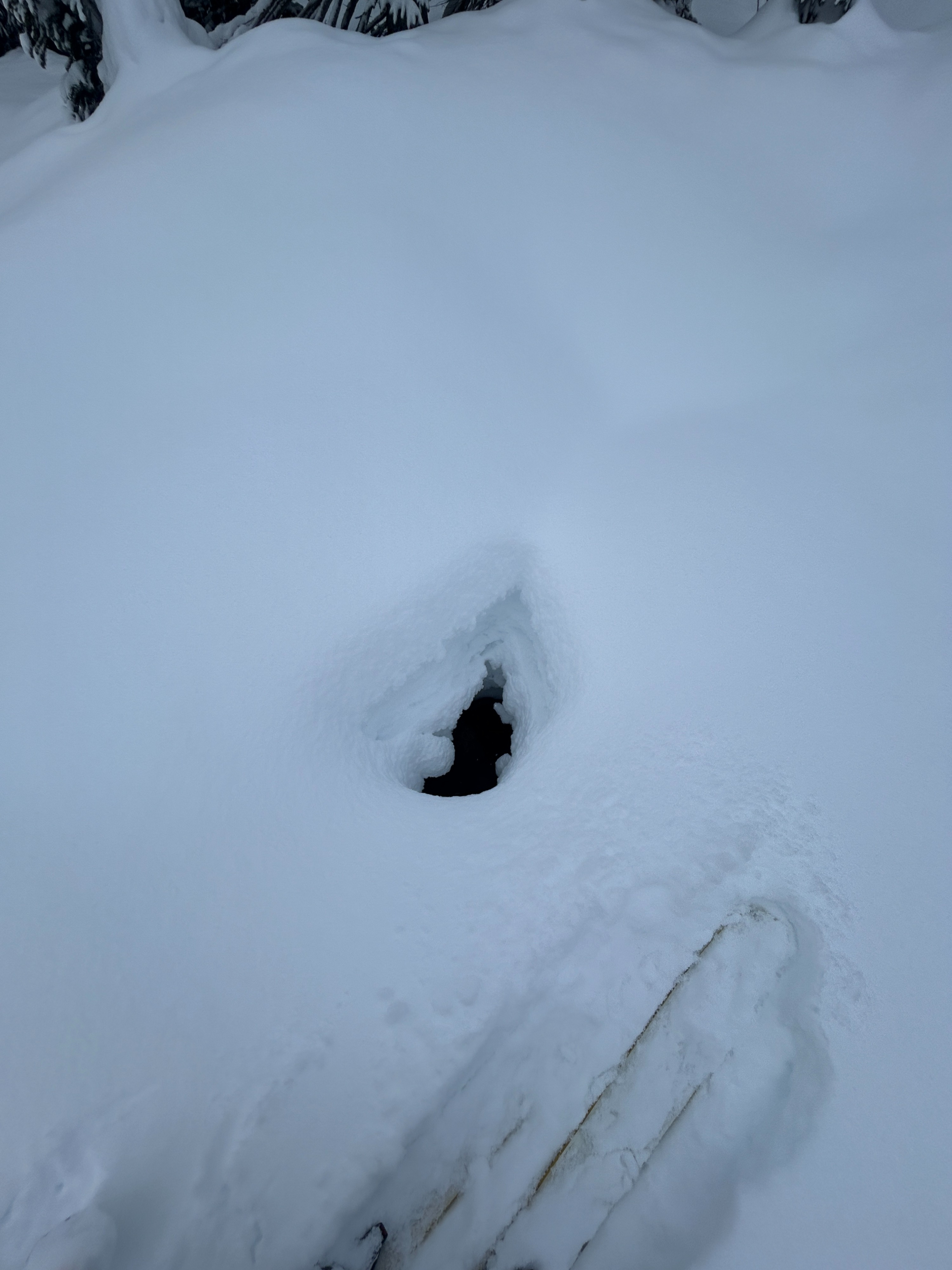
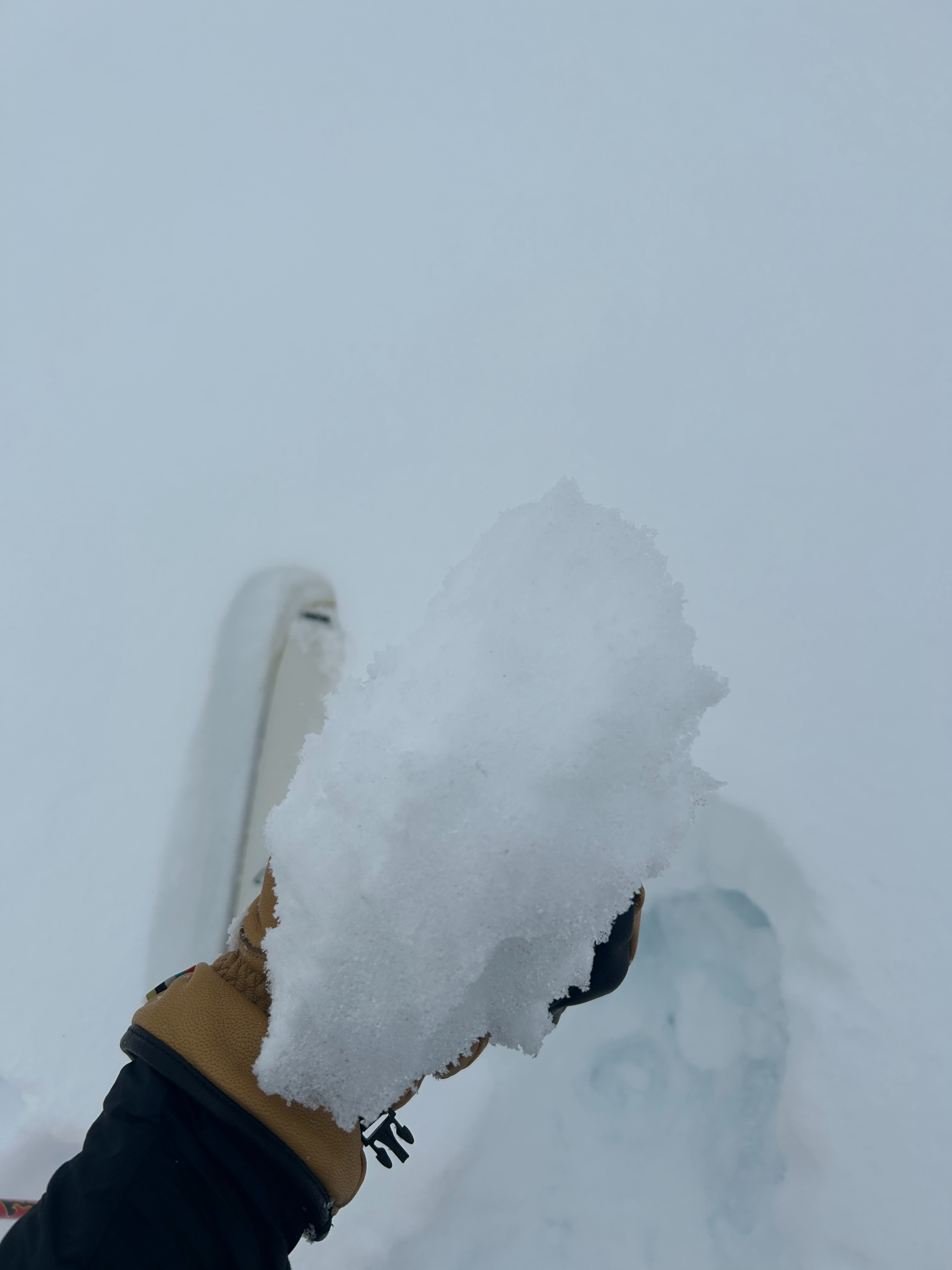
I was able to get stubborn cracking in a number of wind loaded locations along an upper elevation ridgeline. I observed old roller balls from recent warming.Weather
- Cloud Cover
- overcast
- Wind Loading
- light
- Recent Snowfall
- 2-21
- Snow Avail For Transport
- moderate amounts
There was a breif period on the drive to the trailhead that it snowed moderately. The precipitation stopped until around 11a, where it began lightly snowing in occasional short bursts until 2p. The wind was calm below ridgeline, light at ridgeline. Temperatures felt colder higher up than lower down. For the most part, the sky was obscured by clouds or fog but I occasionally saw a patch of blue sky.
Snowpack
At the trailhead, there was a 1-2cm dusting of new snow.
At 4000 ft, I found 7cm (3in) of new snow. Average depths on southerly aspects at this elevation were 40-60cm (16-24in). The snow underneath a thick but breakable crust was moist.
The snowpack deepens significantly as you gain elevation, especially between 5-6000 ft and the amount of new snow deepens as well. At 5000 ft, I found 15cm (6in) of new snow and probed a depth of 80cm (31in). At 6000 ft, there was 25cm (10in) of new snow and a depth of 165cm (65in). At these locations, the crust underneath the new snow was still quite breakable yet thick. The snow below was dry to moist. I did quick hand shear tests at these locations and did not get notable results.
I dug a pit on a SE aspect at 6551 ft. The depth of this pit was 232cm (91in). I found 21cm (8in) of new snow (there was likely less new snow here than at 6000 ft because it got blown away) overlaying a thick and supportable crust. Below this crust was dry to moist snow. I continued to find a number of crusts interspered between rounded grains down the AR crust buried 162cm (64in) deep. I performed a compression test and got a moderate collapse below the crust in the moist-ish snow (CT14SC down 33cm). I performed extended column tests and got moderate, non-propagating results, first within the new snow, and second at the same interface as the compression test (ECTN13 down 18cm, ECTN17 down 33cm).
I dug another pit on a N aspect at 6496 ft. The depth of this pit was 280cm (110in). I found 21cm (8in) of new snow overlaying a similar crust however this crust did not have moist snow underneath it. I found basically just one big slab down to the AR crusts with the exception of a very thin crust within. The AR crusts are buried 187cm (74in) at this location. I performed compression tests and first got an easy resistant result in the new snow (CT4RP down 15cm) then a moderate resistant result below the crust (CT15RP down 25cm). I performed extended column tests and got first an easy non-propagating result at the same interface as the first compression test (ECTN6 down 15cm), then moderate non-propagating results further down (ECTN11 down 20cm, ECTN14 down 25cm).
Avalanche
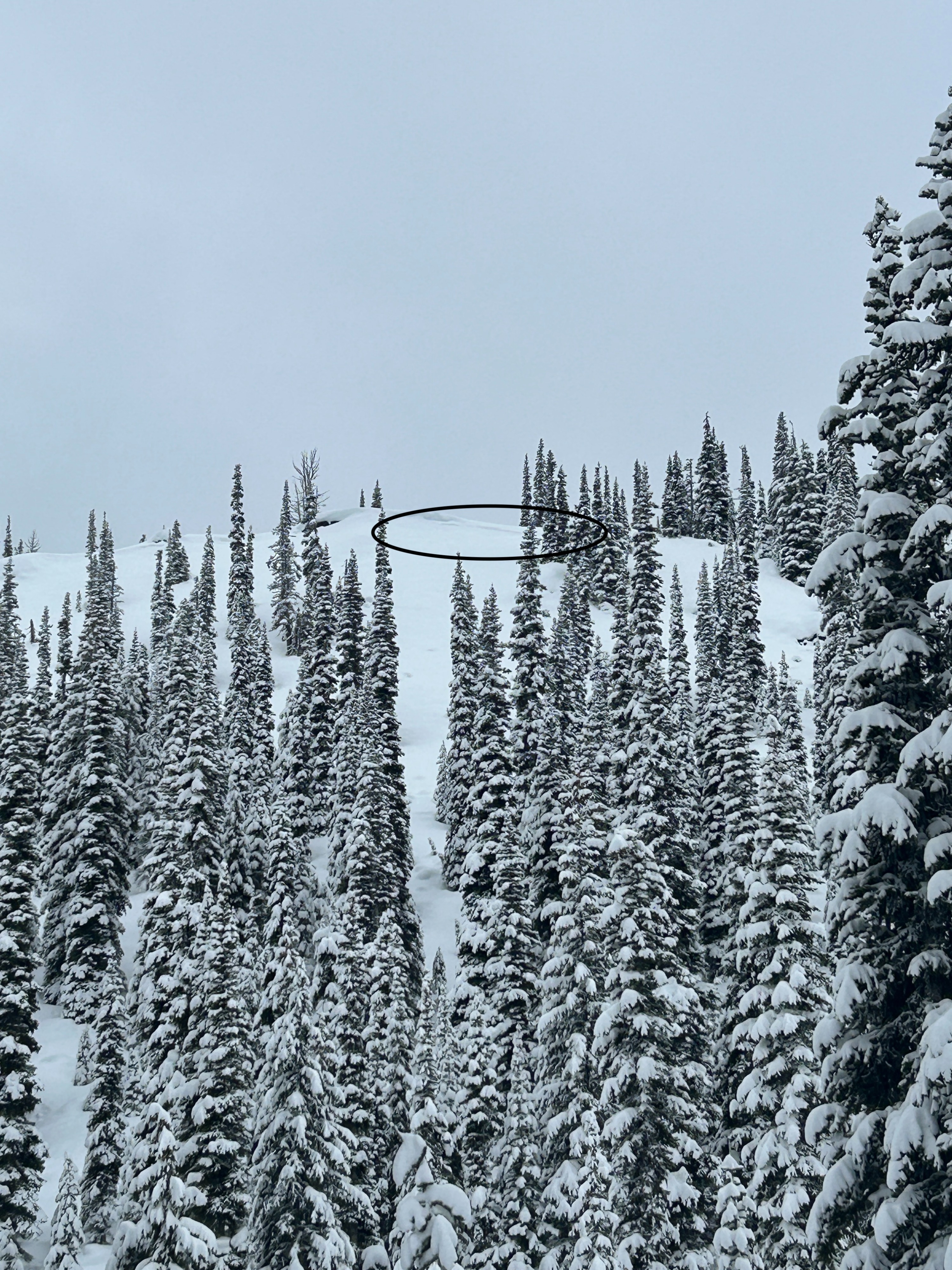
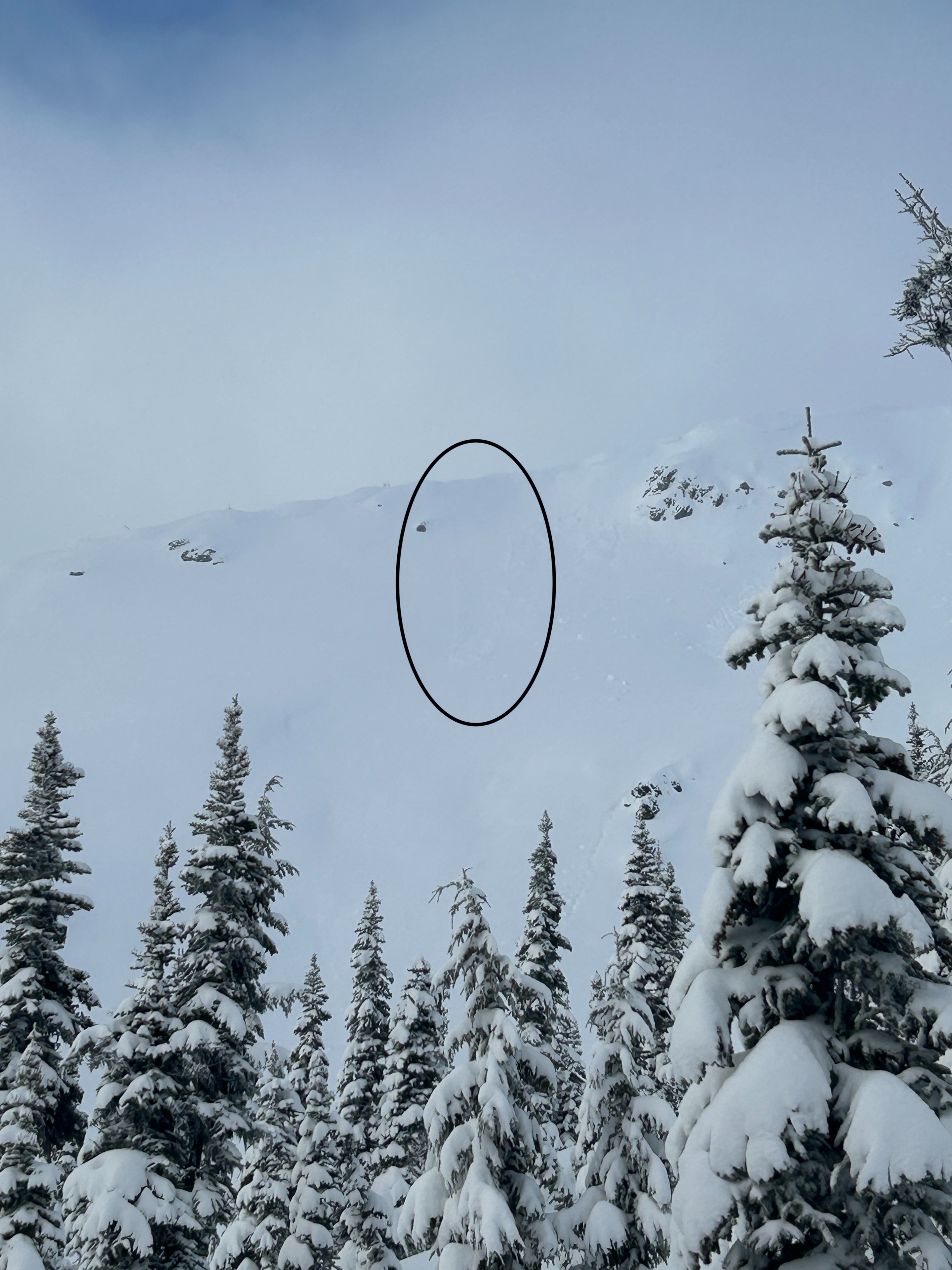
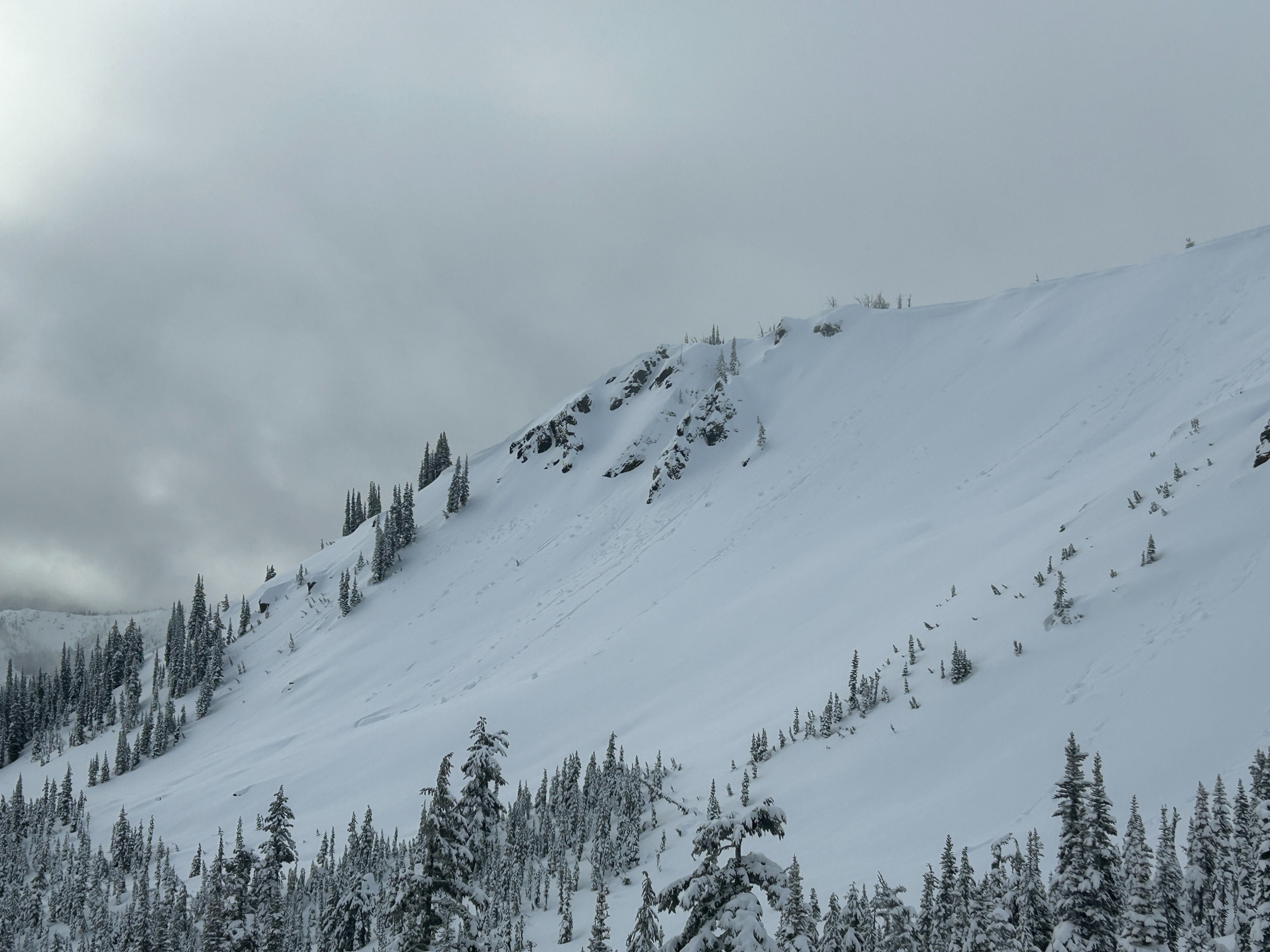
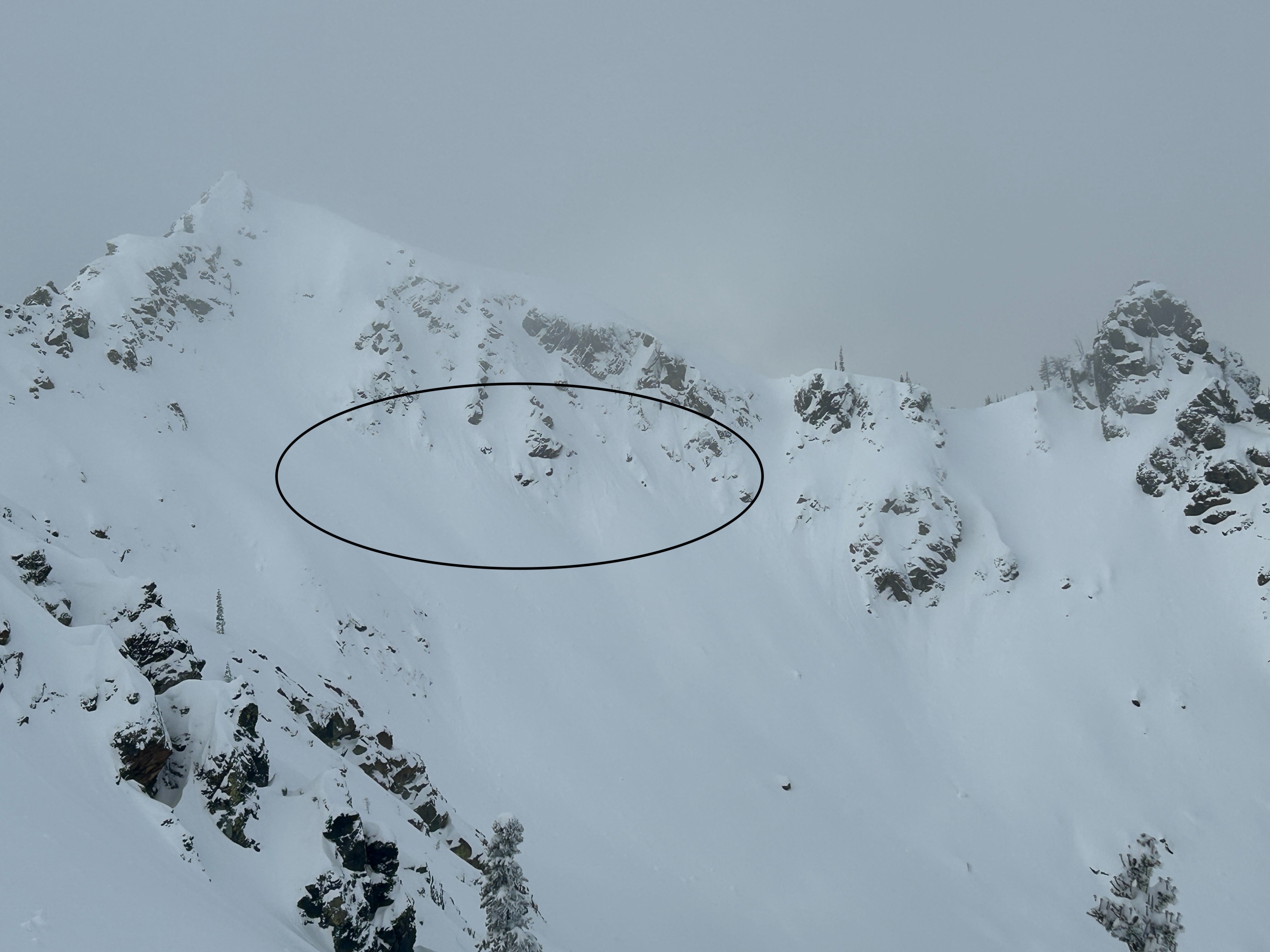
I observed a number of older small avalanches but it is tough saying when they released. I saw one old crown line for a small wind slab avalanche on an east aspect. The other avalanches I observed were small sluffs.