
Quick report
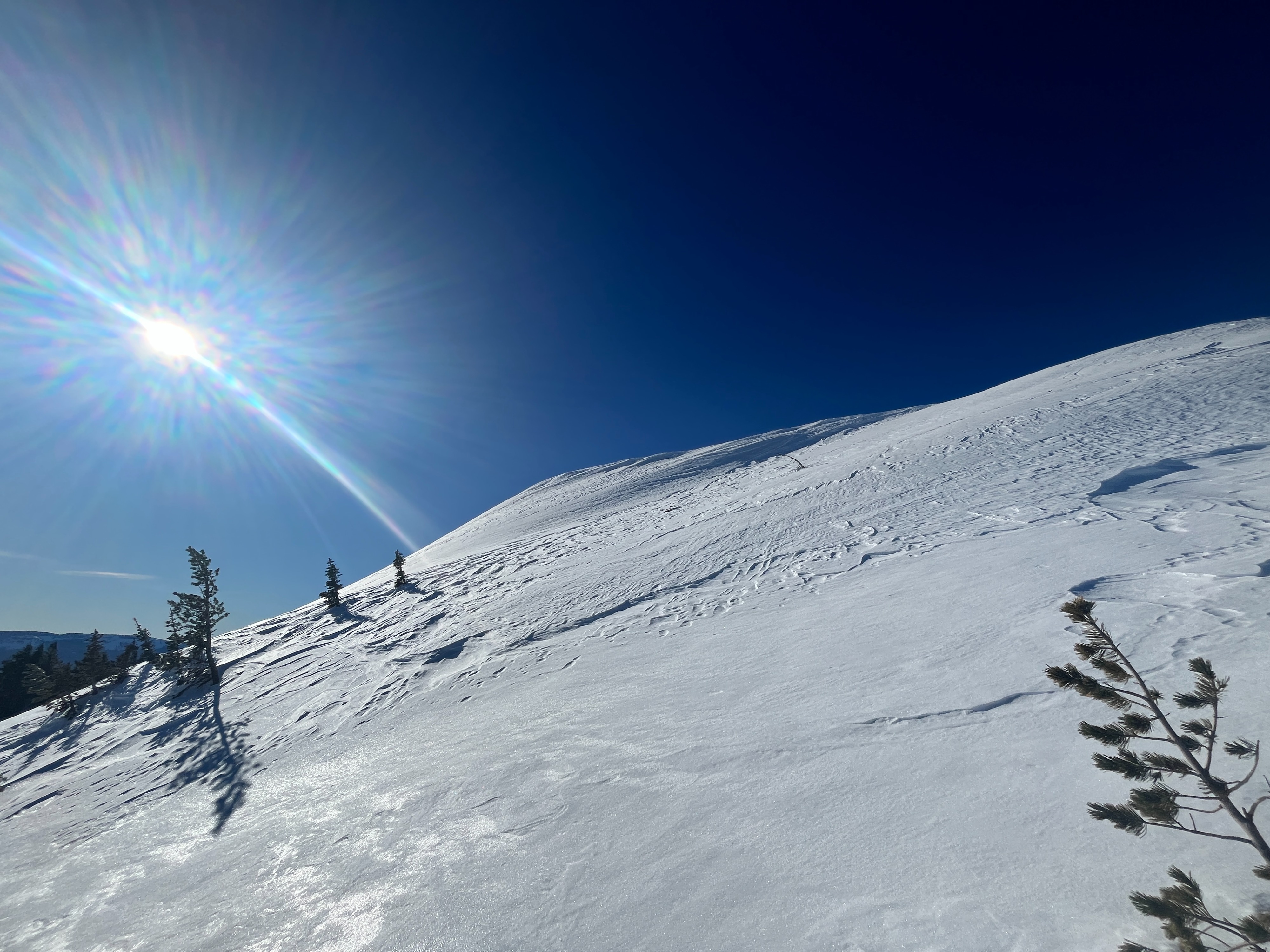
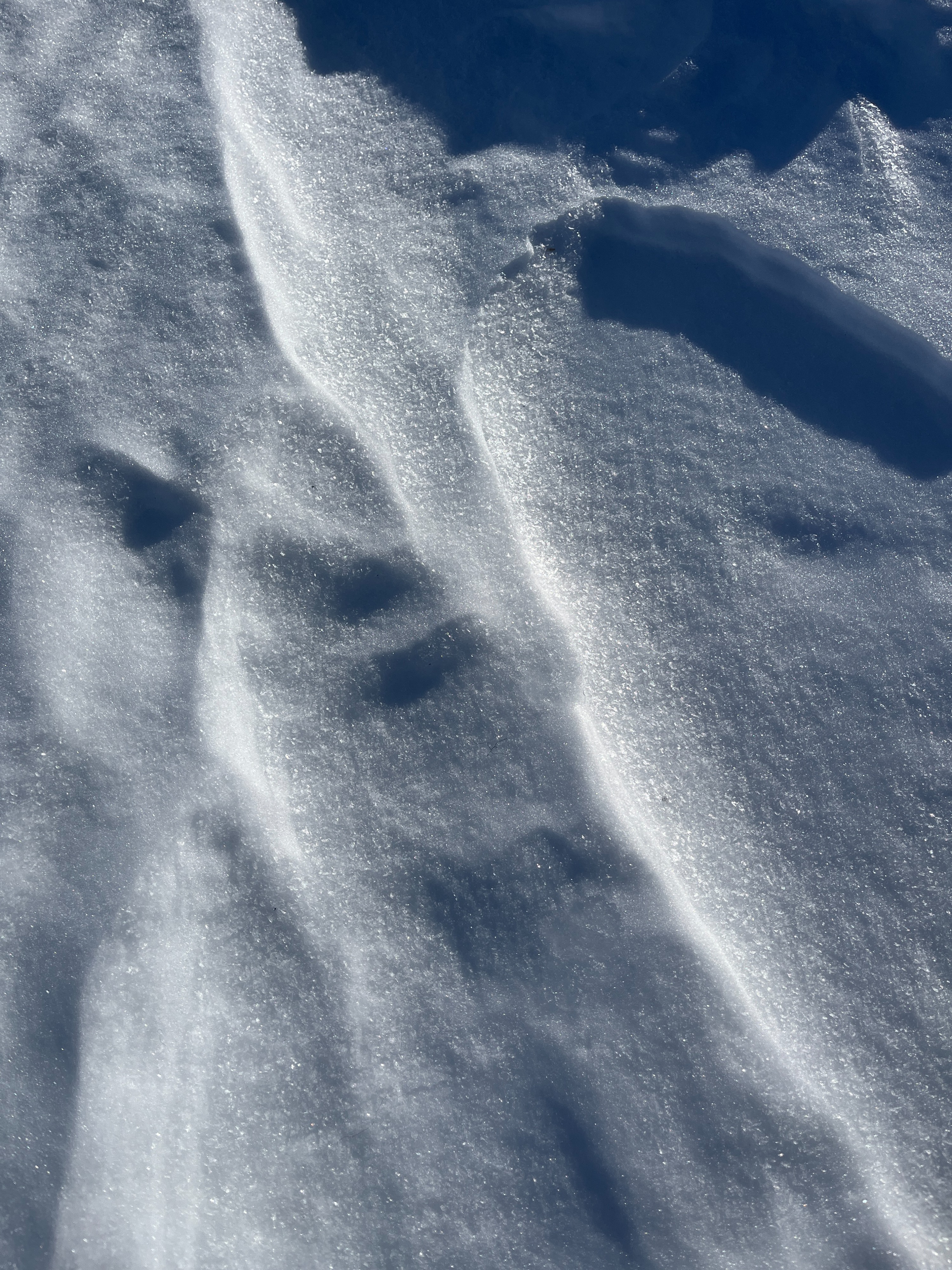
To sum up the snowpack: variable! It is difficult to say exactly what the surface conditions will be on a precise aspect and elevation. However, what I did find was widespread surface hoar as well as faceting near the surface in most places. Crusts are breaking down and giving way to improving riding and skiing conditions. I did not find a need for ski or boot crampons at any time. Established sled paths and roads are icy and hard in places (RIP one of my scratchers) but pleasant enough in sunny spots. Overall, I would say it is worth your time to get out and enjoy some soft snow and sunny days before new snow starts falling on currently weak surfaces.
Weather
- Cloud Cover
- clear
- Wind Loading
- none
- Recent Snowfall
- 0
- Snow Avail For Transport
- small smounts
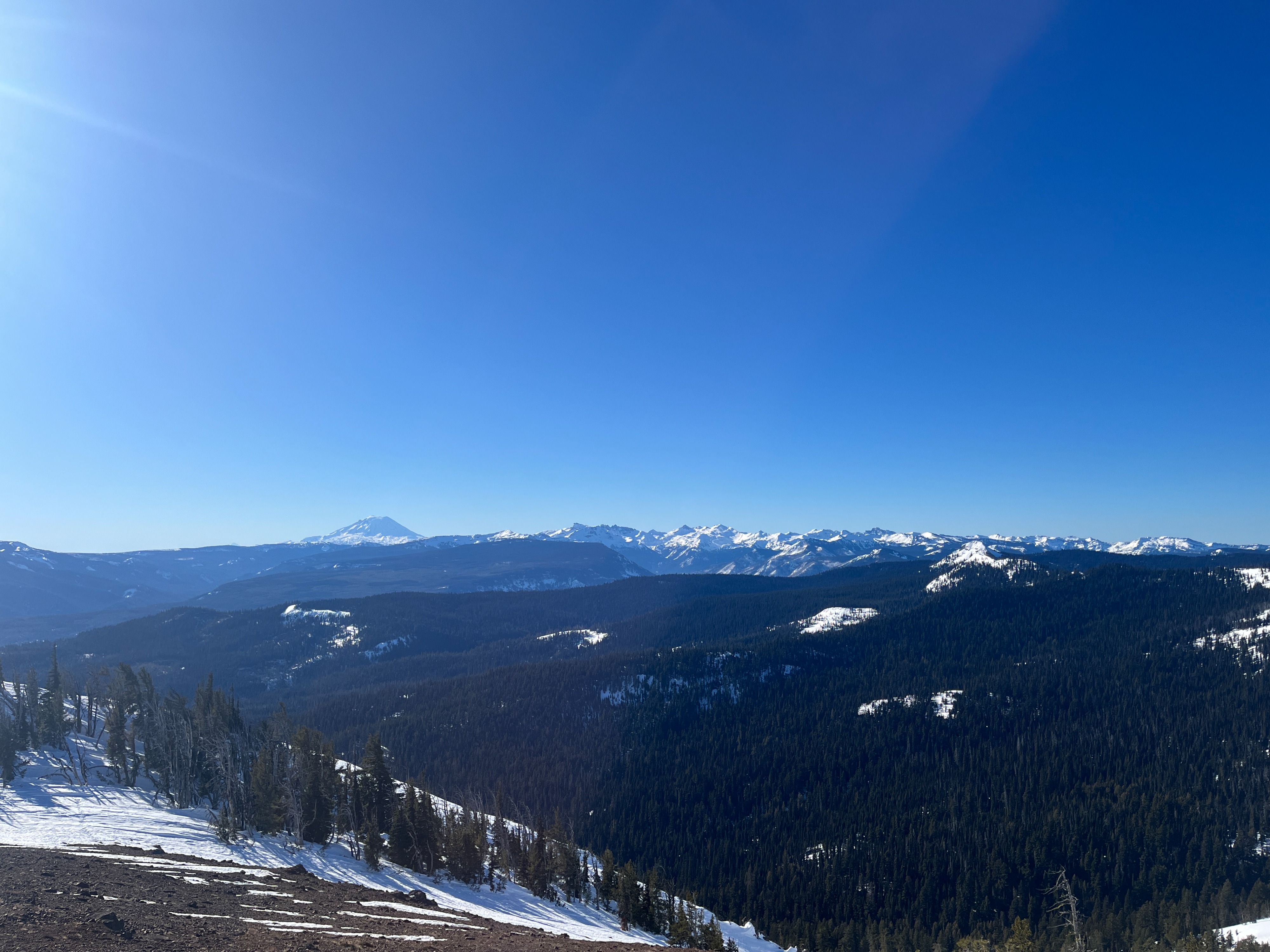
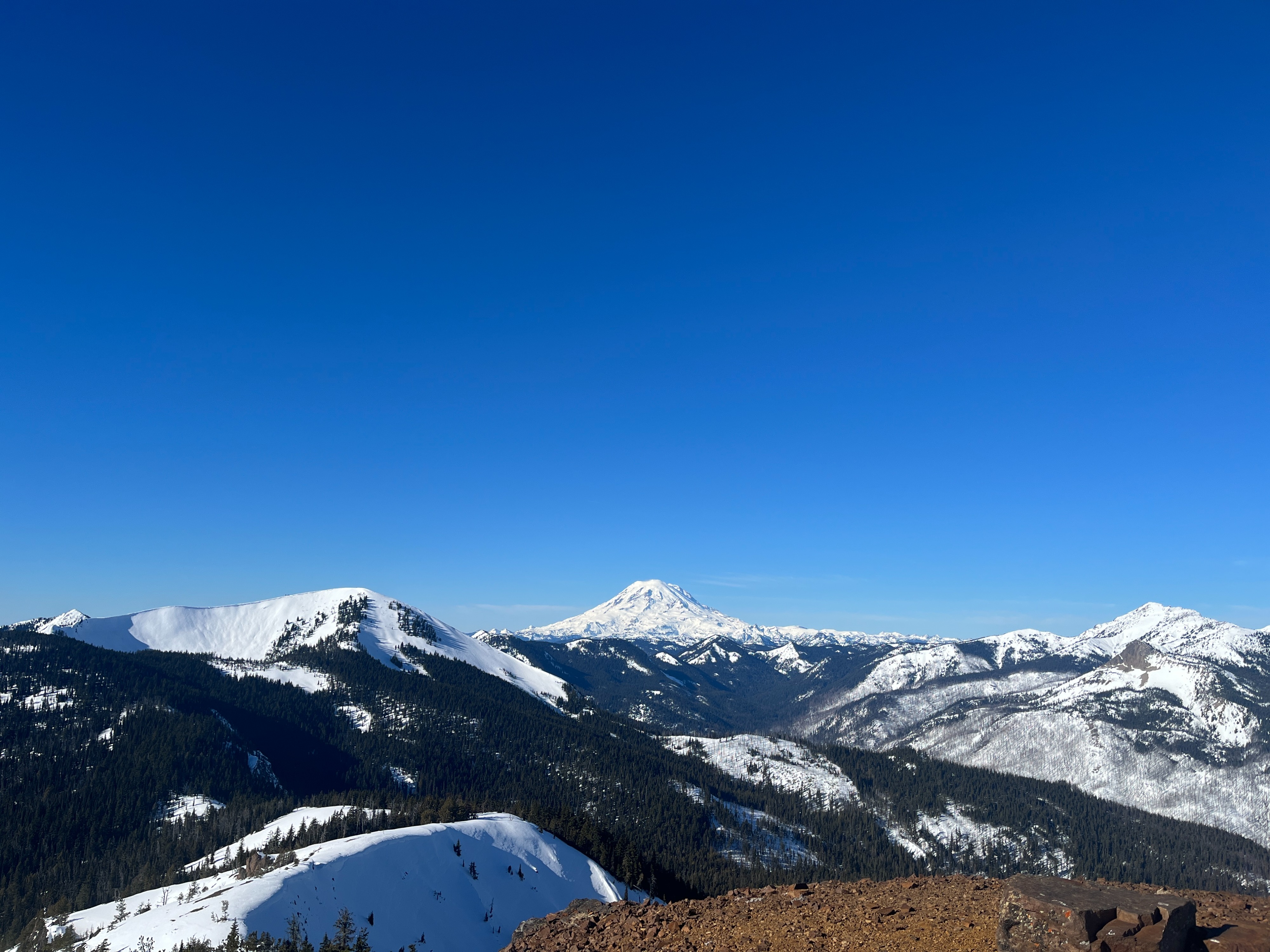
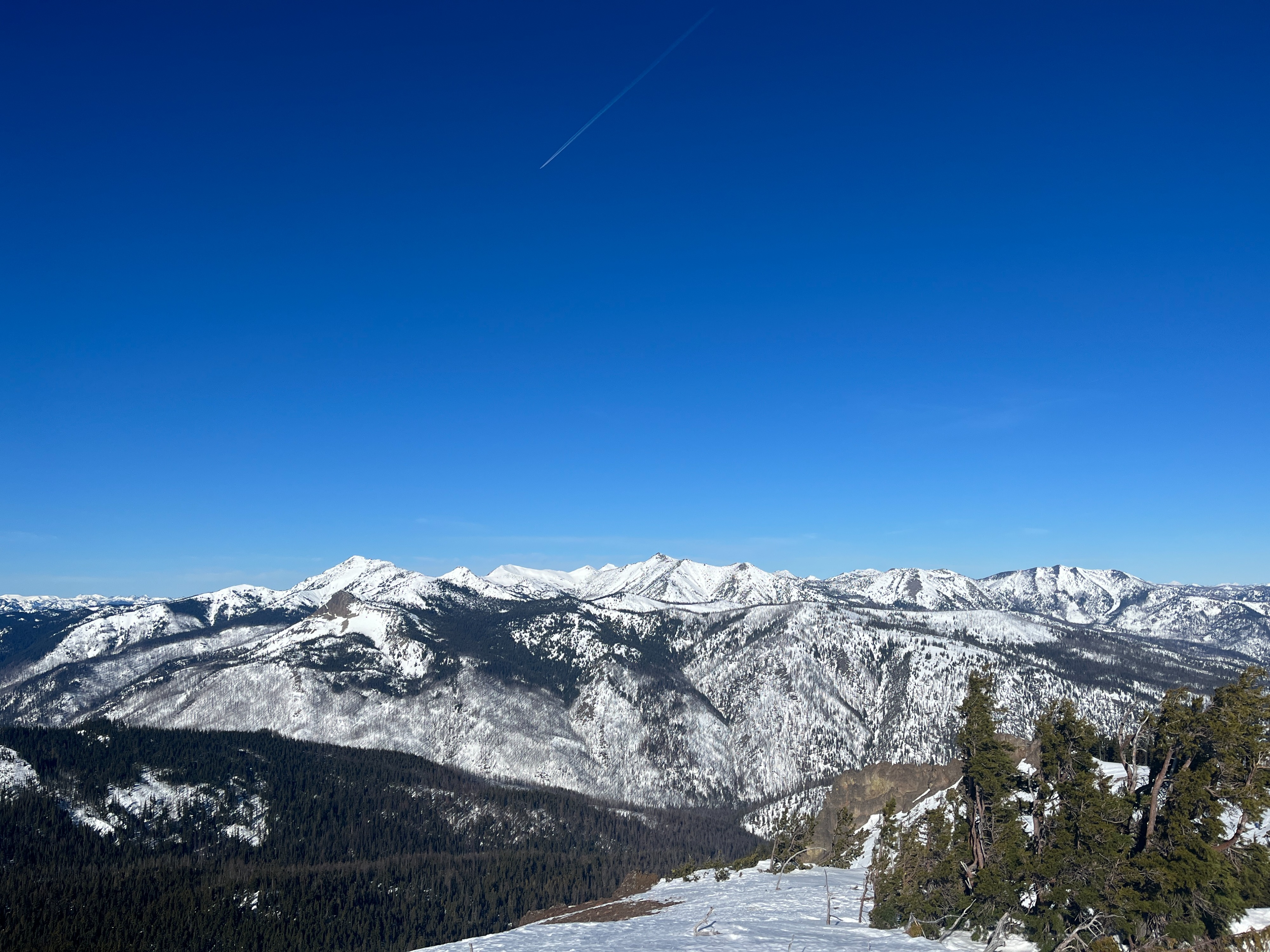
The day remained chilly but the sun showed strong with only a whispy cloud here and there. There was hardly any wind but I felt a few calm breezes from the north.
Snowpack
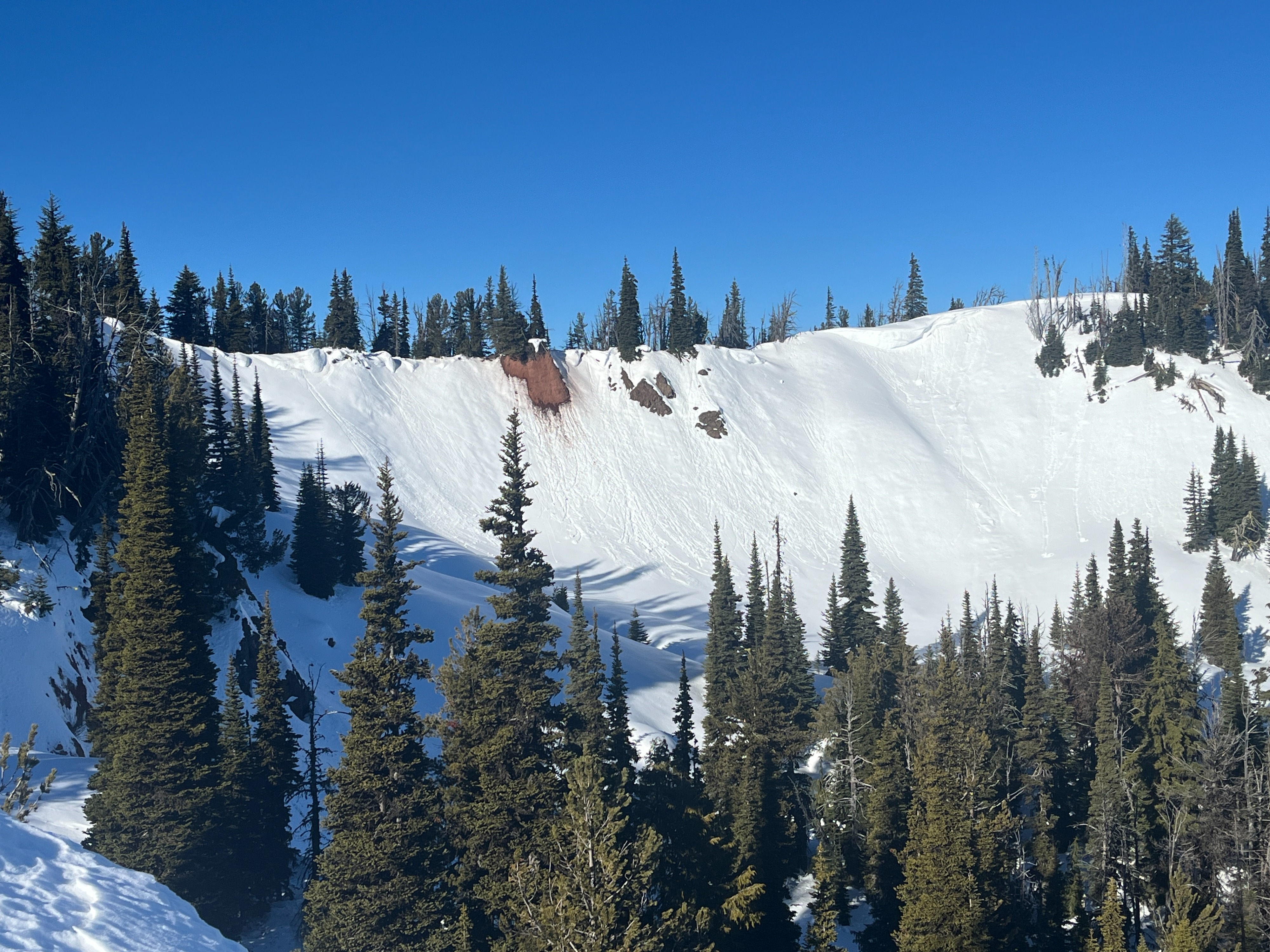
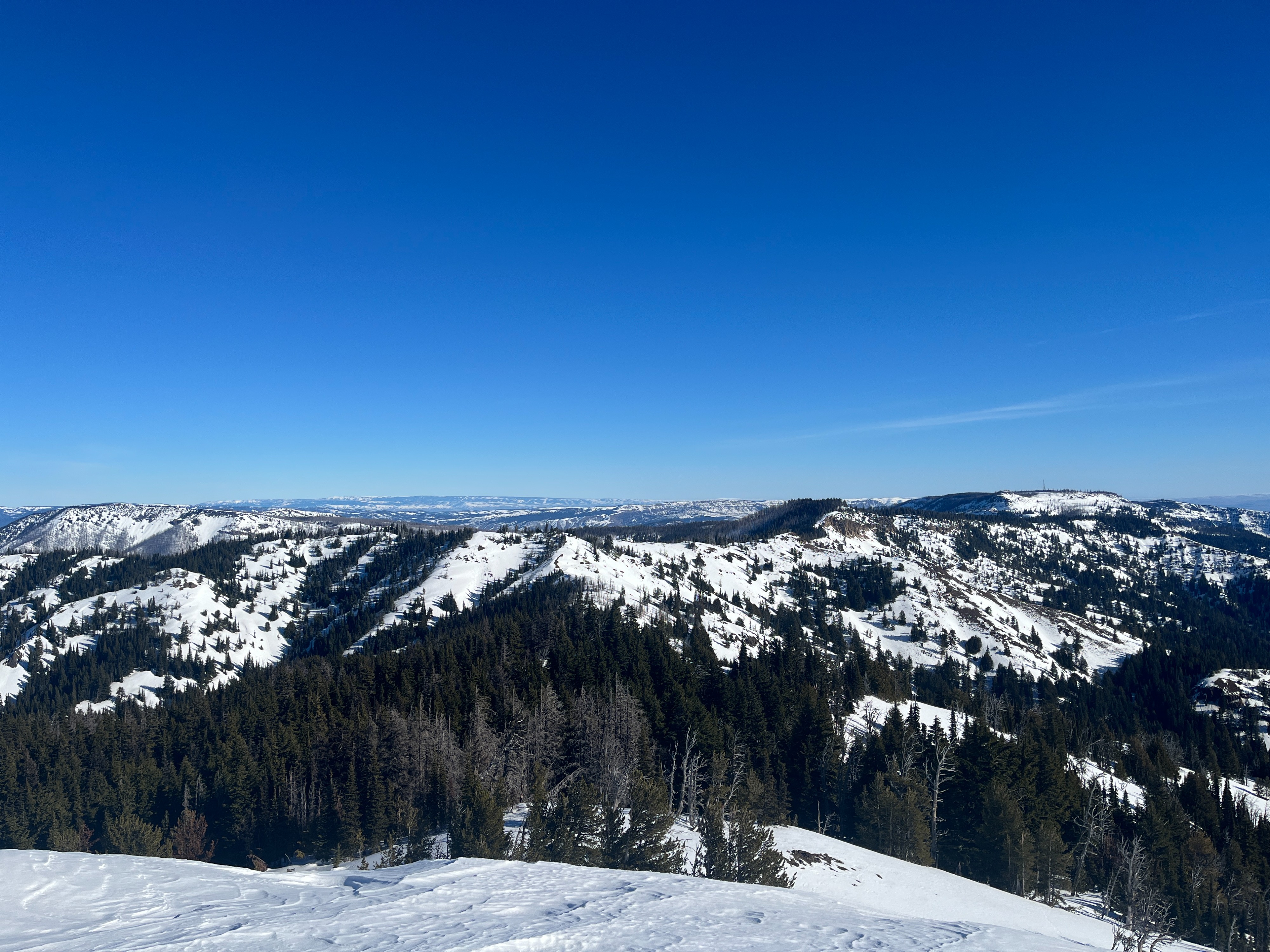
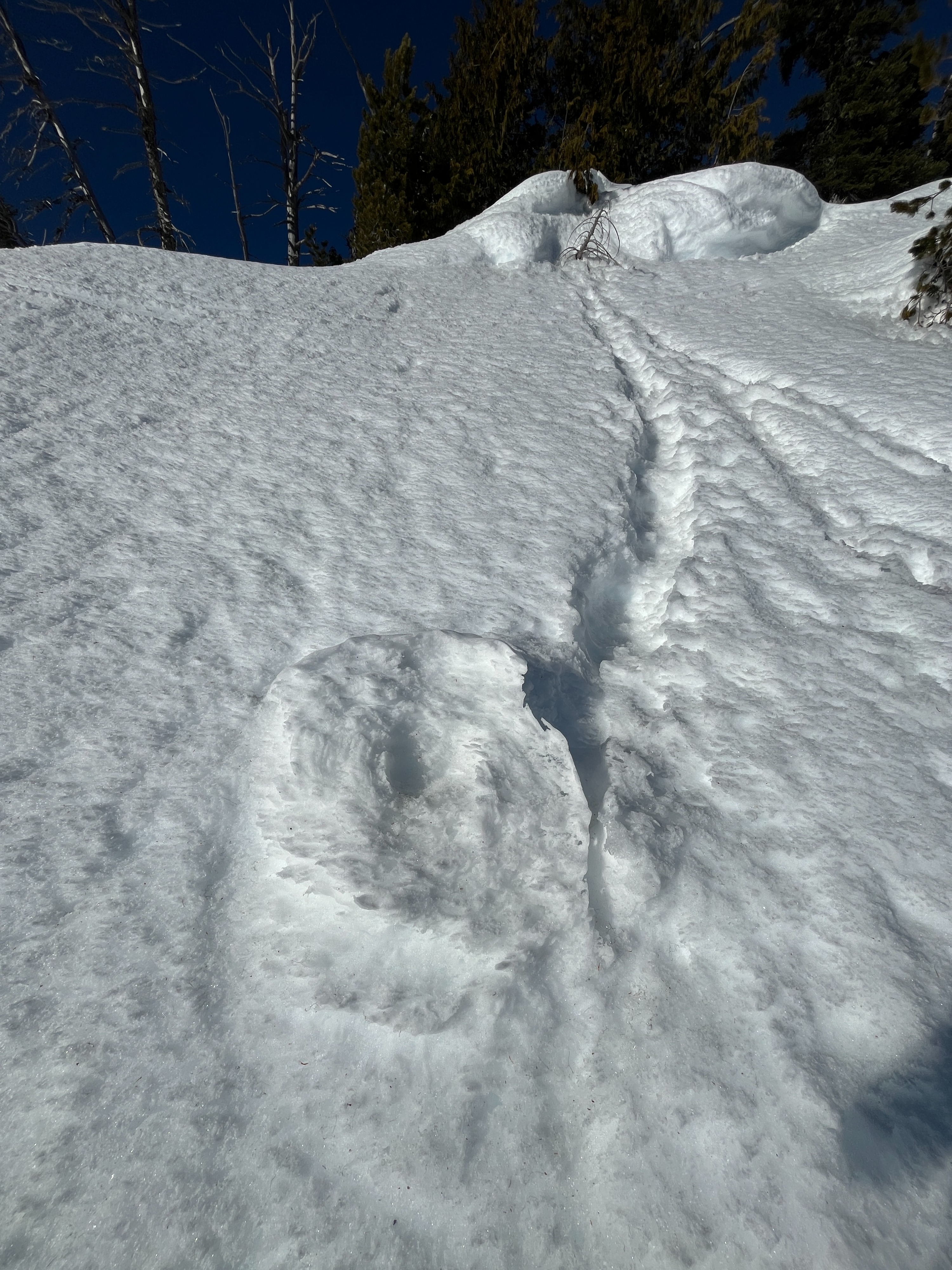
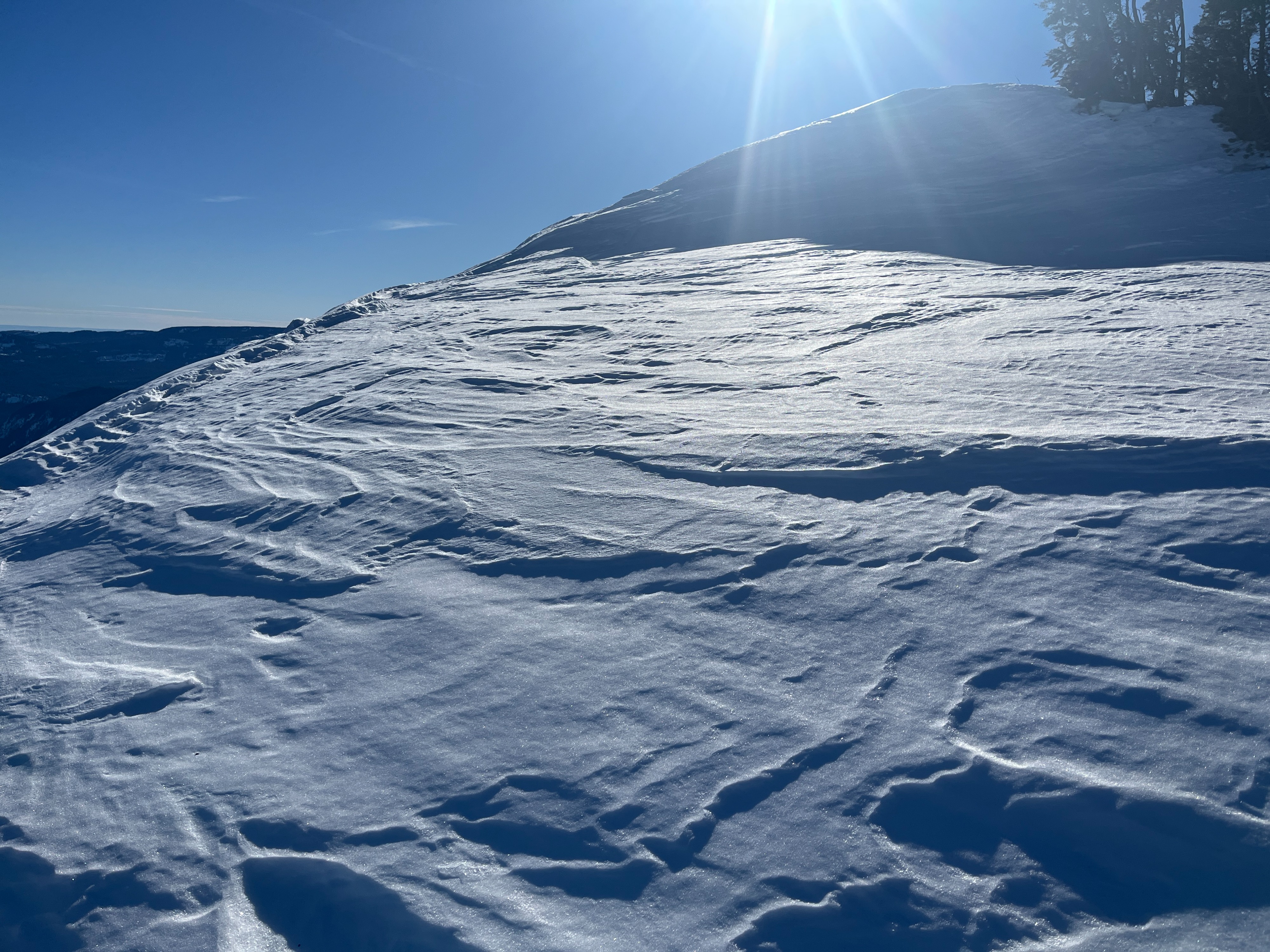
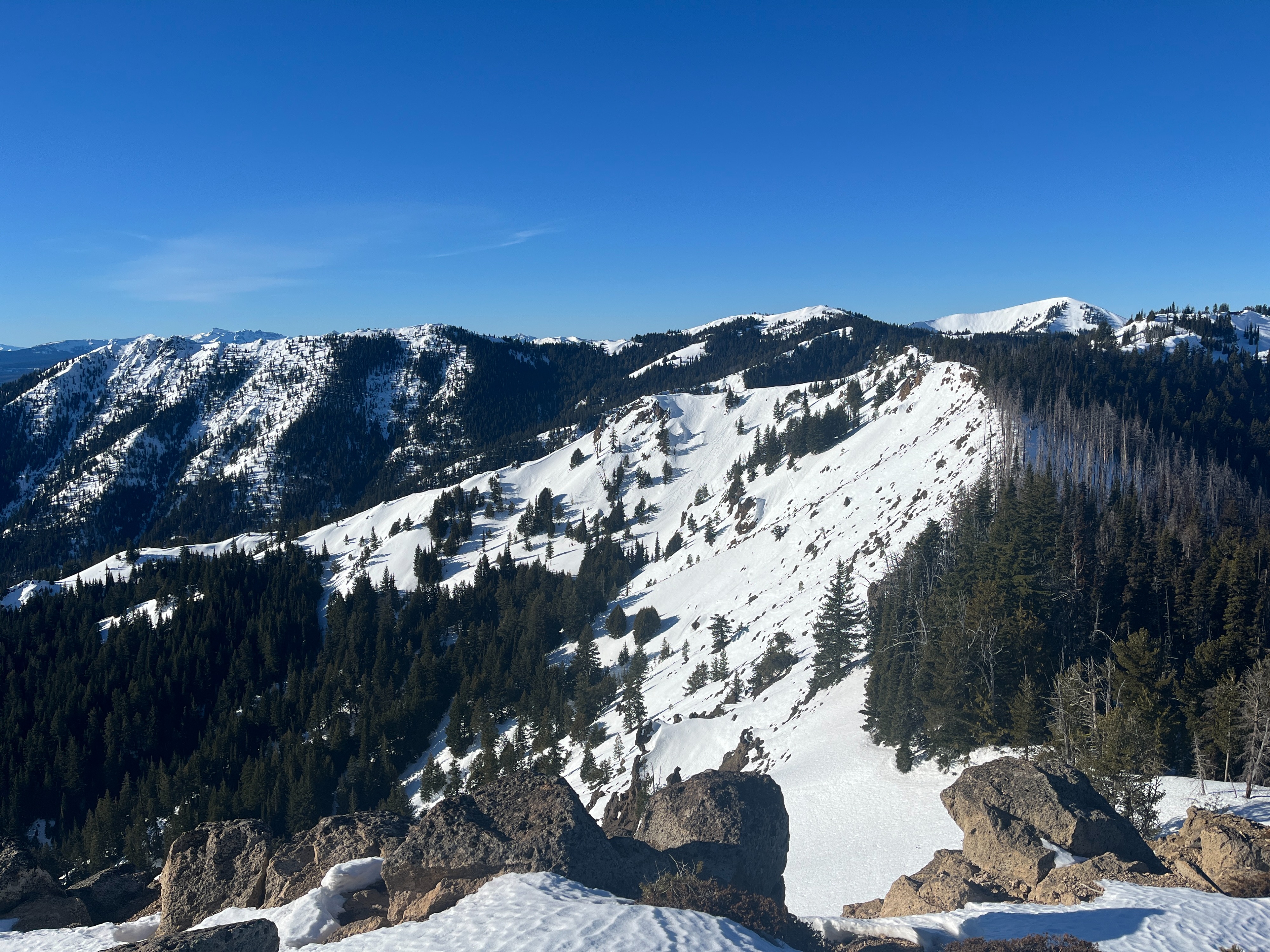
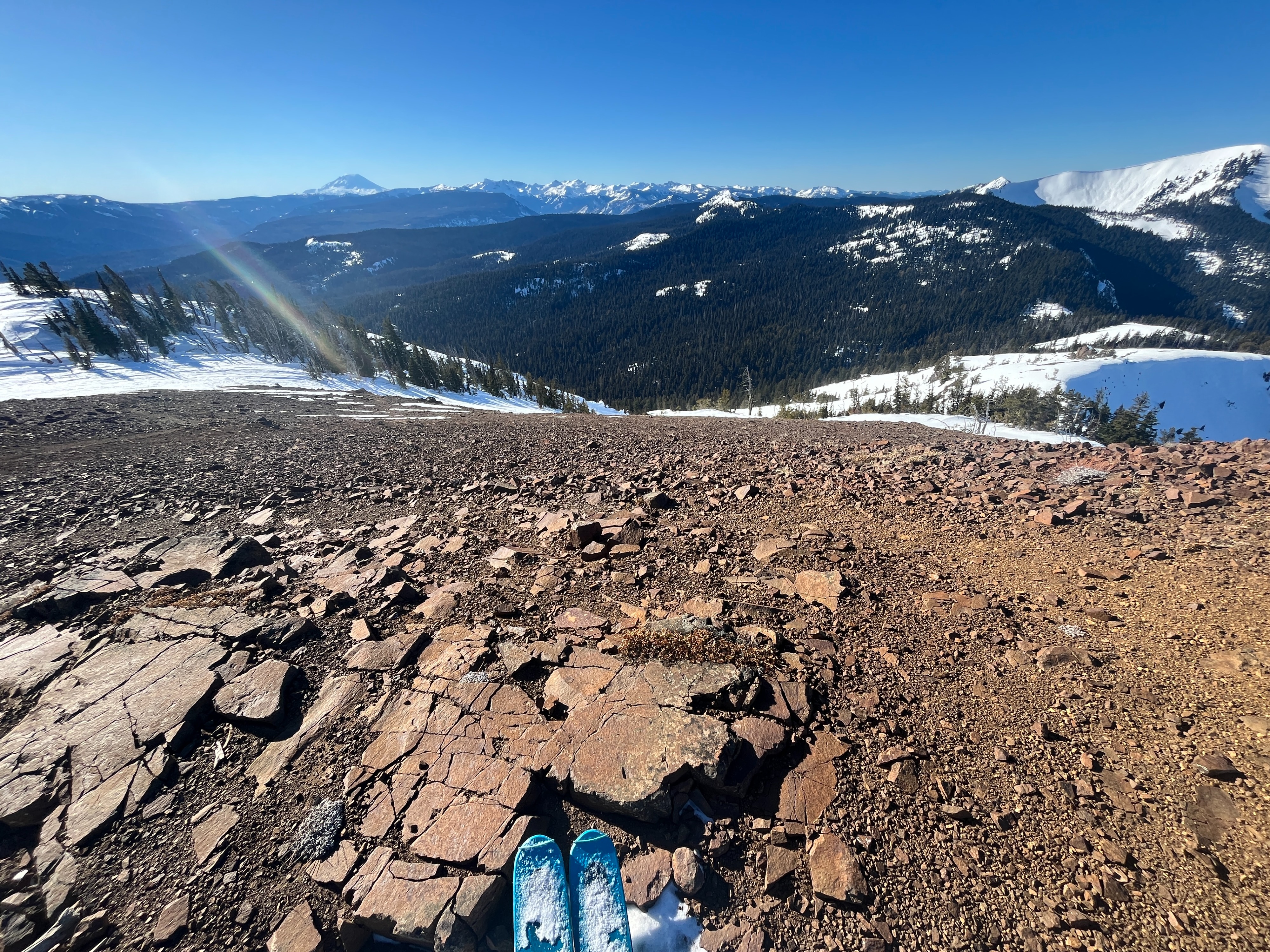
The snowpack is highly variable depending on aspect and elevation. At lower elevations, the snowpack is generally nonexistent on south and west aspects until you get above around 3500 ft. On north and east aspects, the snow is shallow and faceting. There was widespread large surface hoar grains just about everywhere. At middle elevations, I found similar conditions, however east aspects were a bit more crusty and the snow in thick trees was icey. There is a "real" snowpack on south and west aspects, but I observed many slopes and cliffy areas melting out. I also observed previous roller balls and pinwheels that had released likely numerous days ago. At upper elevations, west aspects are both wind scoured and melted out in many areas but south aspects are still holding onto snow. Overall, the snow is considerably less crusty at upper elevations, including in the trees and there is widespread surface hoar but the grains are much smaller than at lower elevations.
I dug a pit on an east aspect at 6440 ft. The depth of the snowpack was 82in/208cm and the depth of my pit was 62in/158cm. At the surface, I found small grains of surface hoar and a very thin crust (thin enough not to impede skiing). Below this I found 10in/26cm of faceted snow. There was evidence that the 01/10 melt freeze crust existed around 3in/7cm down but it was all but faceted away. I then found a slab of rounded grains with a just barely descernable layer of buried surface hoar within. This slab went from four finger to pencil hard. Moving below this, I found a faceting Solstice crust with facets below. An extended column test produced hard non-propagating results just below what would have been the 01/10 crust and then again on the layer of buried surface hoar (ECTN23, ECTN27). The result on the buried surface hoar nearly propagated all the way across the column.
I dug a pit on a north aspect at 6437 ft. The depth of the snowpack was 65in/165cm and the depth of my pit was 39in/98cm. I found slightly larger grains of surface hoar at the surface. I then found 17in/43cm of faceted snow. It was not clear if the 01/10 crust ever even existed in this area as I found no evidence of it within these facets other than a slight hand hardness change. Moving down, I found a slab of rounded grains overlaying a melt freeze crust with facets below. I performed an extended column test and got a moderate non-propagating result within the facets near the surface (ECTN12).
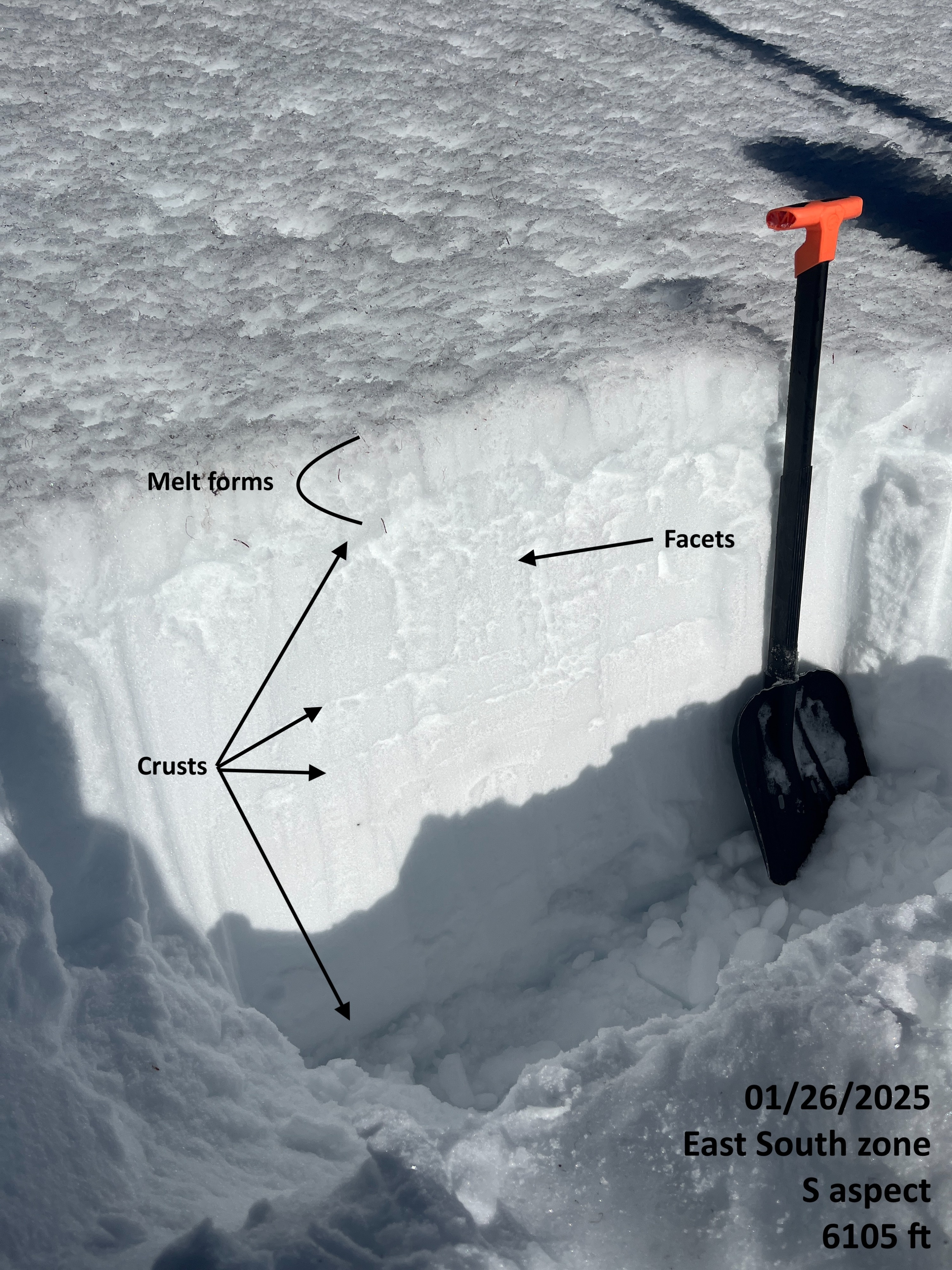
I dug one more quicker pit on a south aspect around 6100 ft. I found a layer of melt forms at the surface overlaying a jagged crust. Just below this crust were facets. The rest of the pit was rounded grains interlaced between random crusts here and there.