
Quick report
We traveled to the sidecountry immediately east of the WMR ski resort. This area generally sees significant traffic, and today was no different, despite the low tide conditions.
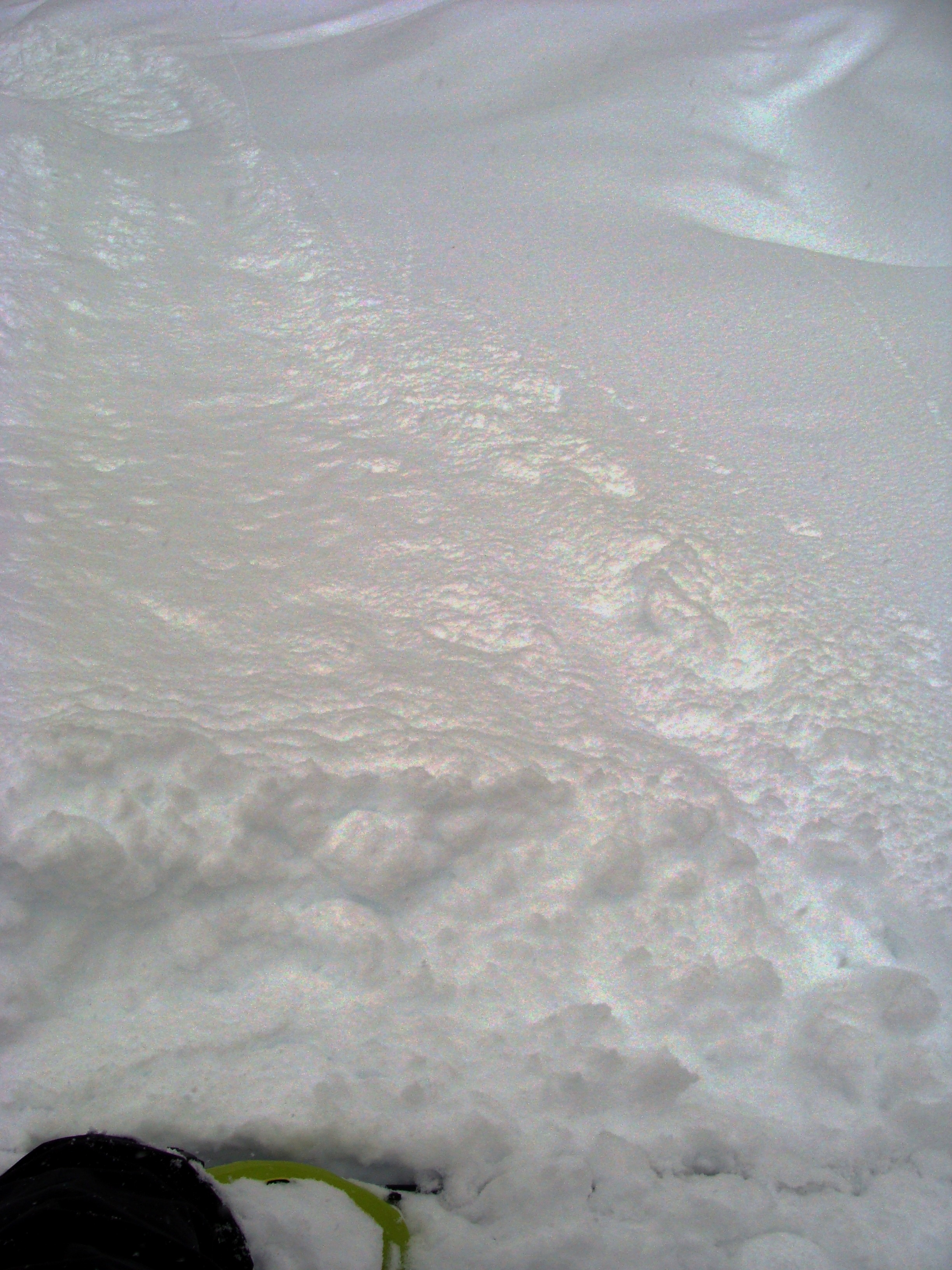
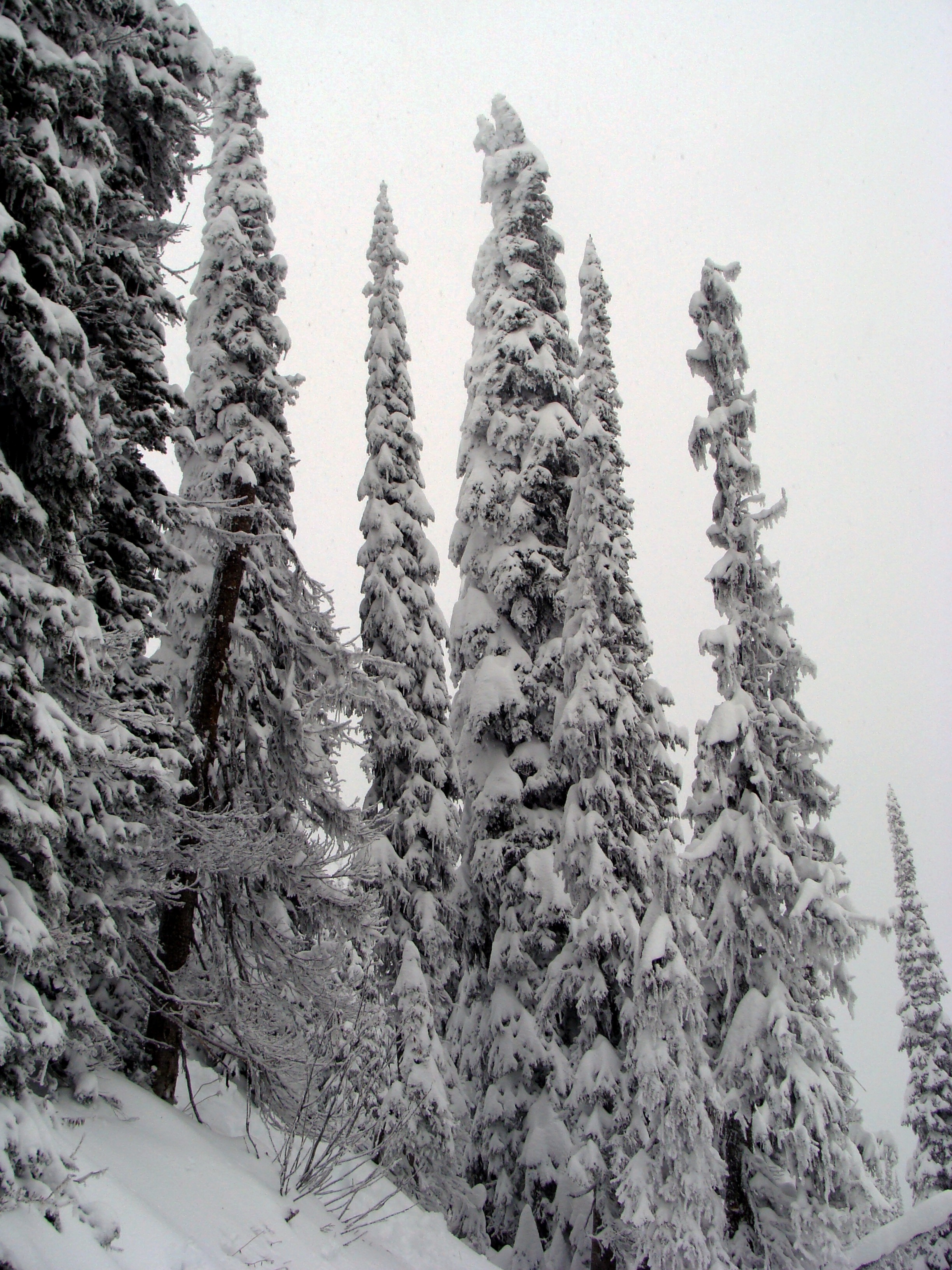
- This week's substantial recent snow was generally cohesionless in the morning. As the day progressed, temperatures warmed, leading to a moistening of the snow surface, particularly below 6000'.
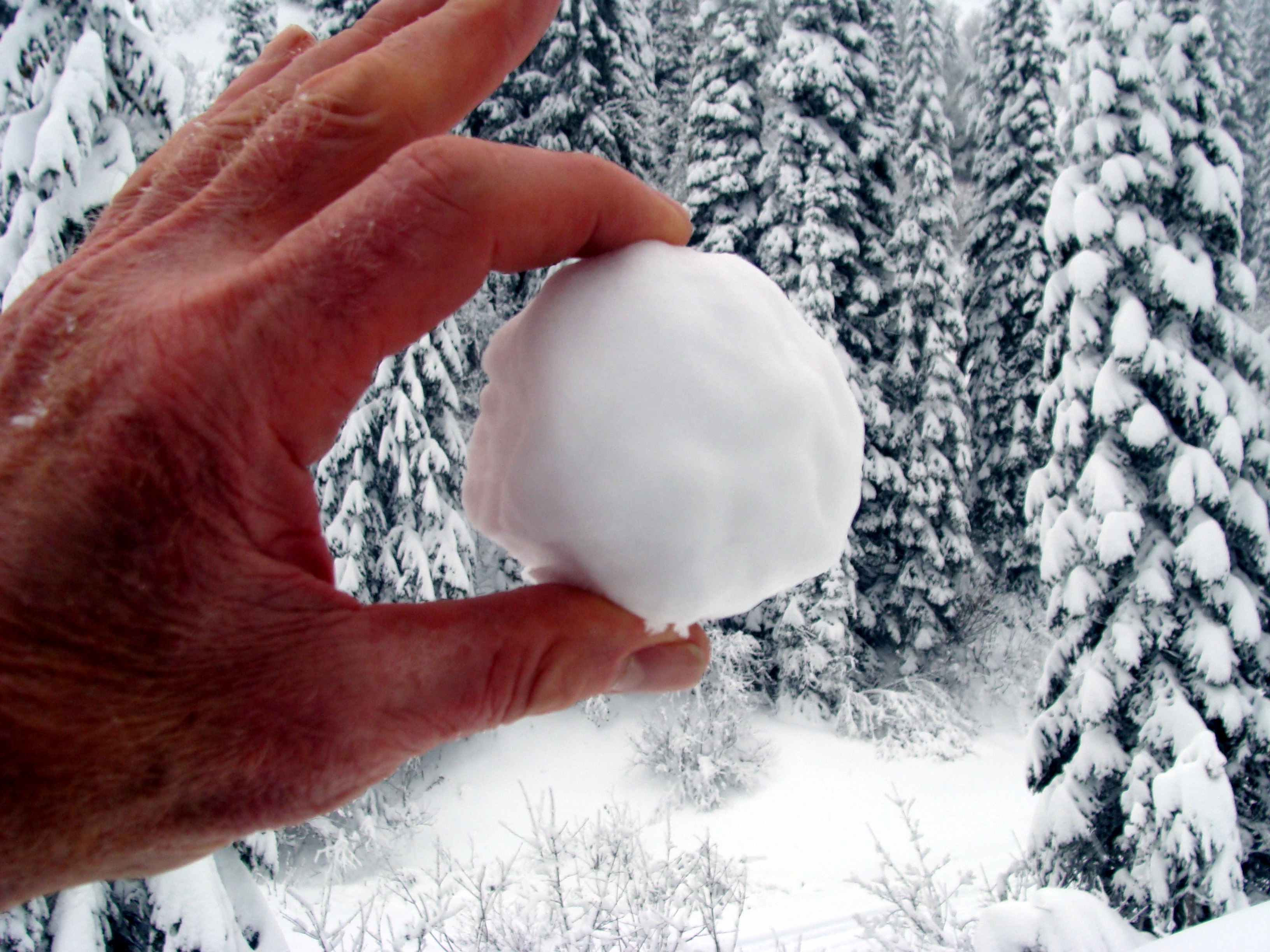
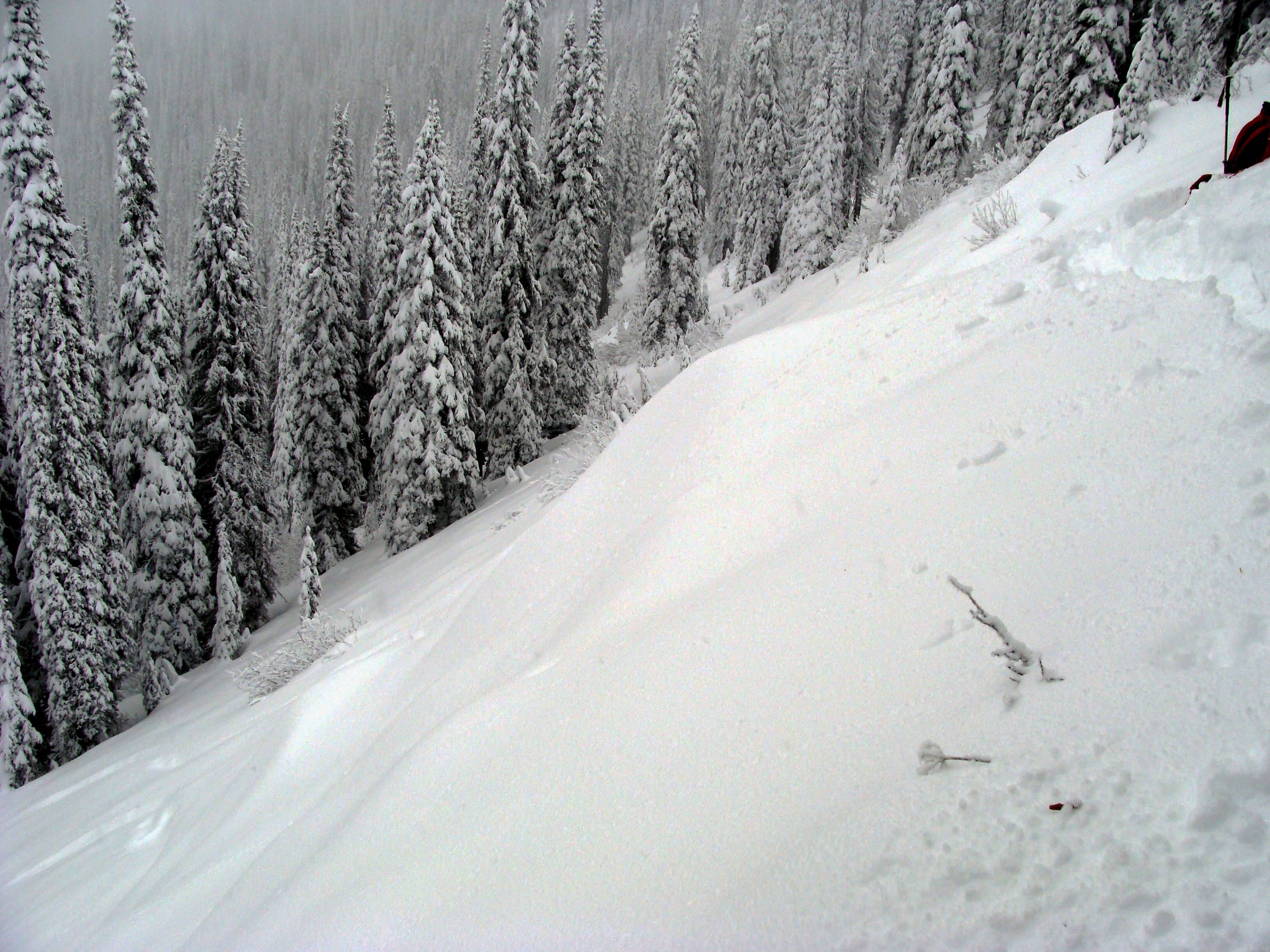
- There was less of a soft slab avalanche problem than anticipated. One WMR patroller referred to the new snow as stubborn cream cheese. I found it more similar to whipped cream cheese than to the traditional type used in baking cheesecakes.
- WMR is not a particularly windy location, but the lack of wind affected snow from the past week of storms is surprising.
- Coverage is improving but remains thin in most locations.
- Big thank you to WMR and the WMR ski patrol for their support of the FAC.
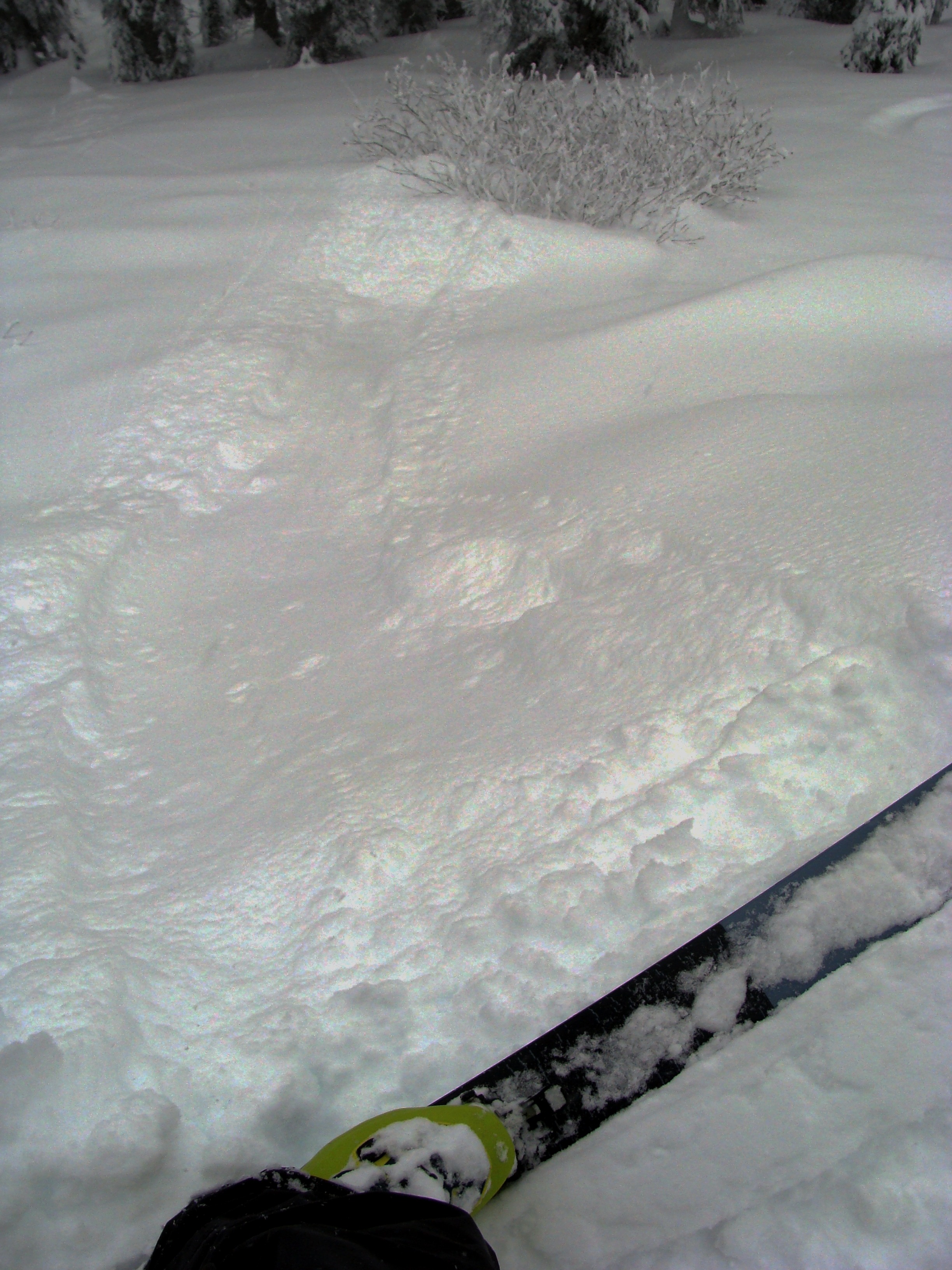
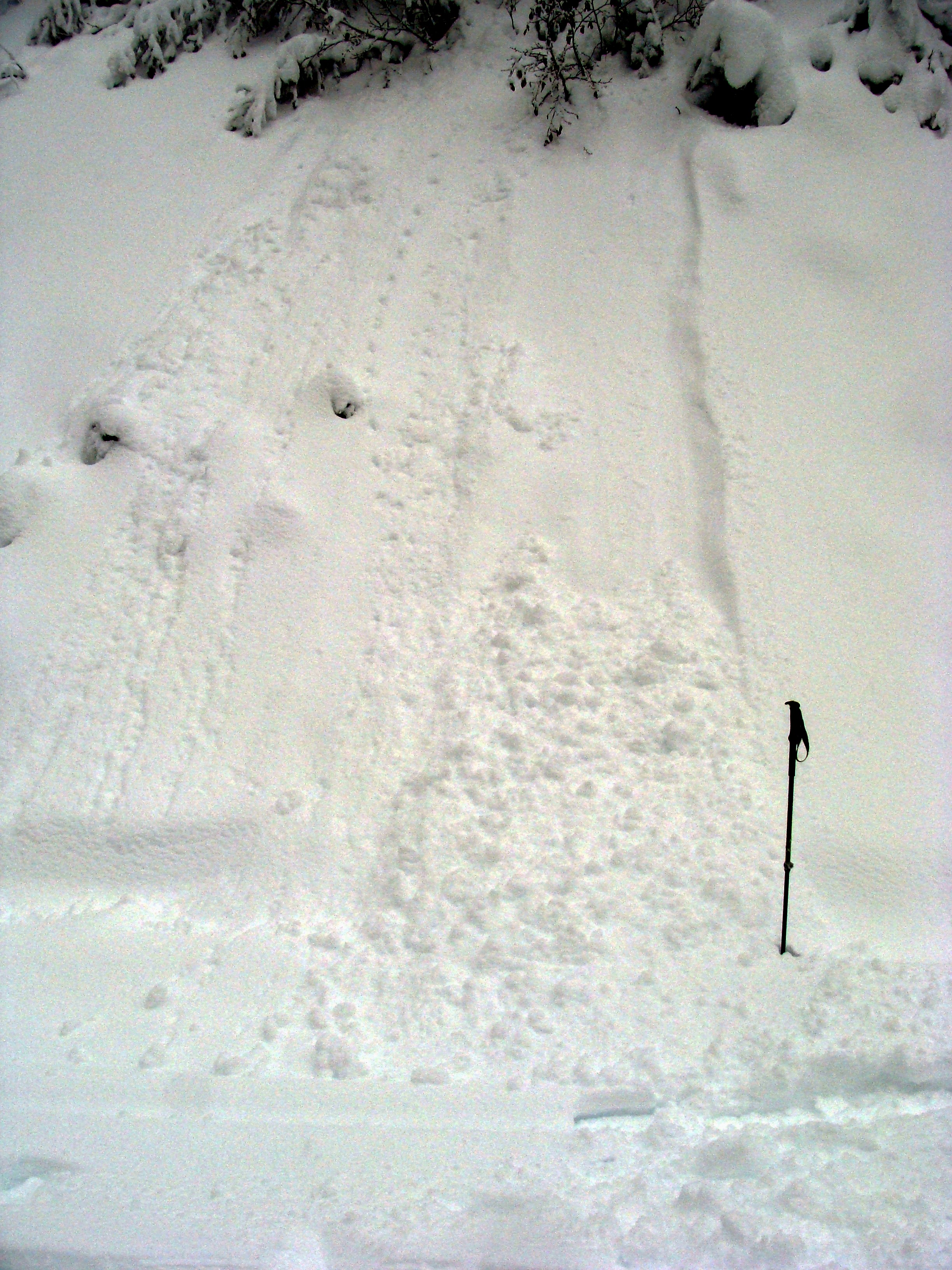
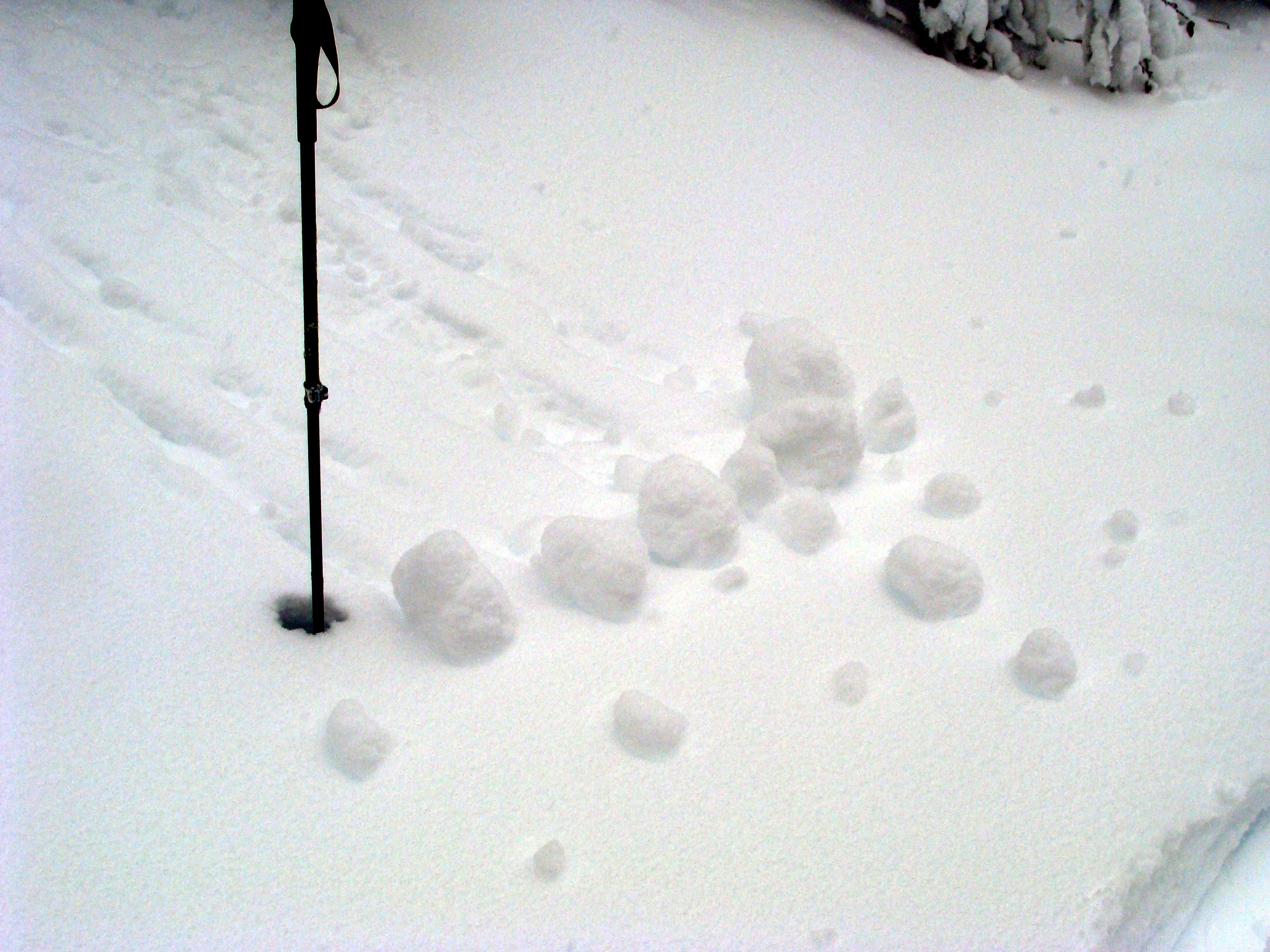
The only signs of instability we observed were small, thin, loose dry sluffs and isolated rollerballs. Both involved only the top few inches of recent snow and were harmless. The slides were both naturally occurring and human-triggered. The WMR ski patrol explosive routes triggered only small slab avalanches in the lower sections of the avalanche paths.
Weather
- Air Temp
- 25 F
- Cloud Cover
- obscured
- Wind Loading
- none
- Rain Elevation
- 3500'
- Recent Snowfall
- 23
- Snow Avail For Transport
- moderate amounts
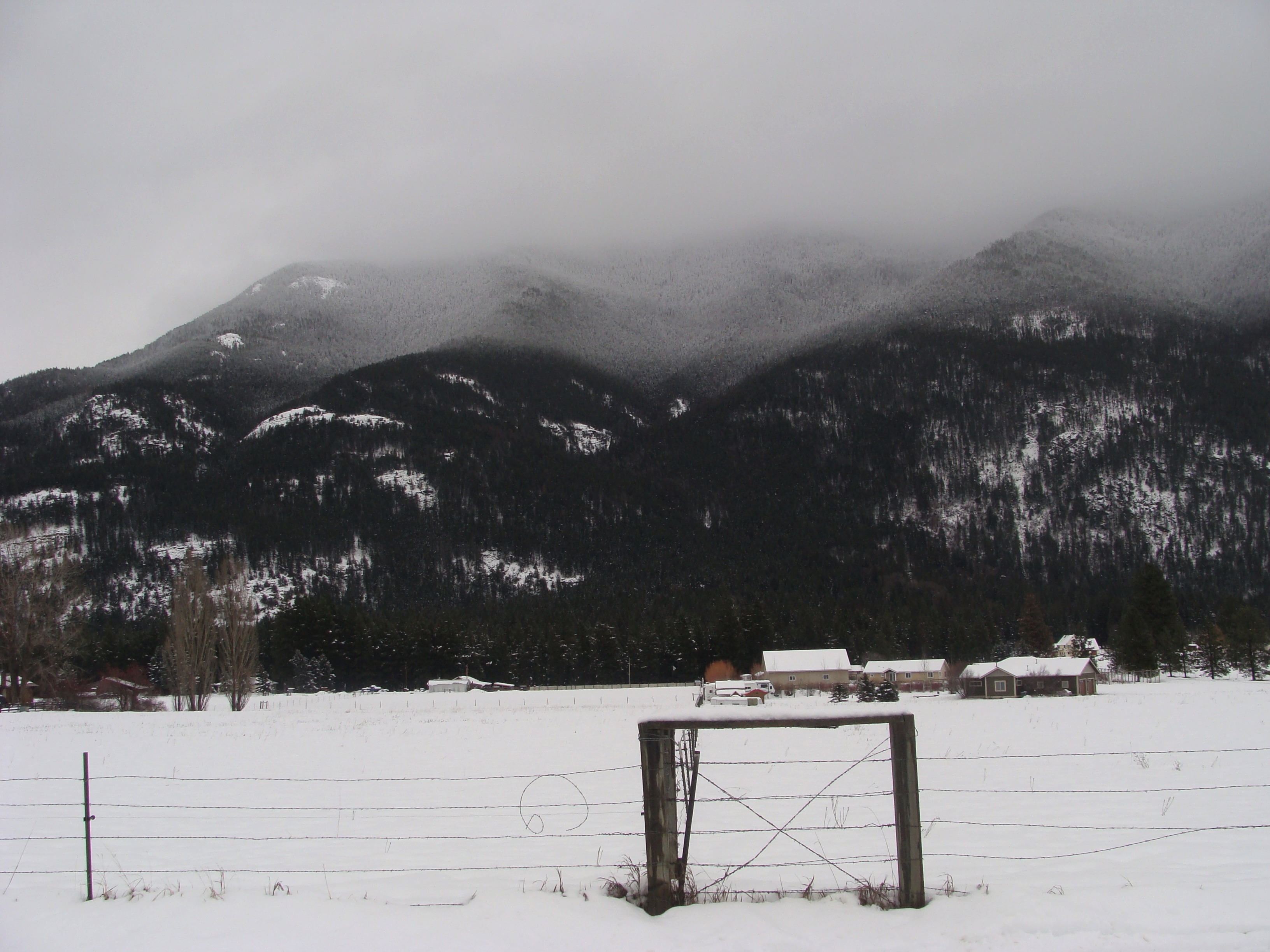
Thick fog and clouds with occasional periods of light wind. Very light intermittent snowfall that did not accumulate.
Snowpack
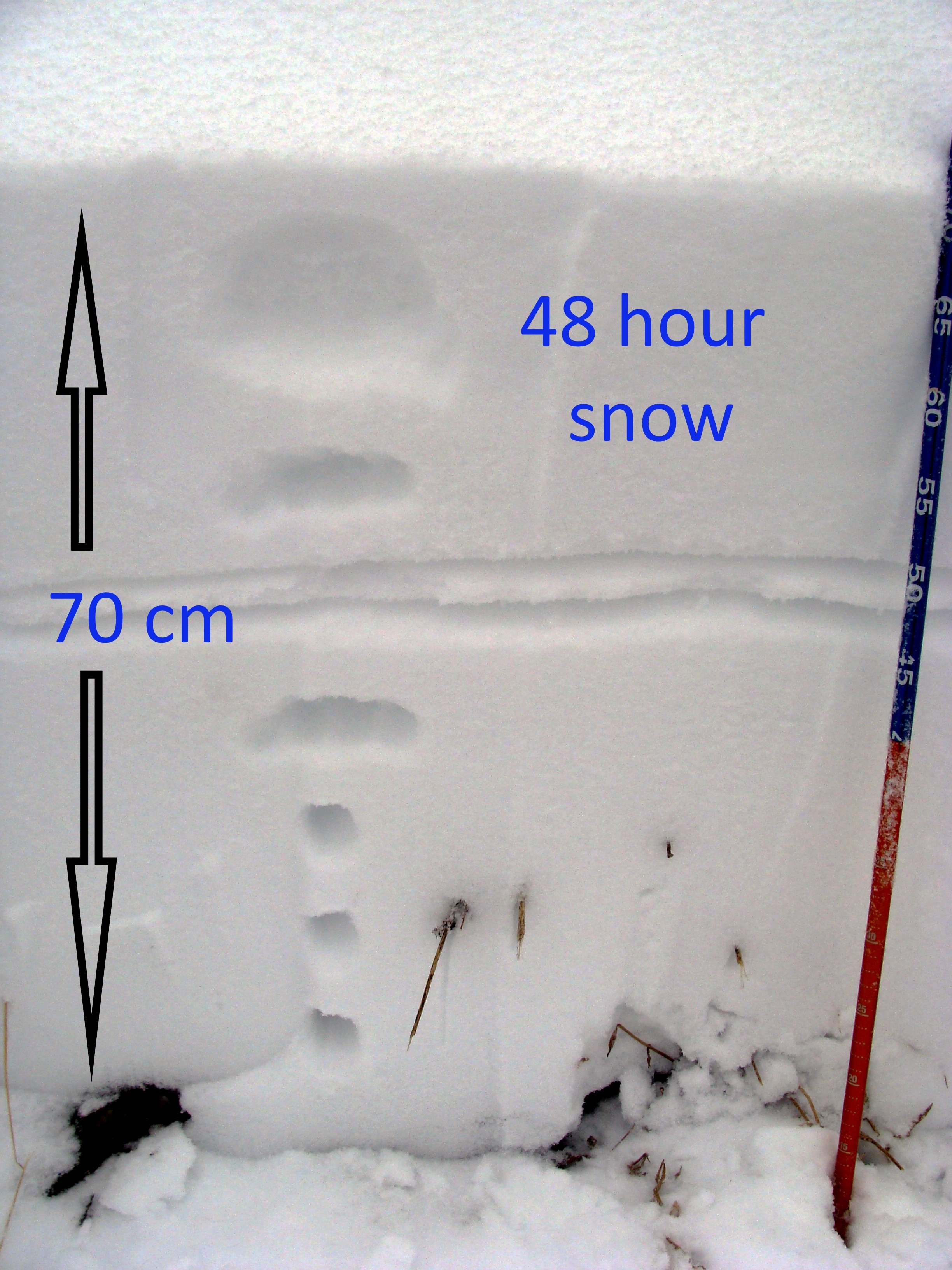
We dug one pit on an easterly aspect at 6500'. HS=70 cm, with the top 23 cm accumulating in the past 48 hours.
The snow's hardness increased from the surface to the ground. This is also known as a right-side-up snowpack.
We only had failure with compression tests below the thin (<1 cm) mid-pack crust. CT 12 and 15.
The top half of the snowpack remains unconsolidated in this location and is not susceptible to propagation.