
Quick report
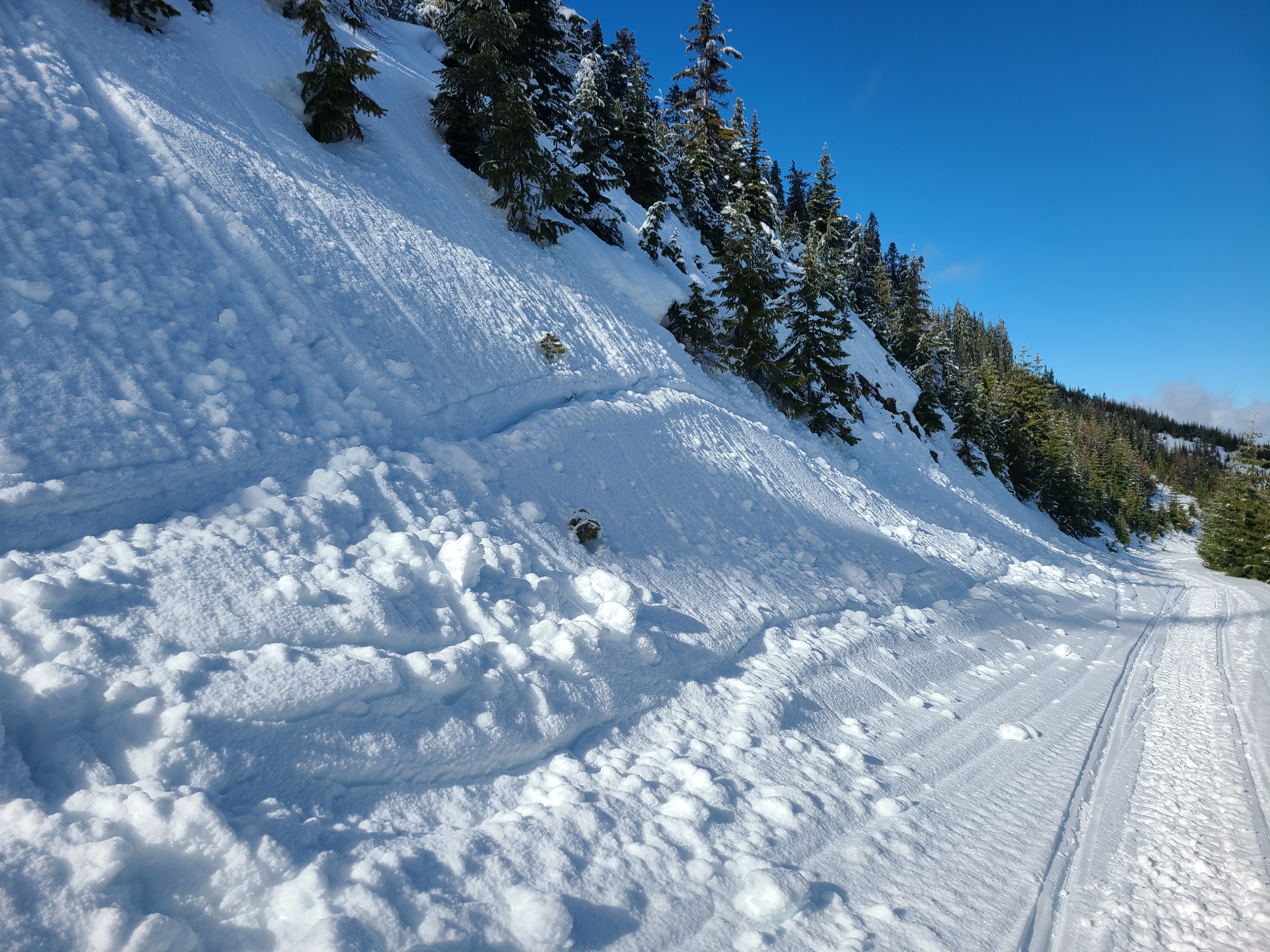
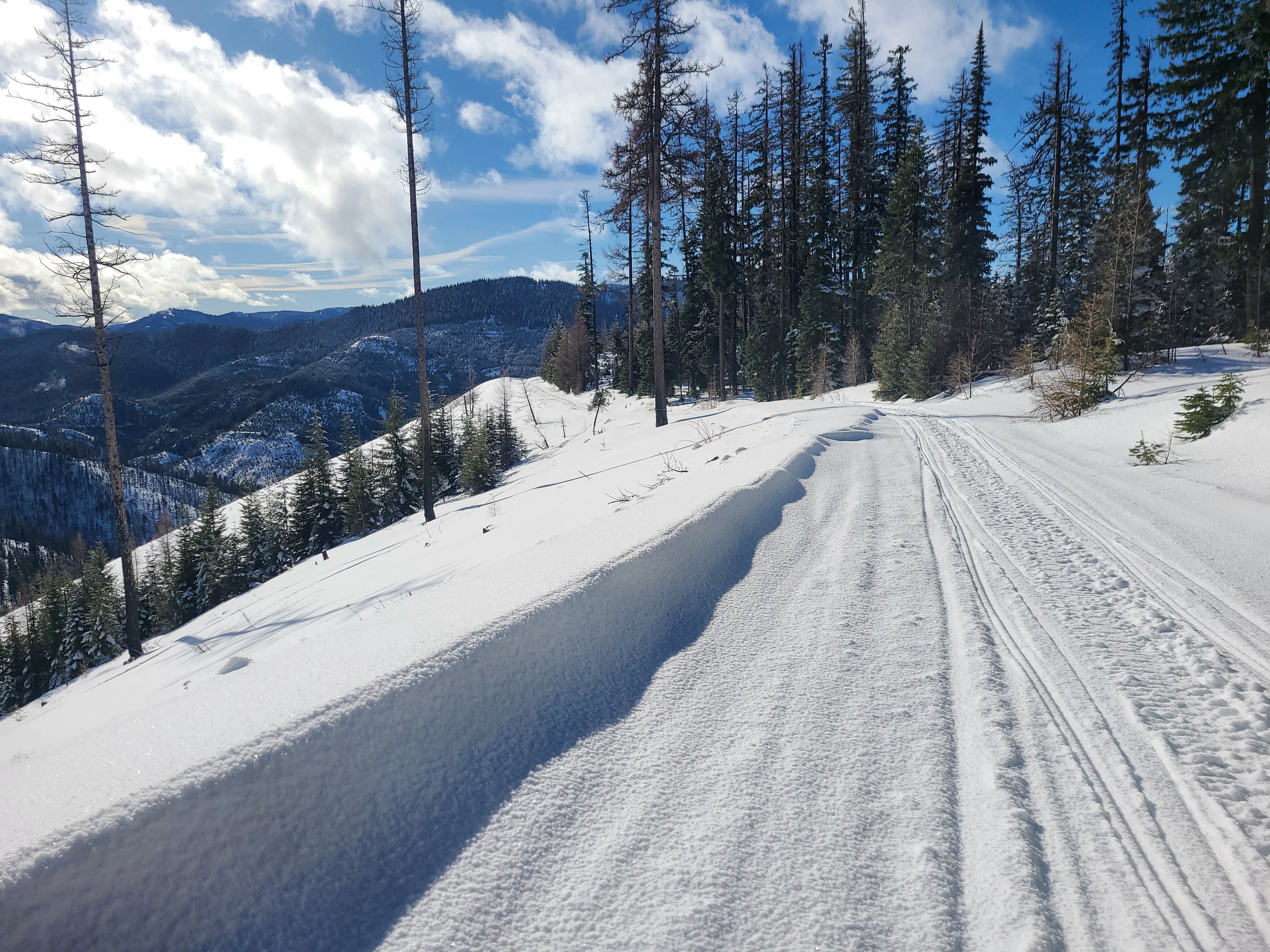
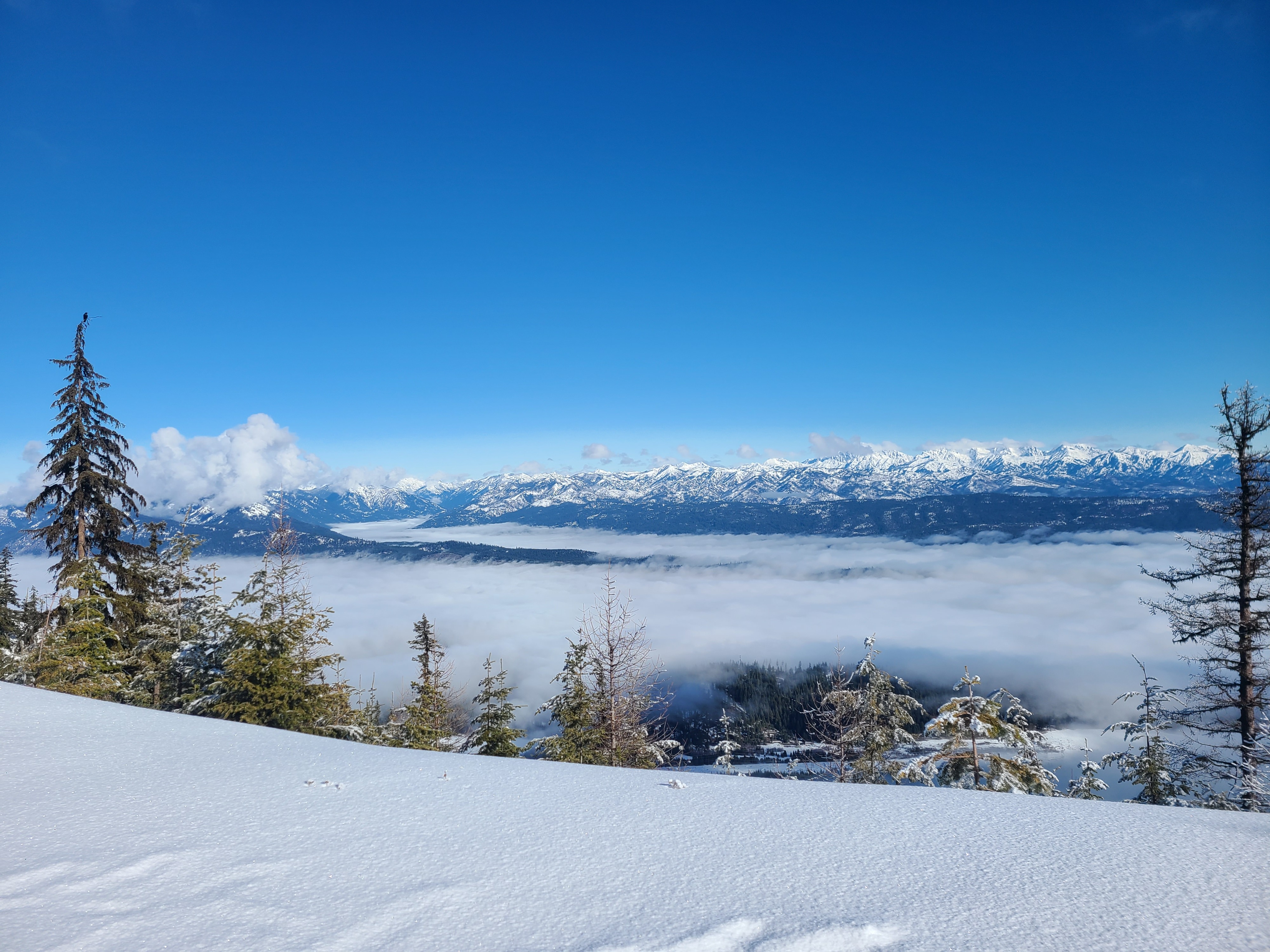
I was excited to get out for a day of sunshine in this borderland area between the East Central and East South zones. It was a beautiful day with mild temperatures. I covered a lot of terrain and observed multiple aspects at mid and lower elevations. Ridgelines and southern aspects have very thin to nonexistent snow coverage. Other aspects are holding on to just around 3ft of snow. The groomed trails are in surprisingly good shape, allowing for easy travel. There was evidence of previous wind drifting, but these wind drifts have been through multiple melt-freeze cycles and were unreactive. Rollerballs were plentiful, but I observed no wet loose avalanches.
Weather
- Cloud Cover
- scattered
- Wind Loading
- previous
- Recent Snowfall
- 3cm
- Snow Avail For Transport
- small smounts
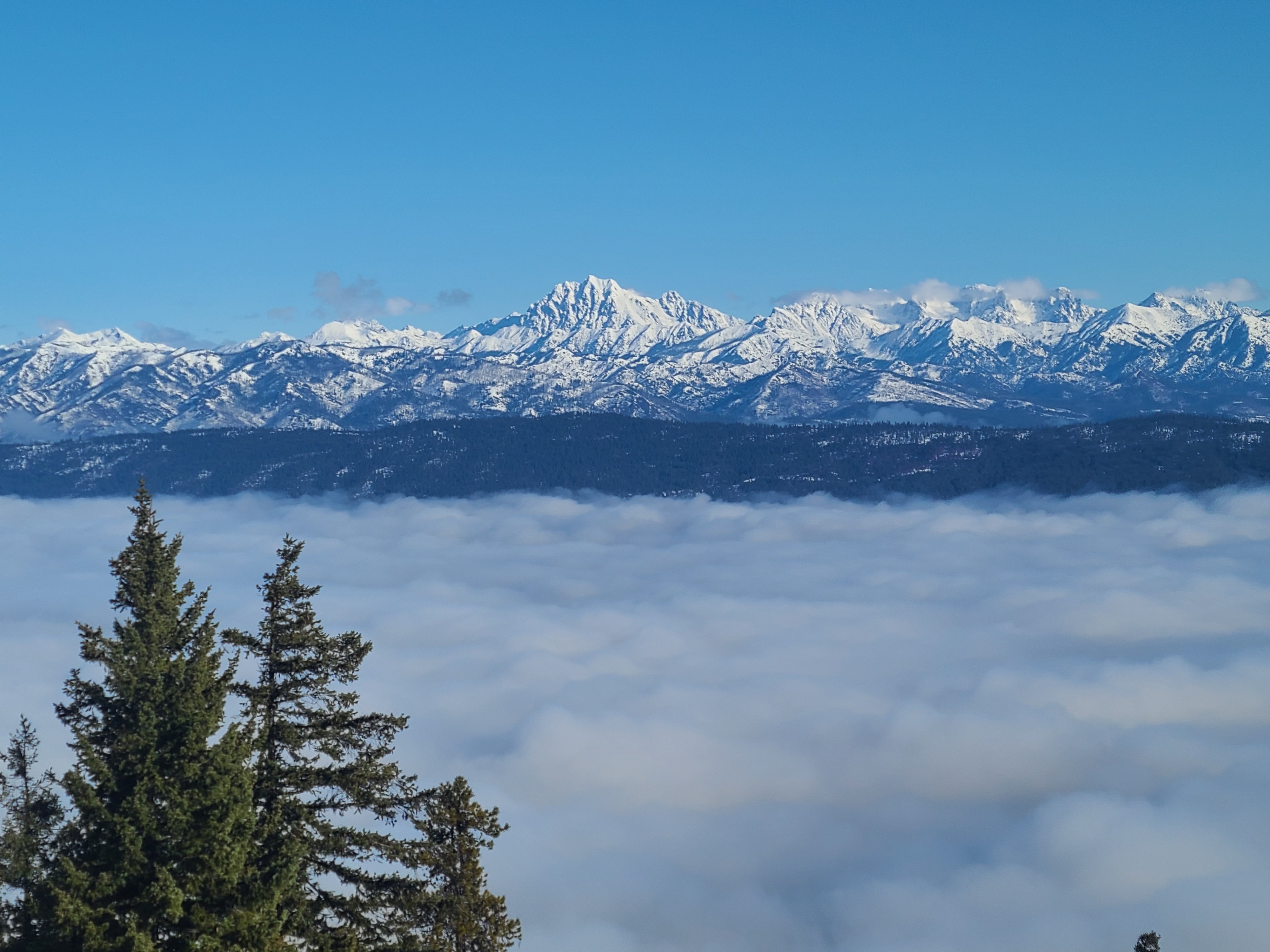
In the morning, I climbed quickly out of the valley fog into the sunshine and partly cloudy skies above 4500ft. It felt like t-shirt weather in the sun, but the shady slopes stayed cool. By the time I exited around midday, the inversion had cleared out, and it was sunny down in the valley. Winds were calm throughout the day.
Snowpack
Below 4500ft, there is no snow above the Early February Crust (EFC). This crust is thick, 20-30cm, and supportable to boots.
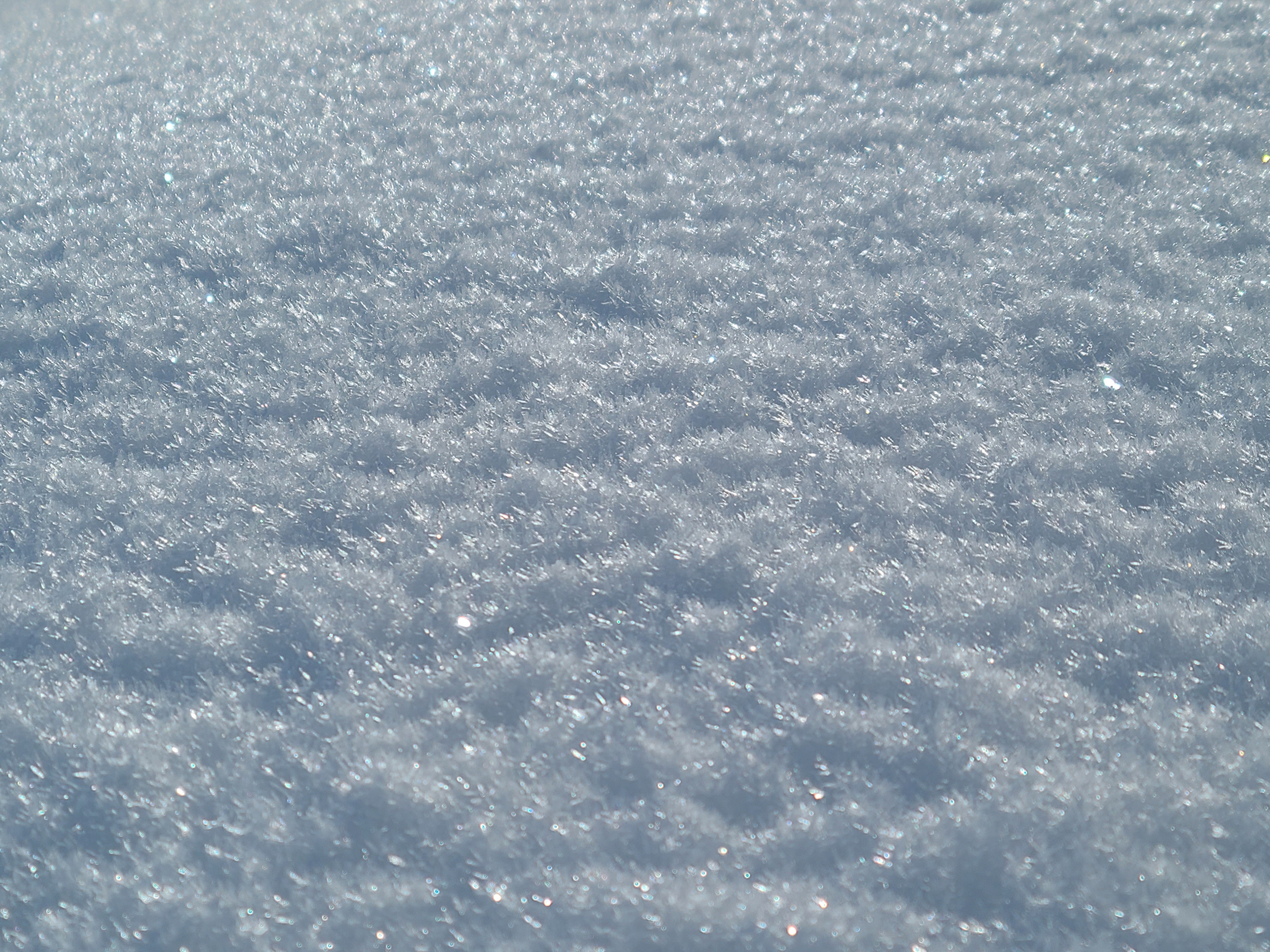
Near the top of the inversion, there was an elevation band between 3500-4500ft where sheltered shady slopes had needle-like surface hoar over a crust.
Above 4500ft, there is approximately 20-30cm of snow over the EFC. The 2/14 crust is down 14cm, and a recent crust, buried on 2/21, is below 2-3cm of new snow. The snow above the EFC is moist, and any weak snow associated with the EFC and 2/14 crusts is well-rounded. Although you can still discern a difference in hardness, the snow above both is slightly weaker. Boot penetration is down to the EFC.