
Quick report
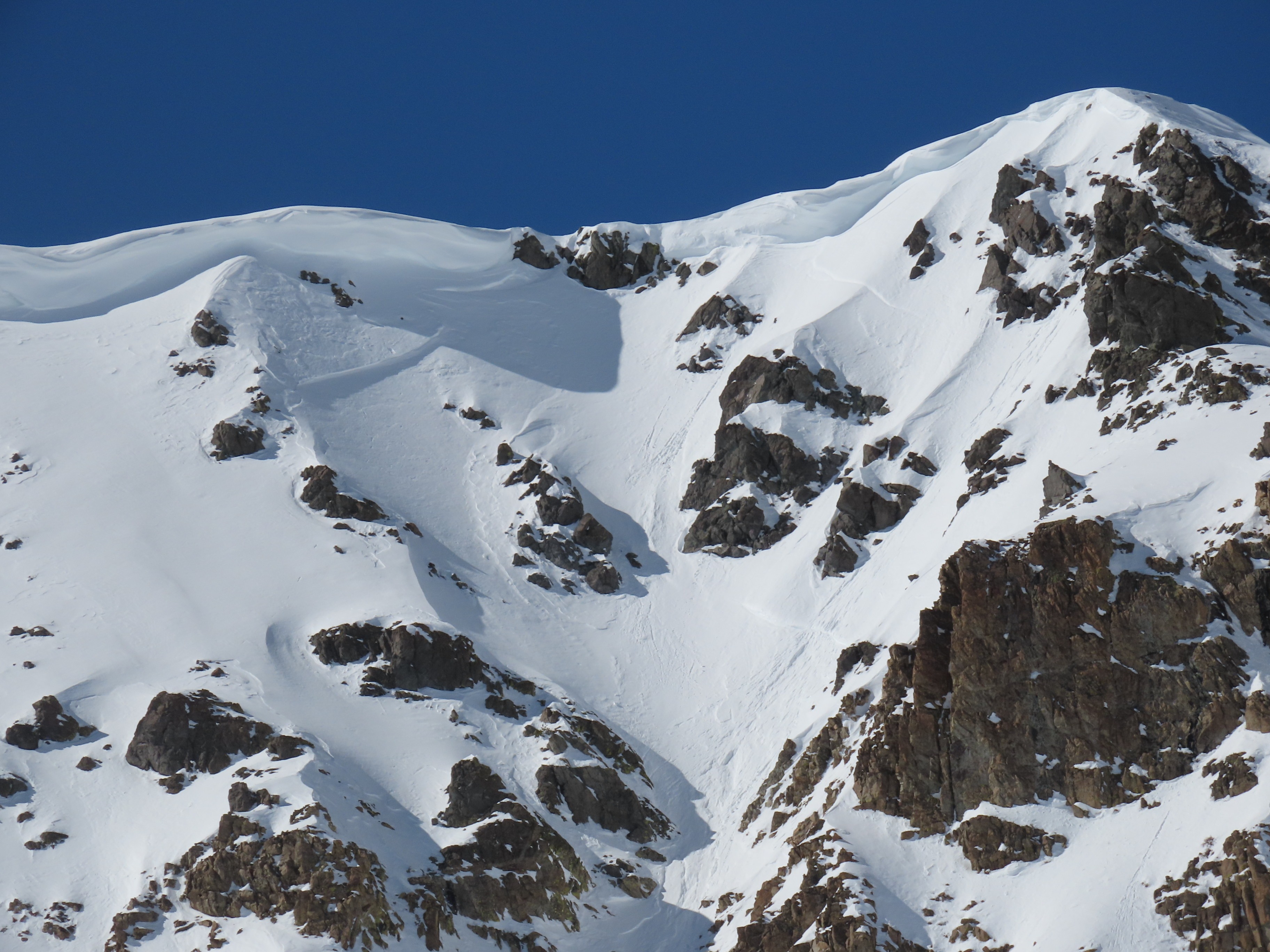
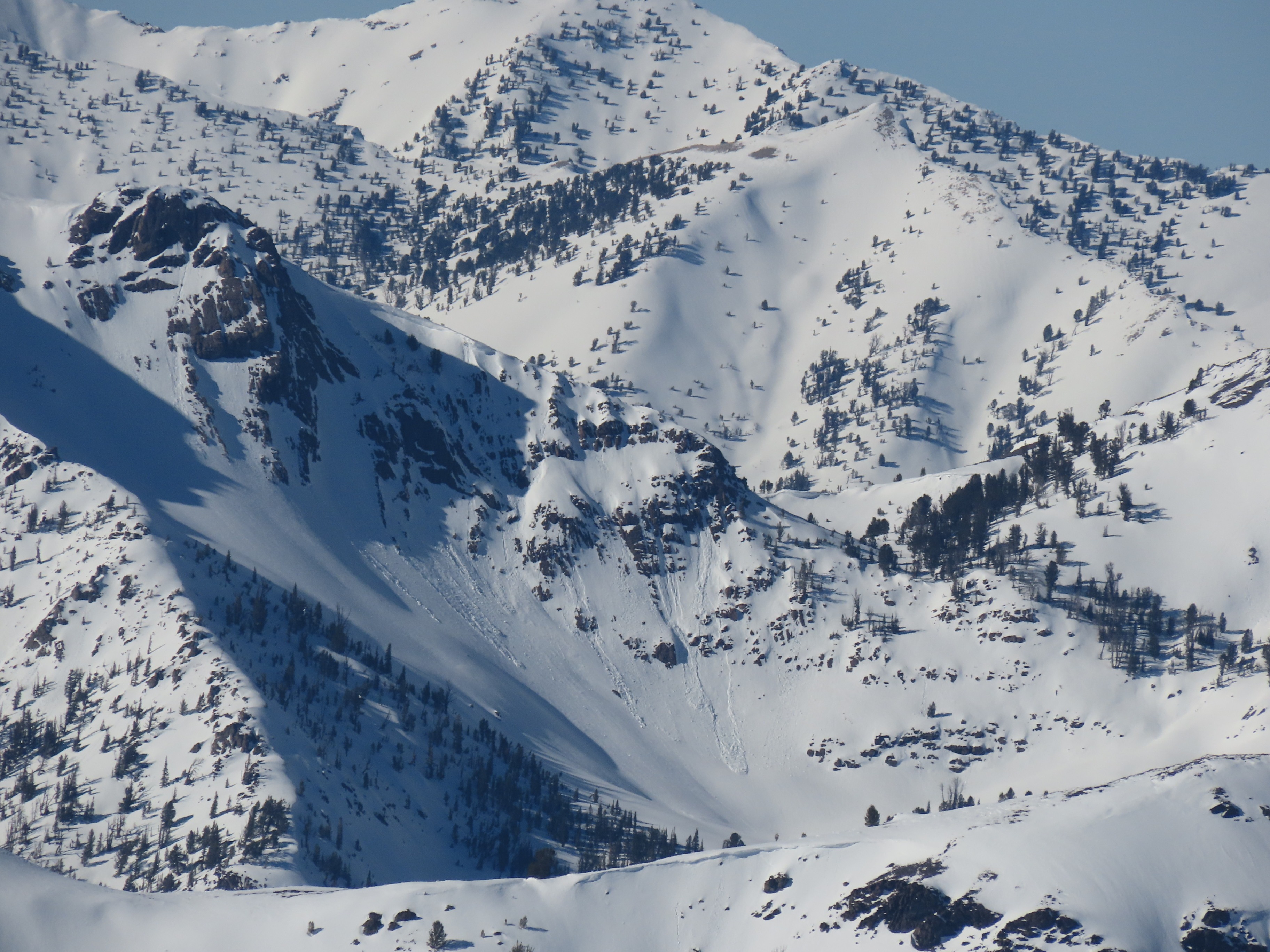
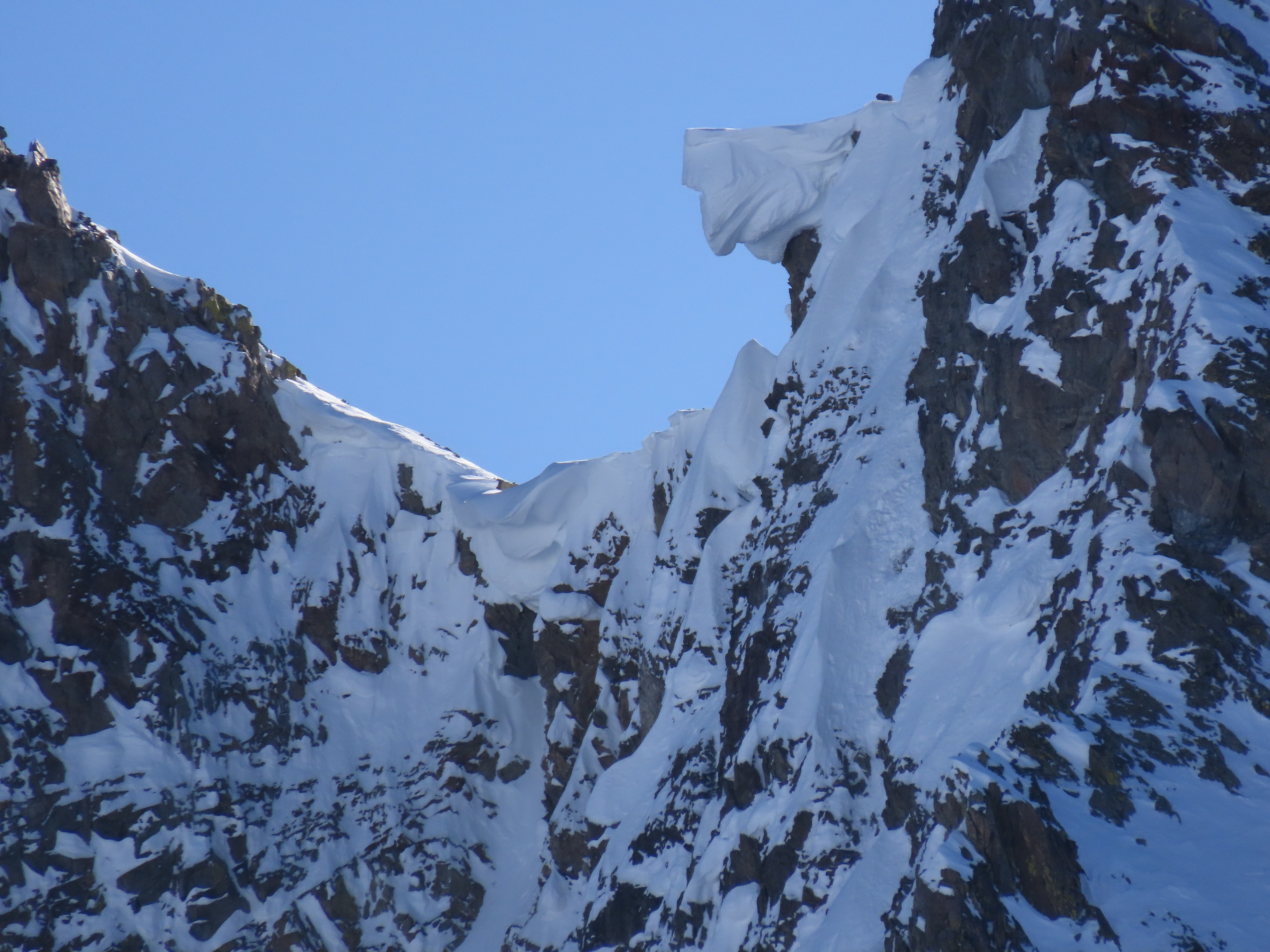
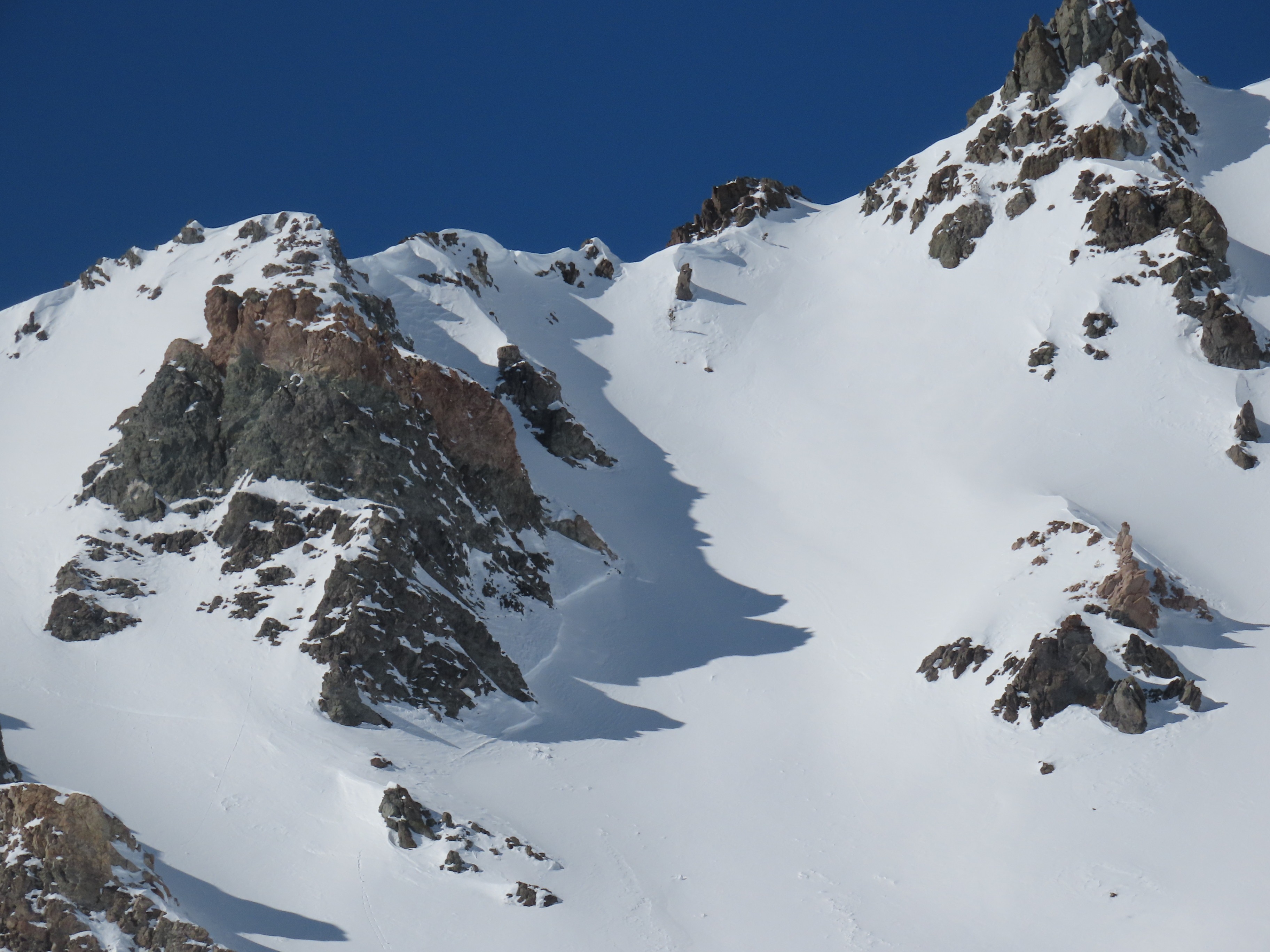
There was a widespread cycle of slab avalanche activity in the Boulders beginning 2/23 and continuing into the wind event of 2/24-25. I observed dozens of slab avalanches large enough to bury a person (D2) and larger. Avalanches occurred on all aspects at mid and upper elevations. The distribution of this more recent slab activity does not exactly match the distribution of activity on 1/31 interface, which seems important... The presence of these avalanches and uncertainty relating to what they are failing on and the degree to which the failure layer will persist kept me out of terrain that I may have been comfortable entering if I hadn't seen these avalanches. Overall, the snowpack did a great job of dealing with meltwater during this first major seasonal transition period from a dry, winter snowpack to a wetted and refrozen/refreezing late winter snowpack. I'm psyched to see it! We've got a lot of seasonal transitioning to do yet this year, but the snowpack behavior during this warm up was much better than it could have been. Lots of big cornices failed during the recent storm and wind event. These triggered slides on the slopes immediately below, but I was pleased to see that these slides weren't steeping down deeply into older weak layers like the January drought layer.
Avalanche
- Size
- D1.5
- Count
- 16
- Aspect
- E
- Trigger
- N
- Elevation
- 9500 ft
There was a widespread cycle of slab avalanche activity in the Boulders beginning 2/23 and continuing into the wind event of 2/24-25. I observed dozens of avalanches large enough to bury a person (D2) and larger. Avalanches occurred on all aspects. Many of these seemed to display characteristics of persistent slab avalanches, others looked like more simple wind slabs. The timing of these was spread out over this period, it does not look like there was a single period that set them off (ie the wind event), more of a scattering across this 2+ day interval. Some of these slabs appeared to have failed at the 2/23 interface while others appeared to have failed a bit deeper, potentially on 2/14 or other mid/early feb weak layers. The distribution of this more recent persistent slab activity does not exactly match the distribution of activity on 1/31 interface, which seems important... Small wet loose avalanches were scattered across the landscape. Undoubtedly, over a hundred of these occurred during the warm up.