
Quick report
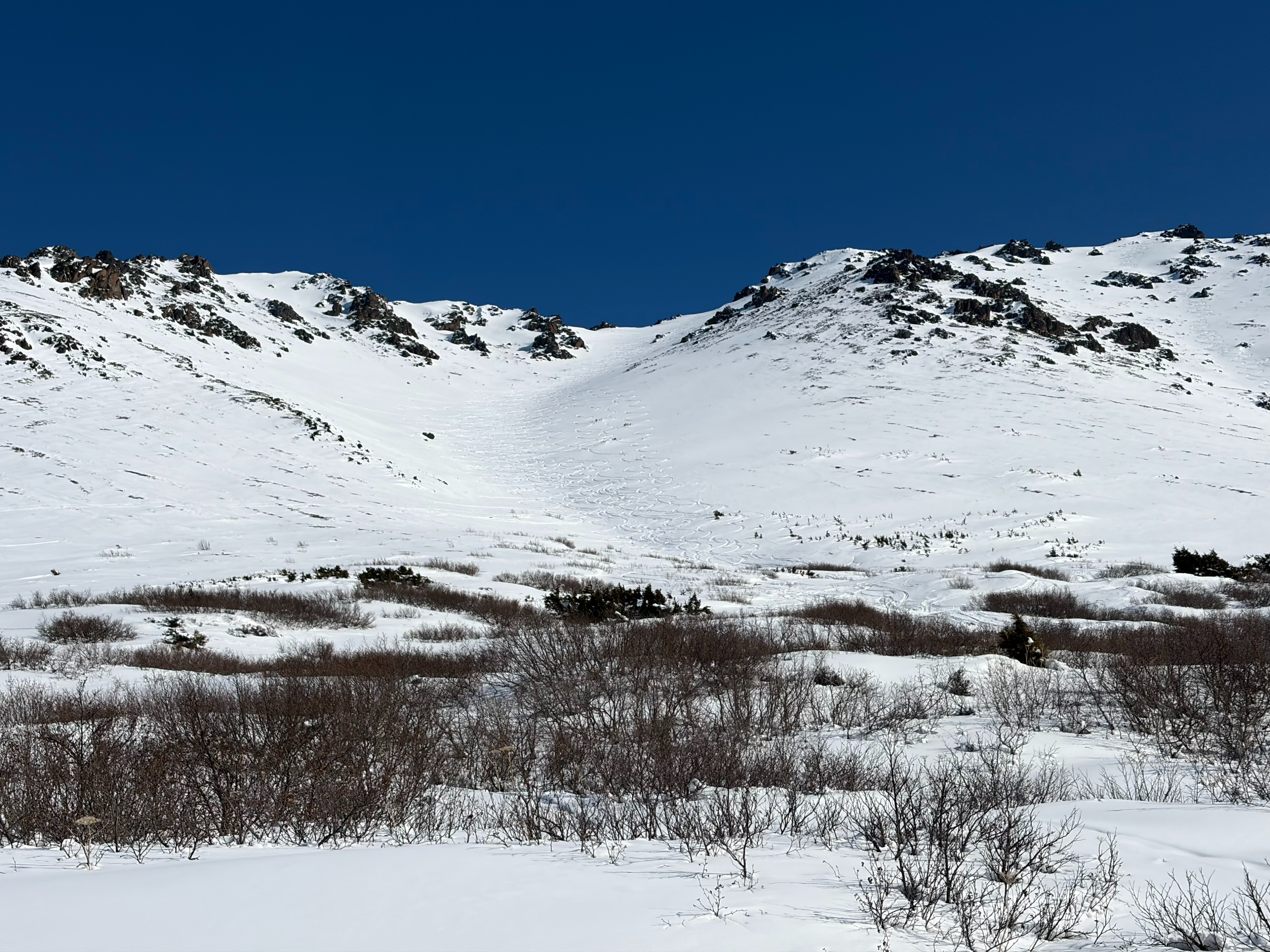
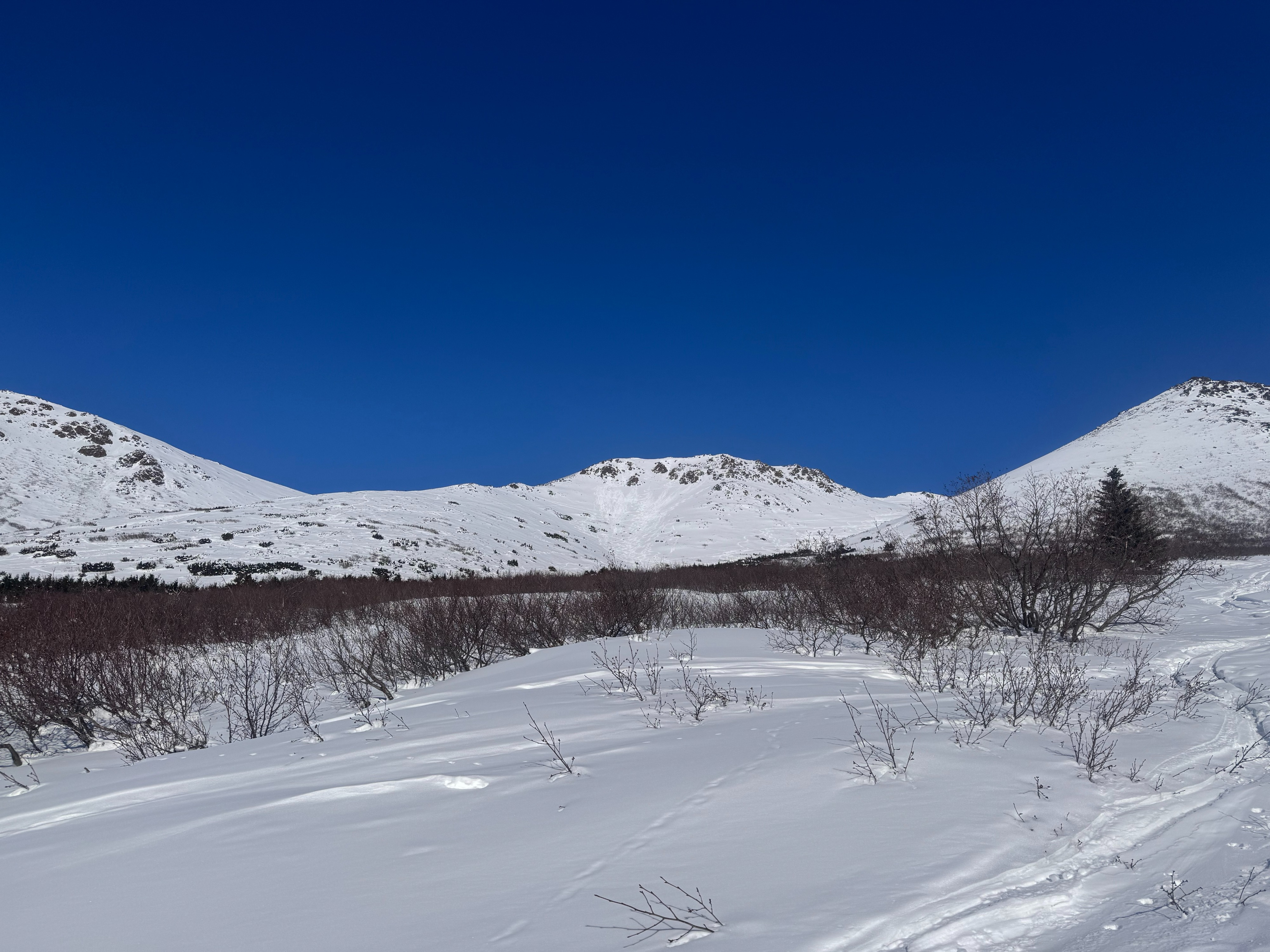
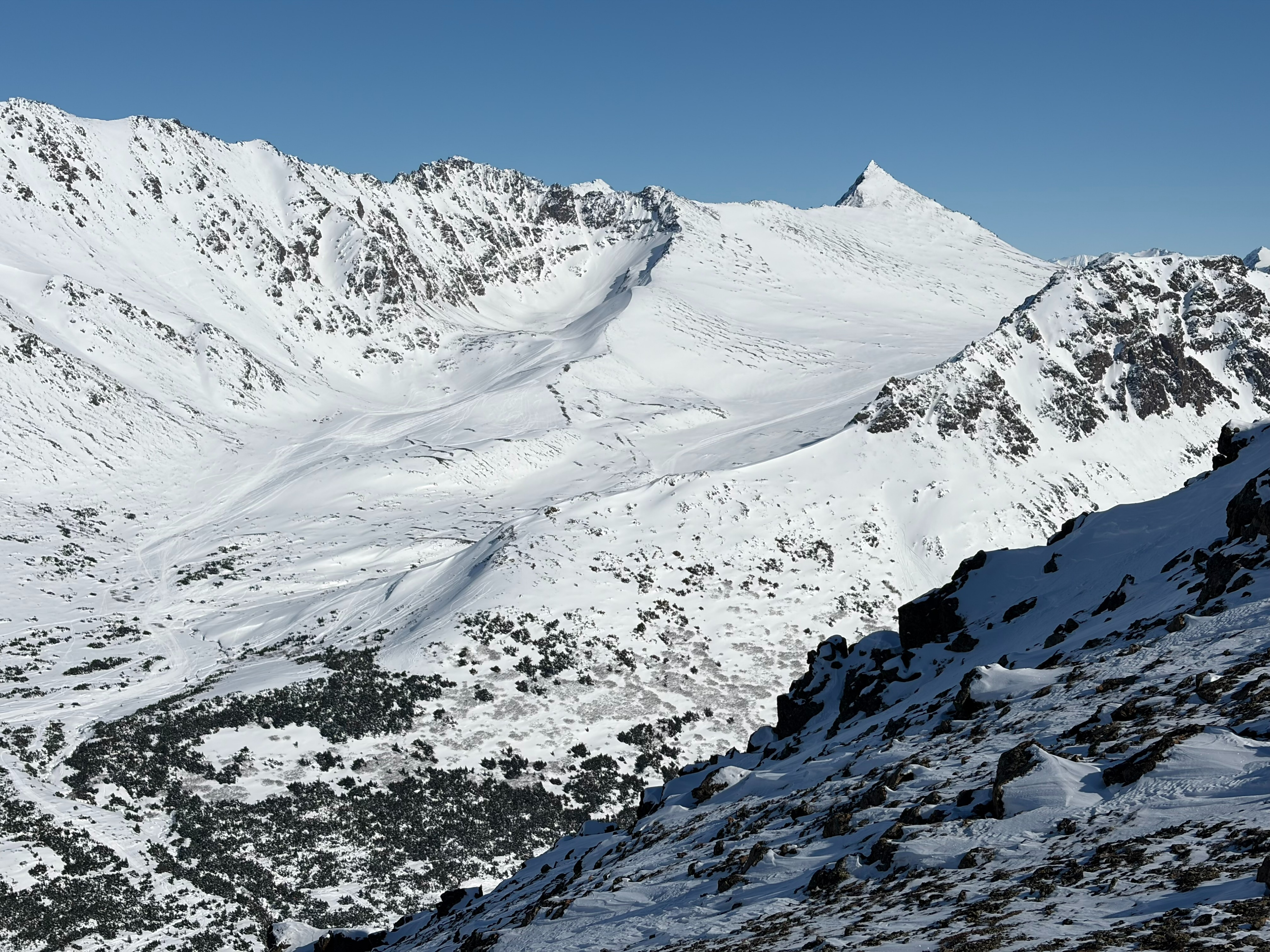
We toured out to Peak 4 today to ~4,000 ft to assess the persistent weak layer setup and monitor changes in the upper snowpack as temperatures continue to warm.
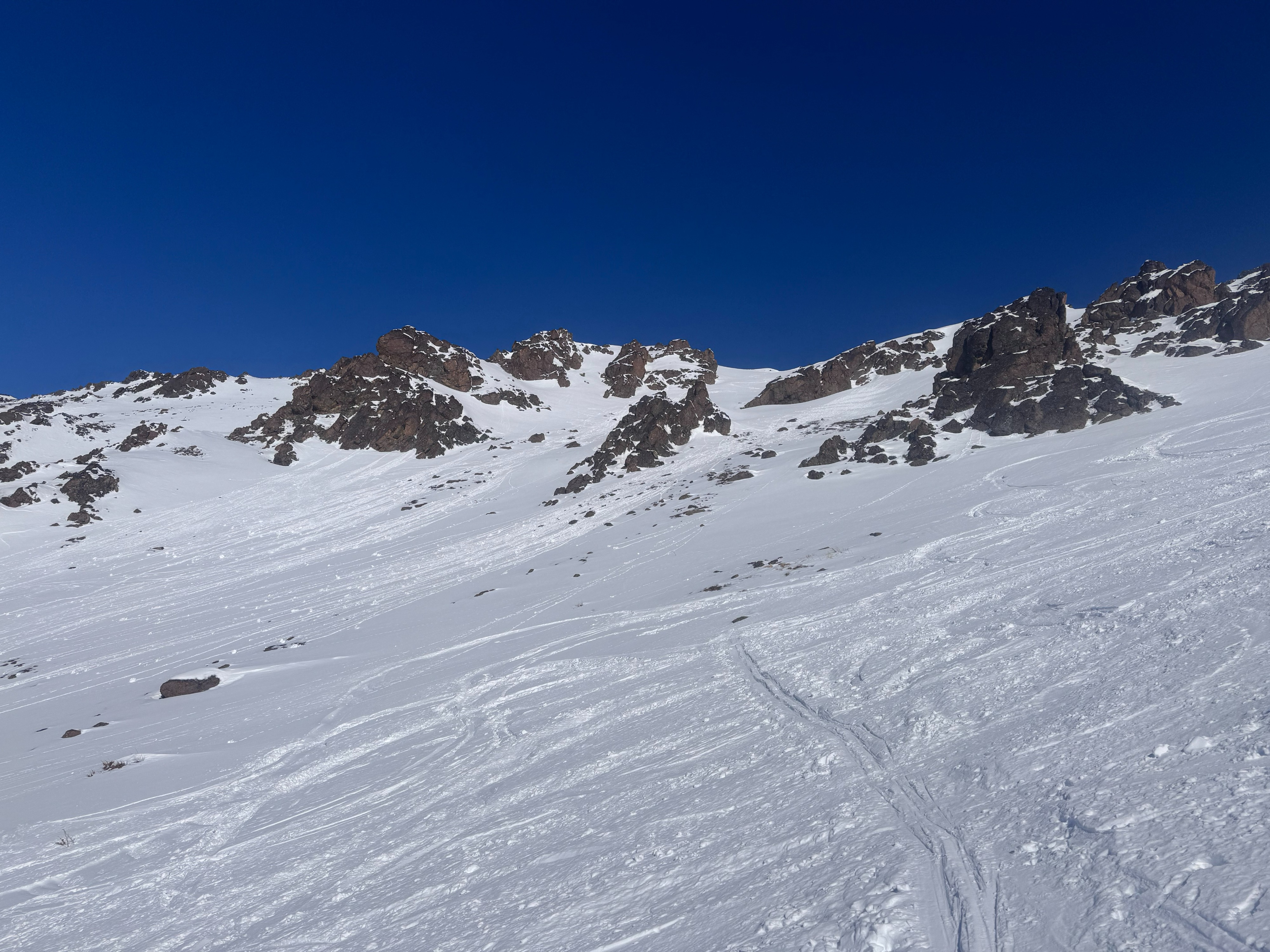
From the trailhead, low-angle terrain remained largely dry and unaffected by wind or solar input. As we ascended the gully, we observed increasing variability in the upper snowpack between west- and south-facing aspects. West aspects held ~2 cm of moist, sun-affected snow over a breakable wind skin. On south aspects, we found slightly deeper moist snow over a brittle sun crust and a more developed wind-affected snow layer. Near the summit, several small wet loose point releases were observed originating from steep, south-facing rocky features.
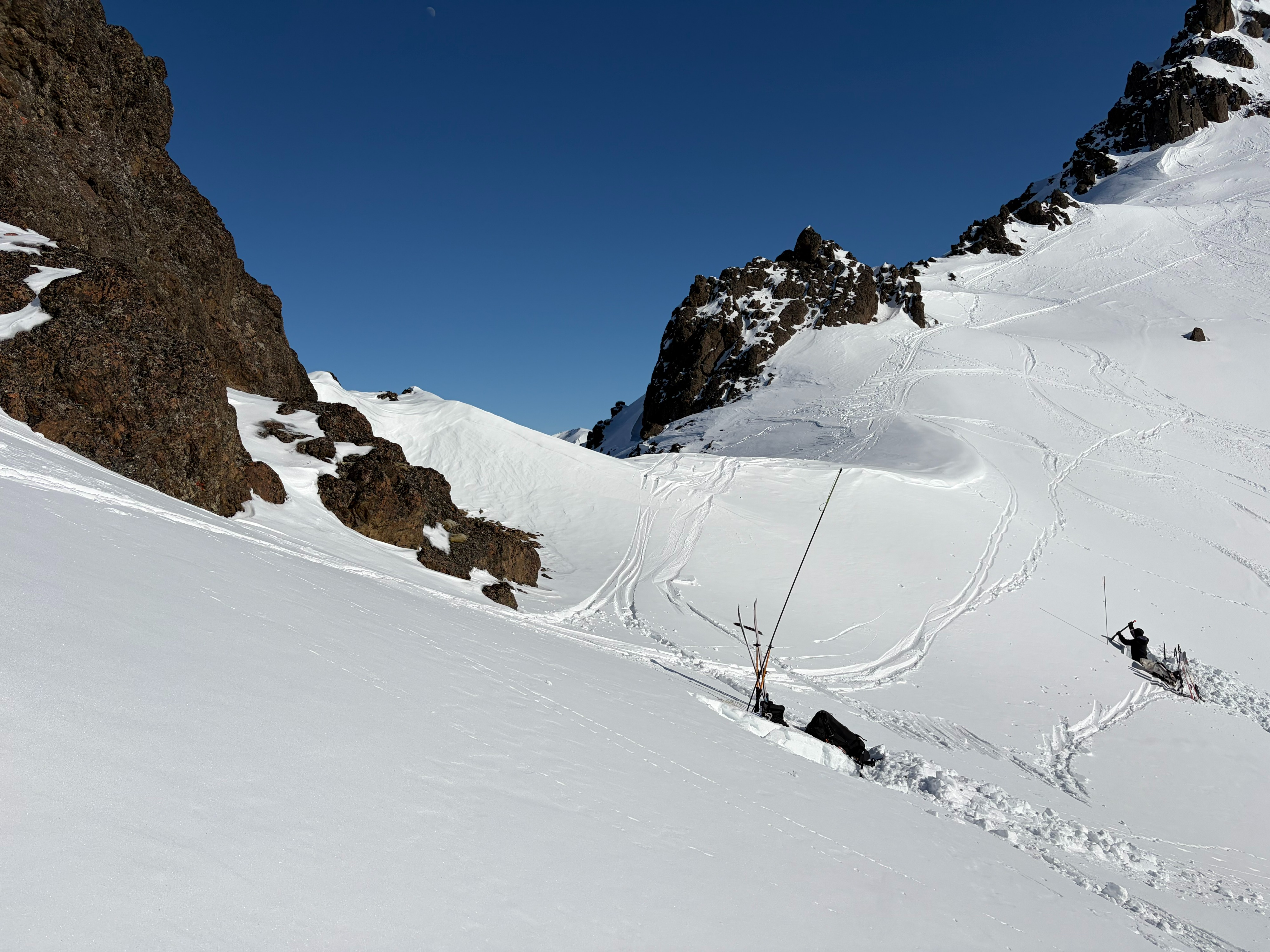
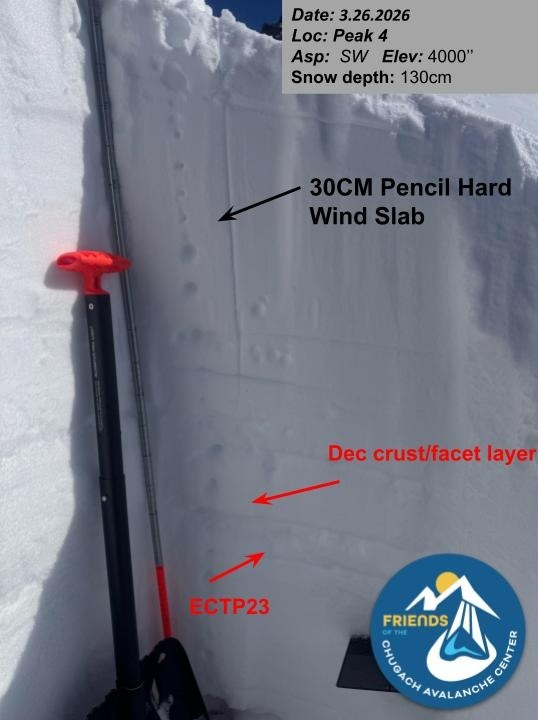
We dug two snow pits around 4,000 ft on a southwest-facing slope. As is typical for the Front Range, snow depth was highly variable, though structure remained consistent: wind slab over facets. The deeper pit (~130 cm) contained multiple mid-pack facet/crust layers overlying ~20 cm of depth hoar. We observed an unstable result (ECTP23), failing on a suspected December facet layer approximately 85 cm down.
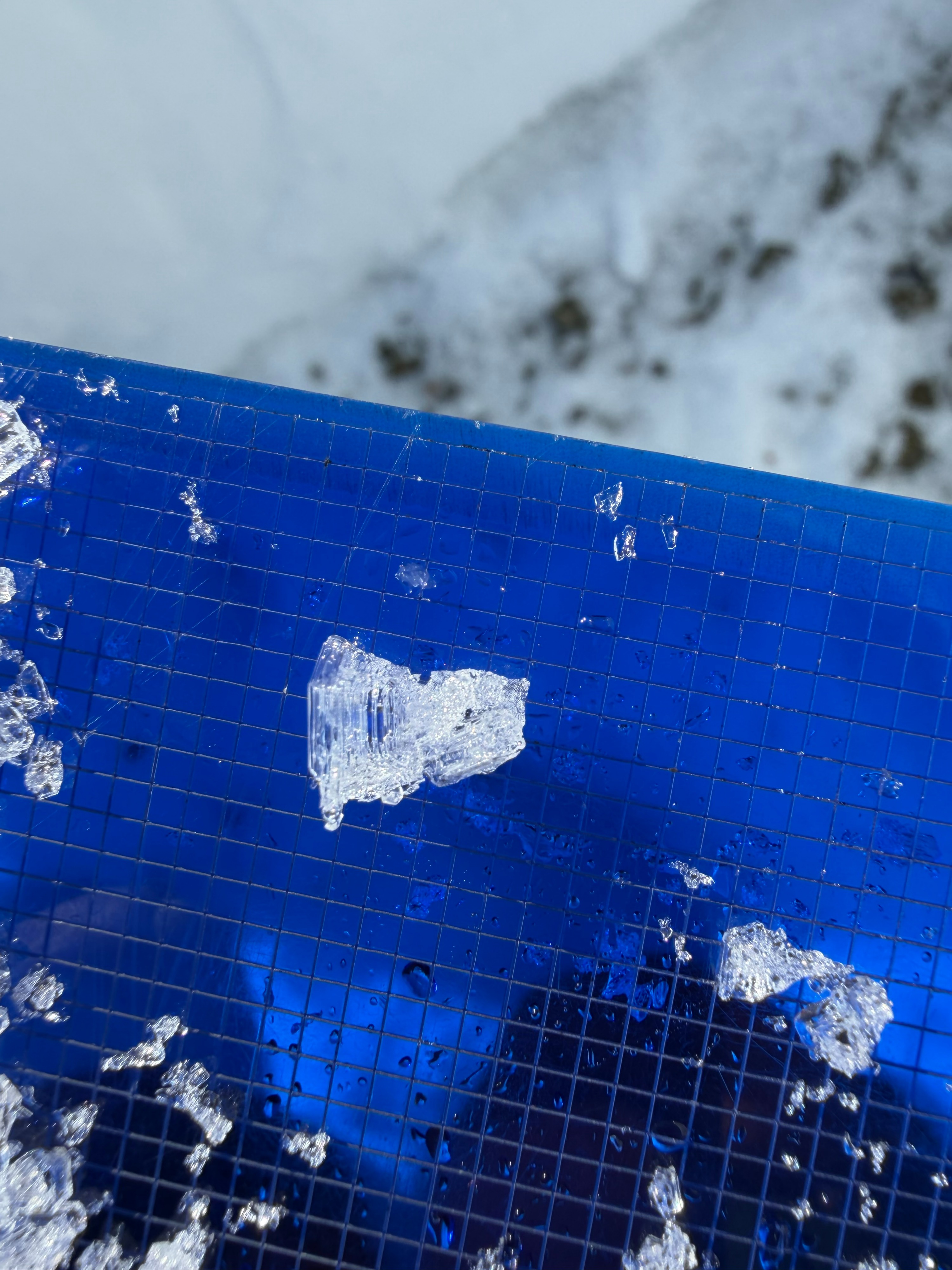
The shallower pit (~50 cm) consisted of a stout wind slab over ~30 cm of basal facets. No propagation was observed in this location, though very large facets (7–9 mm) were present near the ground.
On the exit, we noted additional fresh wet loose point releases on steep, south-facing terrain near Peak 2. With continued clear skies and warming temperatures, wet loose activity is expected to increase. For now, these instabilities remain primarily confined to solar aspects.
We observed a number of small point-release wet loose avalanches on steep southerly slopes. These avalanches primarily originated on or around the rocks.Weather
- Air Temp
- 10-15
- Cloud Cover
- clear
- Wind Loading
- light
- Rain Elevation
- N/A
- Recent Snowfall
- 0
- Snow Avail For Transport
- small smounts
The sky remained clear all day, and winds gusted lightly out of the ESE. Although temperatures were in the 10–15°F range, southern aspects felt downright spring-like, and the snowpack showed signs of responding to this solar input.
Snowpack
Snowpit #1:
HS: 130 cm
Elevation: 3989 ft
Aspect: 216° (SW)
ECTN6 @ 70 cm ↓
ECTP23 @ 85 cm ↓
(Propagating results in the Dec 12 facet layer.)
At this location, the Dec 12 facet layer was approximately 70-85 cm down and facets were primarily 1-2mm with some evidence of rounding. We also observed fist-hard, depth hoar from 16 cm down to the ground. Amongst the 4-6mm basal facets, we also spotted a couple monsters 7-9mm crystals.