
Quick report
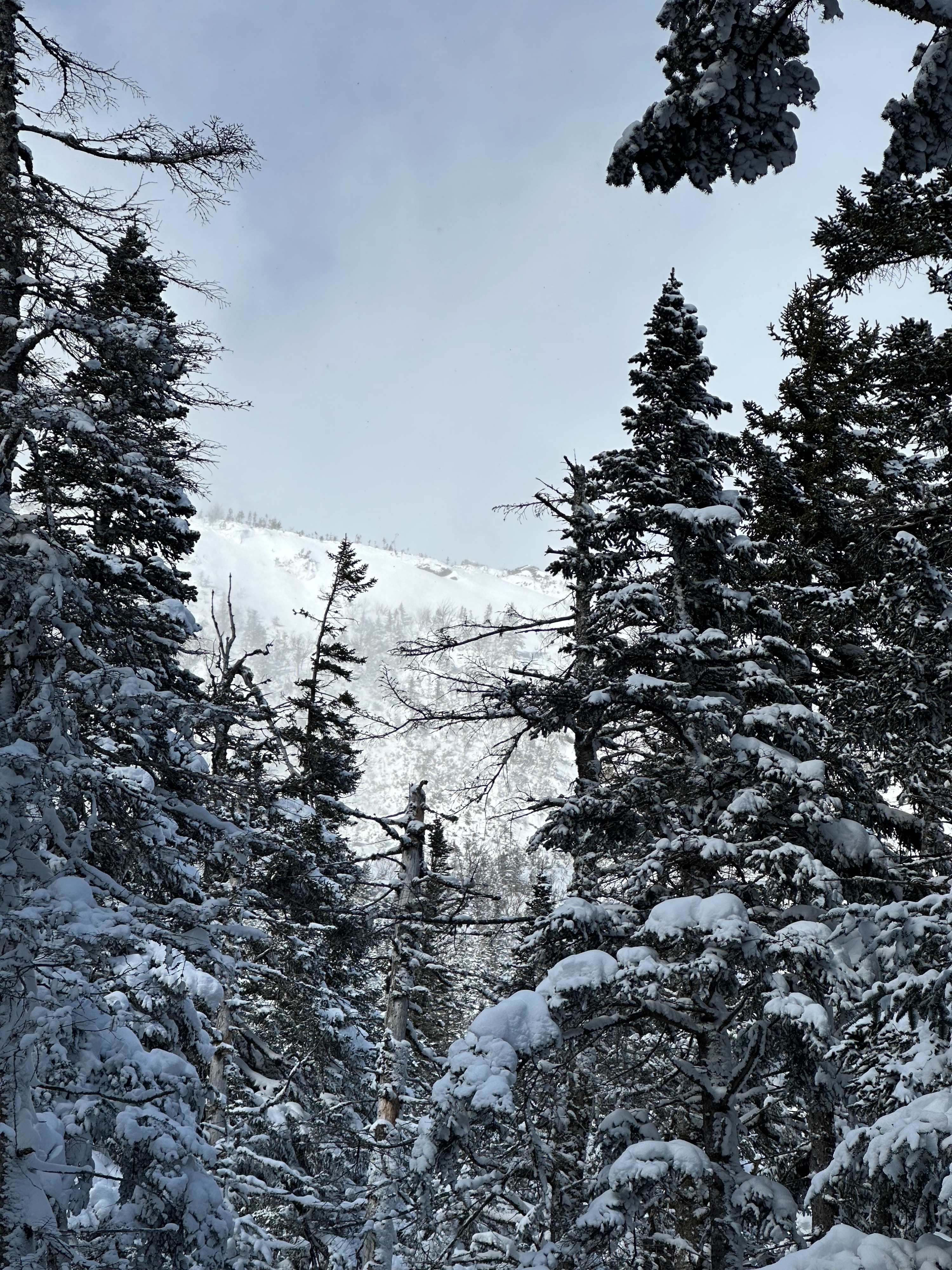
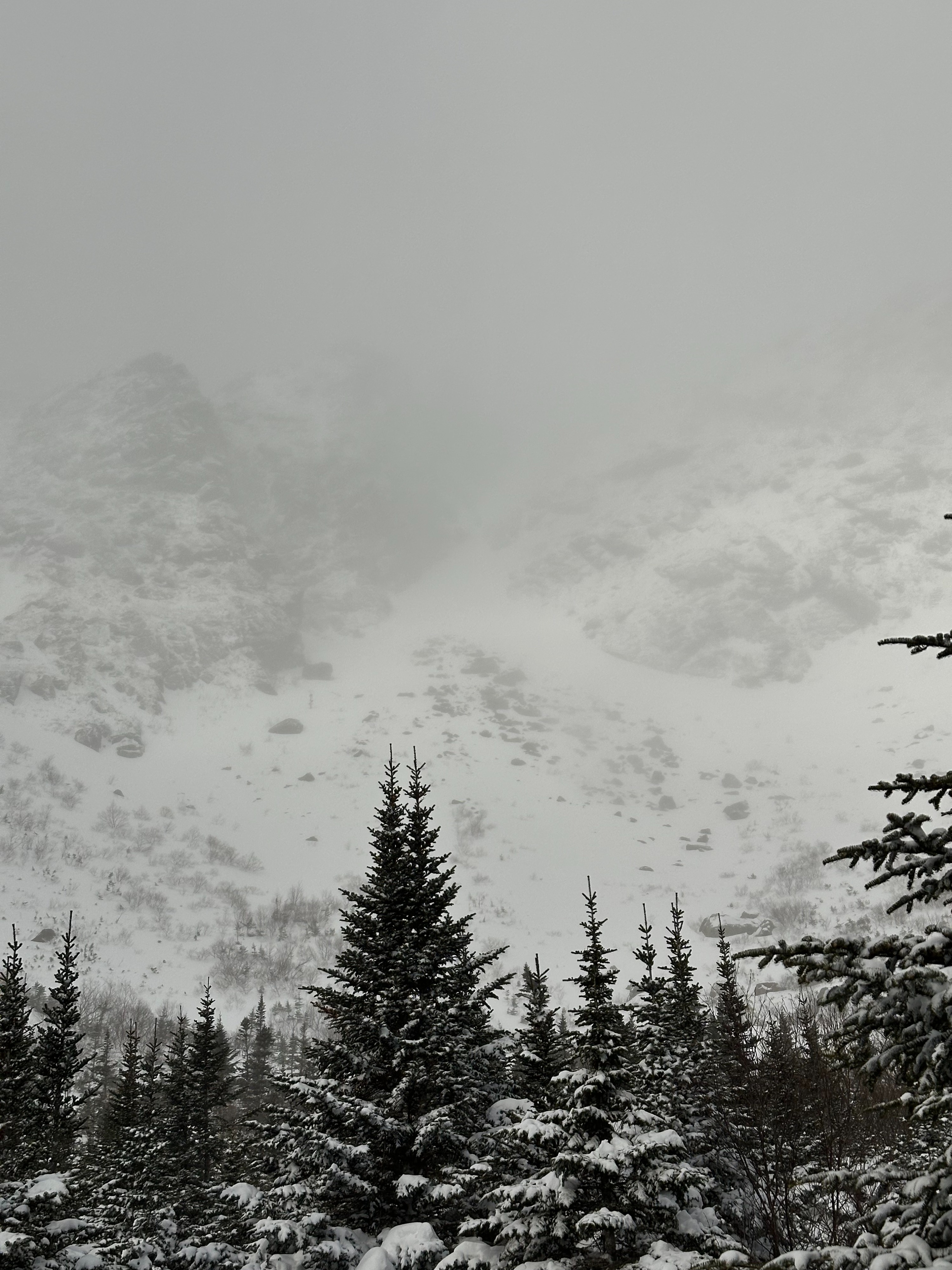
New snow and wind has been efficient at loading snow onto leeward slopes (east-facing), however, it was easy to find fresh, soft snow across all aspects. Avalanche terrain continues to become wider, longer, more planar, and more connected across broader areas, increasing the size potential for future avalanches. Notably, the Summer Lion Head Trail avalanche terrain has developed significantly presenting a potential hazard directly on the hiking trail, as well as additional overhead avalanche hazard a few hundred meters above the trail.
While I did not see evidence of recent avalanches from the past couple of days, eastern avalanche terrain appears to be loaded with new windslabs from consistent snow and recent west/northwesterly winds. The only evidence of wind scouring can be seen at the very tops of the ridgelines. Soft snow and wind slabs are the most common snow surface up to 5000 feet in elevation.
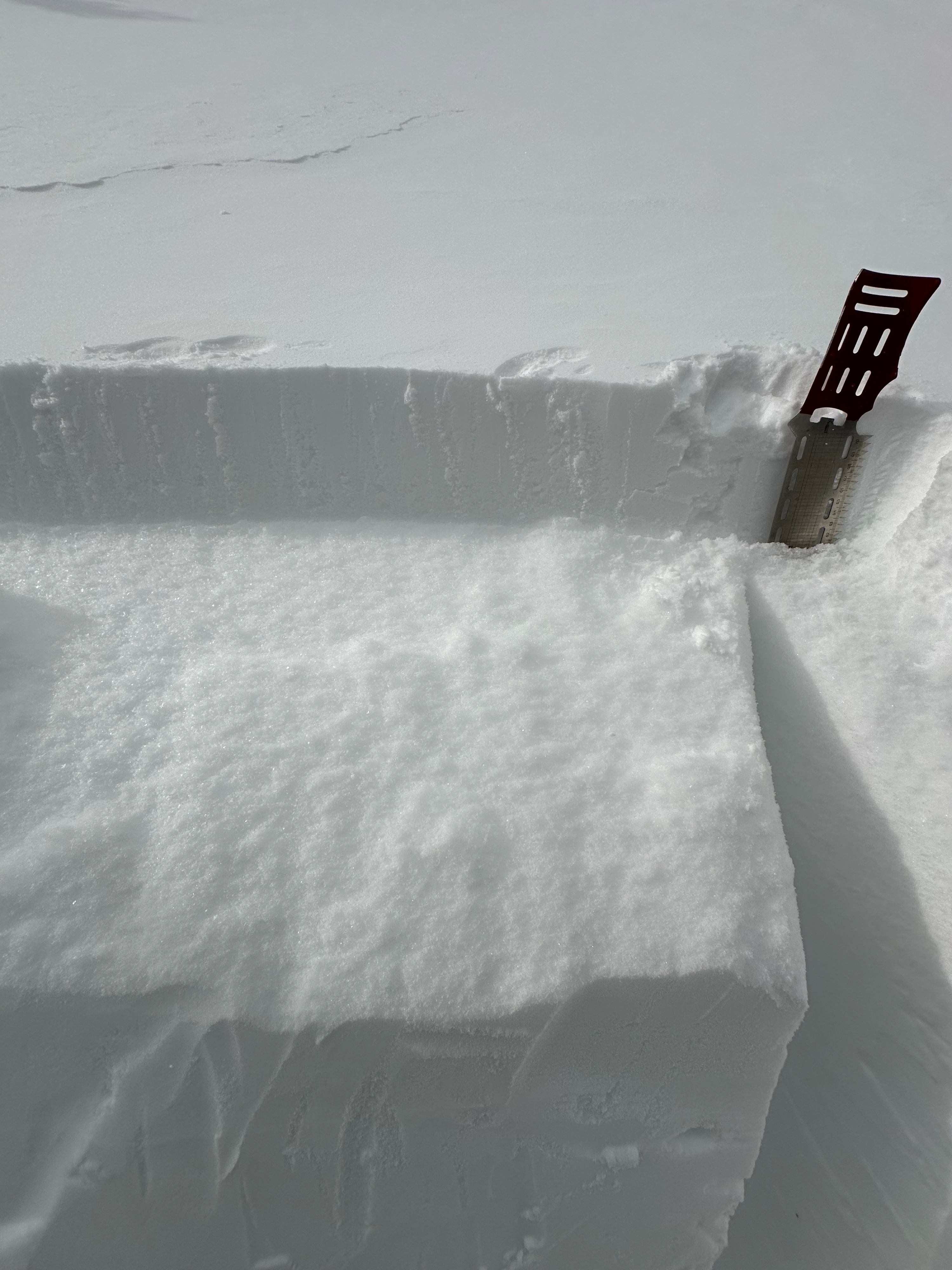
Snowpits showed reactive and stubborn results with instability tests on north and northeast facing slopes, where new wind slabs are theoretically the smallest. Multiple concerning layers were observed from the new snow over the past 36 hours and the interface between the new and old, wind slabs.
Weather
- Air Temp
- 10
- Cloud Cover
- broken
- Wind Loading
- light
- Snow Avail For Transport
- moderate amounts
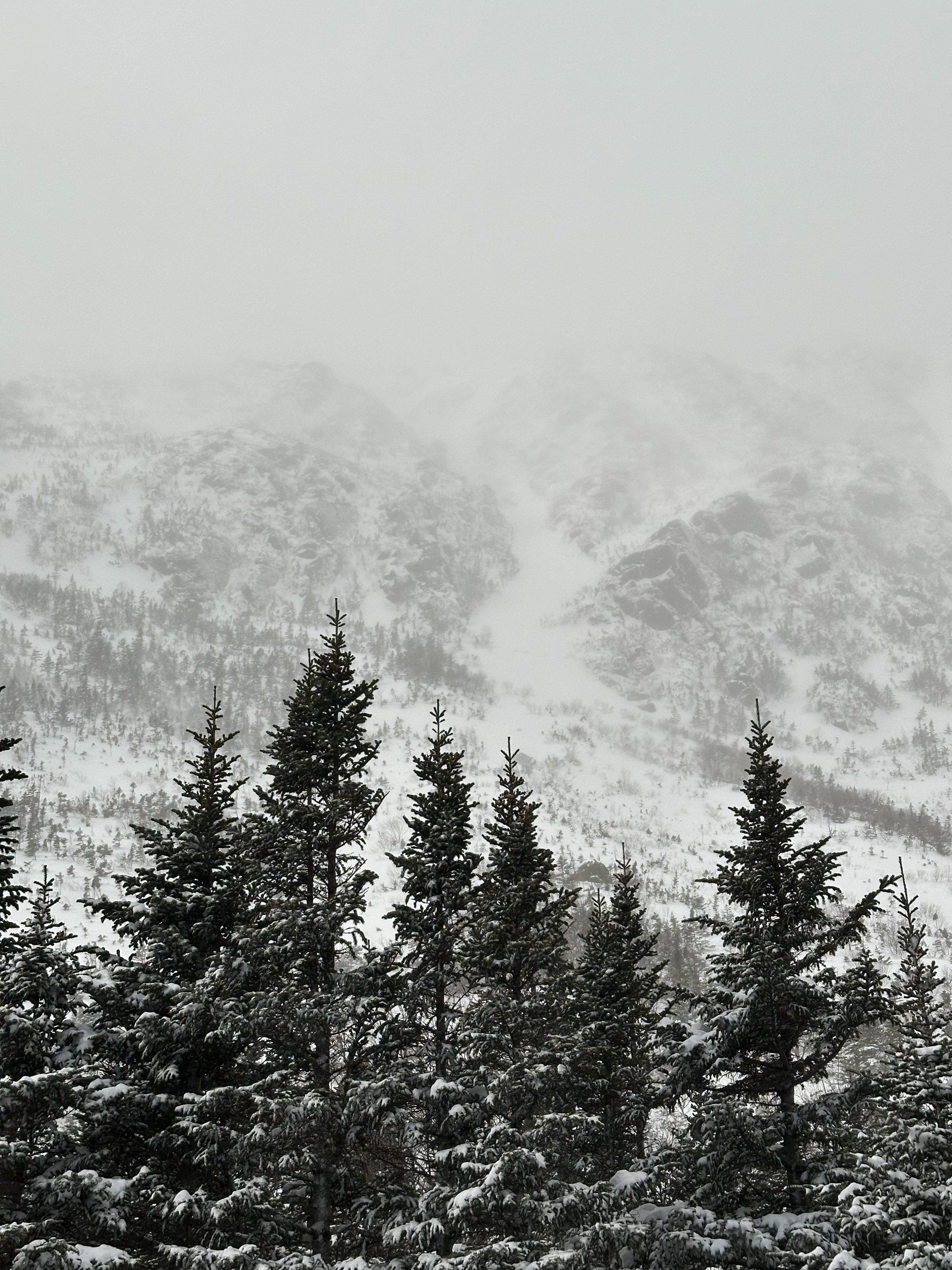
Sky conditions were broken with the ridgelines and summits mostly in the clouds, limiting visibility. Temperature stayed cold around 10 degrees. Winds were gusty with periods of calm in sheltered areas.
Snowpack
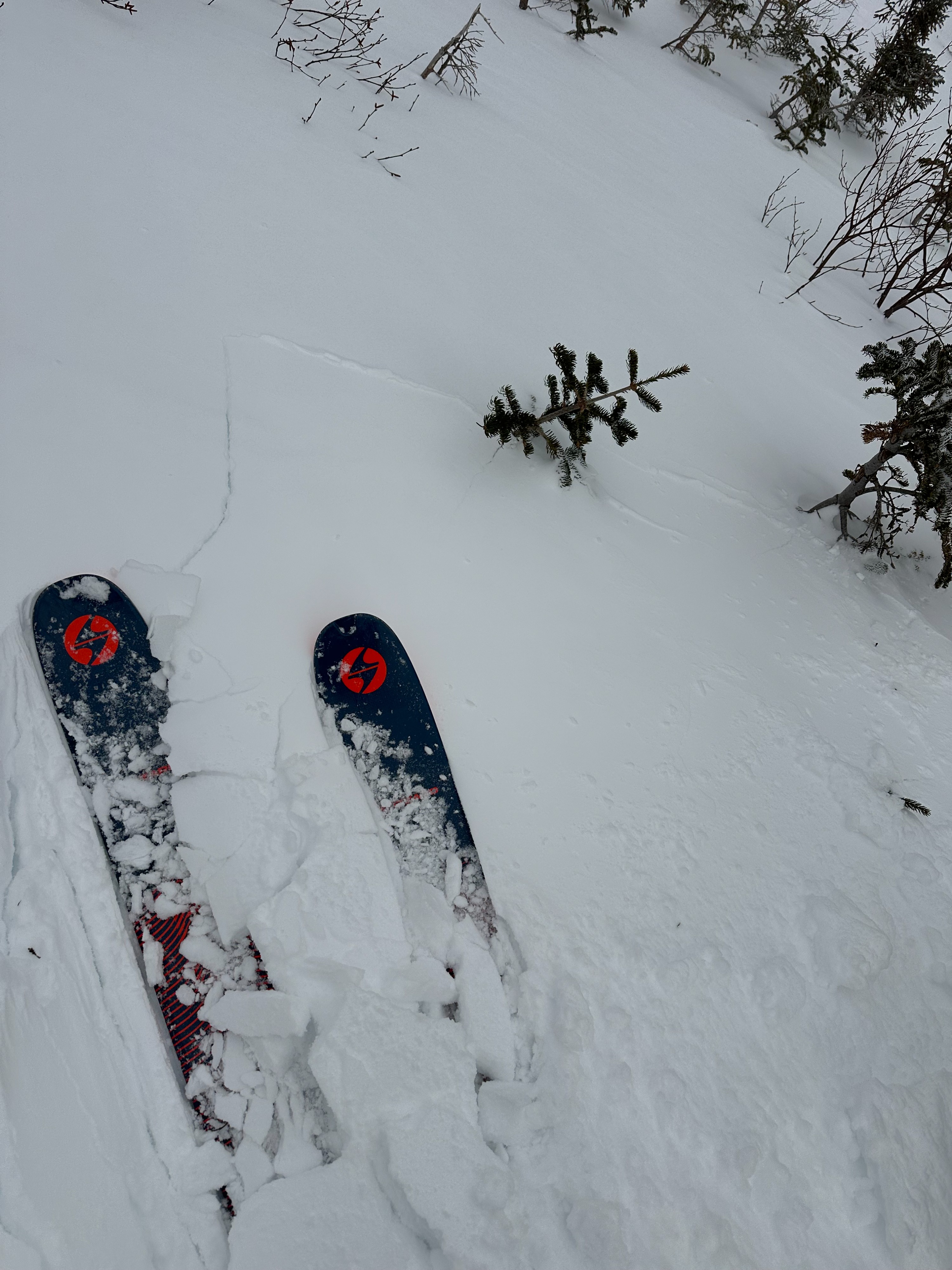
Depth and density of new wind slab was elevation and aspect dependent. Thicker, more sensitive wind slabs were observed on east aspects, while thinner wind slabs were observed in both southerly and northerly tilting terrain.
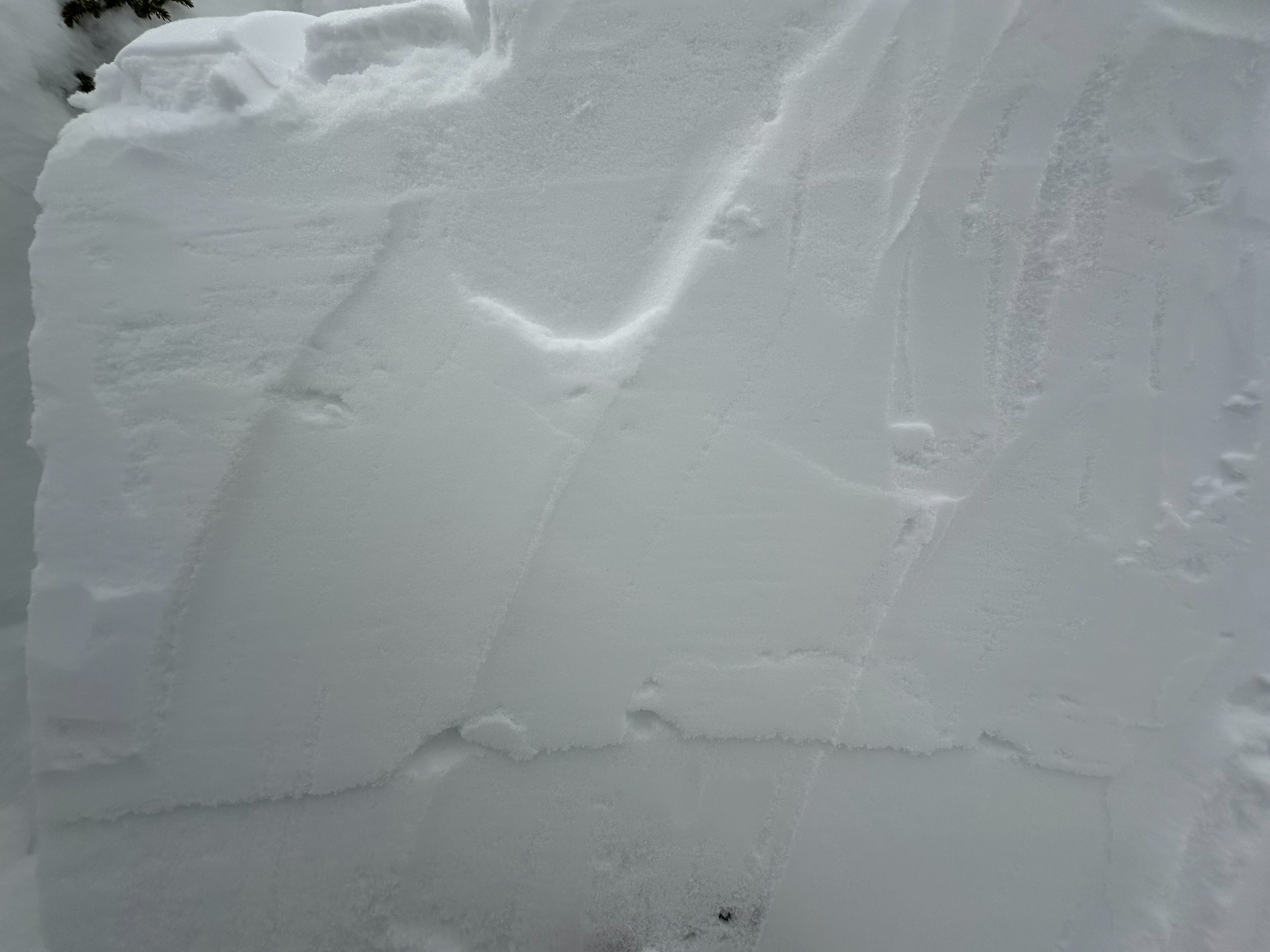
In a test pit on a northeast aspect, both reactive and stubborn results were observed at two separate layers of concern.
The first result was an ECTPV down 10cm. This soft layer of very new wind slab failed on isolation of the test column. Keep in mind this layer was reletively low in the terrain and I suspect this layer to be thicker and more cohesive with increase in elevation. The layer also produced multiple easy hand sheers during my tour.
The second result was an ECTP27 down 70cm. This test failed on a weak interface between recent and older wind slab. While this was a stubborn result, the column that failed had a clean sheer, firm bed surface, and was a dense, hard slab.
I did not find evidence of the buried facet layer on top of the December rain crust in this location.