
Quick report
- Cracking
- isolated
Important lessons were learned today with a close call (summary and takeaways in the avalanche summary section). Prior to triggering a large avalanche with an unintentional cornice break, we did not observe any signs of instability other than some minimal cracking in small 2-3" wind slabs on leeward slopes. Although persistent weak layers still exist on all upper elevation aspects, they are buried deep within the snowpack, and we did not get propagation in any ECTs.
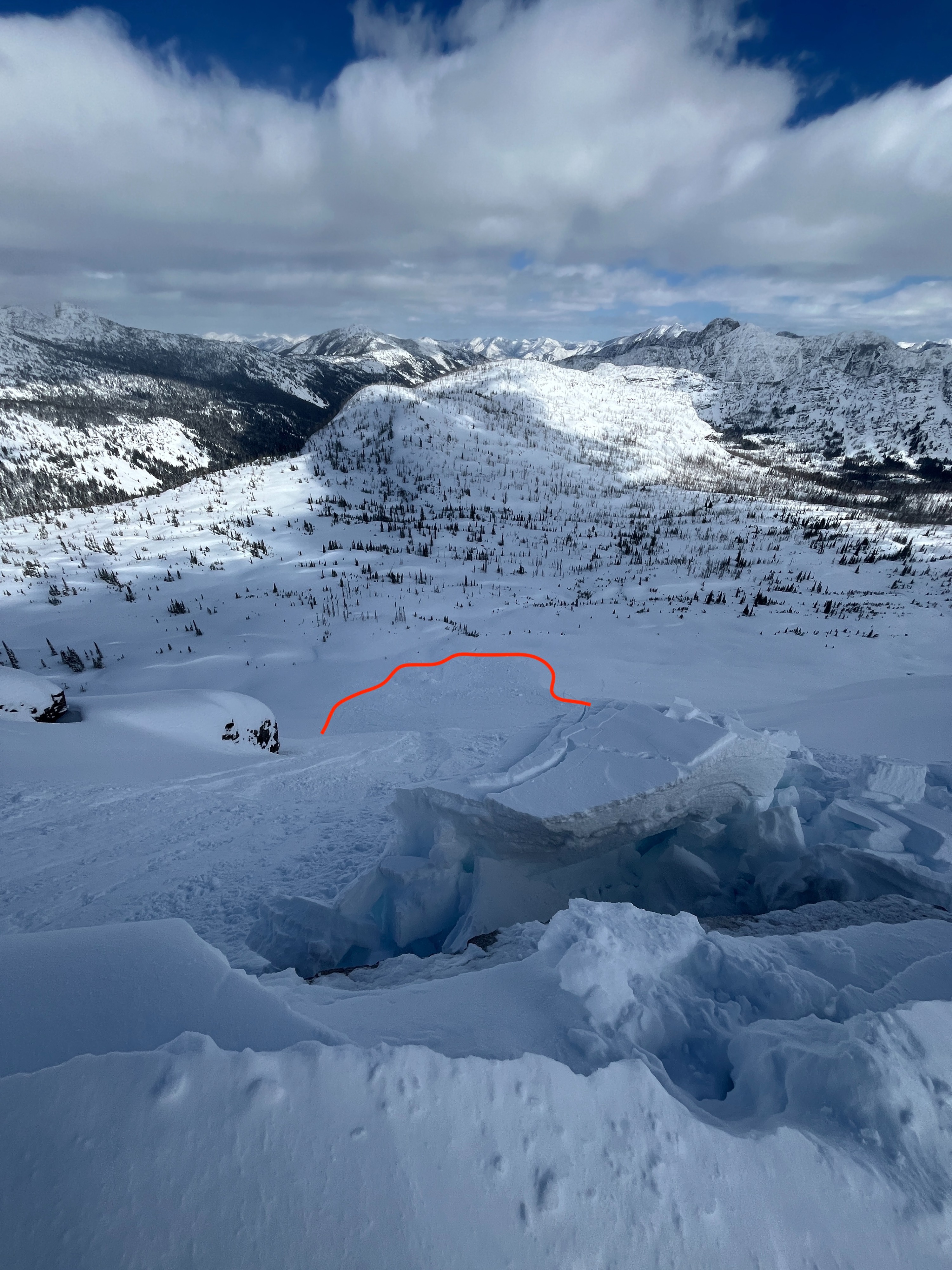
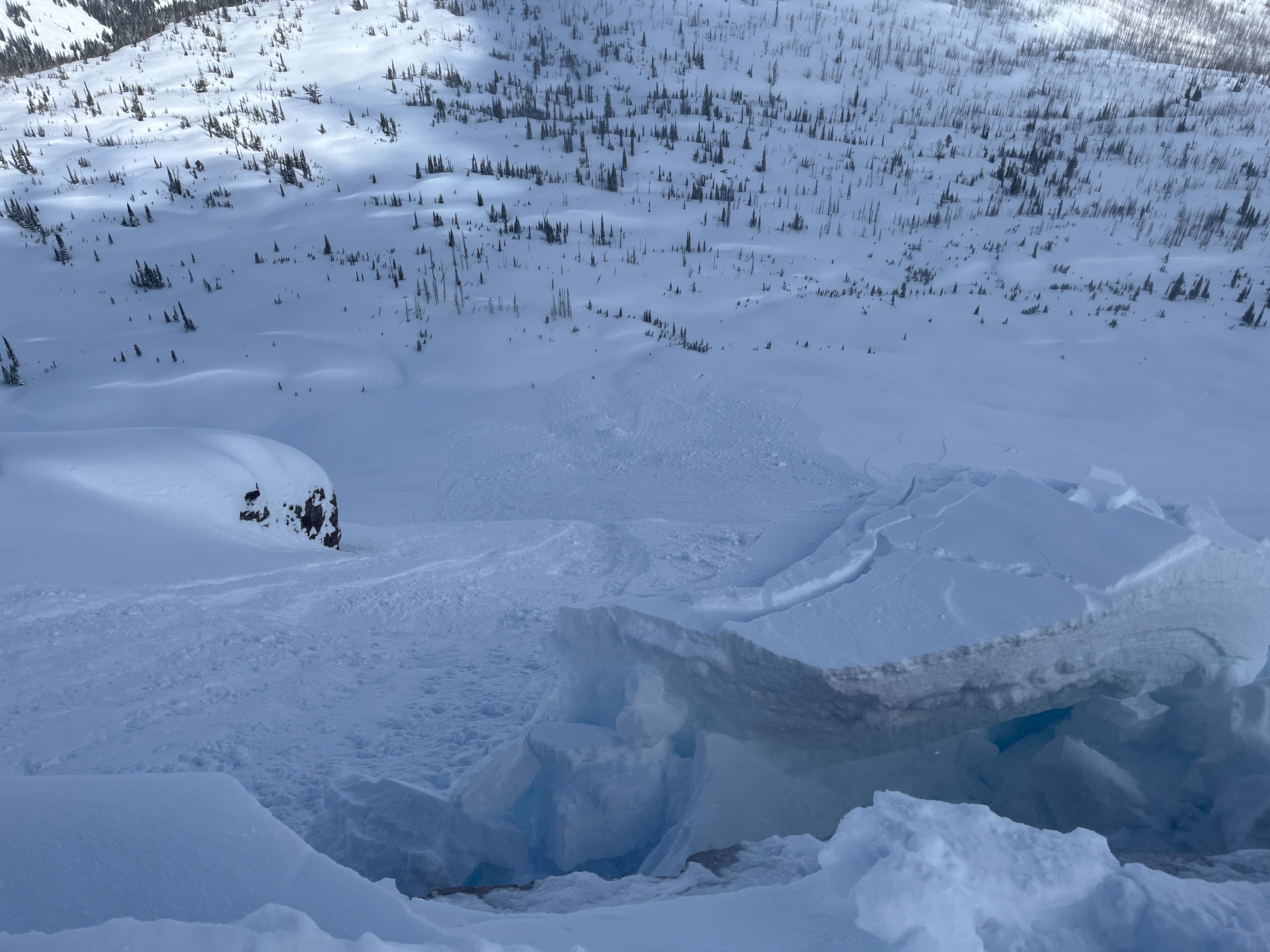
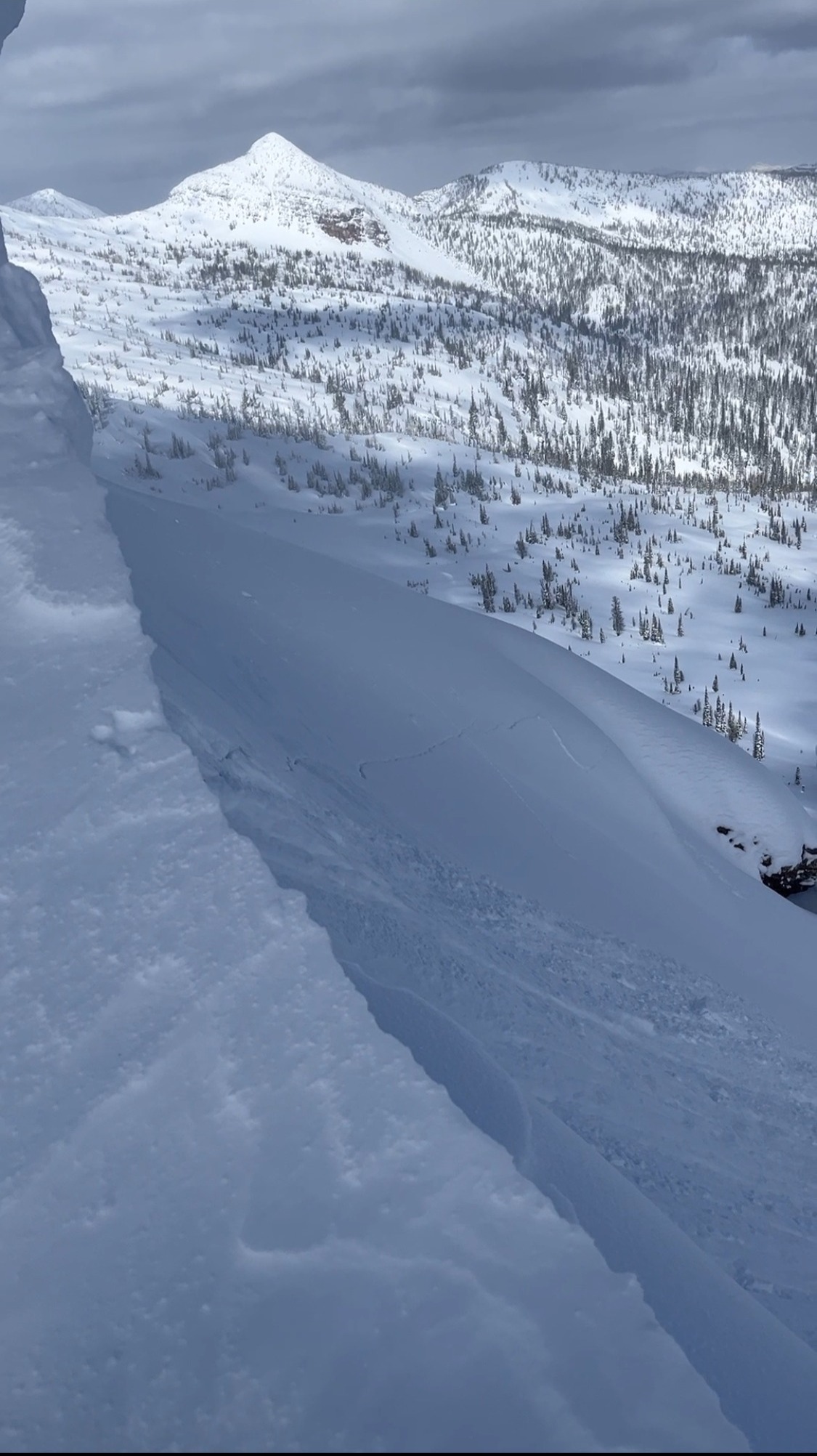
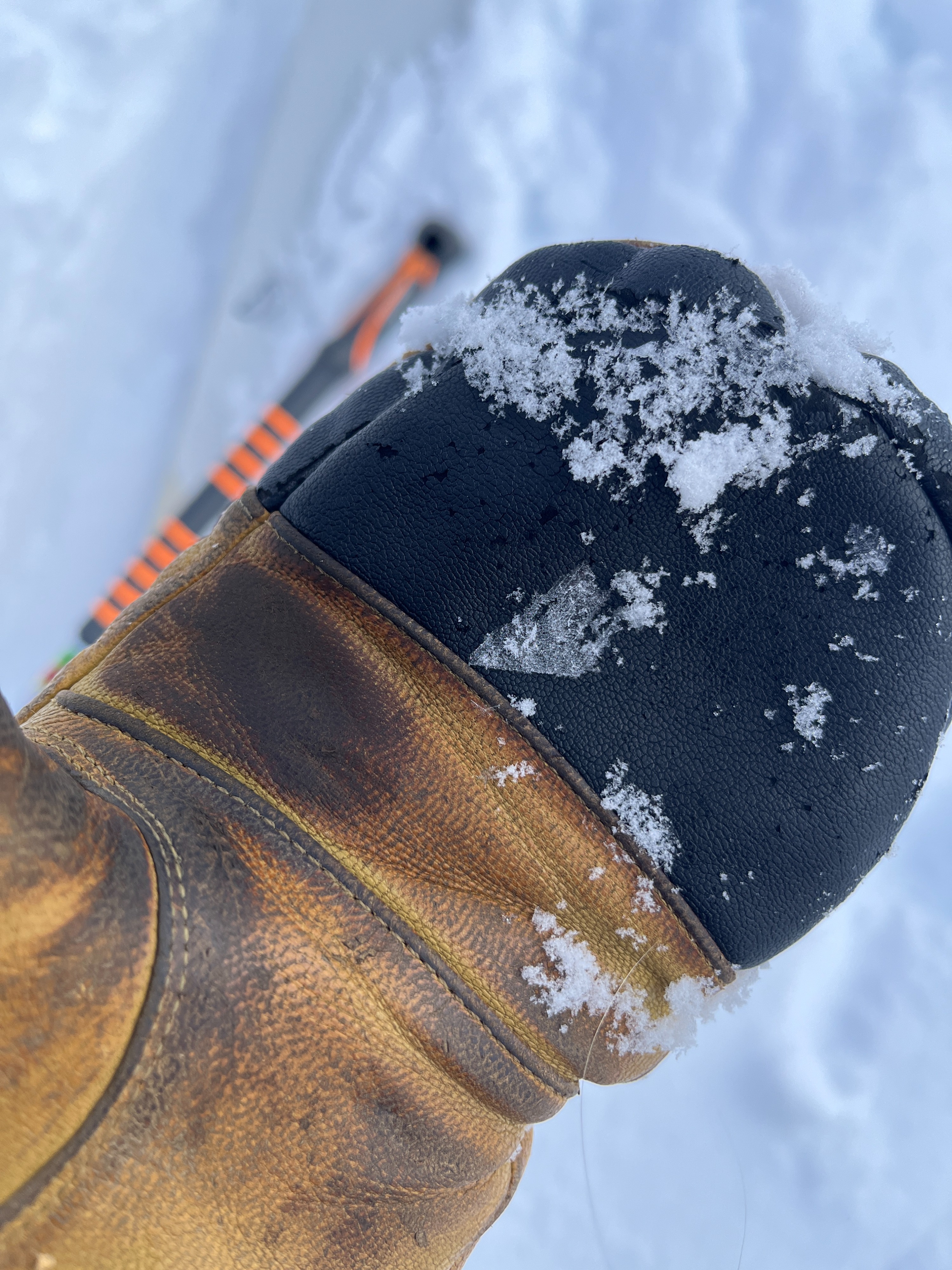
A cornice break stepped down and triggered a large wind slab avalanche on an NE-E aspect. Prior to this, we only saw minimal cracking in 2-3" wind slabs at the surface. We also observed extensive dry loose sluffing in steep, west facing terrain that we skied.Weather
- Air Temp
- 13
- Cloud Cover
- scattered
- Wind Loading
- light
- Recent Snowfall
- 40
- Snow Avail For Transport
- moderate amounts
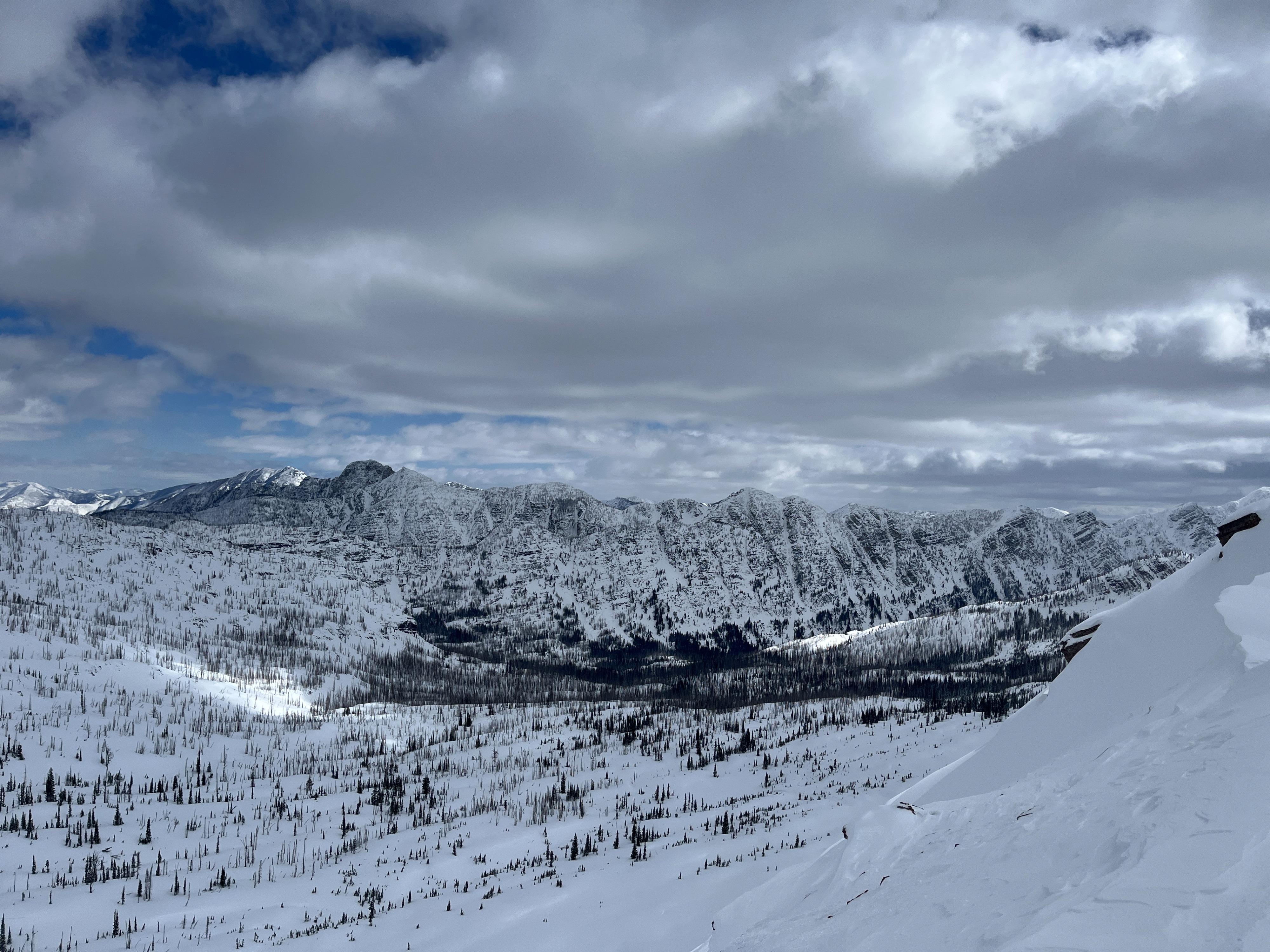
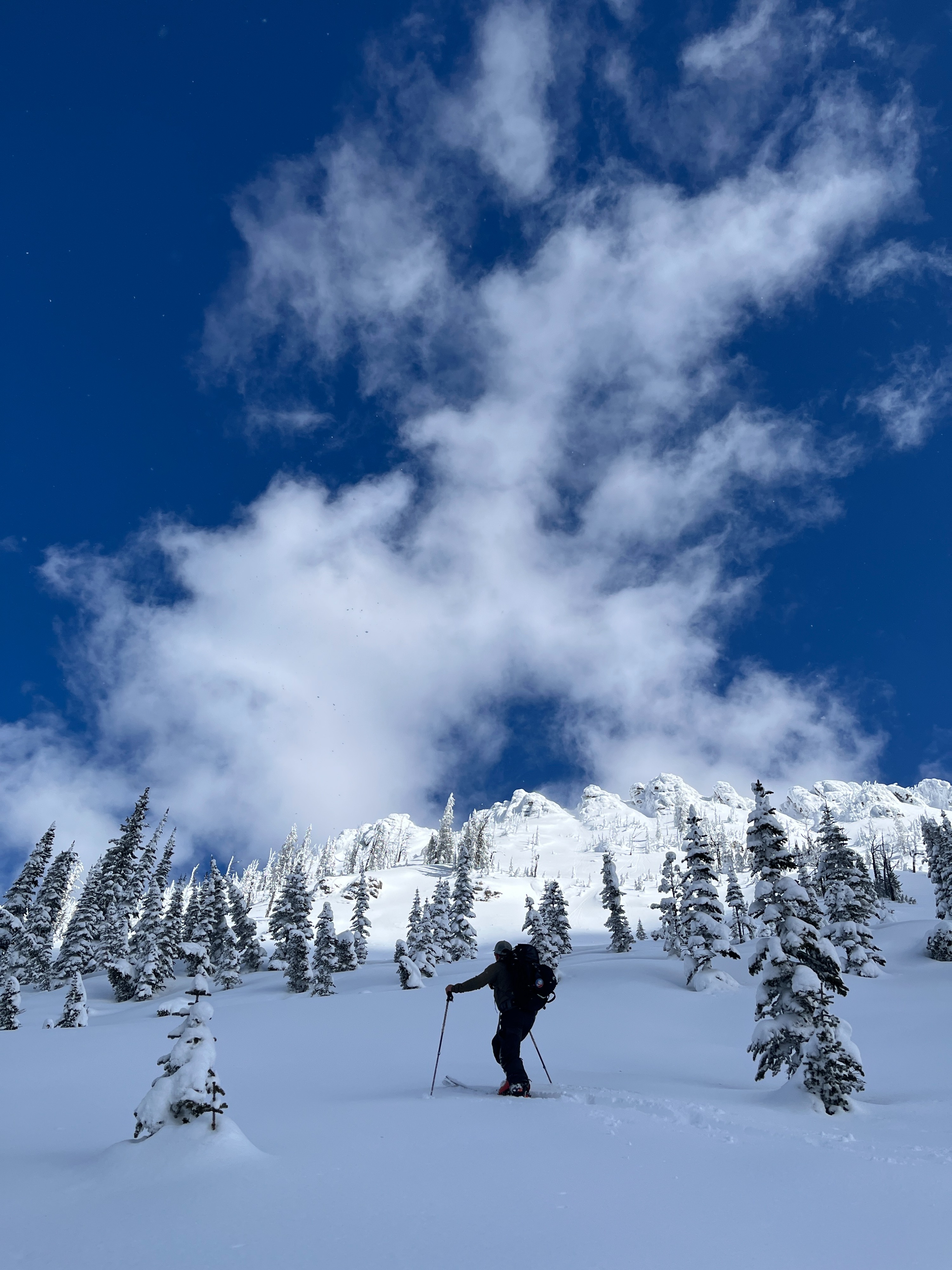
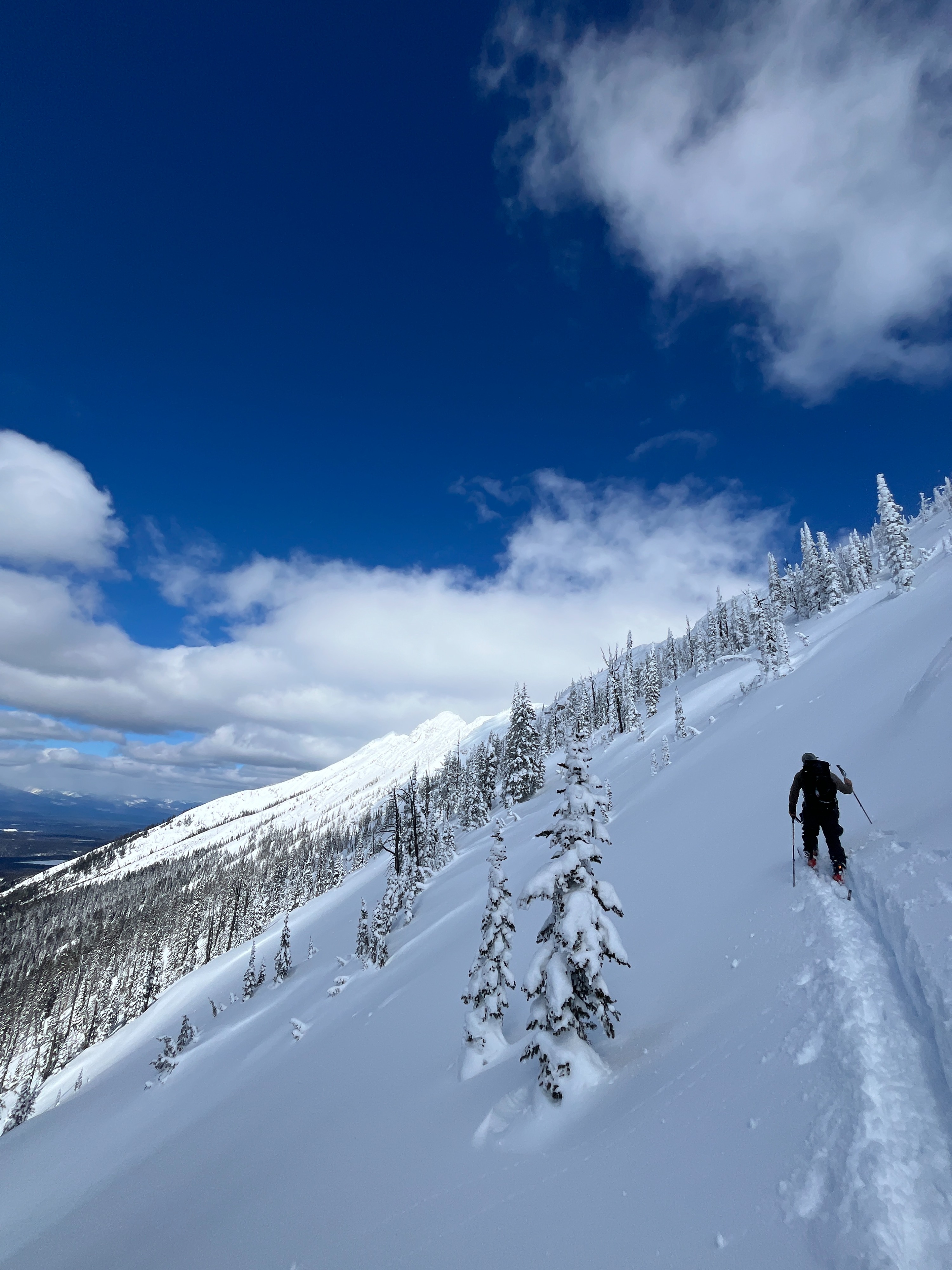
The sky was partly cloudy all day. Temperatures remained below freezing at all elevations. The wind was light and from the west, with moderate gusts at ridgeline. There was significant previous wind loading in addition to current light wind loading onto north and east aspects.
Snowpack
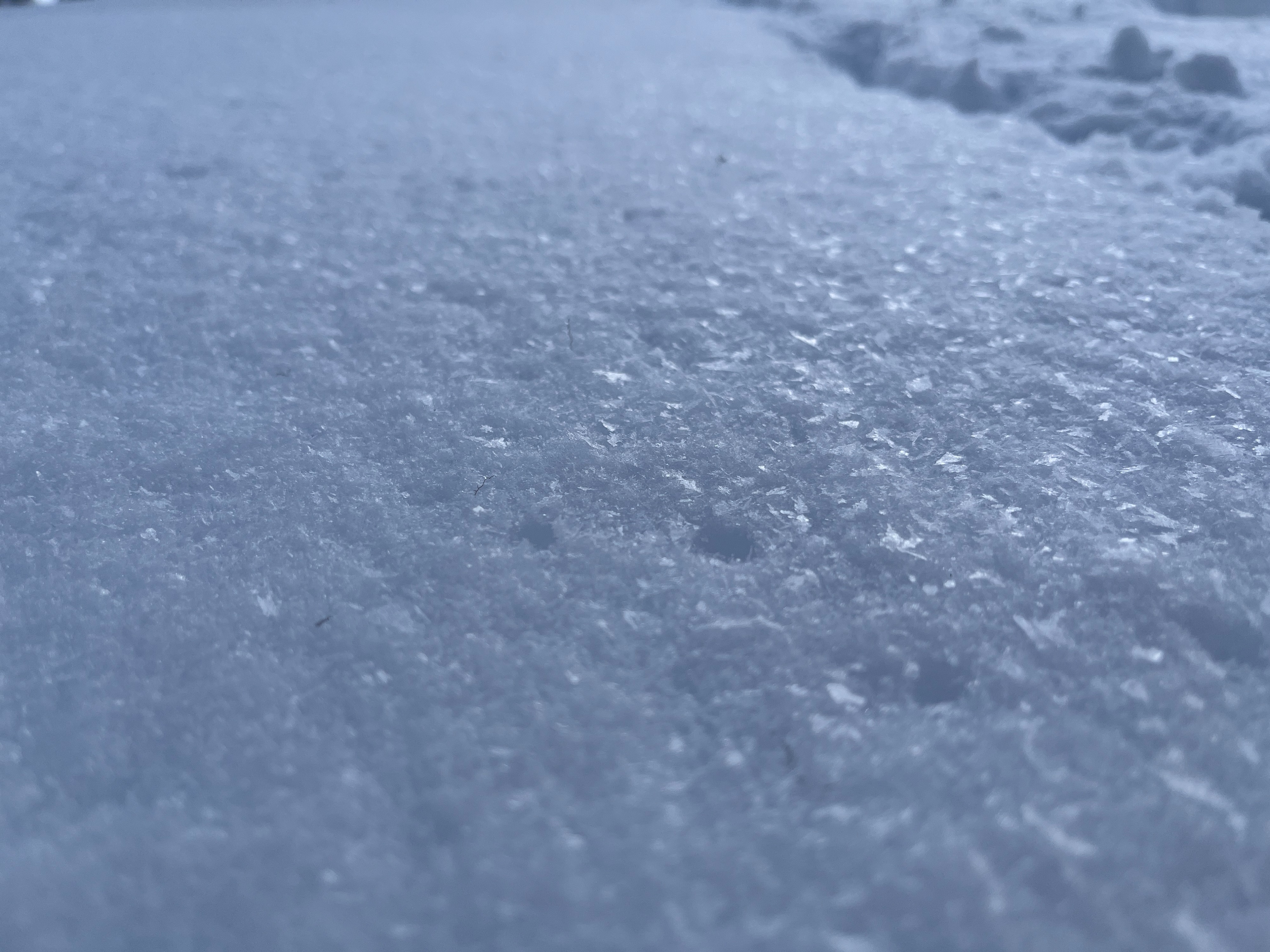
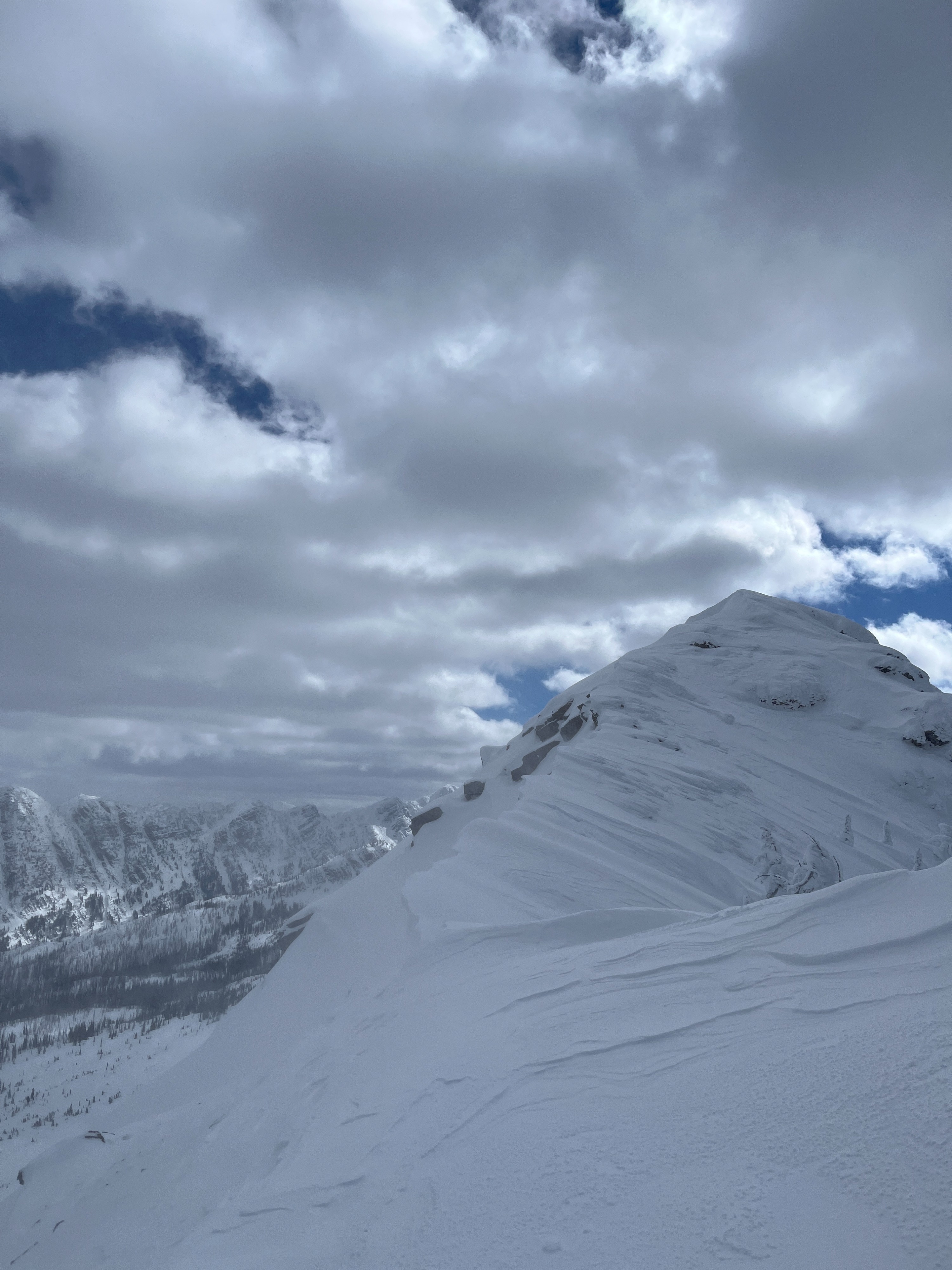
There is still minimal snow at lower elevations. However, at middle and upper elevations, snow coverage and depth improve significantly. There was about 15" (40cm) of low density new/recent snow in areas that had not been heavily wind affected. We noted large surface hoar growth in open terrain on west aspects that had been knocked over. There are large cornices along the north and east sides of all ridgelines. The snow remained cool and dry at all elevations throughout the day.
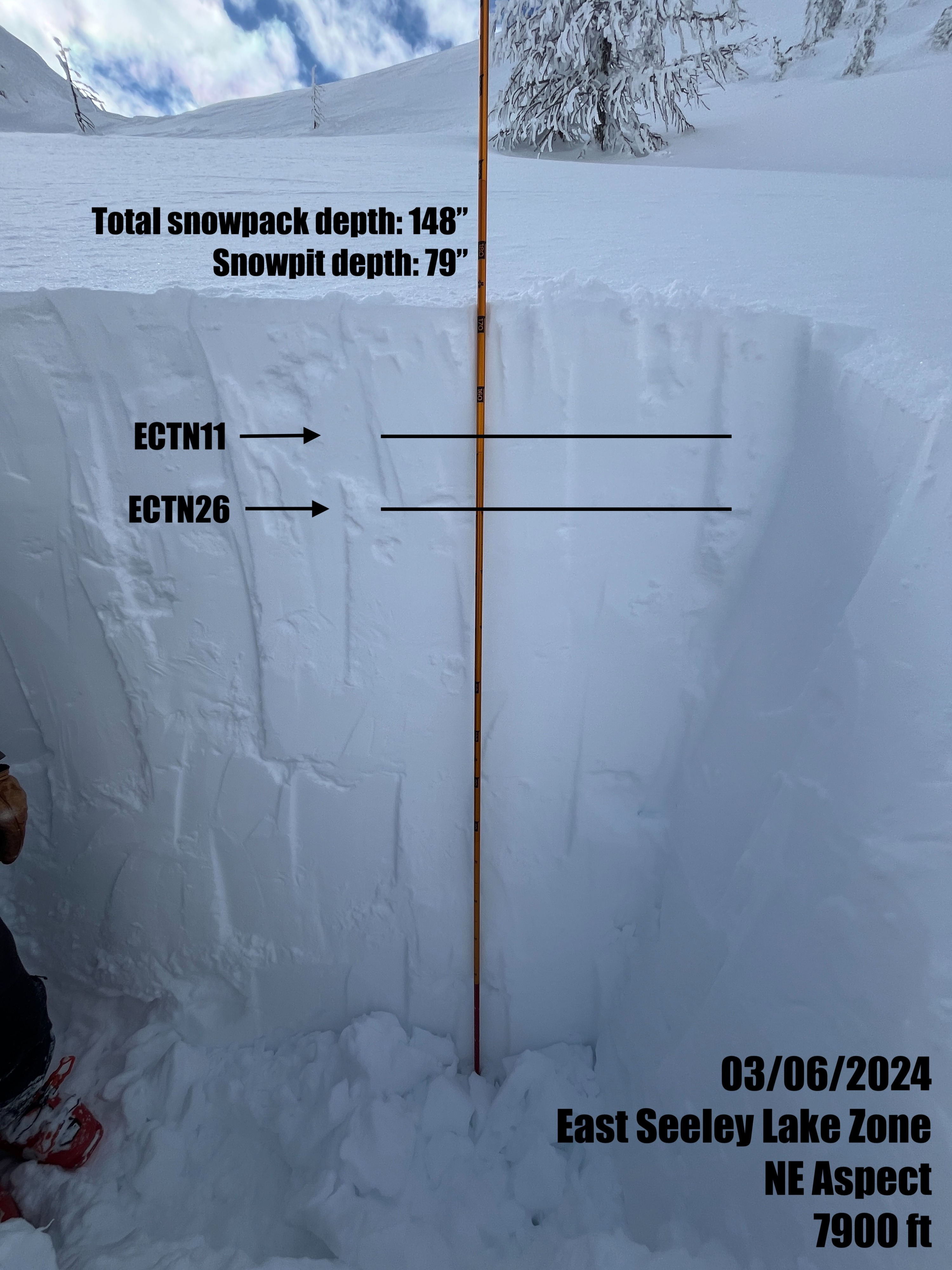
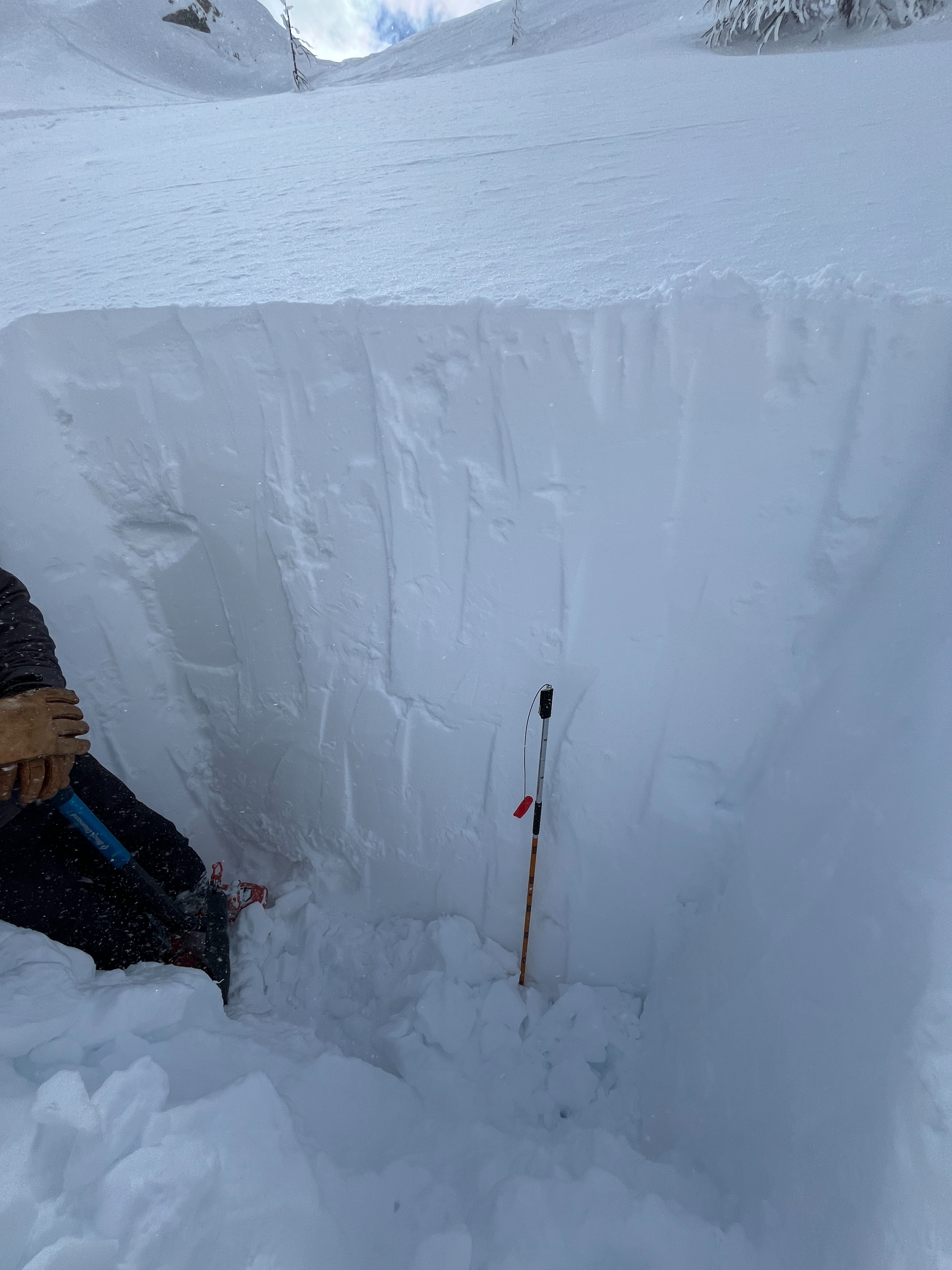
We dug our first pit on a northeast aspect at 7900'. The depth of this pit was a little over 12' (375cm). This location had been previously wind loaded. We dug down about 175cm and found a generally cohesive four finger (4F) to one finger (1F) slab. We performed an extended column test and first got a moderate non-propagating result 20cm down (ECTN11) and then another hard non-propagating result 30cm down (ECTN26).
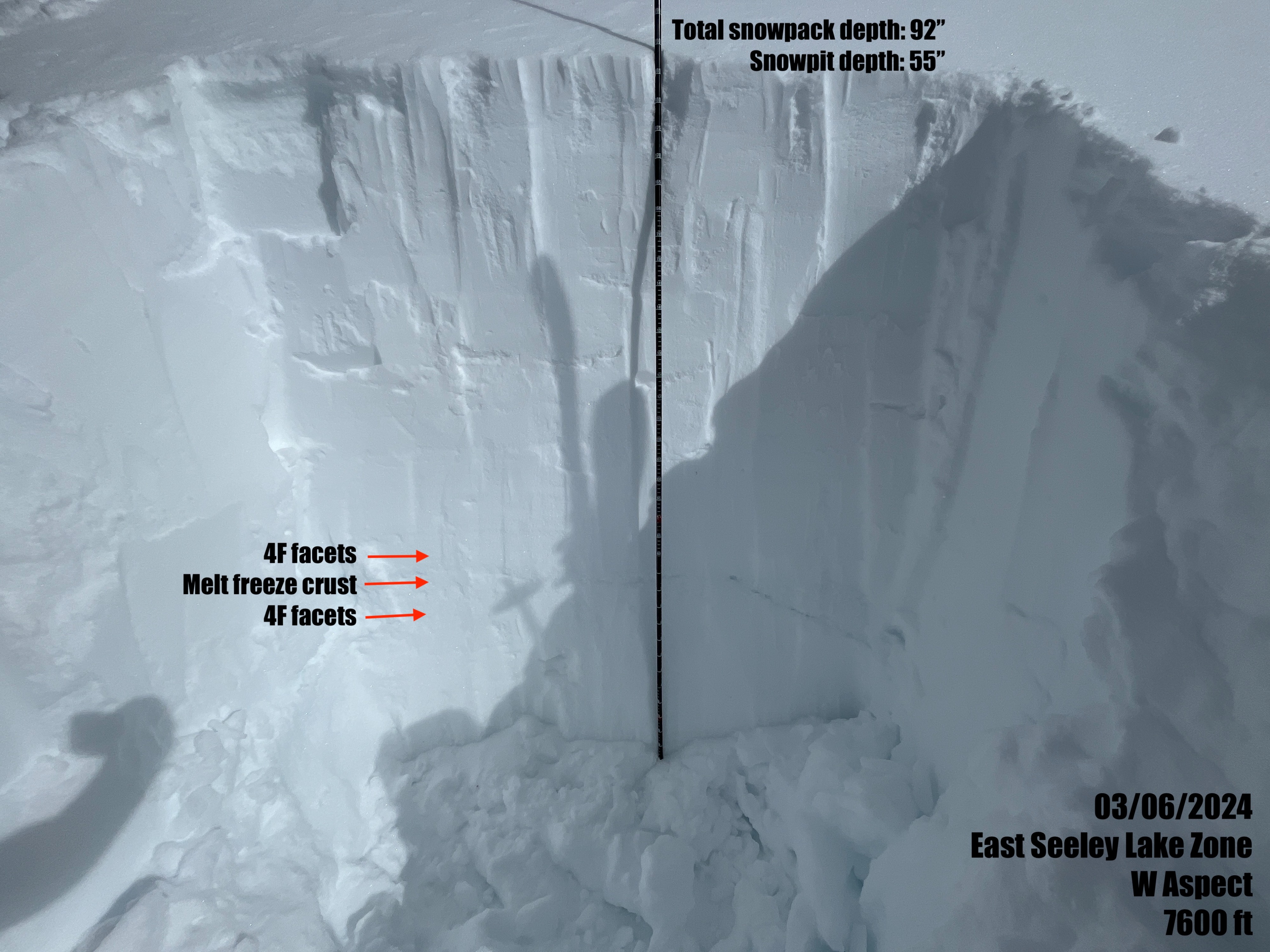
We dug our second pit on a west aspect at 7600'. The depth of this pit was close to 8' (235cm). We found a knife hard crust with small 4F hard facets above and below it 114cm down. We did not get results in an extended column test (ECTX), and the ECT block broke away from the pit wall with some moderate tugging on the shovel in the facets above the crust.
Avalanche
- Size
- D2
- Type
- SS
- Aspect
- E
- Trigger
- AC
- Elevation
- 7900 ft
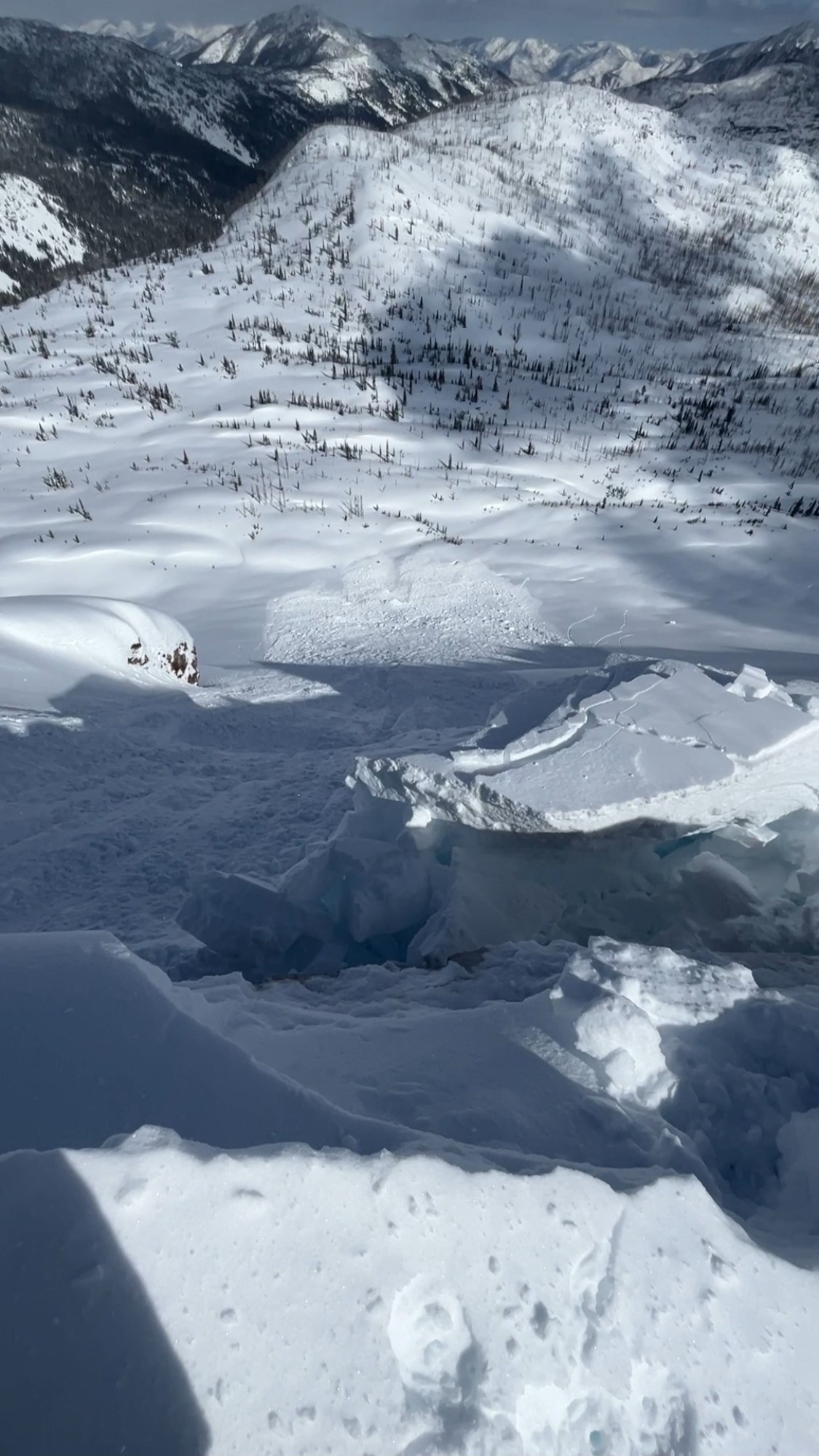
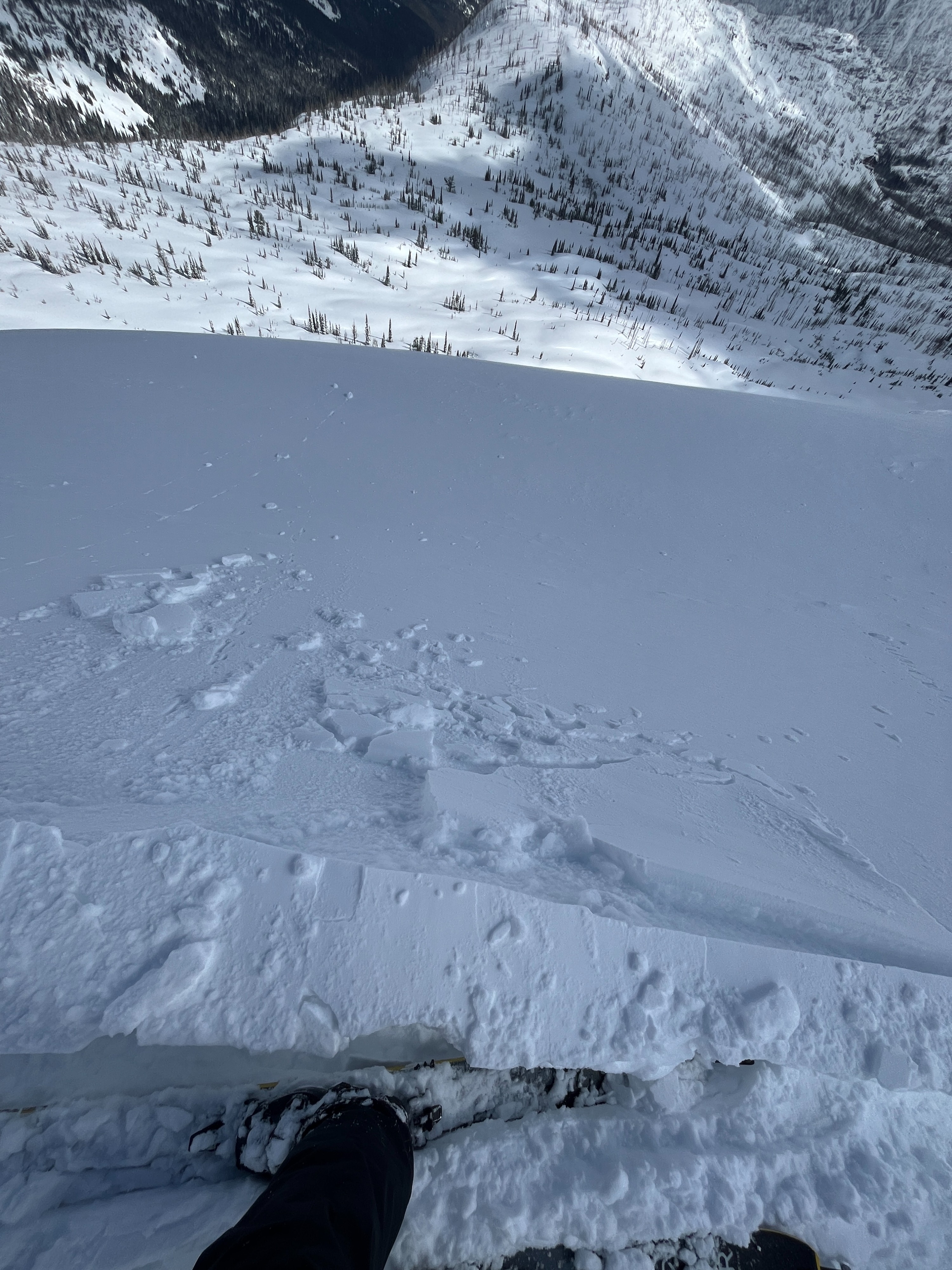
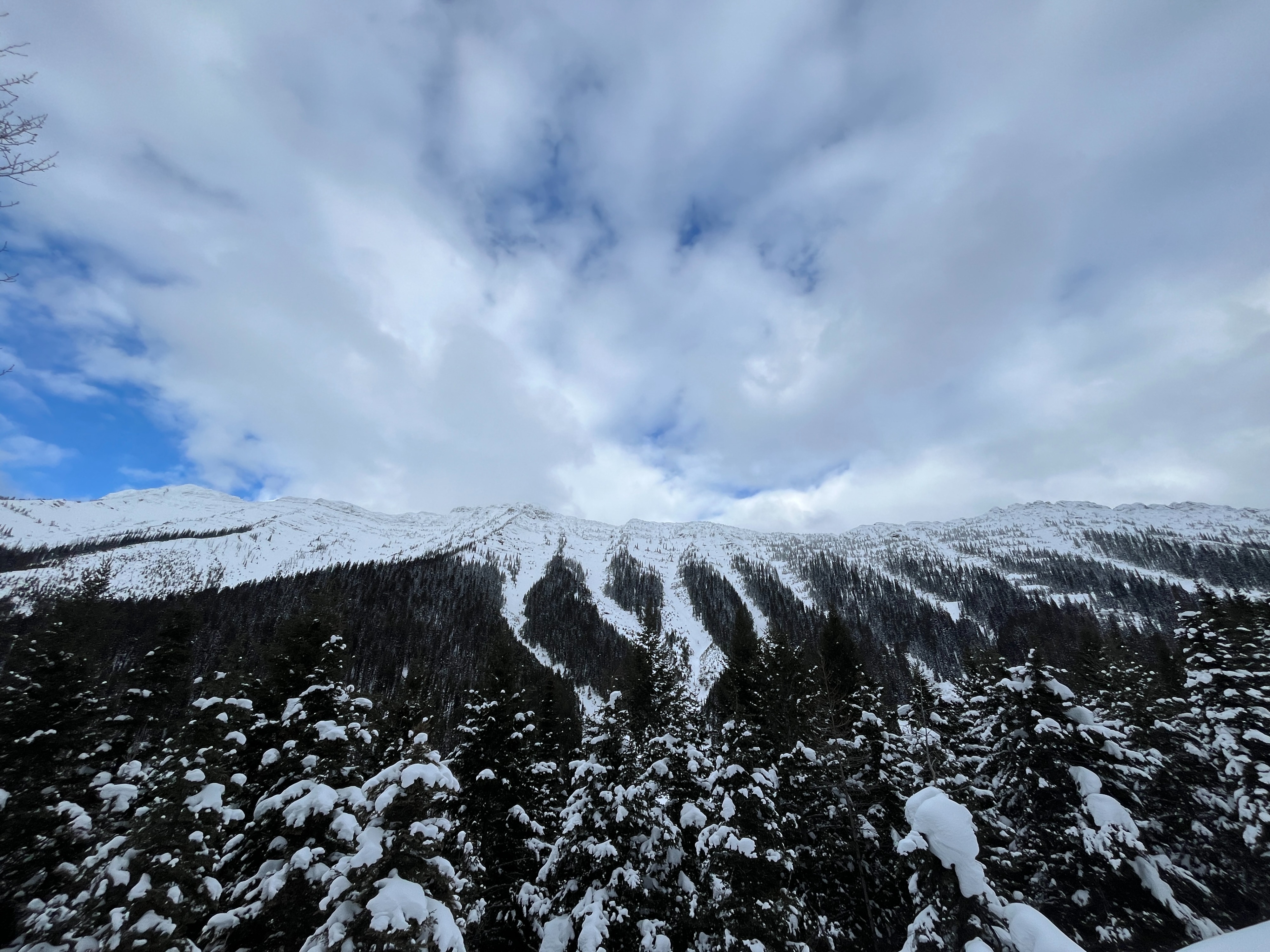
Today, we unintentionally triggered a cornice fall that sympathetically triggered a large (D2) avalanche. We were traversing on foot with our skis on our packs along the Swan ridge (above the Ferndale slides). We were walking slowly and what we thought was far enough away from large cornices that had developed all along the east side of the ridgeline. A cornice approximately the size of a truck broke right at both myself and my partner's downhill feet. We both felt our downhill foot slip out from under us, but we both remained standing on the ridge. A large crack propagated right underneath where the cornice fell but did not release. Half of the cornice that initially fell, as well as some small and soft surface snow, broke away and continued downslope. It went over a small cliffband, and when it hit, it triggered a large (D2) avalanche. The avalanche was approximately 300' wide and ran full path. Unfortunatly we could not see the crown of the avalanche as it was just below the cliffband. We'd elected not to go investigate due to lingering hangfire: a large chunk of cornice that did not slide, the initial crack that the fall created, as well as other cornices that were still in tact but large and overhung. We suspect, due to the size of the avalanche debris, that the avalanche was a wind slab avalanche. We had dug a pit on a similar aspect minutes before and found no persistent weak layers within the top 200cm so we think the avalanche released within a slab of wind loaded snow. We had not seen any signs of instability, such as cracking and collapsing, leading up to the avalanche; even in wind loaded snow. Where my partner was walking when the cornice broke was actually on rock. Where I was walking was not but I wasn't walking any further over onto the cornice than he was. After a debrief with each other, my partner and I came to some important conclusions about this near miss. The most notable is cornices break further back than you might expect. Yes, this is a very well-known phenomenon within the avalanche world, but you just can't always understand just how far back a cornice can break without seeing it in action, under your very own feet (which neither of us had before). We believe that we also fell into a bit of a familiarity trap. We've both spent a lot of time traversing ridge lines in the winter and observing cornices without incident. We may have just gotten too comfortable in the thought that the cornice wouldn't break simply because we've spent so much more time in places where cornices haven't broken. This was an important wake-up call for my partner and me to heed more caution even when moving in terrain that feels safer only because it isn't a big, steep, avalanche-prone slope. It was also very interesting to see that despite a day of seeing no signs of instability, a large cornice was able to trigger a large avalanche still. It definitely makes for some interesting and thoughful conversations about risk tolerance.