
Quick report
- Cracking
- isolated
The persistent slab problem remains the primary concern. Obvious signs of instability are becoming isolated, and the sensitivity has decreased, but the distribution is widespread, and the consequences remain high. Avoidance remains the best strategy to manage the problem. Incoming warm temperatures and rain may increase the sensitivity again.
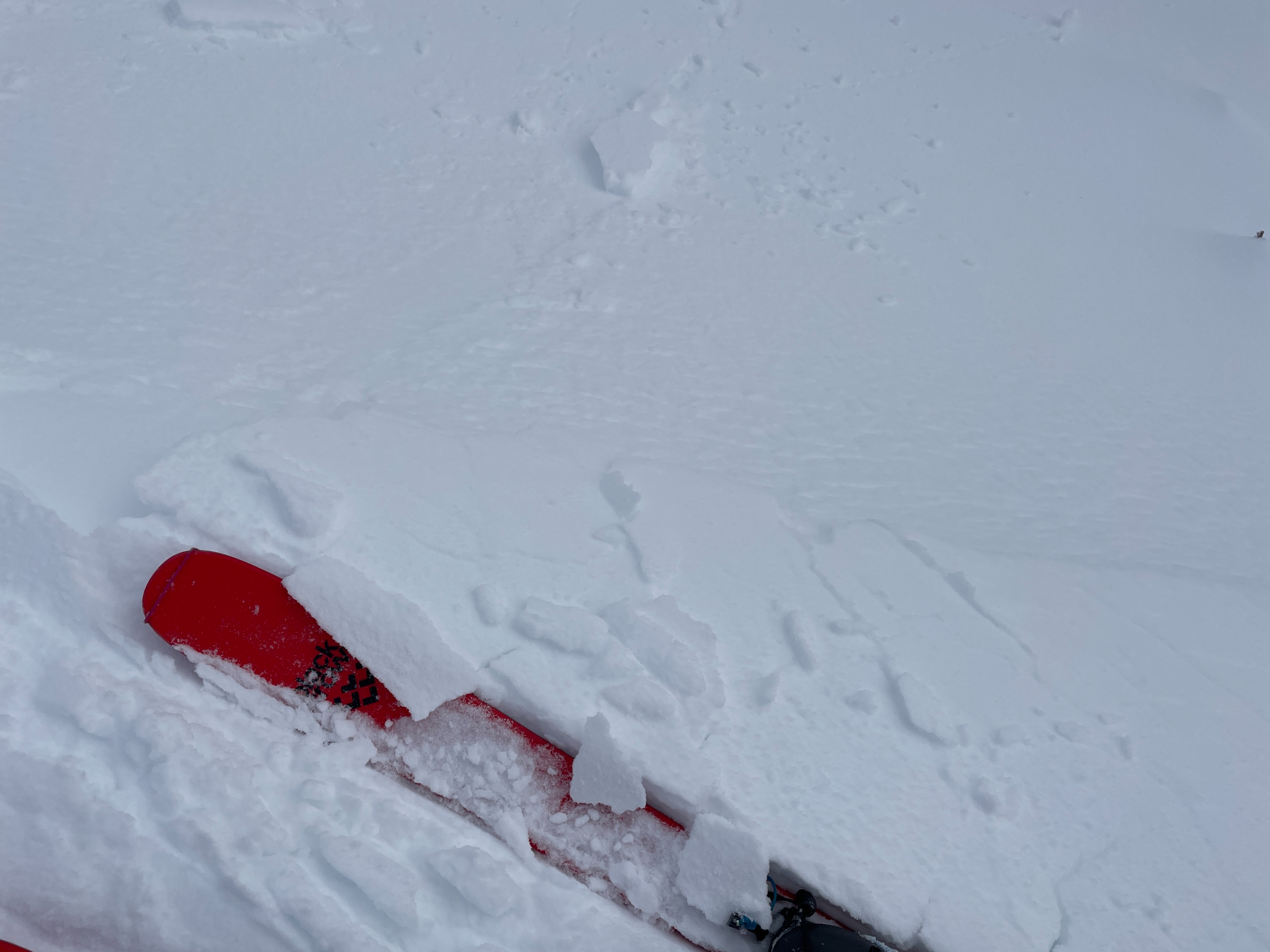
I observed isolated, very minor, and thin cracking in the recent snow in wind-loaded areas. I did not observe more significant cracking or collapsing on deeper buried weak layers.Weather
- Air Temp
- 29
- Cloud Cover
- broken
- Wind Loading
- none
- Recent Snowfall
- 3-5 cm
- Snow Avail For Transport
- small smounts
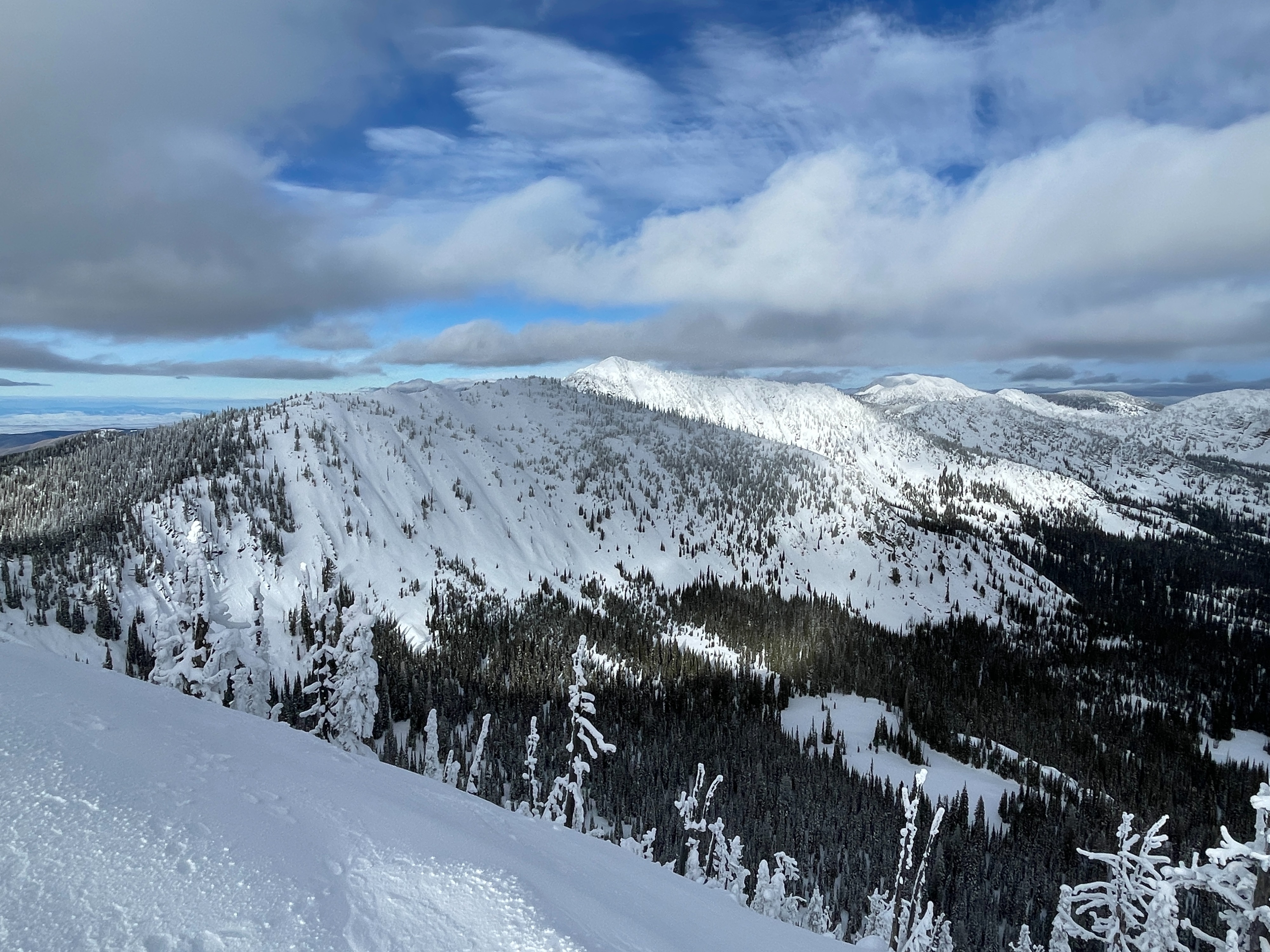
It was a nice day with warm temperatures, light southwest winds, and broken skies with some sunshine. There was 1 to 2 inches of recent snow.
Snowpack
At upper elevations, there was 1 to 2 inches of recent snow resting on a thin breakable crust from recent warm temperatures. I observed widespread old rollerball activity on steep slopes.
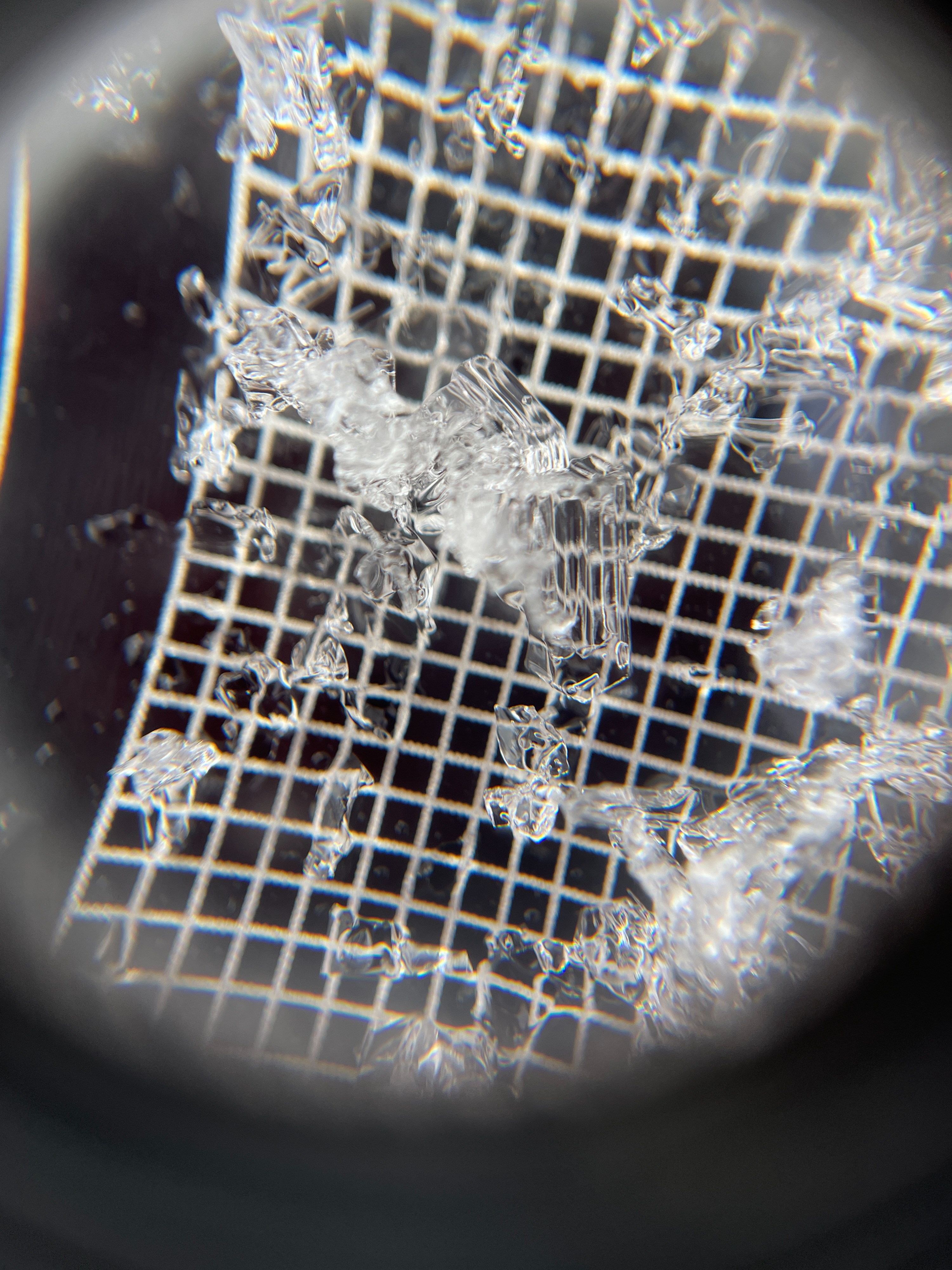
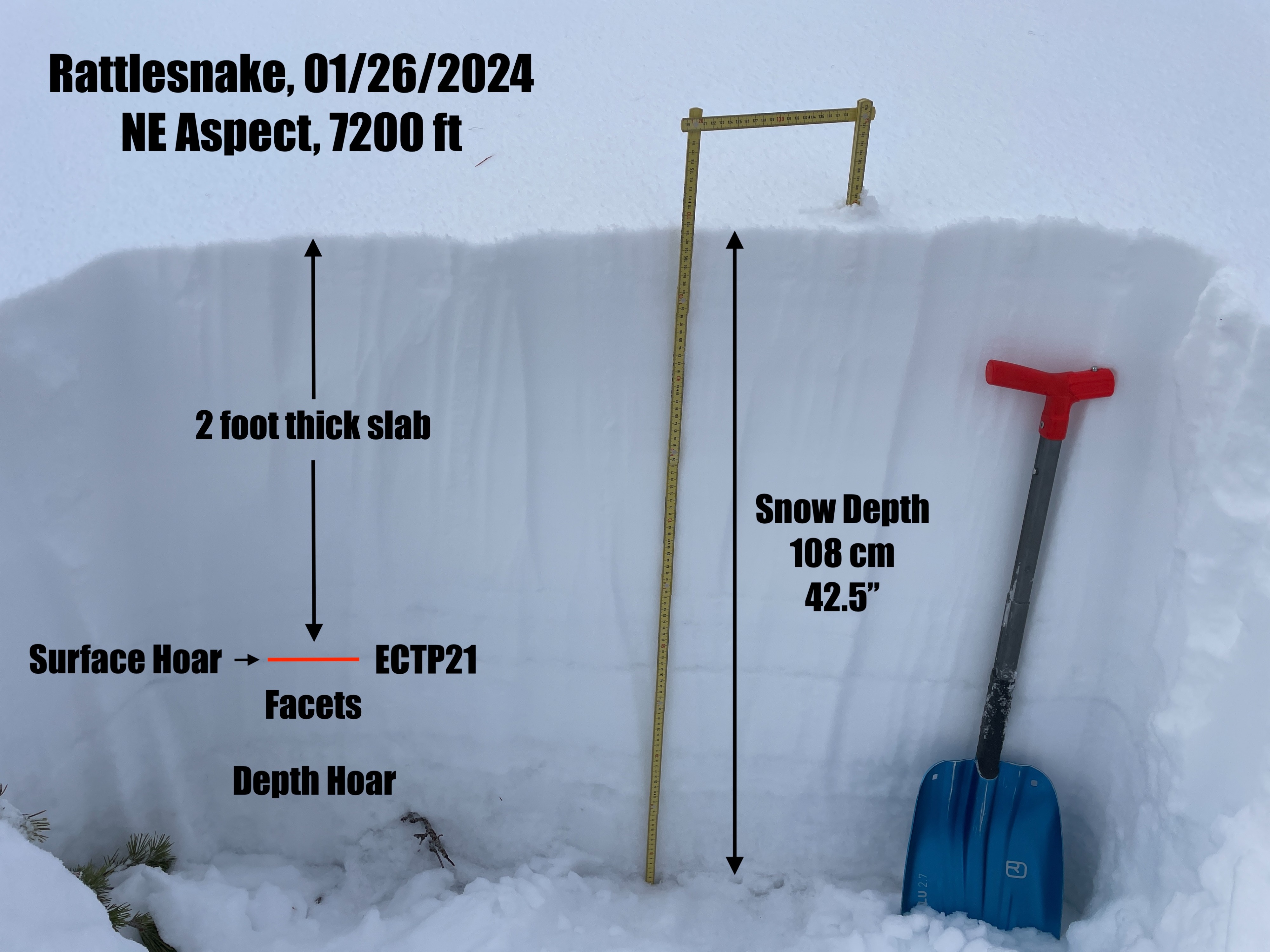
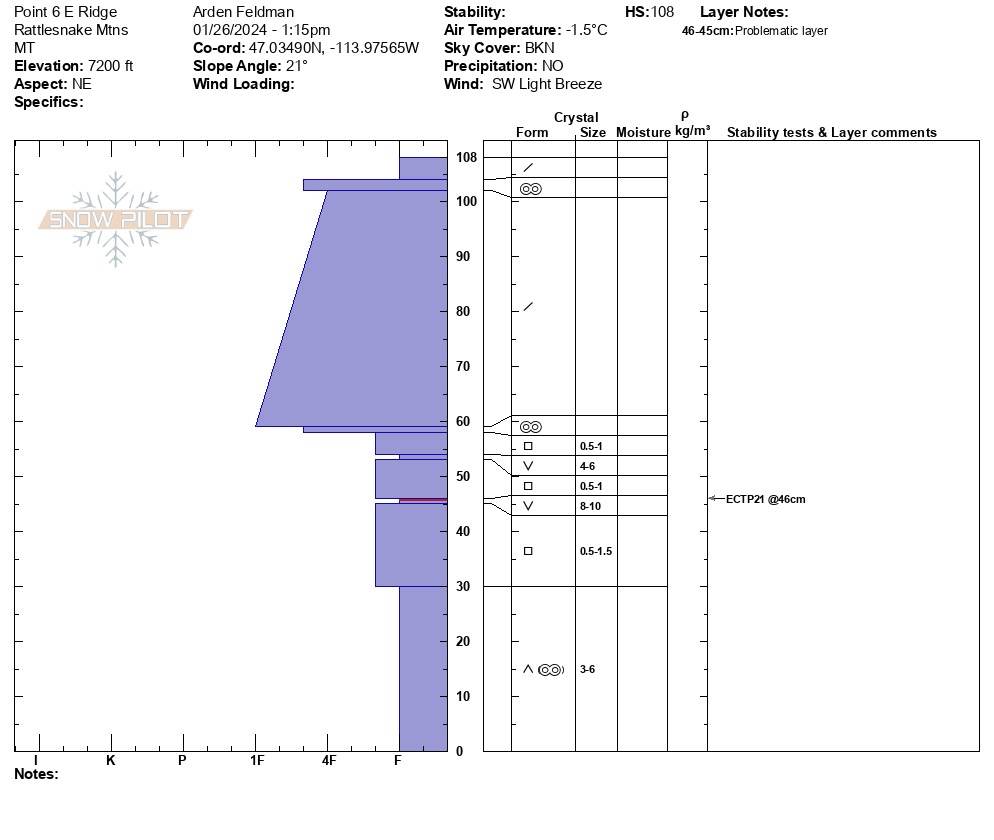
I dug a snowpit on a northeast aspect at 7200 ft. It was nearby the crown of a large skier-triggered avalanche from last weekend in Three Tiers. I found a poor snowpack structure with a 2 foot thick slab resting on several buried persistent weak layers including surface hoar, facets, and depth hoar. An extended column test produced a propagating result on the 21st tap that failed on the buried layer of surface hoar.
The snowpack at middle and upper elevations stayed mostly cold and dry today. On sunny lower-elevation slopes, the snowpack was thin and wet/moist to the ground in the afternoon.
Avalanche
- Size
- D2 R2
- Count
- 2
- Aspect
- E
- Elevation
- 7400 ft
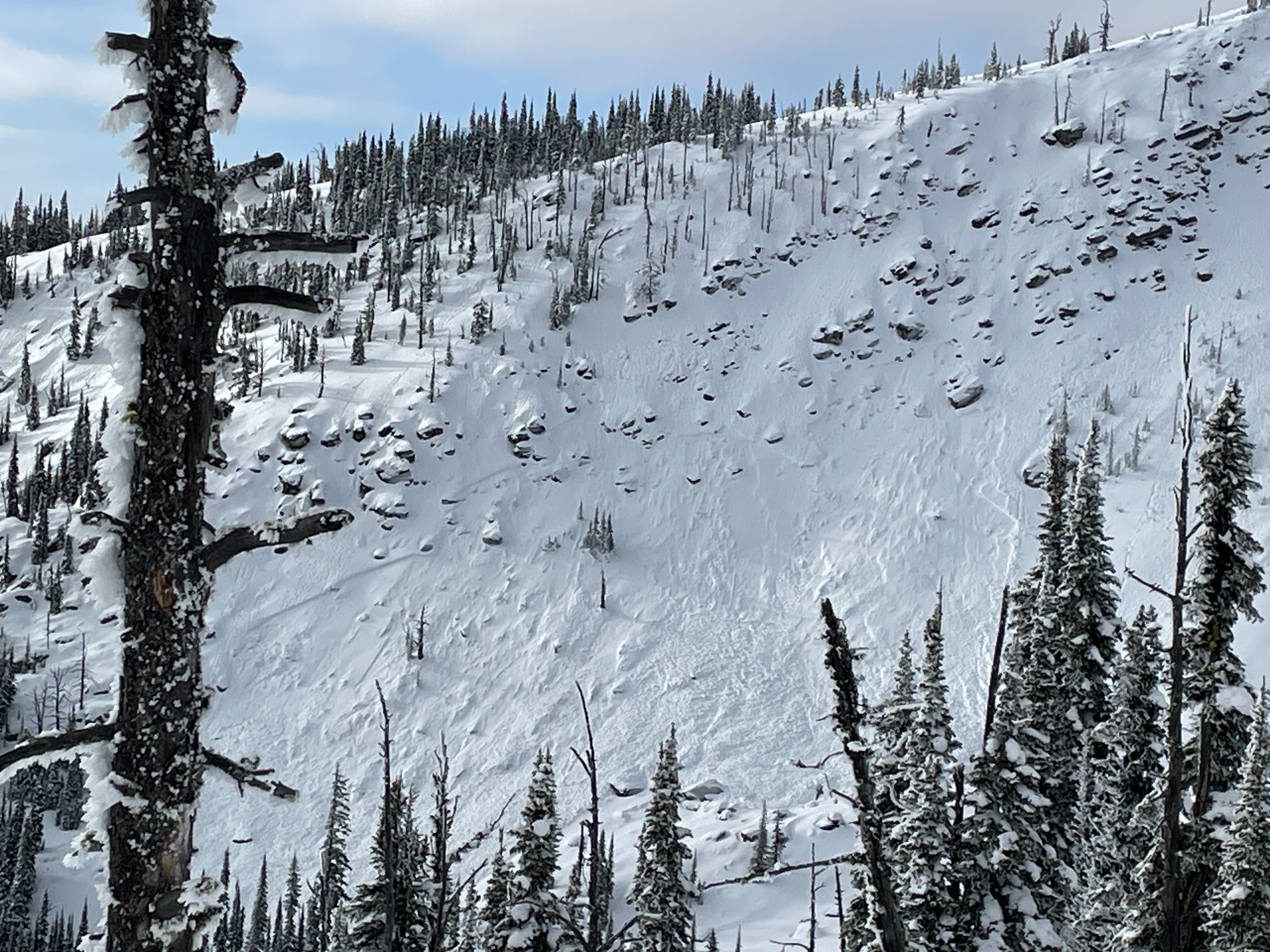
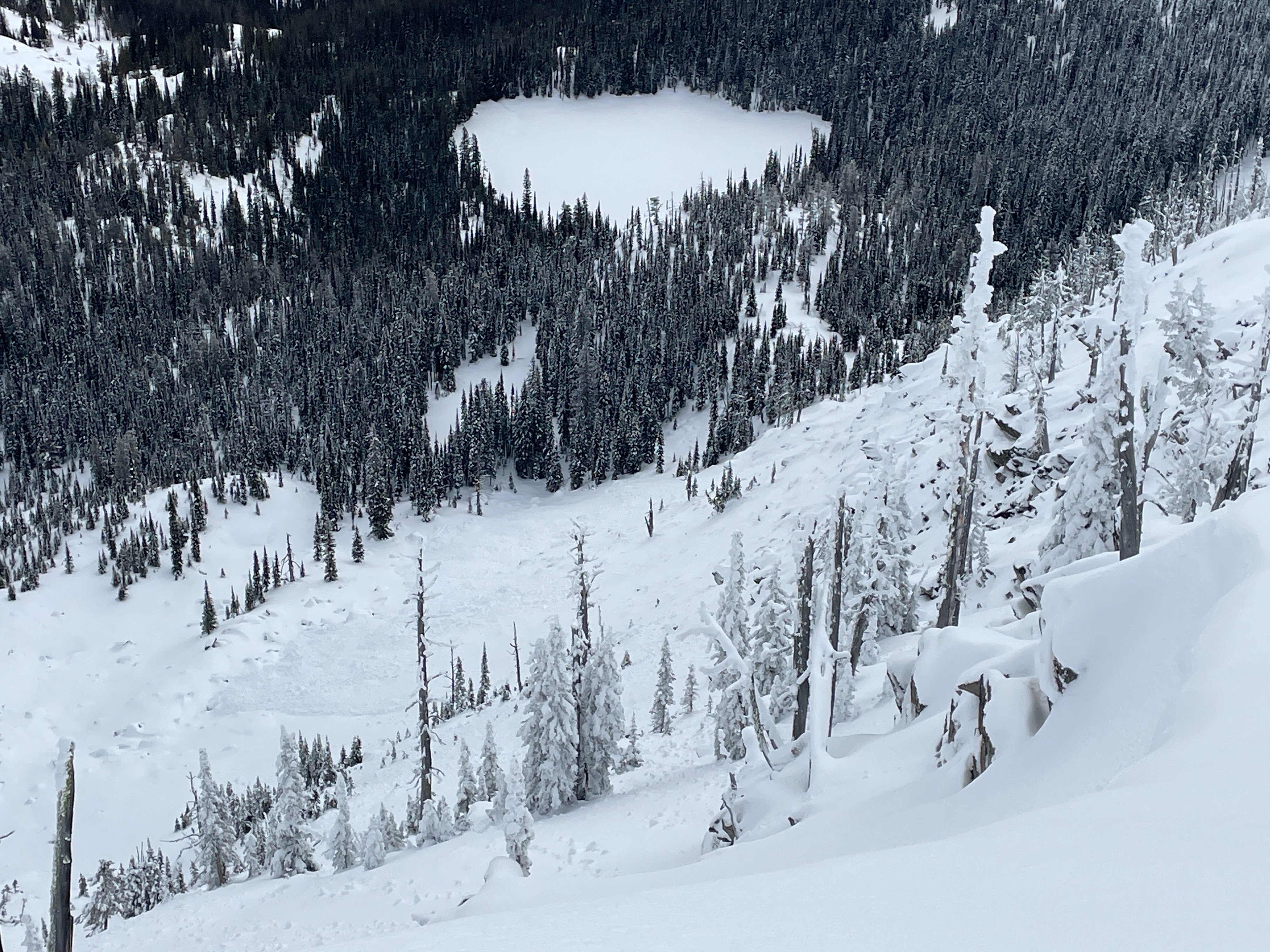
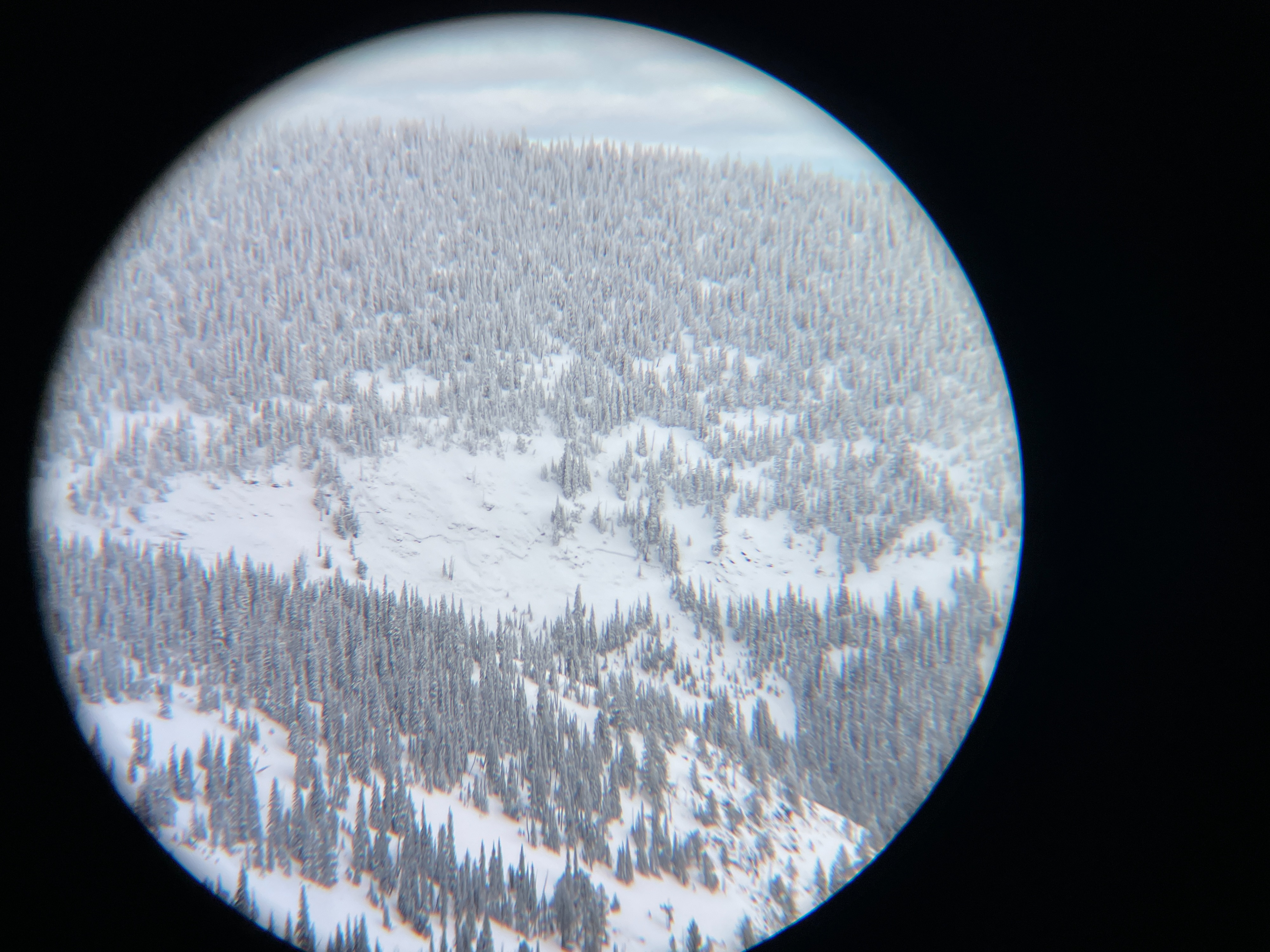
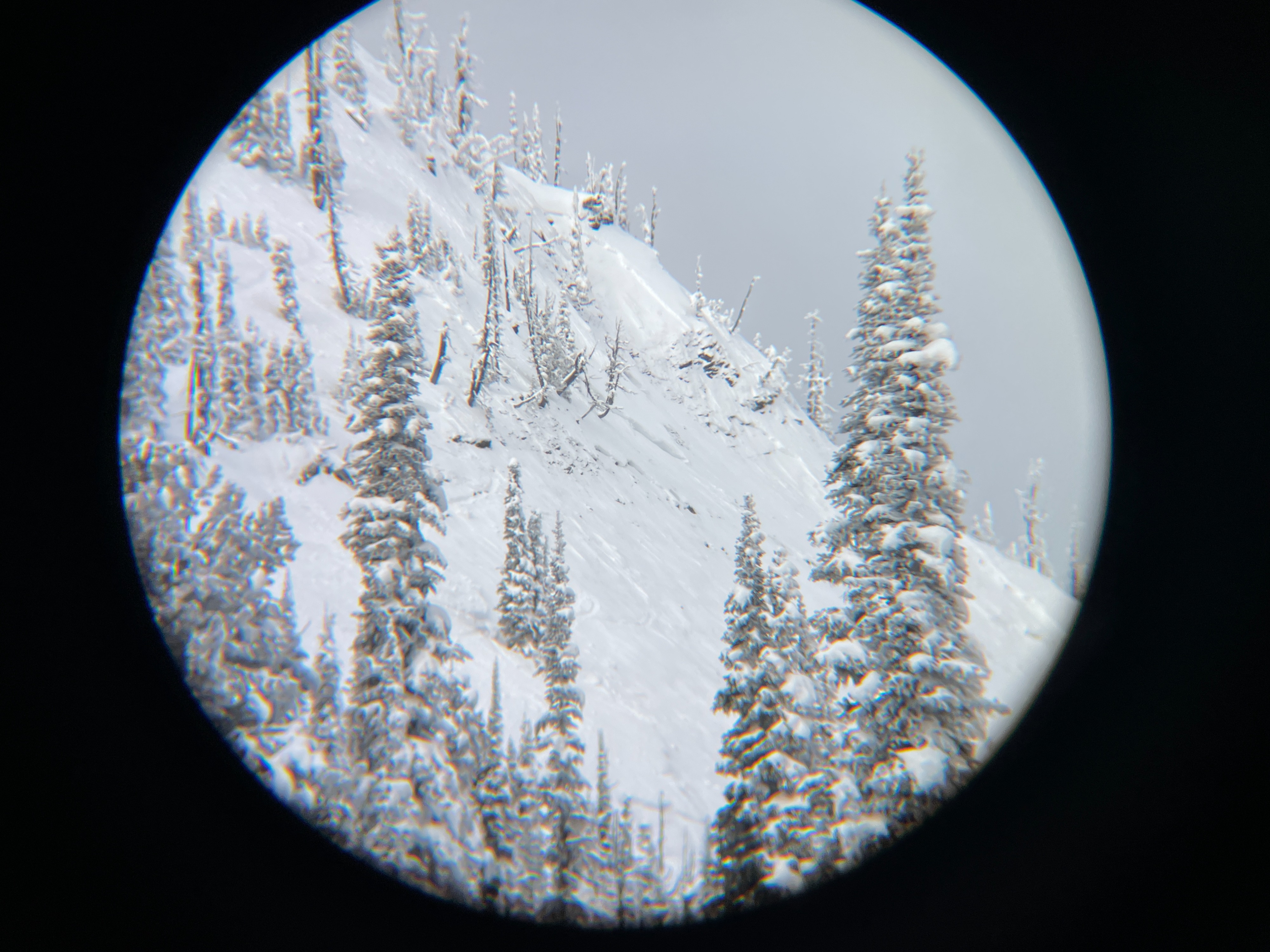
Observed two large avalanches that likely failed last weekend (1/20/24 or 1/21/24). Likely persistent slab avalanches. Unknown triggers but likely natural due to wet rollerball activity.