
Quick report
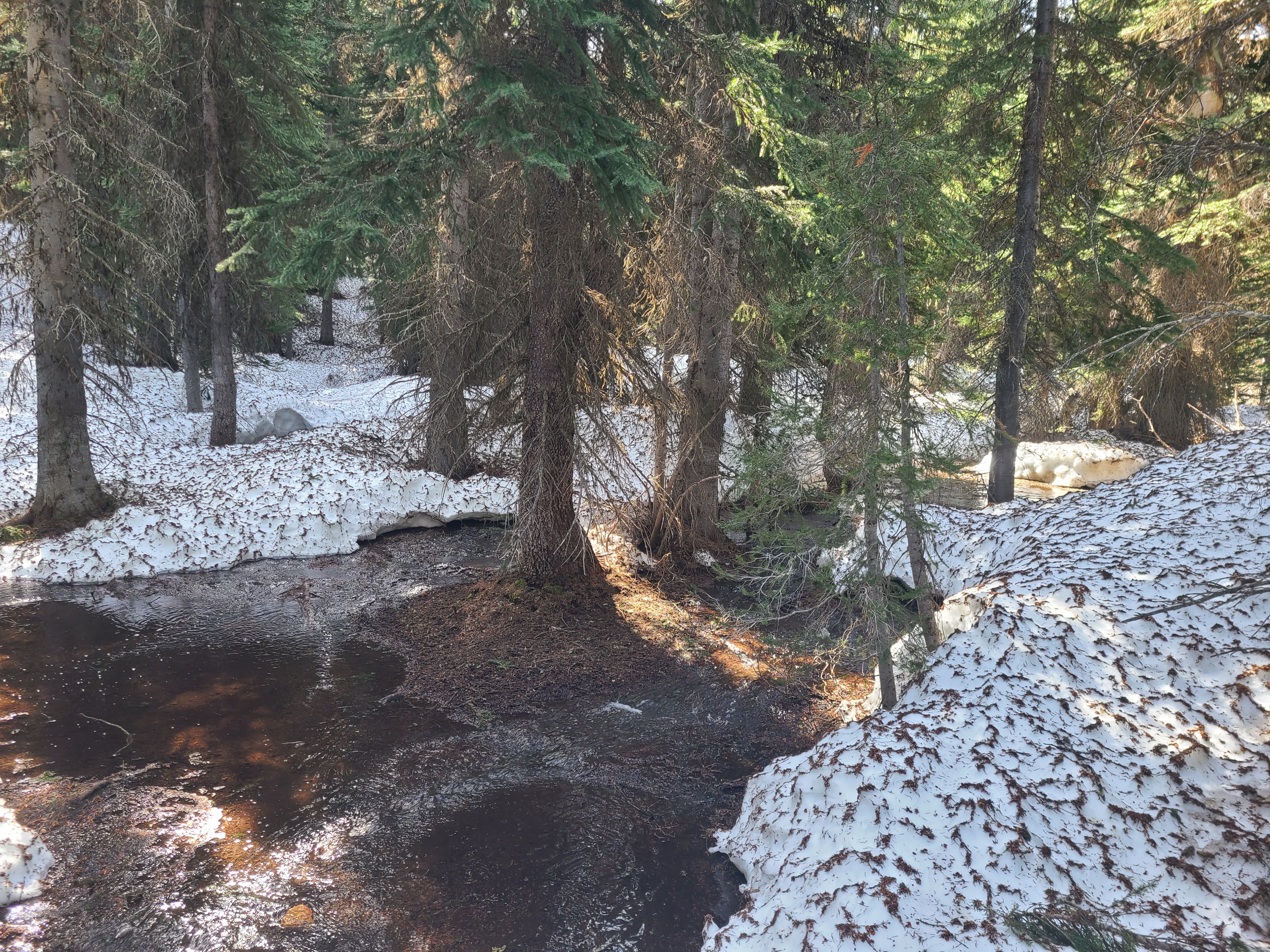
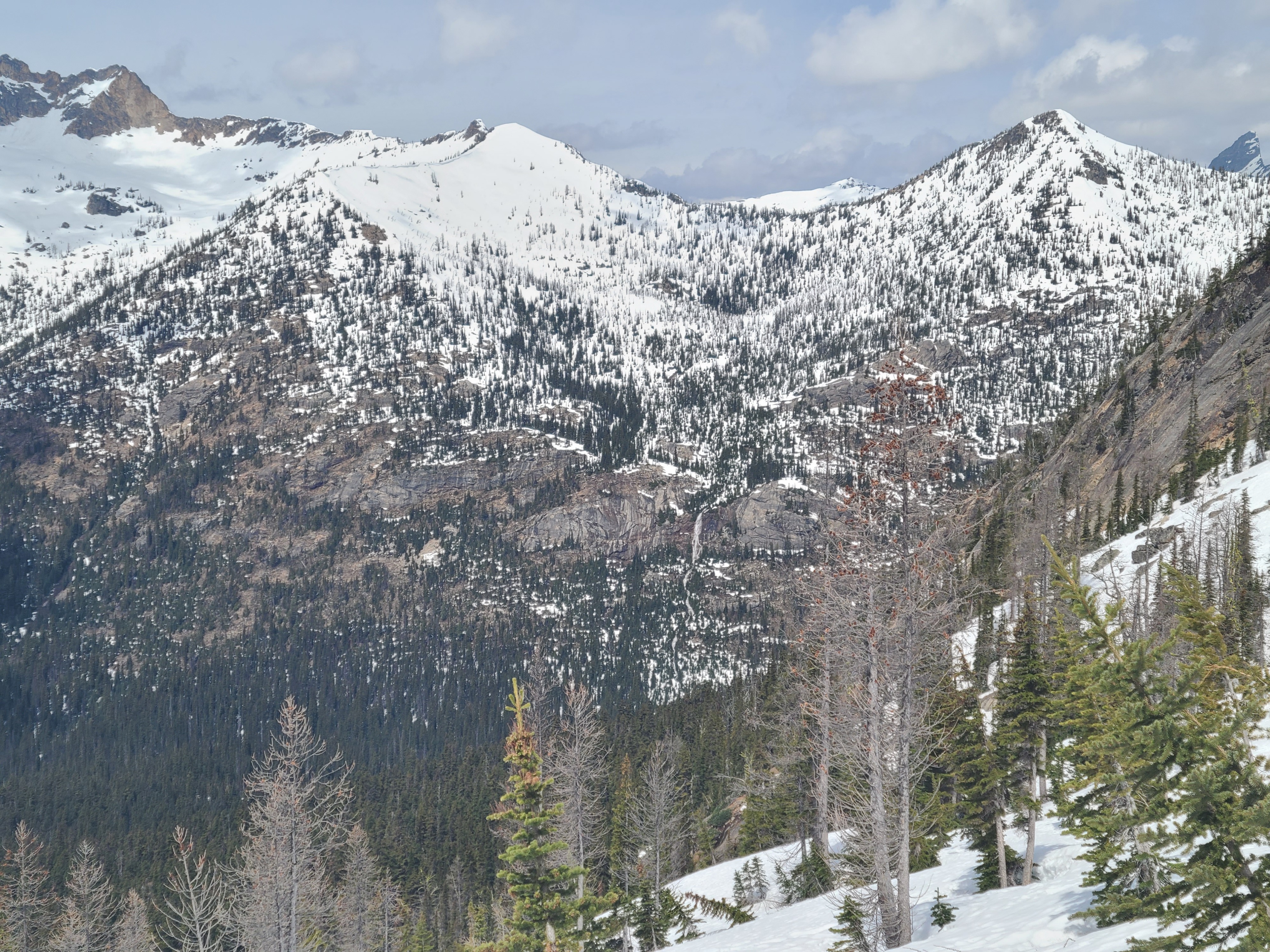
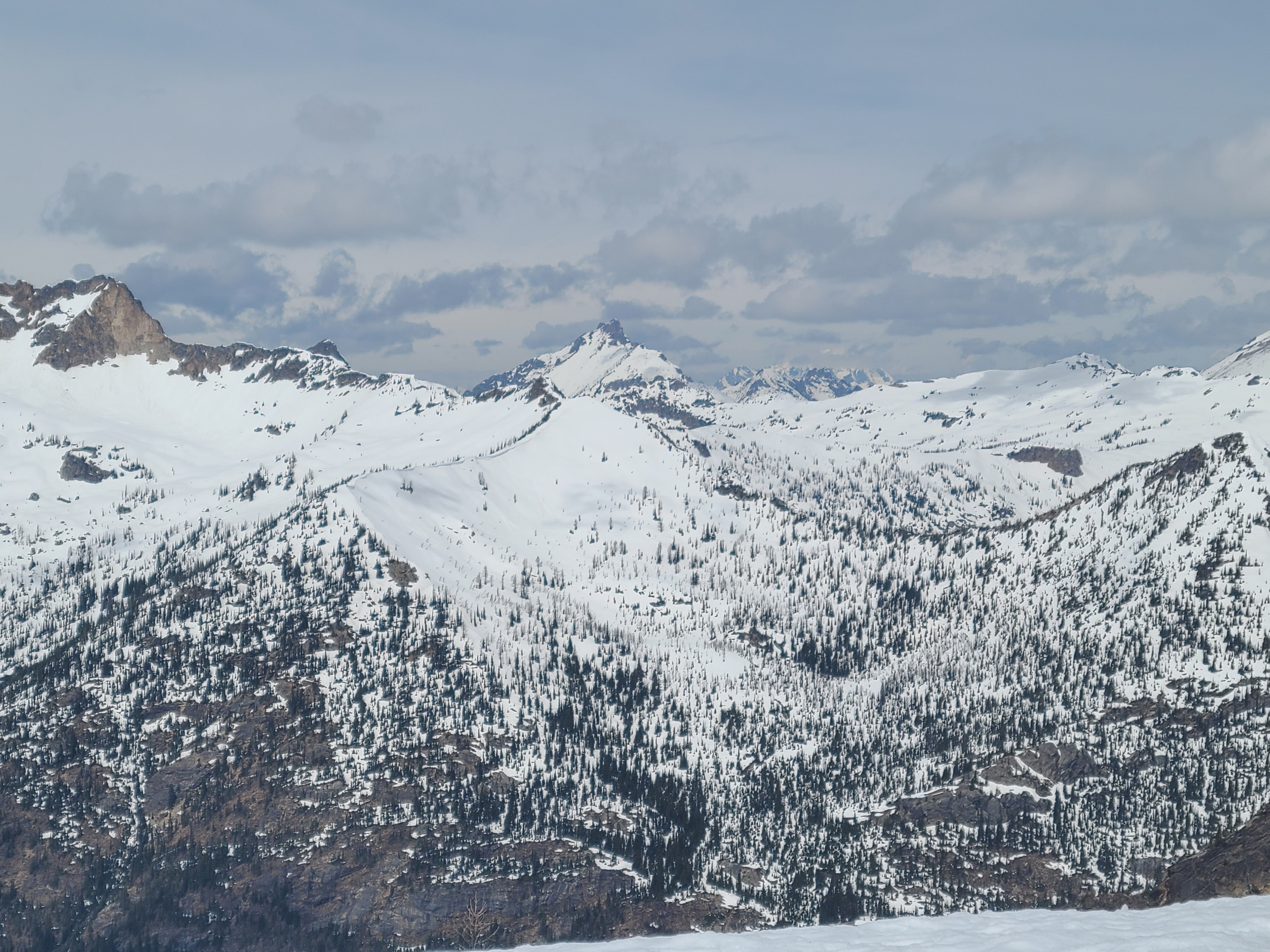
We were pleasantly surprised by good travel conditions as we headed out to check on the snowpack near Washington Pass. We wanted to take stock of any recent wet avalanche activity and get a better idea of how far along our snowpack was in transitioning to a more uniform spring snowpack. Despite overnight temperatures well above freezing, the snowpack at all elevations was supportable to skis, and the soft surface made for quick, easy travel. There was plenty of snow in forested areas, making it easy to navigate the increasing number of holes and open creeks. Once you climb above 5500ft, there is plenty of snow coverage for recreation.
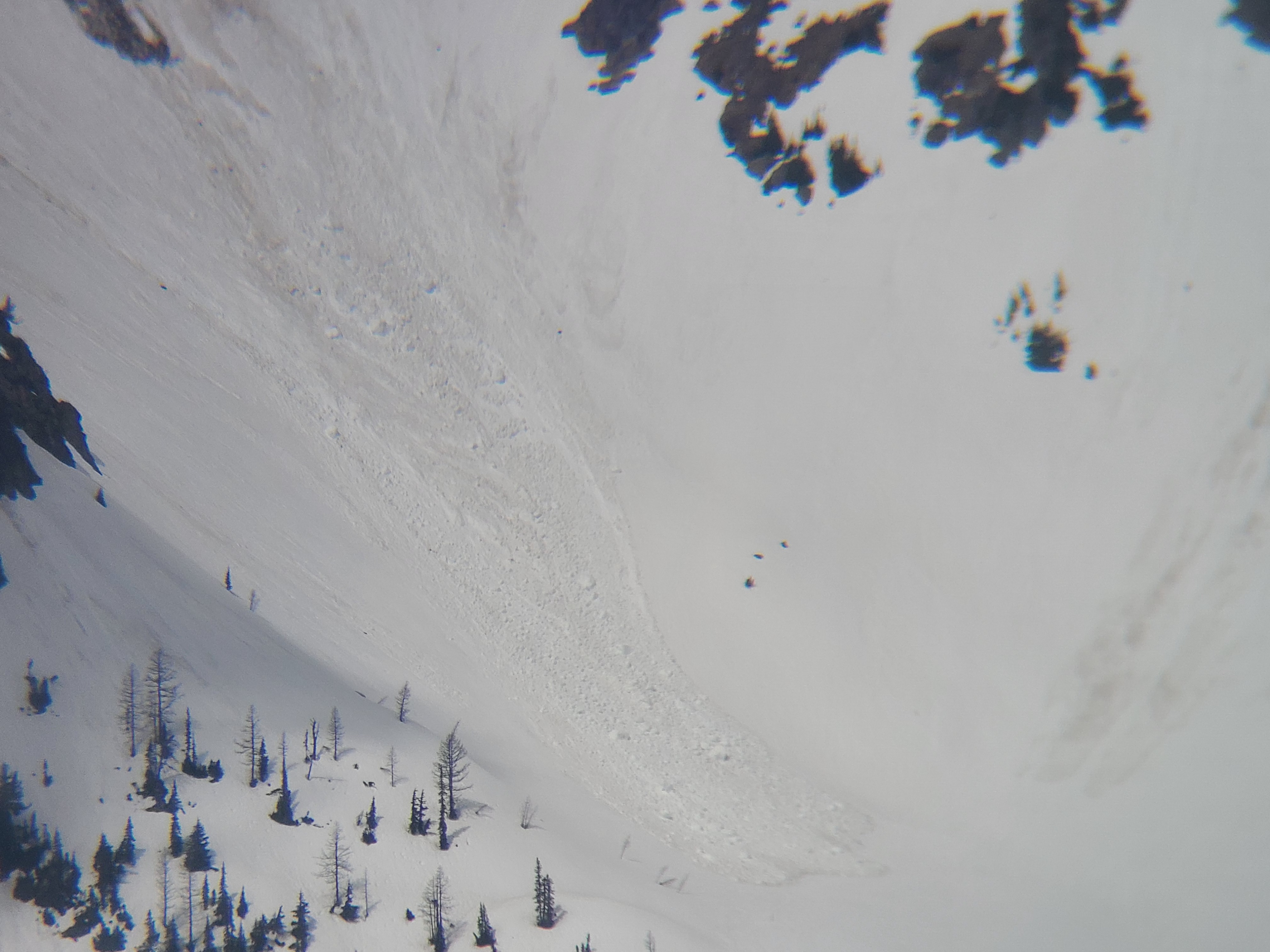
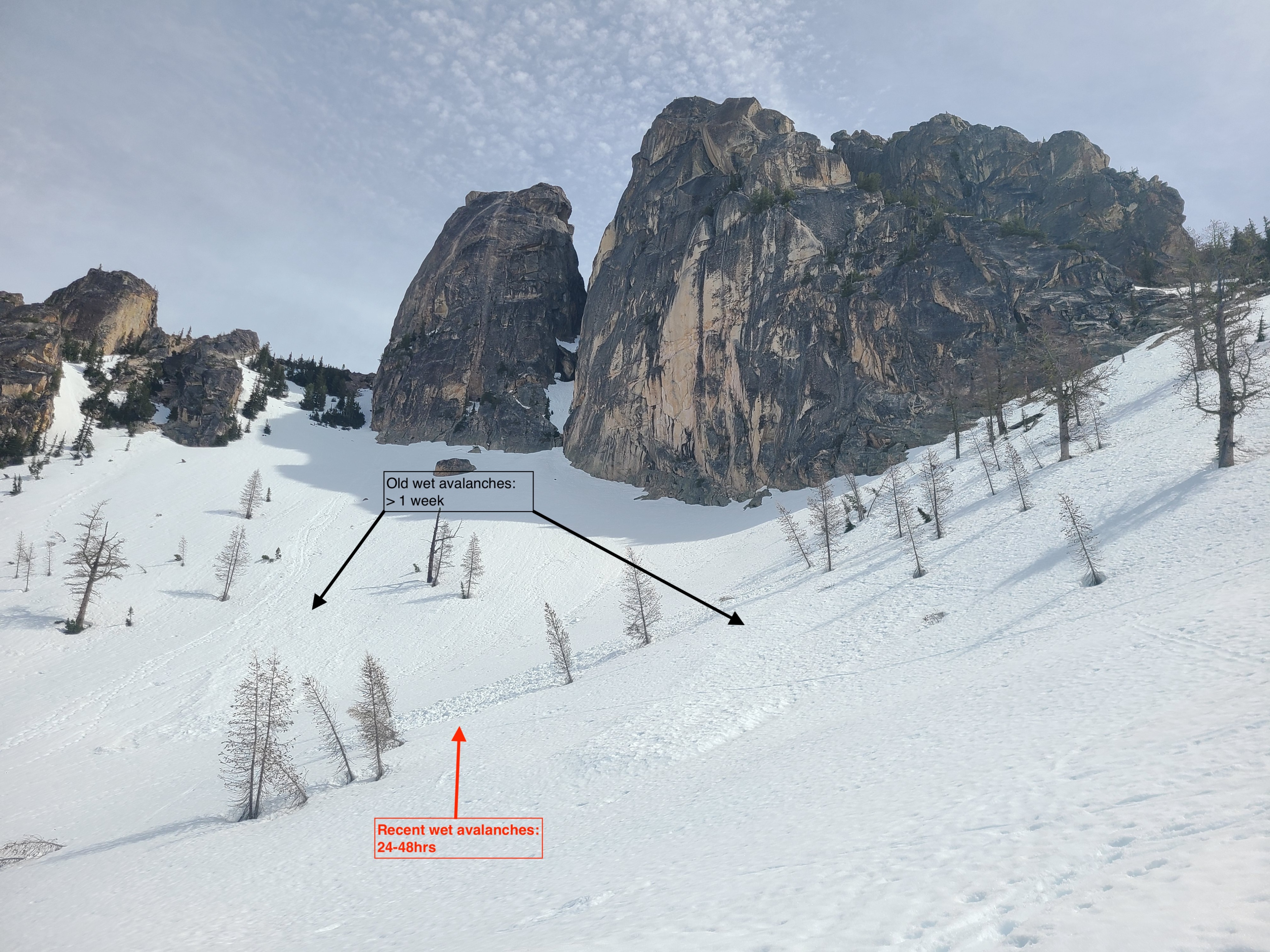
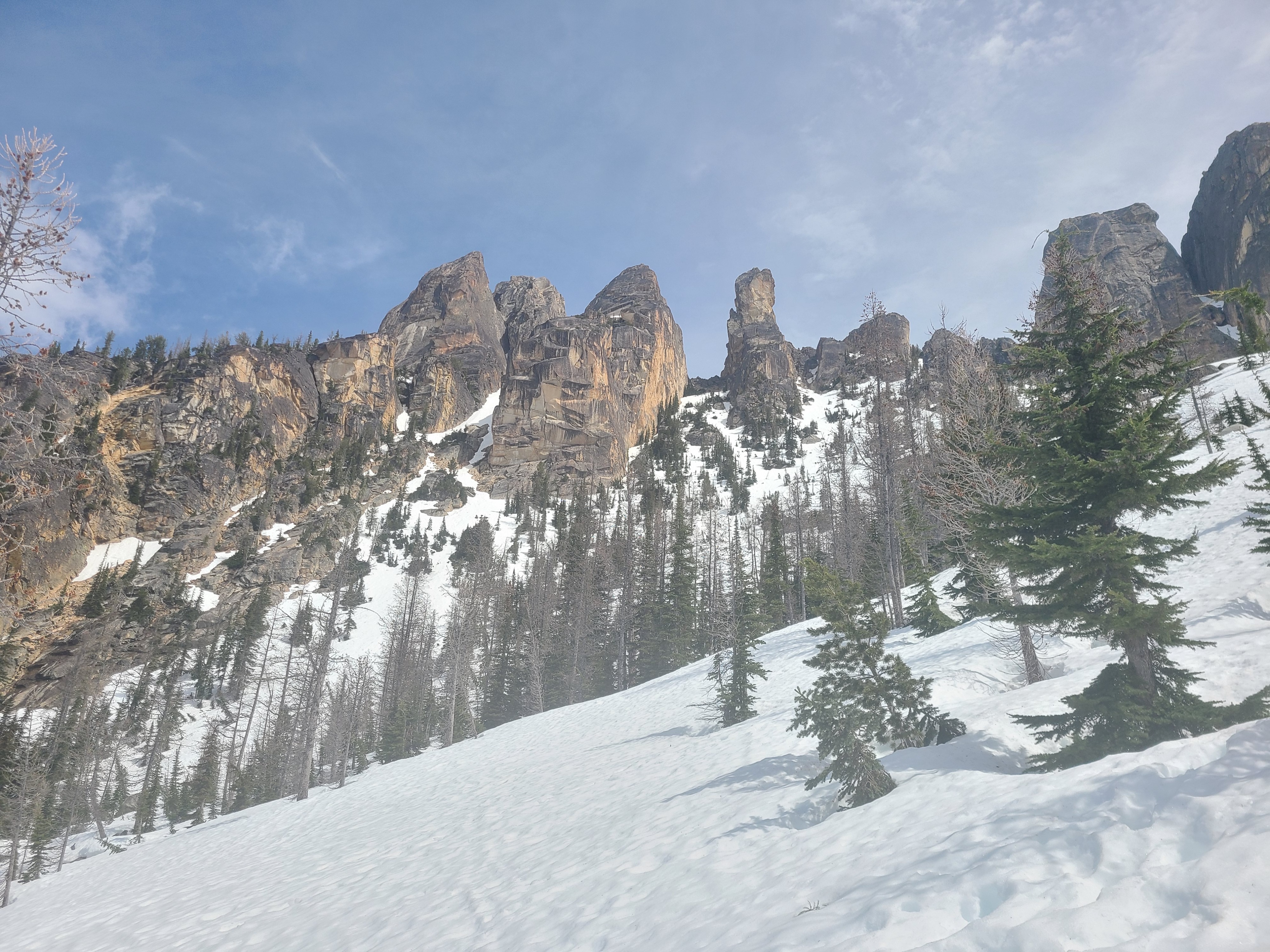
Despite a well transitioned and supportable snowpack, wet avalanche activity was high on our radar. We mostly observed small, recent natural wet-loose avalanches scattered throughout the terrain. But the greatest concern was from overhead hazards. Recent large cornice falls and wet avalanches from steep rocks and cliffs kept us well away from any slopes still holding overhung cornices or snow-covered rock slabs.
There were plenty of wet loose avalanches of varying ages. But most notably, there have been large natural cornice fall avalanches. Other small recent wet-loose avalanches from steep rocks and cliffs were observed sporadically throughout the terrain.Weather
It was a warm start to the day, with temperatures above freezing overnight and into the morning. Clear skies early in the day gave way to increasing high, thin clouds by the afternoon. The incoming clouds were also accompanied by moderate, gusty, westerly winds.
Snowpack
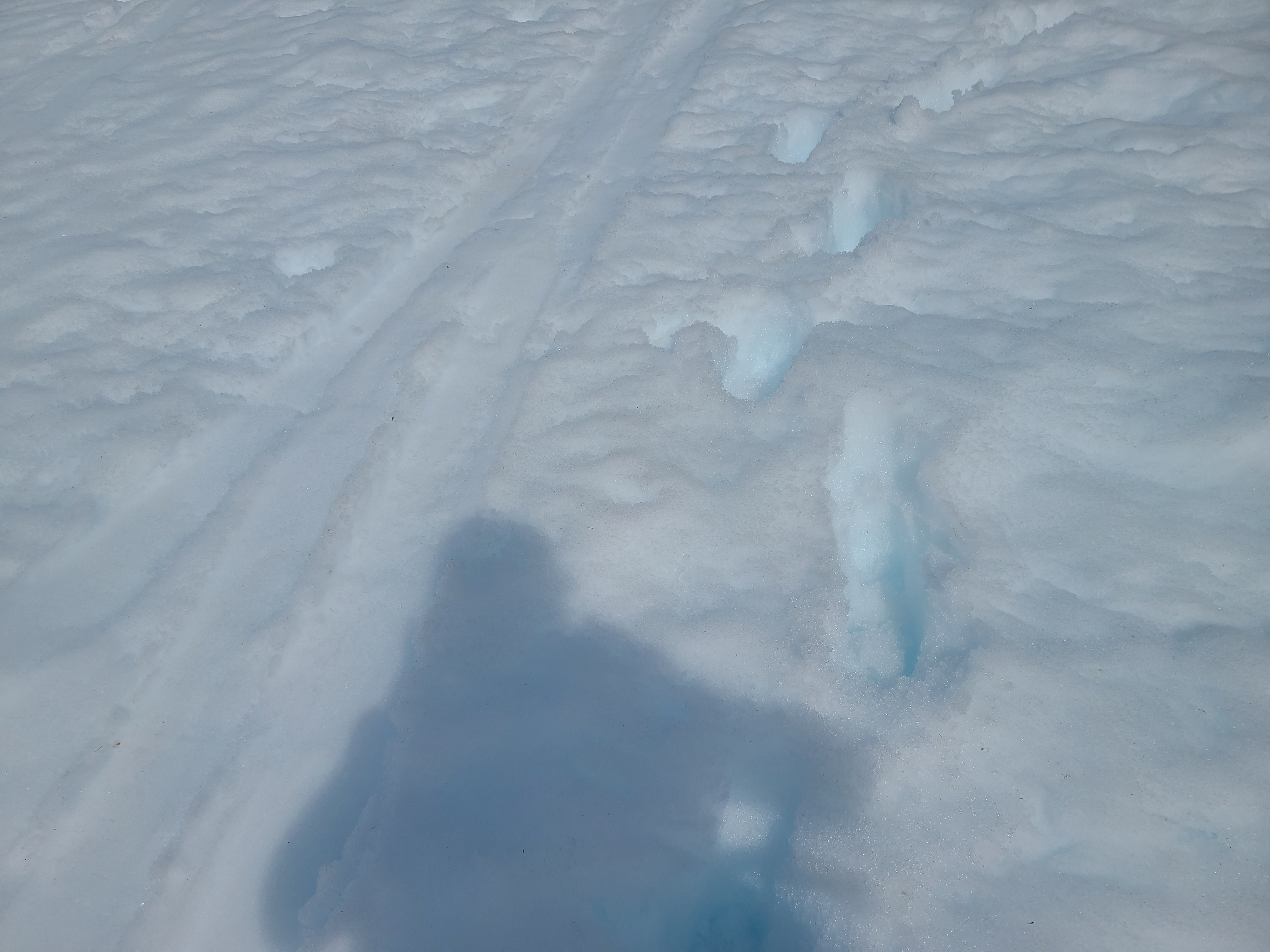
After the last week of unseasonably warm temperatures and sunshine, our spring snowpack is well consolidated and supportable for skis and boots (mostly). There were some areas of soft, punchy snow, particularly near rocks or vegetation. Surfaces consisted of soft, edgeable melt forms with sun cups forming on many slopes.
Snow depths: Measurements are from primarily northerly aspects in open terrain.
5500-6000ft: 120-140cm
6000-7000ft: 230-250cm
7000-7300ft: 290- >320cm
Avalanche
- Size
- D2 R2
- Type
- C
- Aspect
- E
- Trigger
- N
- Elevation
- 7600 ft
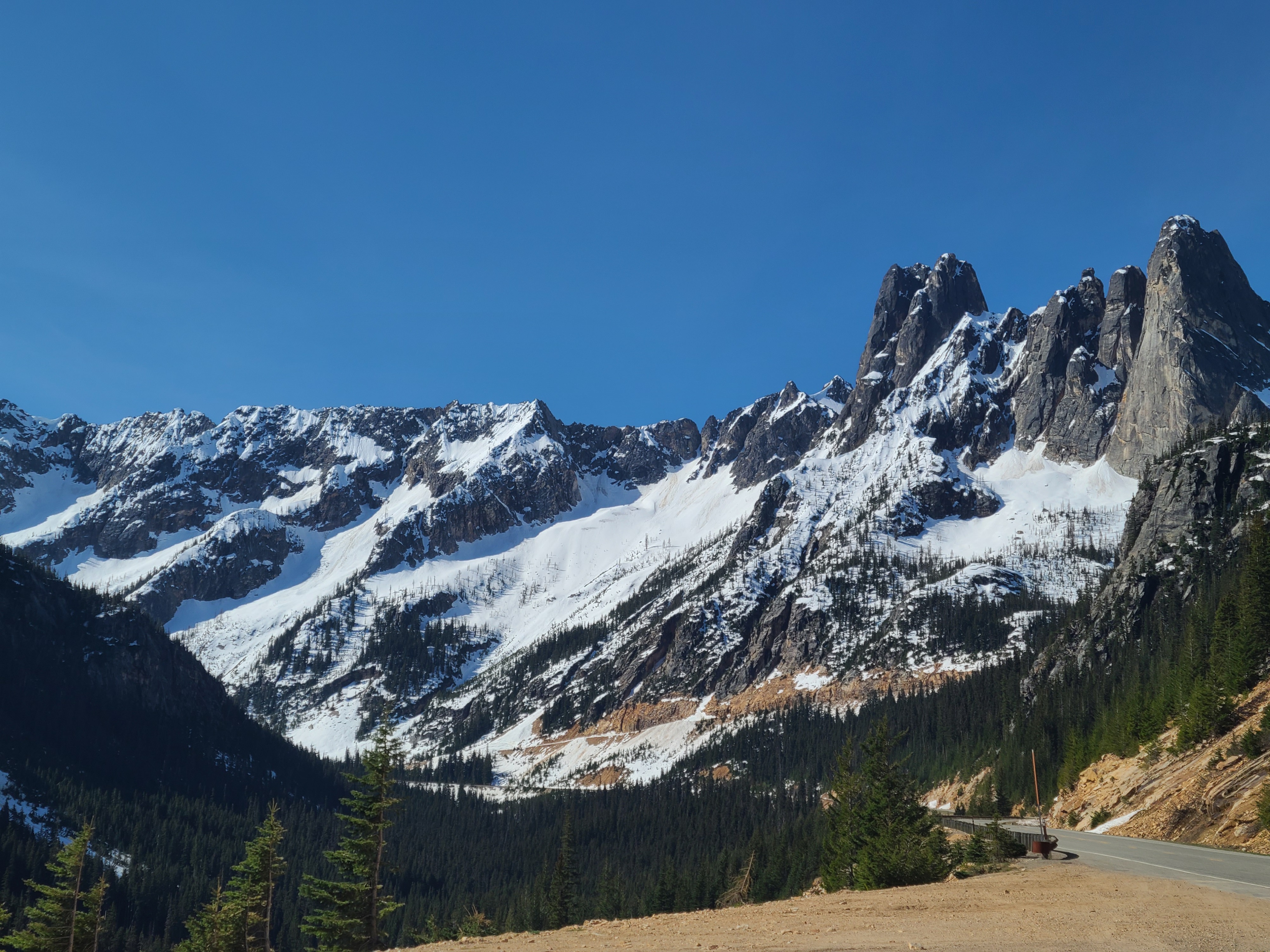
A large cornice-fall avalanche occurred from Cutthroat Peak sometime in the last 24-48hrs. C-N-R2-D2 East aspect, 7600ft