
Quick report
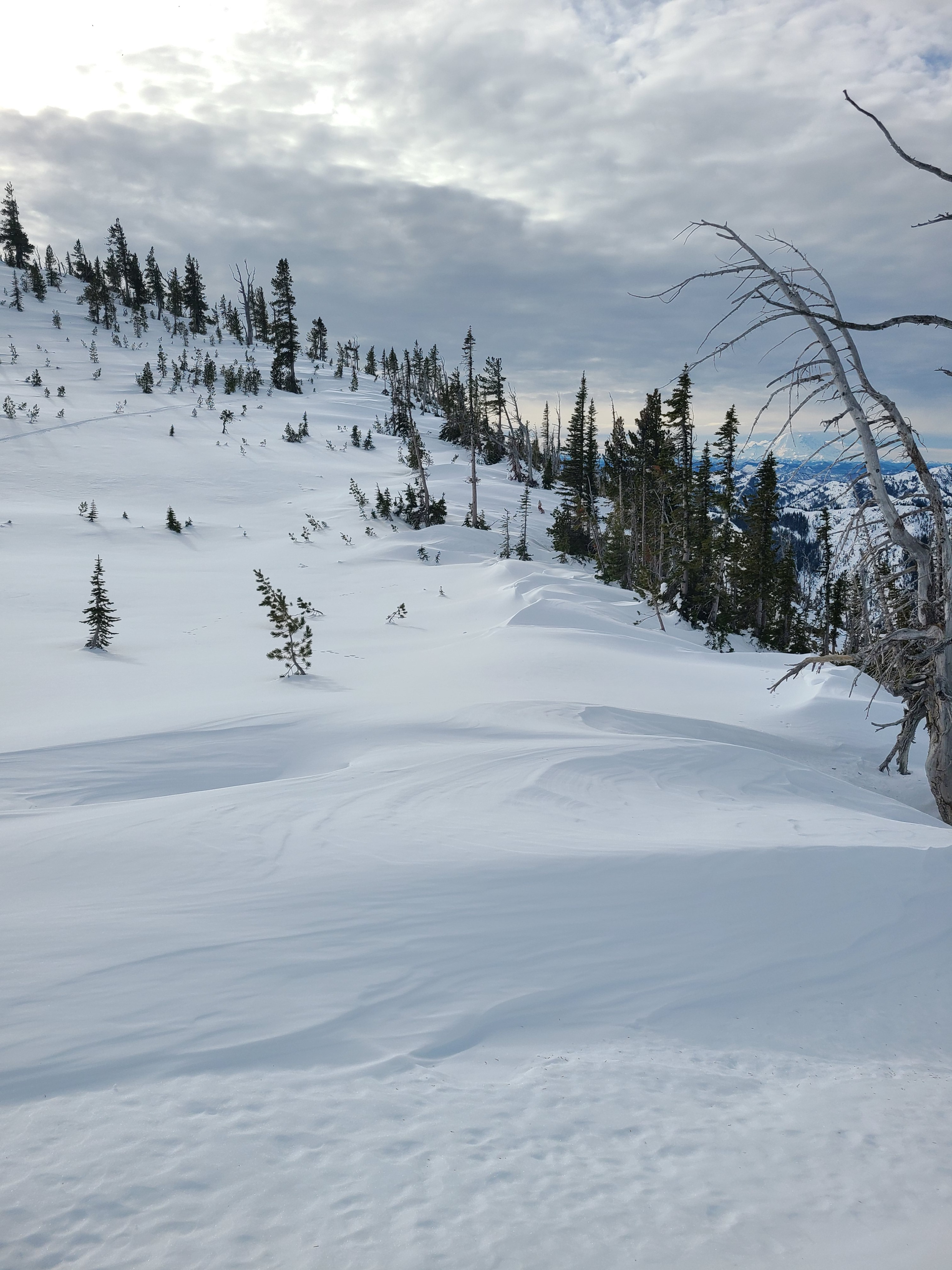
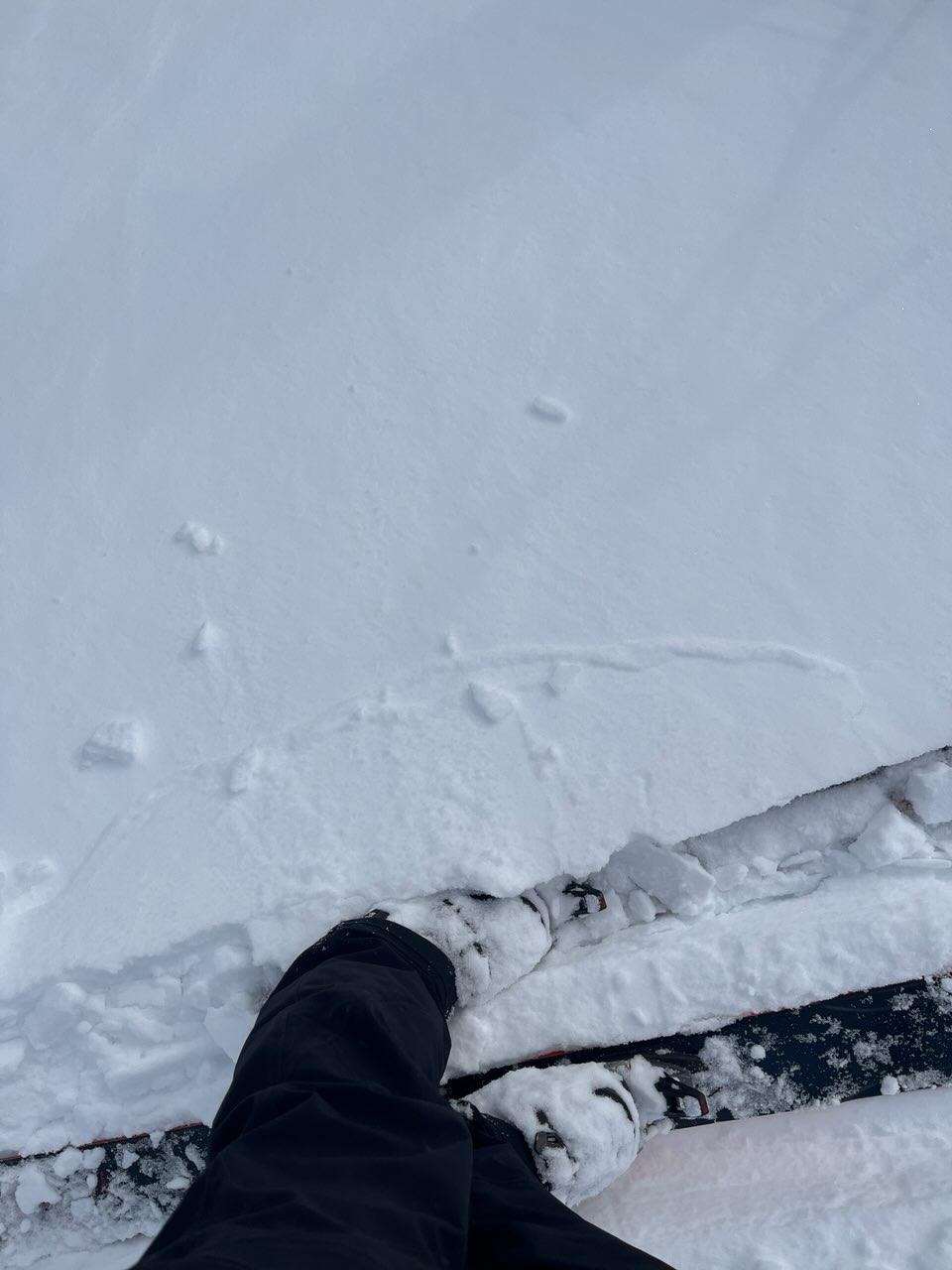
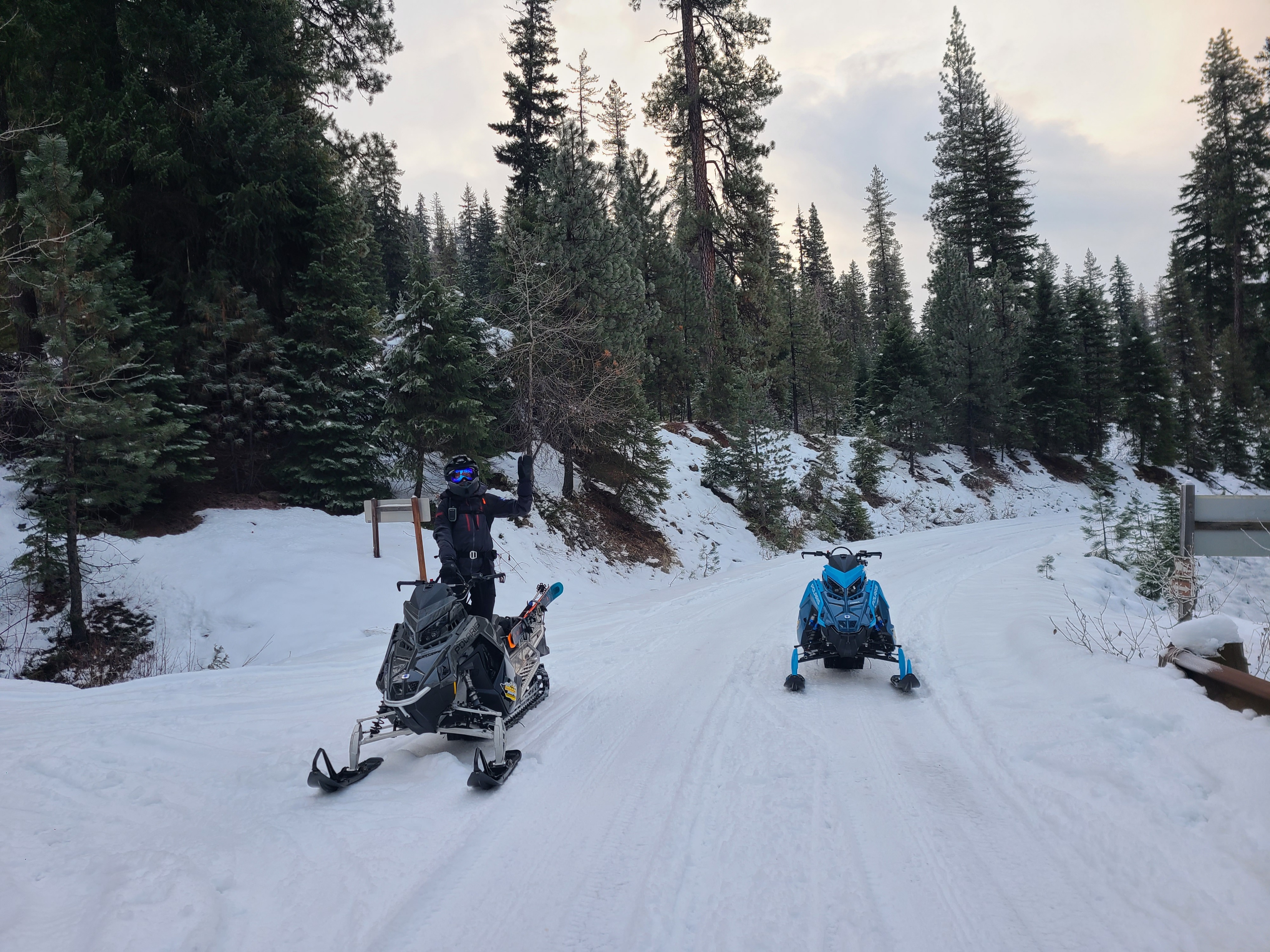
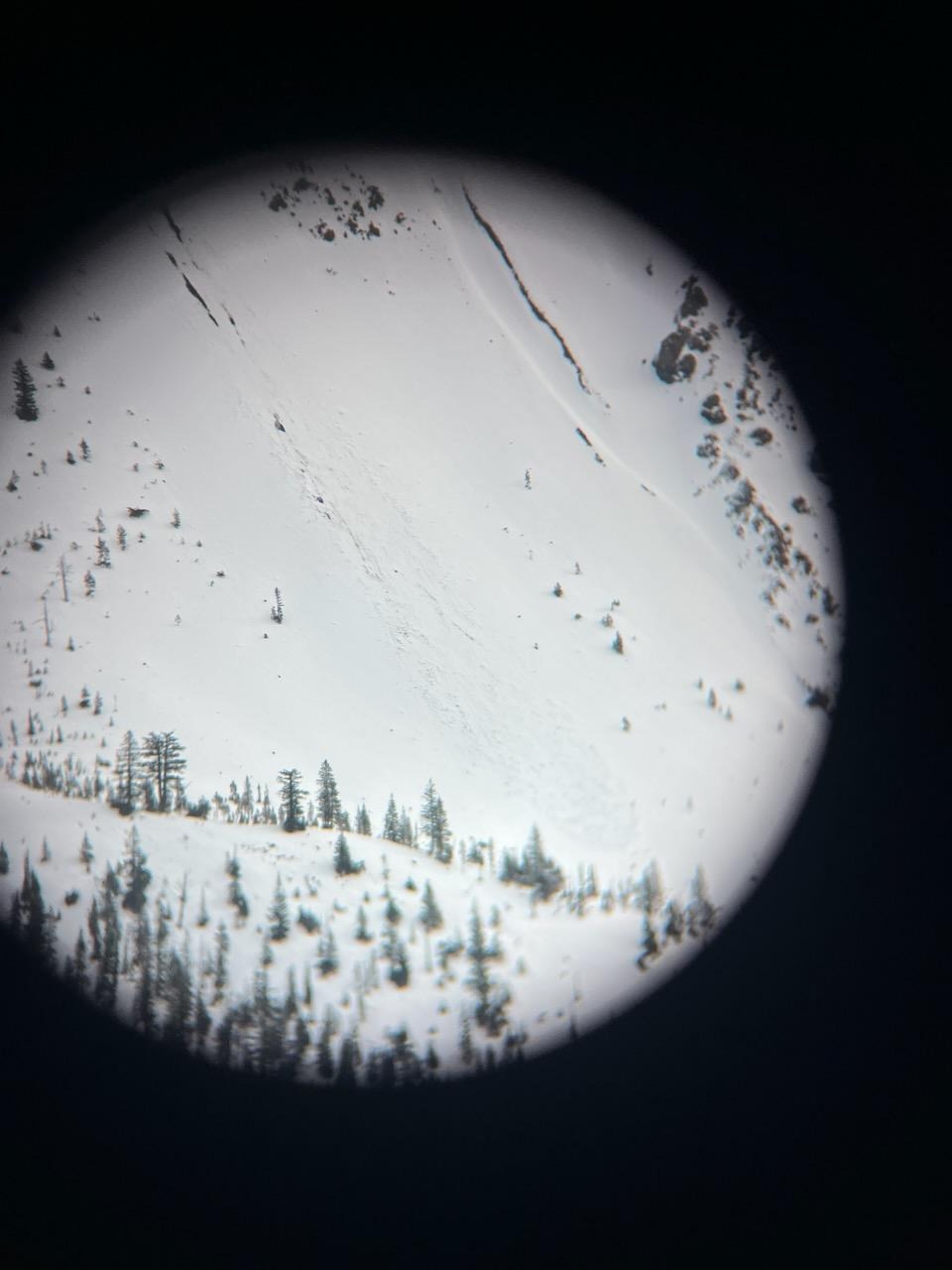
The goal for the day was to get out and begin breaking in the snowmobiles and checking for reactive wind slabs in upper-elevation terrain. Throughout the day, we saw little sign of instability. The wind slabs were stubborn and produced only isolated cracking below our skis. However, we did observe a couple of older small, loose, wet avalanches from the warm, sunny day on 12/9.
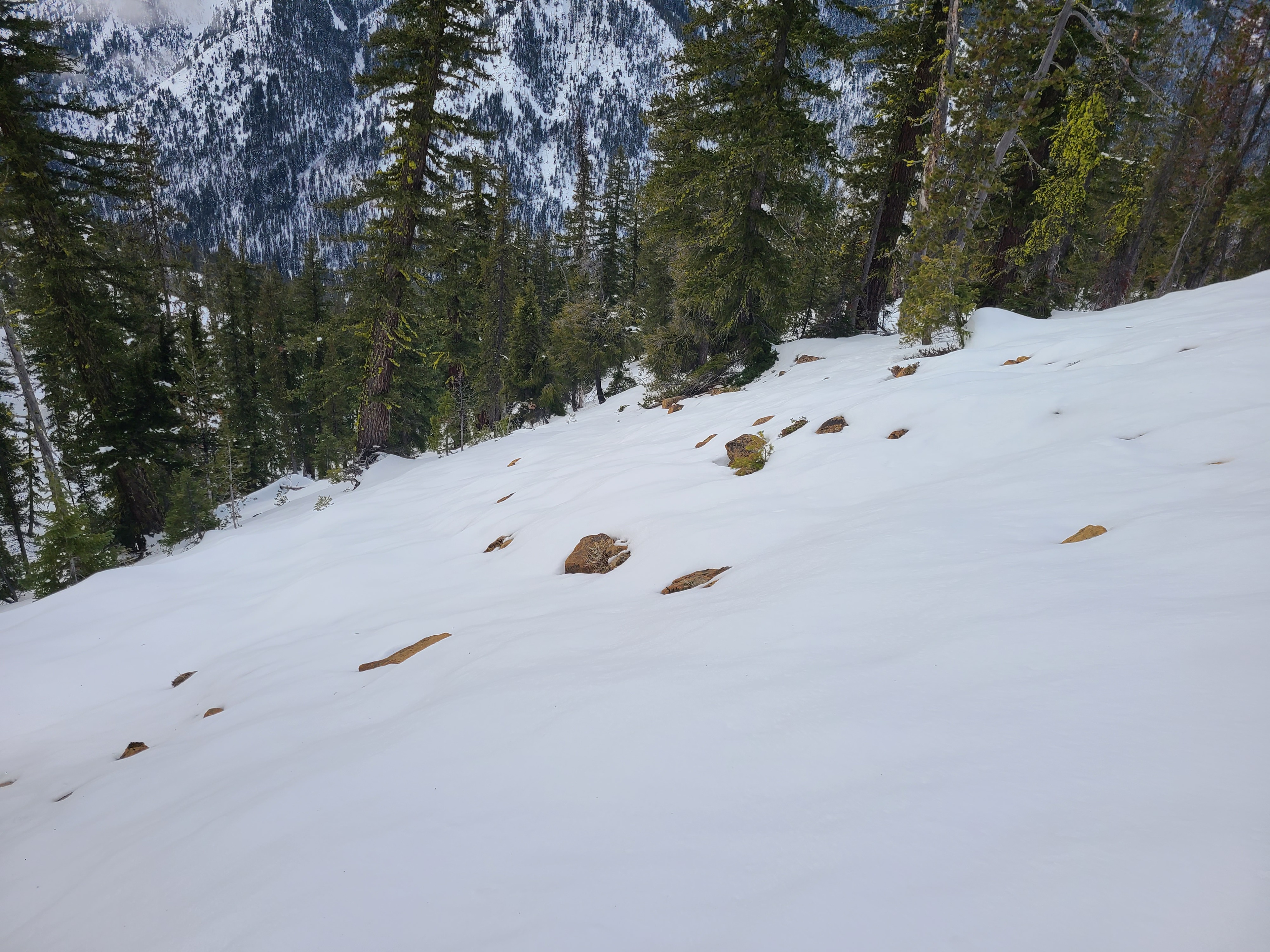
The snowpack is shallow but just deep enough for snowmobile travel on the road and pleasant, careful skiing. Direct south aspects had an edgable and supportable melt-freeze crust. More westerly aspects held a 2-3cm breakable crust over the recent snow, while northerly aspects held soft, dry snow that is beginning to become weak and sugary. The 12/7 melt-freeze crust was supportable to boots and skis in all aspects and elevations we traveled.
Despite the low tide snowpack and variable surfaces, skiing was mostly pleasant as long as you avoided the obvious exposed obstacles.
Weather
- Cloud Cover
- broken
- Wind Loading
- previous
- Snow Avail For Transport
- small smounts
It was a calm, mild day with temperatures in the upper 20s (°F) and light winds. Mostly cloudy skies prevented significant diurnal warming from the sun.
Snowpack
Snow depths at 3800ft were between 30 and 60cm, with 8 to 10cm of recent snow over a melt-freeze crust from 12/7.
Recent snow depths stayed relatively consistent with elevation. However, the overall snow depth increased to 90-100cm above 5000ft. The 12/7 melt-freeze crust has some small faceted grains at the interface below the most recent snow, and quick hand pit tests failed with clean, planar shears. However, even in favored wind-loaded areas with up to 20-30cm over this crust, we couldn't produce any shooting cracks or mini avalanches on this layer.
At mid and lower elevations 2-3mm surface hoar was widespread on the snow surface.