
Quick report
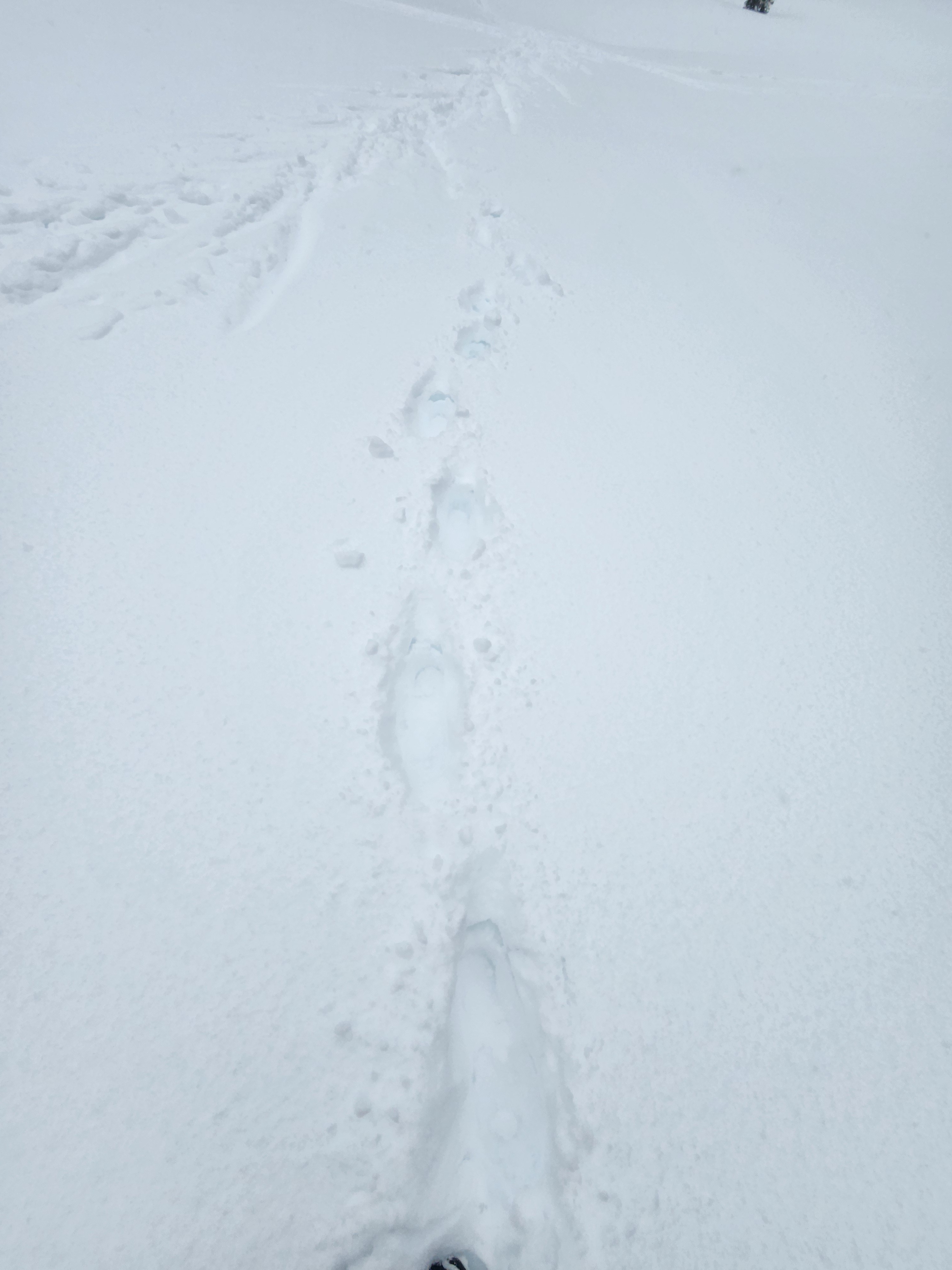
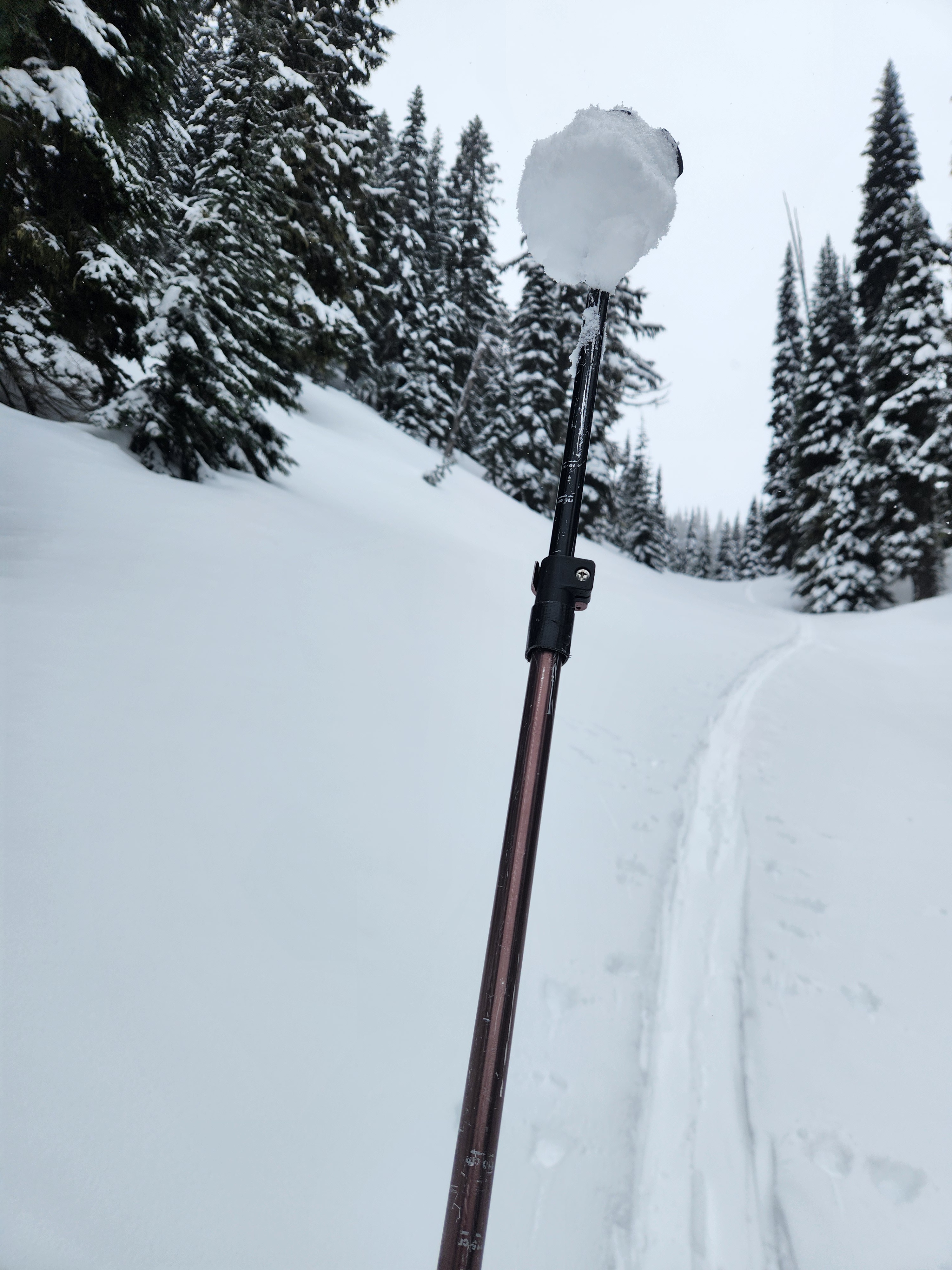
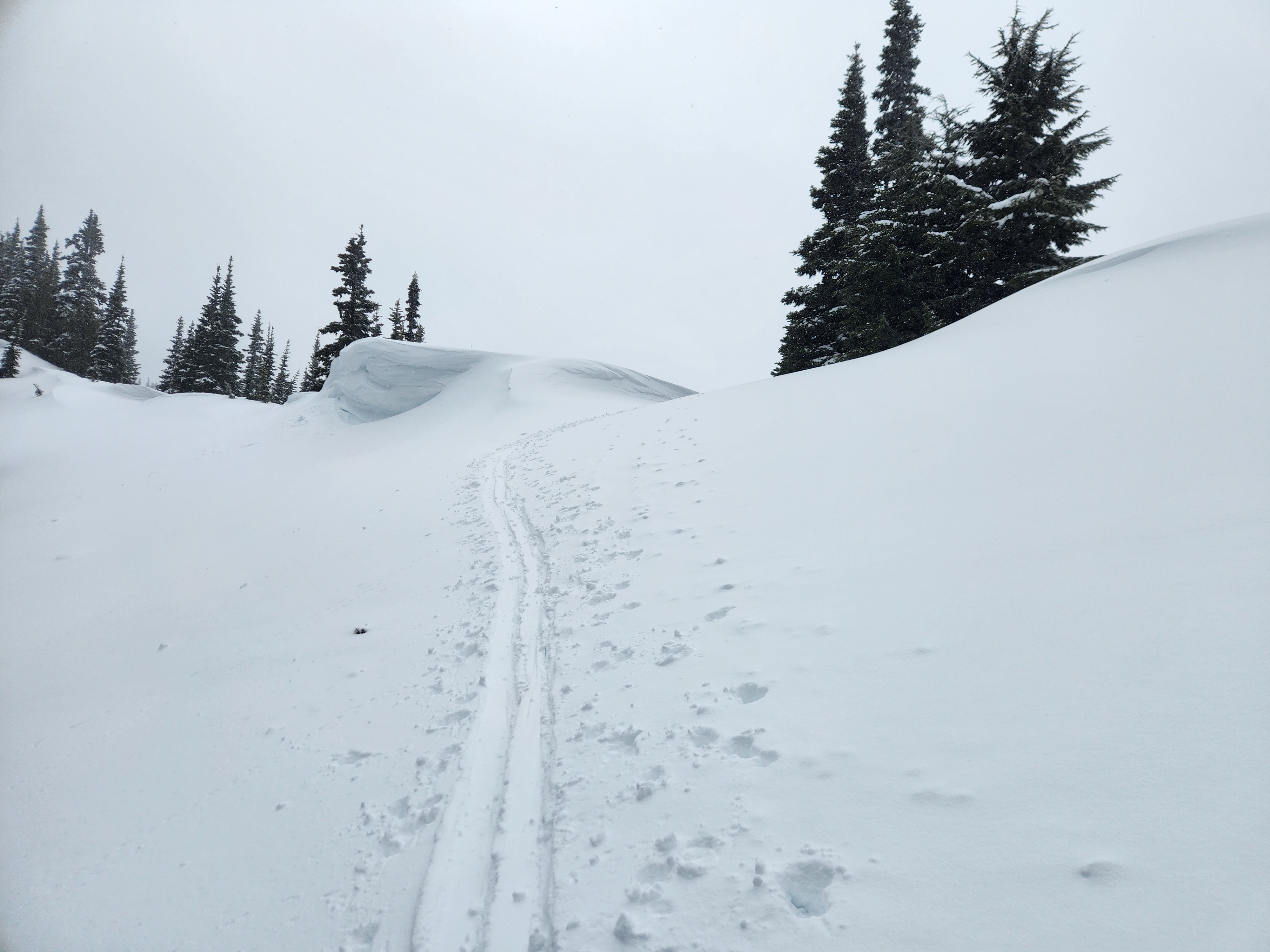
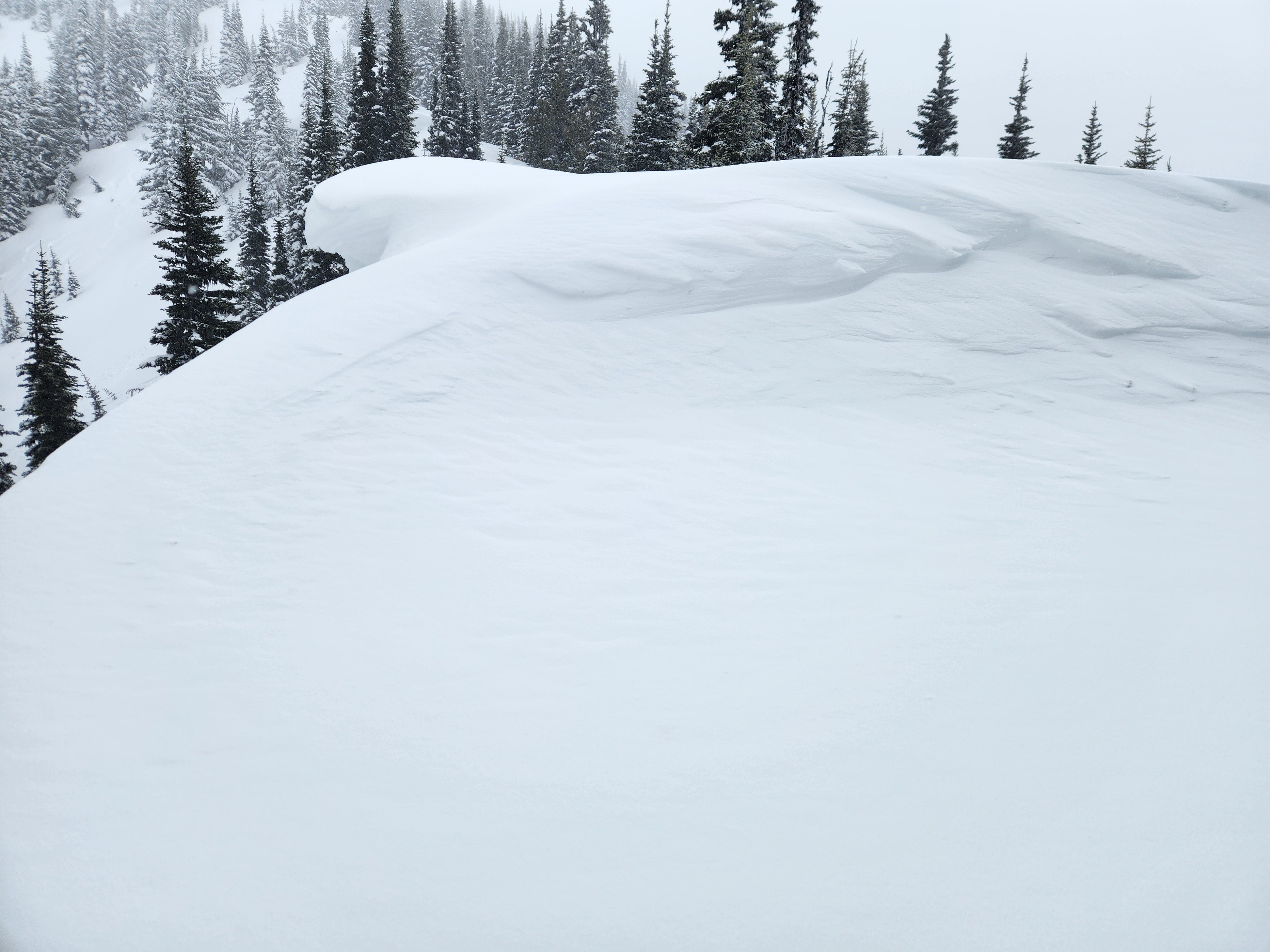
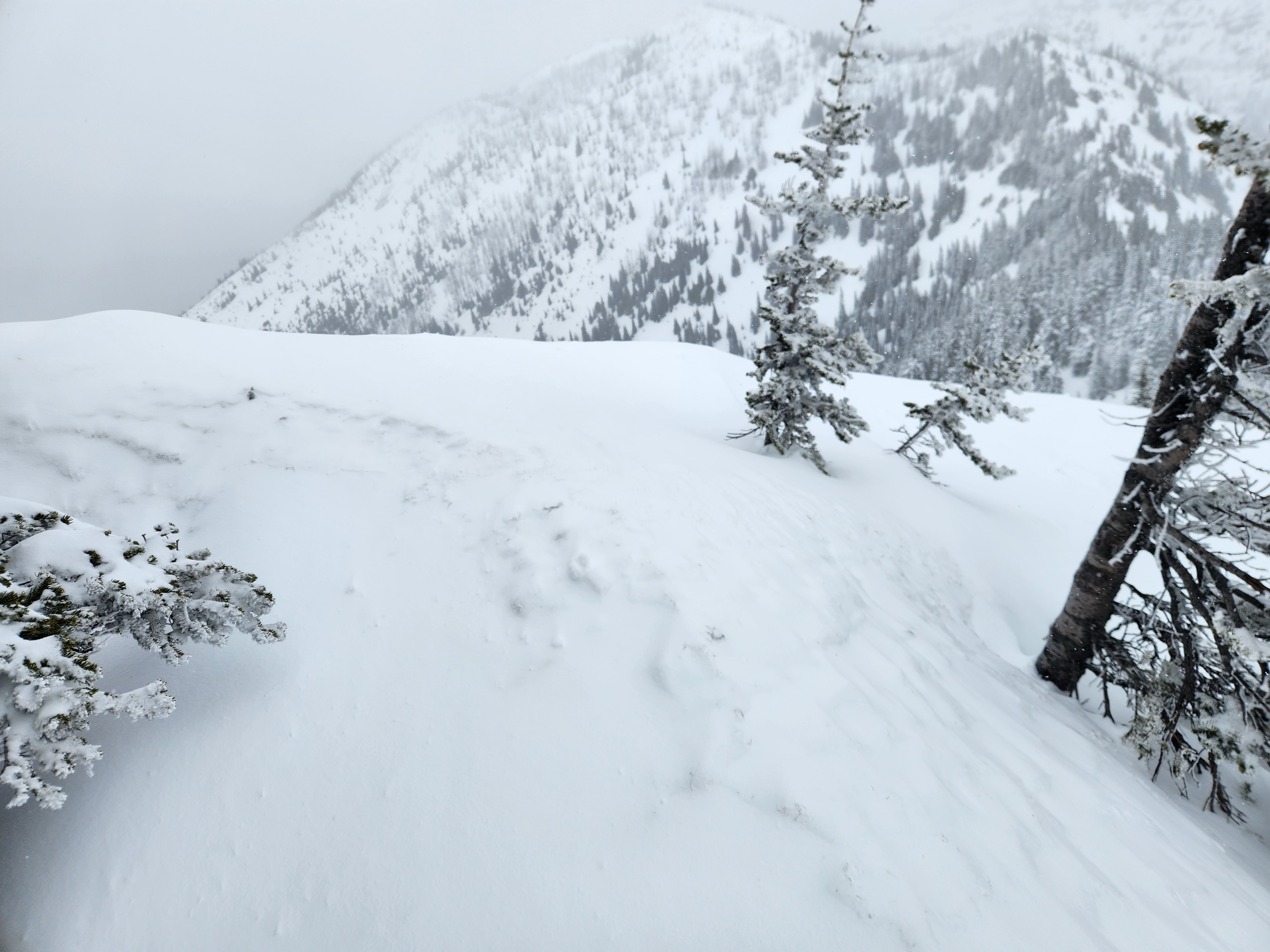
I went out today to see if the March AR Crust was freezing up, assess for any newly formed wind slabs, and to get a peak below the AR Crust to see what was wet and what wasn't. There wasn't much in the way of new snow overnight, and the recent snow just below the top 1/2" or so was heavy, seemingly sun or temperature-affected, and punchy/breakable, making for sub-optimal descents. There were some minor signs of wind transport near the ridge, but in general, small wind slabs were unreactive when provoked, I observed no obvious signs of instability, and snowpack tests were unremarkable.
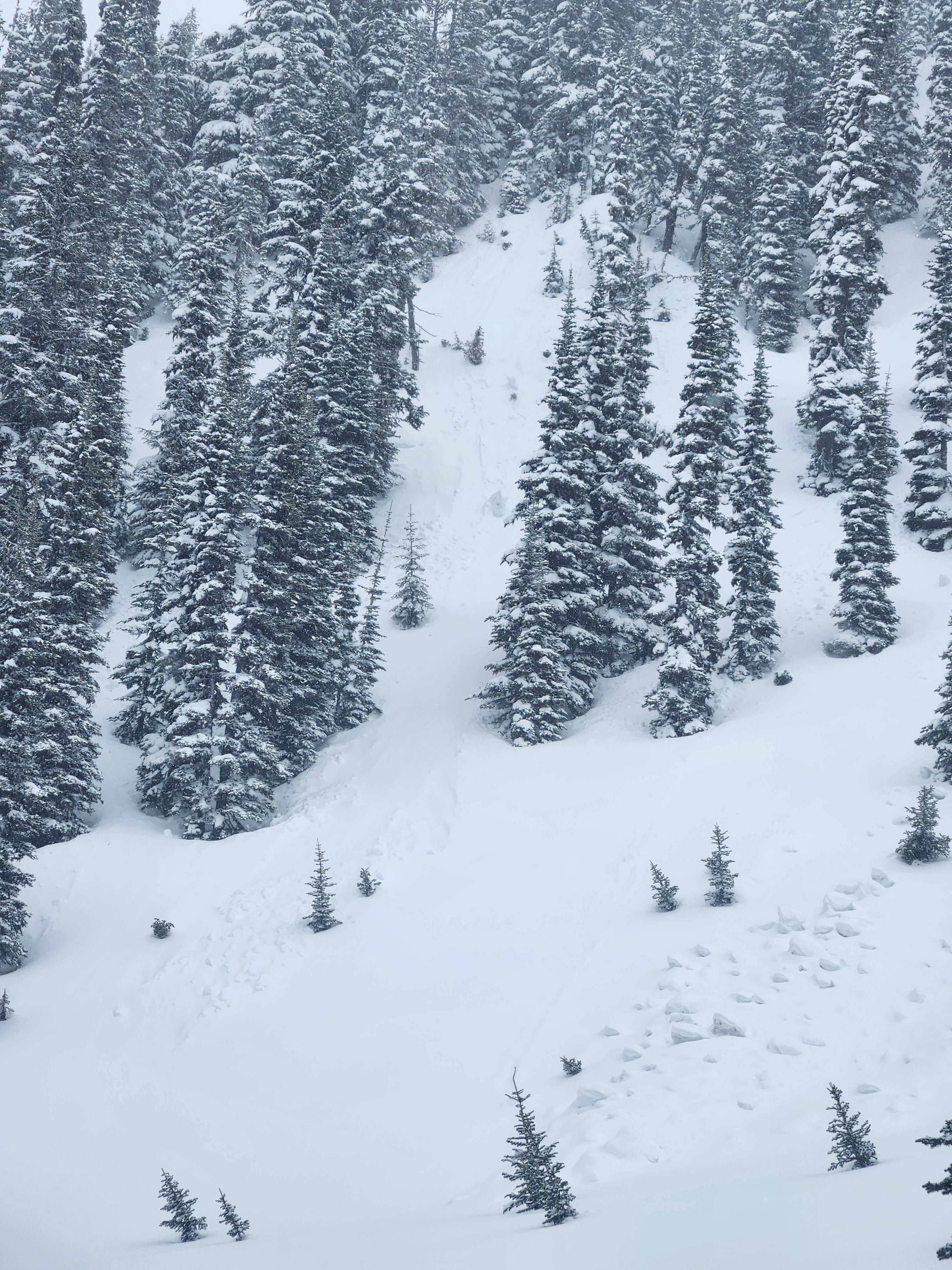
The top of the March AR Crust was generally frozen and boot-supportable. Below grains were still moist to wet to slushy, varying by snow profile. Things are starting to lock up, but there is still plenty of wet snow in the upper snowpack, and the nature of where the water is, what the slab is like, and what layers/interfaces have or haven't been sufficiently metamorphosed into something more benign is highly variable. Lingering sheds were still on my mind, despite them being unlikely.
Weather
- Cloud Cover
- overcast
- Wind Loading
- previous
- Recent Snowfall
- 5-10
- Snow Avail For Transport
- small smounts
Mostly cloudy with poor visibility and light snow showers. Winds were generally light.
Snowpack
In general, the March AR complex is getting stouter and boot-supportable. The top is generally frozen, though there is still plenty of wet snow below. The location, depth, and moisture content varied significantly between snowpits, highlighting the variable nature of water flow through snow, even in nearby profiles. Sometimes, just one shovel blade away there would be dry snow between crust complexes adjacent to a fully-wetted out intercrust zone. Regardless of how deep the primary wetting front was, the snow below that point was solid, hard, and generally dry, aside from a few interfaces that pooled a bit of liquid.
3 snow pits and a whole lot of shovel tapping didn't reveal anything too concerning, and large column tests failed to propagate in any pit. One excessively hard tap in "extra time" during a compression test revealed some former facets below the top of the February AR crust, but those were rounding, wet, and hard to individuate.