
Quick report
- Cracking
- isolated
- Collapsing
- isolated
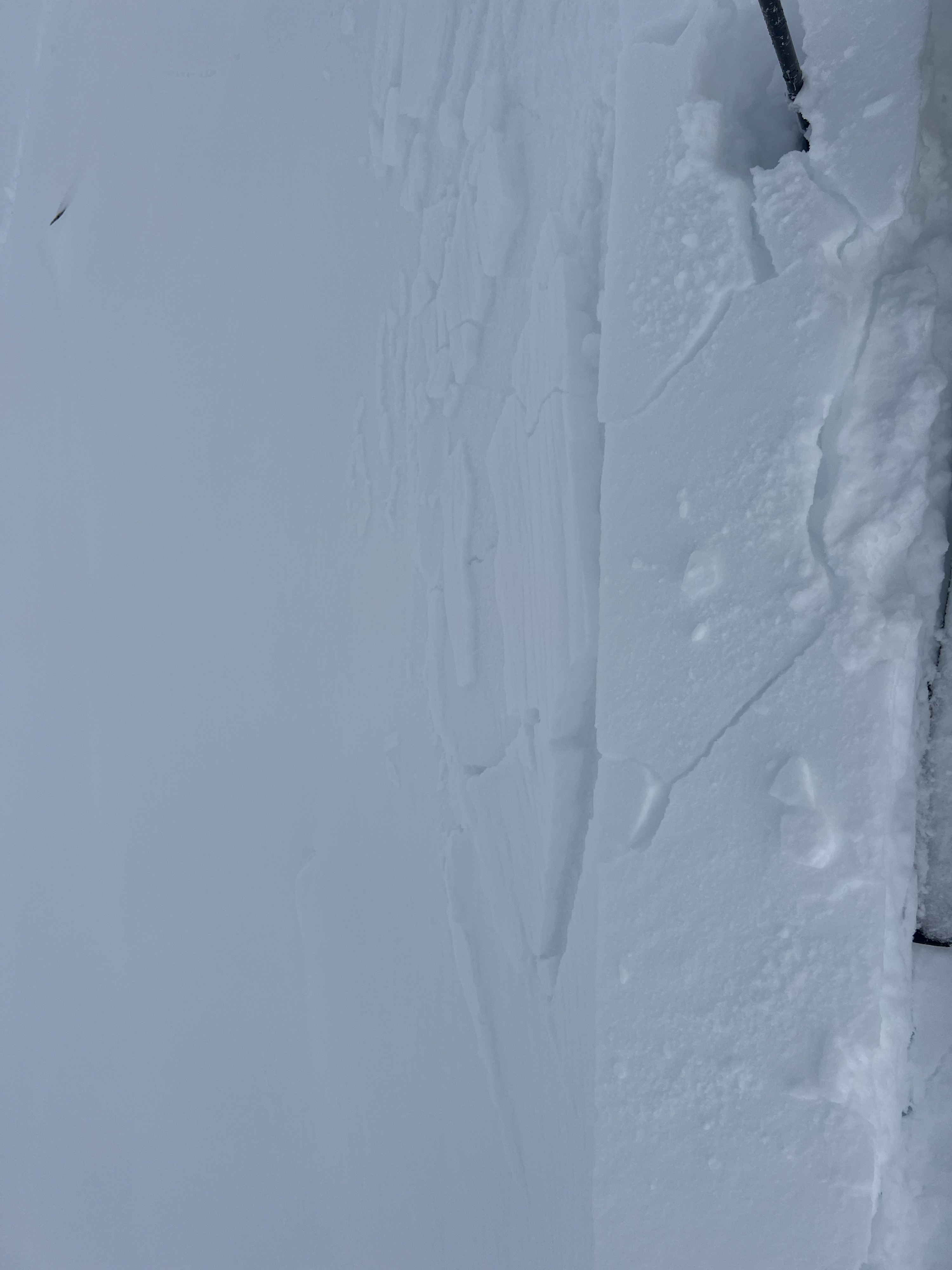
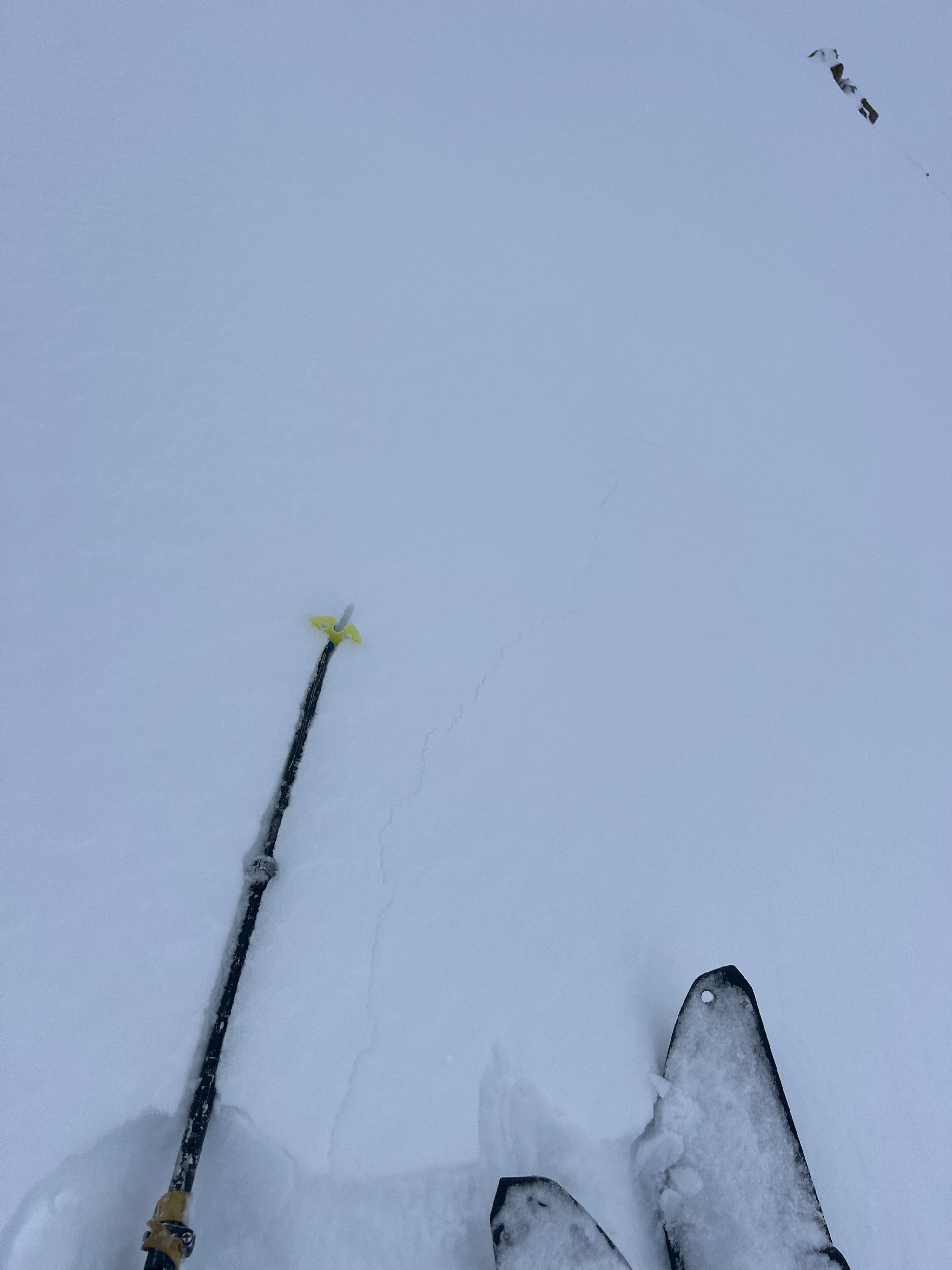
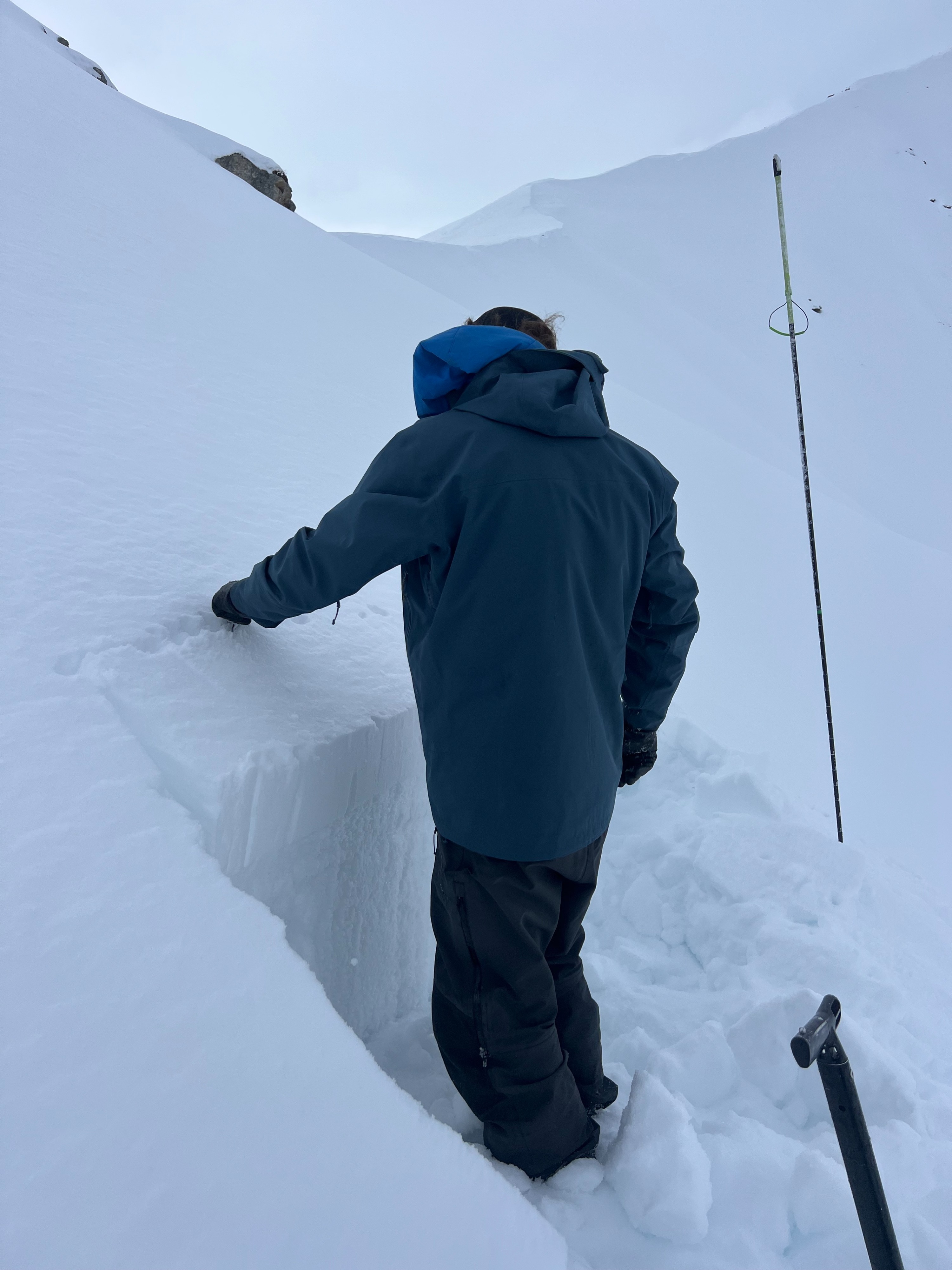
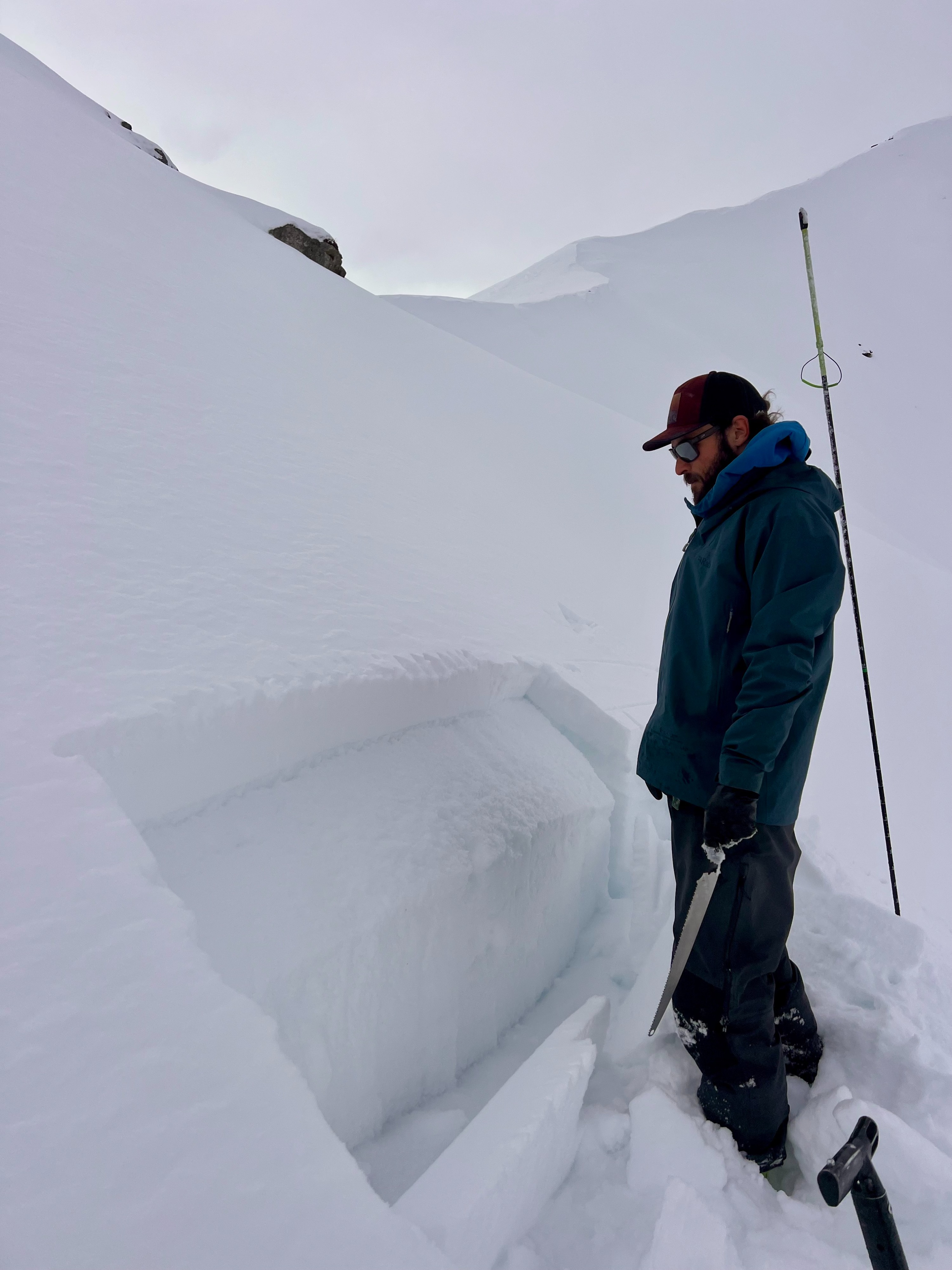
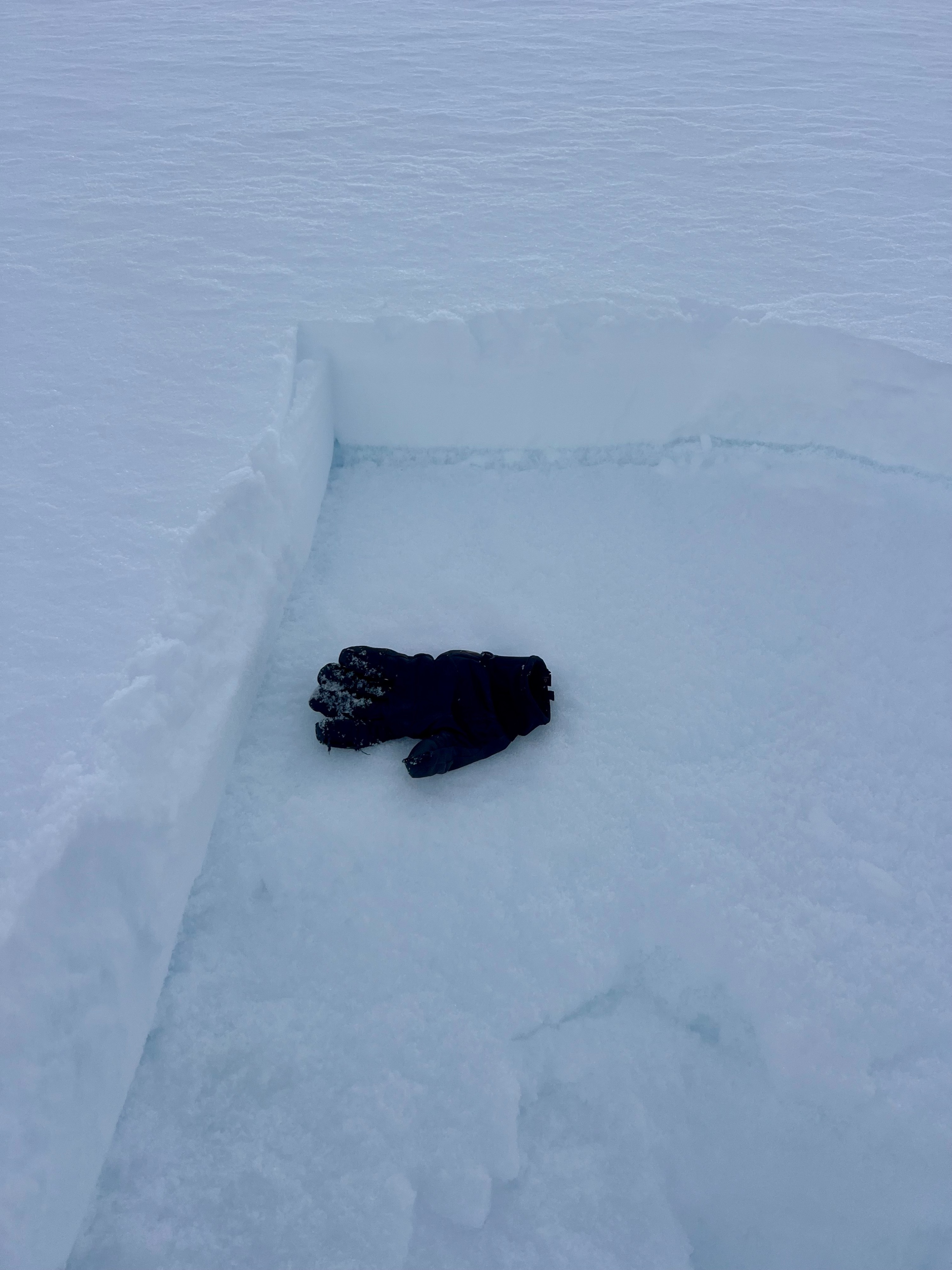
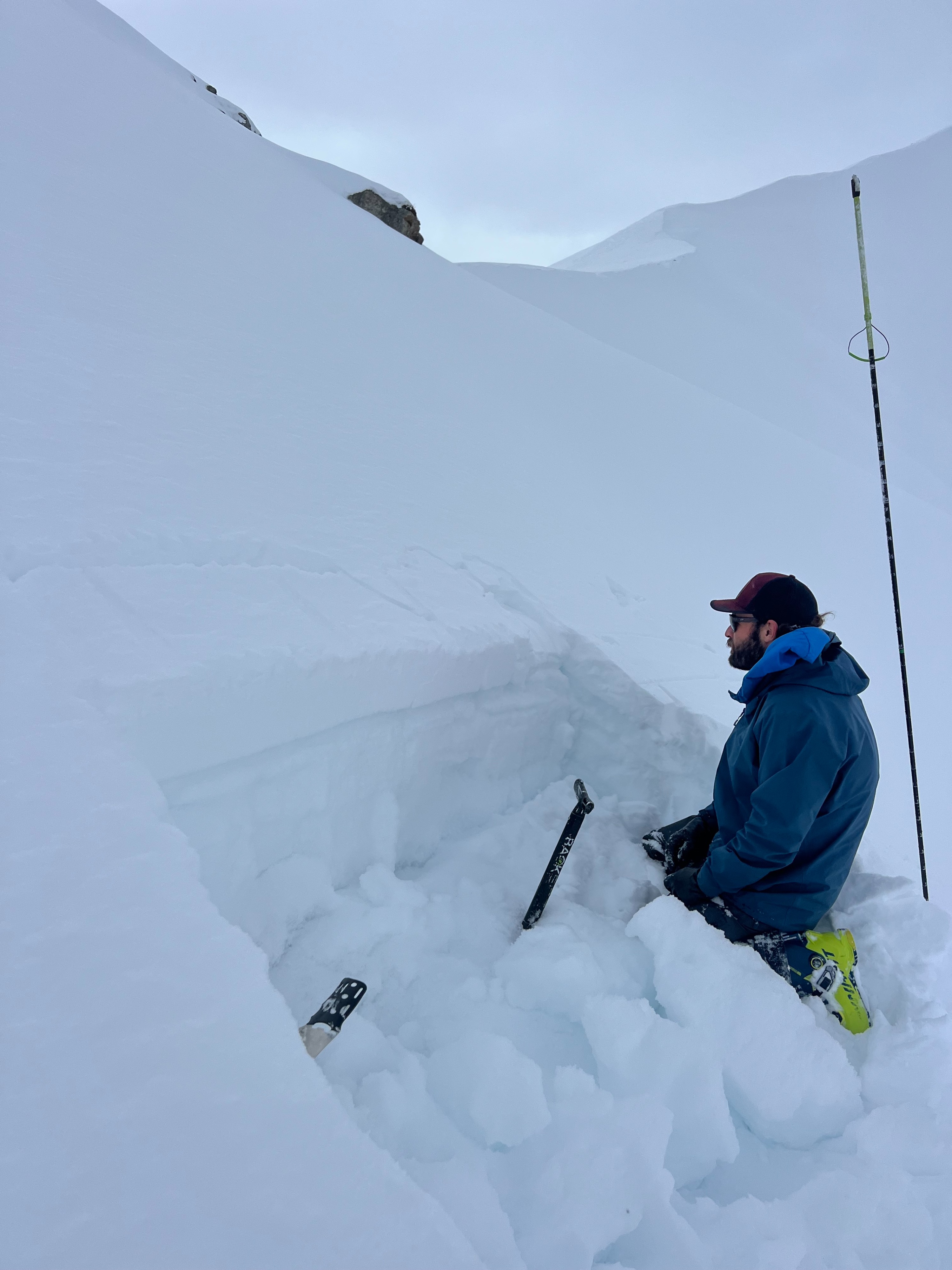
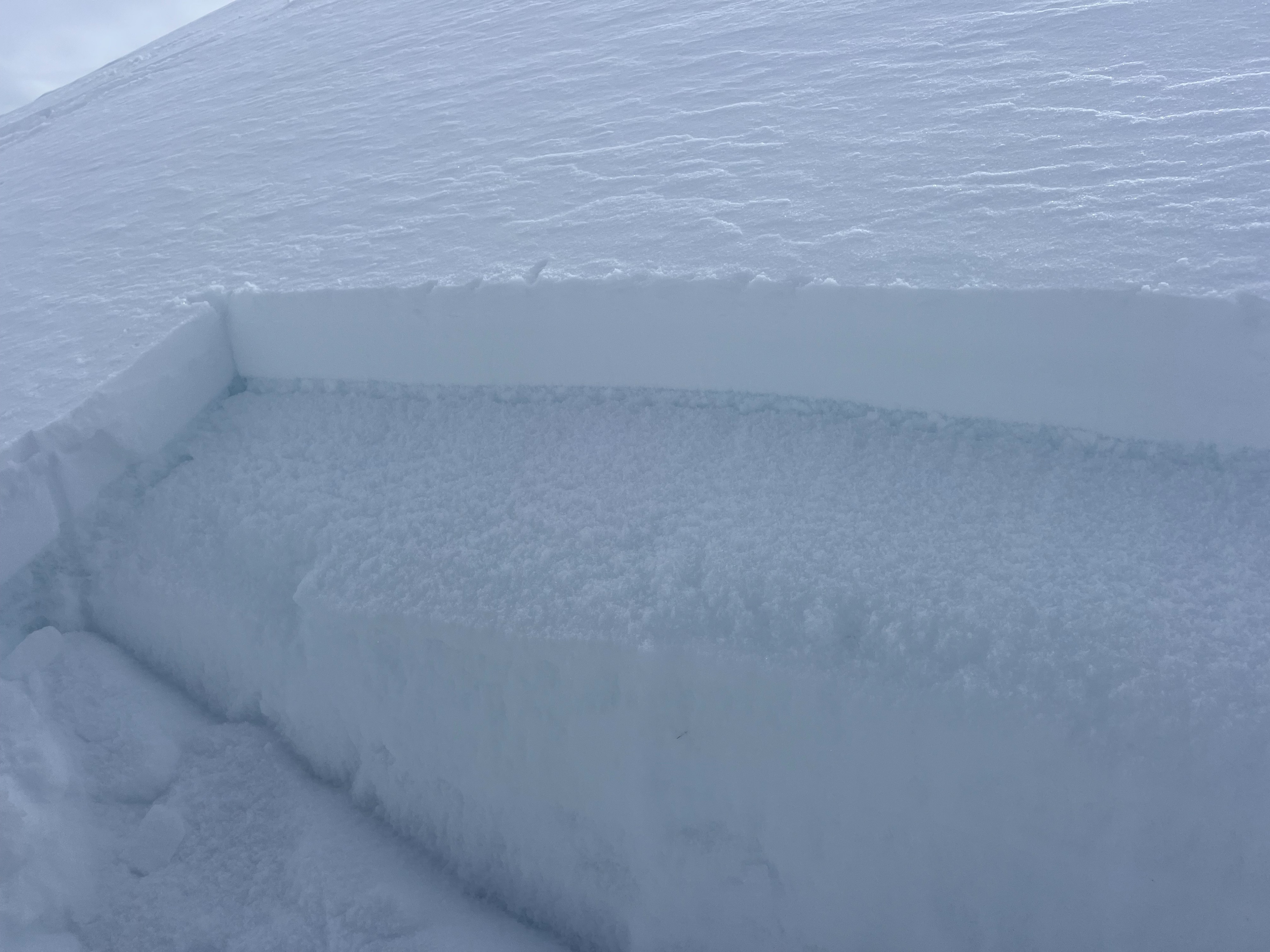
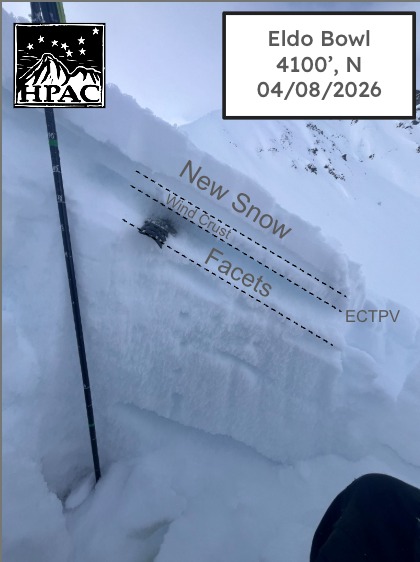
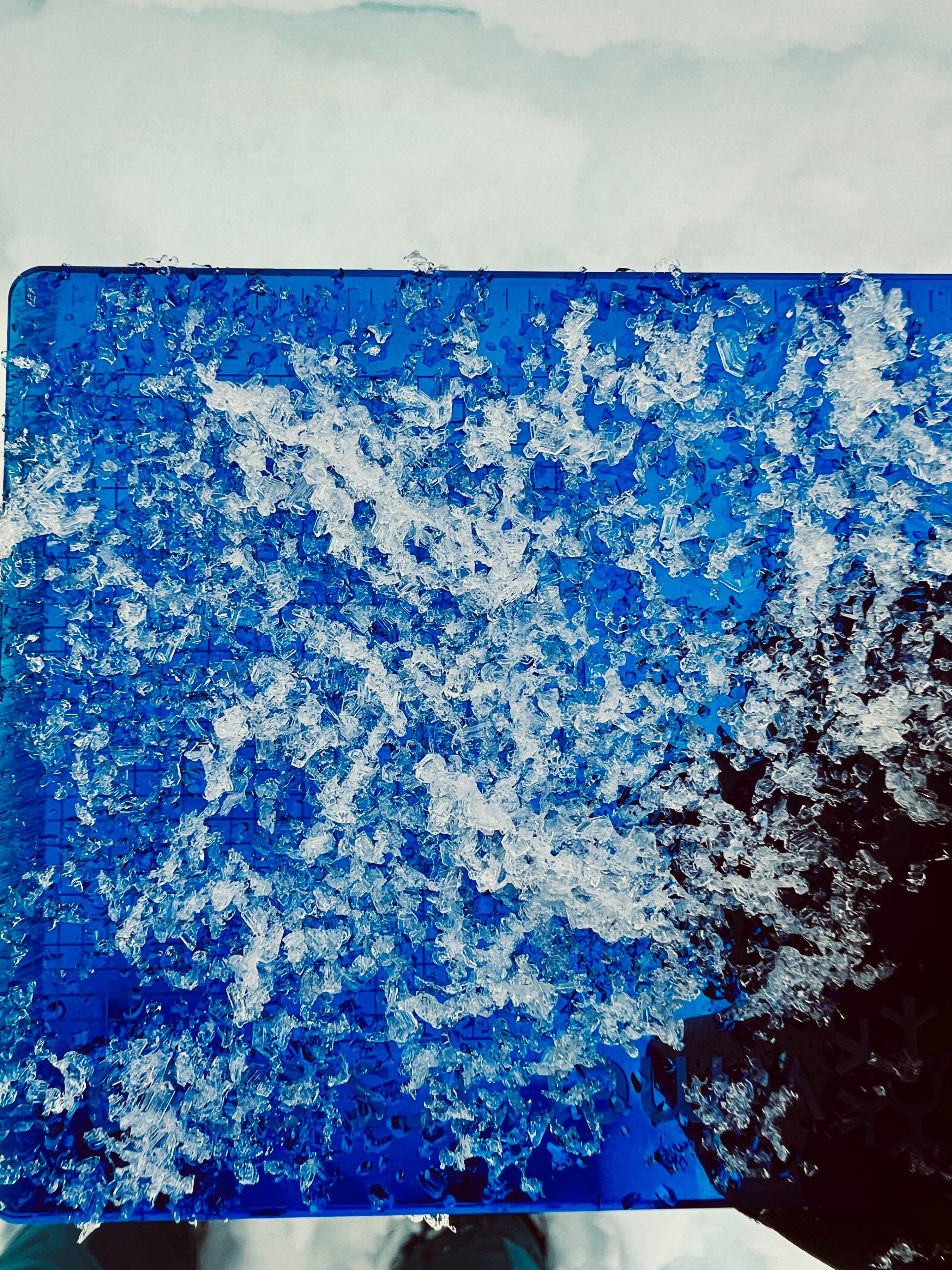
On our tour, we found isolated pockets of wind-drifted snow that were either unreactive or very small near the ridgeline (mostly crumbling fresh cornices). We had one collapse and crack extending into the adjacent ski run—about 10'. We dug near this, and found the upper 15-20 cm of the snowpack held new, fresh snow at the surface (2-4 inches) and a thin old wind crust. All this was sitting over ~ 5cm of well-progressed facets. We had poor results in stability tests, which felt inconclusive due to such a stiff old wind slab over airy weak snow below. Tests showed that if we ever do get a big storm, things will quickly become unstable; however, for now, this "hard over soft" setup is isolated in nature. I.e walking ten feet from our snowpit, we did not find this setup, and then traveling another 10', we found it again.
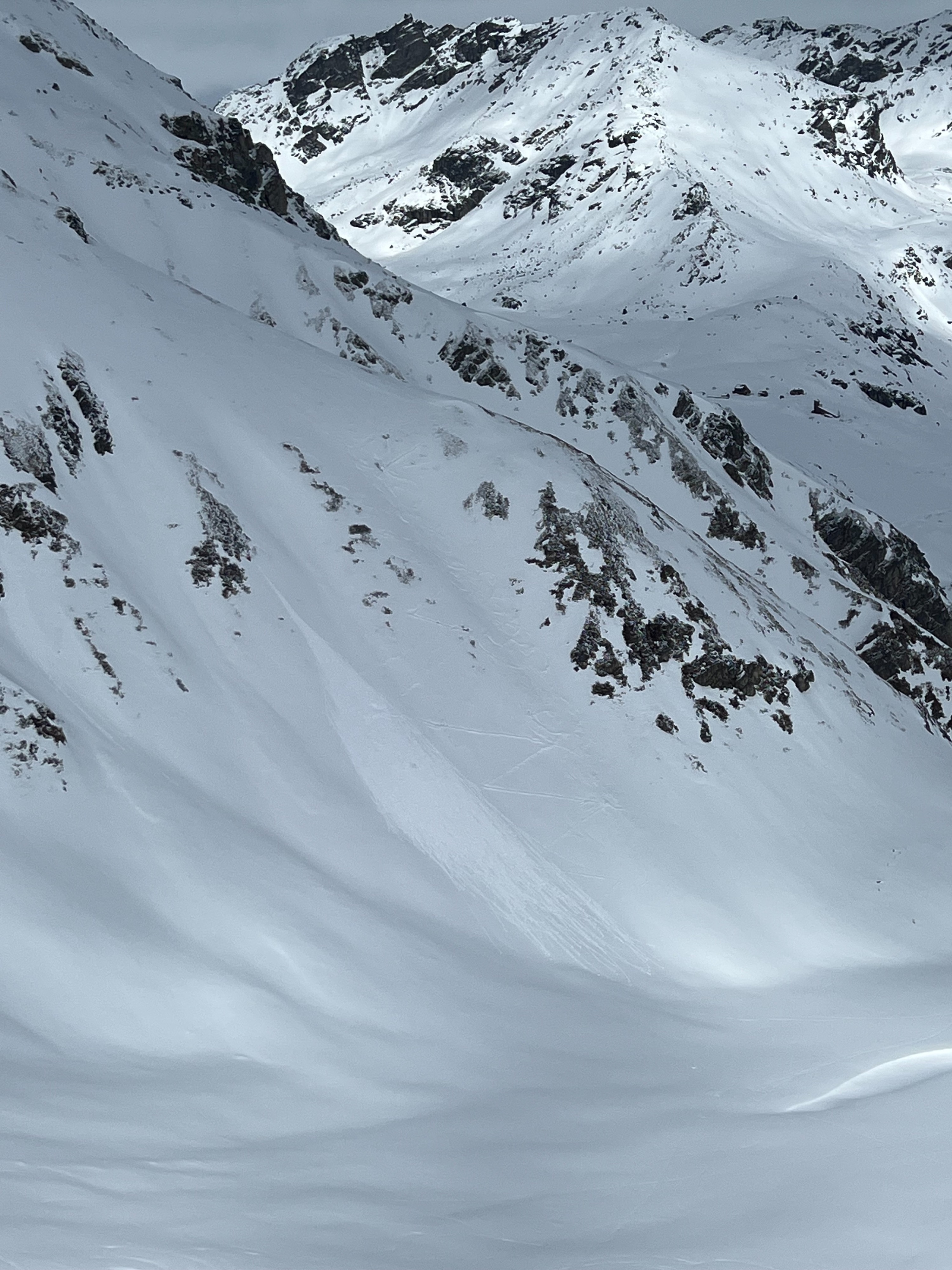
We had a collapse near the top of the ridge and a visible crack that extended about 10 feet into the adjacent run. Additionally, on our exit, we initiated very small new-snow avalanches as the upper snowpack warmed and settled into soft slabs.Weather
- Air Temp
- 34
- Cloud Cover
- broken
- Wind Loading
- previous
- Recent Snowfall
- 5-10
- Snow Avail For Transport
- small smounts
Mostly cloudy skies, light southeast ridgetop winds, and mild temperatures (the thermometer on the truck read 34 degrees at 11:30 AM).
Snowpack
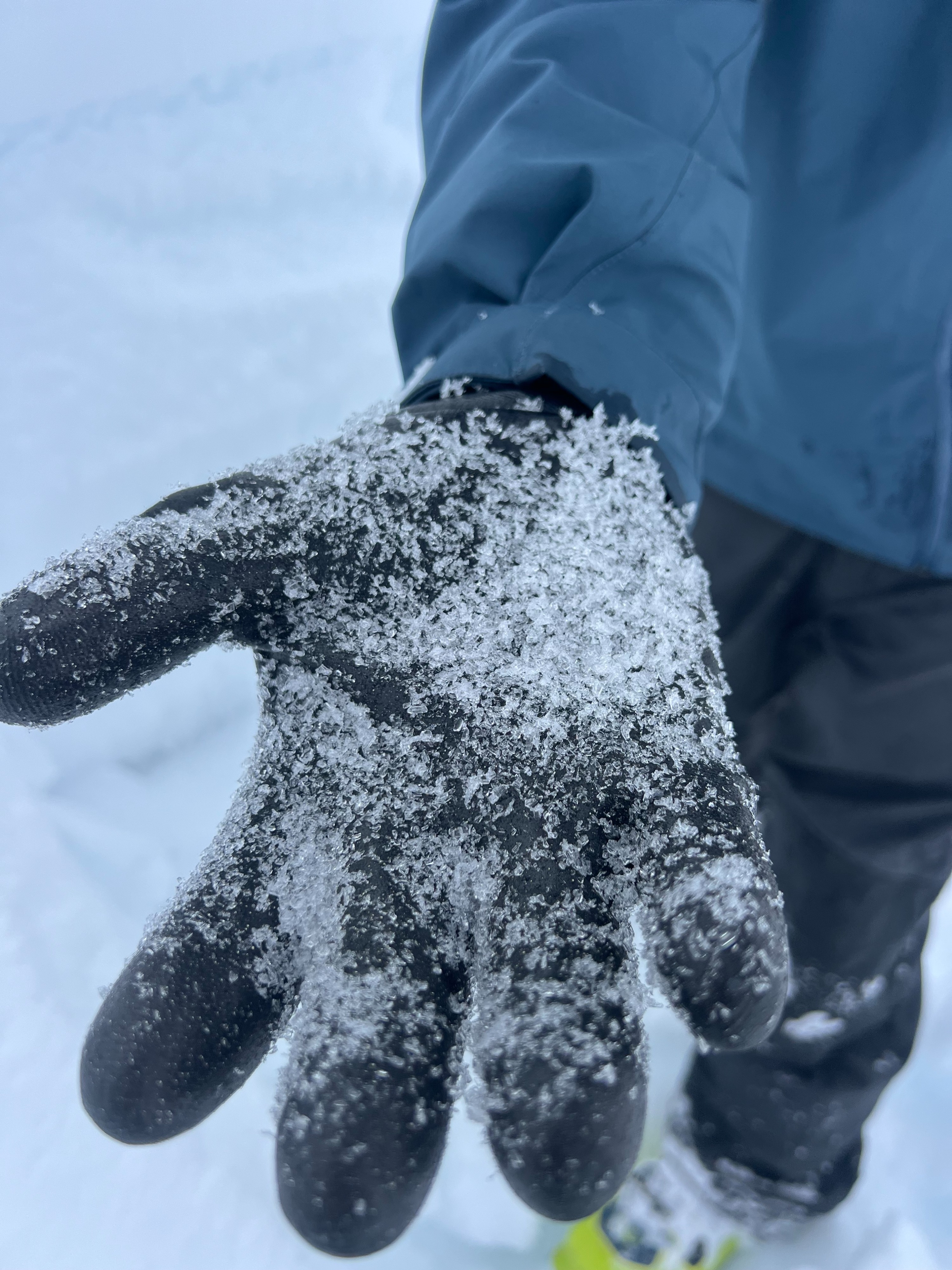
We found 2-4" of new snow on our tour; this new snow seemed to be bonding to the old wind crusts below. Using hand pits, the only places we found any form of reactivity were where new snow overlay a thin to thick wind crust. We dug on a north-facing slope at about 4100' near where we experienced cracking and collapsing. Here, we had ECTPV (on isolation) results. However, rather than truly propagating, our column of isolated snow seemed to slide off the airy facets below. The facets below were impressively large for being so near the surface, and the length of time that snow has been on the ground, some grains were upwards of 4mm in size, and heavily striated—almost resembling depth hoar minus the cupped features.
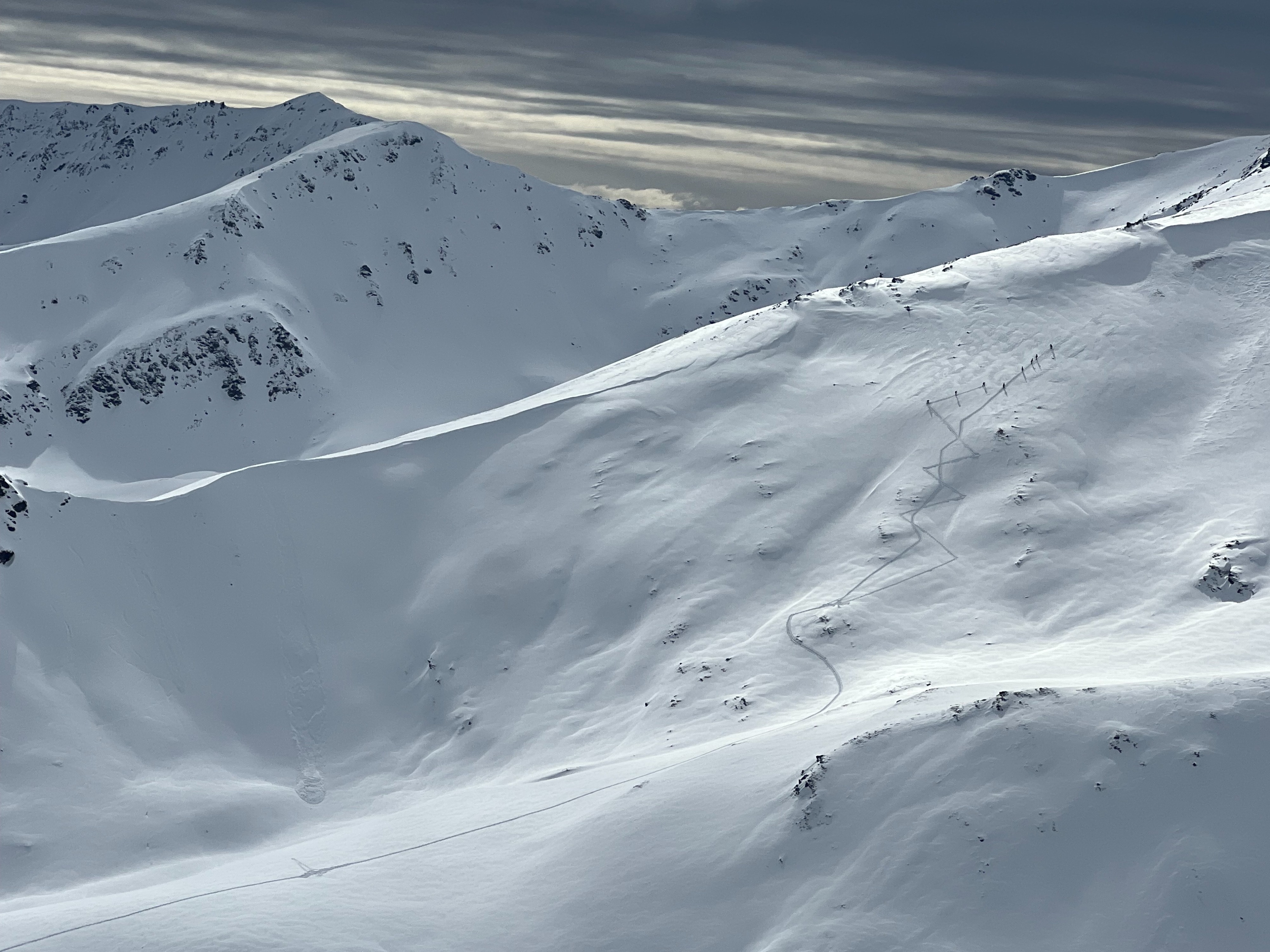
On our descent, new snow had consolidated rapidly from the ambient warm temperatures. Along the sides of steep gullies, we were able to trigger small sluffs in the wind-drifted snow.
Avalanche
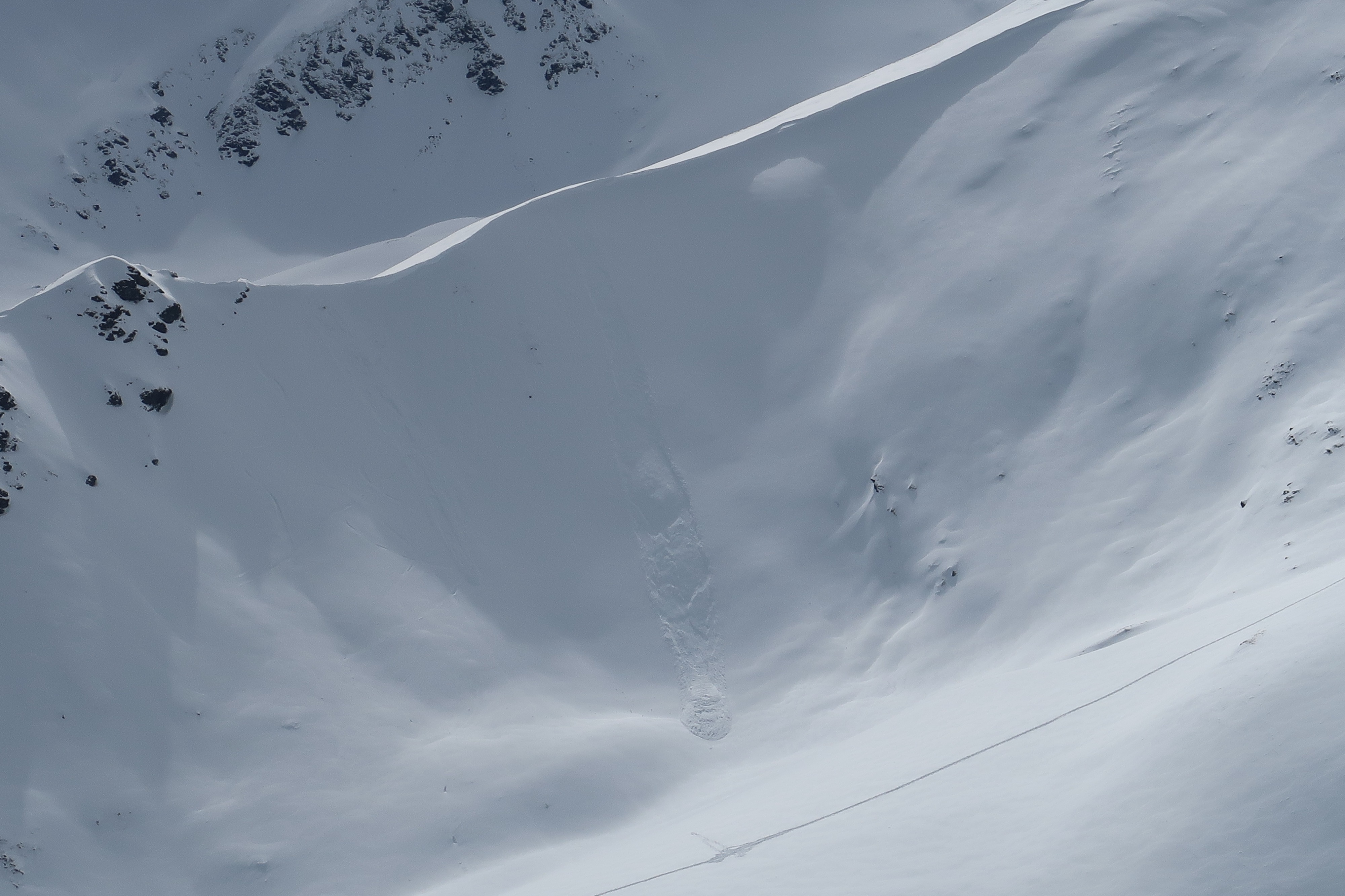
We saw one small loose dry avalanche above $1000 run.