
Quick report
- Cracking
- isolated
- Collapsing
- isolated
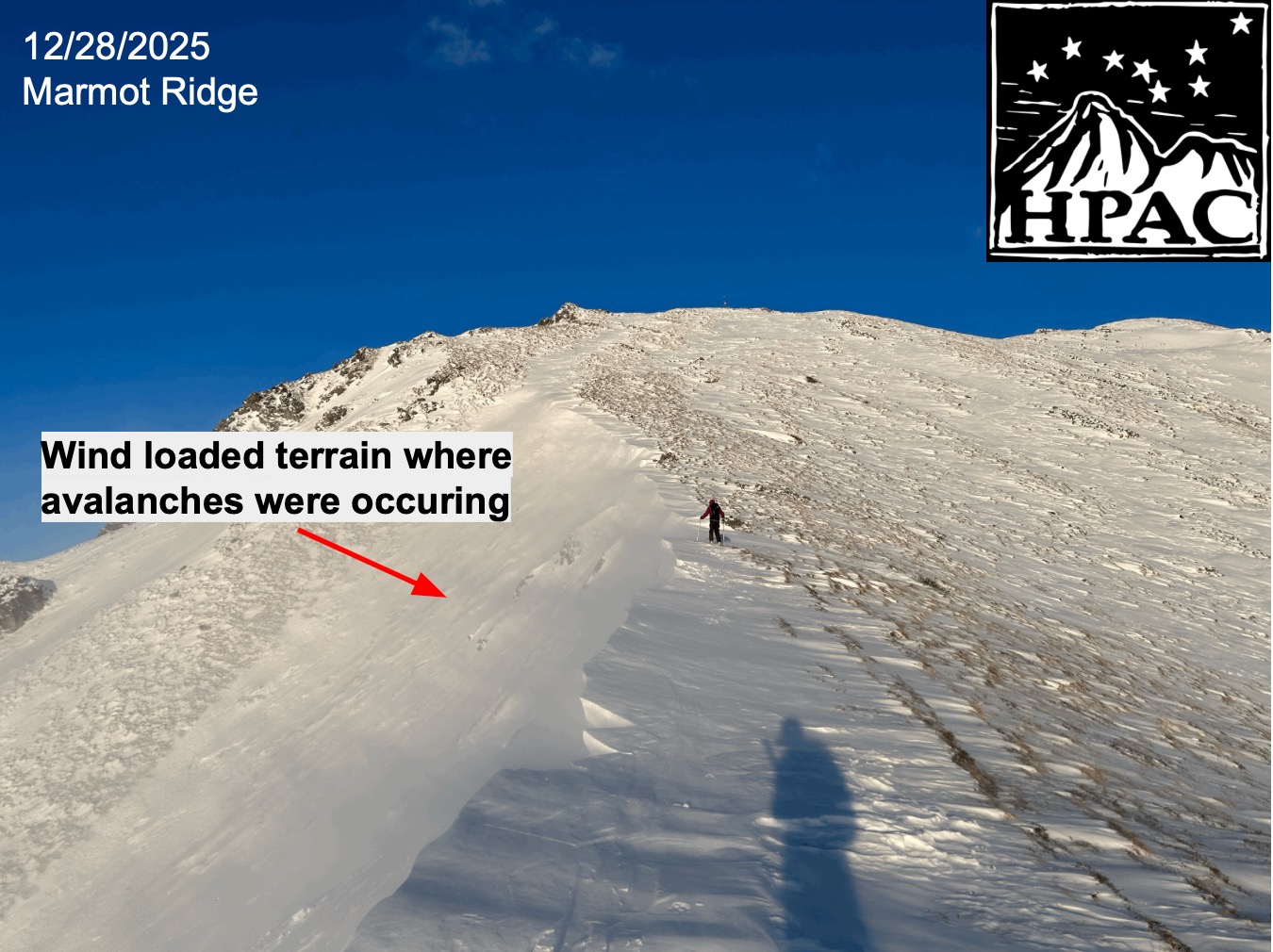
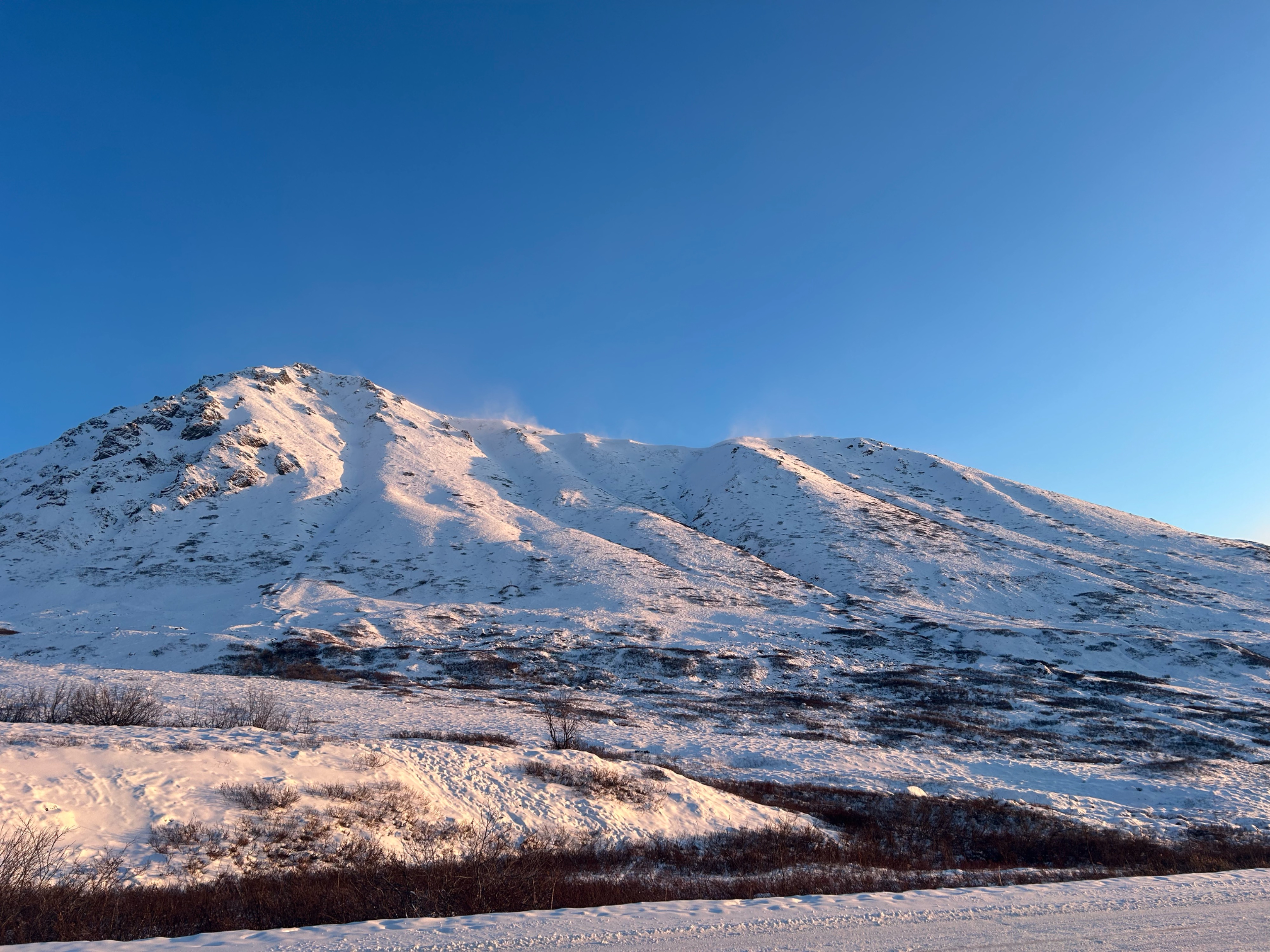
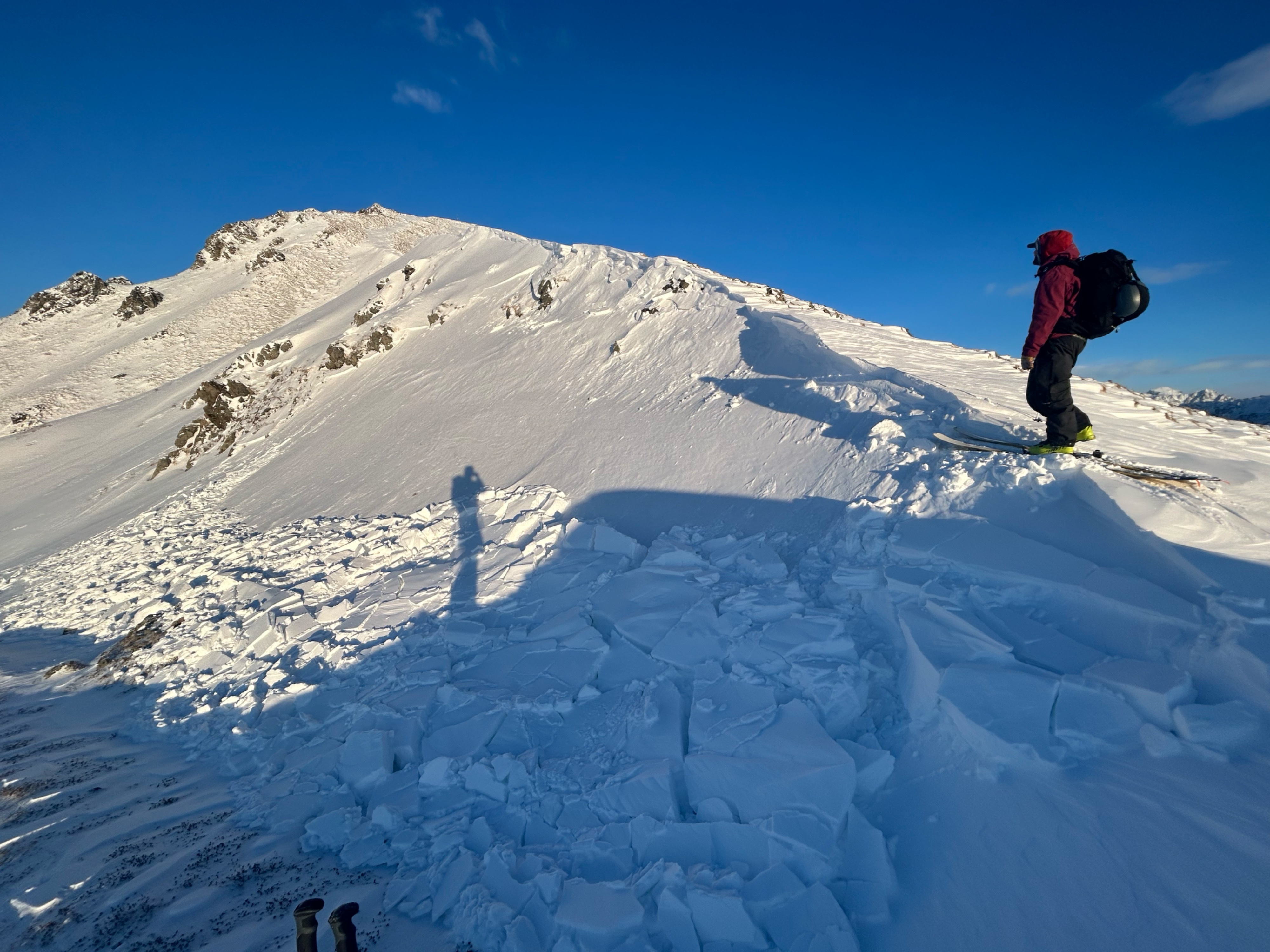
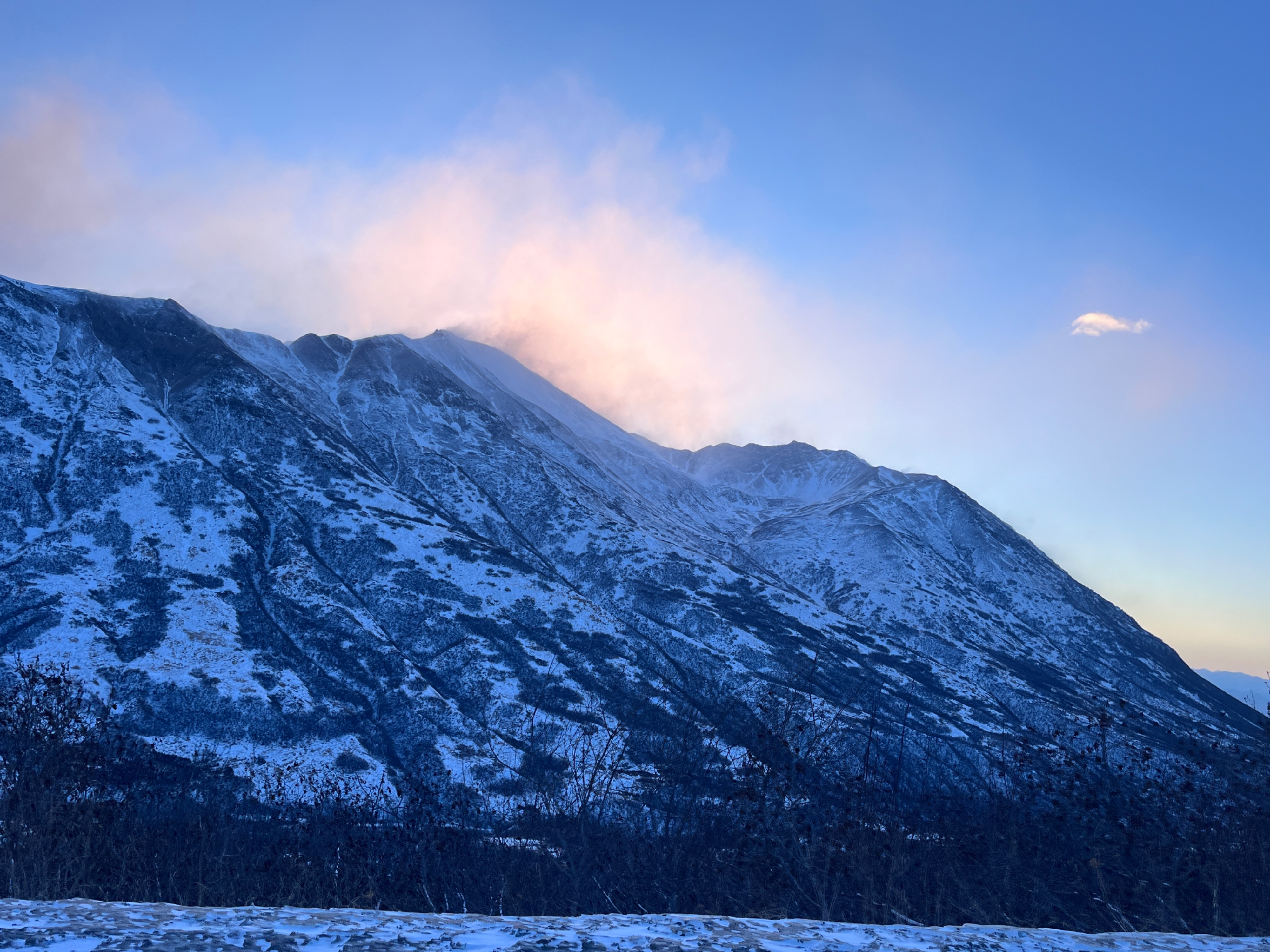
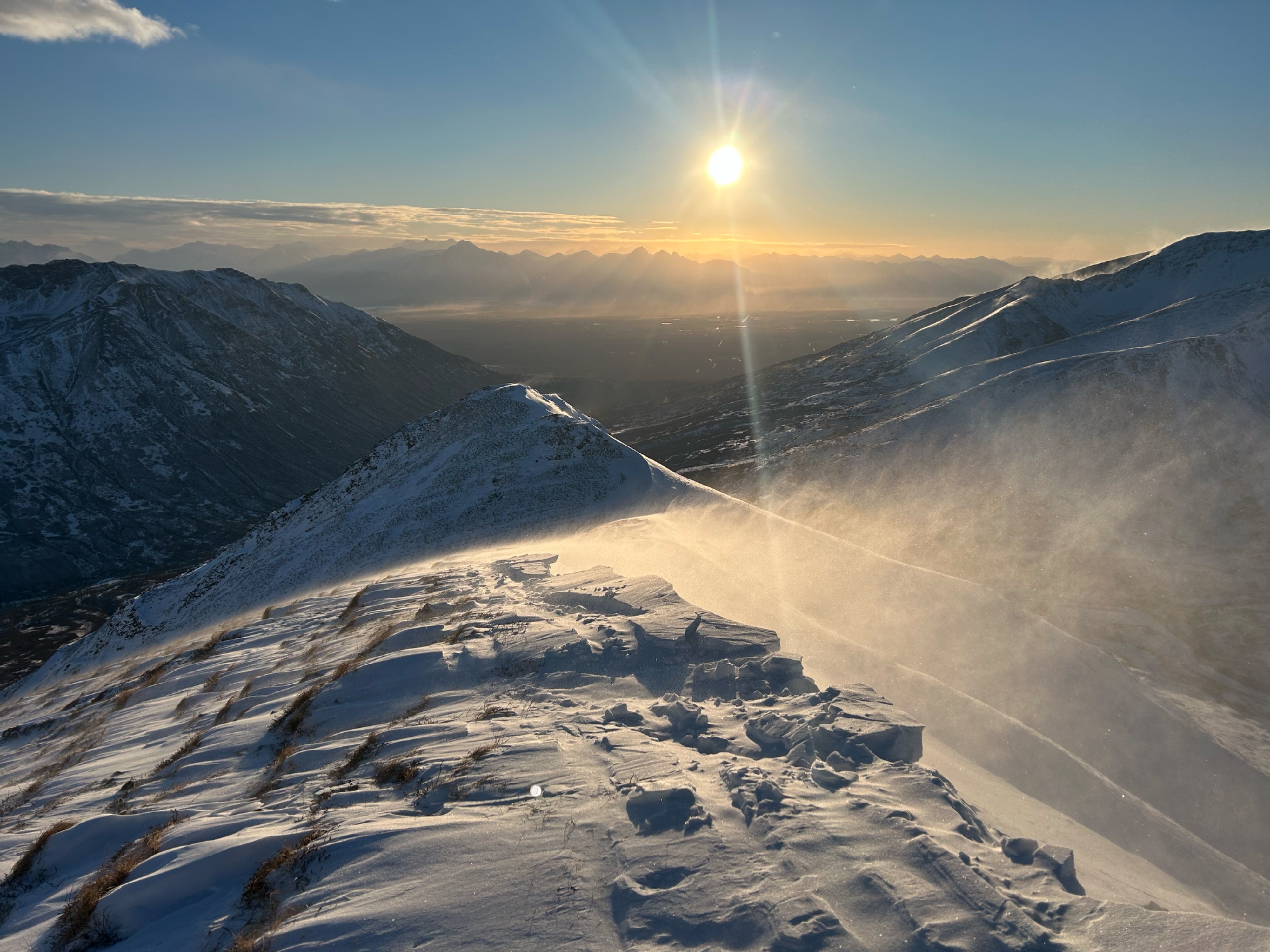
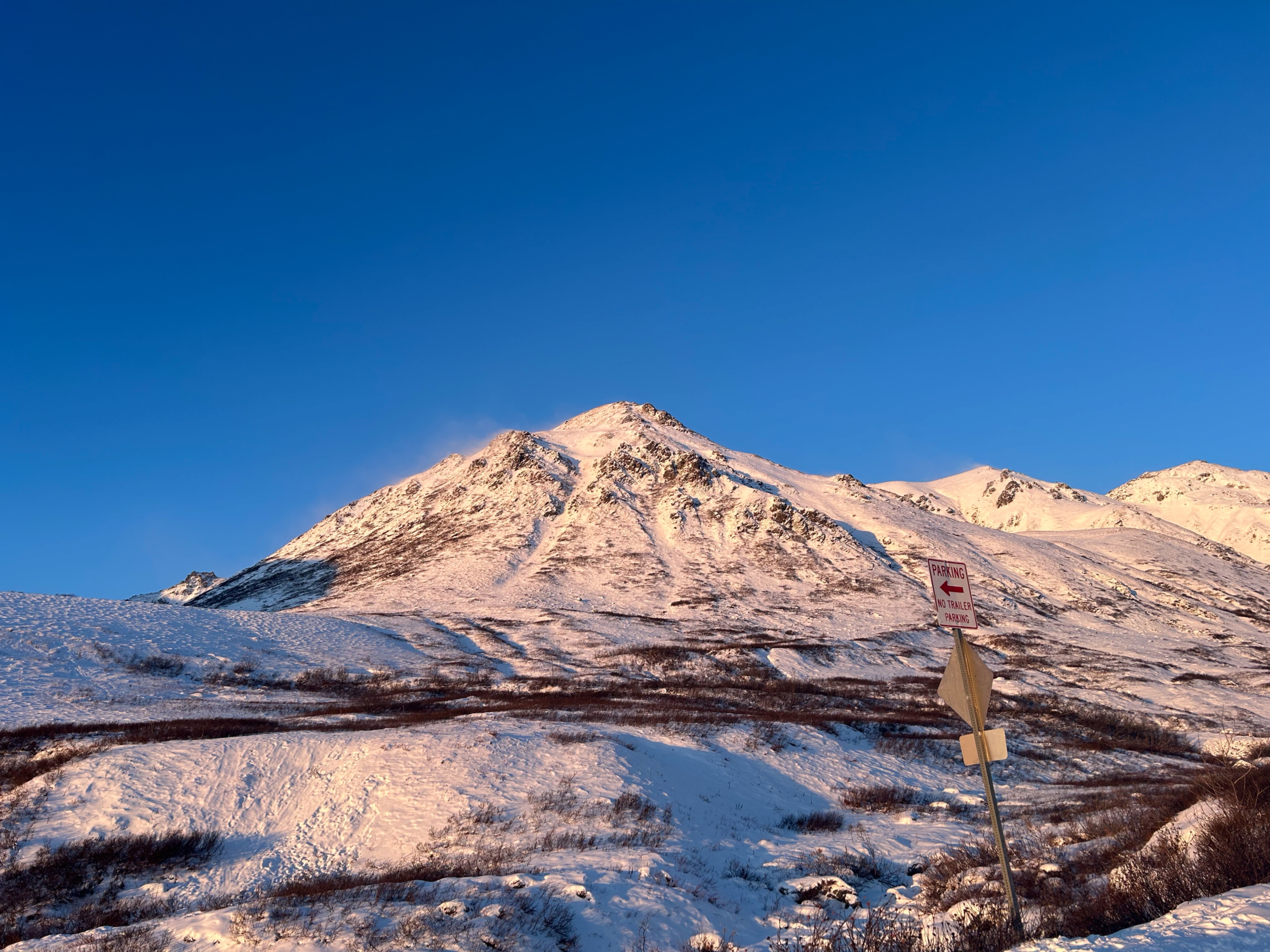
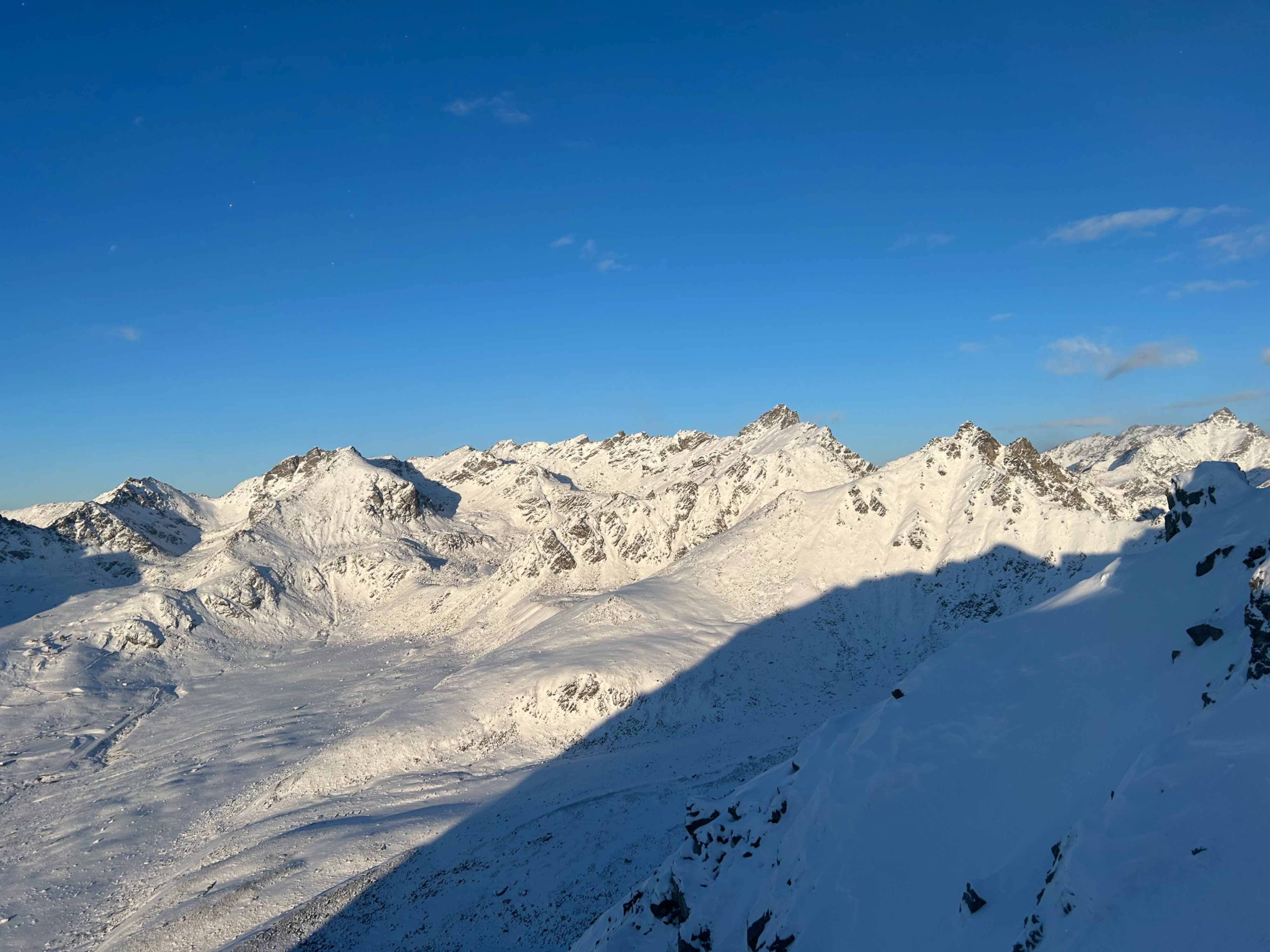
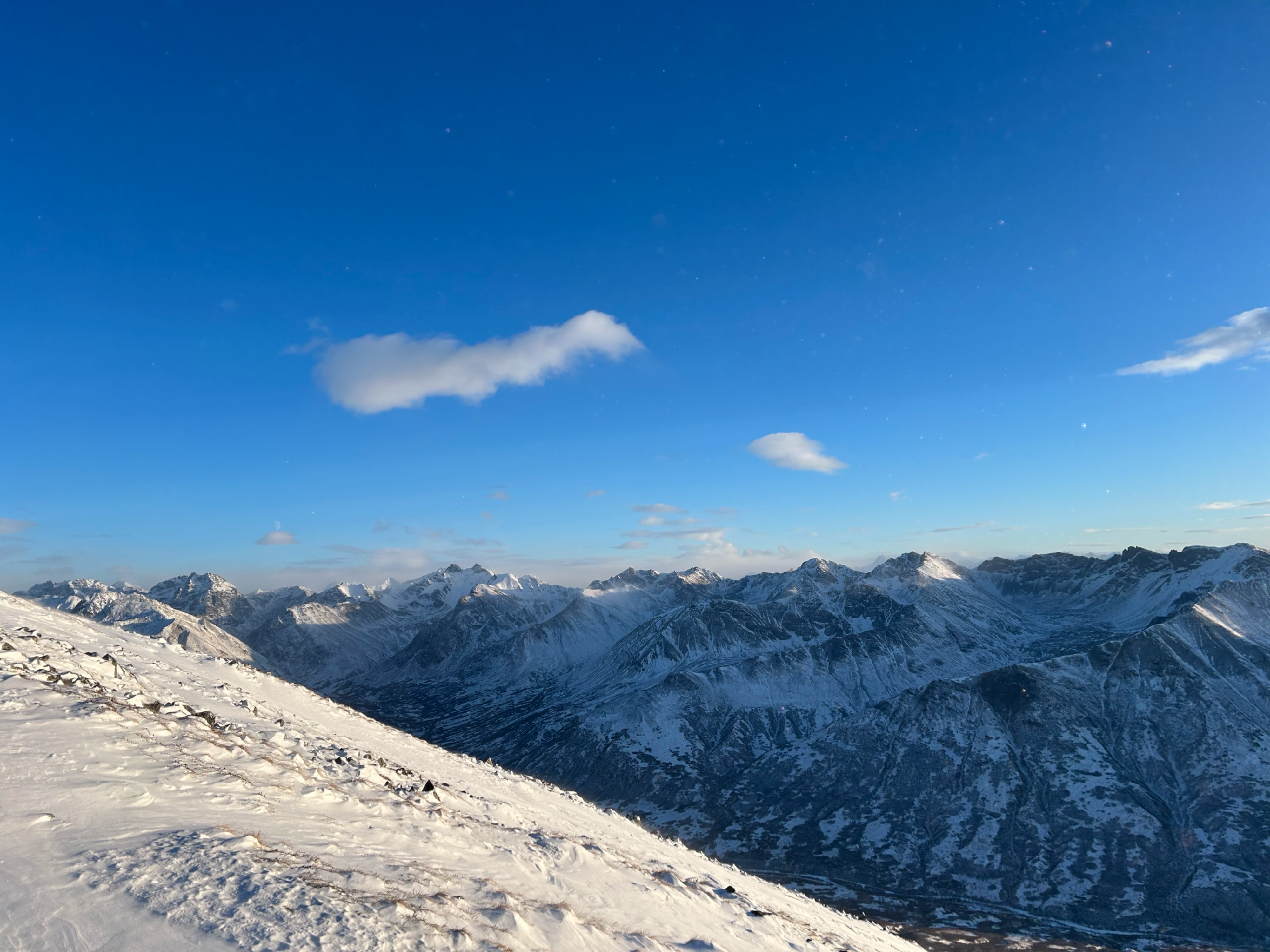
We toured out to the summit ridge of Marmot to investigate how the recent new snow and new wind event is changing avalanche conditions. Through low tide travel to ridge top, we could barely notice that snow had fallen in the area the other day. At ridge top, winds were strong from the east and depositing snow into wind slabs just below ridge top. Stomping around on the ridge, we were able to trigger multiple, small, wind slab avalanches. We found the wind slabs, in this location, to be isolated to below ridge top terrain features that have been actively loaded and small in size. We managed the problem with good travel techniques and careful decision making and skied a west facing run back to the road. Low tide and variable conditions unfortunately persist. Pray for snow a little harder this week, I think Ullr thinks we're praying for wind. The fresh wind blown snow has formed slabs 6-8" thick at upper elevations just below ridge tops. These fresh slabs are poorly bonded to the old snow surfaces and we were able to intentionally trigger multiple, small (D1 or less) wind slab avalanches below the summit ridge of Marmot. Intense flagging observed all over the region throughout the day.
Weather
- Air Temp
- 2
- Cloud Cover
- few
- Wind Loading
- intense
- Recent Snowfall
- 0
- Snow Avail For Transport
- small smounts
Mostly clear skies, cold temps, and strong winds dominated the day. At ridge top, winds were very strong and cold giving the day an arctic feel.
Snowpack
At upper elevations and in wind loaded terrain features we observed fresh, thin (~6"), wind slabs that have formed from the current wind event starting this morning. These slabs generally sat on top very firm old snow surfaces or loose, large facets to the ground.
Avalanche
We intentionally triggered several, small fresh windslab avalanches just below ridge top in wind loaded terrain features. Average crown depths of the slabs were 6-8". Avalanches generally ran fast on very slick bed surfaces and mostly ran ~300'.