
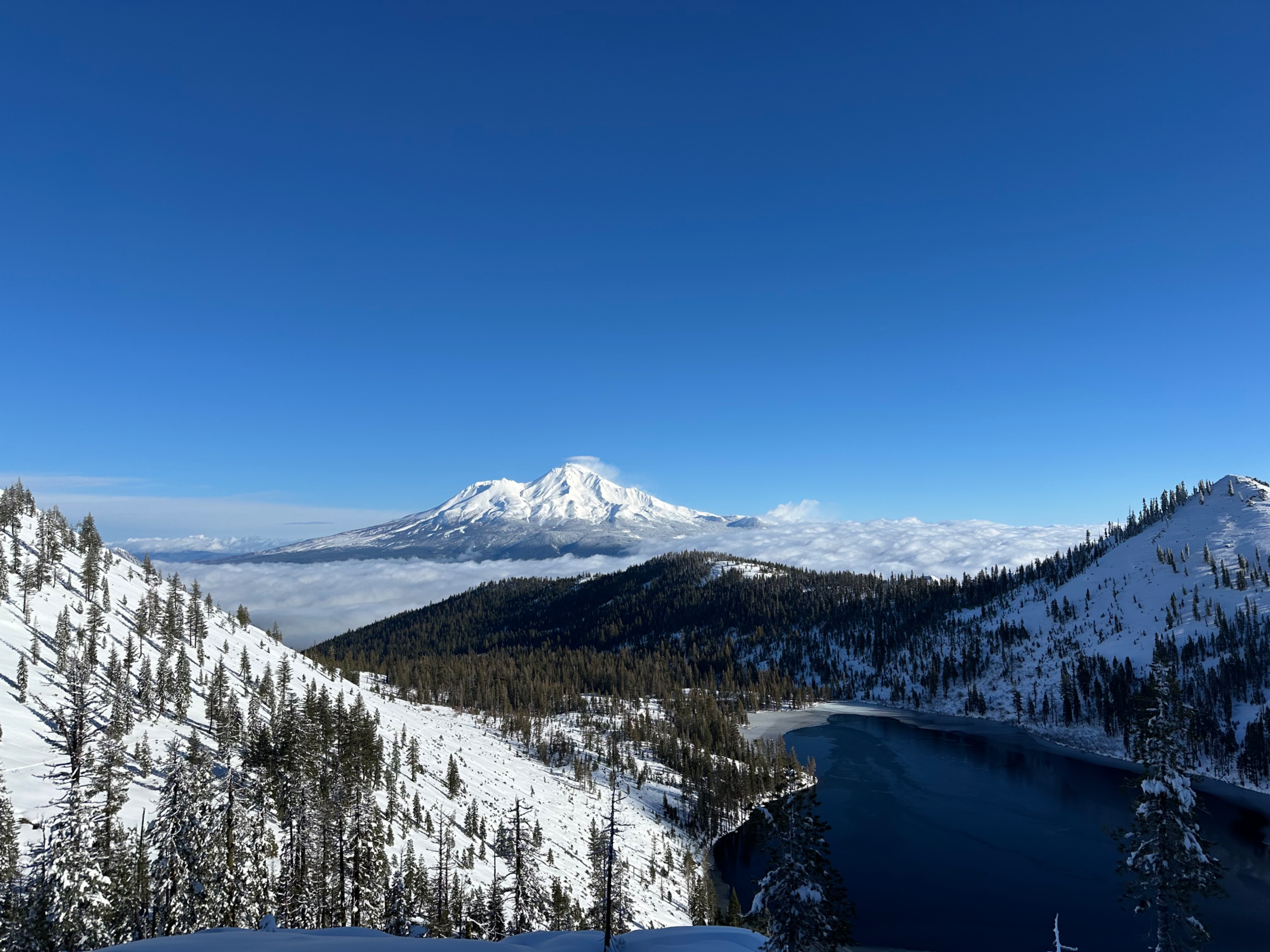
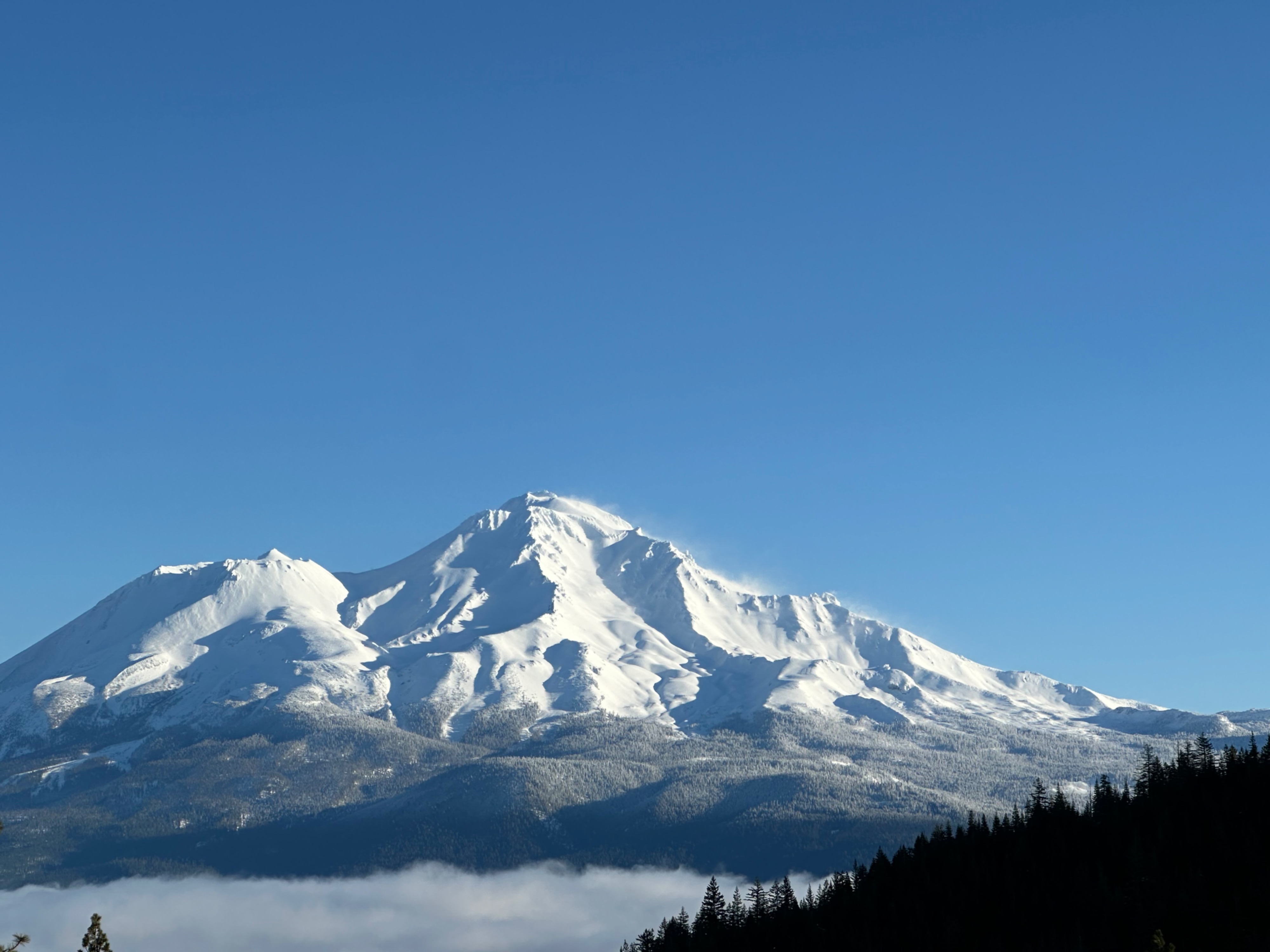
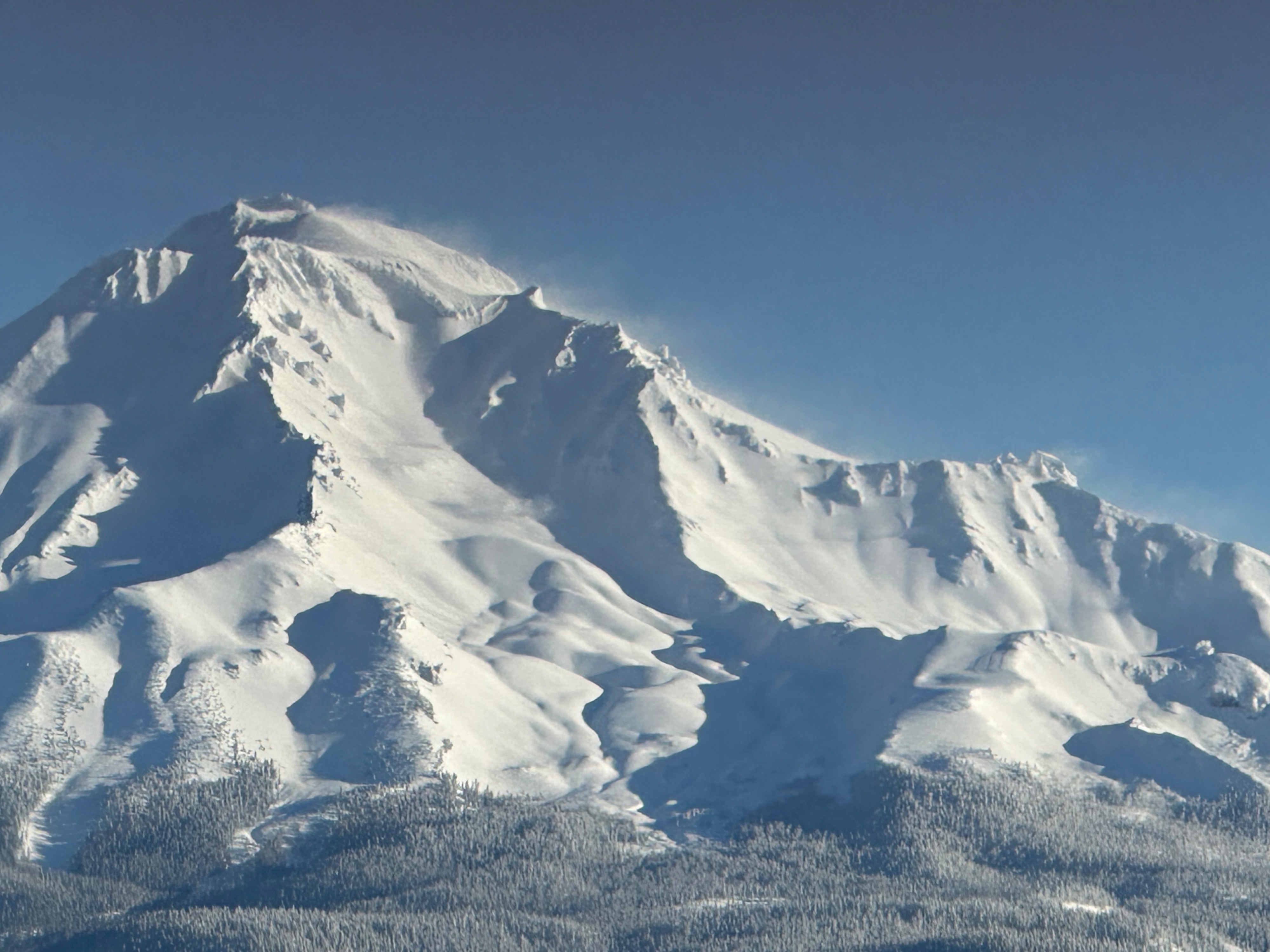
Quick report
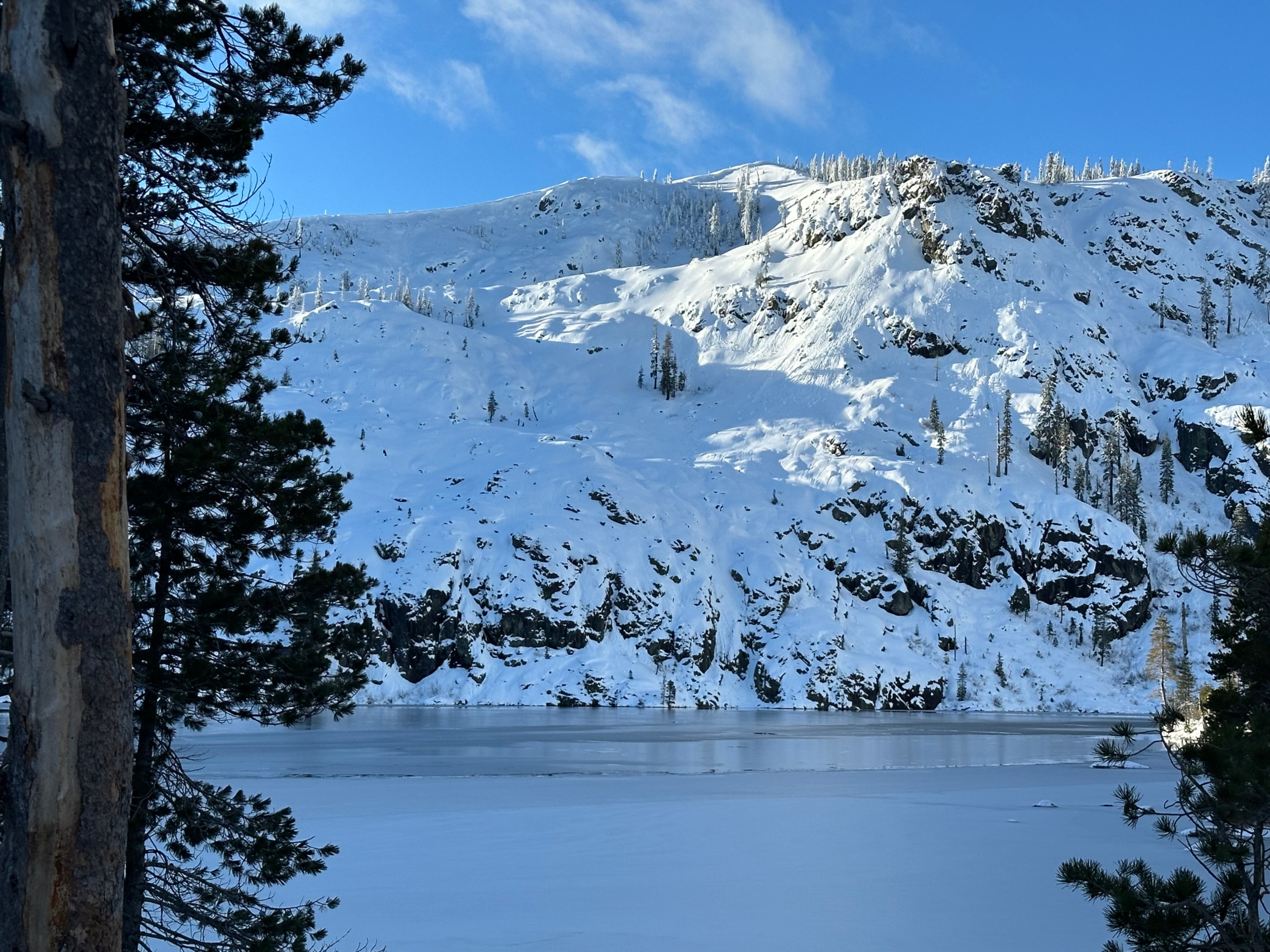
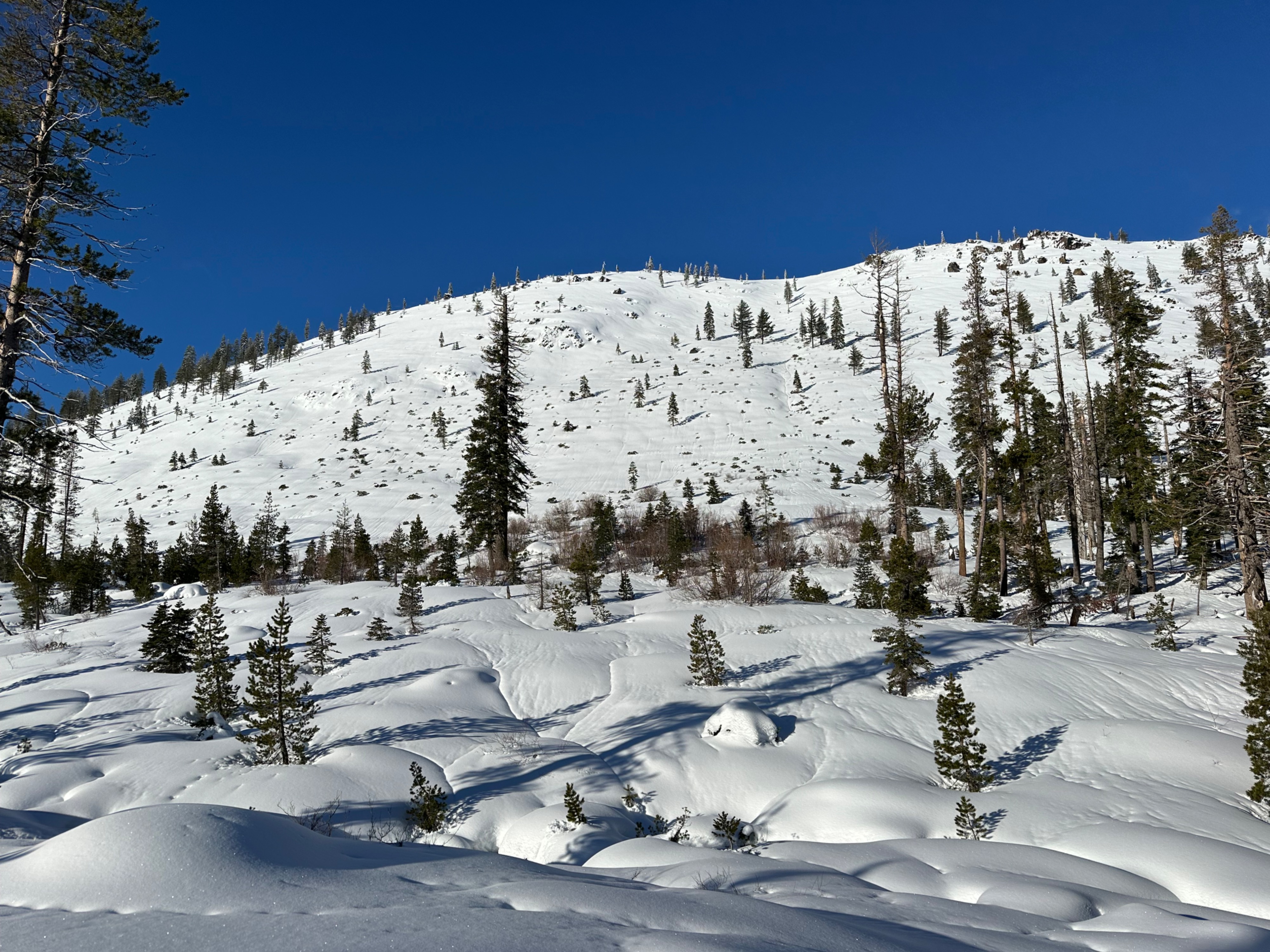
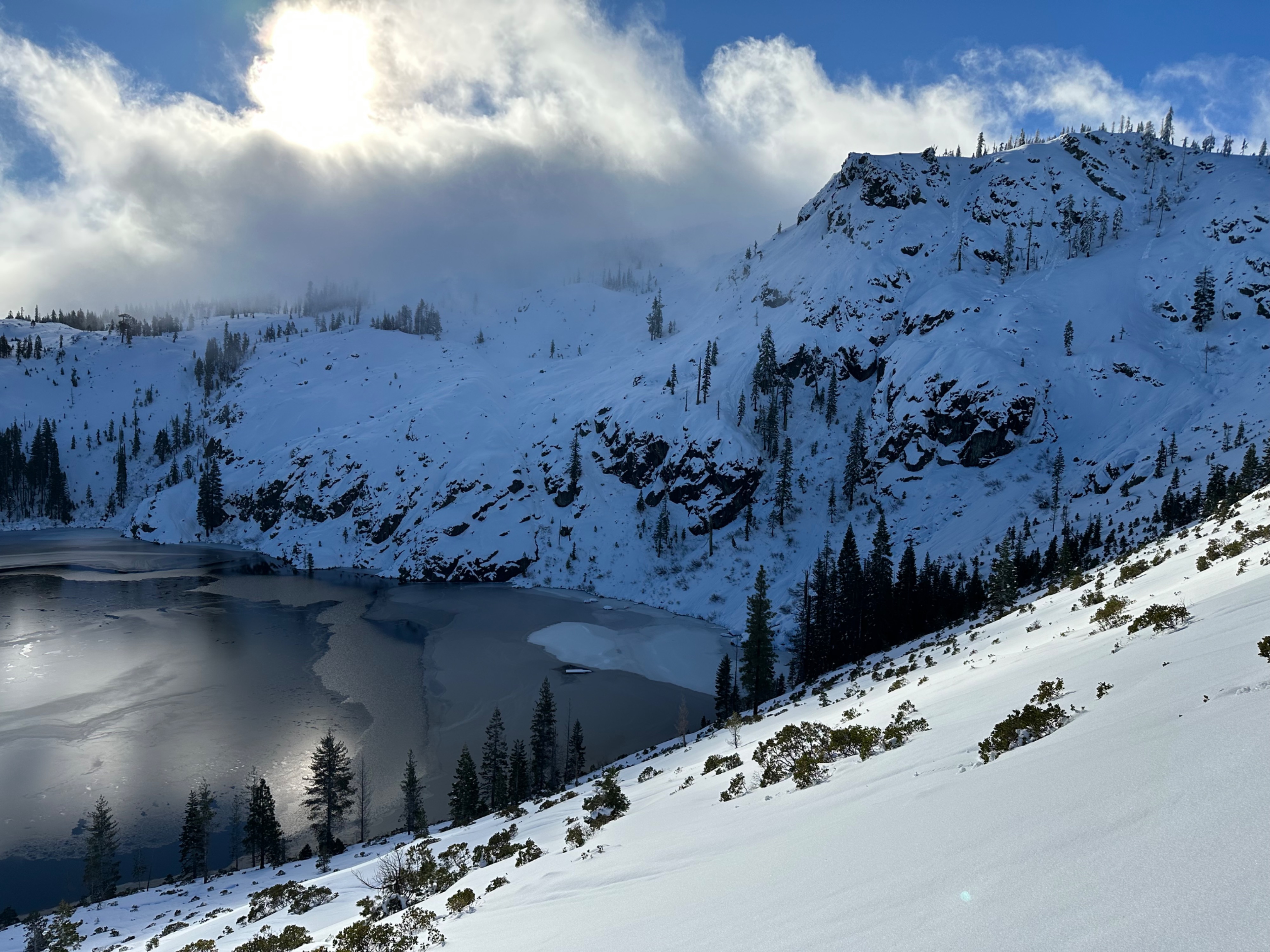
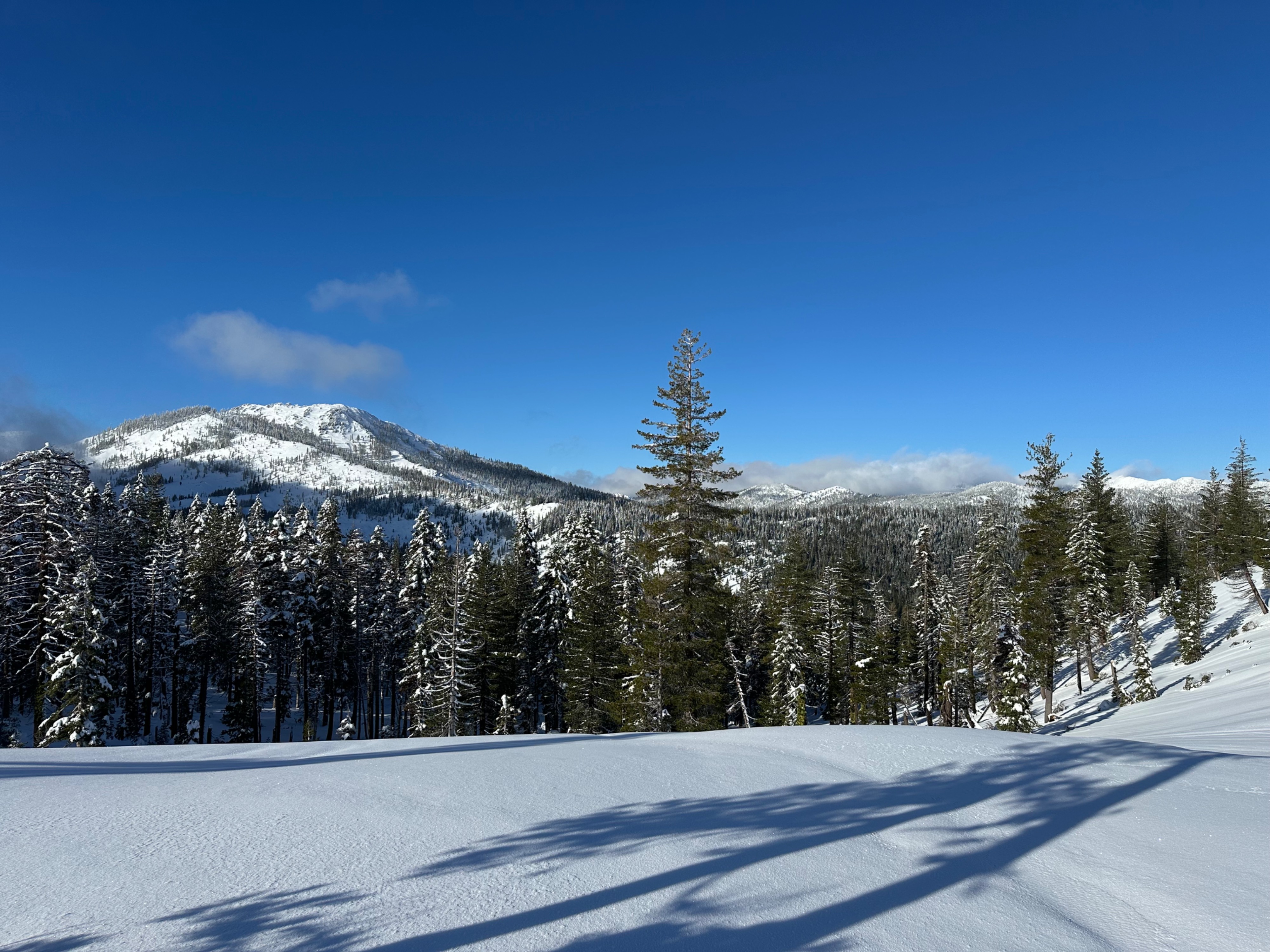
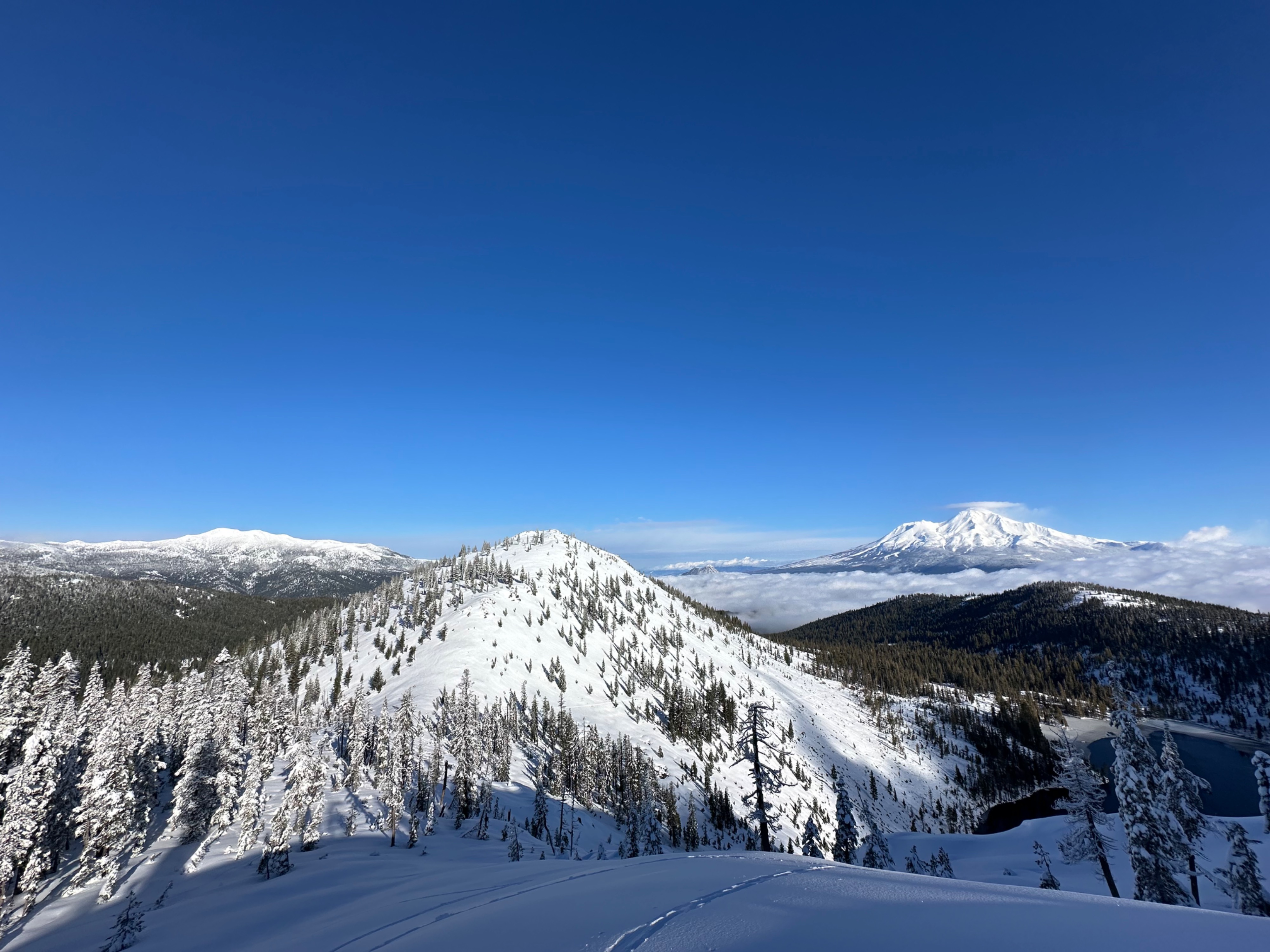
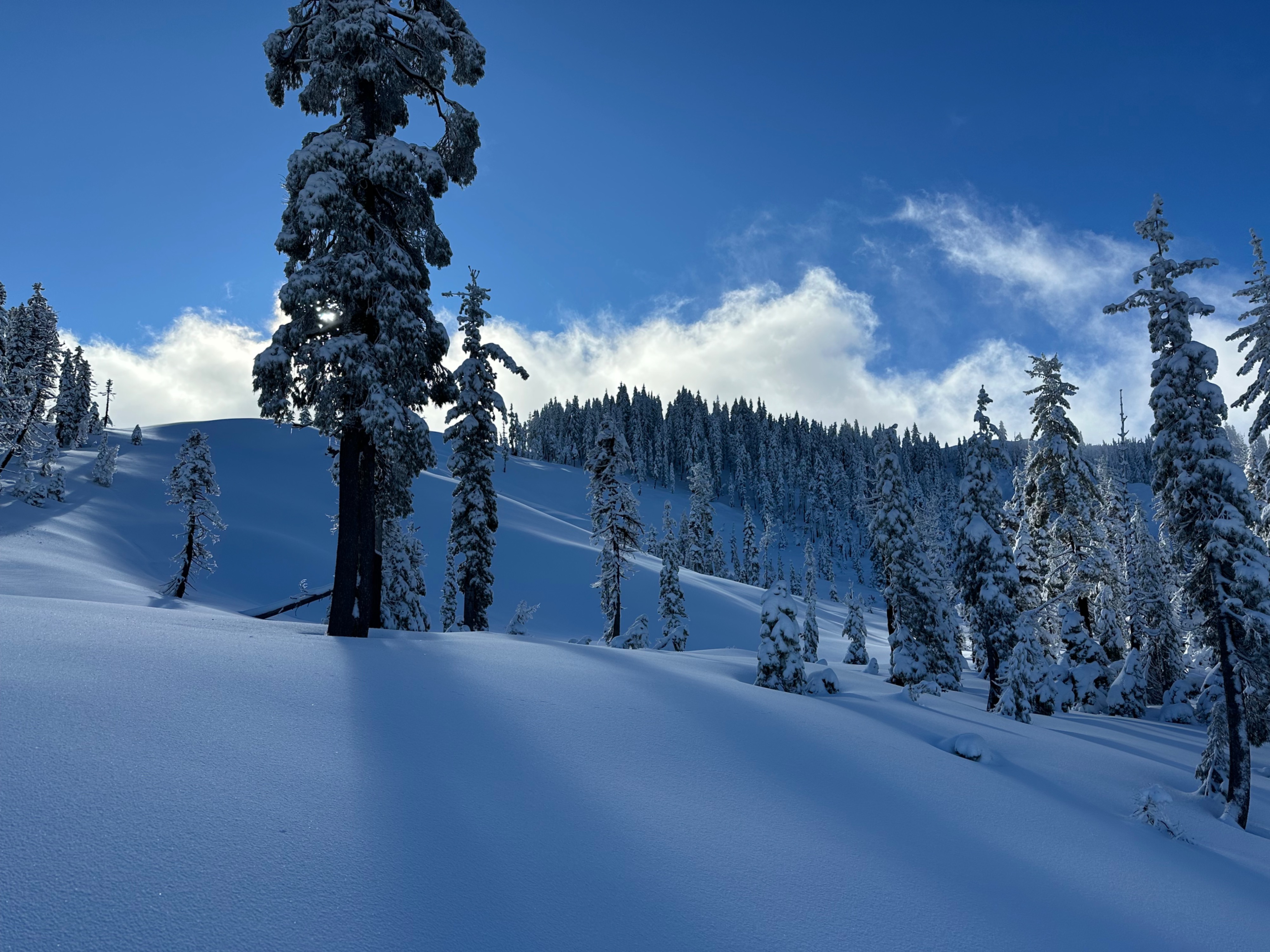
The good news is that snow depths and coverage have increased at Castle Lake since New Year's Day. The bad news is that a breakable melt-freeze crust covered all aspects and elevations observed today. Snow depths range from about three feet near the Castle Lake parking lot at 5,400 feet to over five feet on a wind-drifted feature at 6,200 feet. Avalanche concerns are minimal at this time. The snowpack is usable for recreation, but current hazards include the aforementioned breakable crust, visible and shallowly buried obstacles, and open water in the form of rivulets, creeks, and the lake itself.
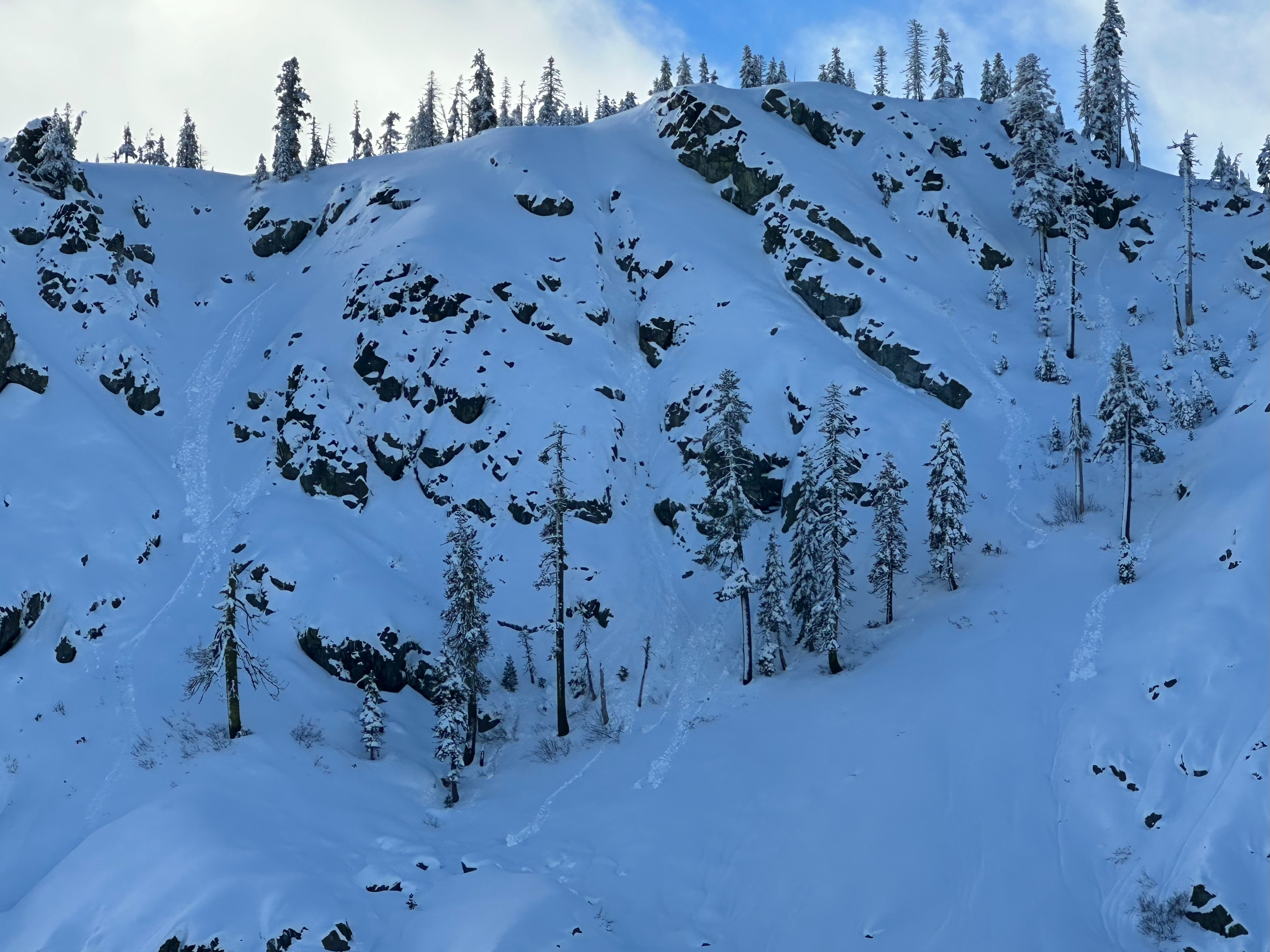
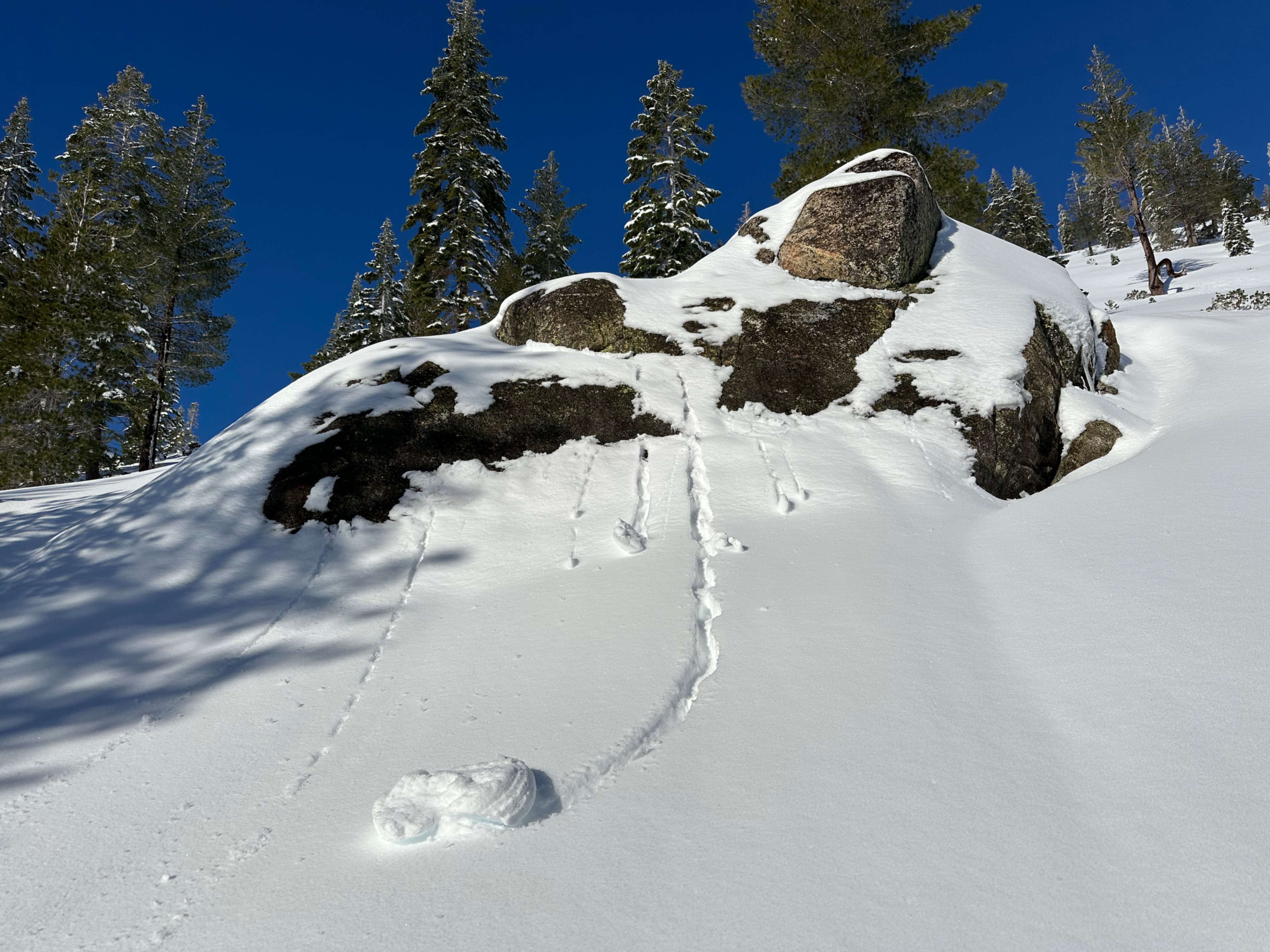
Numerous rollerballs released yesterday on or around the north and northeast-facing cliffs above the lake. None were observed today.Weather
- Cloud Cover
- few
- Wind Loading
- none
- Recent Snowfall
- 52
- Snow Avail For Transport
- none
Clear skies and light winds upon our arrival at Castle Lake this morning. A layer of fog gradually blew in from the south over the duration of the outing, eventually obscuring the sky completely. Southerly winds increased throughout the morning, blowing into the teens (mph) at our high point at 6,200 feet.
Snowpack
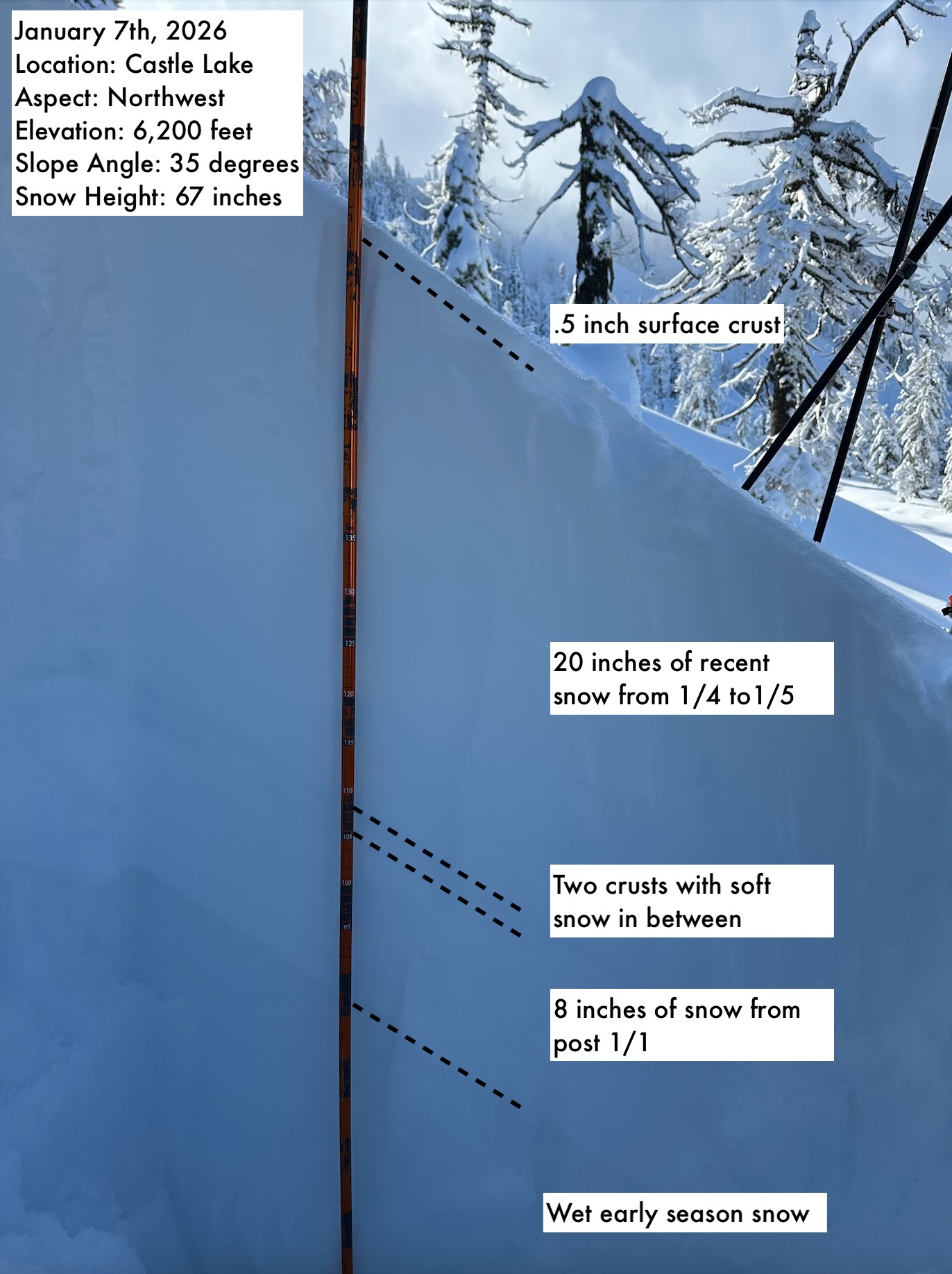
A widespread, breakable, melt-freeze crust capped the snowpack at Castle Lake on all observed aspects and elevations. The only exception was on steep solar aspects (southeast), where the crust had softened by 930 am. However, even this softening was short-lived. Once a fog layer blew in by late morning, the crust began to redevelop. Most likely, this crust initially formed as a result of a moist cloud layer yesterday afternoon.
On a drifted northwest aspect at 6,200 feet, 20 inches of recent snow from the January 4th to 5th storm lay underneath the crust (.5 inches thick at this location). Although there is plenty of soft, recent snow in the snowpack, the pervasive crust made it unavailable for transport: no blowing snow was observed in the Basin. The snowpack is generally right-side-up, with softer snow resting above harder snow. The bottom half of the snowpack at the pit location consisted of wet early-season snow (see annotated photo), a result of warm temperatures last week and rain-on-snow around New Year's Day.
The cornice along the north-facing ridgeline of Middle Peak appeared well-developed from the parking area.