
Quick report
- Collapsing
- isolated
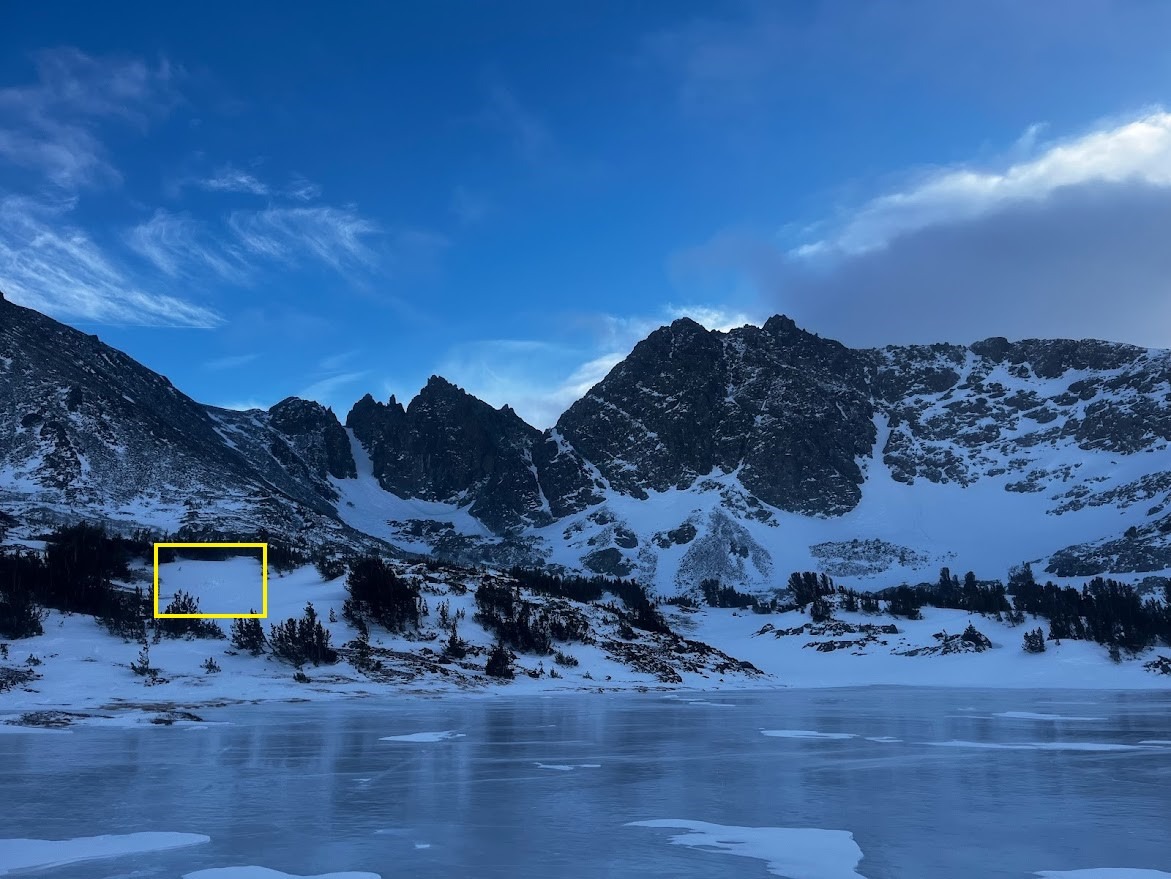
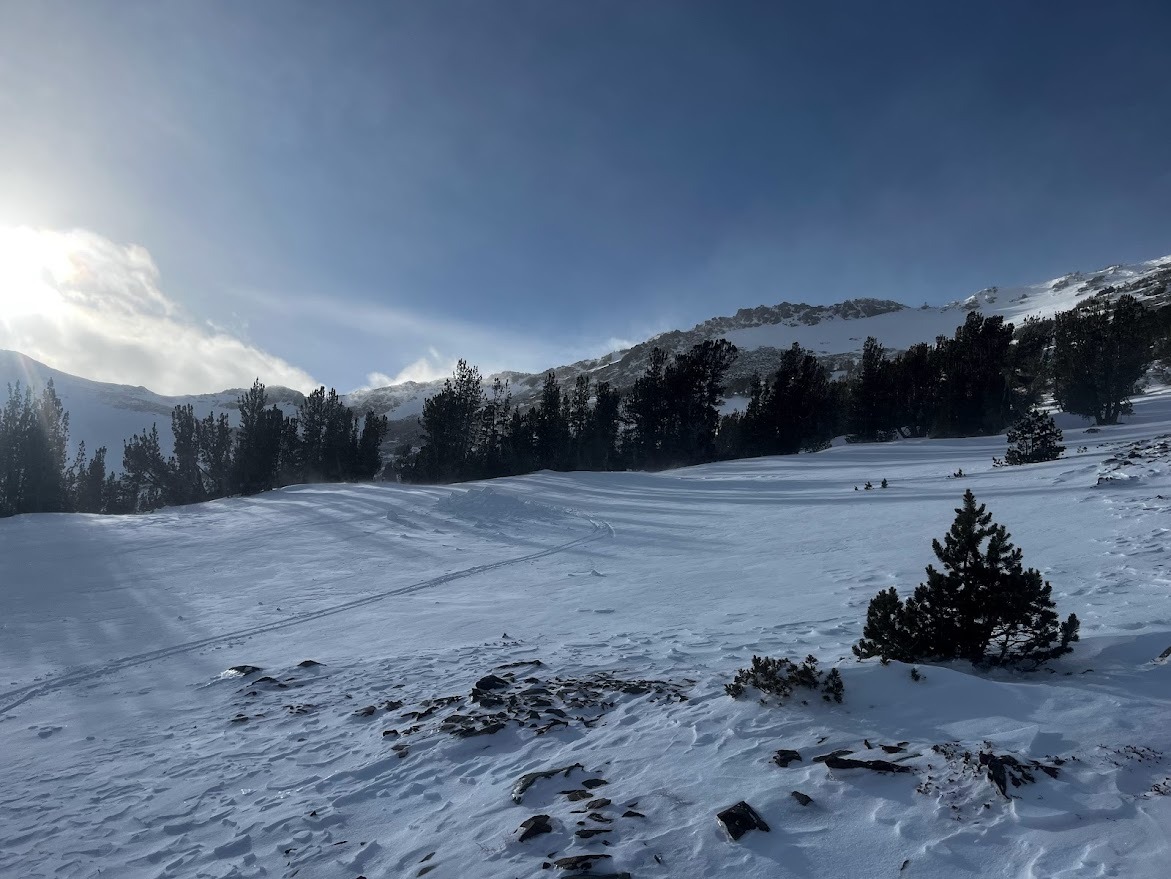
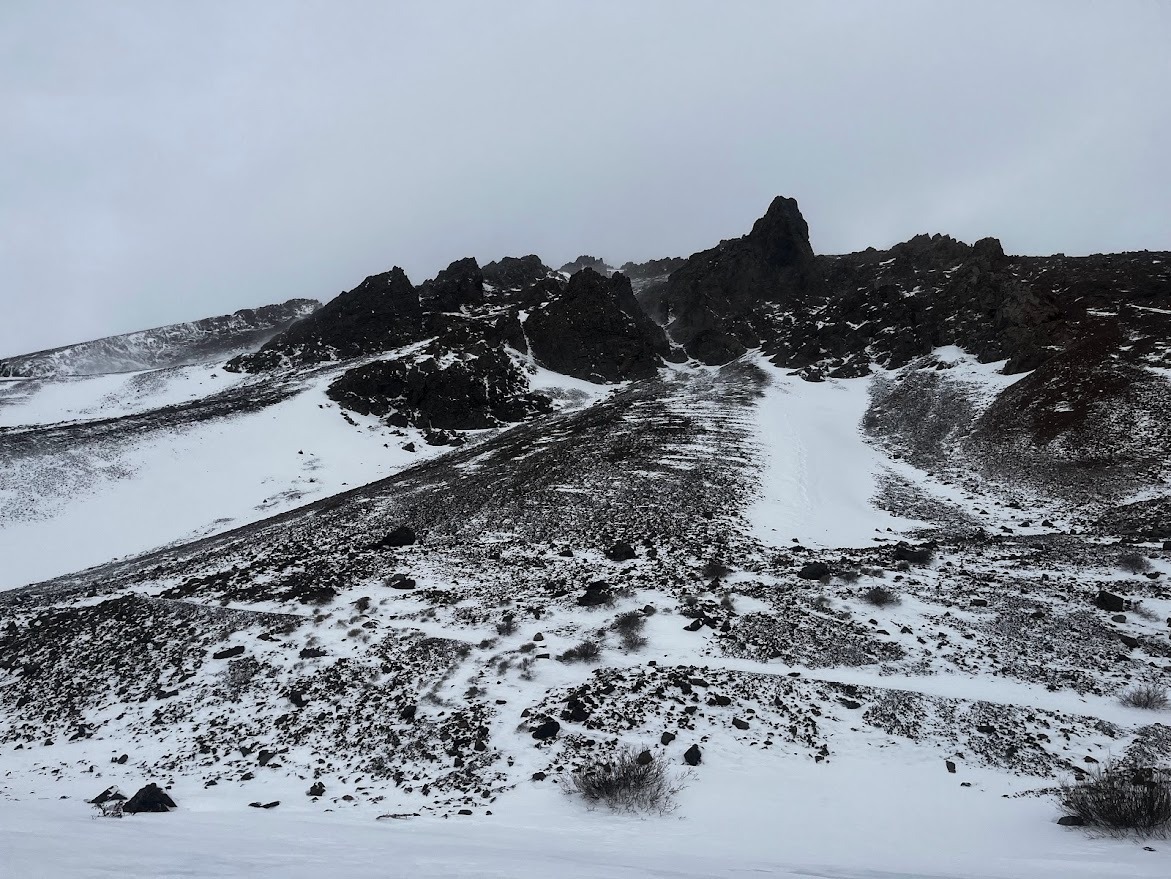
- There is less snow on mountainsides in Virginia Lakes than when I was here last week. Apparently the 100mph winds recorded in the Mammoth area did not miss Virginia Creek either.
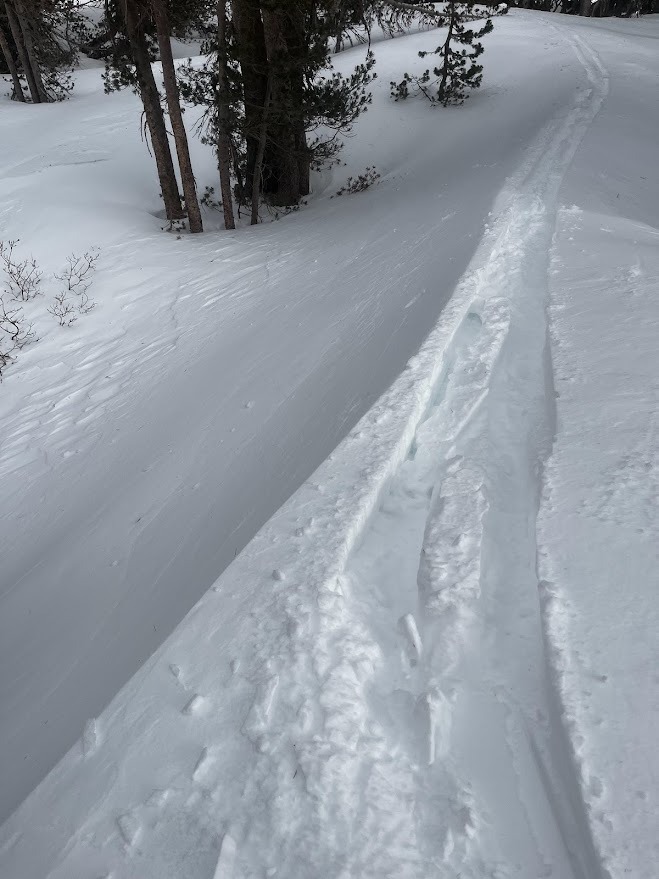
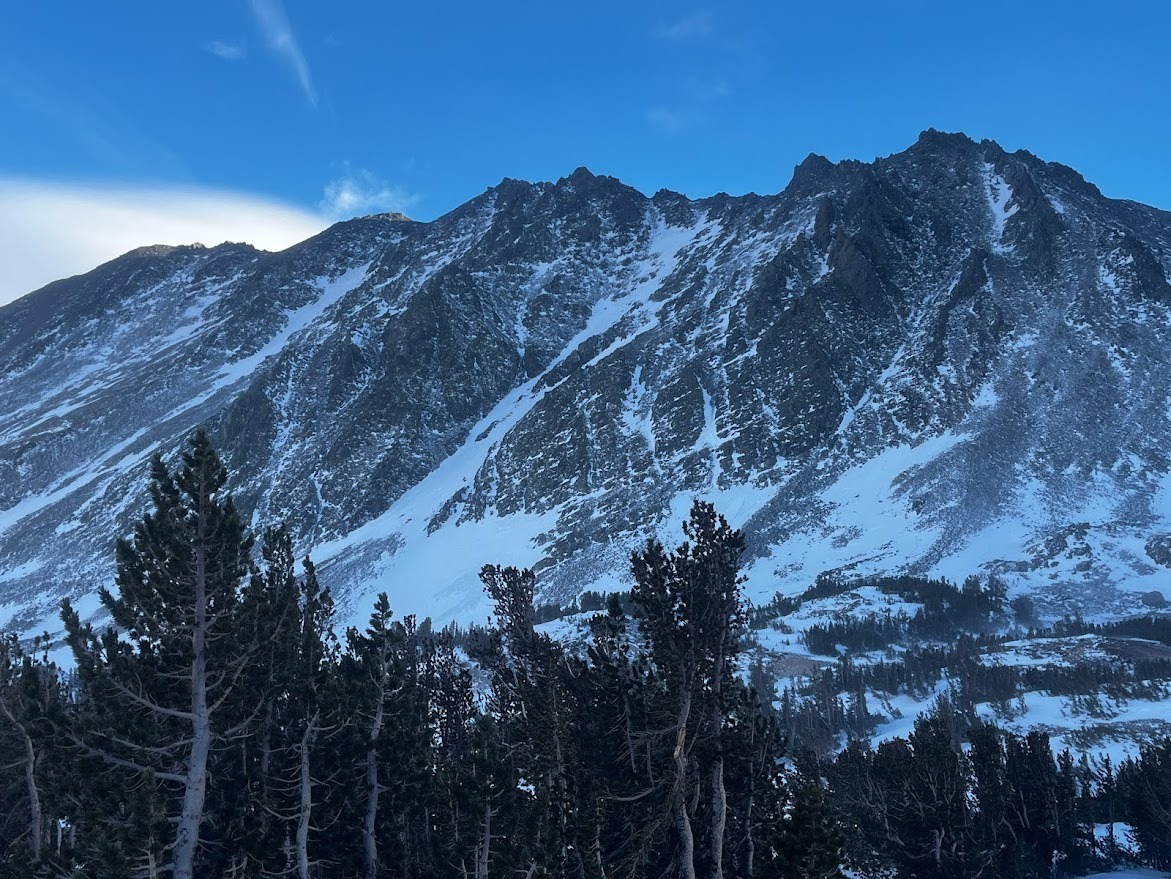
- Above treeline and in exposed areas at any elevation most snow has been removed, except in very sheltered gullies and other depressions. However, there is more snow on the valley floor, especially in the forests.
- I noticed few signs of instability on my tour between 9800' and 11,000', just one localized collapse on an East facing slope at 10,300'.
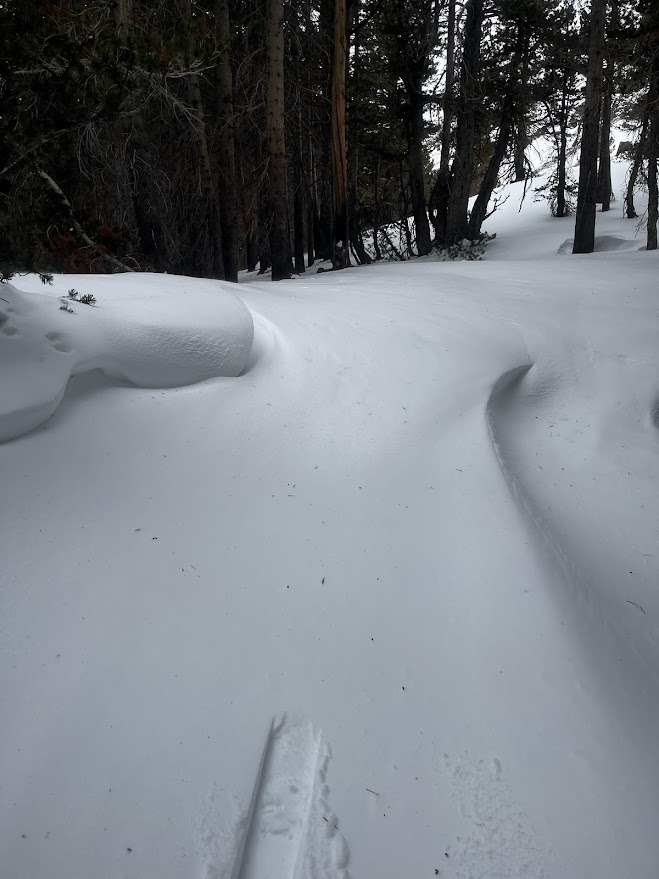
- I noticed a transition in the recent snow as I gained elevation. What began as soft unconsolidated snow in the meadows near the trailhed eventually became supportable and then finally disappeared or was piled into impenetrable drifts in the alpine.
- None of the wind-deposited snow I found indicated wind slab instability.
- Where there is snow above the treeline the persistent weak layers are underneath knife and pencil-hard layers of wind-board from recent storms.
Weather
- Cloud Cover
- broken
- Wind Loading
- moderate
- Recent Snowfall
- 30 cm
- Snow Avail For Transport
- moderate amounts
Strong west winds gusting to extreme were stripping snow from near and above treeline terrain and moving it into the forest.
Snowpack
Near treeline in open forest:
Total snow 40 to 70 cm. 30cm of new snow with the top 15cm a soft cohesive slab. Ski penetration 25cm. Boot penetration to the ground. Wind-deposited snow was unreactive to ski testing on short steep slopes. 1 localized collapse at ENE10300'.
Above treeline:
Total snow 0- 160cm, bare ground, sastrugi, last year's blue ice, and smooth windboard are the options at higher elevations. Ski penetration 5 to 10cm, Boot penetration 20cm.
Dug two snowpits at 10700' one on an East aspect and one on a North aspect. Both had the same layer of concern, the higher persistent weak layer (1/2/24 facets), which showed propagation propensity in stability tests. The layer is down between 60 and 100cm on wind-loaded slopes above treeline.
See attached profiles for details