
Quick report
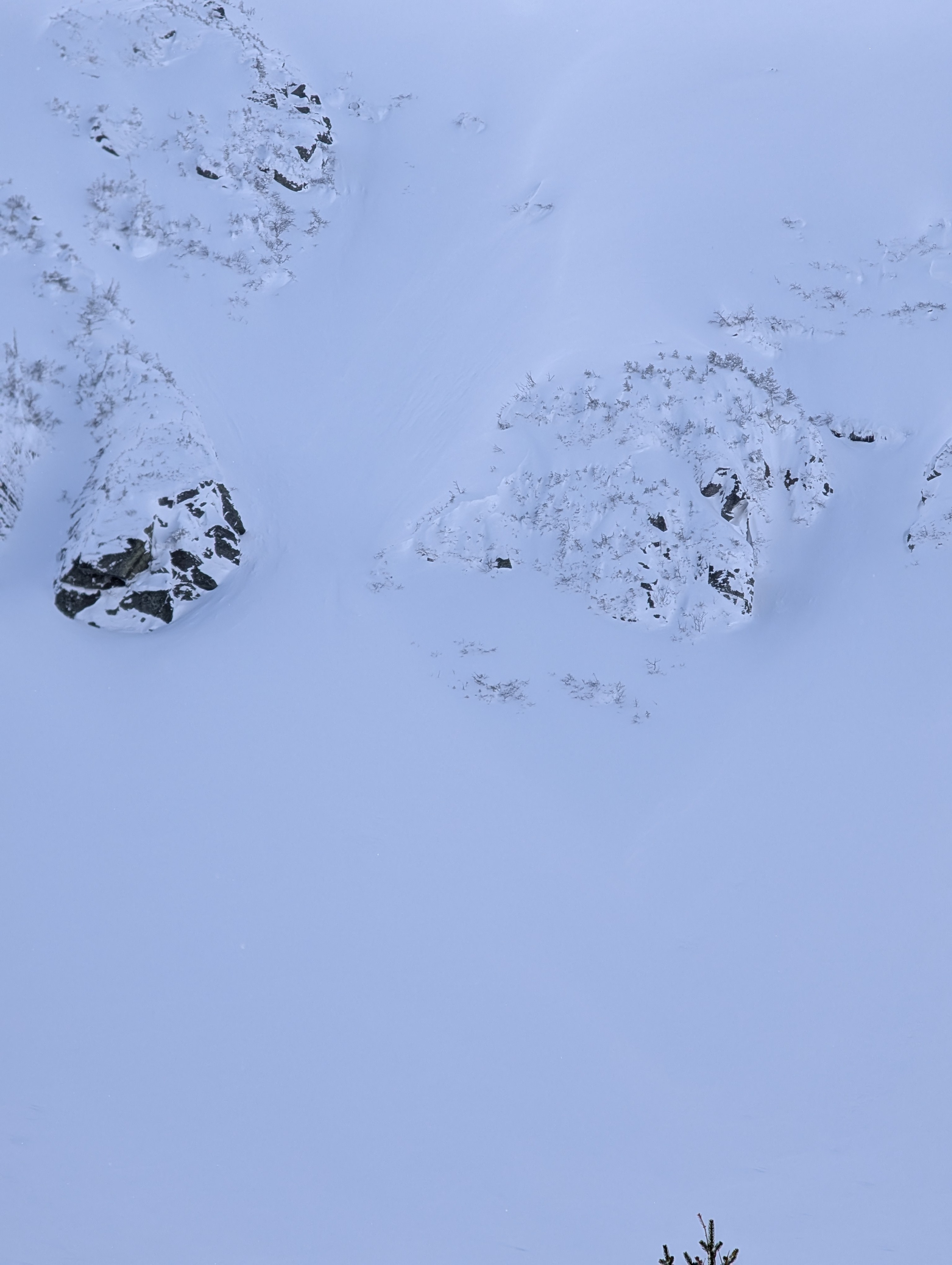
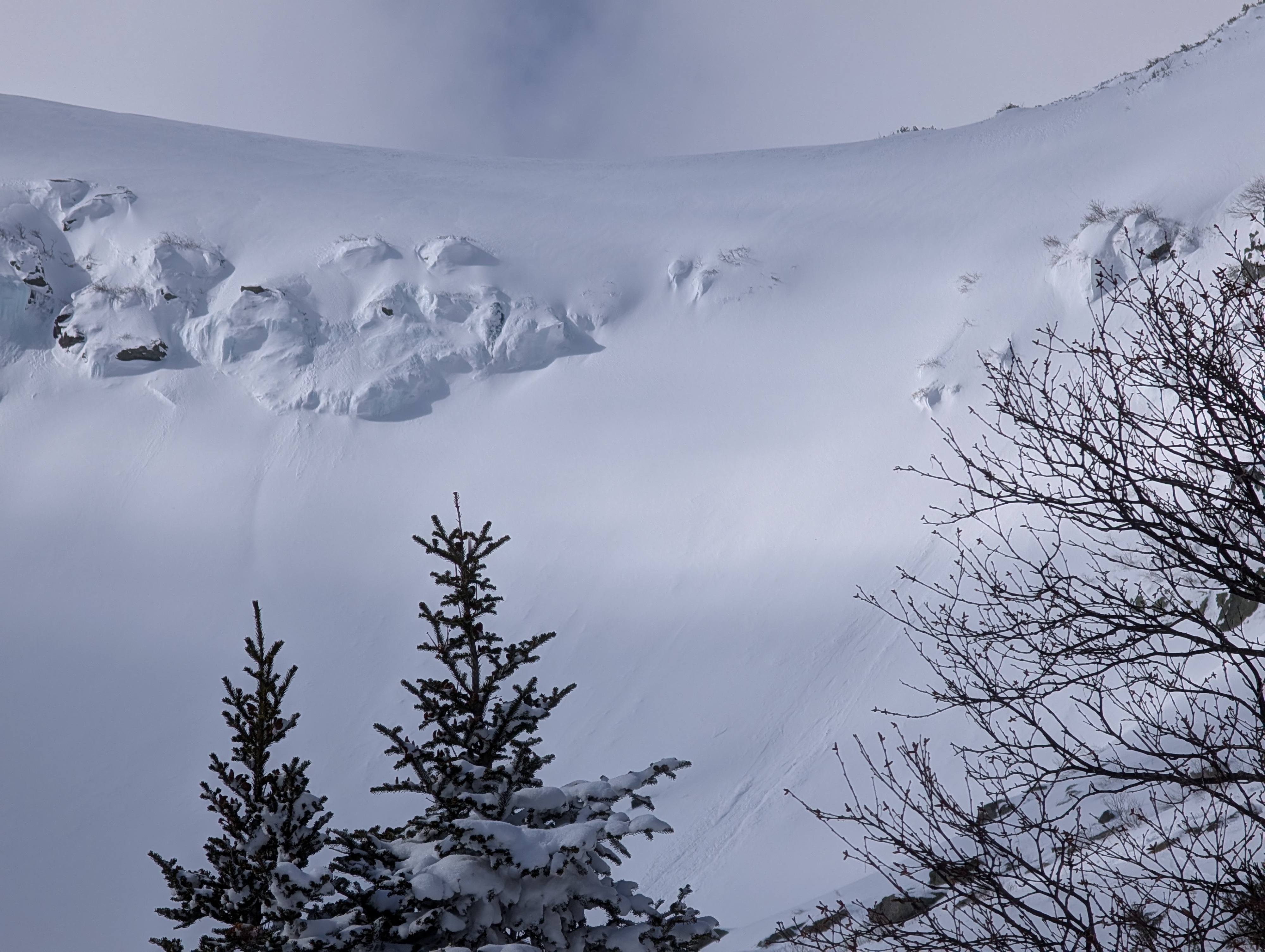
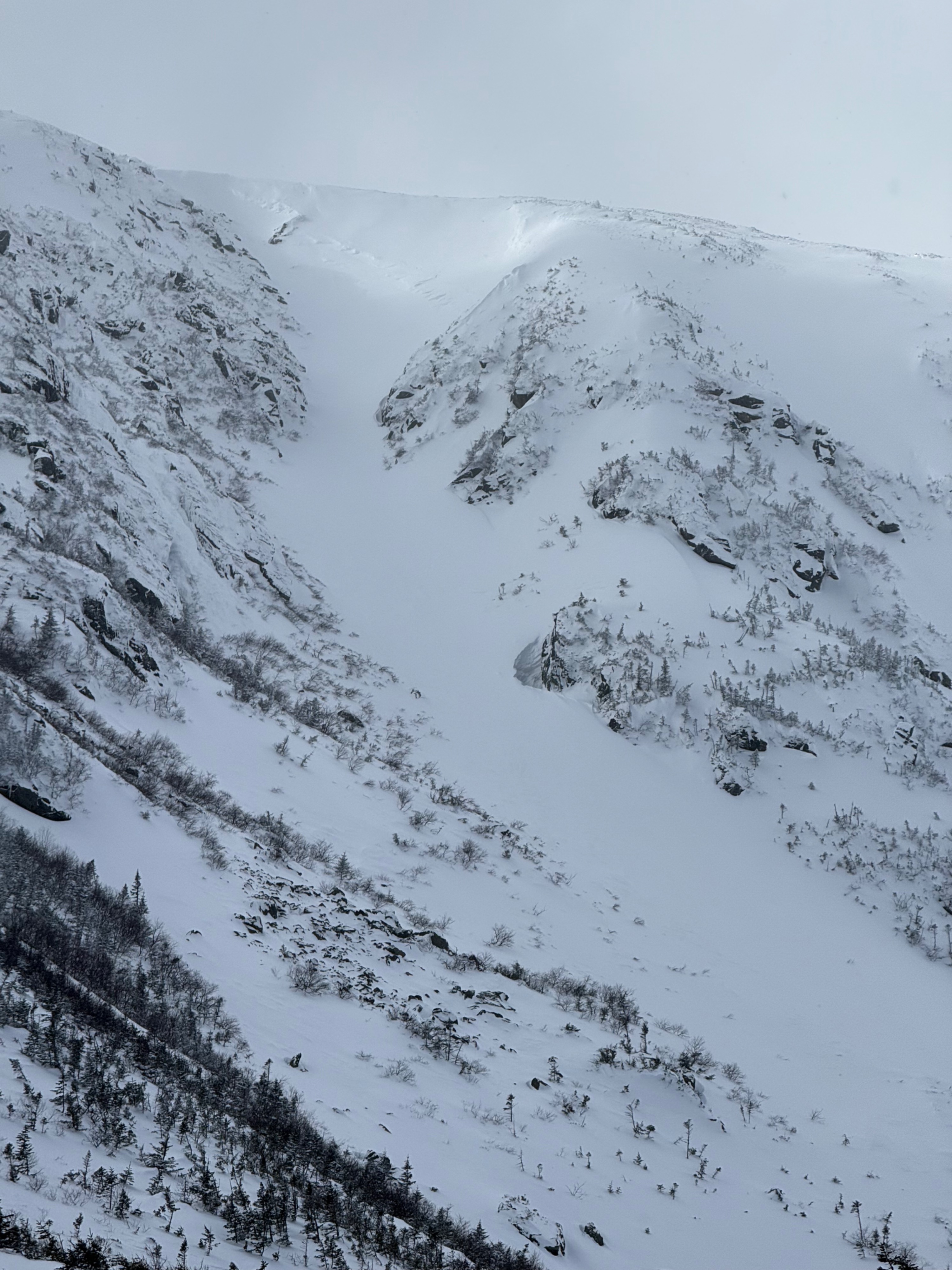
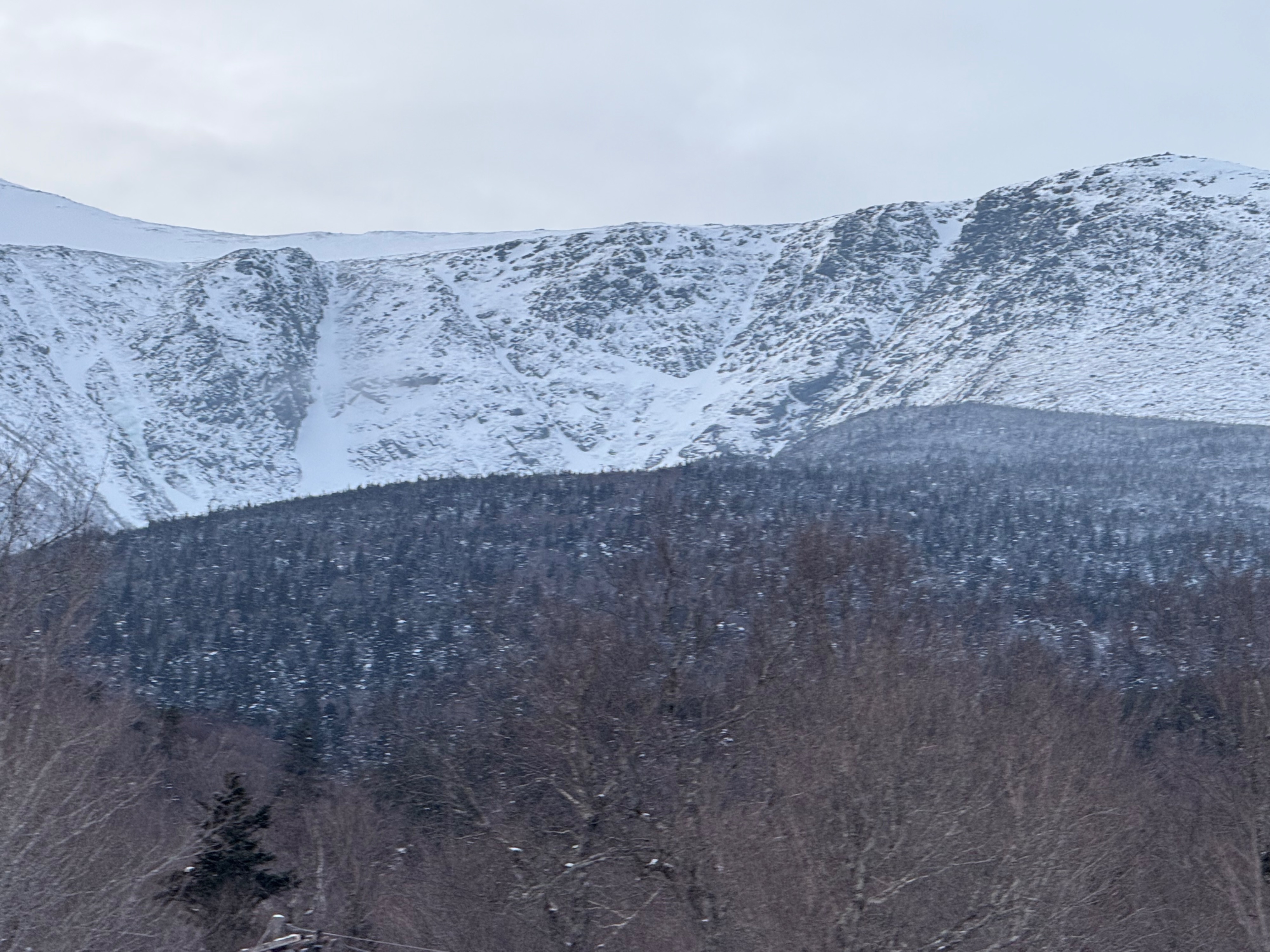
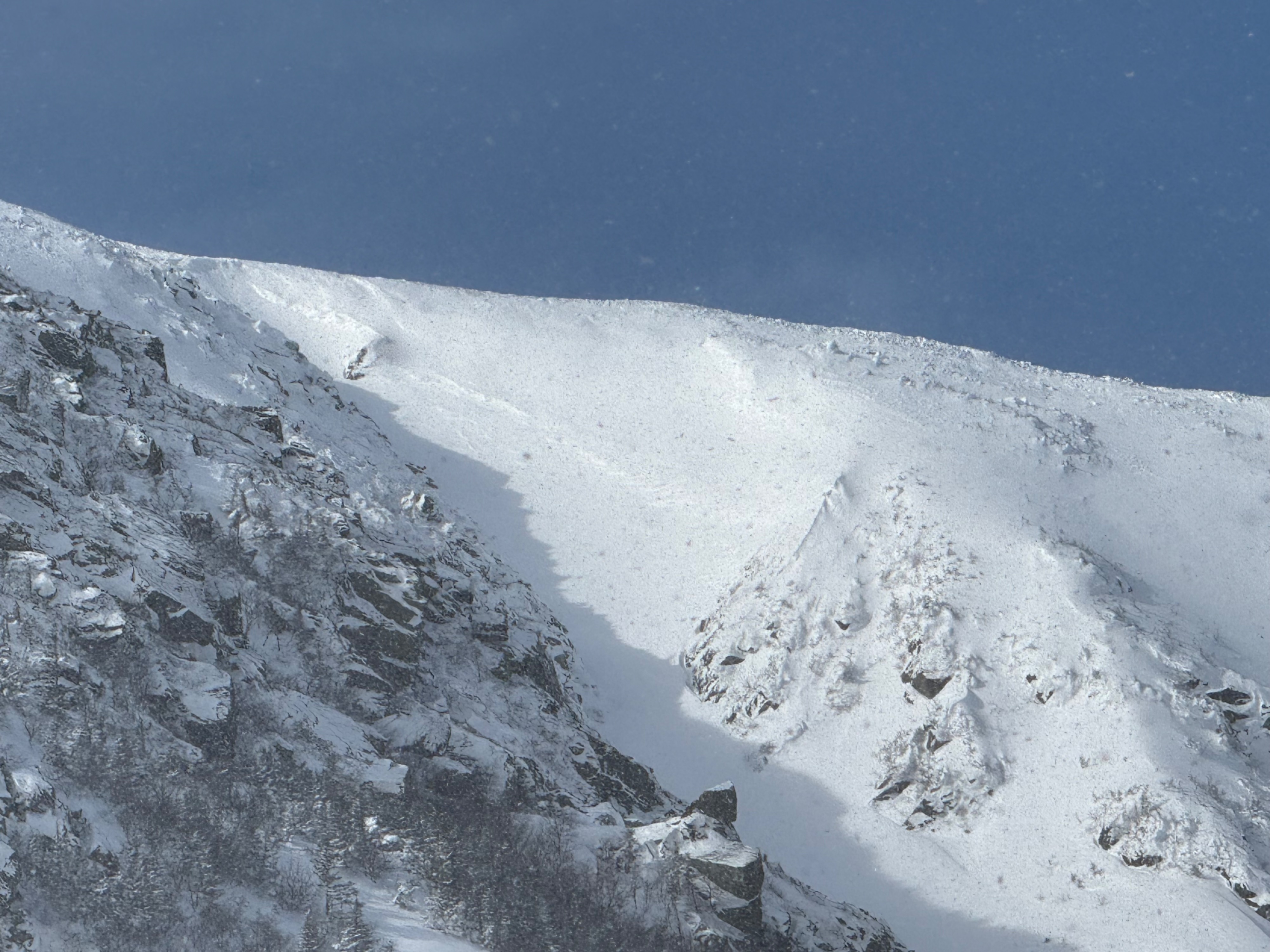
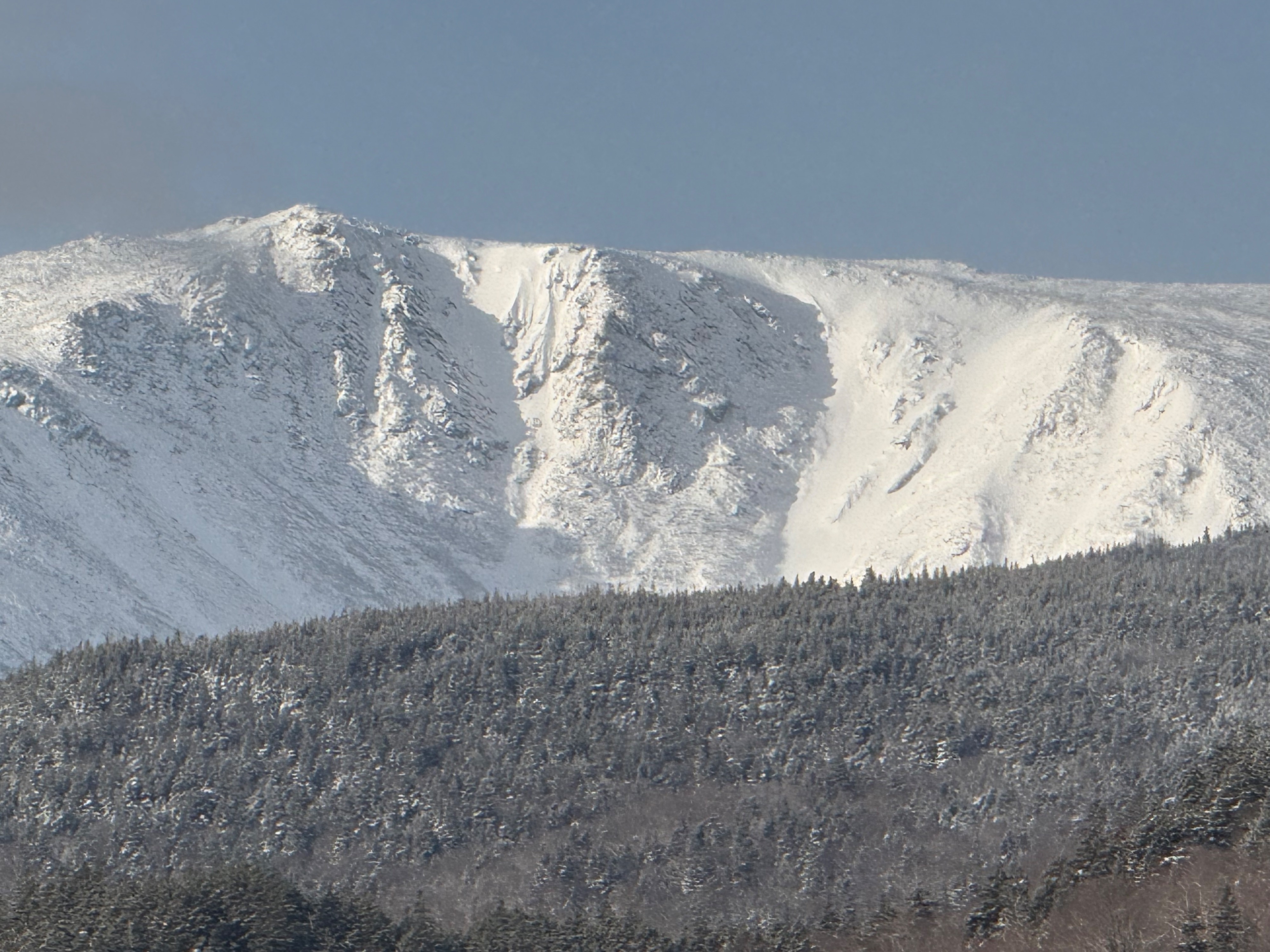
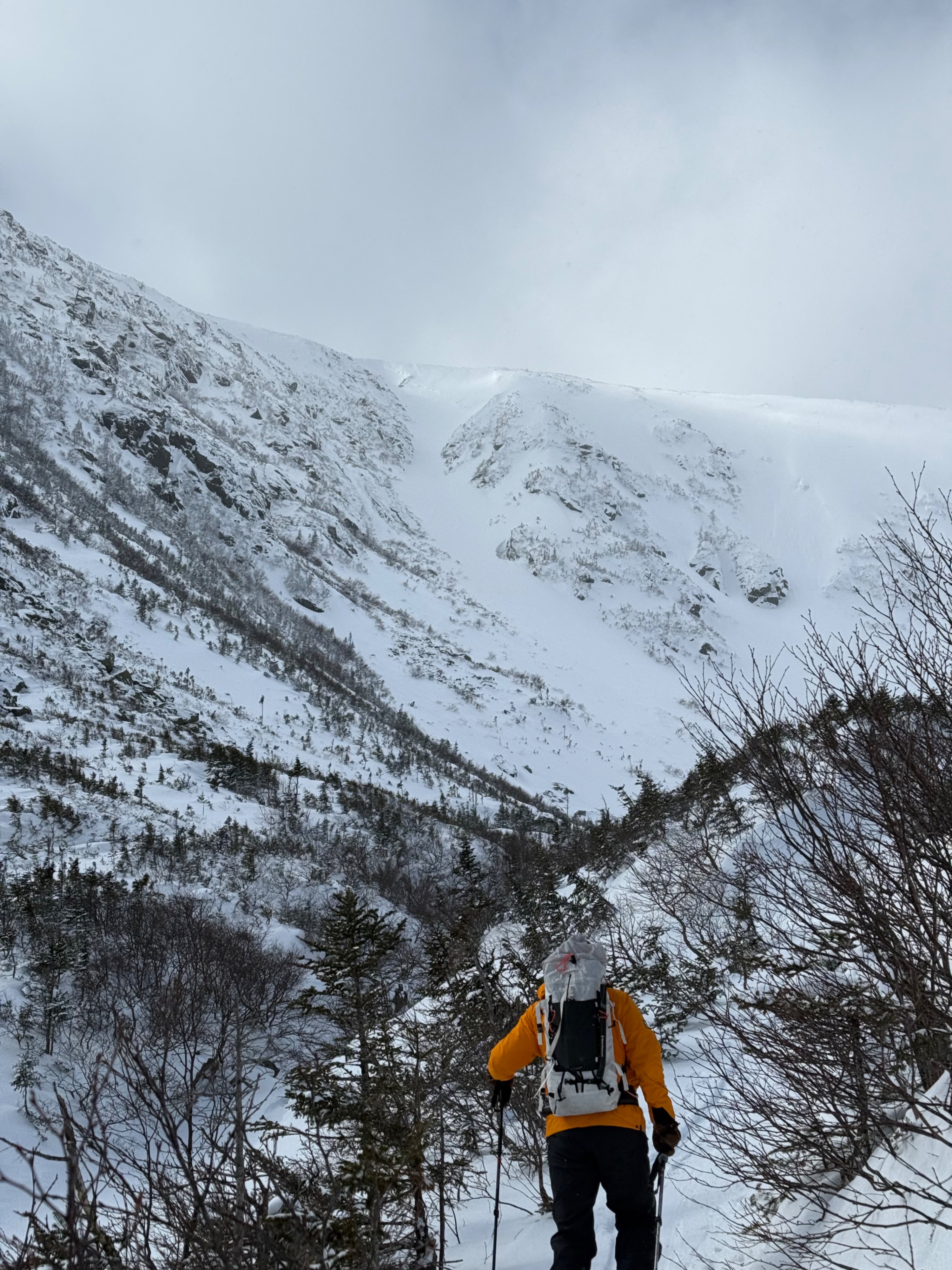
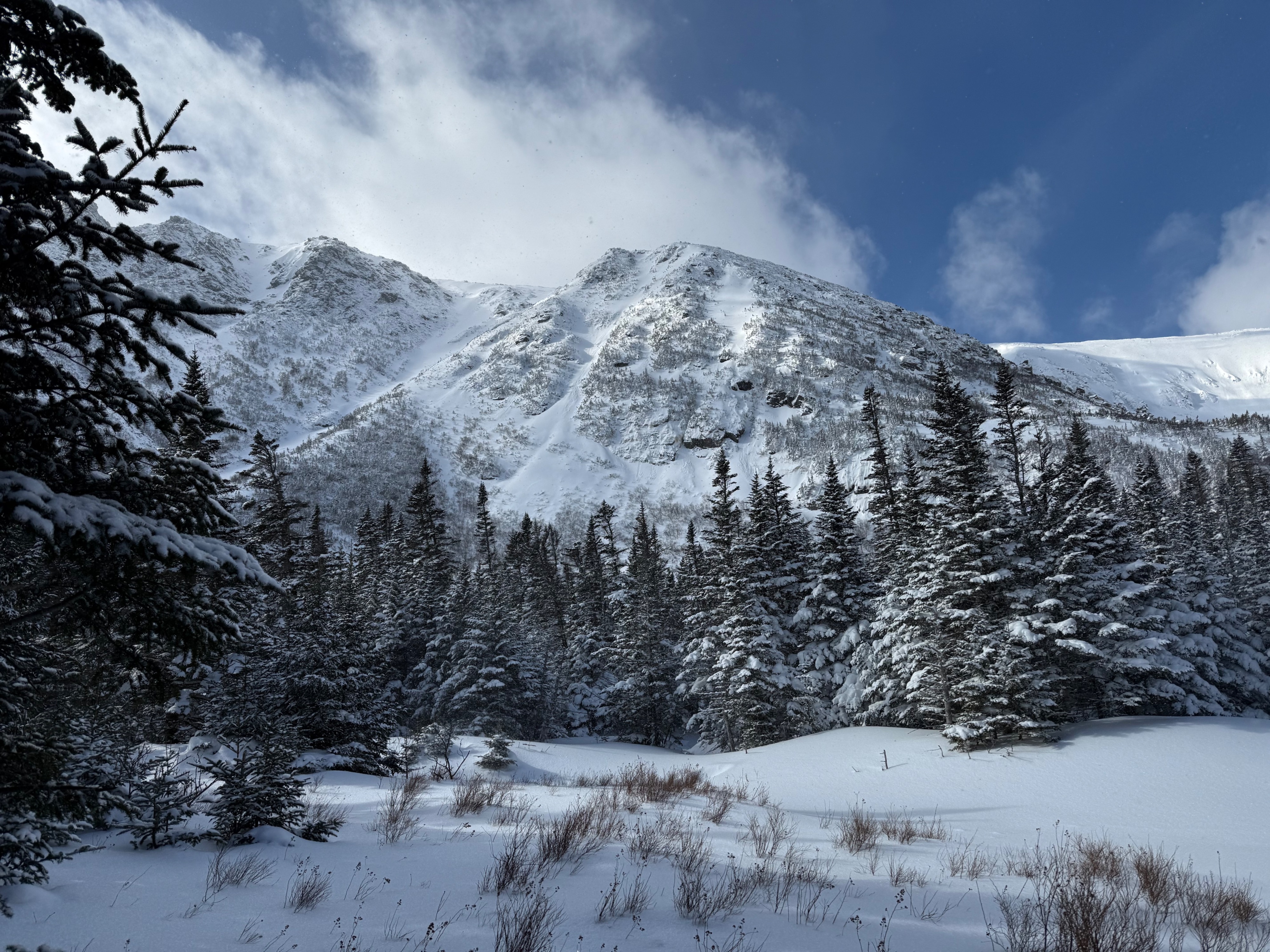
smooth, loaded, and connected terrain dominates east-facing terrain in Tuckerman Ravine. While there is the potential for some of this terrain to be firm and stubborn, areas of softer snow is likely to be more reactive. The potential size for an avalanche is large and destructive.
Our summary of the day was moderate travel conditions with considerable consequences (this is considering the size of potential avalanches). We had been wavering between the moderate/considerable line and the size of large wind slabs in specific features has been an element that has kept the hazard elevated. Finding results that had more sensitivity than a solidly stubborn snowpack supported that there is still the potential for human-triggered avalanches.
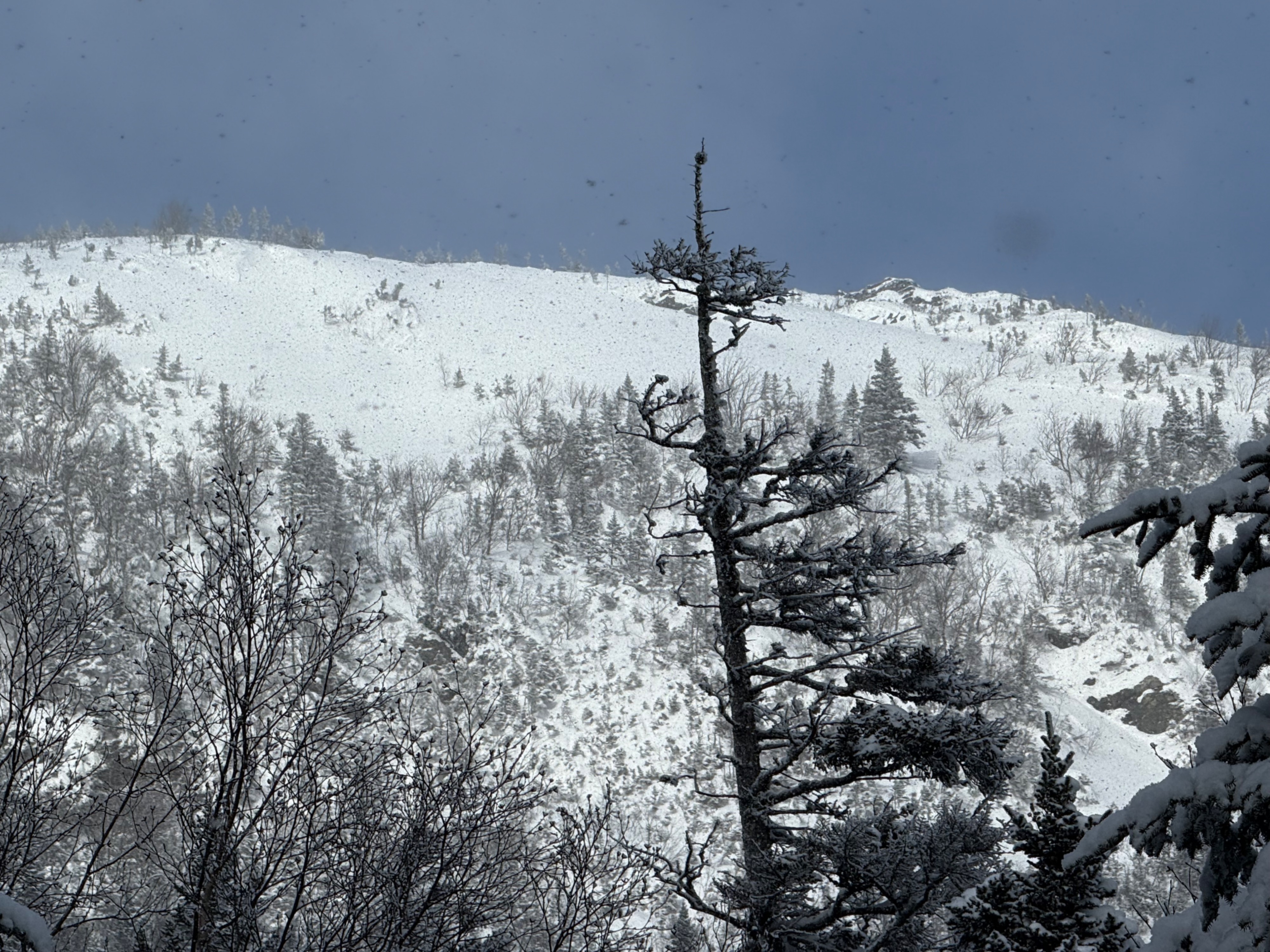
Another piece of terrain that is loaded and connected is Summer Lion Head Traverse, the D2 wind slab that lurks there is above high consequence terrain and the slab spans nearly the entire traverse and has connected .
Weather
- Air Temp
- 14
- Cloud Cover
- broken
- Wind Loading
- none
- Recent Snowfall
- 5
- Snow Avail For Transport
- moderate amounts
Snowpack
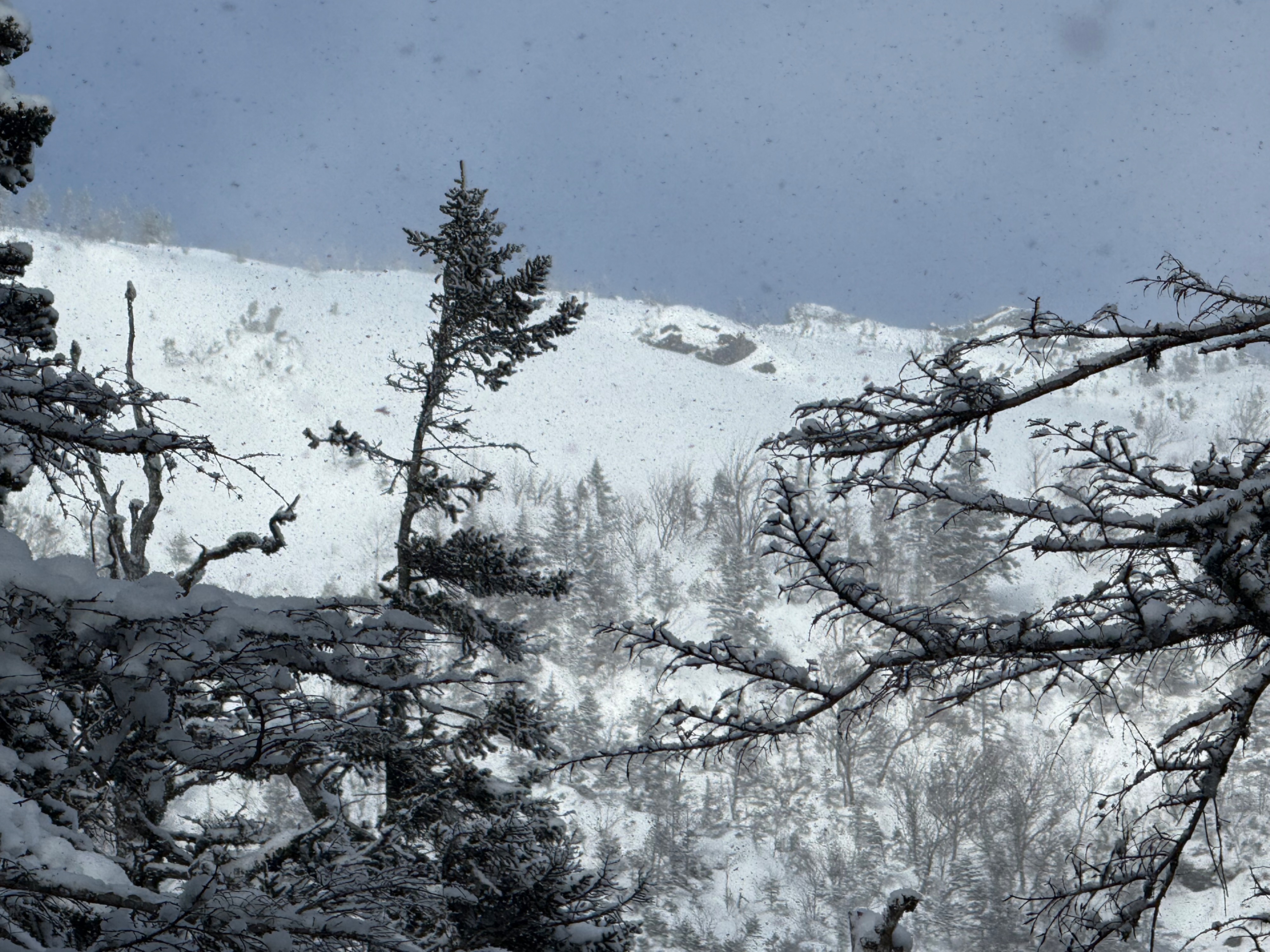
took advantage of clearing skies to assess the distribution of newly formed wind slabs from Sunday's snow and west winds
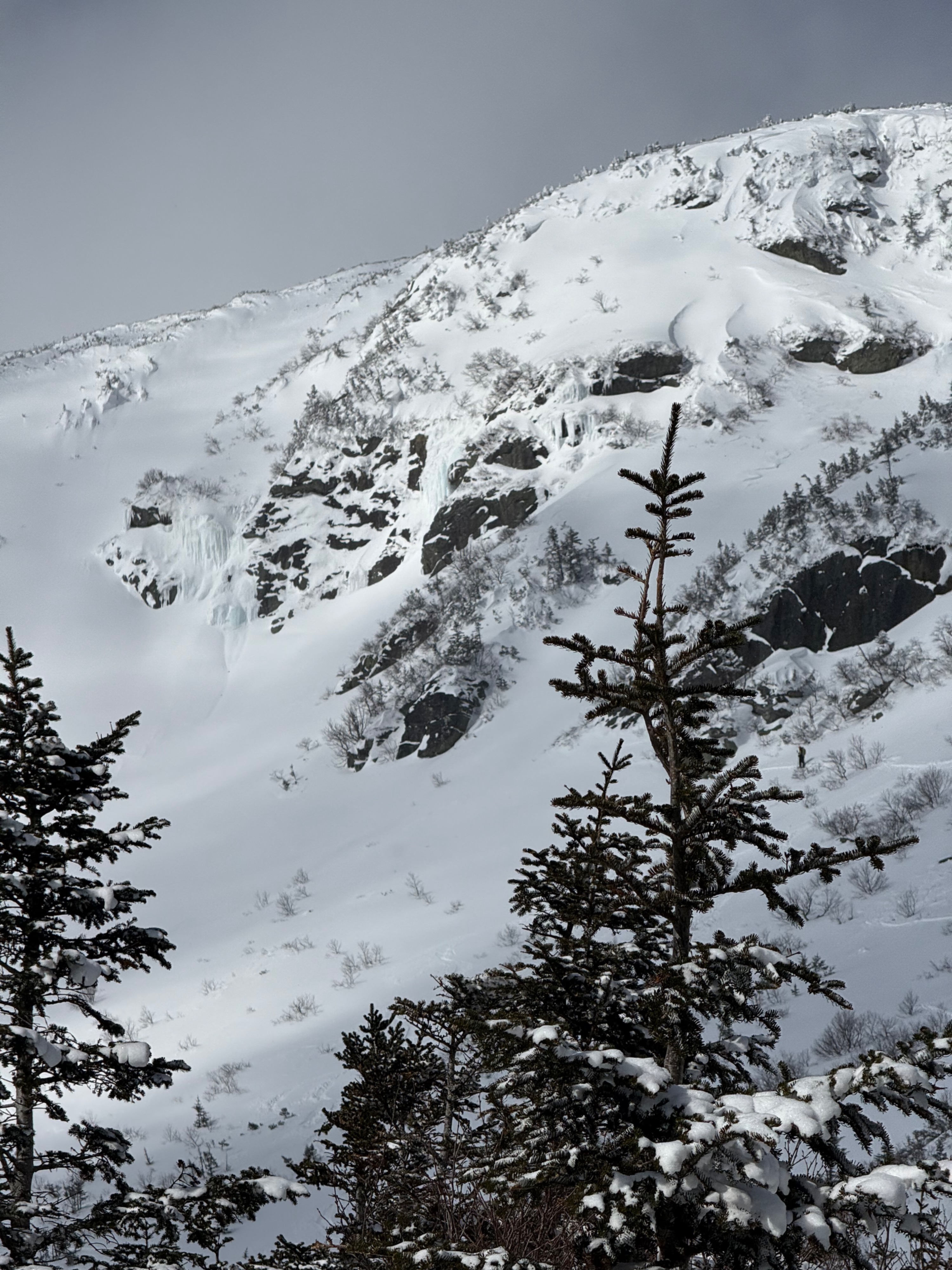
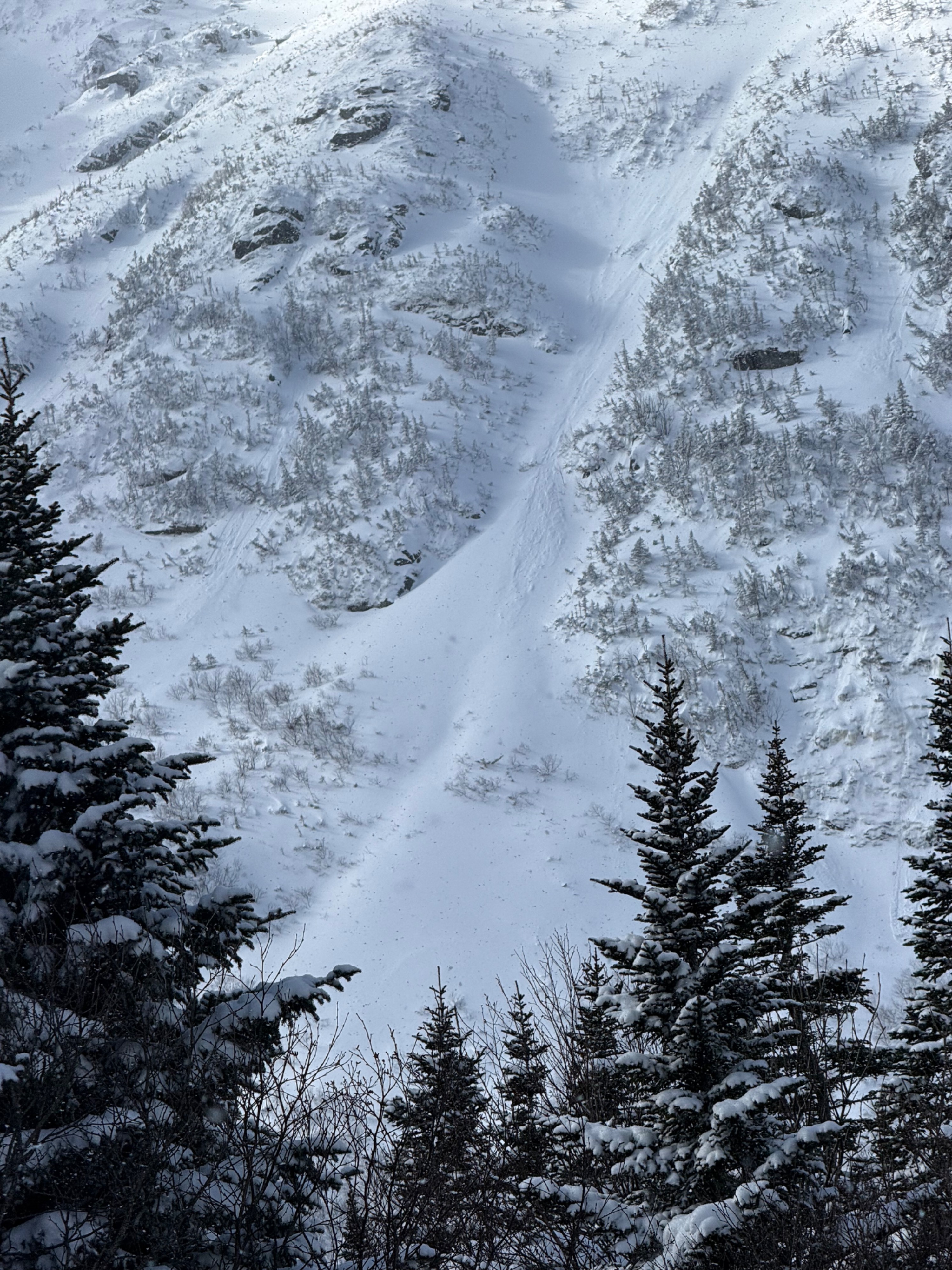
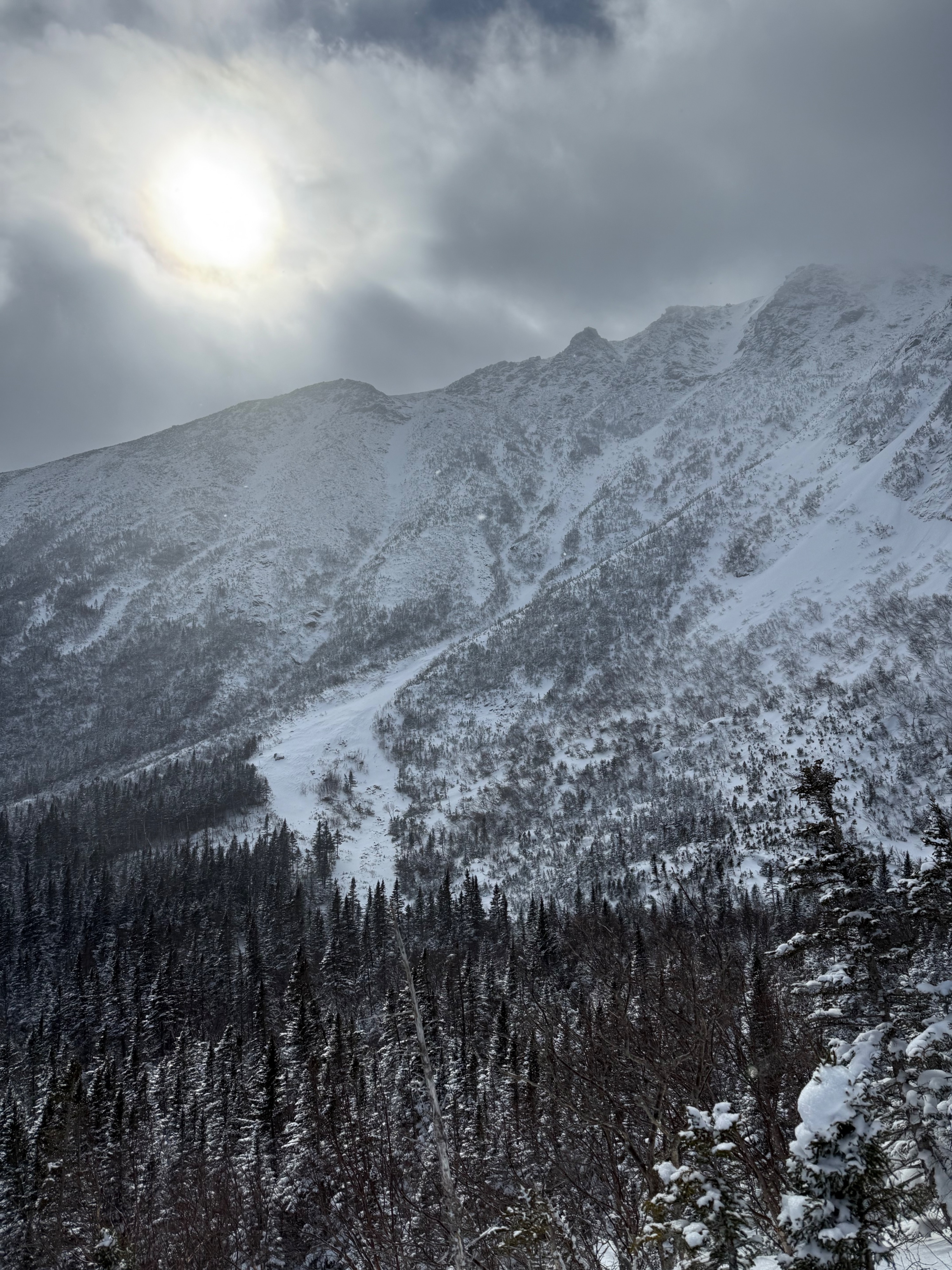
found large slabs developed across the terrain with Left Gully appearing smooth and connected top to bottom. Chute, the Headwall, and the Lip all appeared large and loaded. Sluice also had a large wind slab in the steeper, unsupported section of the gully. Visually confirmed that there is the potential for large (D2) avalanches.
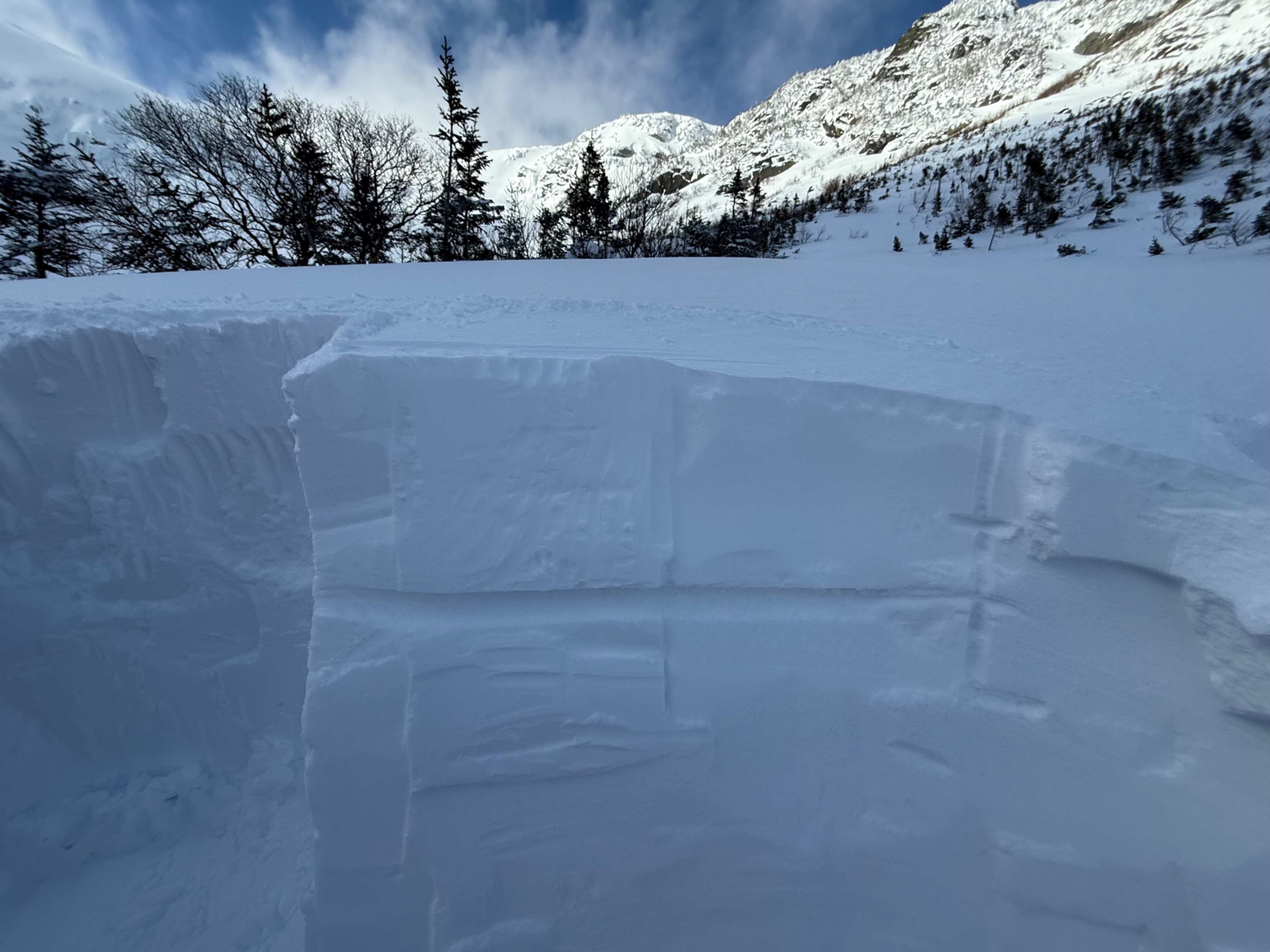
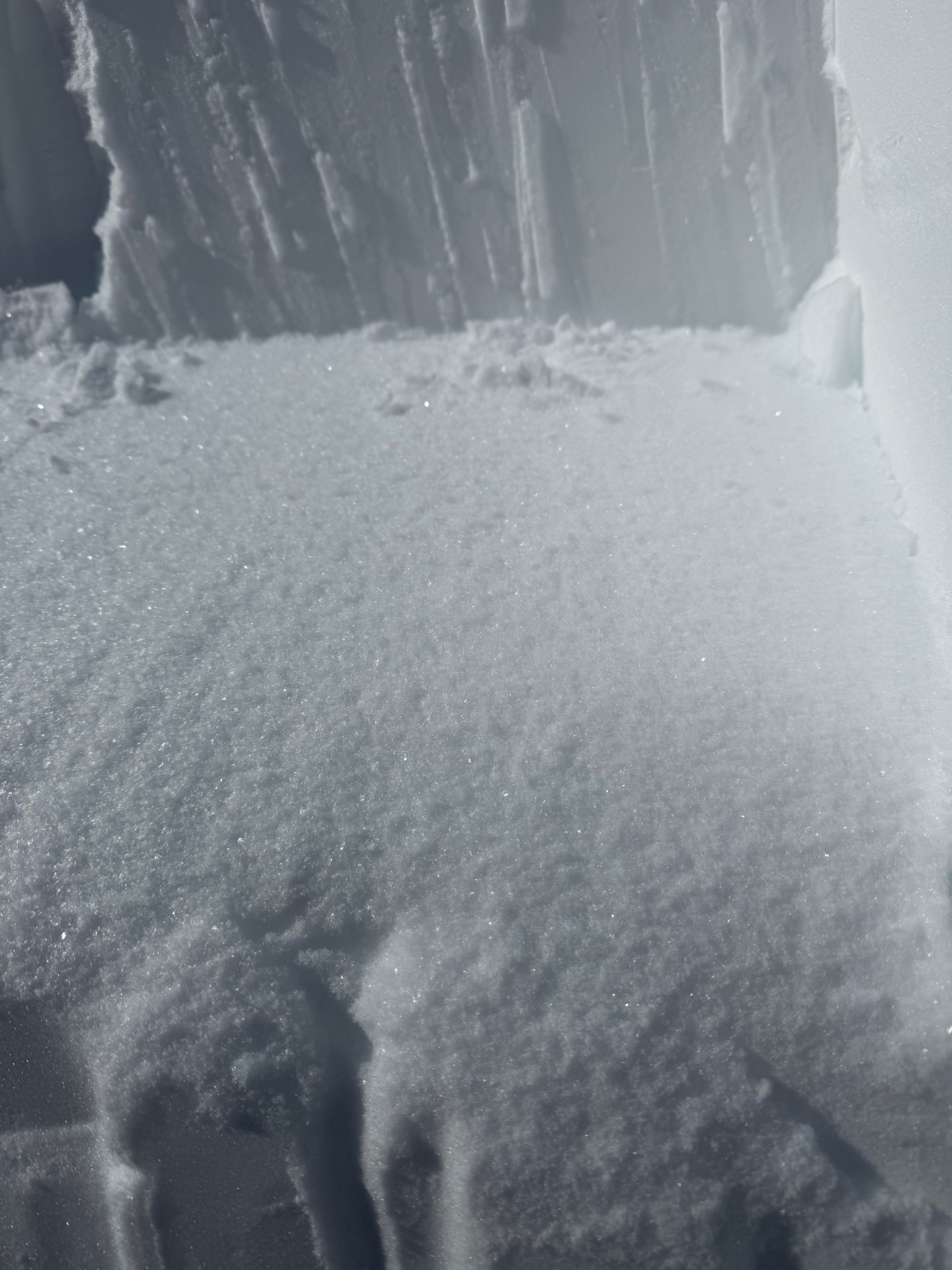
The piece we had more uncertainty on was the sensitivity of the snow as the cold temperatures and decreasing winds may have preserved some reactivity in the snowpack. We dug in a southeast aspect at 4400 feet elevation. The total height of snow was over 300 cm with a generally right-side-up snowpack structure. The top 30 cm was 4F+ on top of a fist hard layer. The rest of the snowpack was pencil-hard with a +/- subtle variance and a thin weak layer between the two 85 cm down in the snowpack. We found no results from instability tests on this lower layer- but removing the block it did fail on this interface between firm wind slabs.
All reactivity was observed in the new surface wind slab. Instability tests go as follows: CT11, ECTN11, ECTP22, PST 37/END, PST 35/END.
This fist hard layer we surmised was the storm snow from Sunday before winds picked up and distributed snow above it which was the more consolidated 4F+ slab.
We found the ice crust where we suspected we may also find the persistent weak layer, but as this layer was buried under 250cm+ of snow in the interest of time, we did not dig down to it.
Overall the softer snow was generally found to be more reactive and in areas where there was firm, supportable snow the snow was increasingly stubborn. Areas around Right Gully had shallower, firmer drifts that were stubborn to unreactive.
Avalanche
- Size
- D2 R3
- Count
- 4
- Aspect
- NE
- Trigger
- N
- Elevation
- 5000 ft
not sure when these avalanches occurred but the most productive loading was on 2/10 so went with that. Only a crown was visible in Left