
Quick report
- Cracking
- isolated
- Collapsing
- isolated
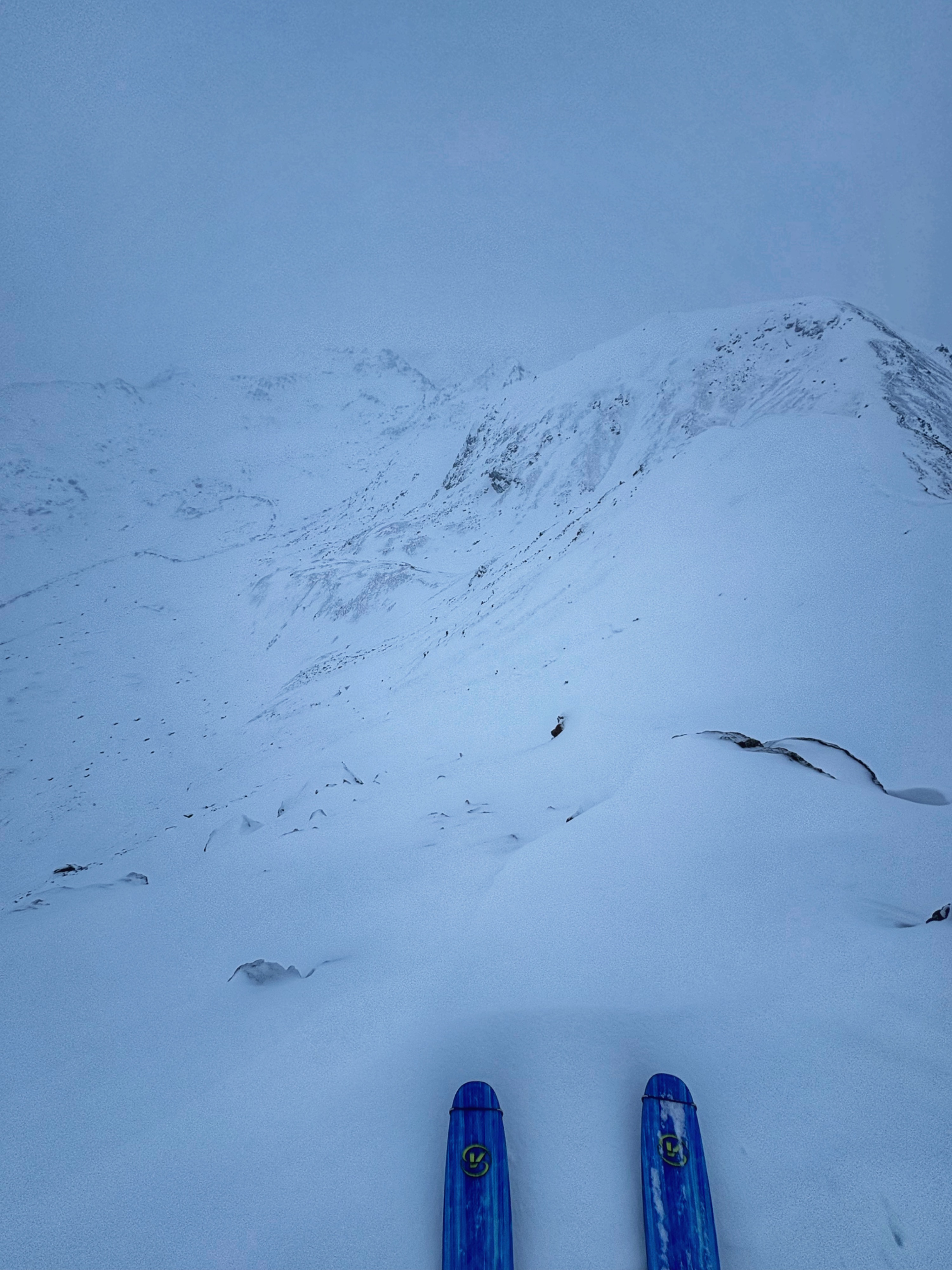
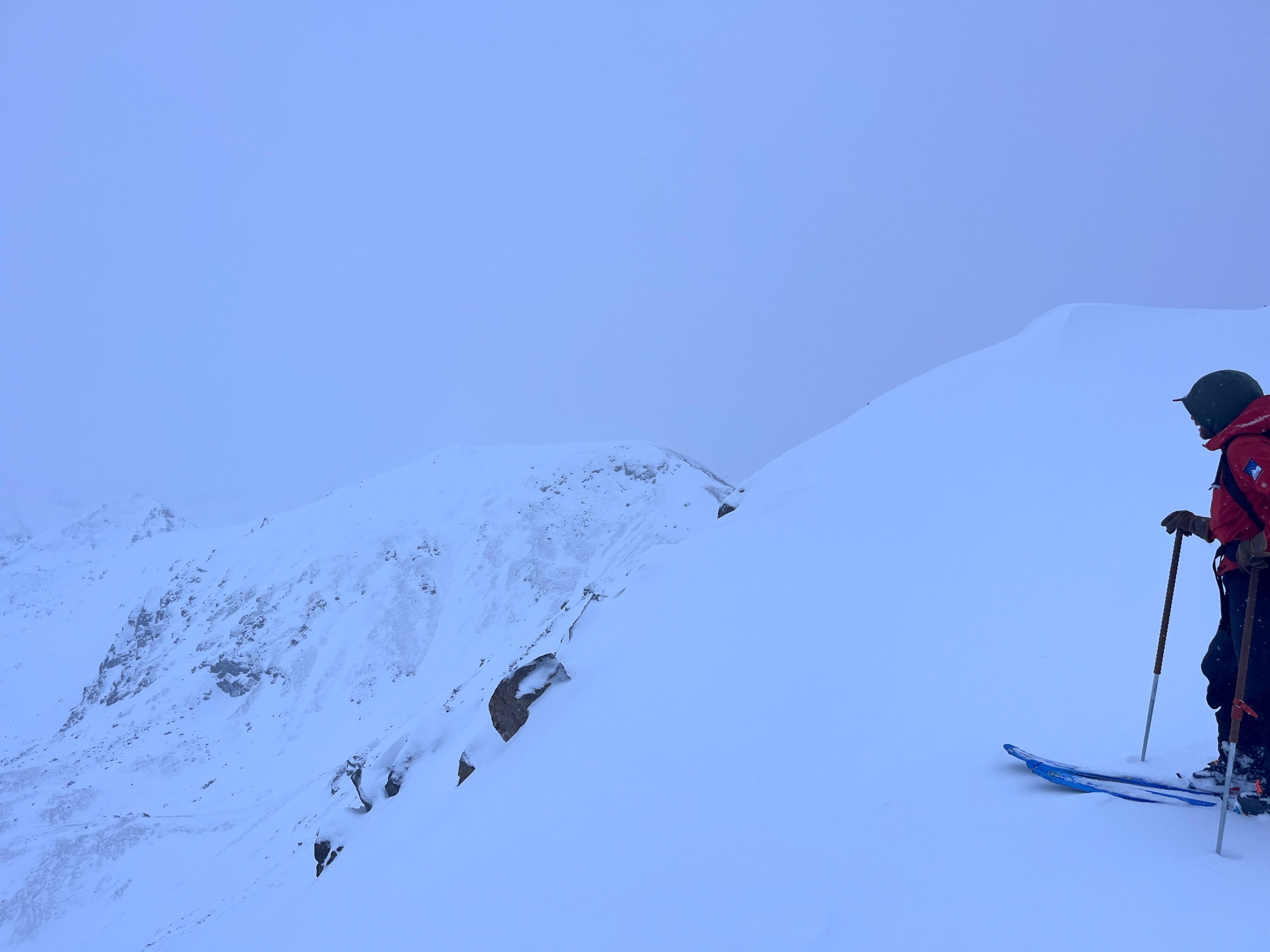
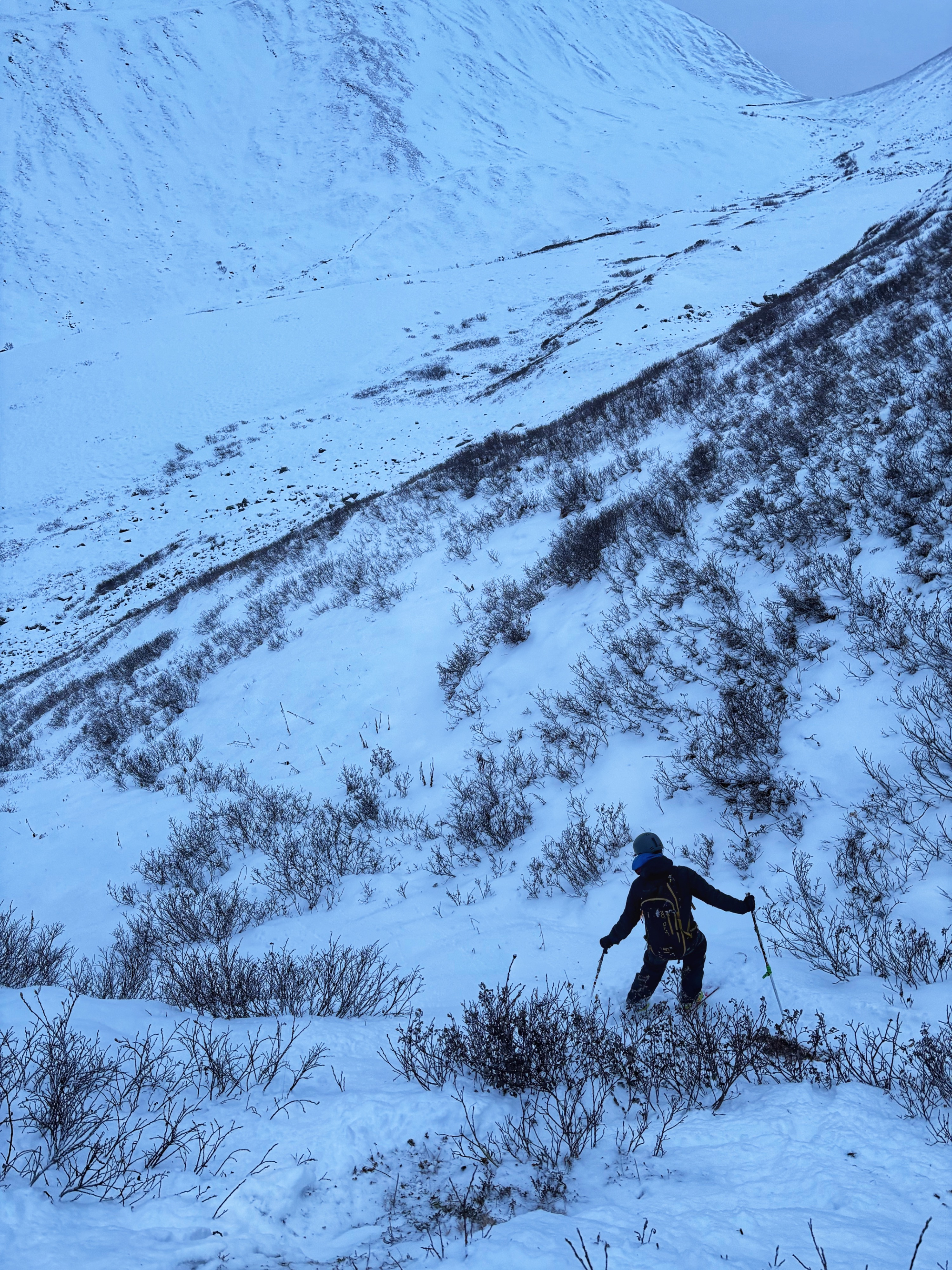
The early-season conditions today dictated much of our travel choices. To stay off the ground and avoid buried hazards like rocks, we chose to ski terrain where the wind had built thick enough drifts or stiffened the snow surface. However, it was these slopes that produced signs of instability, like cracking and collapsing, which drove us to choose shallower slopes and simple terrain features.
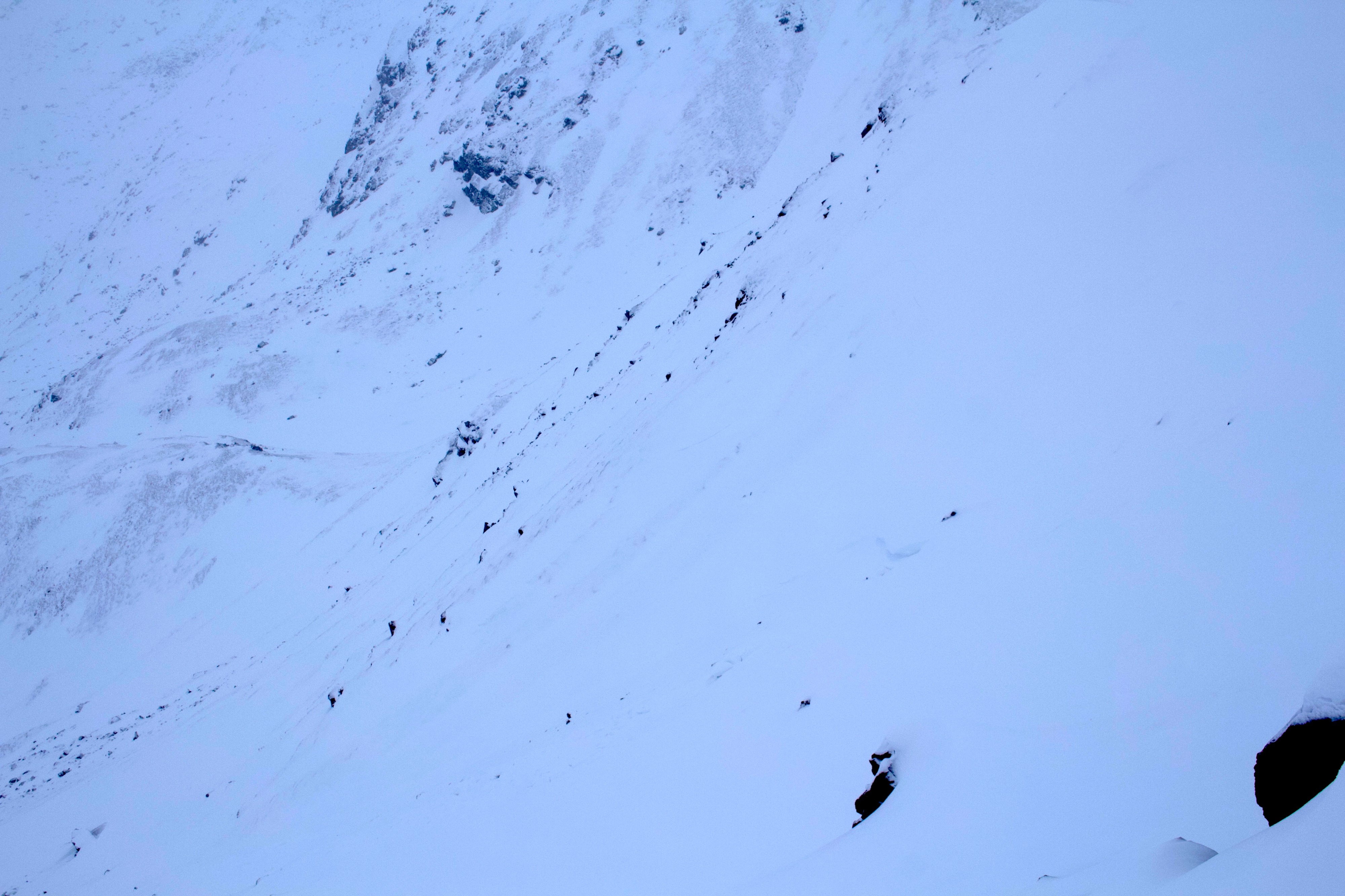
We opted out of skiing off the NE side of Skyscrape—"El Dorado Bowl"—due to low coverage and the risk of even a small slide carrying one of us into the rocks below. Overall, conditions are thin, and anywhere lacking wind effect is top-to-bottom weak, sugary snow. Where the wind has blown, the stiffened snow surface provided a better platform to travel on; however, it also increases the risk of triggering a small but consequential slide.
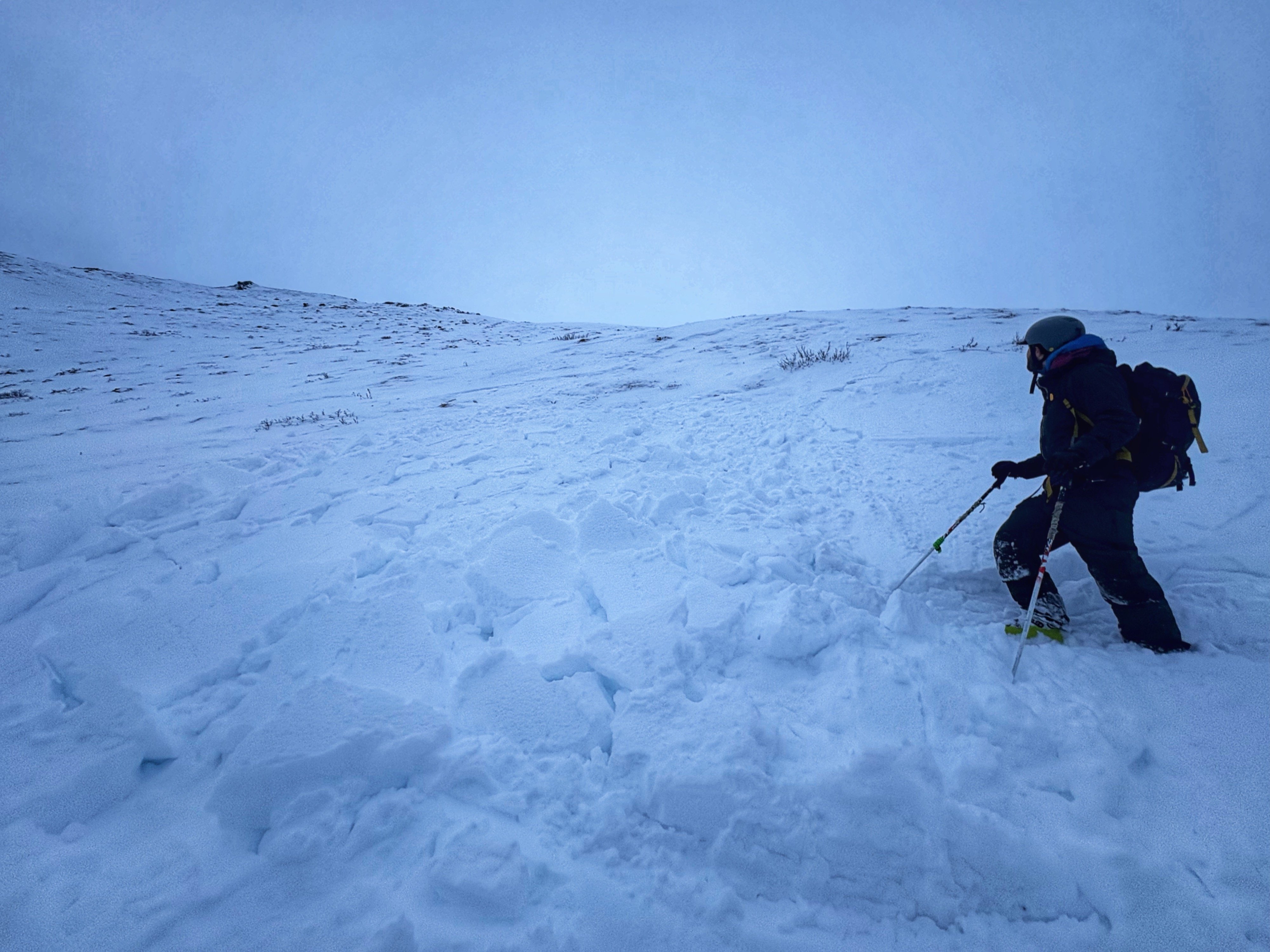
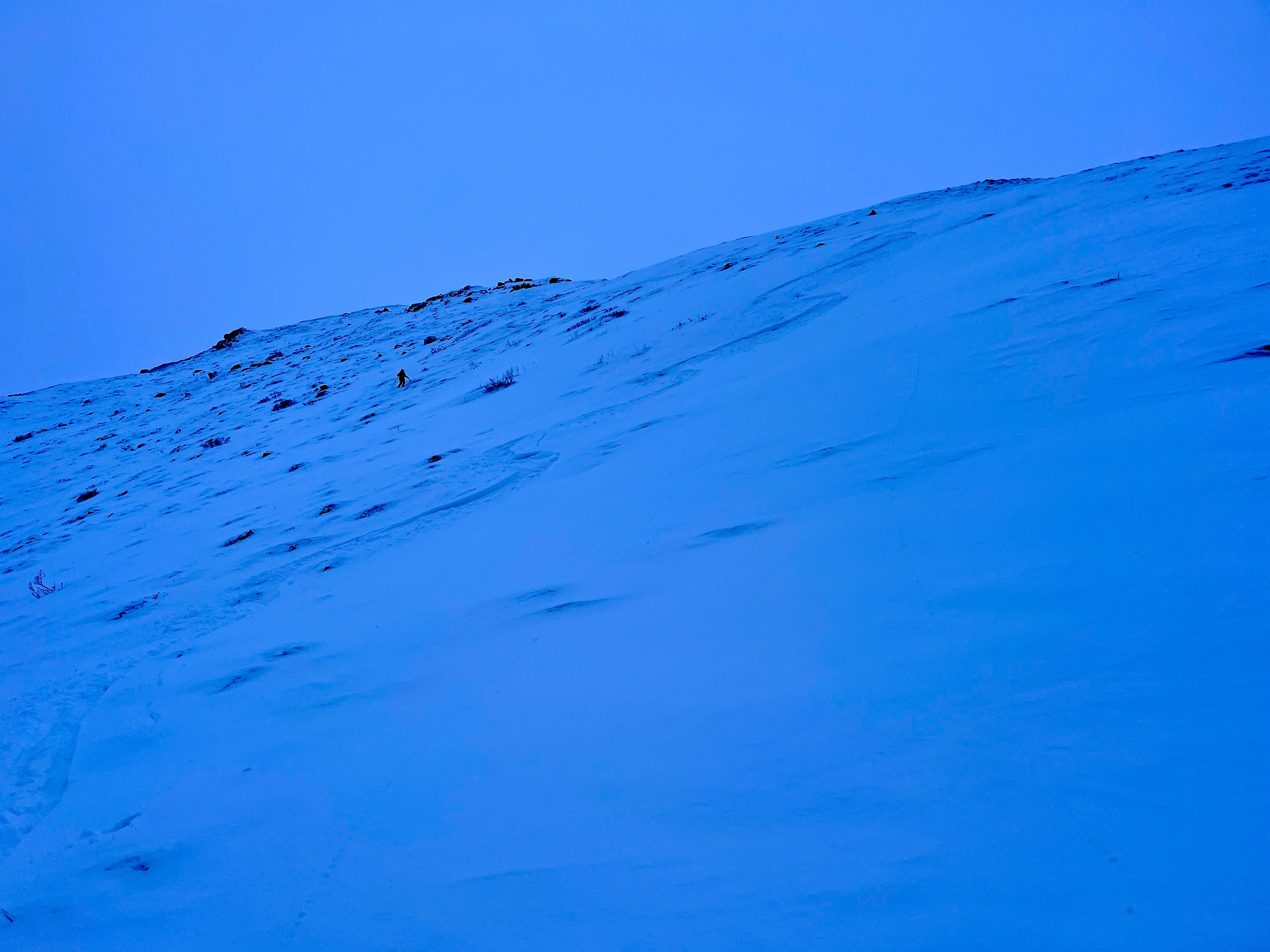
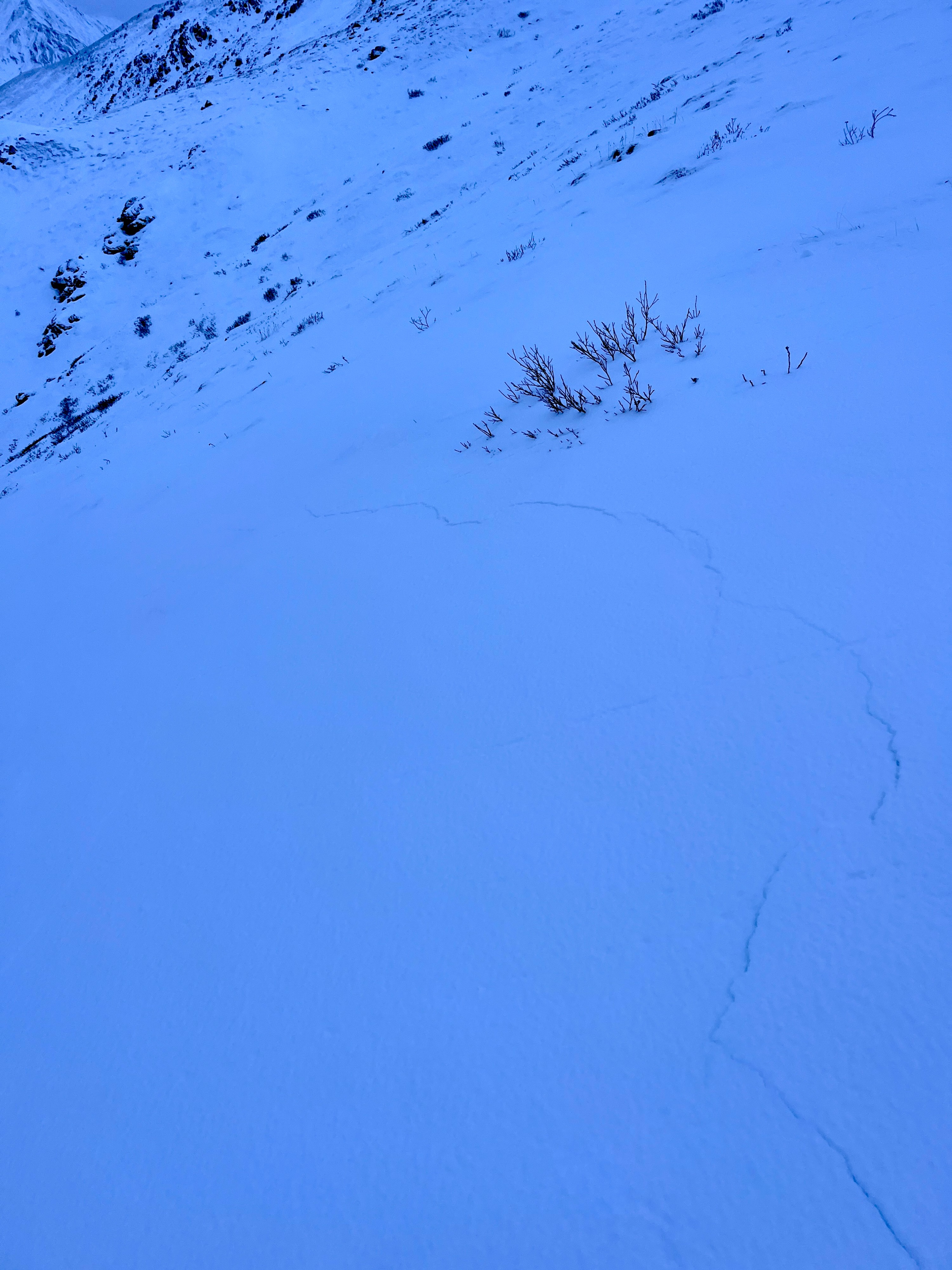
We felt several small collapses in shallow, wind-loaded terrain. Similarly, we experienced cracking on similar slopes, but for the most part, cracks were small in size, except for a few that extended 10-15' in front of our ski tips. On a S/SW slope, we triggered a small pocket of wind-drifted snow. See Photo.Weather
- Cloud Cover
- overcast
- Wind Loading
- none
- Recent Snowfall
- 2
- Snow Avail For Transport
- small smounts
Today, the skies were overcast, and winds were calm to light from the E/SE. Light snow showers began around noon and ceased around 3 pm, resulting in little measurable accumulation.
Snowpack
On most aspects we traveled on today, there was hardly enough to keep us off the ground, let alone ski on. Where we did find skiing, it was the wind-stiffened upper snowpack that kept us above the grass and rocks below the surface. These slopes were also where we experienced cracking and collapsing during our travels.
Where the wind has not moved snow around, we found about 5–10" of snow on the ground, with deeper areas where the wind has built drifts of snow. Additionally, any slope lacking a wind effect was top-to-bottom weak faceted snow.
Where the wind has blown, there are several generations of wind slabs above or sandwiching faceted snow. The lower and older wind slab was more difficult to shear off in hand pits, while the newer-formed drifts peeled away easily in hand pits.