
Quick report
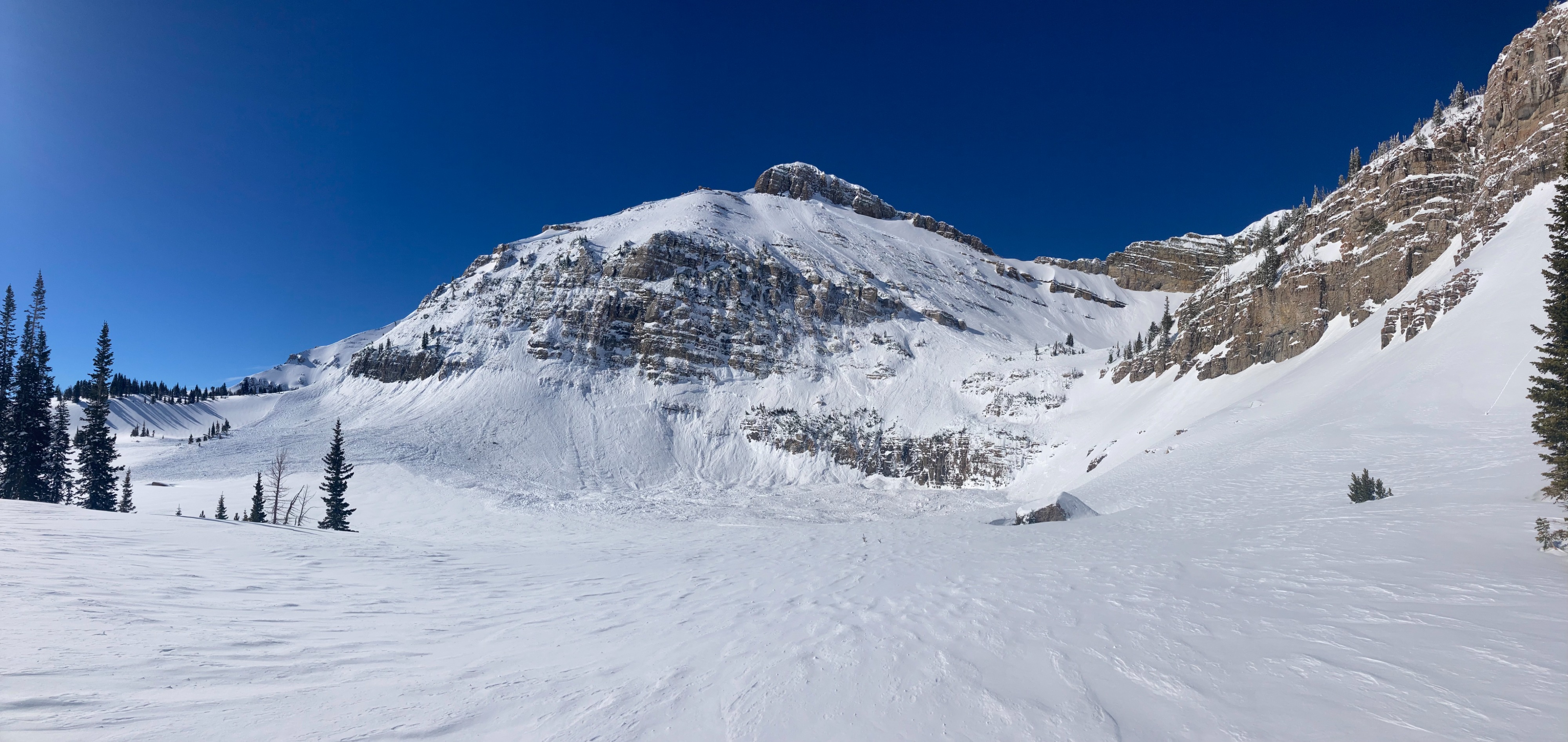
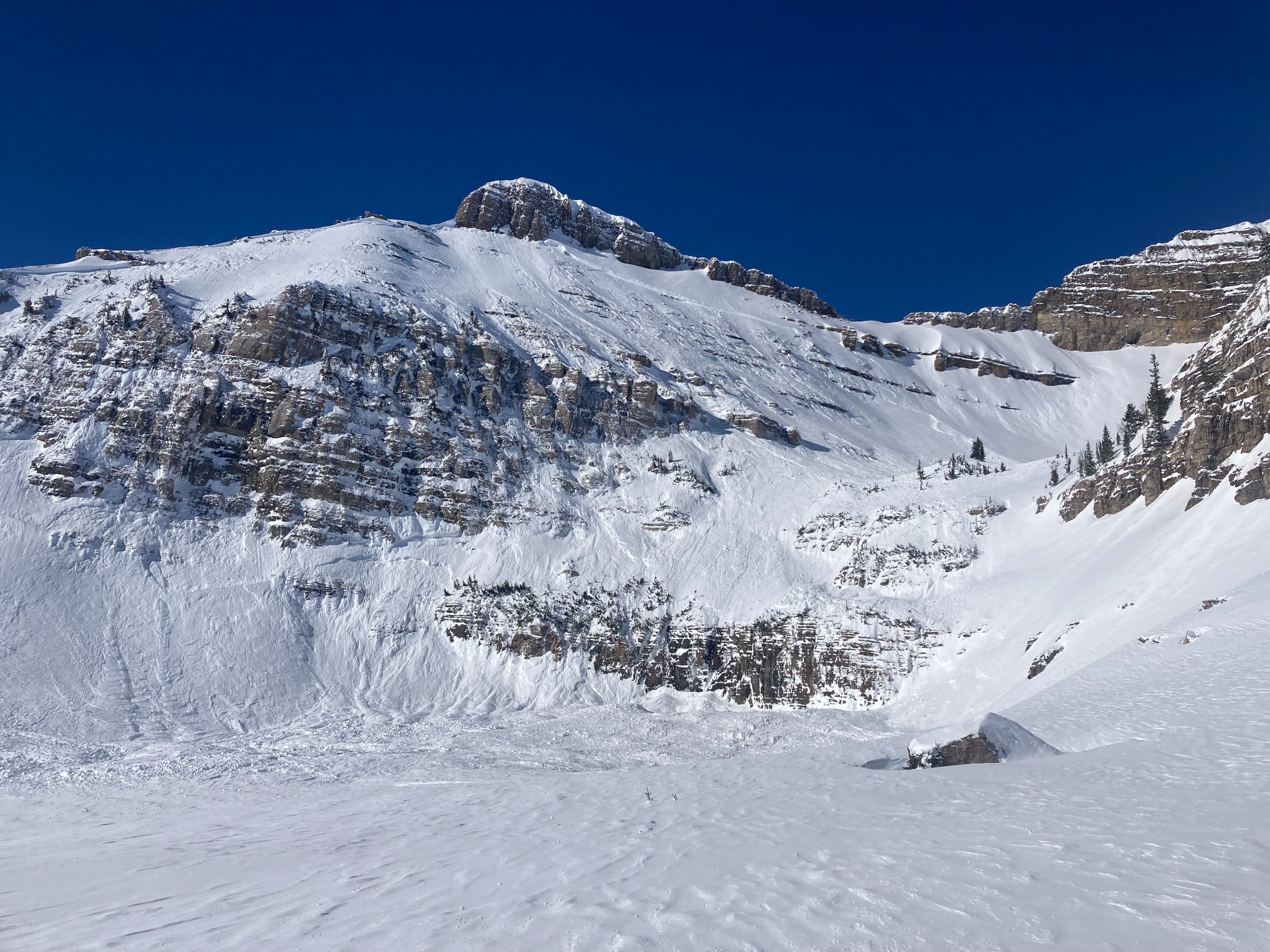
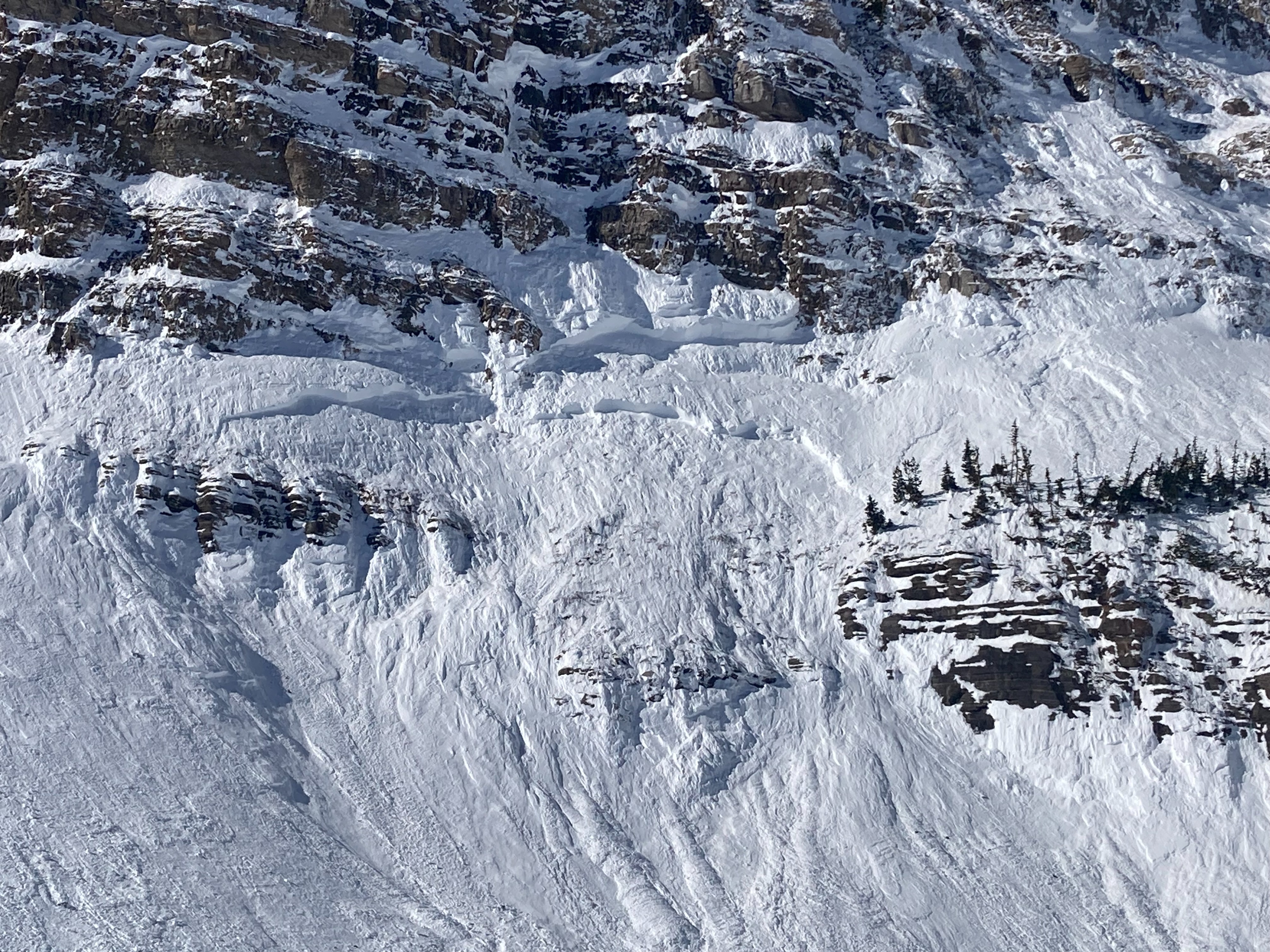
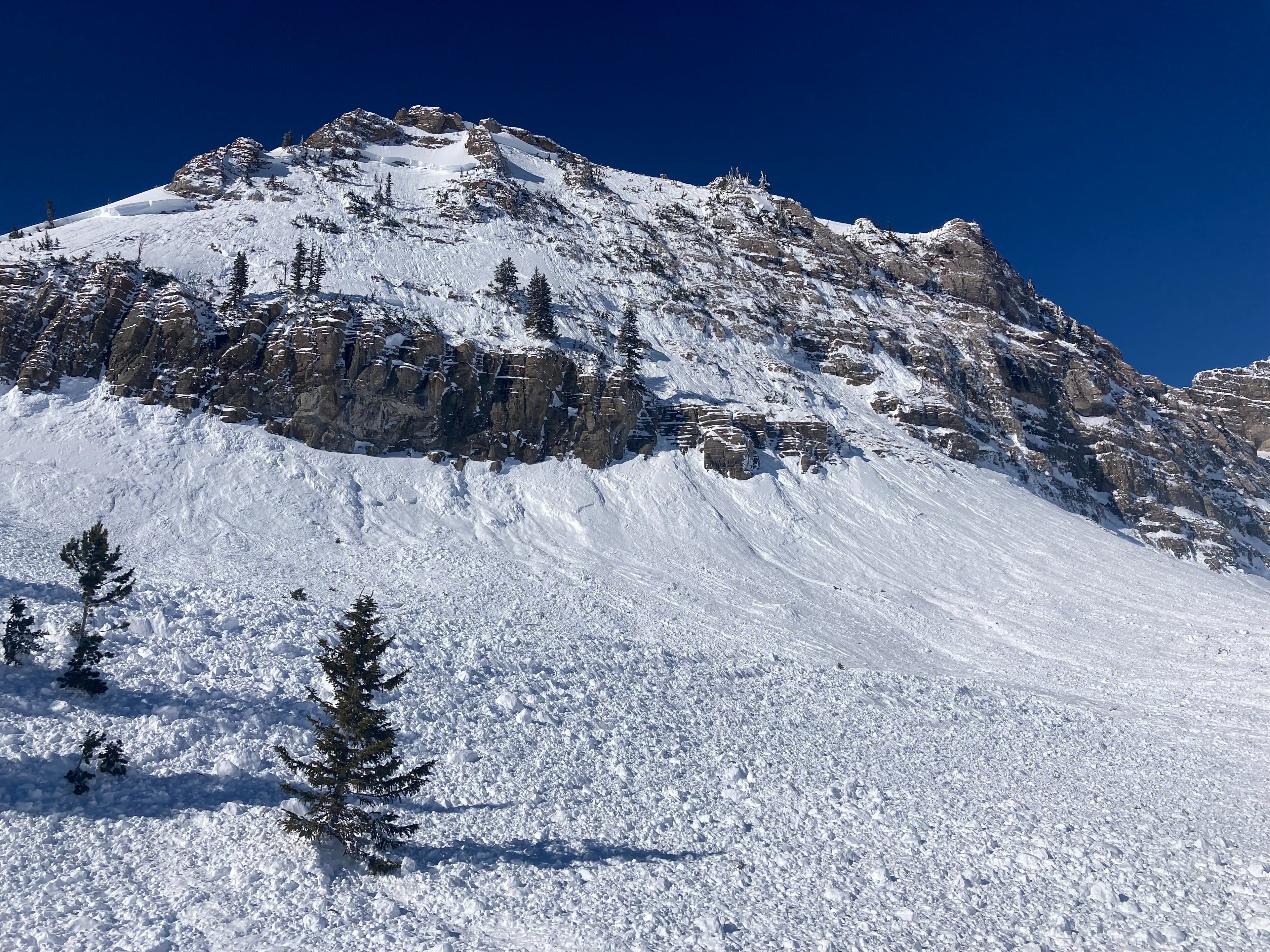
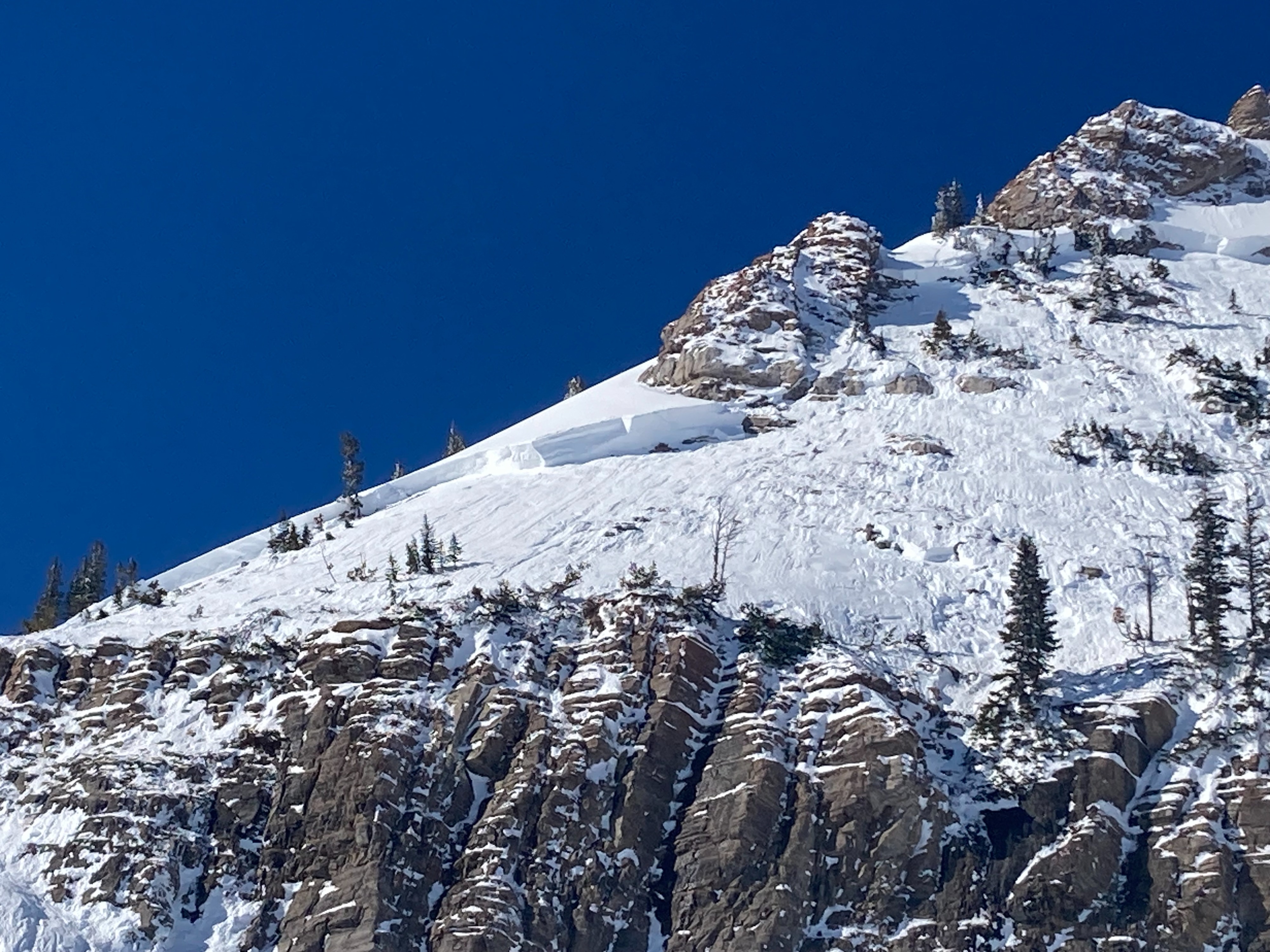
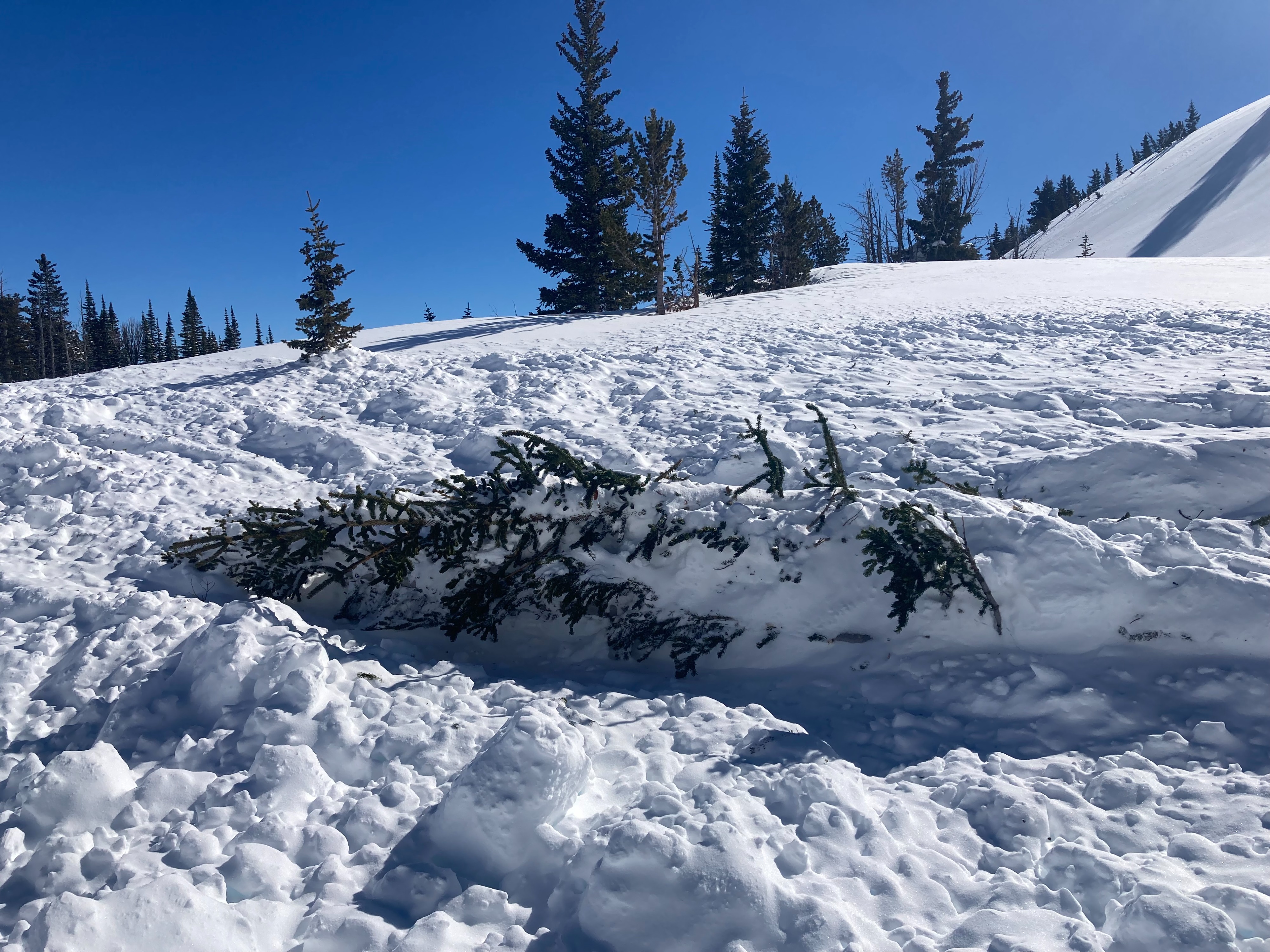
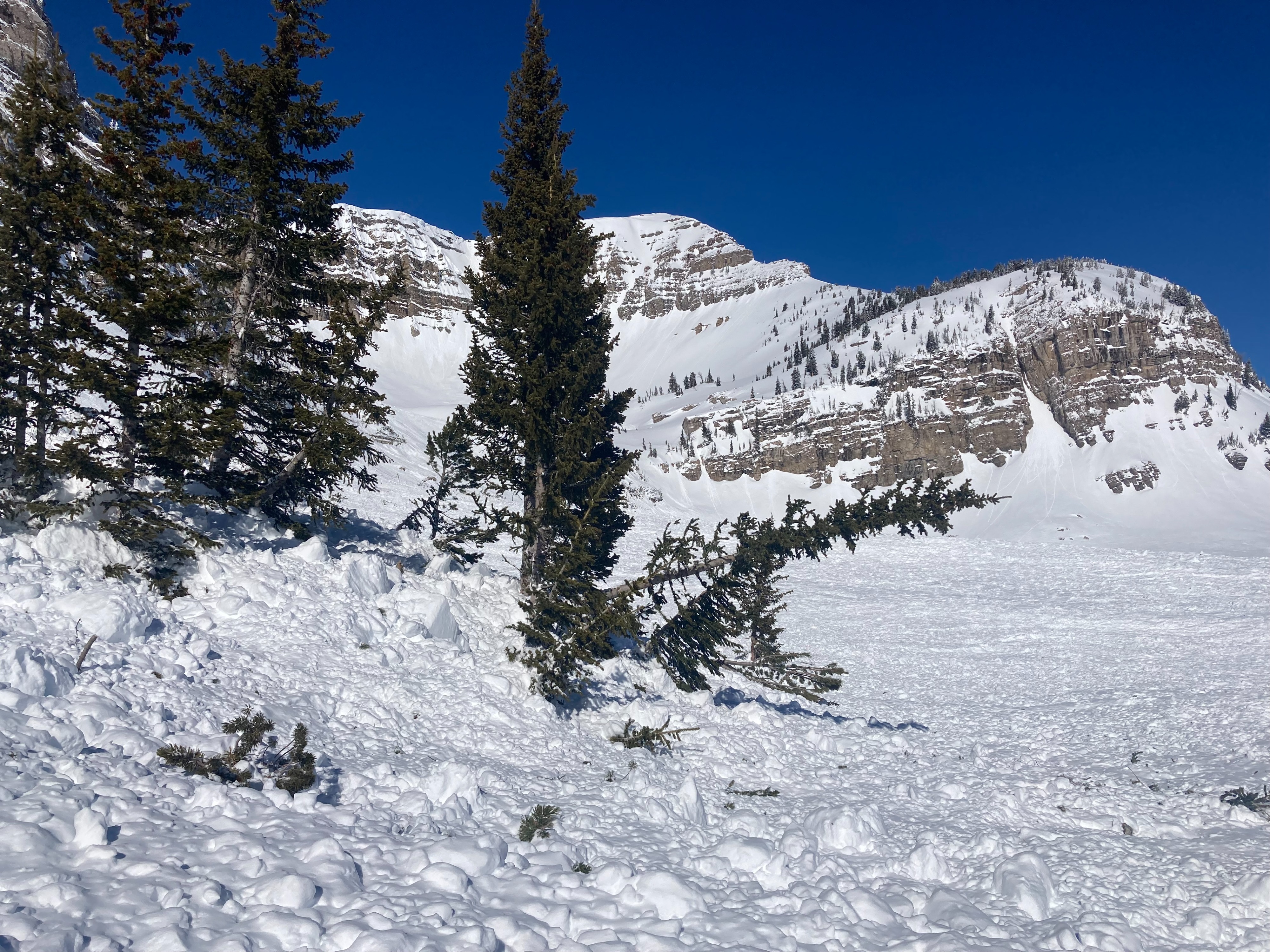
Toured south to No Name from JHMR to get a better view of the avalanche. The average crown height looked to be 5-6 feet with areas that were pushing 10 feet. It propagated across the entire "No Name Face", which is about 2,000' wide according to a mapping app.
It is difficult to determine exactly which deep weak layer the avalanche failed on. Visible layering in the crown and the depth at which it broke would suggest the January 4th interface, however, without completing a crown profile we cannot say for certain. Either way, it's deep.
There was no new snow on the bed surface indicating that it occurred sometime yesterday (2/16). Two skiers that we talked to today said that they were in the area the previous afternoon around 4 pm and it had not slid yet. There is a crown on the summit cliff snowfield. It's possible that the main avalanche was triggered by a smaller avalanche coming off the cliff above the face. Winds ramped up to an average of 20 mph out of the NW last night around 6 pm.
This avalanche is a product of the intense snowfall that we have received in the first half of February. 100" of snow with 7.5" of snow water equivalent (SWE) has fallen at Rendezvous Bowl since 2/2. That is a significant load which is stressing weak snow that formed early in the season. Stability was at a tipping point on this rocky, unsupported slope and a significant trigger such as another avalanche tipped the scales. As a backcountry traveler, you are very unlikely to trigger an avalanche like this, but it is a good reminder of what lurks in the basement as well as what terrain is most suspect with regards to deep avalanches.
Observed many small avalanches with partially filled in crowns that most likely ran during the last storm cycle (2/15 - 2/16). Small point release activity observed on steep, sunny, and rocky slopes beginning around 11:00 am.Weather
- Air Temp
- 20
- Cloud Cover
- clear
Snowpack
The 2/2 layer is about 1-1.5 meters down and the 1/4 interface is about 2 meters down.