
Quick report
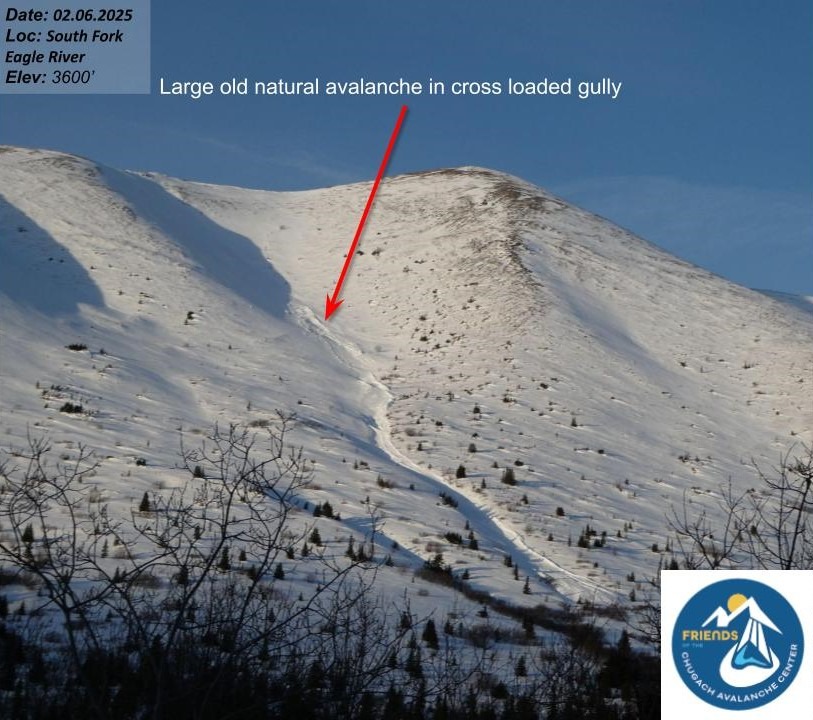
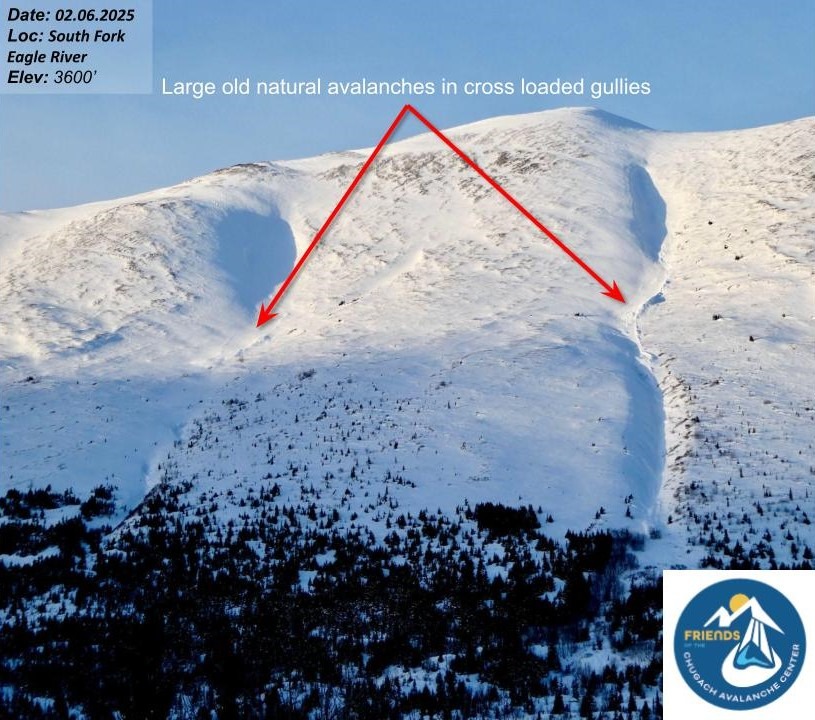
We spent the day touring up into the Two Bowls area NW of Harp Mtn with a few things in mind. Find soft surface snow, continue tracking the basal weak layers in the front range, and obtain some data on alpine start zones in the area. We found evidence of old large natural avalanches that occured in bowls on the west side of the valley, a variable snowpack with poor structure, and best of all, soft surface conditions in protected areas.
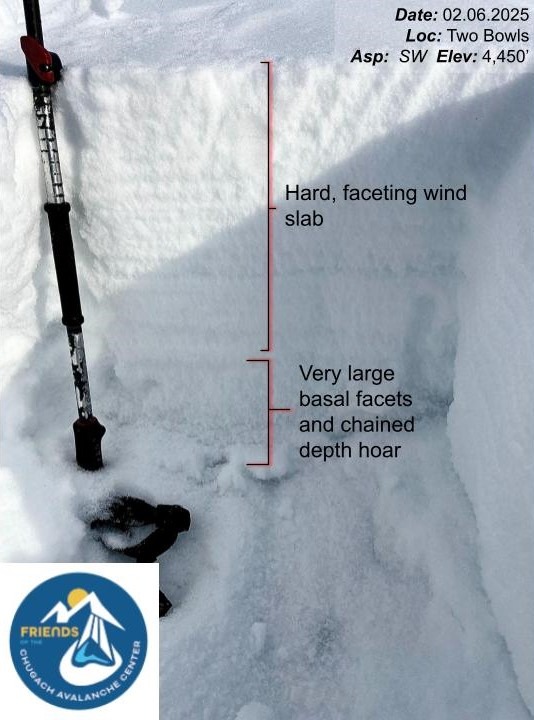
In our quick pit below ridge top at ~4450' SW aspect, we found weak basal facets and a hard overlying slab. This structure is concerning and similar to what we have been finding all season around the region. We are continuing to track this structure in the higher trafficked areas of the front range, yet we expect that deeper in the region a different snowpack exists. We have little to no data on these farther areas so if you plan on taking advantage of this period of calm weather to explore, let us know what you find!
No red flags observed throughout the day.Weather
- Air Temp
- 19
- Cloud Cover
- few
- Wind Loading
- previous
- Snow Avail For Transport
- small smounts
Enjoyed sunny skies and cool temps with little to no wind. At ridge top winds were moderate, a calm day by front range standards!
Snowpack
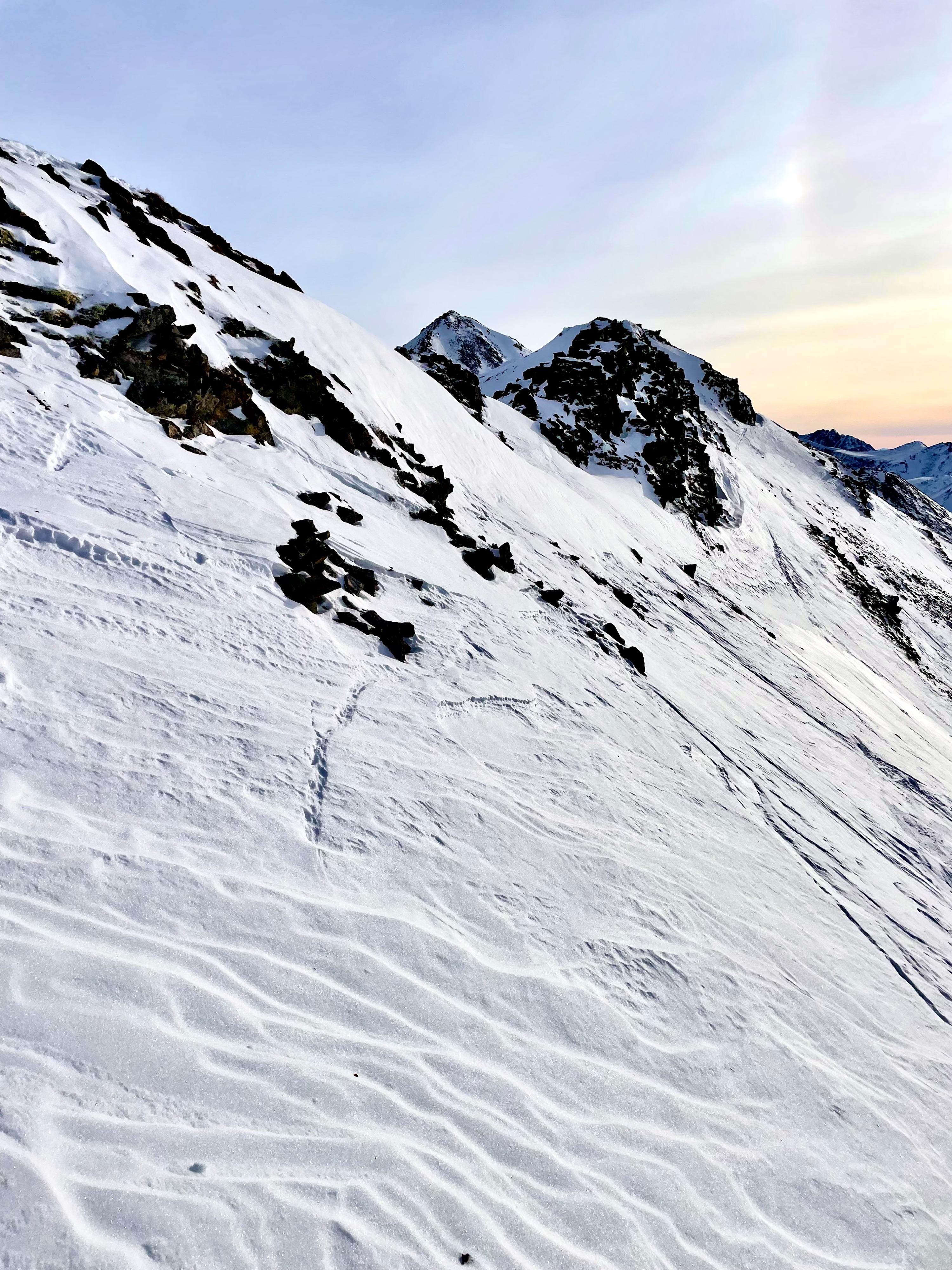
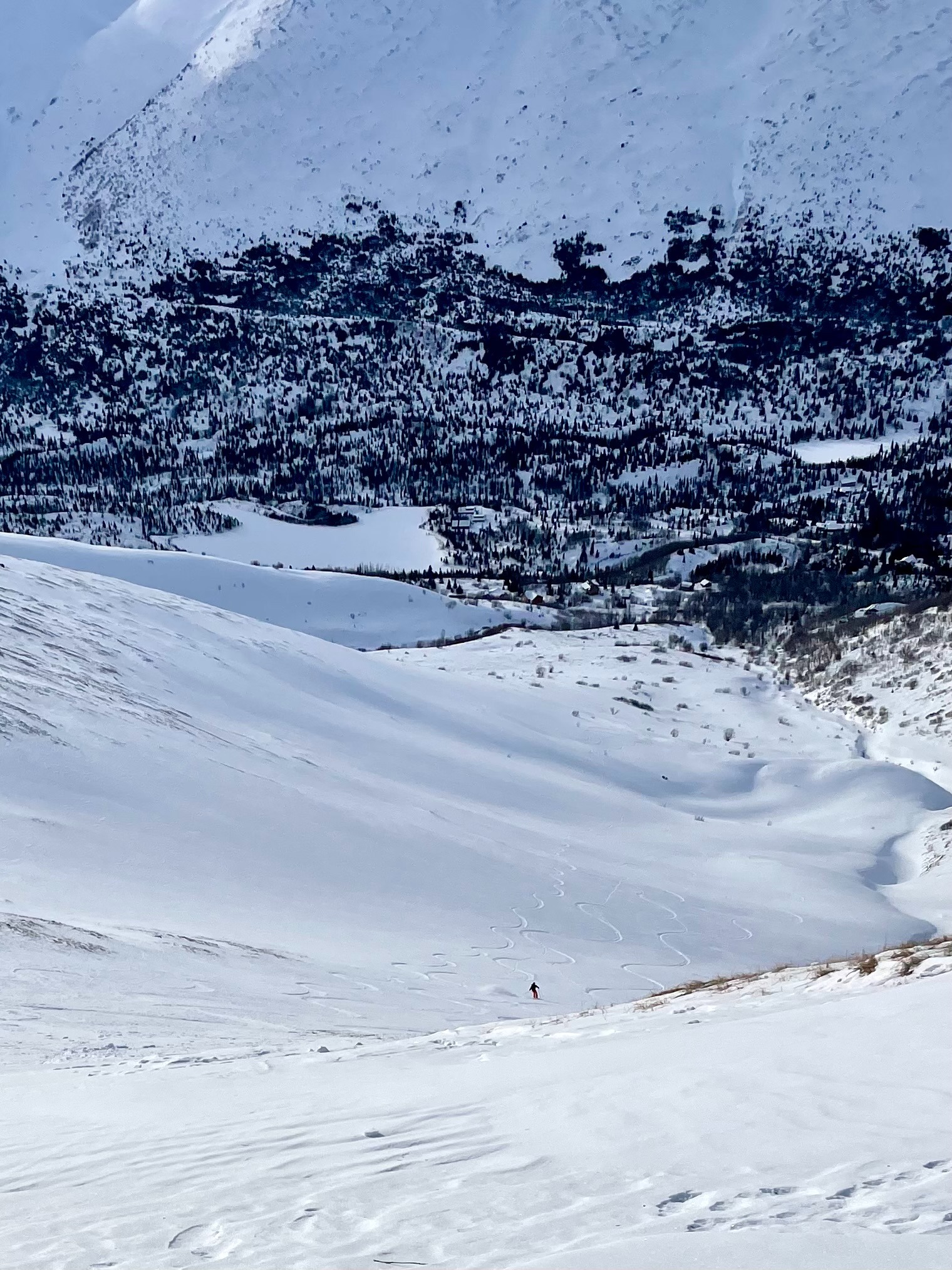
Variable coverage and surface conditions persist in the front range. We found surface conditions to be best (powder!) in protected bowls and gullies and at lower elevations where winds have not impacted the snow. Outside of these protected areas, hard surface wind slabs and bare ground continue to dominate. Snowpack depth is variable, with most of the snowpack concentrated in gullies and leeward areas.
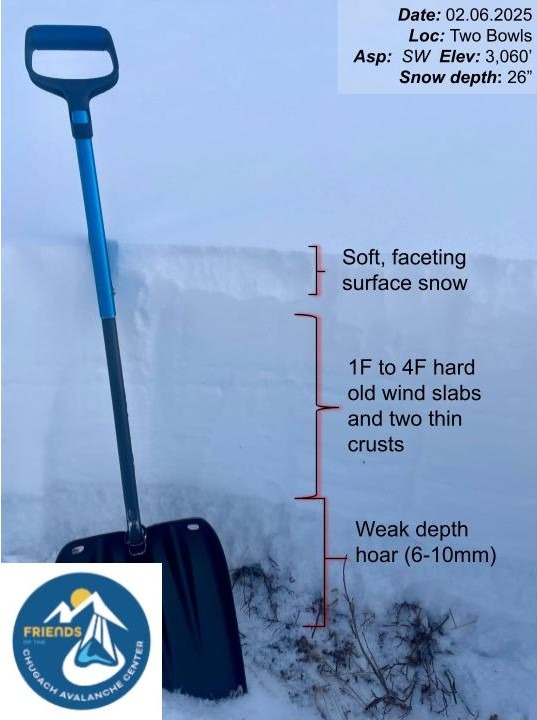
We dug two quick pits to assess structure of the snowpack, one at 3060' on a SW aspect, and another at 4450' on a SW aspect.
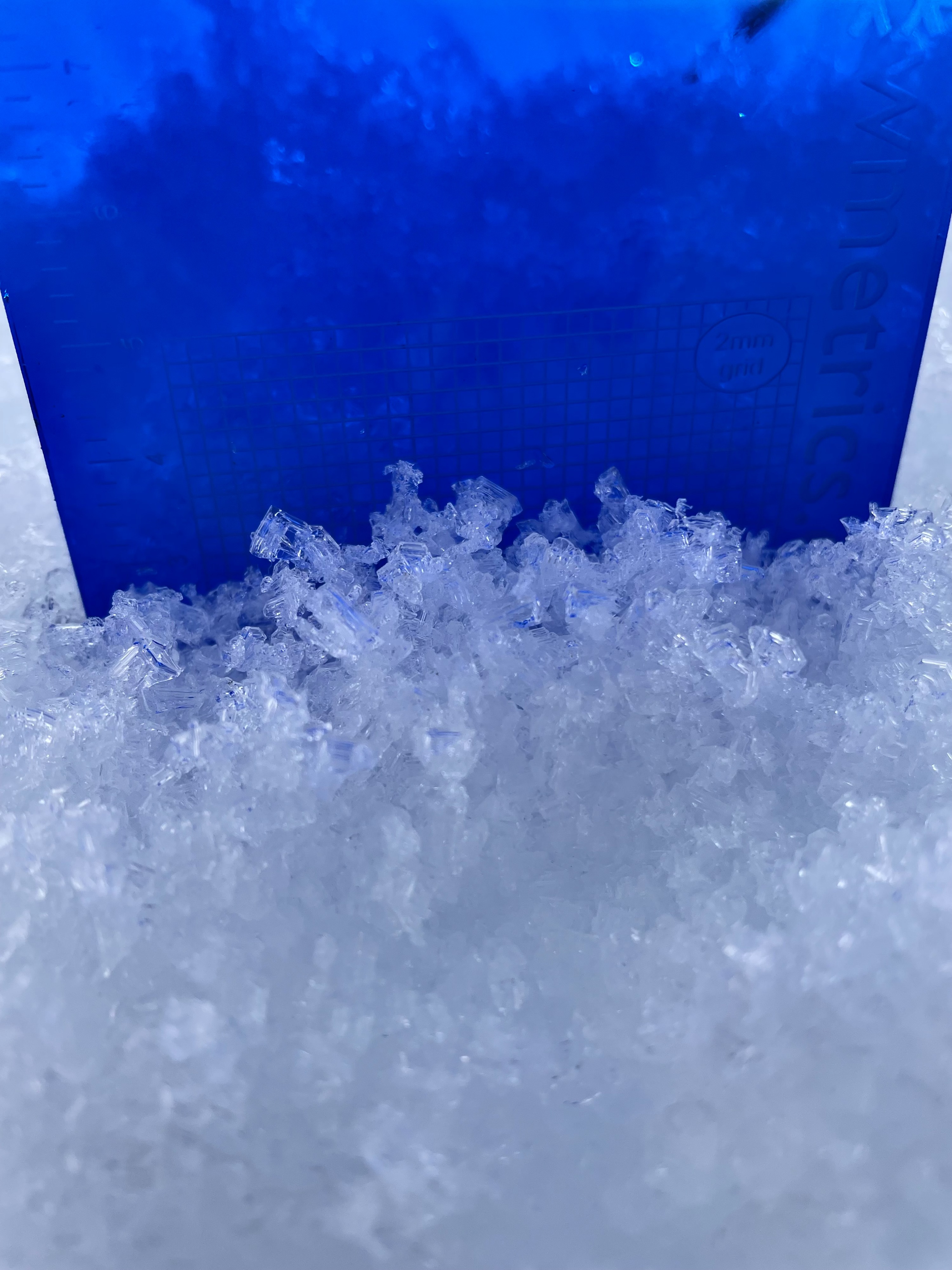
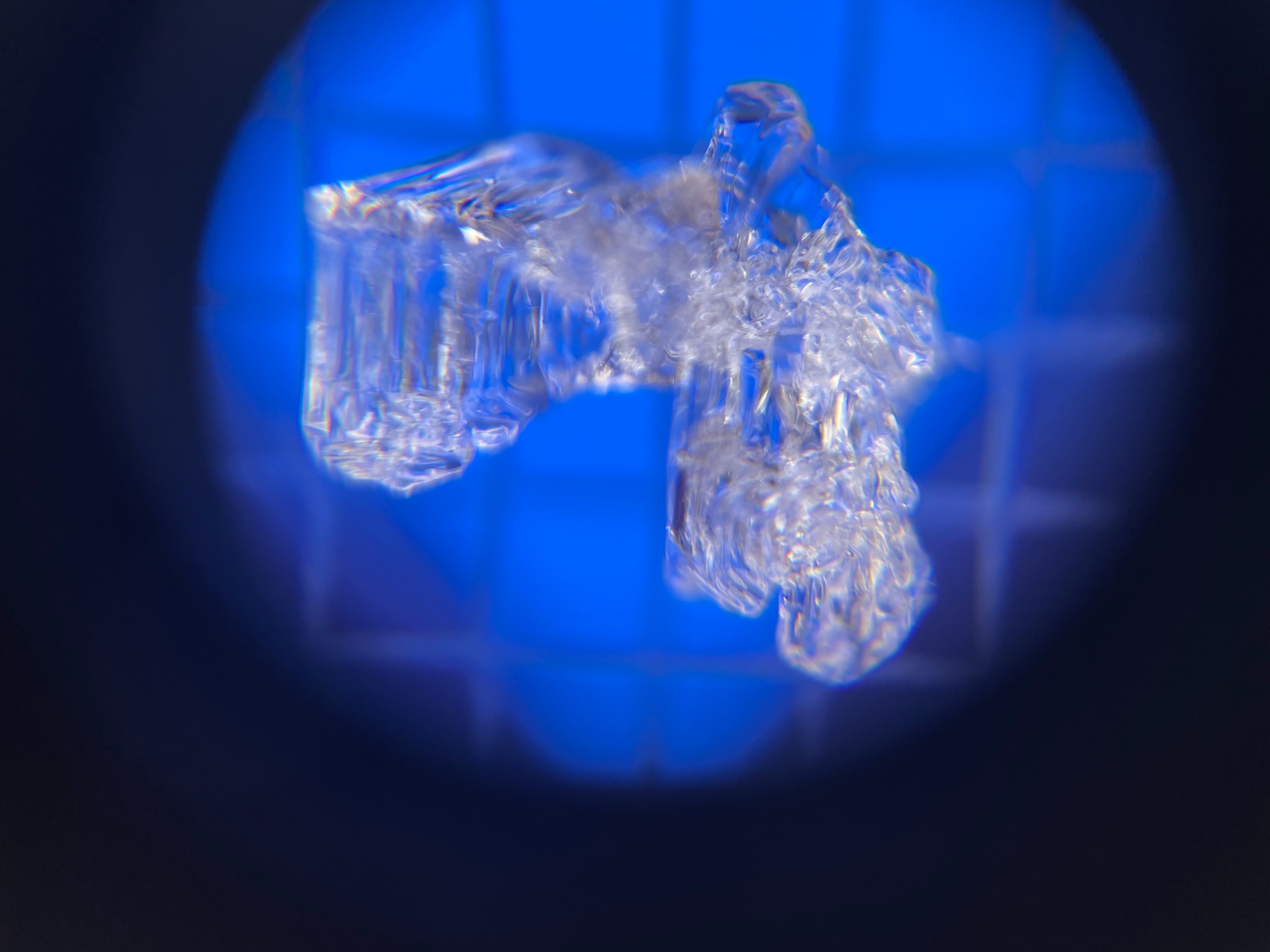
In the lower pit snowpack depth was ~2ft, with large facets and depth hoar making up the bottom half of the snowpack. Above the facets were a series of 1F to 4F hard wind slabs and it was all capped off with about 5in of soft snow. In our upper pit we found largely faceted snowpack with large depth hoar at the base and a hard wind slab on top. No formal tests conducted. Snow surfaces are faceting out with this cold calm weather, not a problem now, but any new or drifted snow will have a hard time bonding to the current snow surfaces.
This structure of well developed facets under hard wind slabs is concerning and an example of what is in the start zones in the front range. We are continuing to track these basal weak layers in the higher trafficked areas of the front range and continue to be using safe travel procedures even during this period of calm weather. Due to the thin and variable snowpack in this area, even a small avalanche could carry high consequences.
Avalanche
Observed evidence of old large natural avalanches that occured in some of the bowls on the west side of South Fork Eagle River valley, pictures attached.