
May Creek
Quick report
- Cracking
- specific
- Collapsing
- specific
Following the instability and snowpack observations we determined that avalanche terrain would not be feasible to ride or travel through. Wind slabs and persistent slab avalanches at upper elevation are the main concern. I would describe the instability as specific to wind loaded slopes, which for us were primarily North facing aspects. The wind loaded slopes were noticeably reactive during the approach. Whumping and cracking observed.
Weather
- Air Temp
- 35
- Cloud Cover
- broken
- Wind Loading
- moderate
- Recent Snowfall
- 0
- Snow Avail For Transport
- small smounts
Warming throughout the day. Moderate wind speeds, with gusts up to 30 mph.
Snowpack
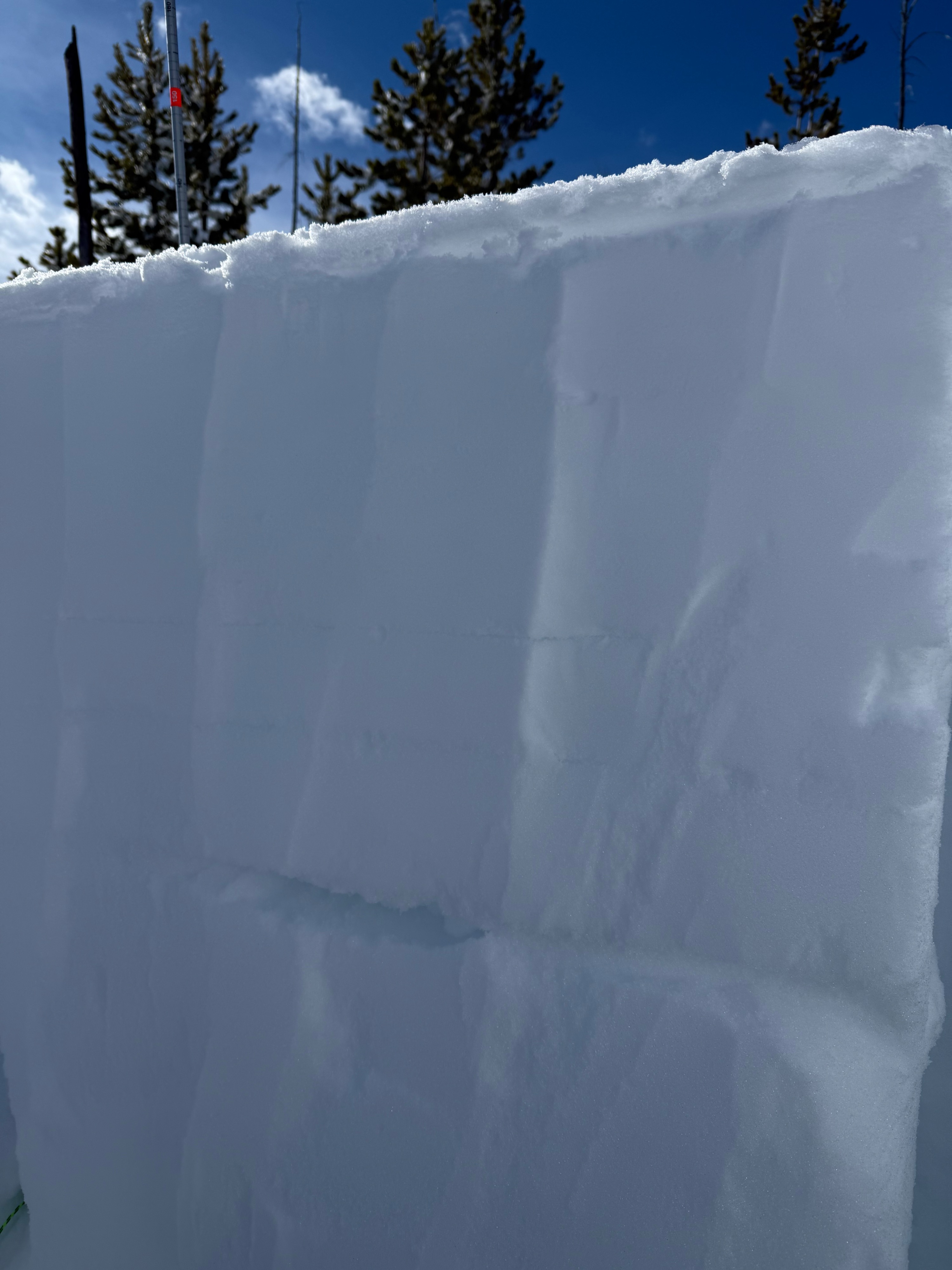
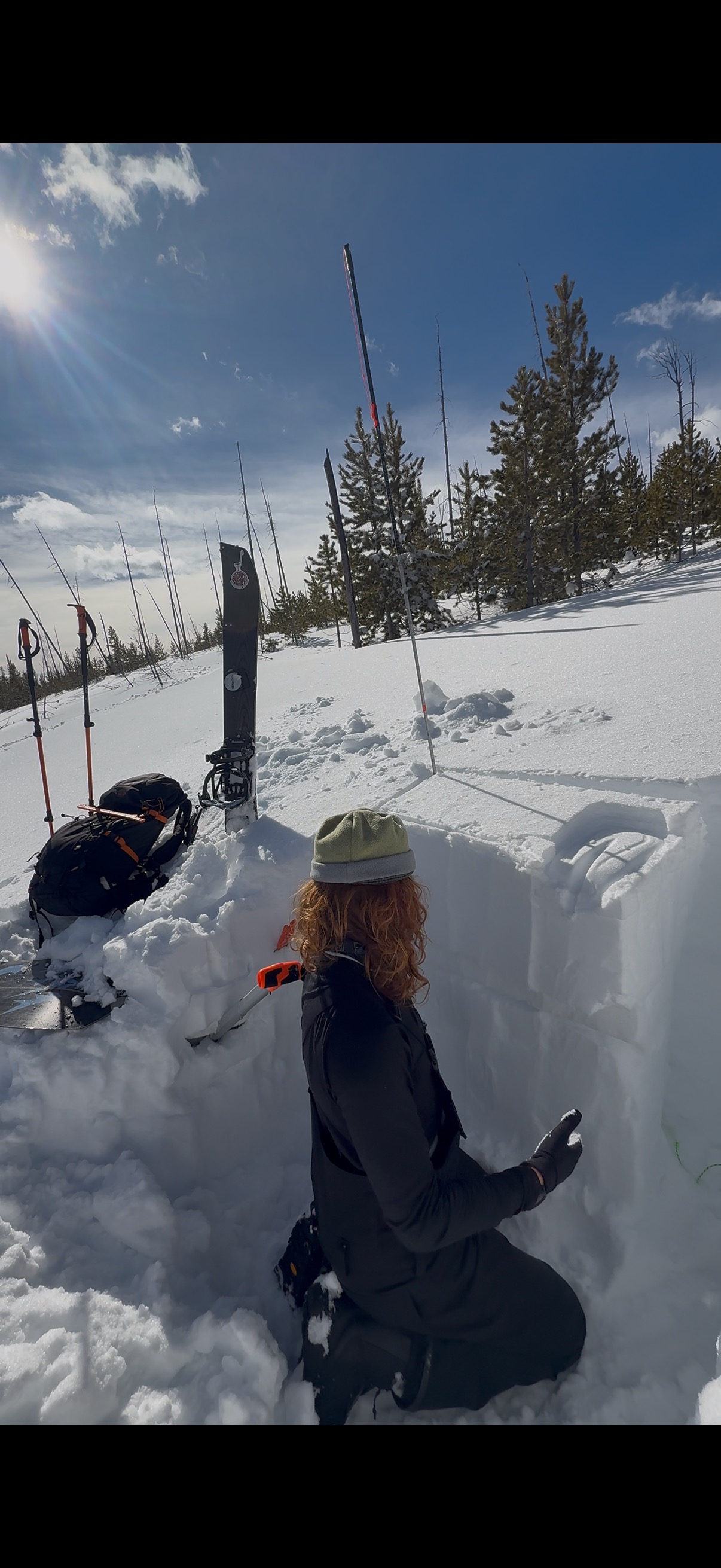
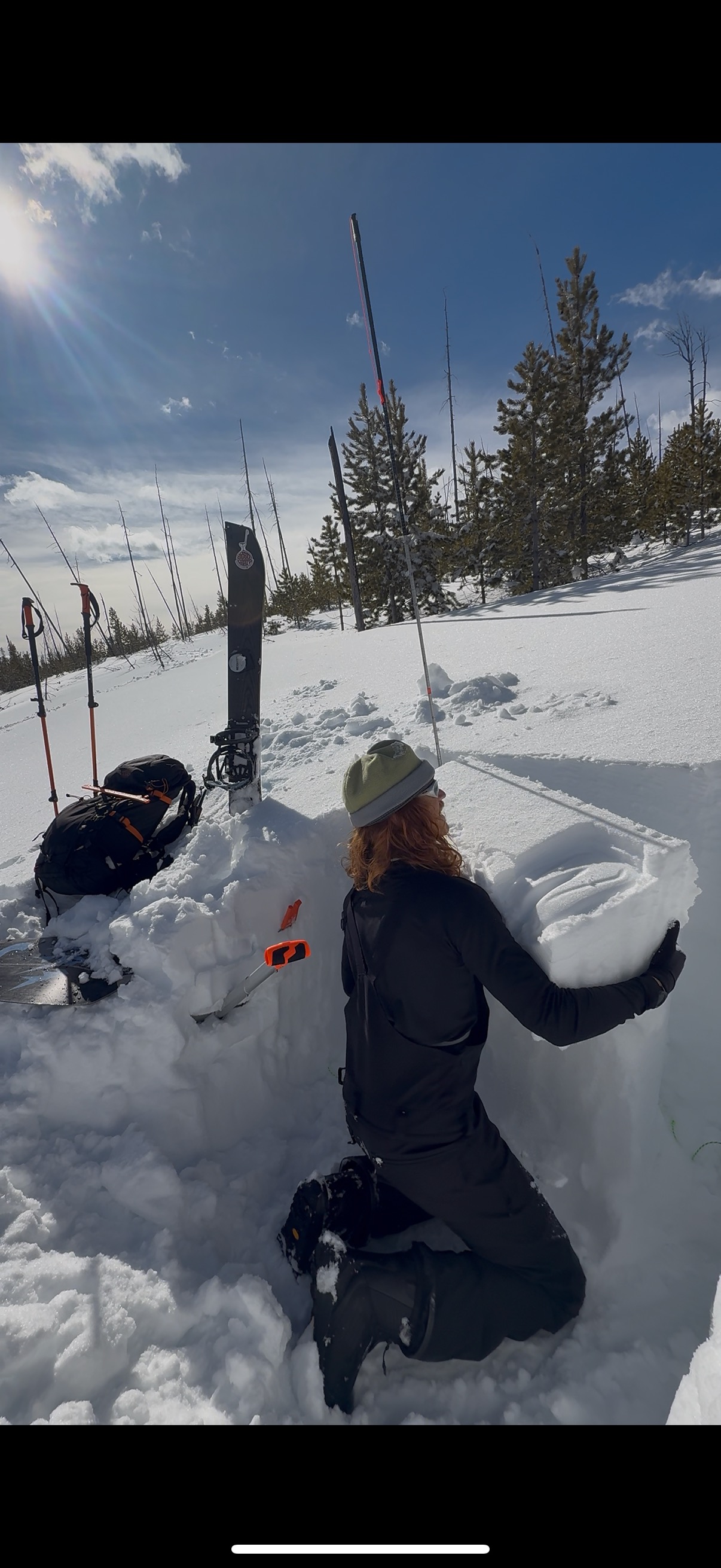
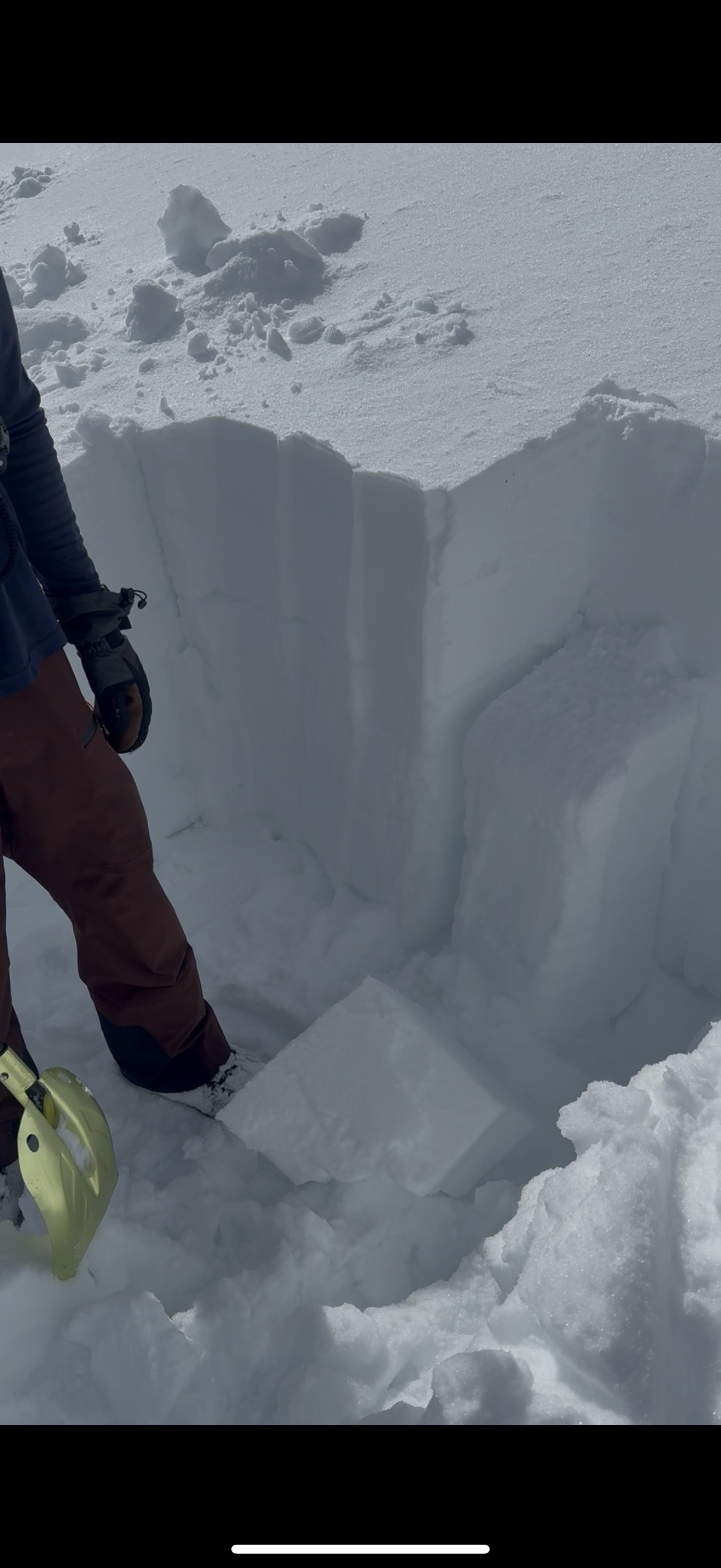
We preformed three different column tests around noon at 7,500 feet on a North facing aspect, all resulting in propagation on the same weak layer. ECT 11 - Propagated on early February melt-freeze CT 0 - Placing the shovel was enough to propagate CT 3 - Same weak layer The high pressure from January is very obvious in the snowpack, as it is purely several inches of buried surface hoar at this point. There are two melt-freeze crusts above the January section. We found the first crust (first February storm after the dry spell) to be the most reactive.