
Quick report
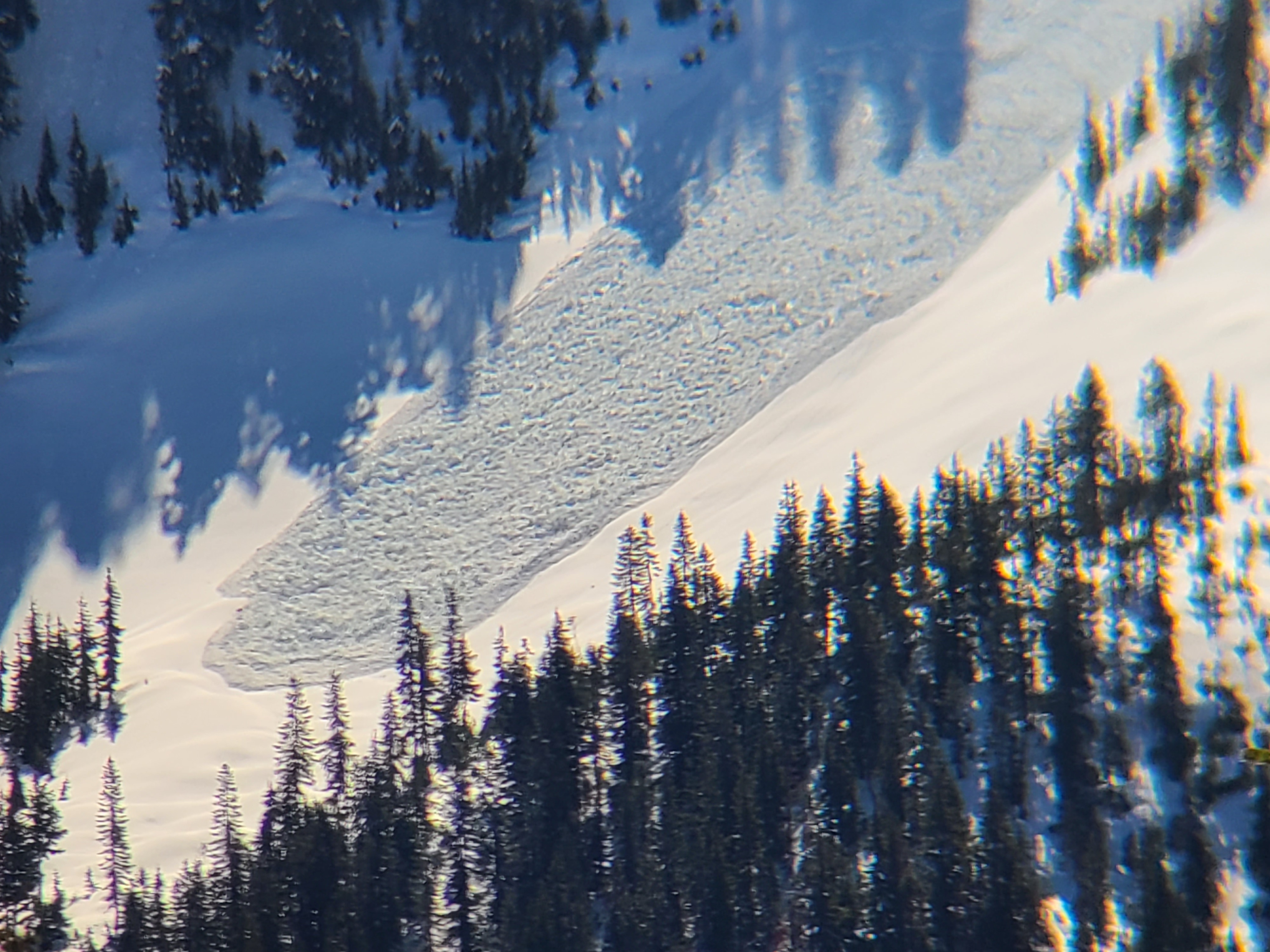
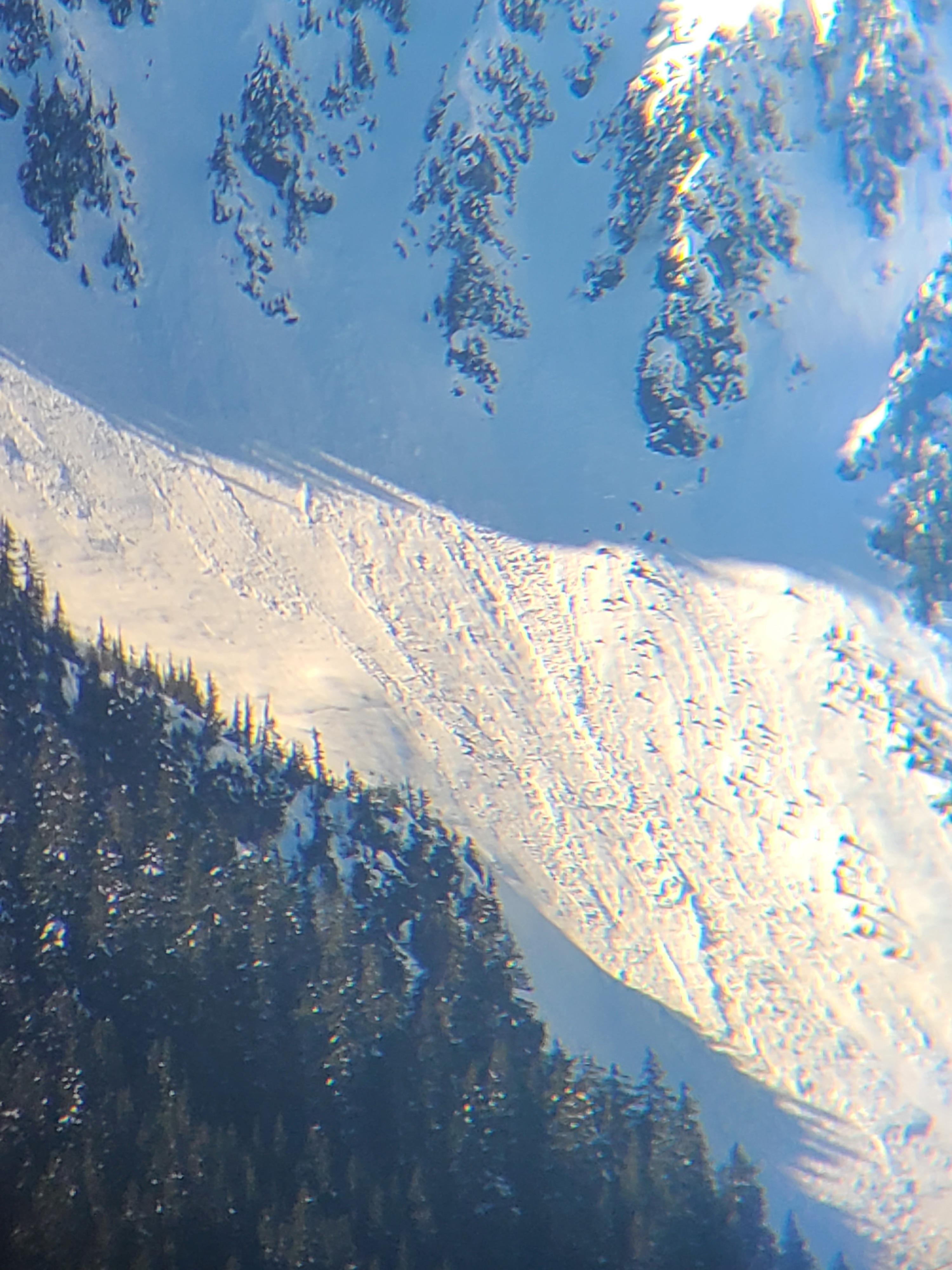
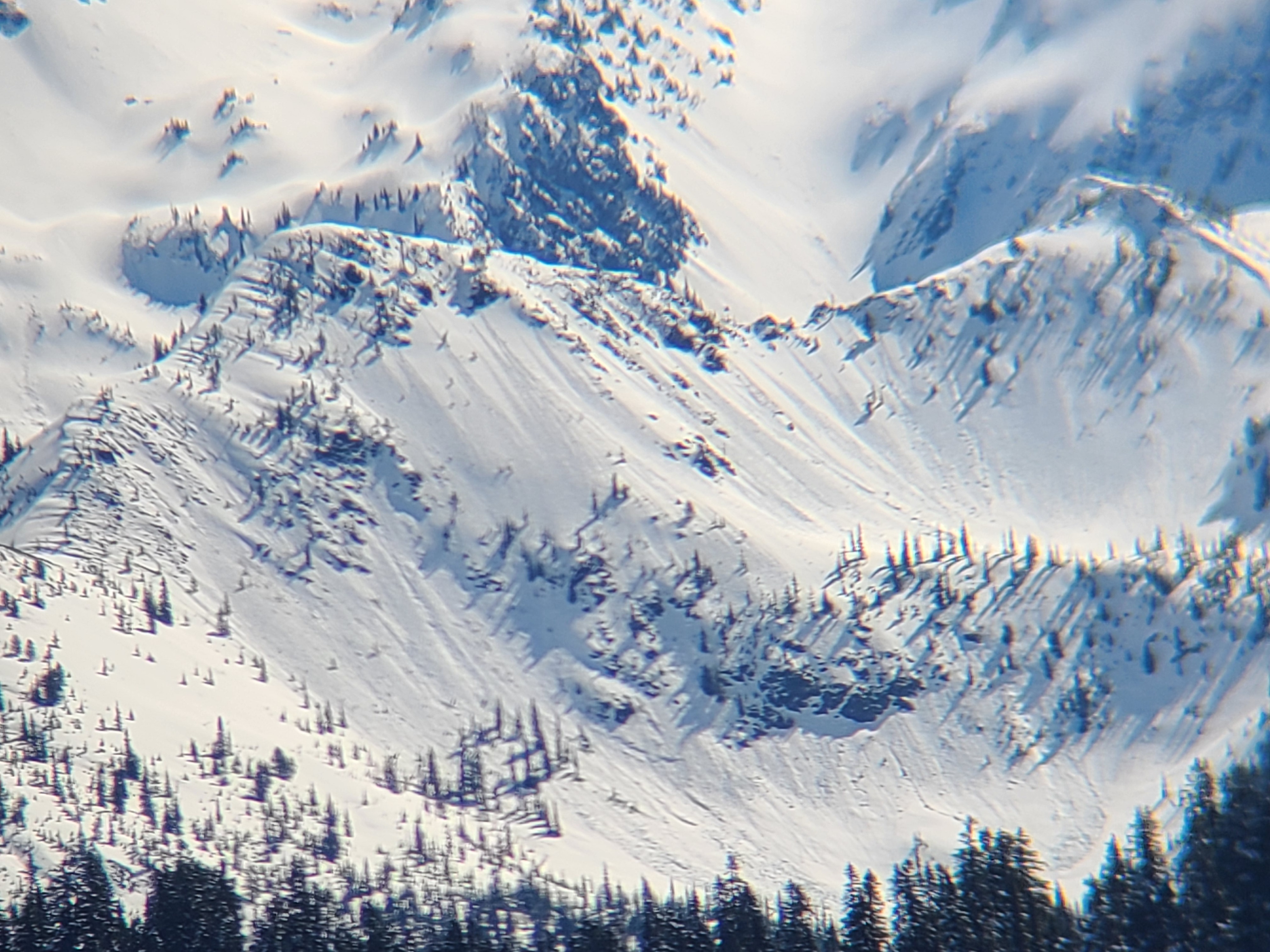
I expected a much warmer day and many more natural wet avalanches today. However, the moderate winds helped keep the snow cooler than anticipated. West, East, and South aspects softened into deep, wet, heavy snow. However, I couldn't get any wet, loose avalanches to release on steep test slopes. With today's excellent visibility, I got a good look around at the higher elevations throughout the zone. I noted a surprising lack of new, wet loose avalanches. North aspects still hold dry snow, with some thin melt-freeze crusts interspersed throughout the 8-12" of recent snow.
Weather
- Cloud Cover
- clear
It was a beautiful sunny day. Winds were steady in the moderate range and kept surfaces cooler than I had anticipated.
Snowpack
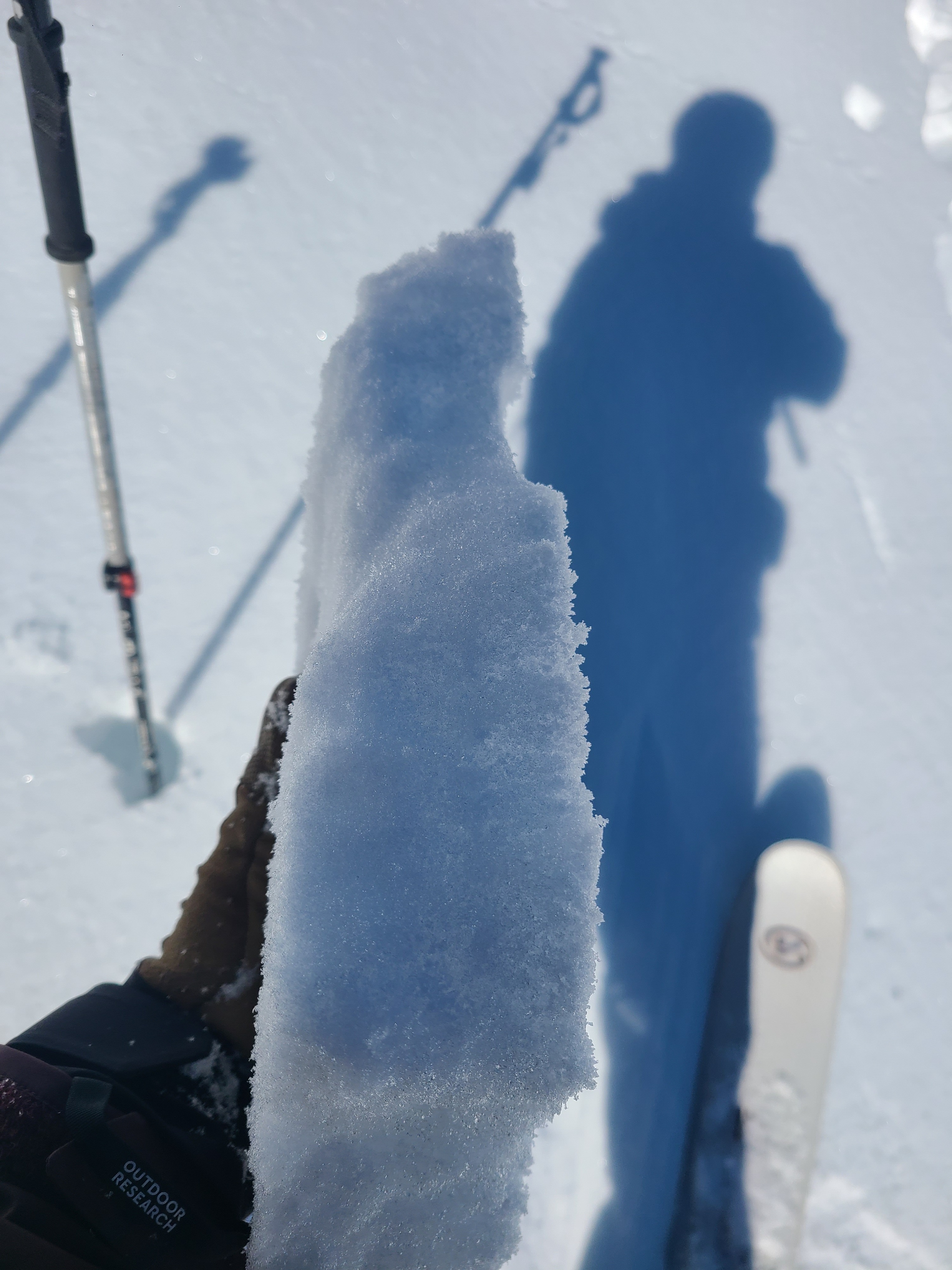
With quick hand pits on northern aspects, we observed approximately 30cm of cold, dry snow interspersed with a few breakable crusts resting on a thick, supportable melt-freeze crust from the prolonged warm spell in late March.
In a snow profile at 5300ft on an E aspect, we found wet melt-forms down as far as we dug (~170cm). All the formerly hard melt-freeze crusts on these aspects were soft and easy to dig through. We found water pooling at a few different interfaces, but drainage through the entire snowpack is likely at these mid-elevations. The upper snowpack is 10cm of recent snow of moist rounded grains over weak melt forms. We identified slightly harder melt-freeze crusts with pooling liquid water within the snowpack buried 60cm, 105cm, and 120cm (Early February Crust).
On these eastern and sunny aspects, boot penetration was up to 35cm in wet, heavy snow, but the wet snow was stubborn, and we could not push loose avalanches on test slopes.