
Quick report
- Cracking
- specific
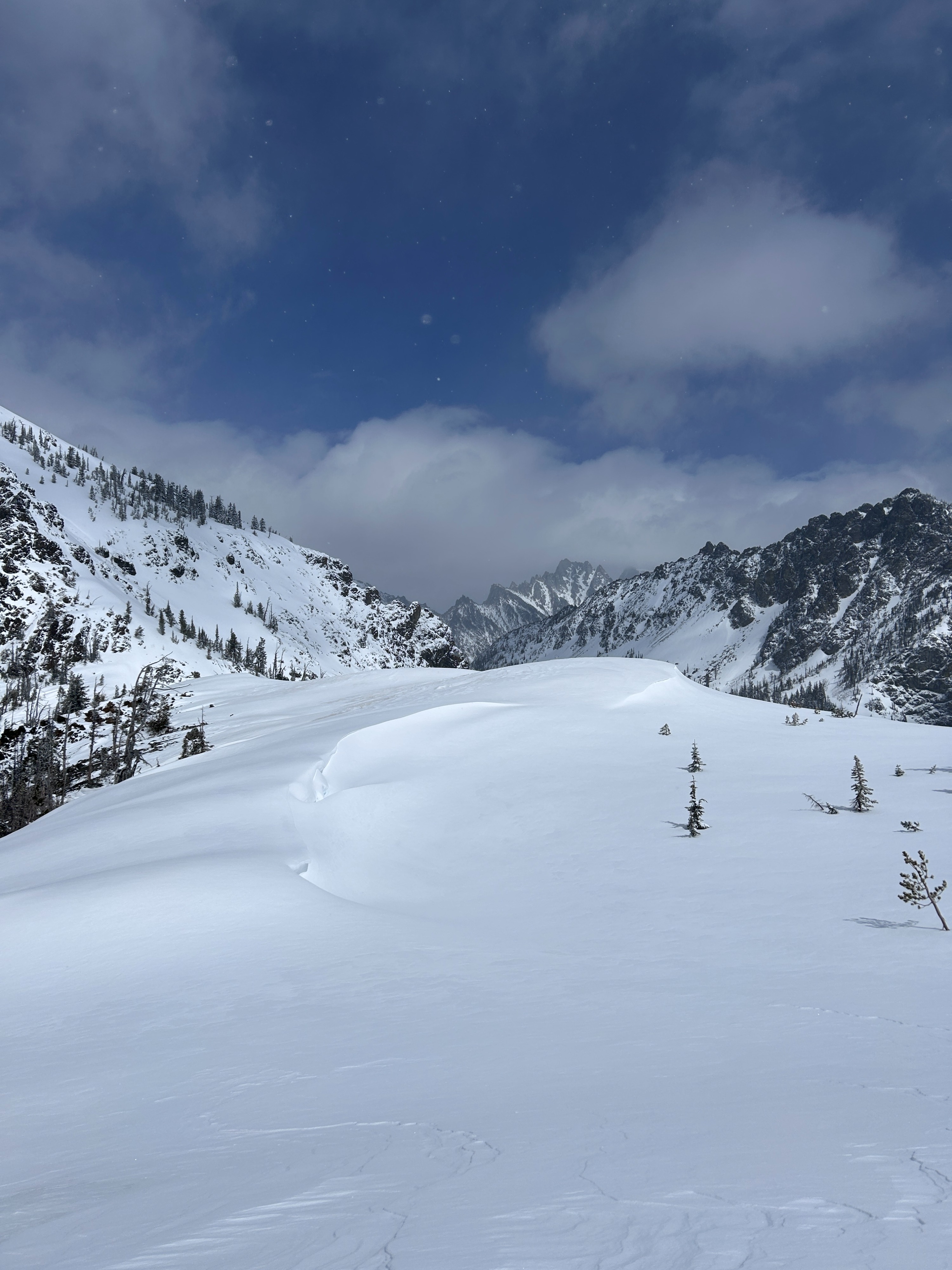
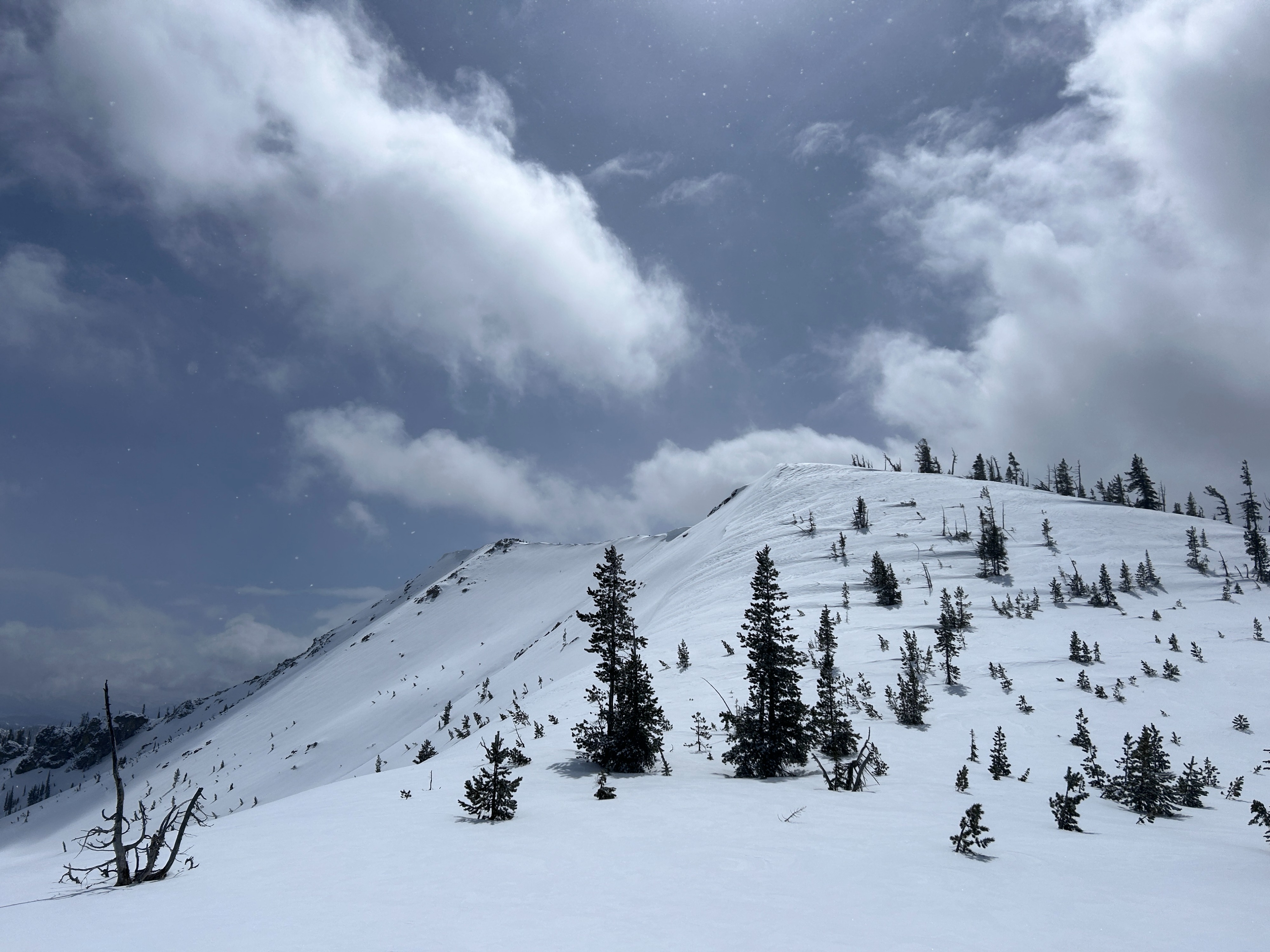
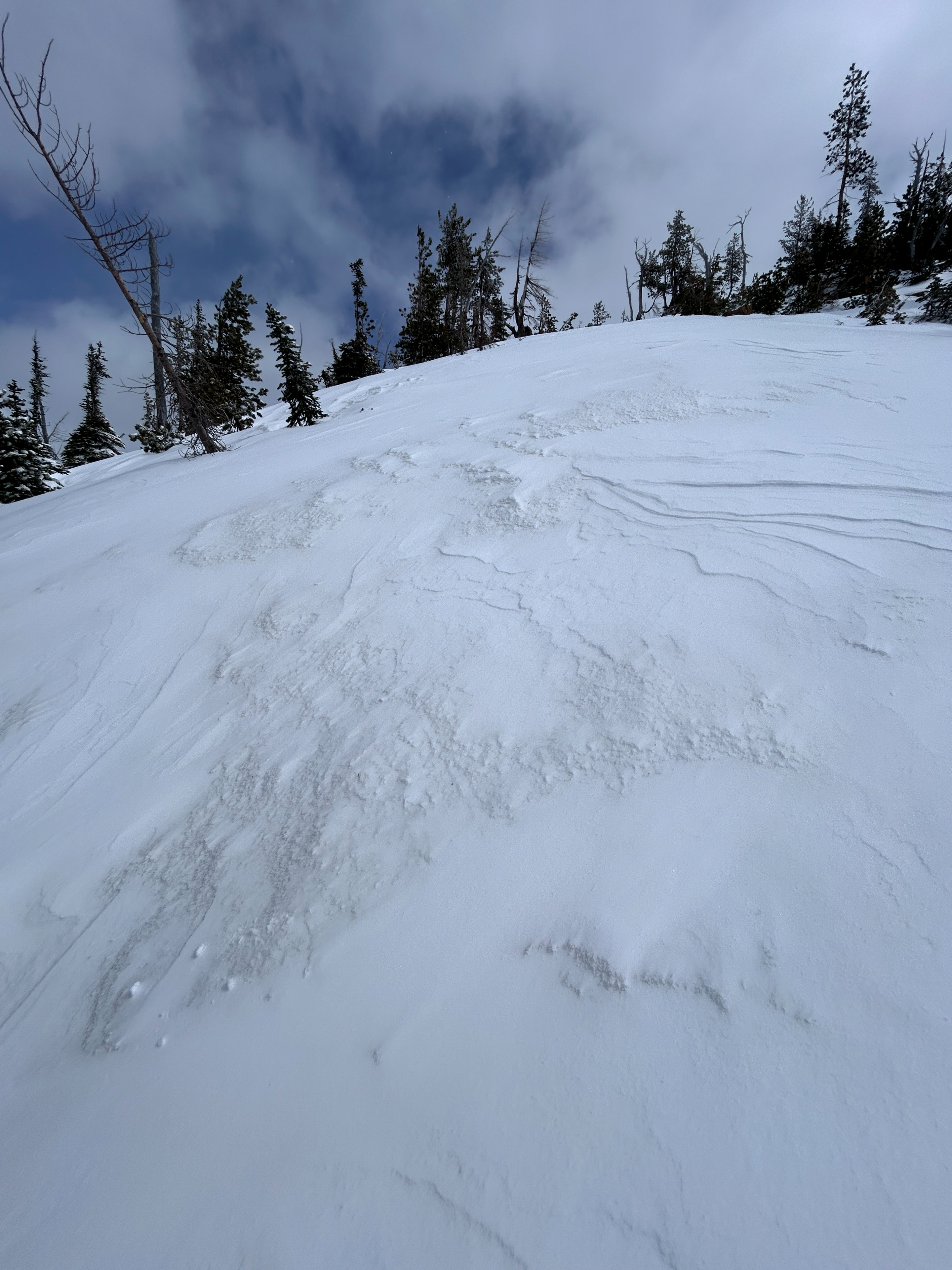
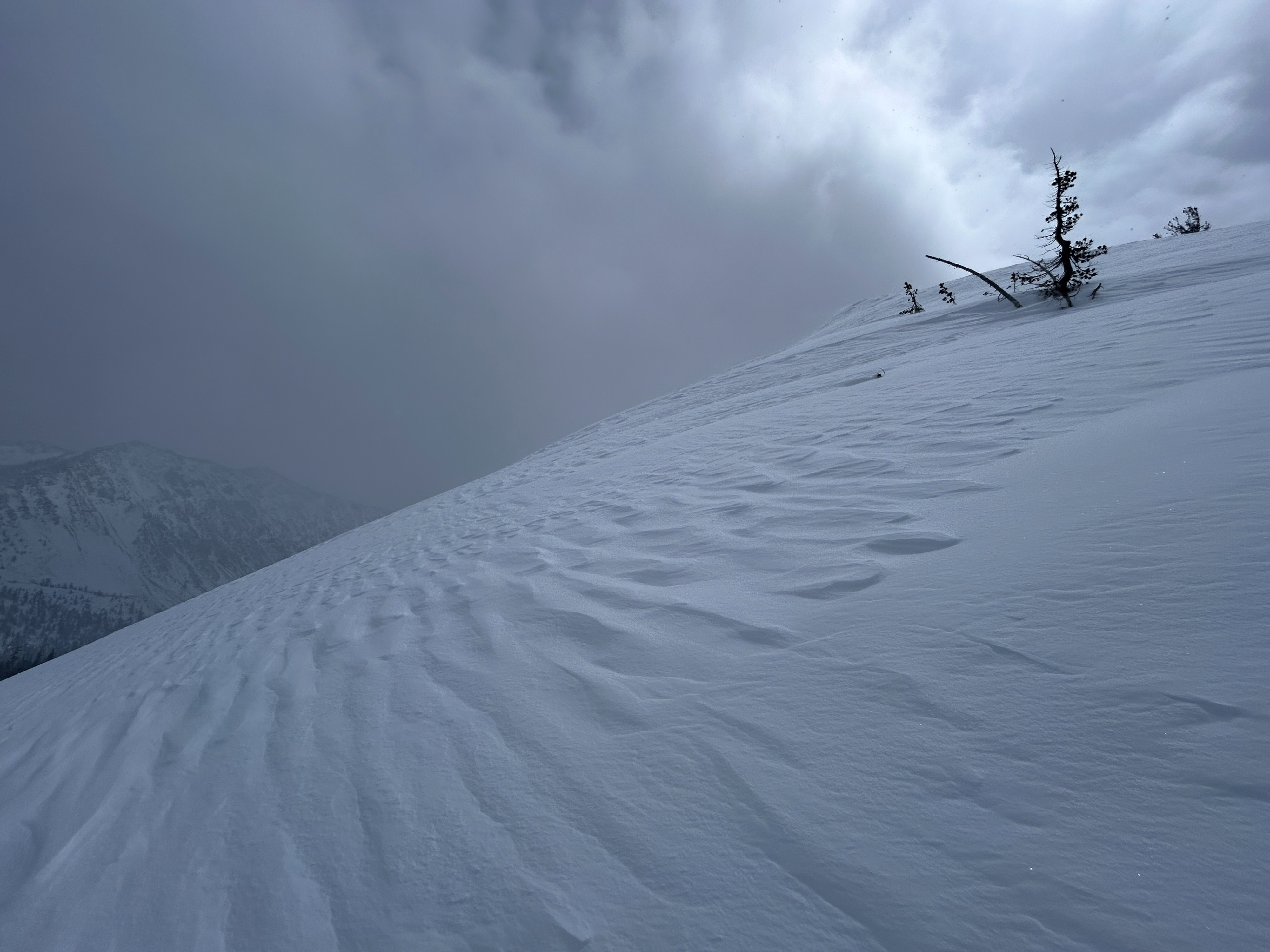
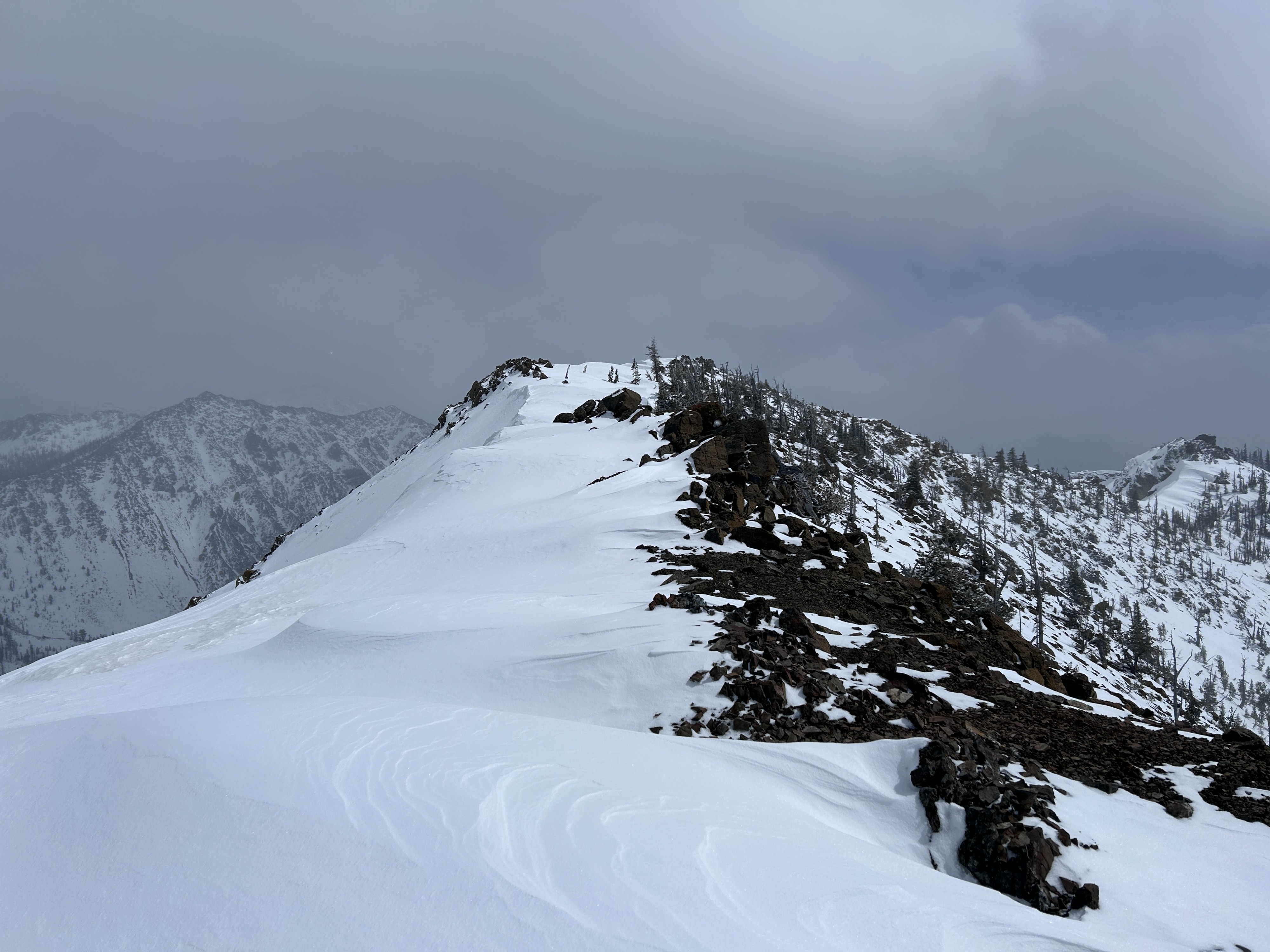
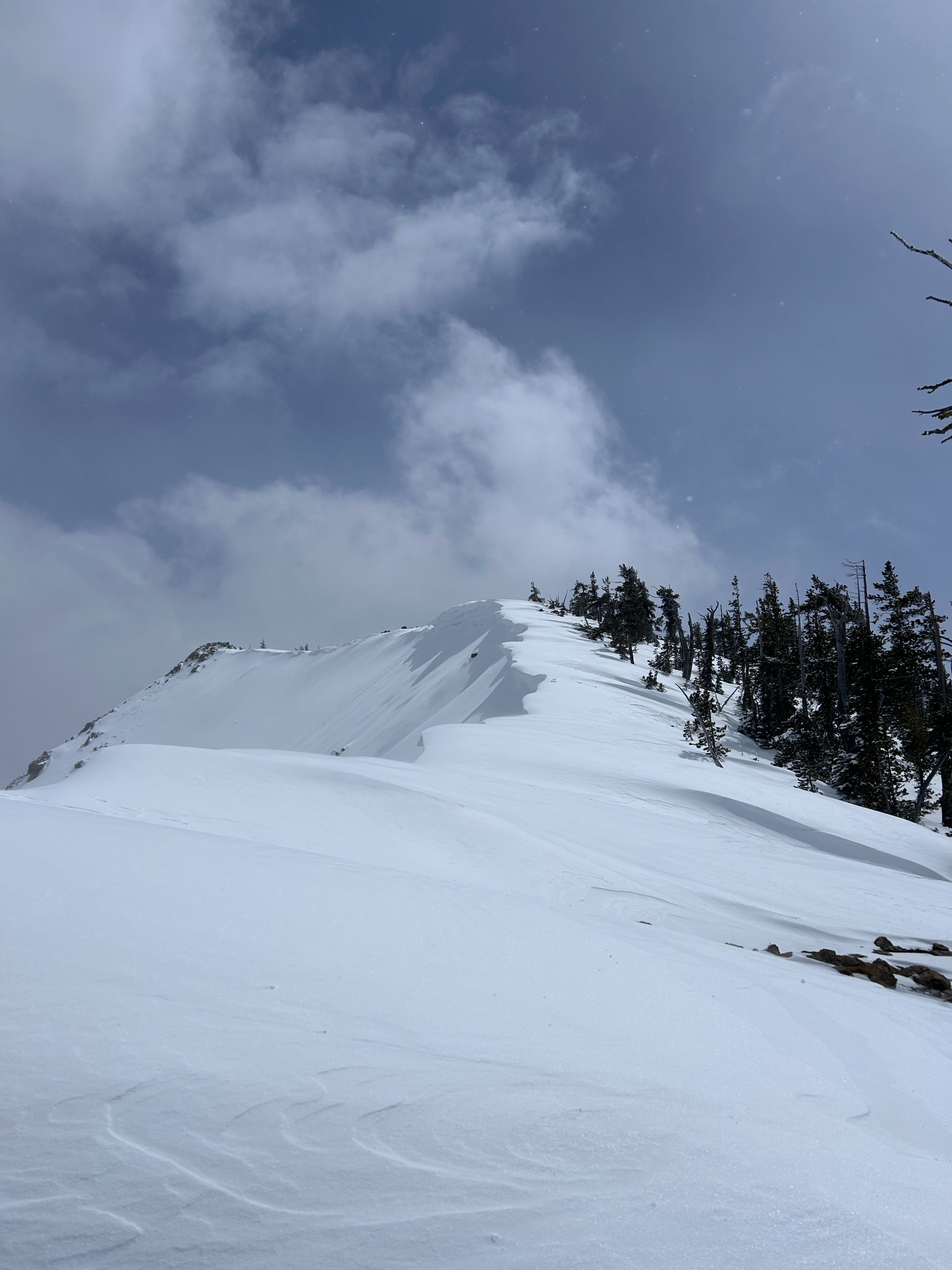
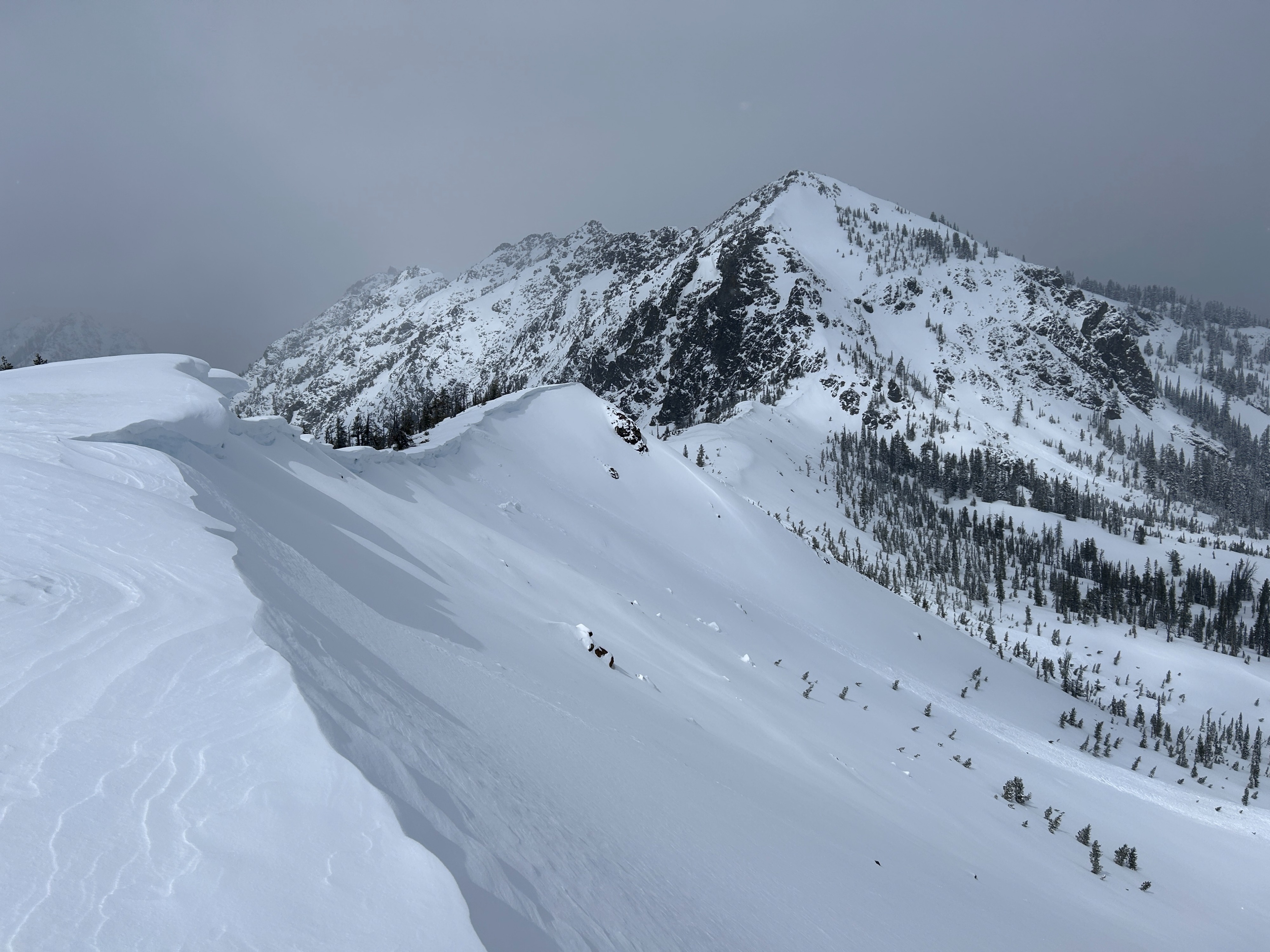
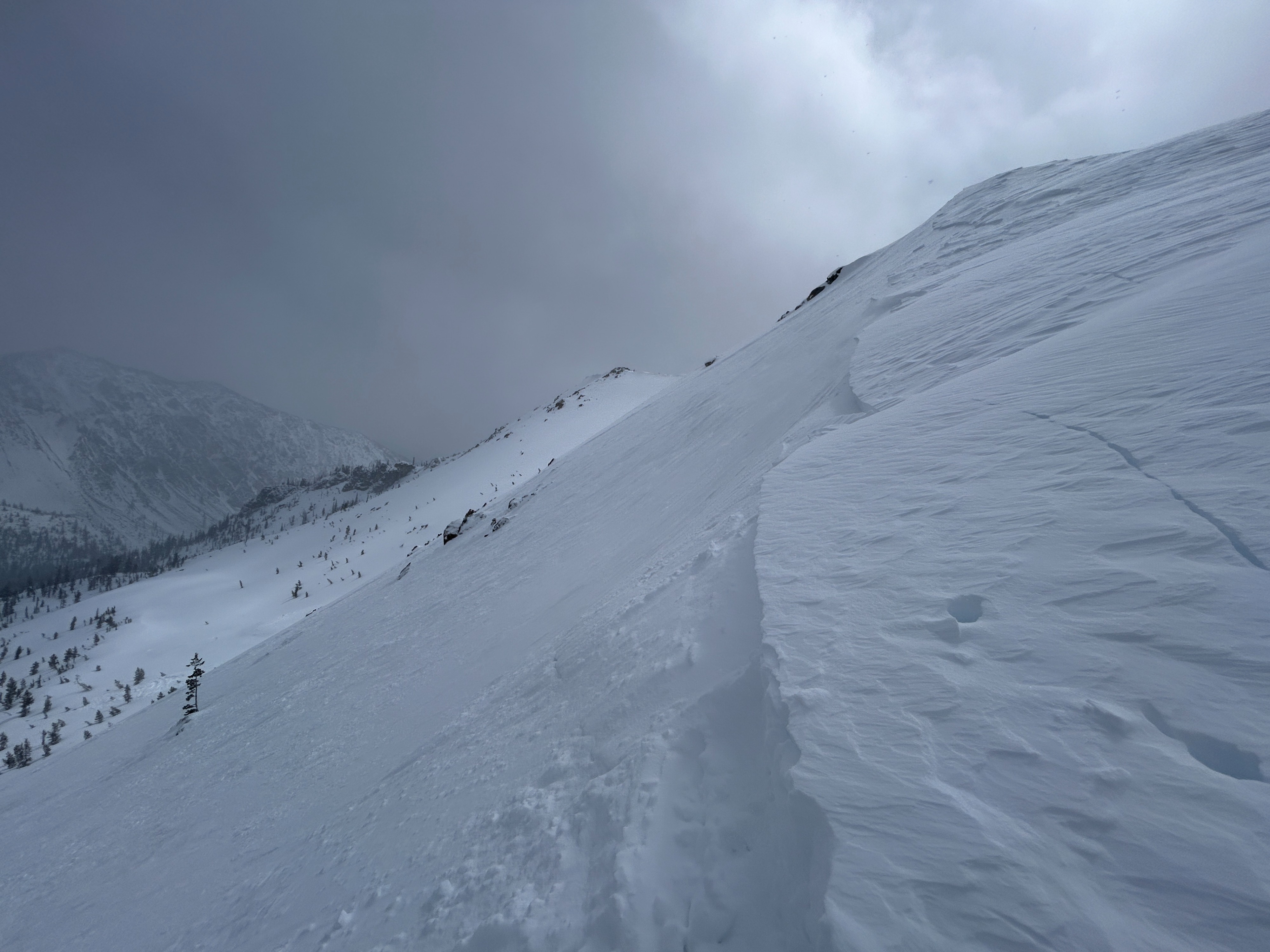
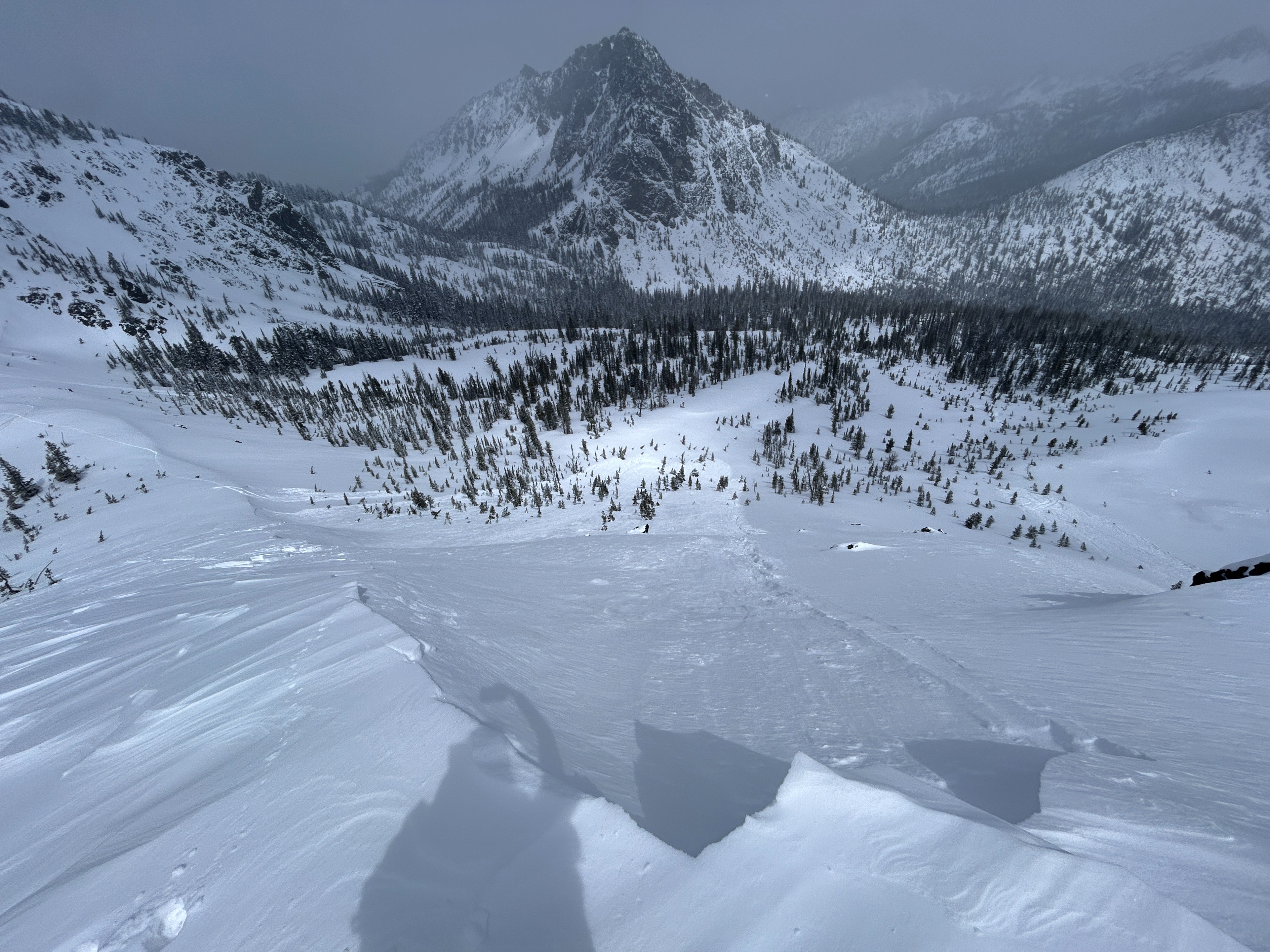
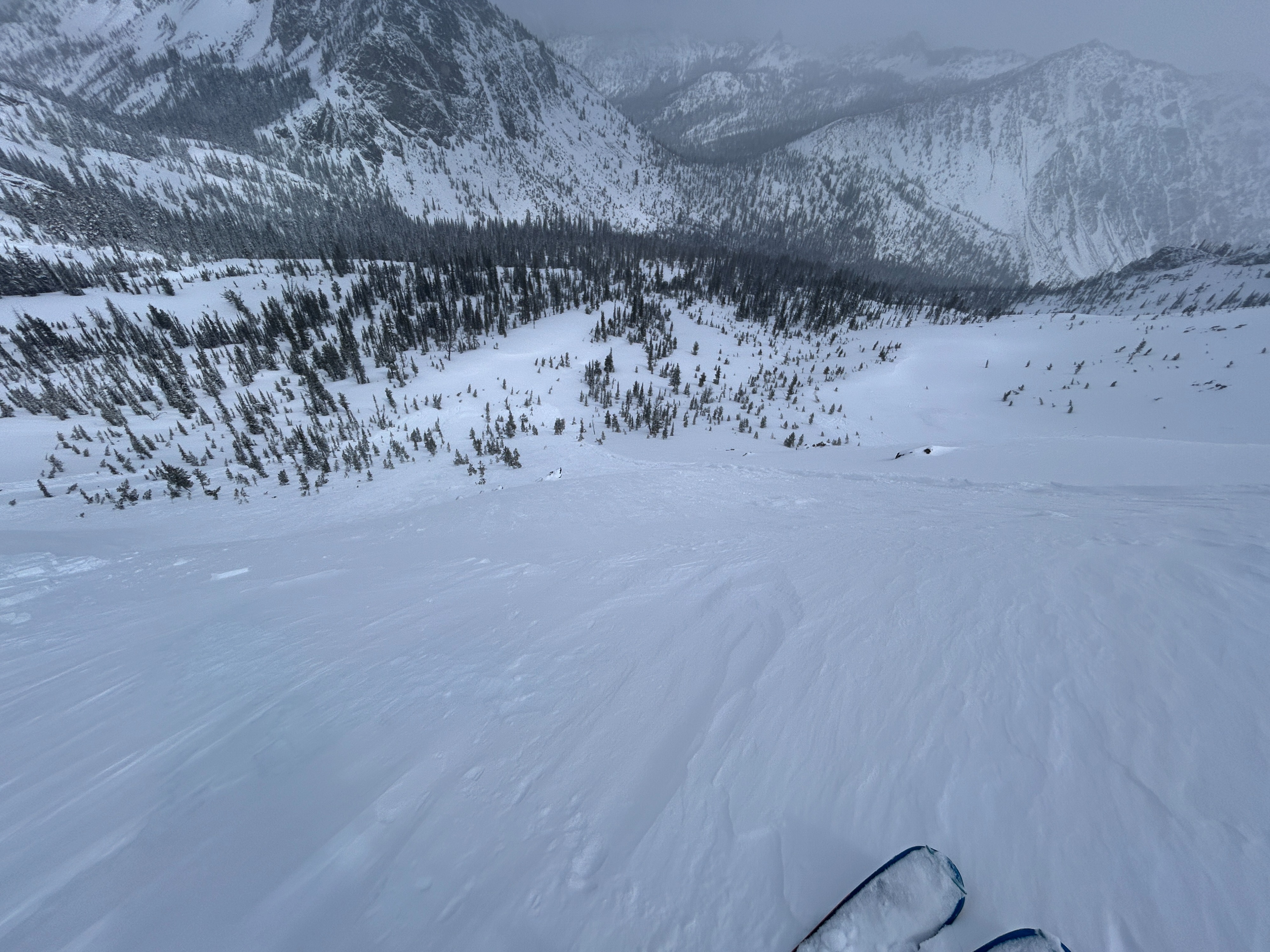
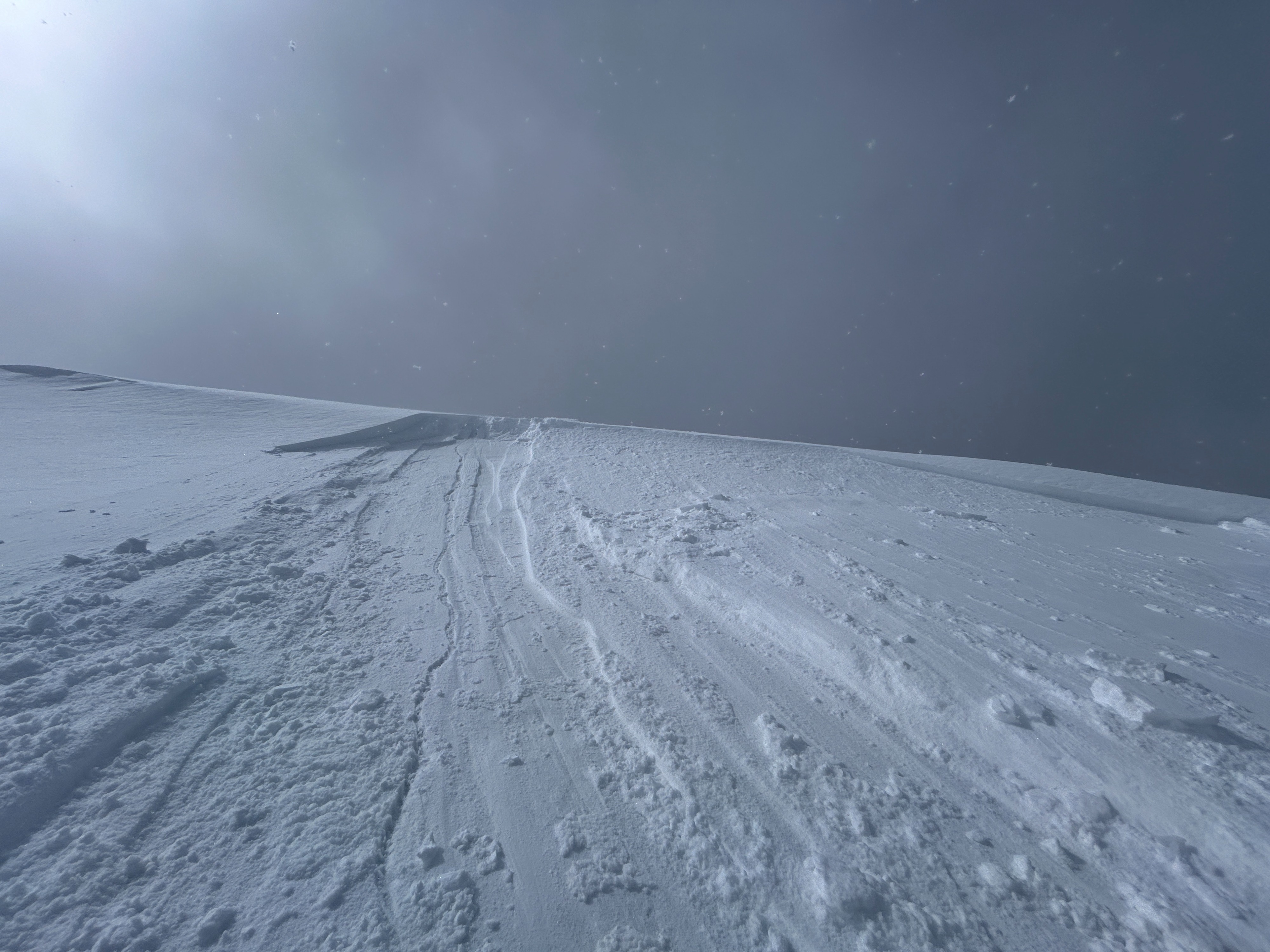
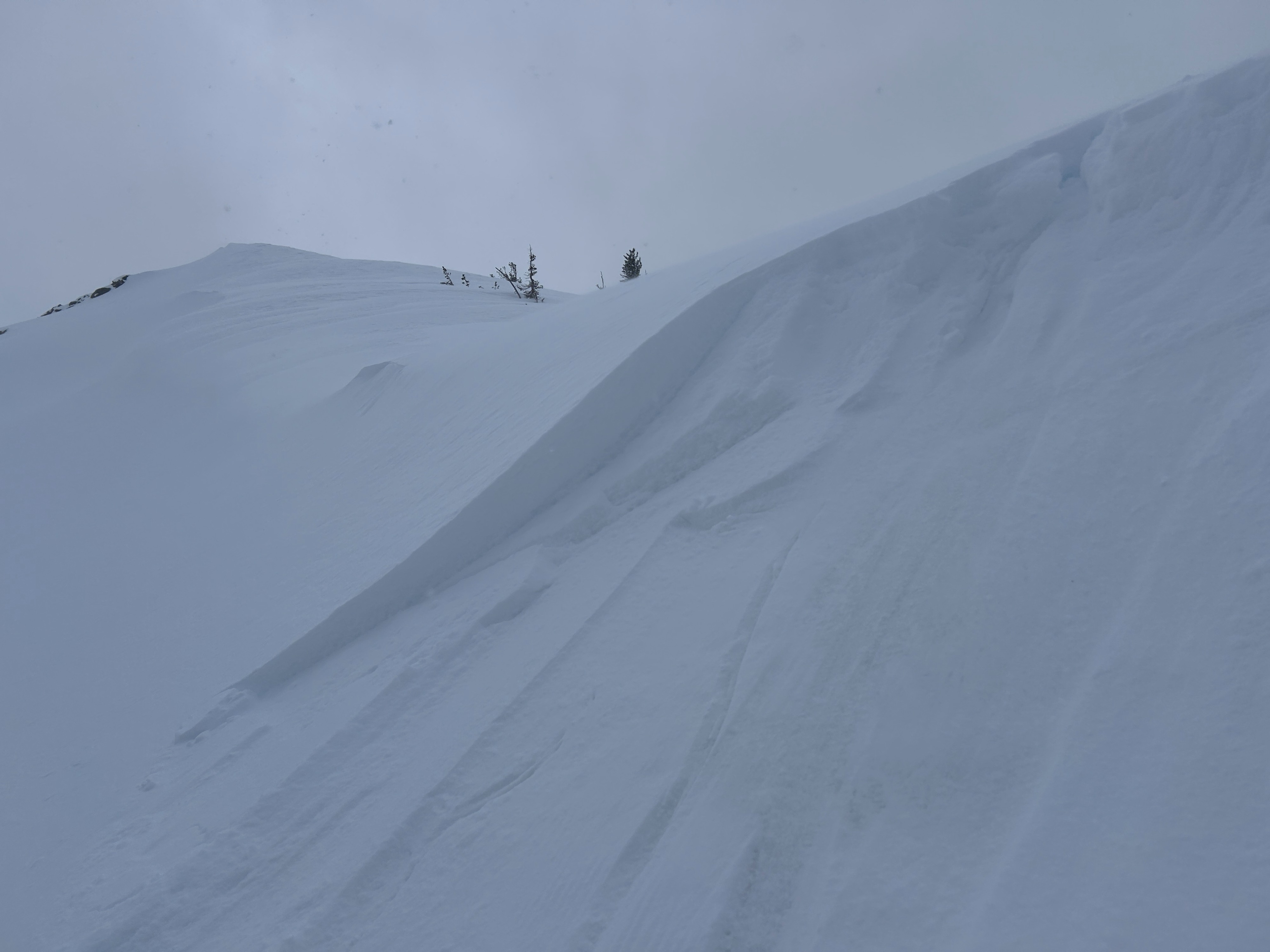
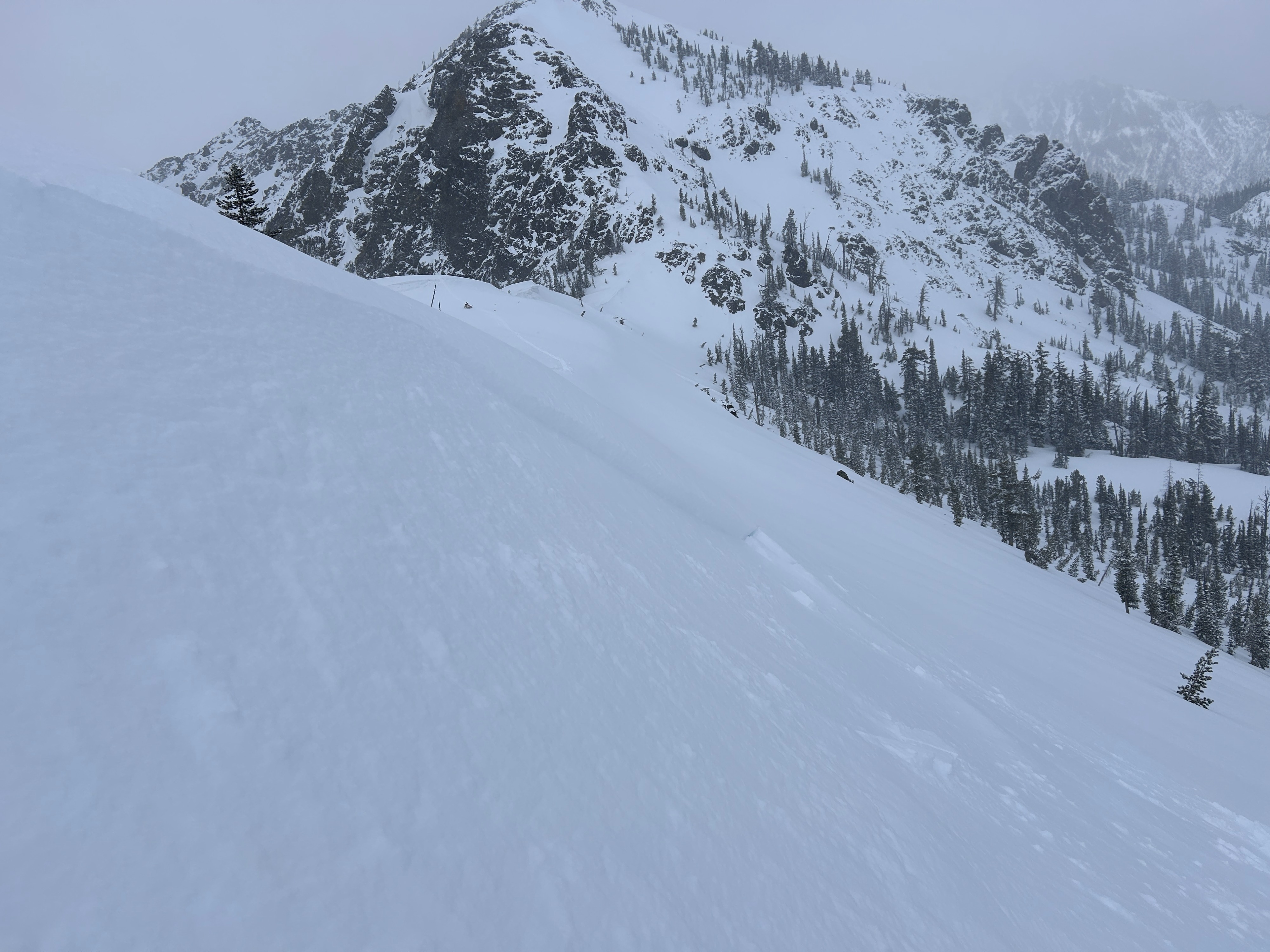
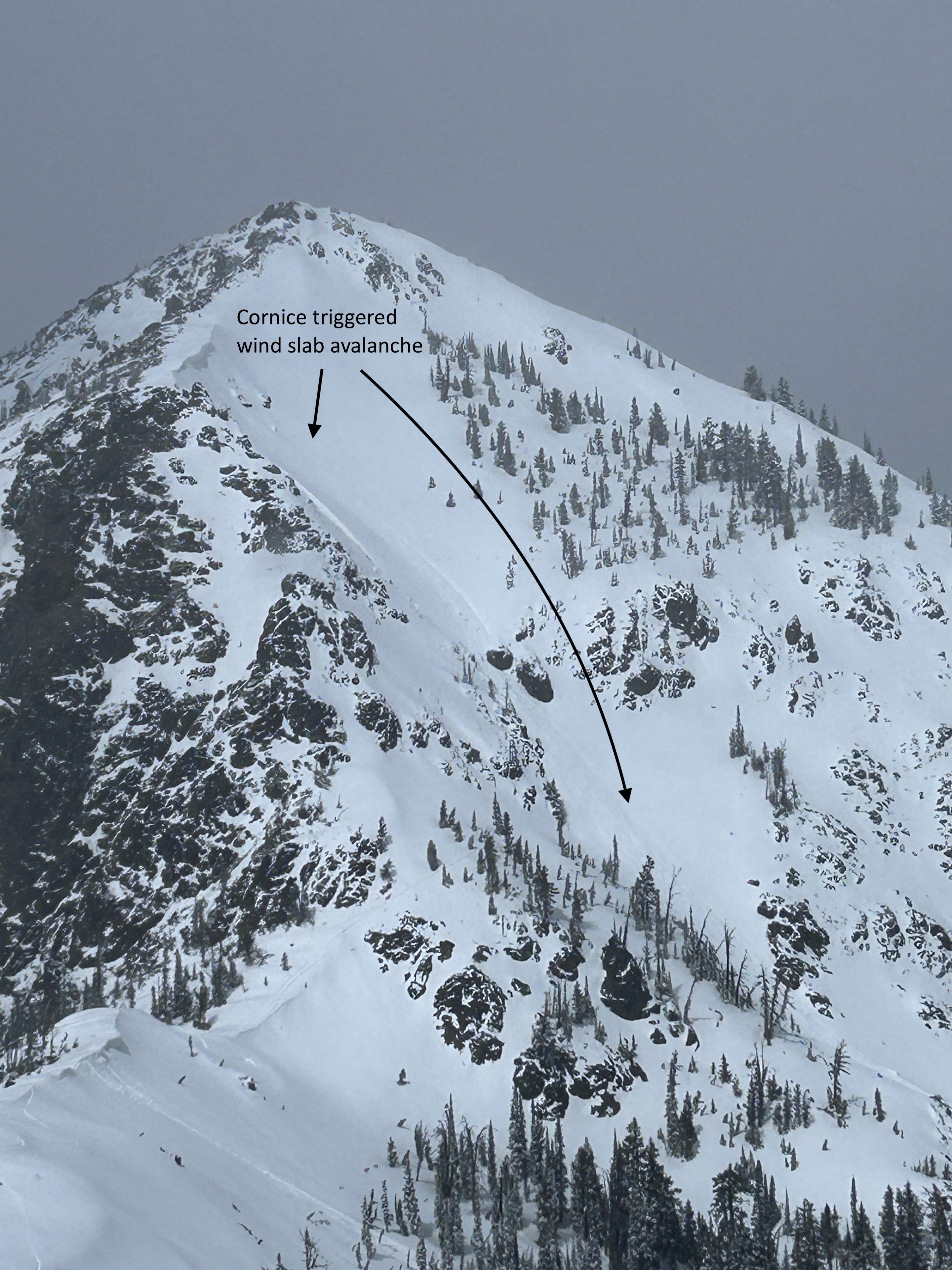
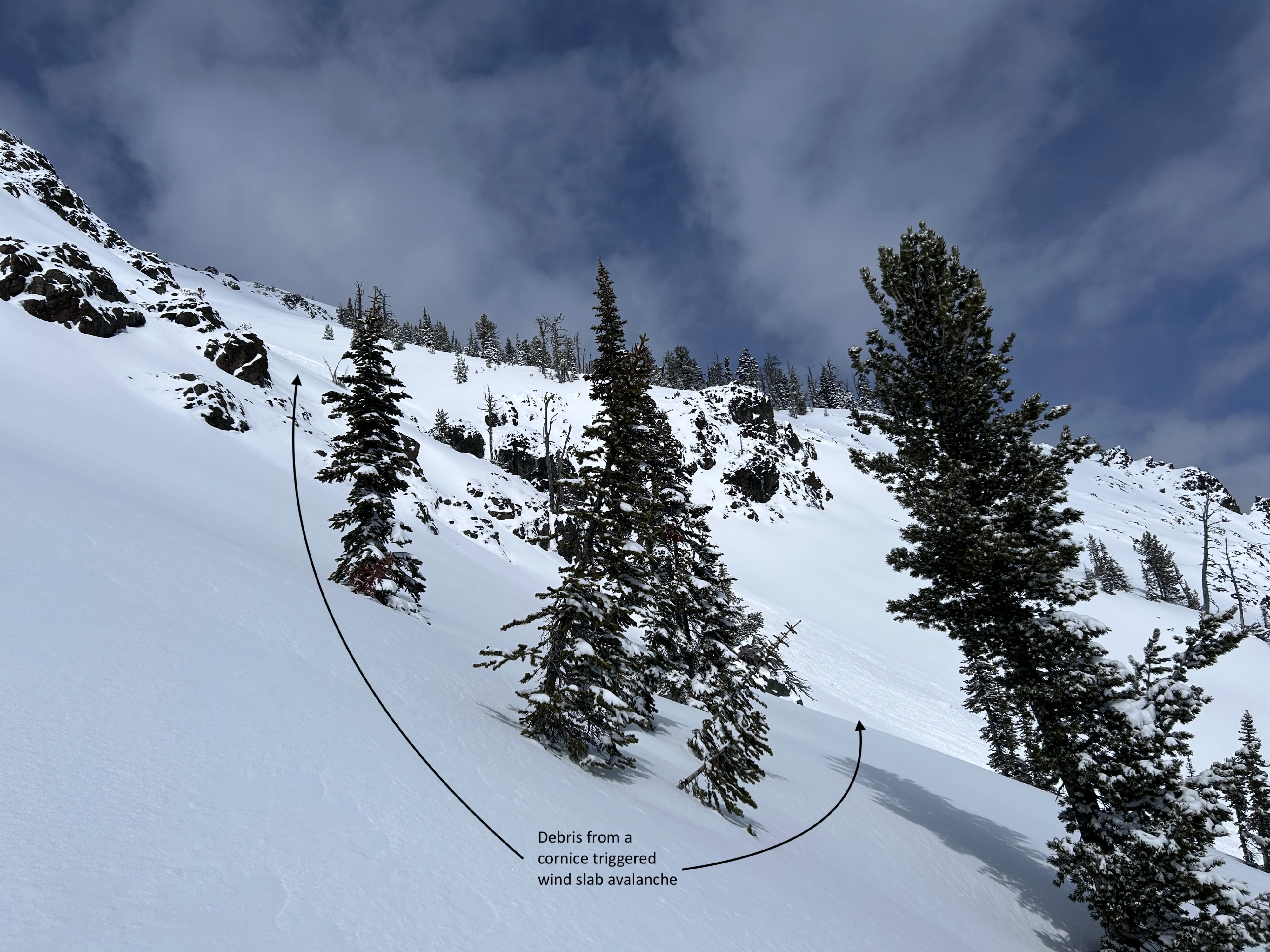
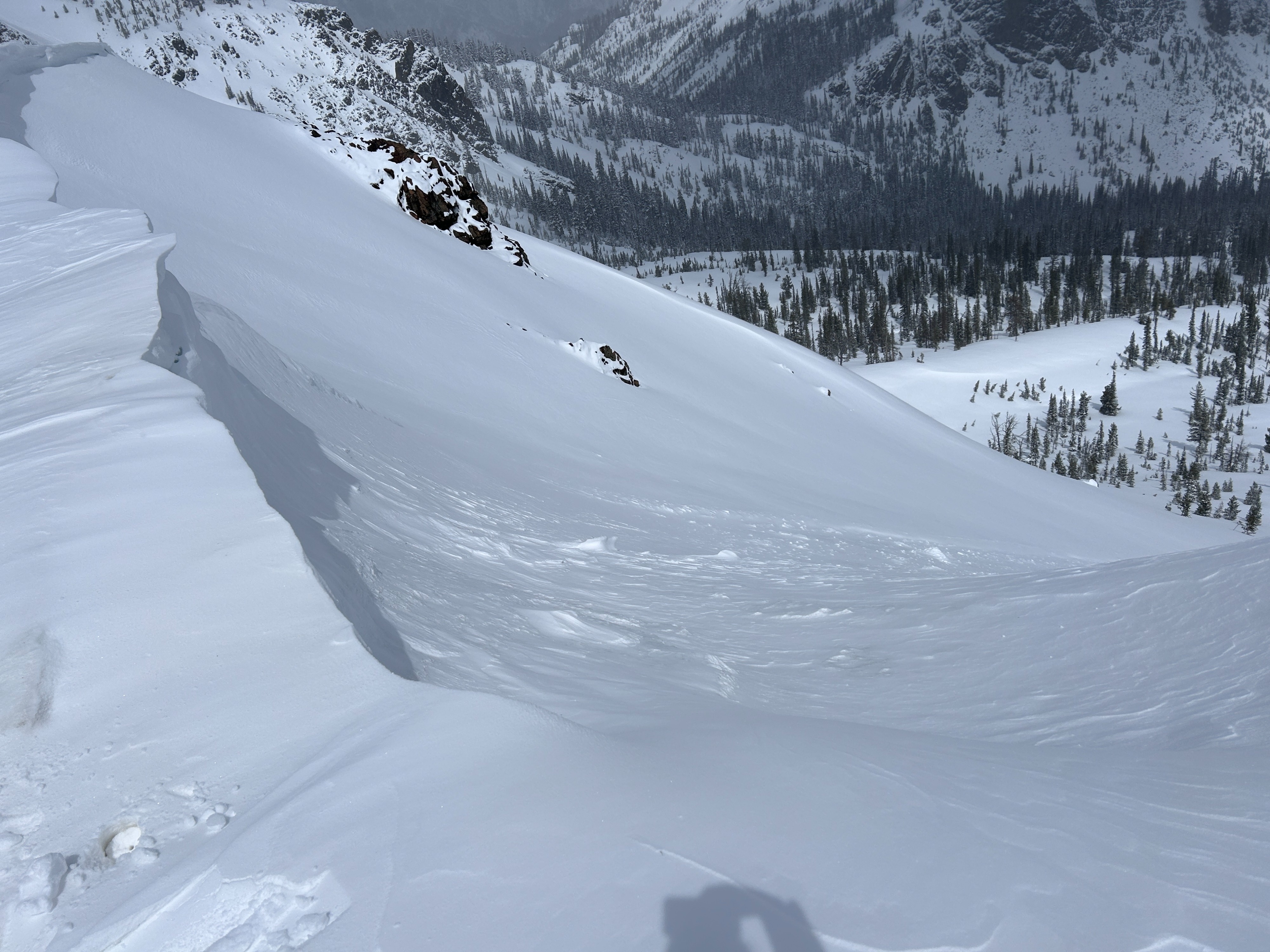
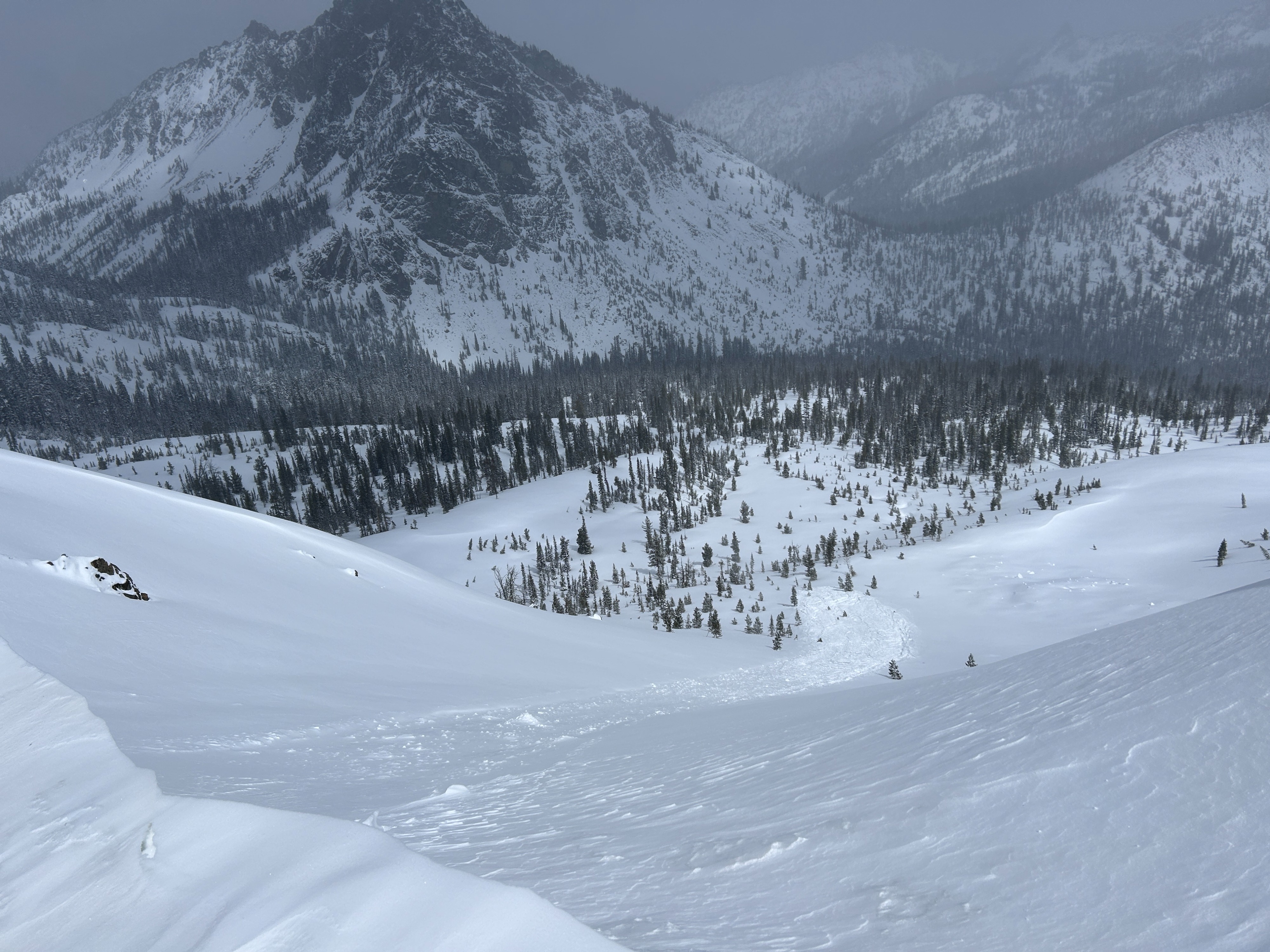
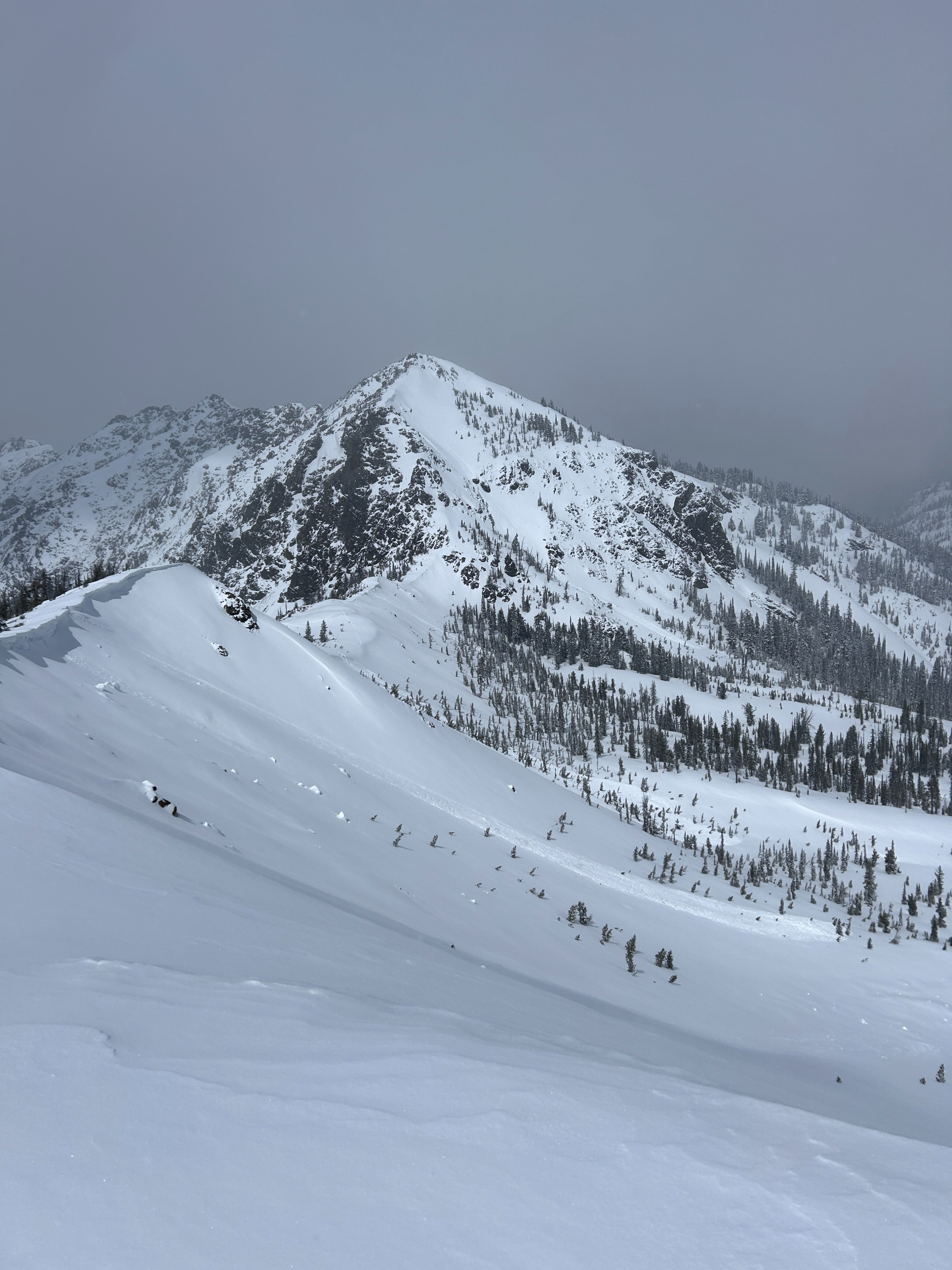
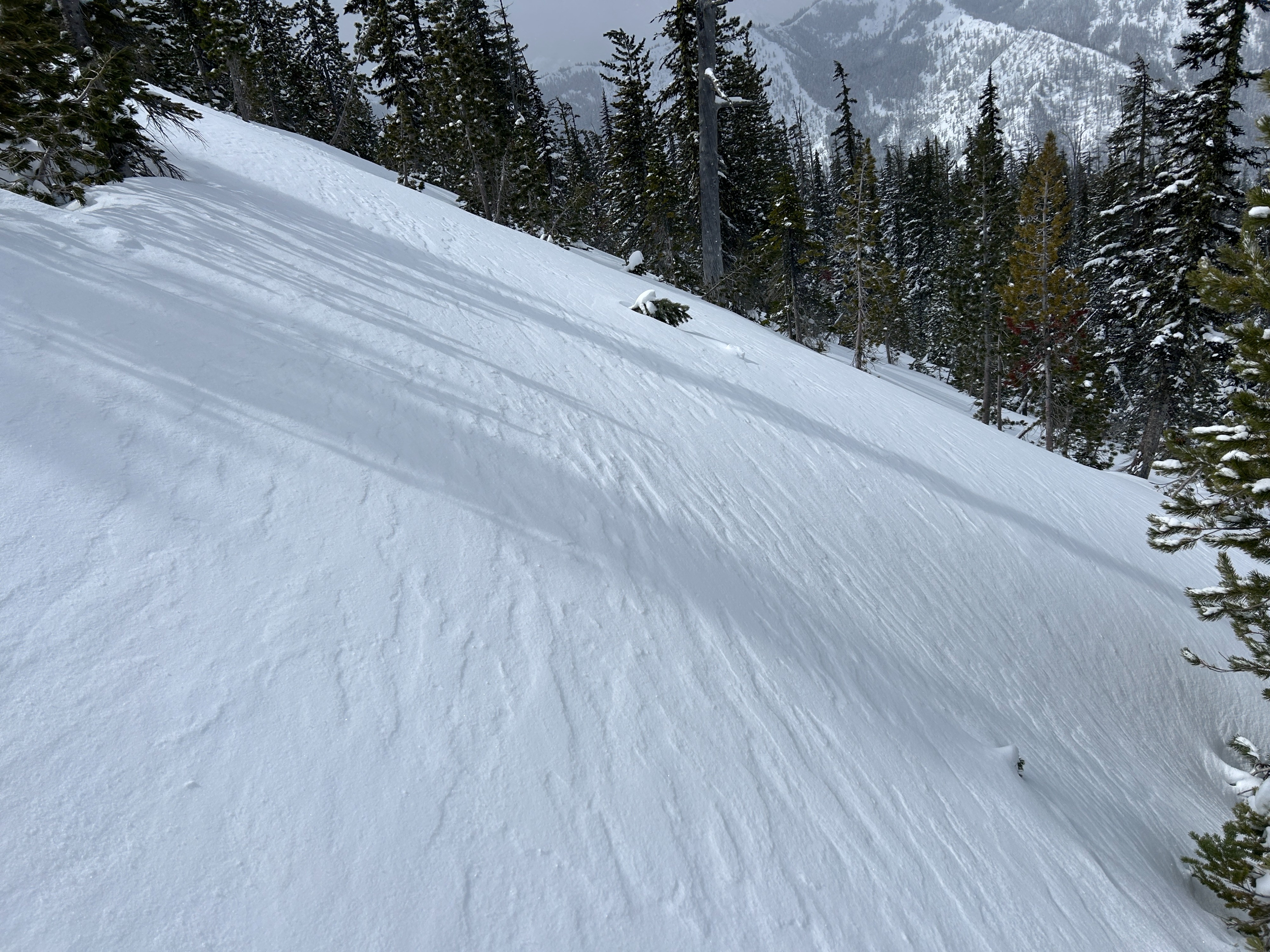
It proved to be a very dynamic day in the mountains. Wind slabs were reactive and oftentimes picked up wet loose snow as they moved down, creating an intersection between two very different problems. It didn't take triggering wind slabs to be able to understand conditions; wind effect was apparent in widespread terrain, the wind was continuing to blow snow around, kicking off blocks of unsupported wind drifted snow proved easy, and there were two natural wind slabs to observe. Another notable impression was how "slabby" the wind effected snow felt. It had that just right consistency to raise my hackles immediately.
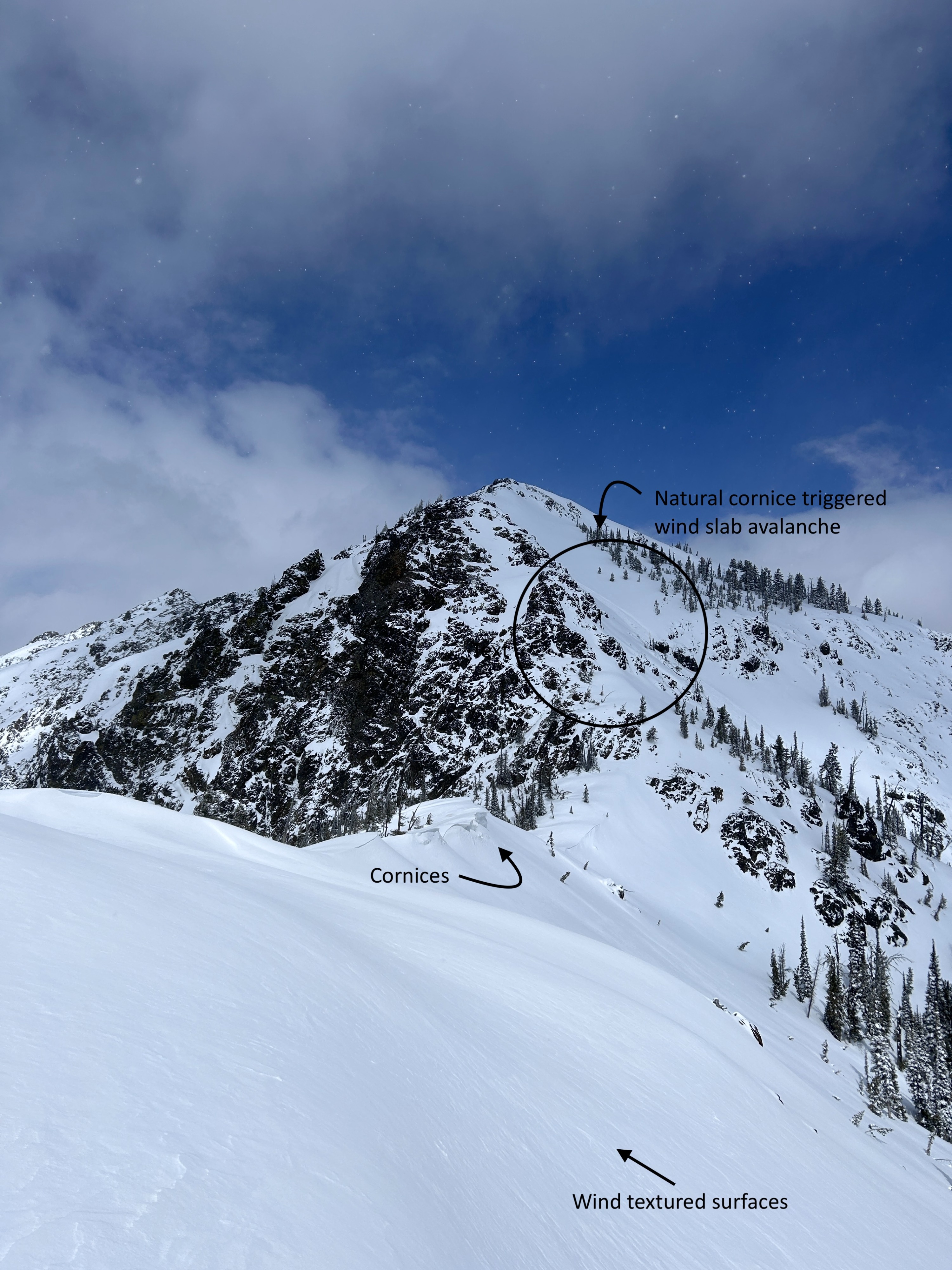
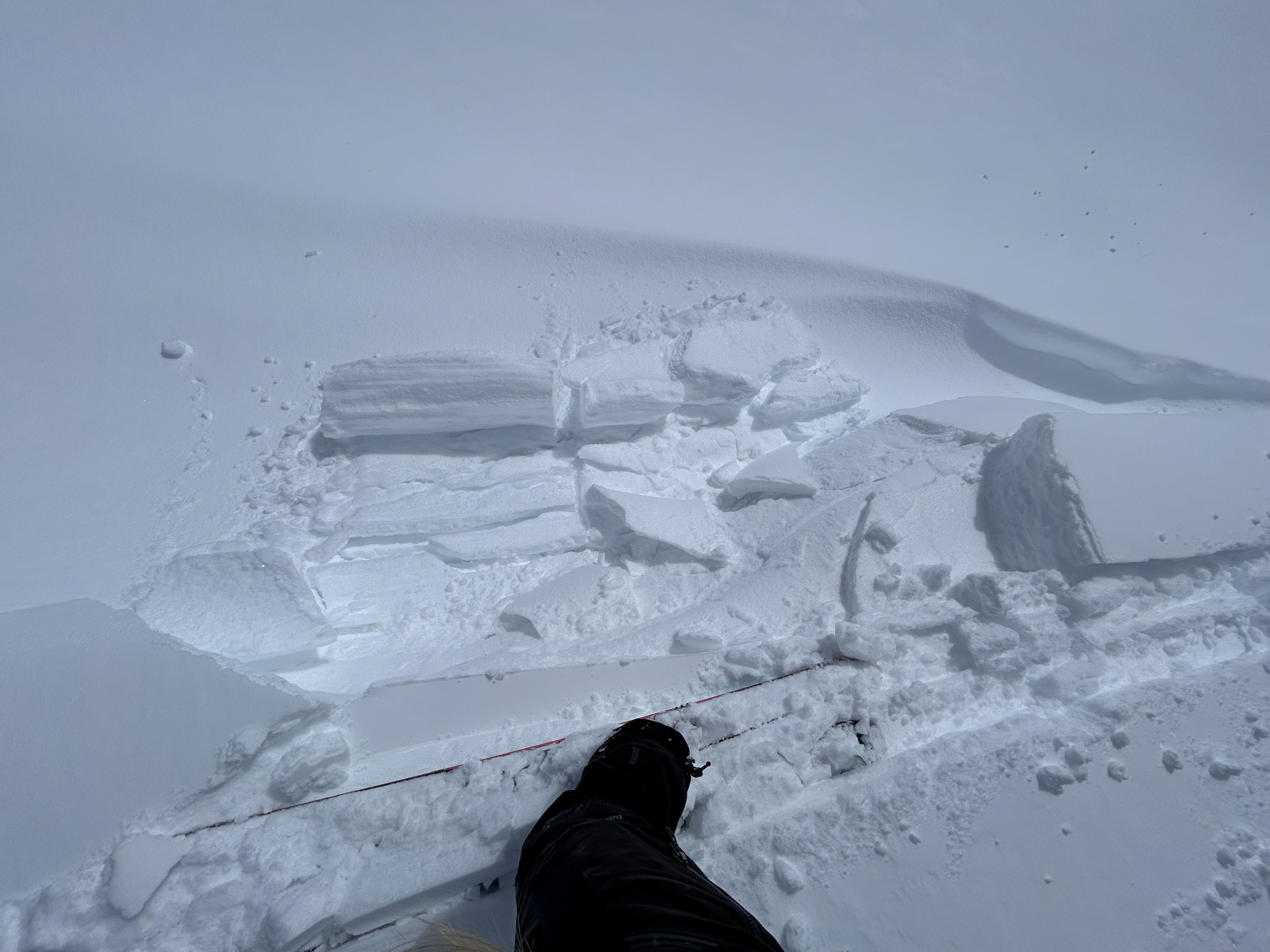
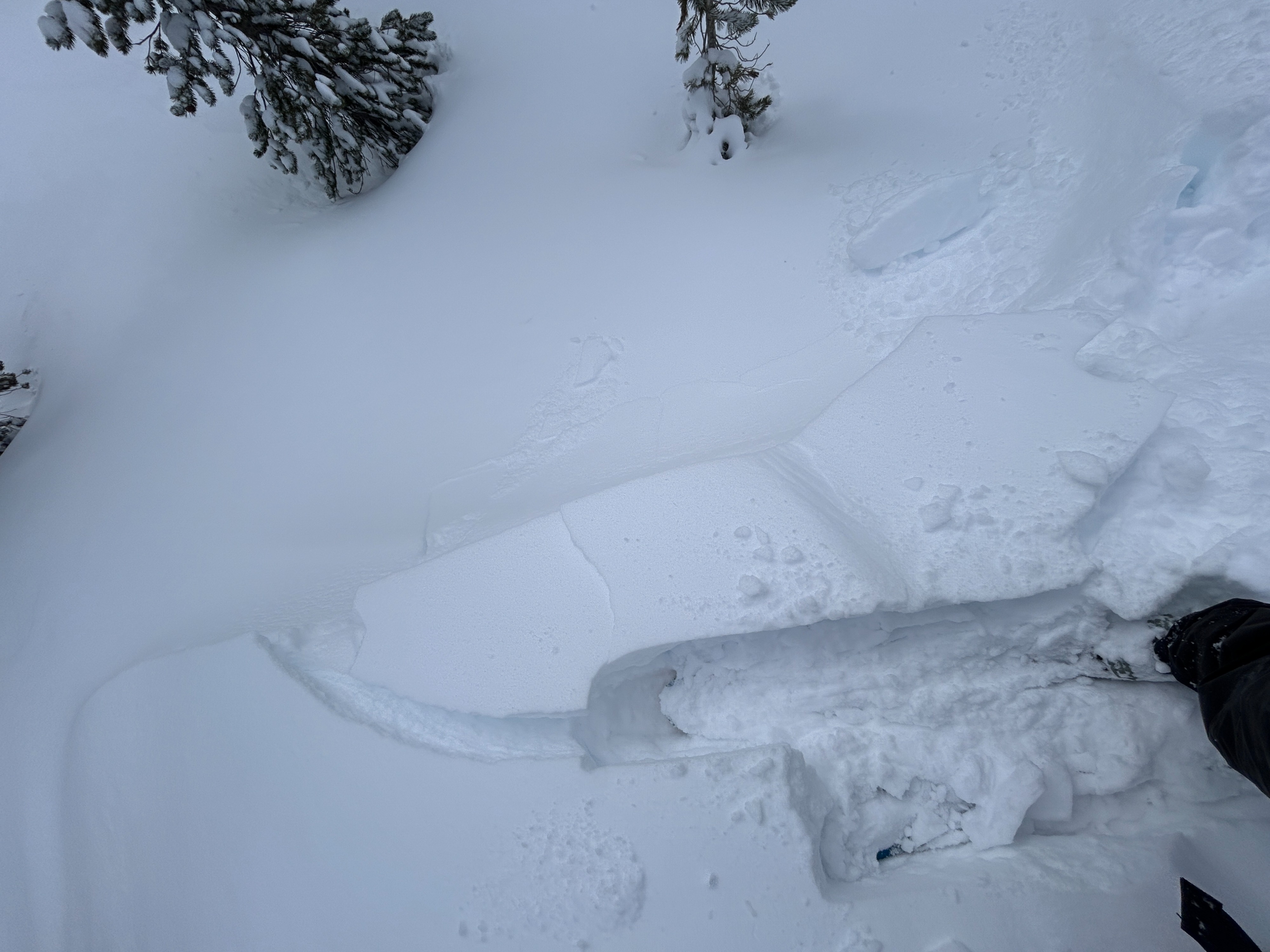
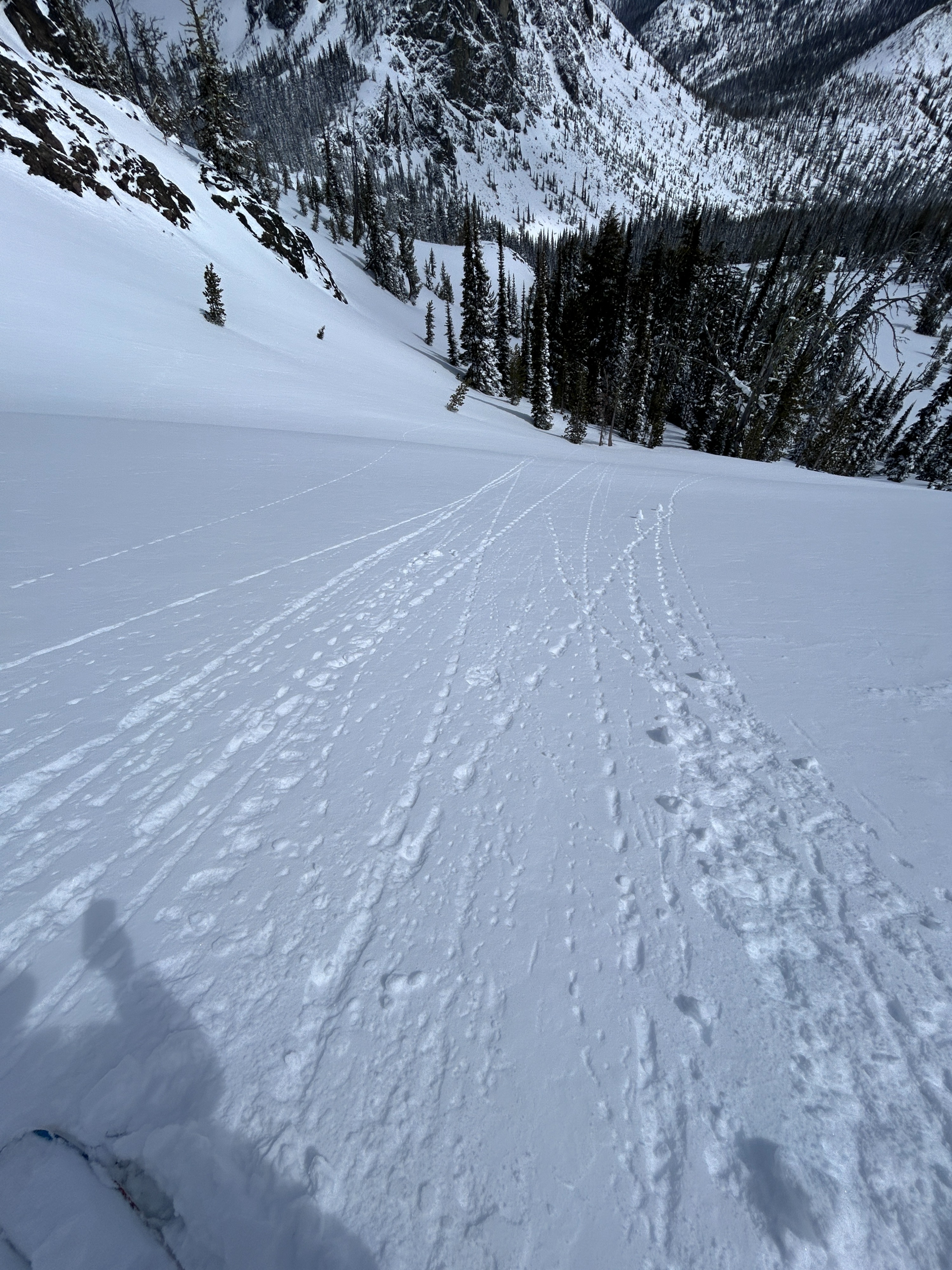
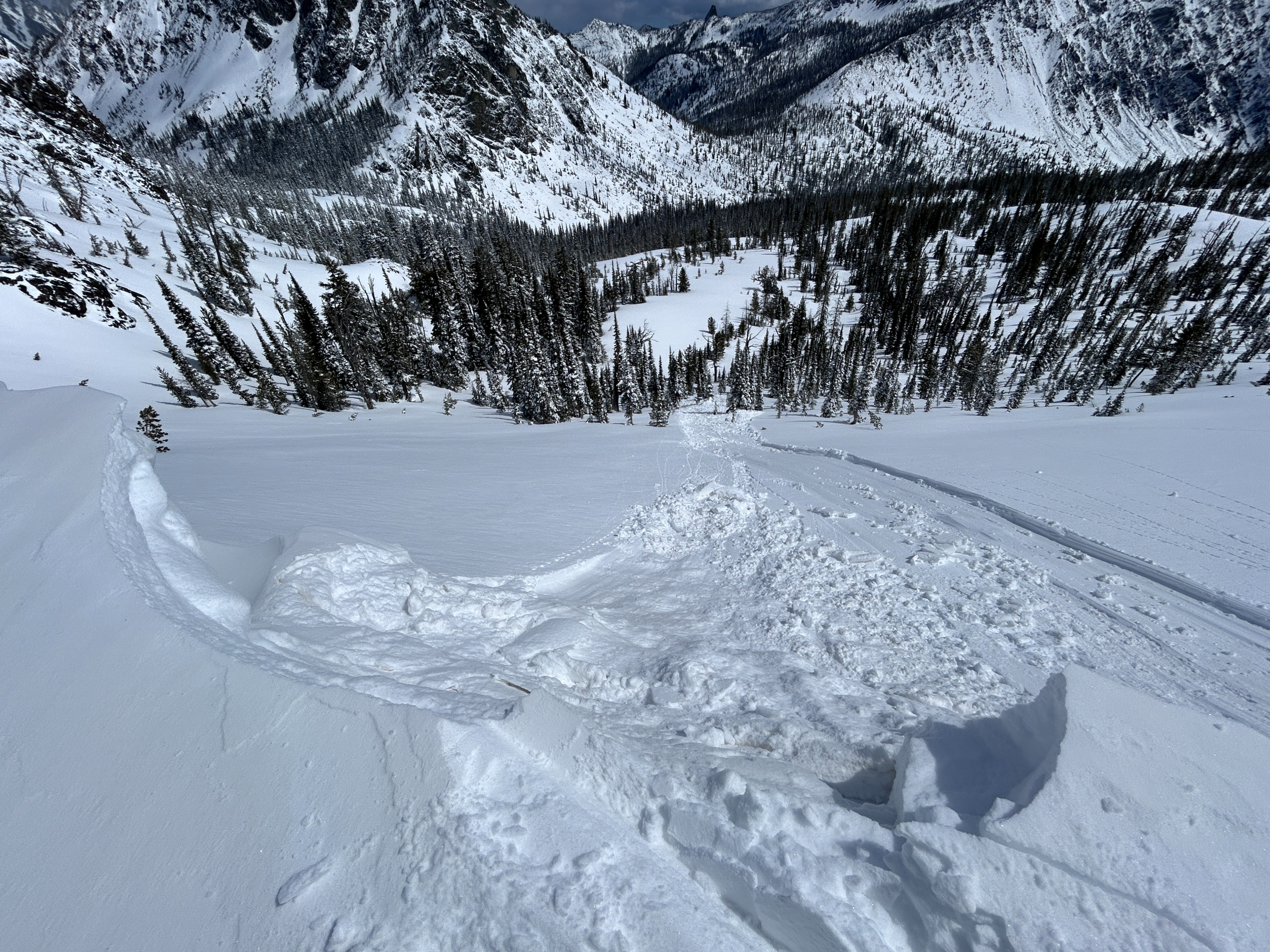
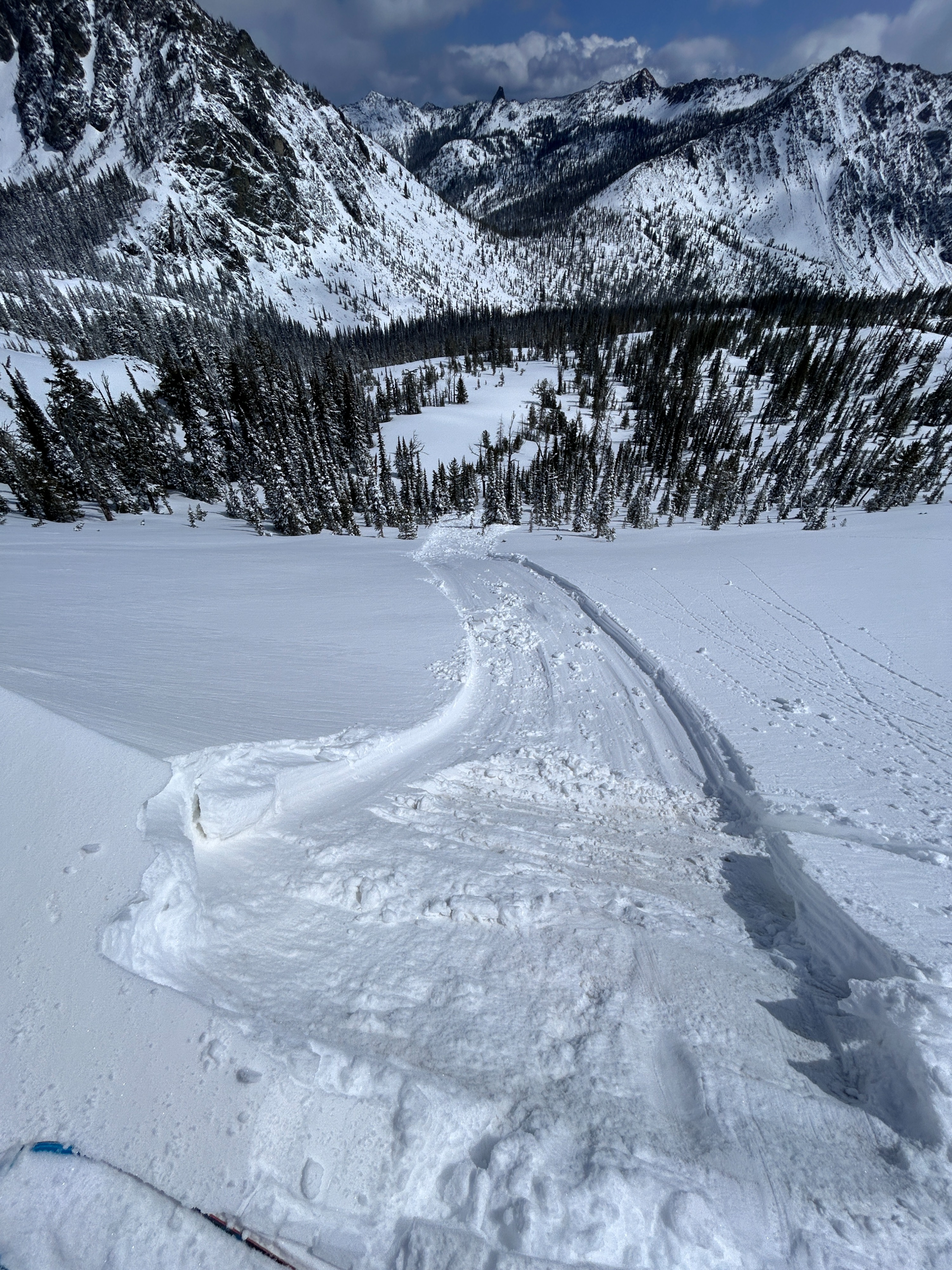
I observed 2 natural wind slab avalanches and triggered 3 wind slab avalanches. I found reactive cracking in wind loaded terrain and unsupported wind drifted features. As the day warmed with occasional sun breaks, the new snow was clearly warming and settling and I noticed rollerballs falling from my skis by the afternoon. The new snow also felt very "slabby", especially where it had been wind drifted.Weather
- Air Temp
- 37
- Cloud Cover
- broken
- Wind Loading
- light
- Rain Elevation
- 3000
- Recent Snowfall
- 9-30
- Snow Avail For Transport
- moderate amounts
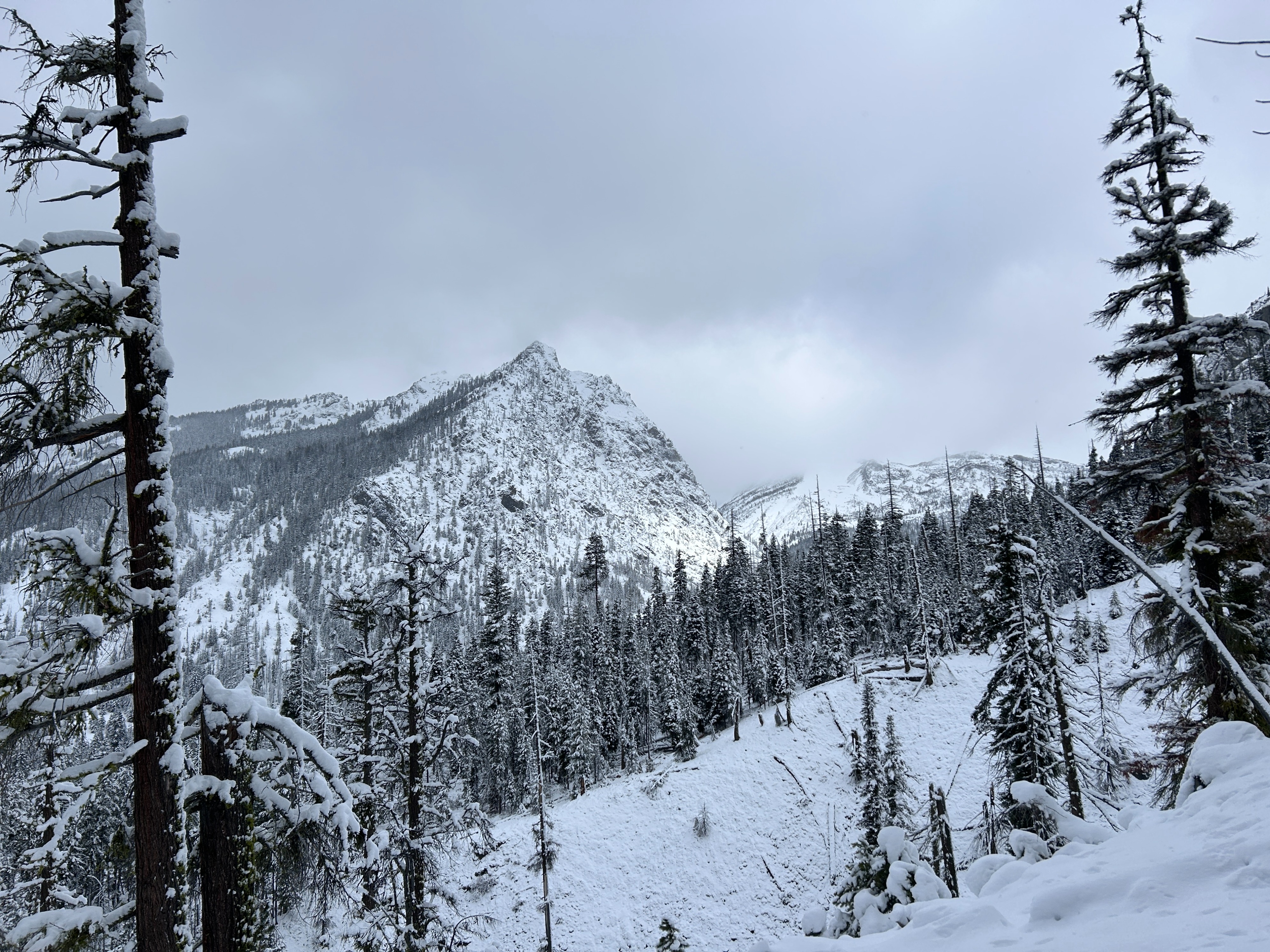
The truck read 37 degrees at the TH in the morning and temperatures felt consistent as I ascended. Concective snow showers impacted the area on and off throughout the day with sun breaks in between. There was an extended period of sunnier skies around 12:30pm. The wind was light with moderate gusts from the west. It was apparent that strong wind from the west blew consistently the night before.
Snowpack
At 4000 ft, I measured 9cm of new snow in the morning. By the afternoon, much of the snow had melted or settled significantly. By and large, this snow fell on dry ground. At 5000 ft, I measured 28cm of new snow. While in many places, this snow also fell on ground at this elevation, there was considerably more snow already existing, even on the southerly aspects that I was ascending. At 6000 ft+, I measured on average 30cm of new snow. This snow fell on the old snow surface that was a crust. While slick, this crust proved to be edgeable most of the time.
I dug a pit on an east aspect at 6147 ft. The snowpack depth at this location was 205cm (81in) and the depth of my pit was 140cm (55in). I found 30cm of new snow that was settling quickly. This location had seen some previous wind loading as well. Below the new snow was a series of very thick and robust crusts. Below these crusts I found dry/moist snow that was still 1F hard. I did not perform snowpack tests in this pit due to the observed strength of the crusts.
Avalanche
- Size
- D1
- Type
- SS
- Count
- 5
- Aspect
- E
- Trigger
- AS
- Elevation
- 6200 ft
I observed two small natural wind slab avalanches on east aspects. Both of these avalanches appeared to have been triggered by cornice fall. I also triggered a few wind slab avalanches. The largest propagated approximately 200 ft wide. One of the smaller slides picked up wet loose snow as it moved downhill.