
Quick report
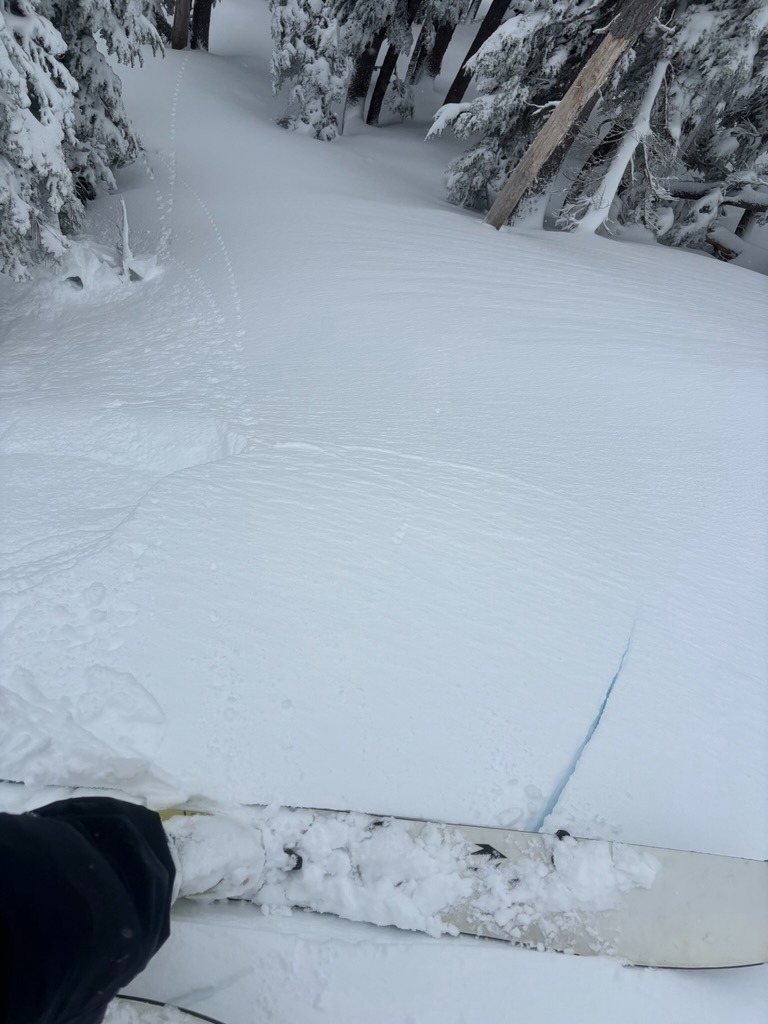
- Cracking
- isolated
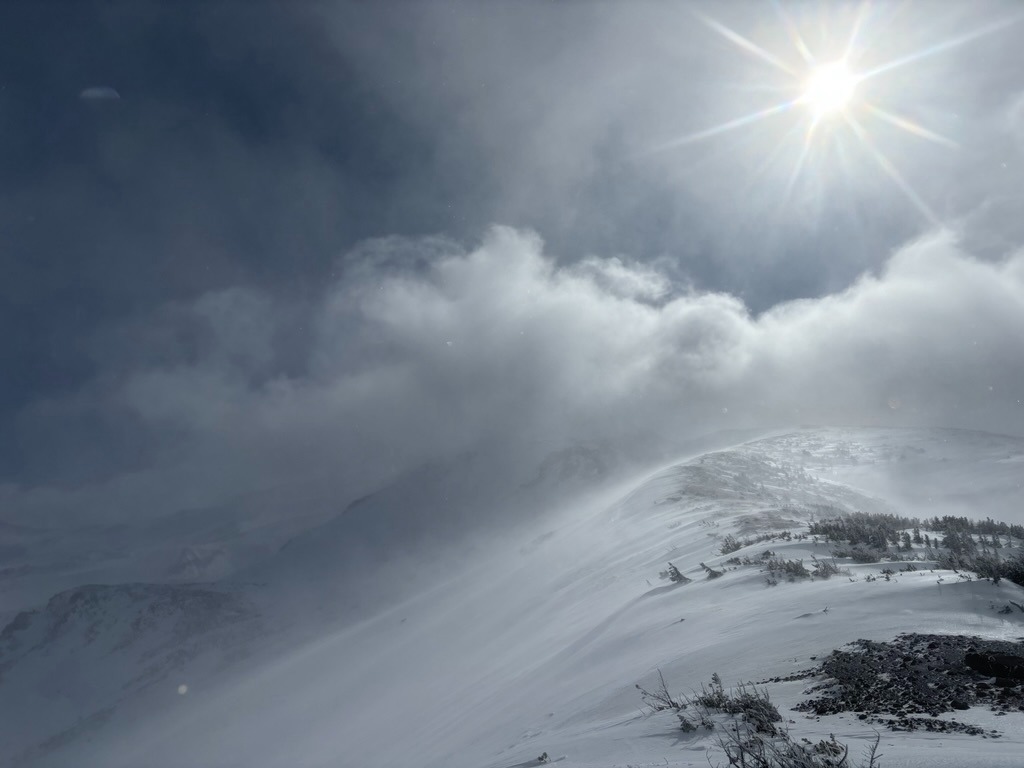
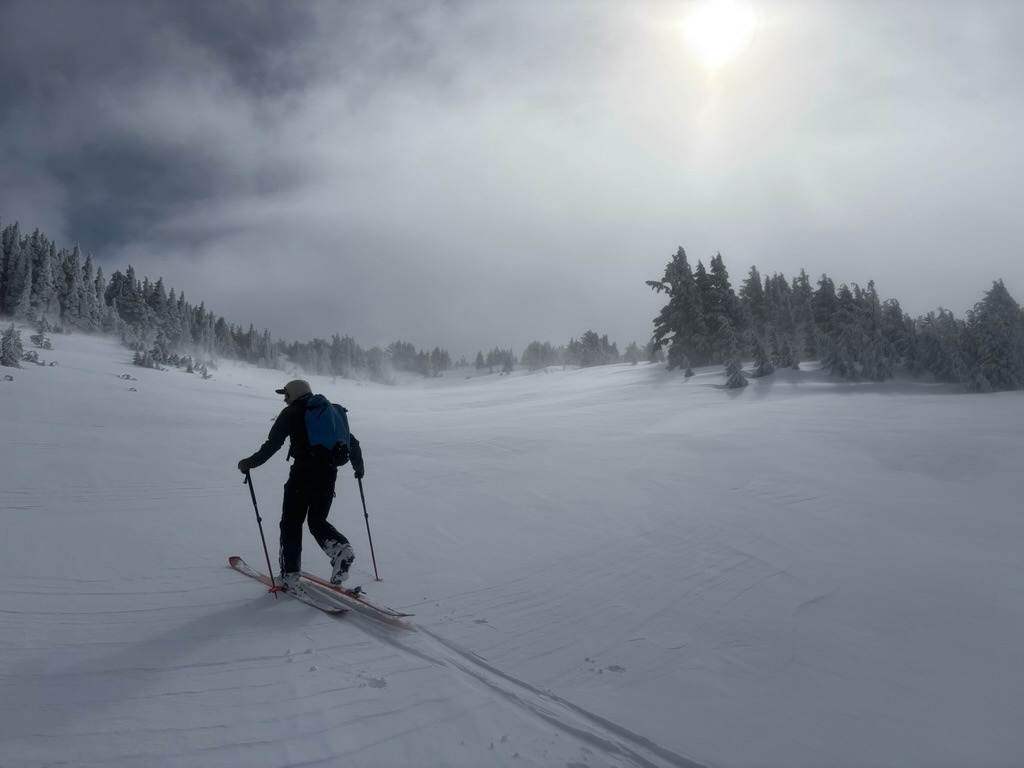
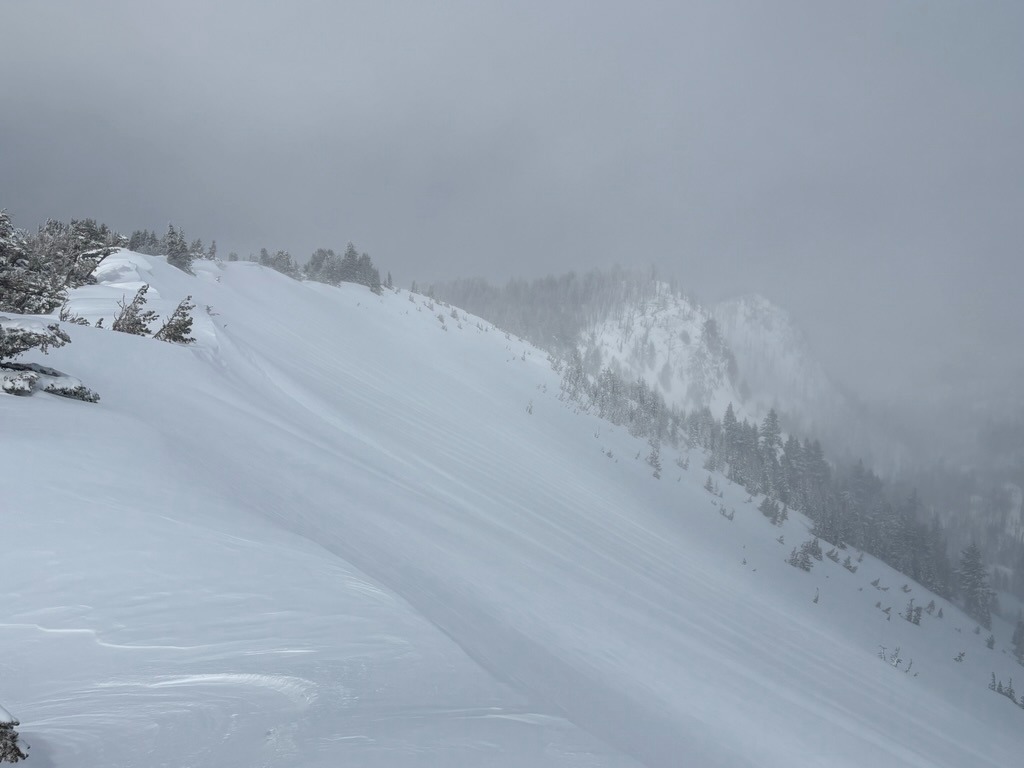
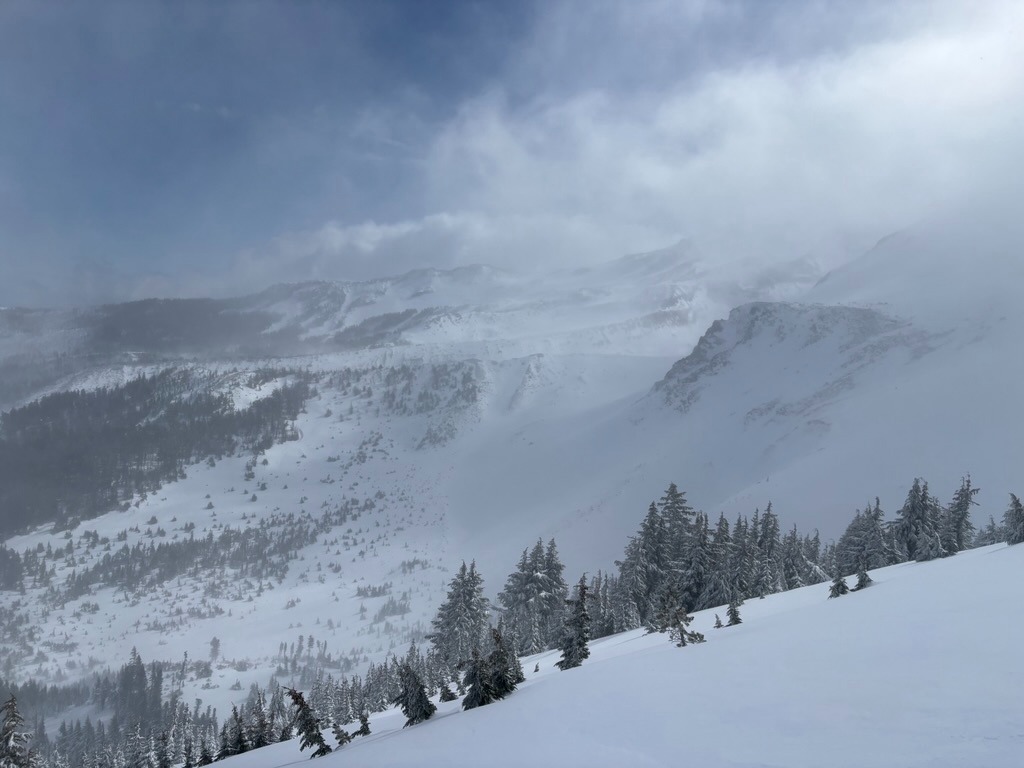
The upper snowpack on the north side is wind-hammered after the recent storm brought very strong wind speeds to the Hood zone. In wind-sheltered terrain, we generally found 8-12 inches of new, well-bonded snow to the underlying wet layers. In windier areas, drifts along leeward slopes were a couple of feet deep, while windward slopes were largely scoured. Newly formed wind slabs were generally stiff and stubborn below 6000 ft. Deeper weak layers, like buried surface hoar, can still be found just above the 2/7 crust. But fortunately, these layers seem to be rounding and gaining strength.
Instability was confined to wind-loaded features.Weather
- Air Temp
- High 20s/Low 30s
- Cloud Cover
- overcast
- Wind Loading
- moderate
- Rain Elevation
- 3000
- Recent Snowfall
- 30
- Snow Avail For Transport
- moderate amounts
There's a strong rain shadow present with the westerly flow aloft. It often felt like we were on the cusp of clearing out. Occasional sun-breaks would allow for a quick glimpses of the upper mountain.
Snowpack
The snowpack is heavily wind-affected after this recent storm that brought very strong W winds. While stubborn, wind drifts extended well below treeline and were easy to locate above 4500 ft.
Pit 1: ENE @ 5200': HS 130 cm. 25 cm of new snow rests over a wet snowpack from our recent warm-up. There were a couple of crusts from early February, but wet grains extended to the ground at this location. The new snow was well-bonded to the wet grains at the new/old snow interface, and spx tests produced unremarkable test results.
Pit 2: NE @ 5800 ft: HS: 210 cm. 35 cm of new snow rests over wet grains and appeared well bonded with spx tests. Tilt tests and Ct's highlighted a couple of minor mid-storm interfaces within the new snow. Just beneath the new snow, we found about a 15 cm thick layer of wet grains from the recent warm-up. The snowpack was dry/moist below this. Notably, we found a layer of buried surface hoar at the 2/13 interface, roughly 85 cm below the surface. This rounding surface hoar was 3-5 mm in size. This layer produced a CT 25, SP result. PST didn't produce anything too notable on this layer or the 2/7 crust, but blowing snow made this layer difficult to identify and run the saw up. ECTs only produced ECTN's within the new storm snow. The snow around the 2/7 crust seems to be gaining strength and is 1F-hard now.