
Quick report
- Cracking
- isolated
Travel during the morning hours was primarily through unconsolidated new snow. By the later part of the afternoon, it was evident that the snowpack was beginning to settle, with increased signs of cohesion developing in the recent storm snow. Throughout the tour, we observed very low-energy, isolated cracking occurring near and around our feet. One isolated shooting crack was observed on a southeast-facing convexity, and the group discussed the limited extent and isolated nature of this cracking at the time. Travel during the morning hours was primarily through unconsolidated new snow. By the later part of the afternoon, it was evident that the snowpack was beginning to settle, with increased signs of cohesion developing in the recent storm snow.
Weather
- Air Temp
- ~15
- Cloud Cover
- overcast
- Wind Loading
- none
- Recent Snowfall
- 45
- Snow Avail For Transport
- large amounts
Snowpack
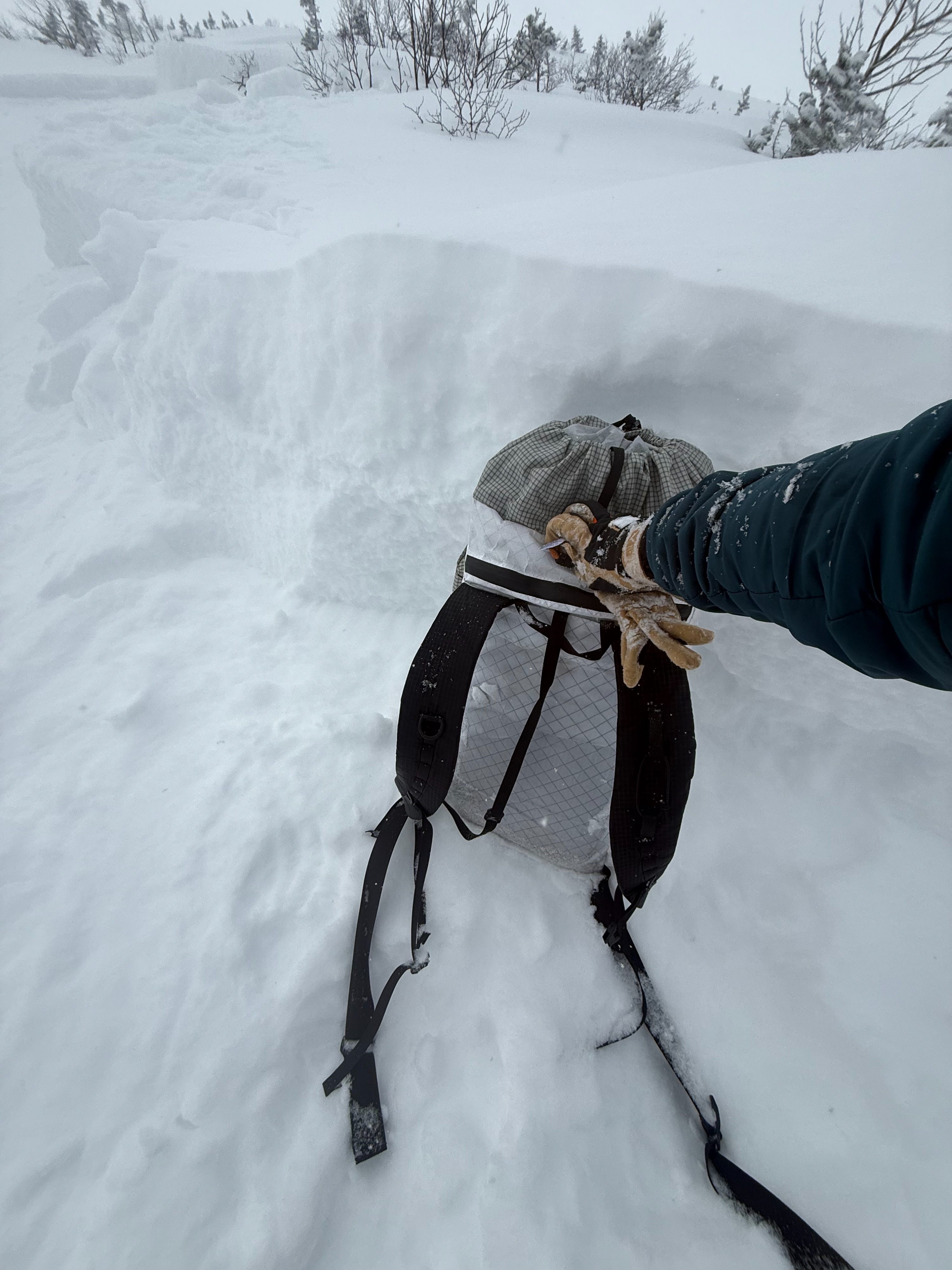
Snowpack observations were limited to the recent storm snow. In general, we observed soft, unconsolidated surface snow that was beginning to gain cohesion and develop slight structure from settlement by approximately 1400. Any signs of reactivity were observed near 4600 ft in areas that were less treed and more exposed. Above approximately 4800 ft, the surface snow became thinner (approximately 20 cm to scoured), with wind-affected textures such as ripples observed on the snow surface. This was likely the result of stronger easterly winds during the overnight period.
Avalanche
- Size
- D1.5 R2
- Type
- SS
- Aspect
- SE
- Trigger
- AS
- Elevation
- 4604 ft
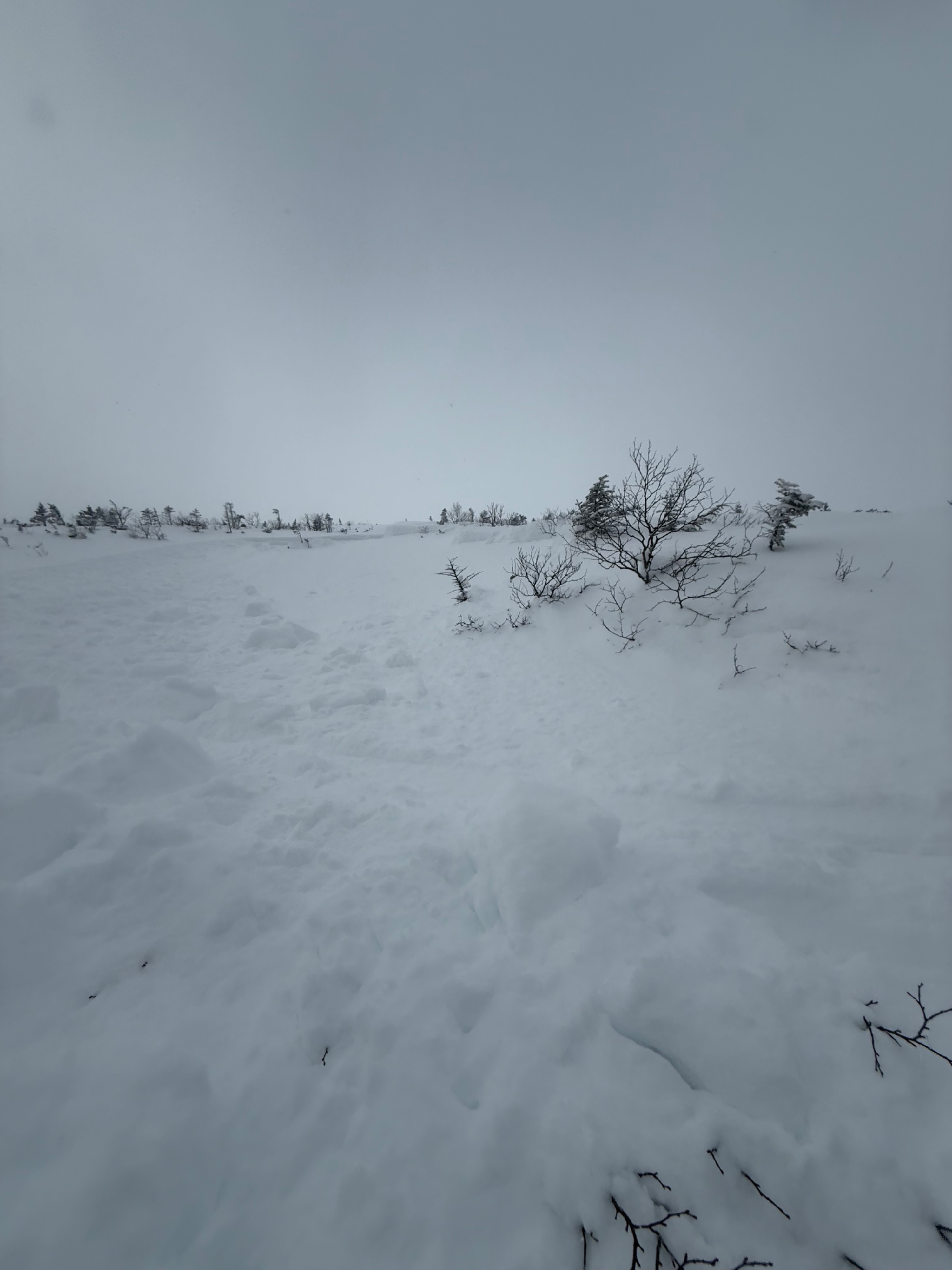
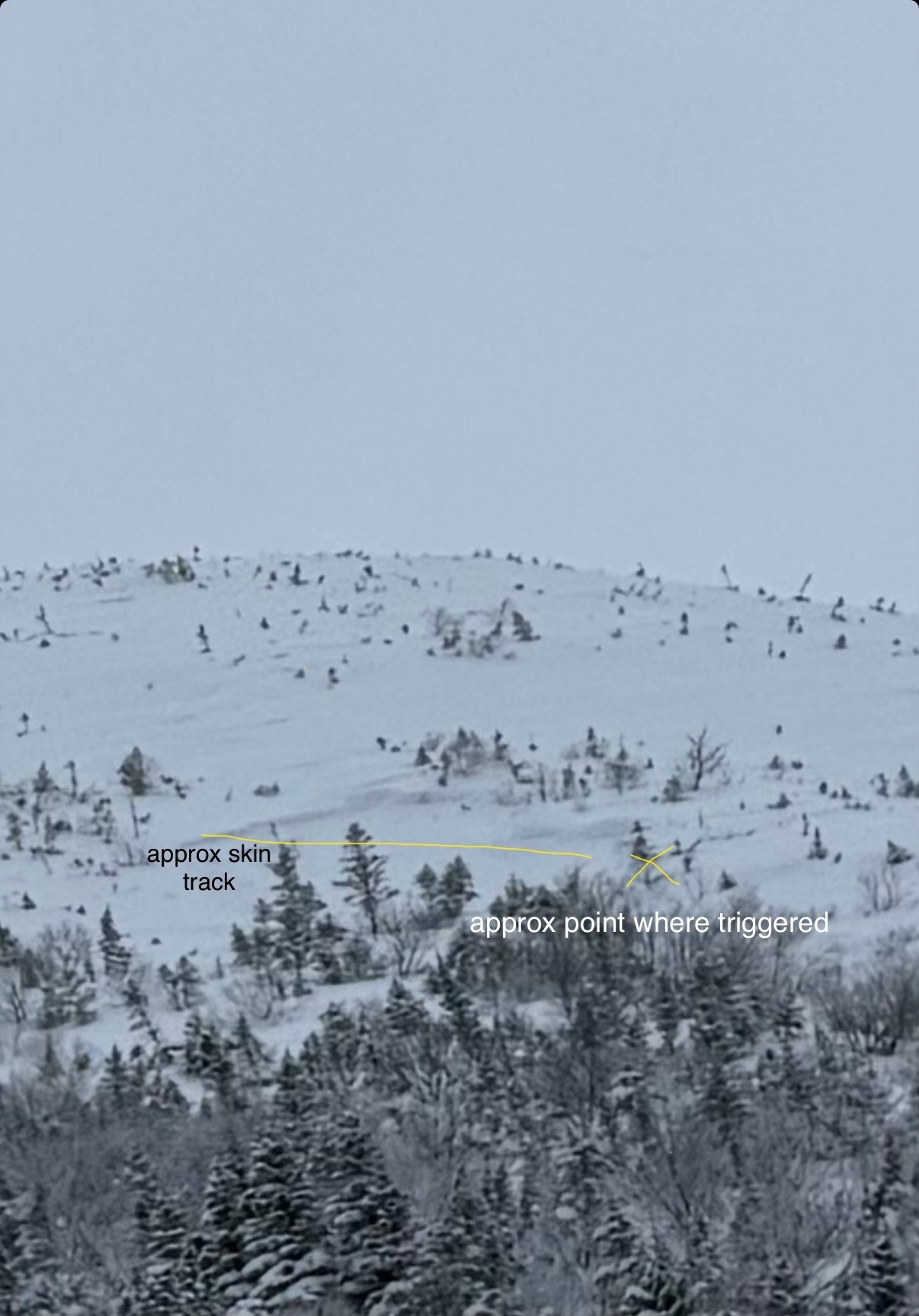
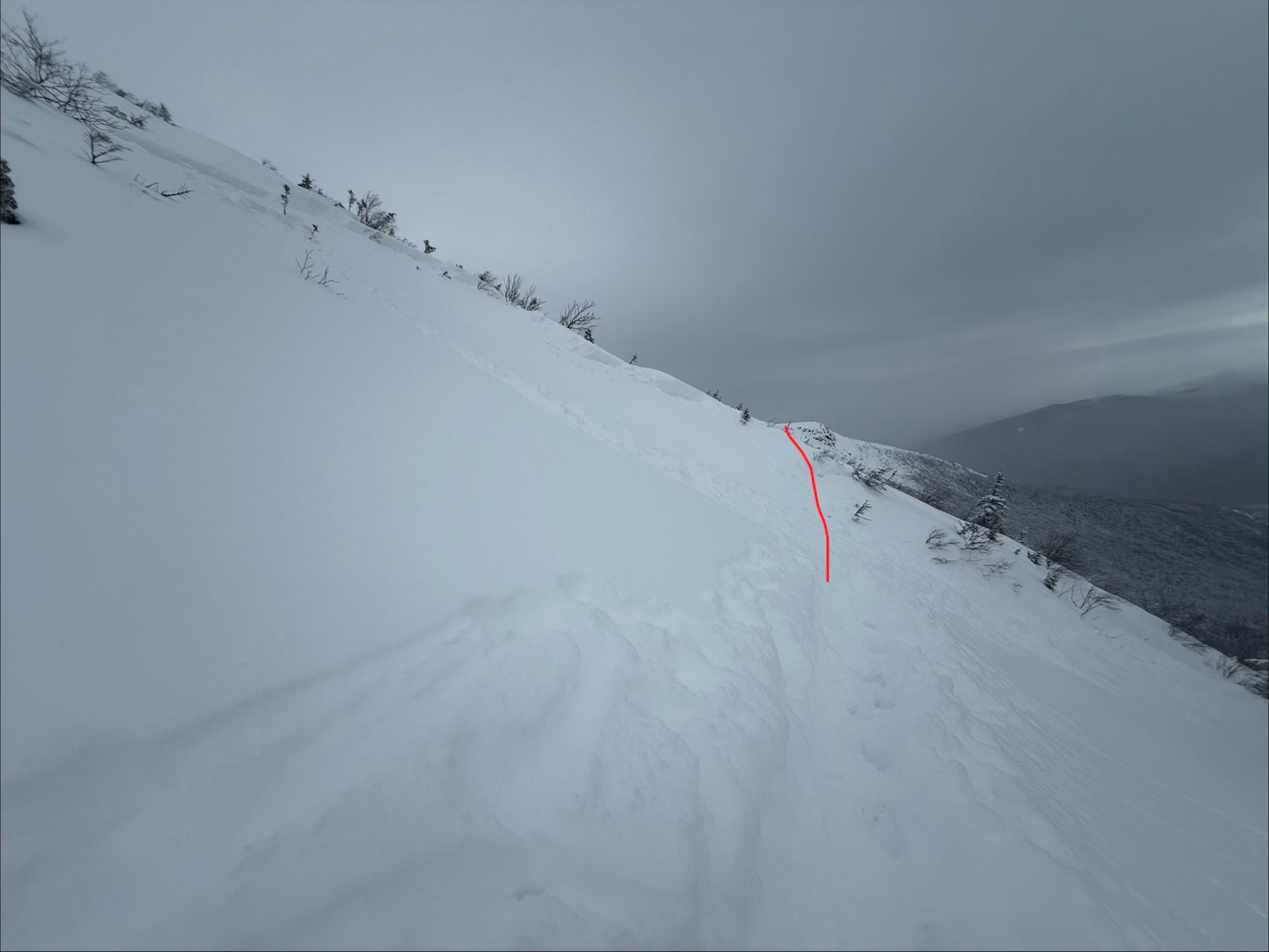
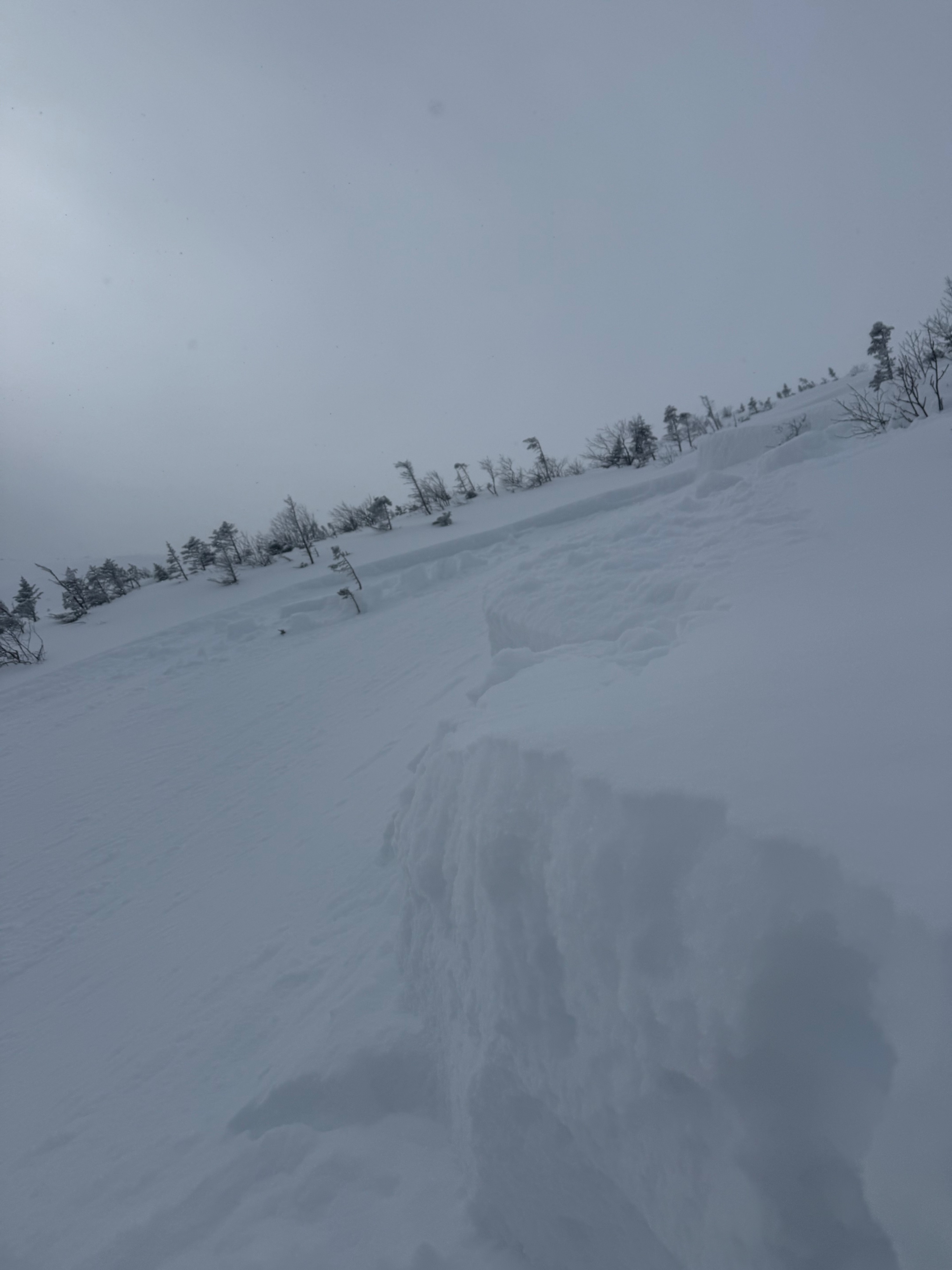
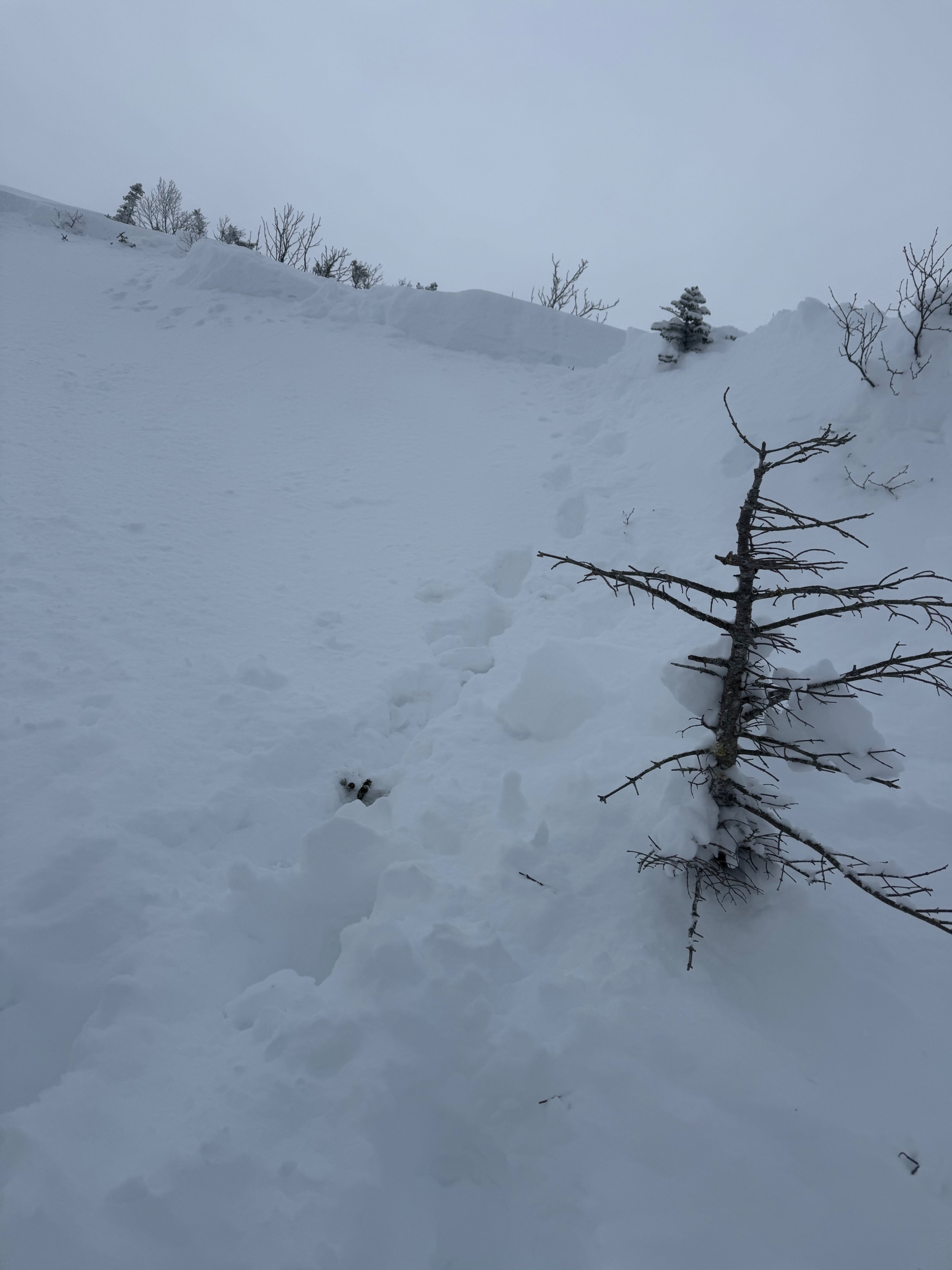
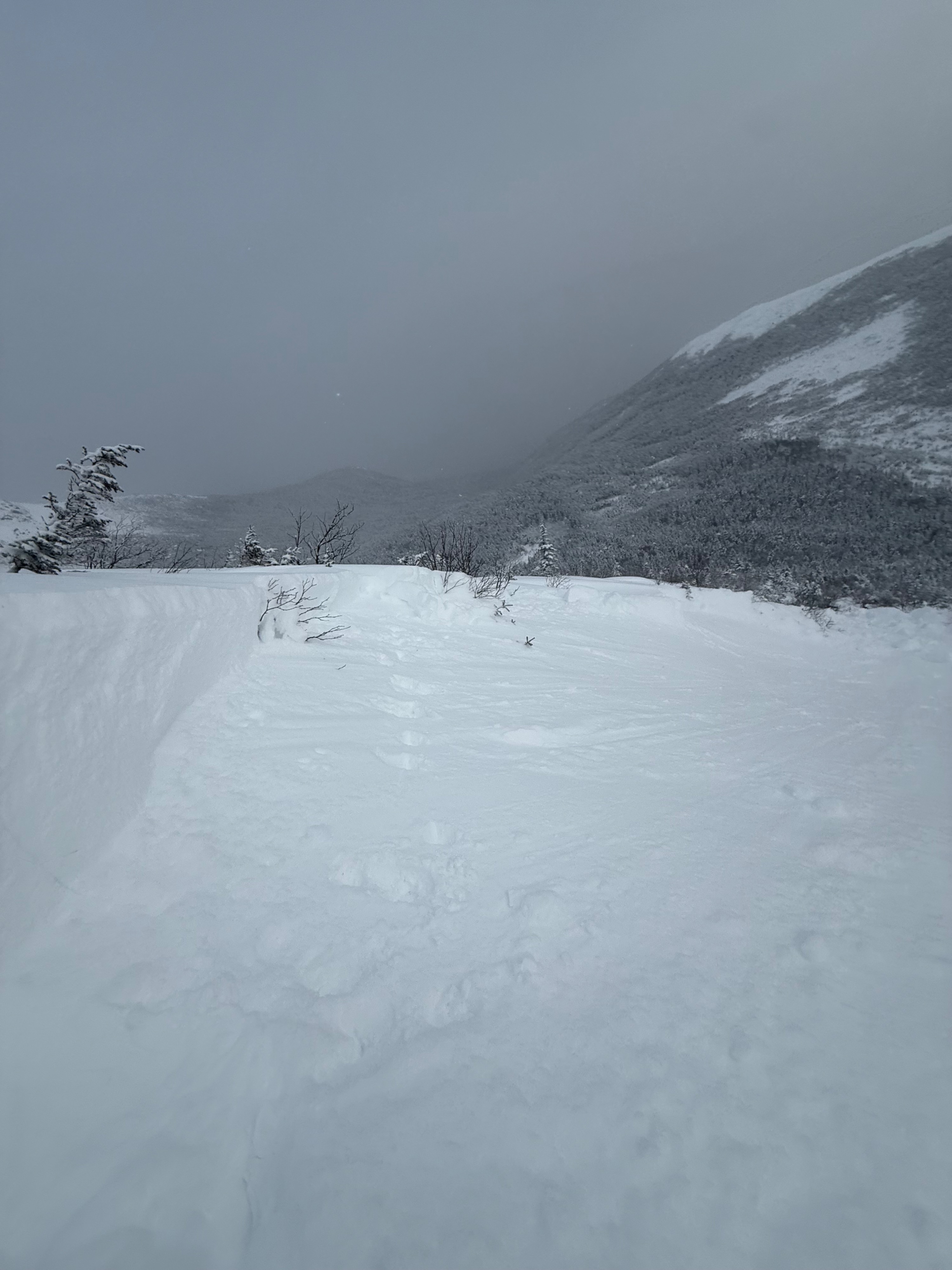
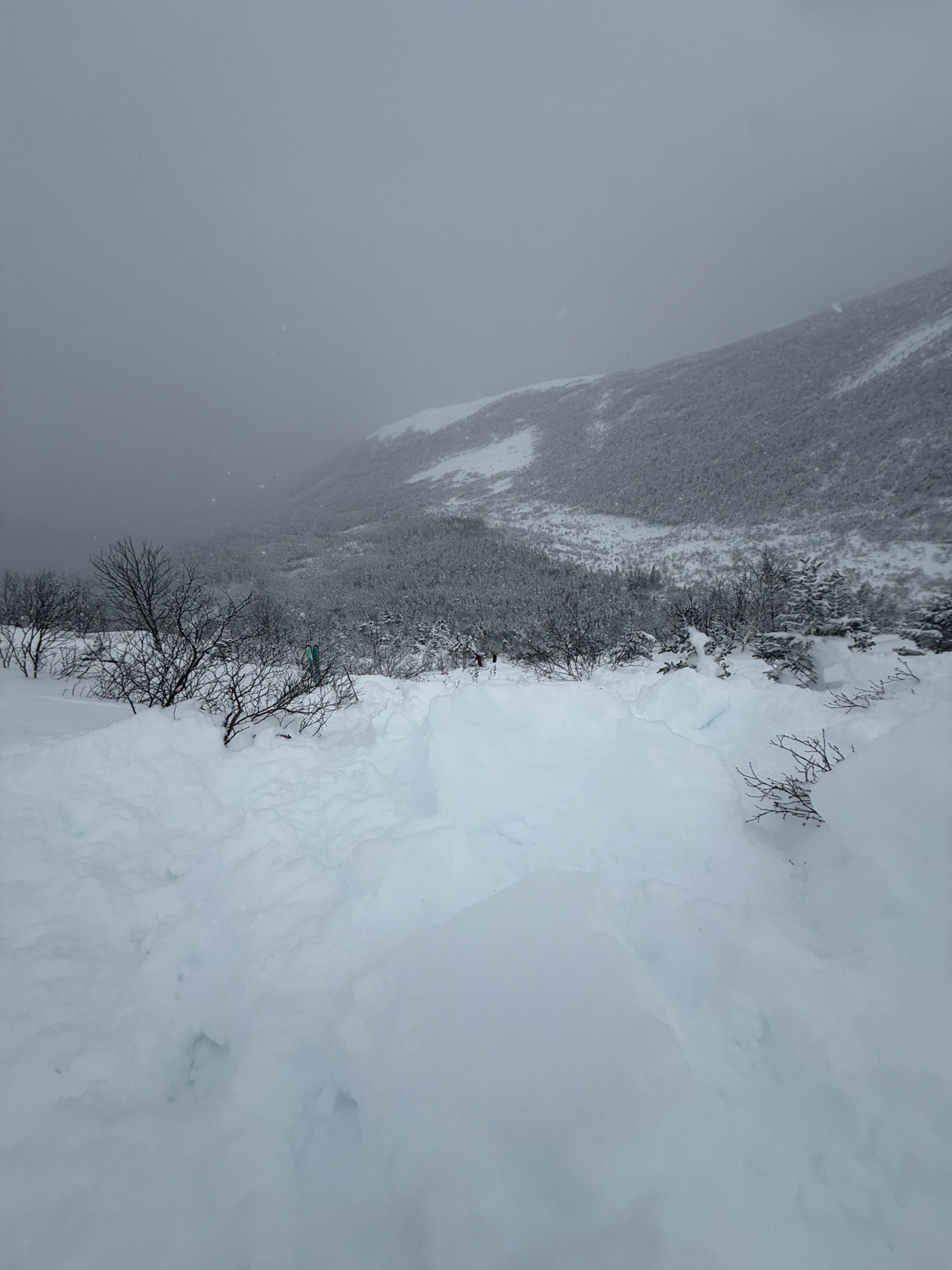
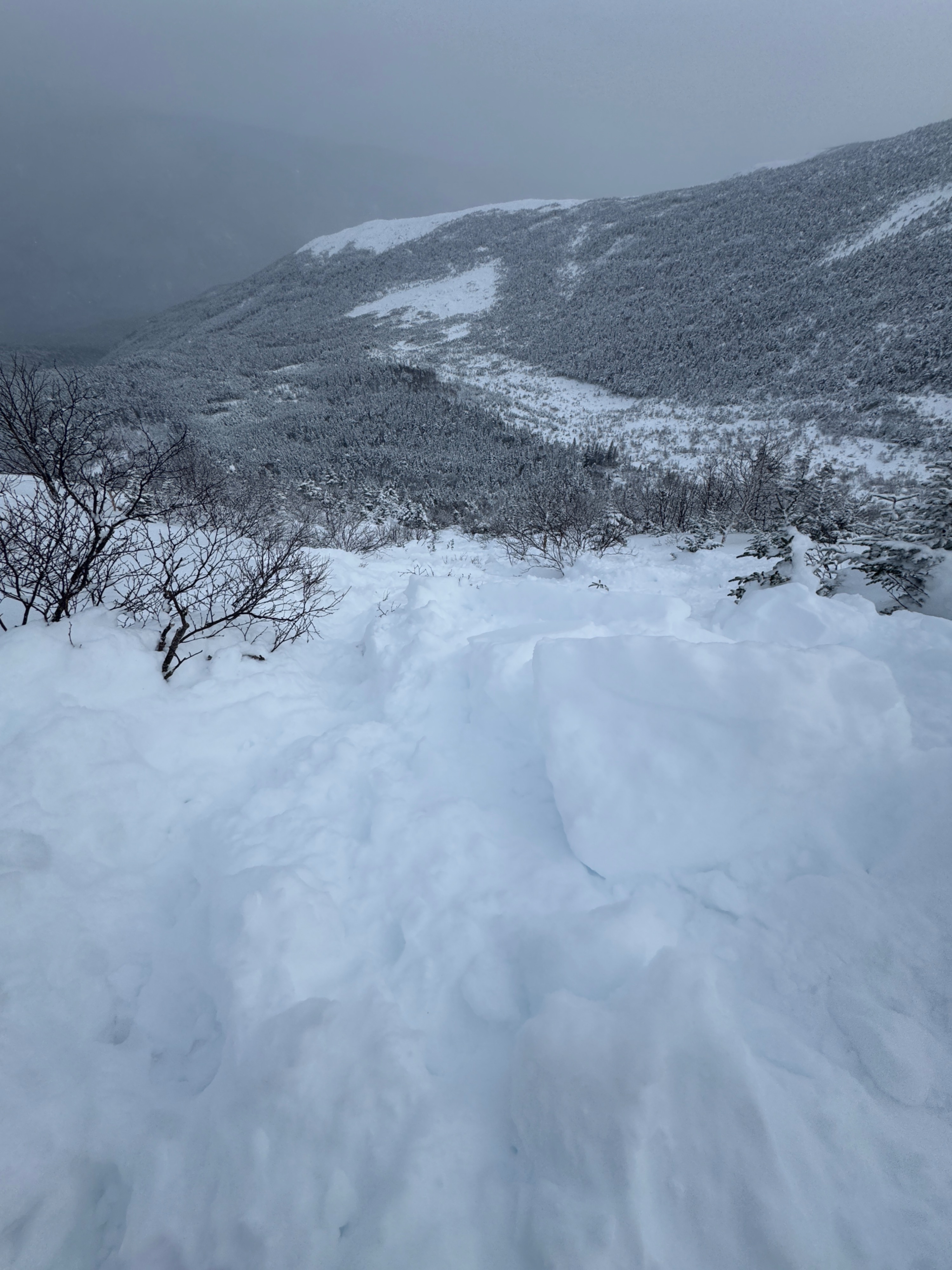
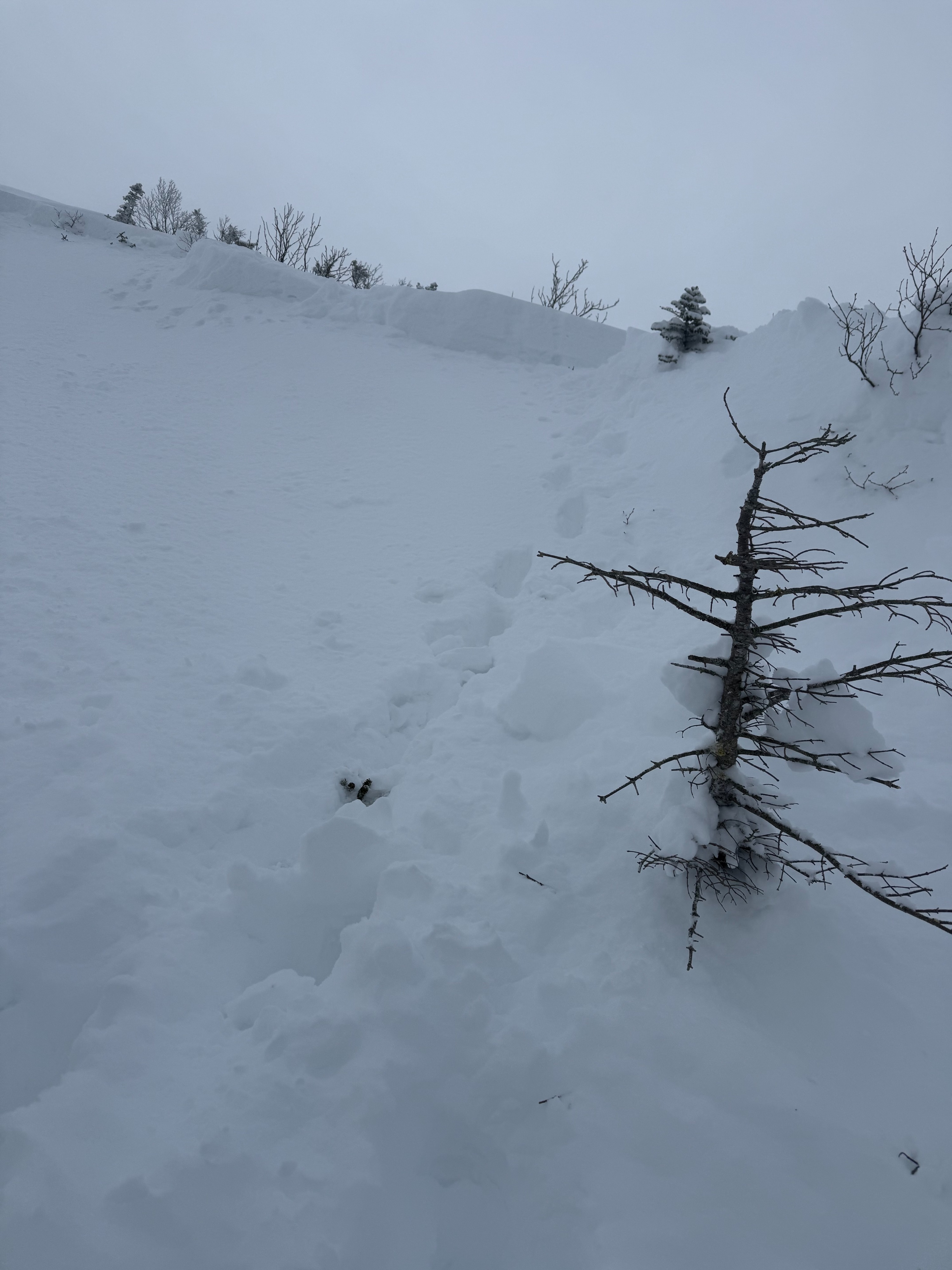
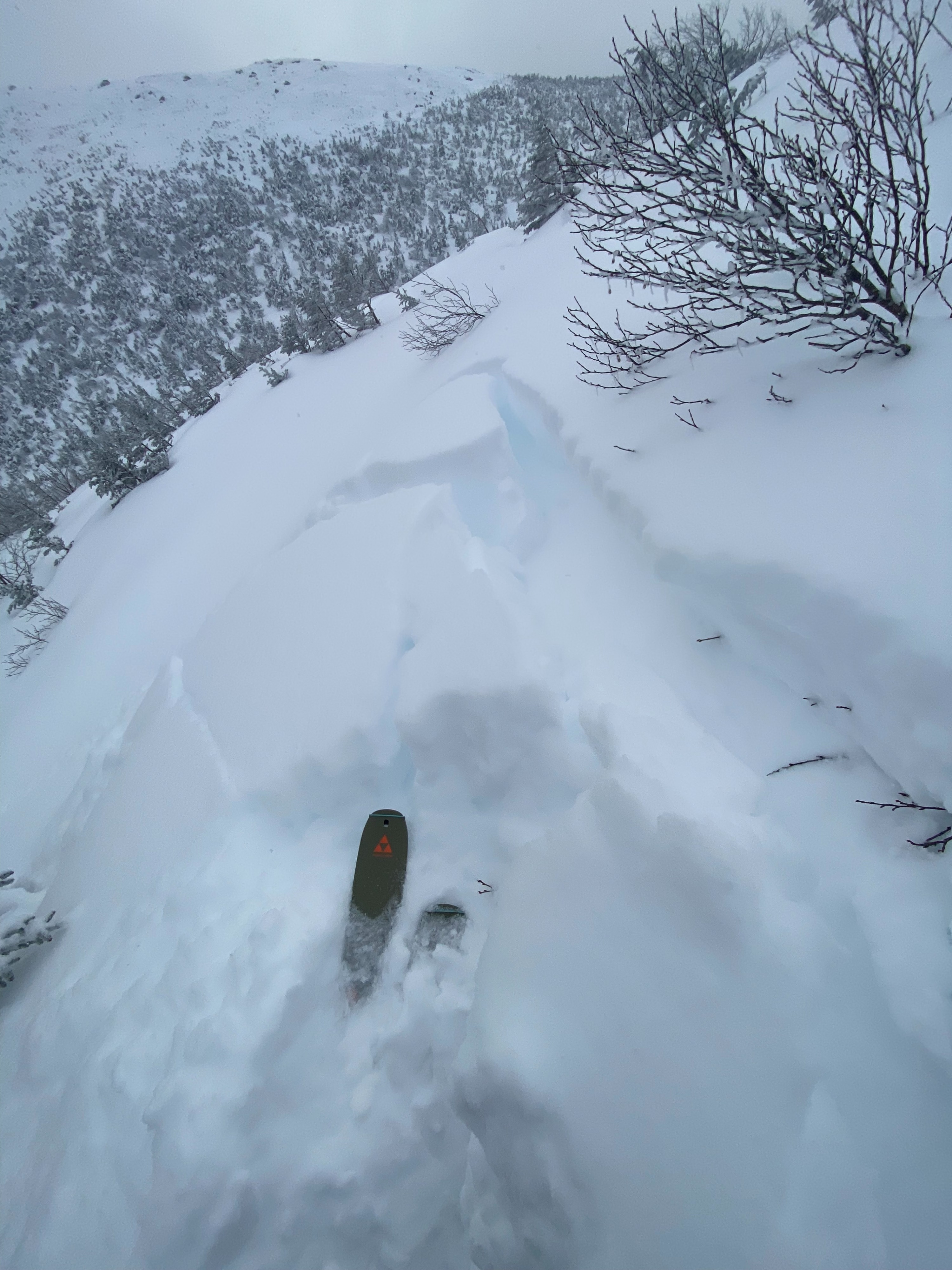
The team traveled one at a time through isolated pockets of open snow to minimize exposure to the existing avalanche hazard. While moving through one such pocket of exposed terrain, the lead skier setting the skin track moved across the slope as they reached the far side of the exposed slope, the skier stepped onto what appeared to be a small terrain roll, the snowpack collapsed. Takeaways: - Slab avalanches can propagate uphill from a trigger point and involve more terrain than initially anticipated. - Small terrain features, such as subtle rolls, can act as trigger points even when overall exposure appears limited. - Traveling one at a time reduced the number of people exposed; however, conservative group management does not eliminate risk in connected terrain. - While the team was making ongoing snowpack observations and communicating during travel, slowing down prior to committing to steeper, more exposed terrain may have allowed for a more thorough discussion. It is unclear whether this would have changed the outcome. - Spatial variability was evident. The majority of travel occurred in unconsolidated storm snow; this location was one of the few areas where stiffer, more cohesive snow was observed, showing greater propagation potential. - This team was a strong group of avalanche professionals with a wide reach of experience and intimate knowledge with the terrain, accidents happen in the mountains. Our group is very happy to be back home safe after this.