
Quick report
- Cracking
- specific
- Collapsing
- specific
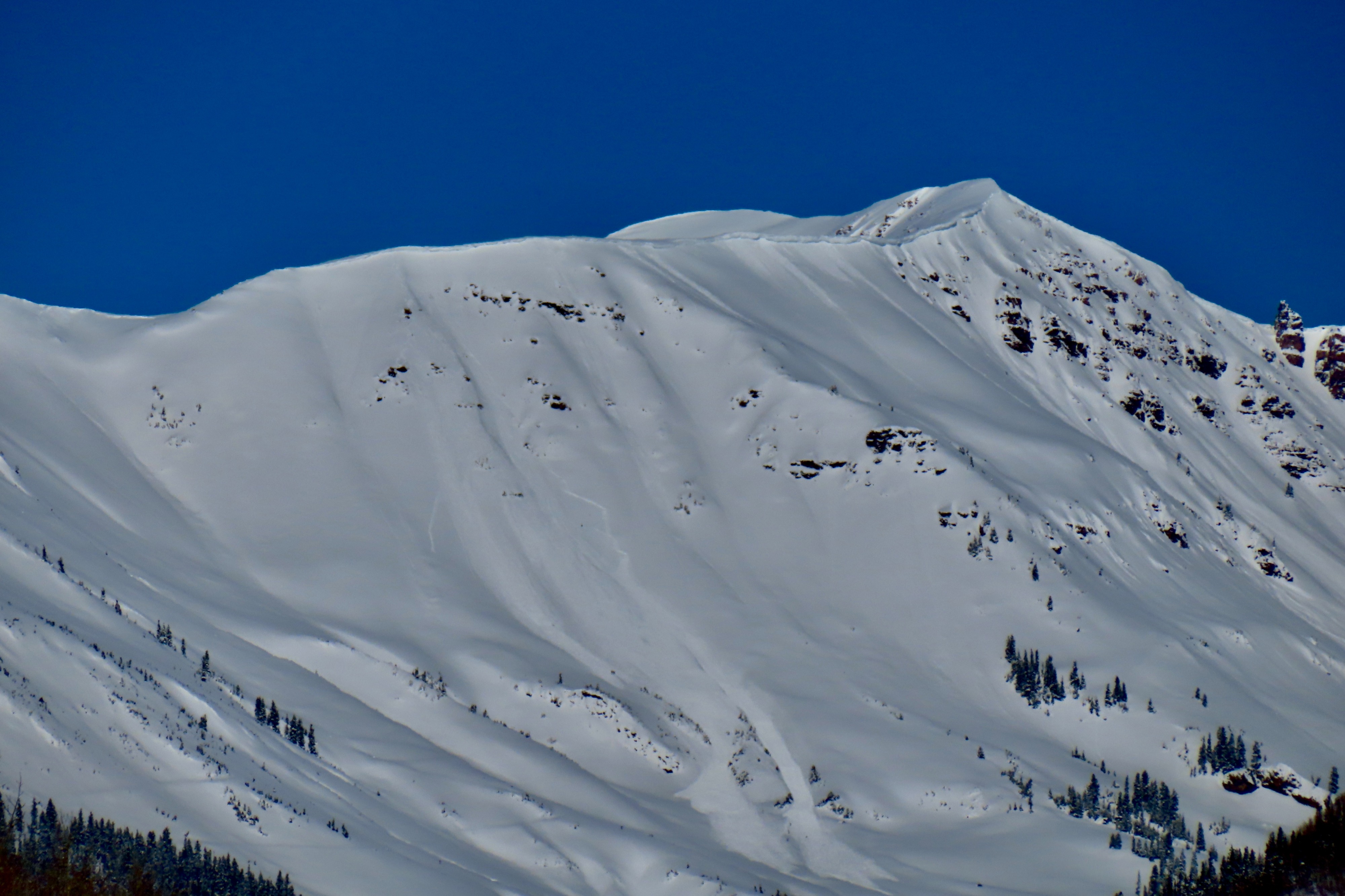
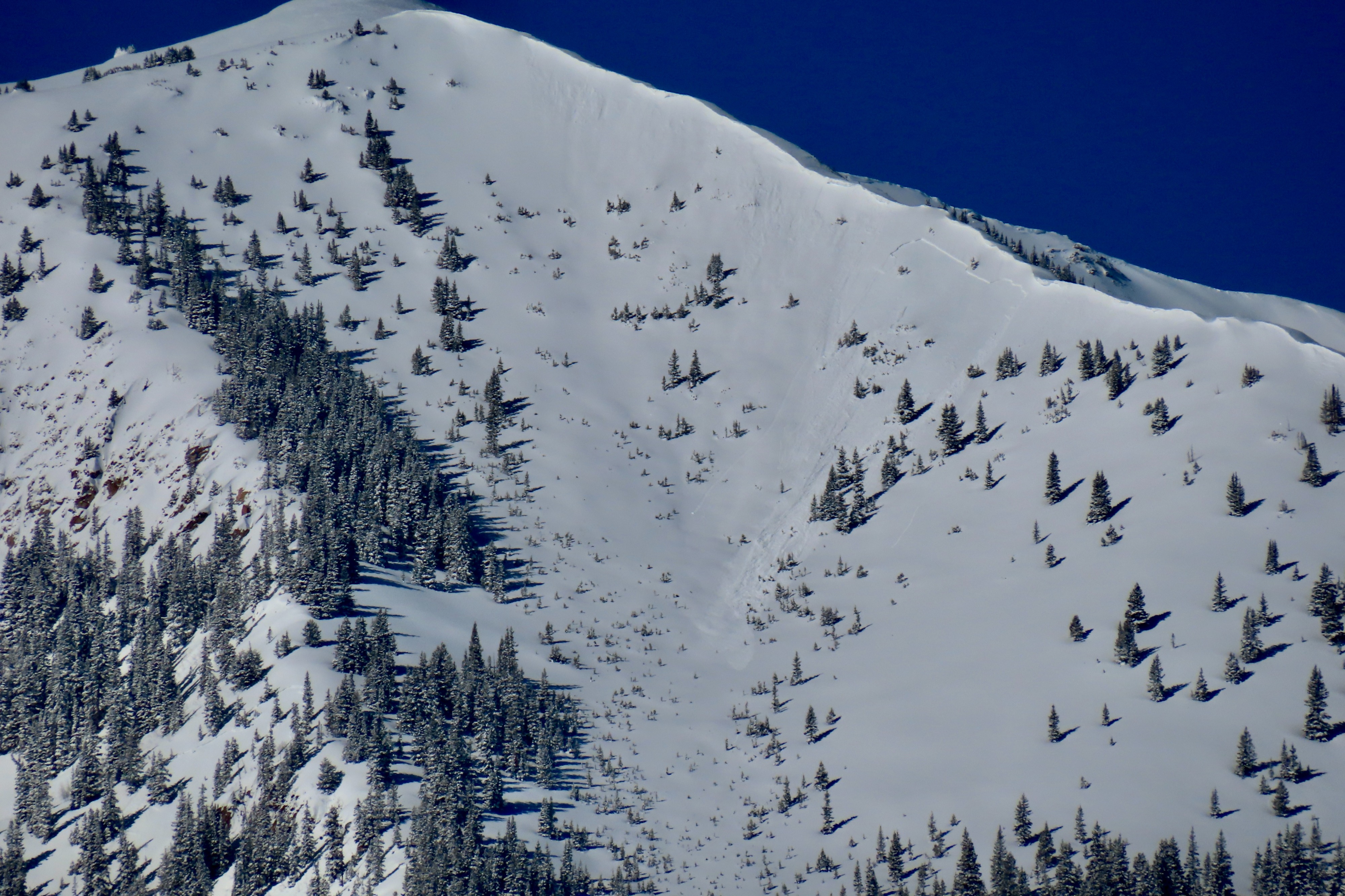
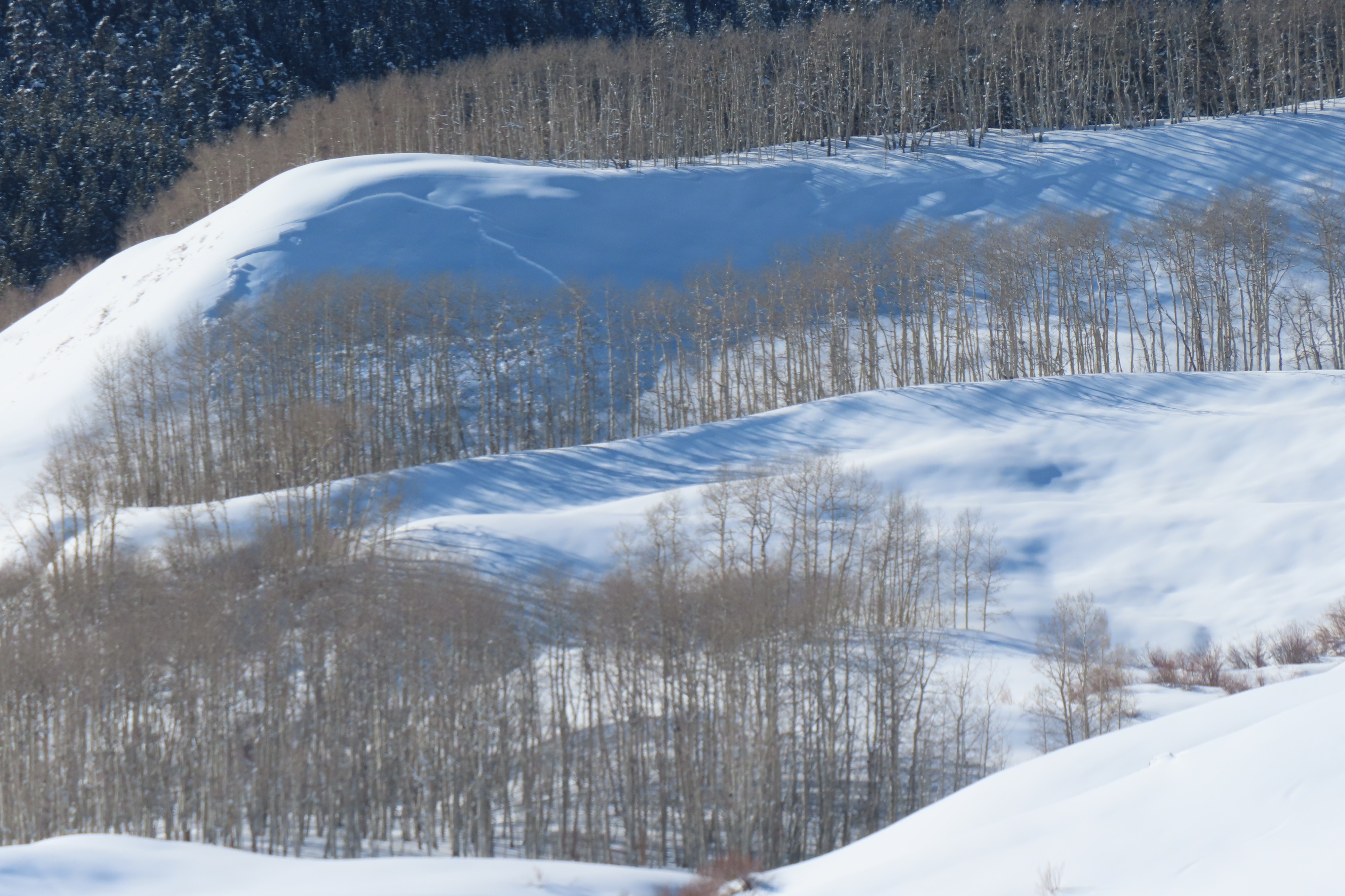
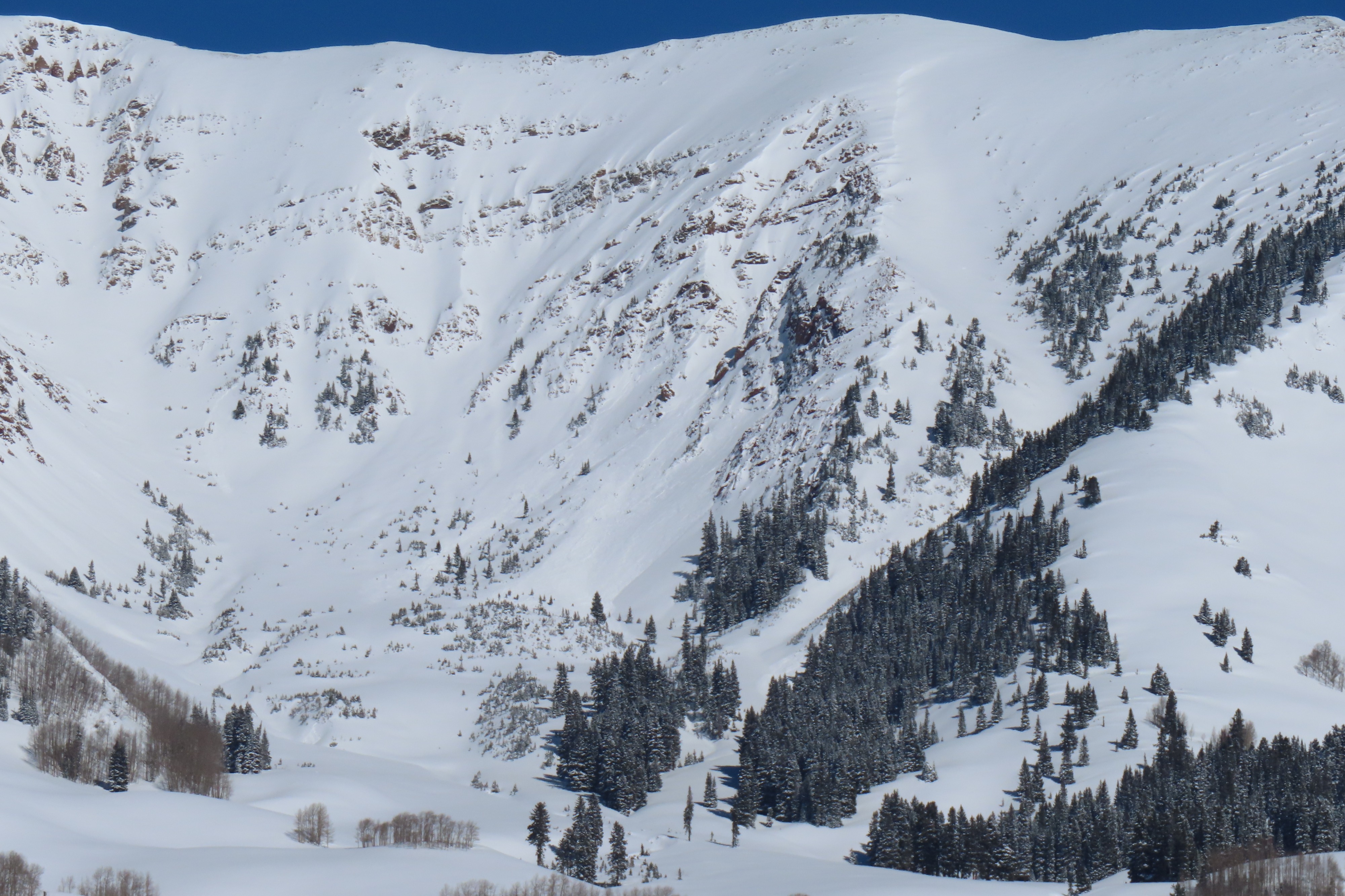
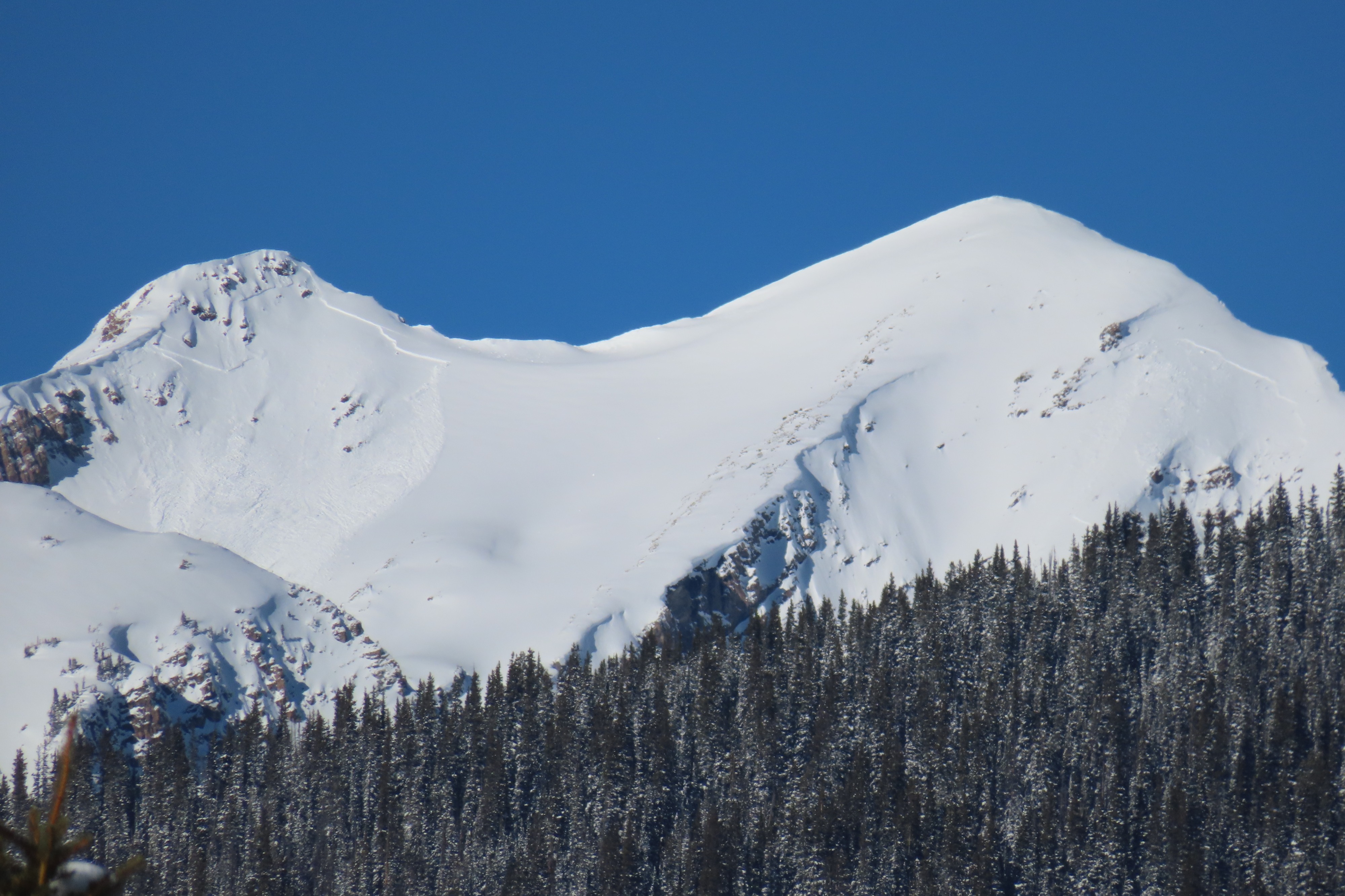
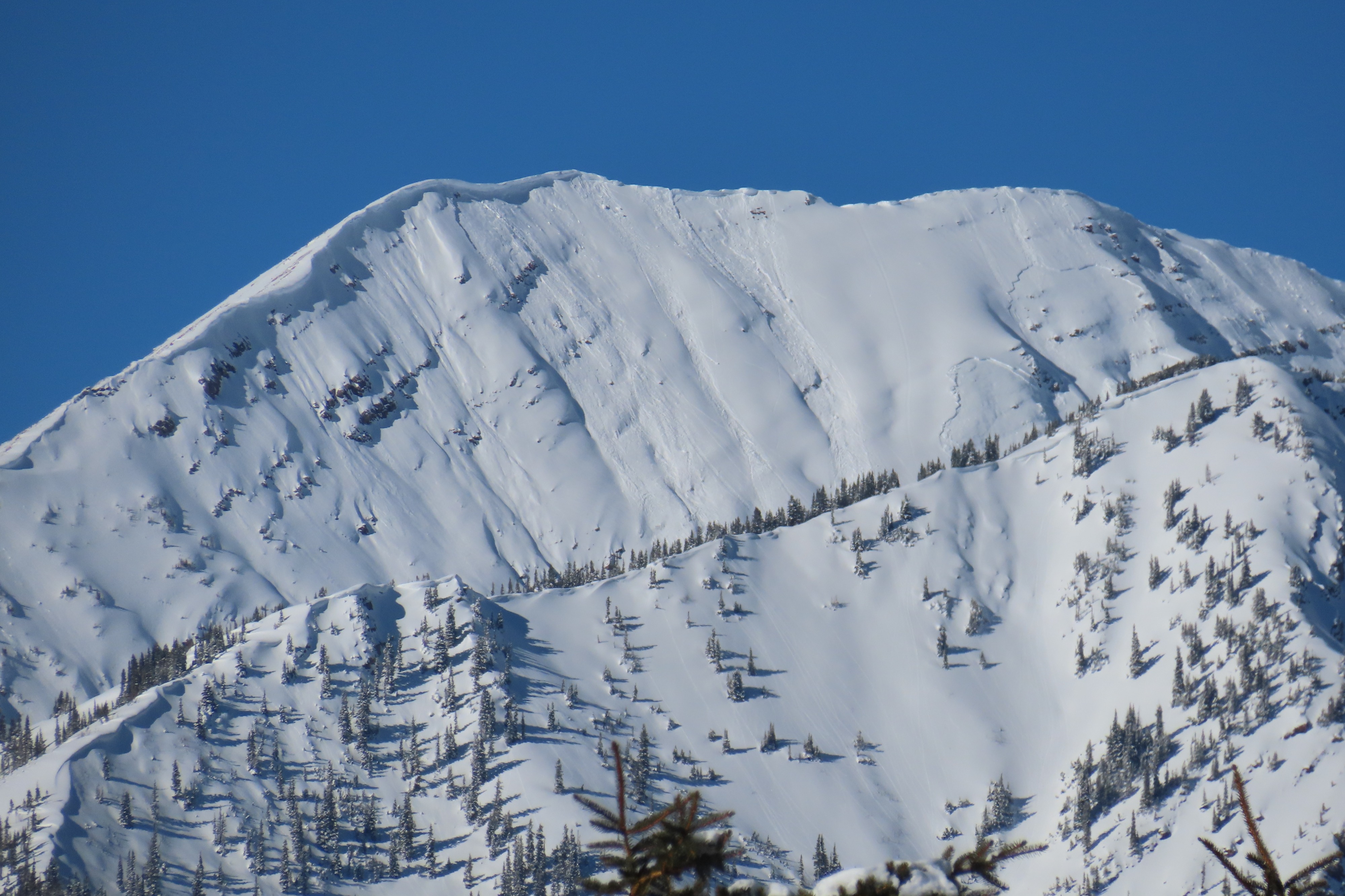
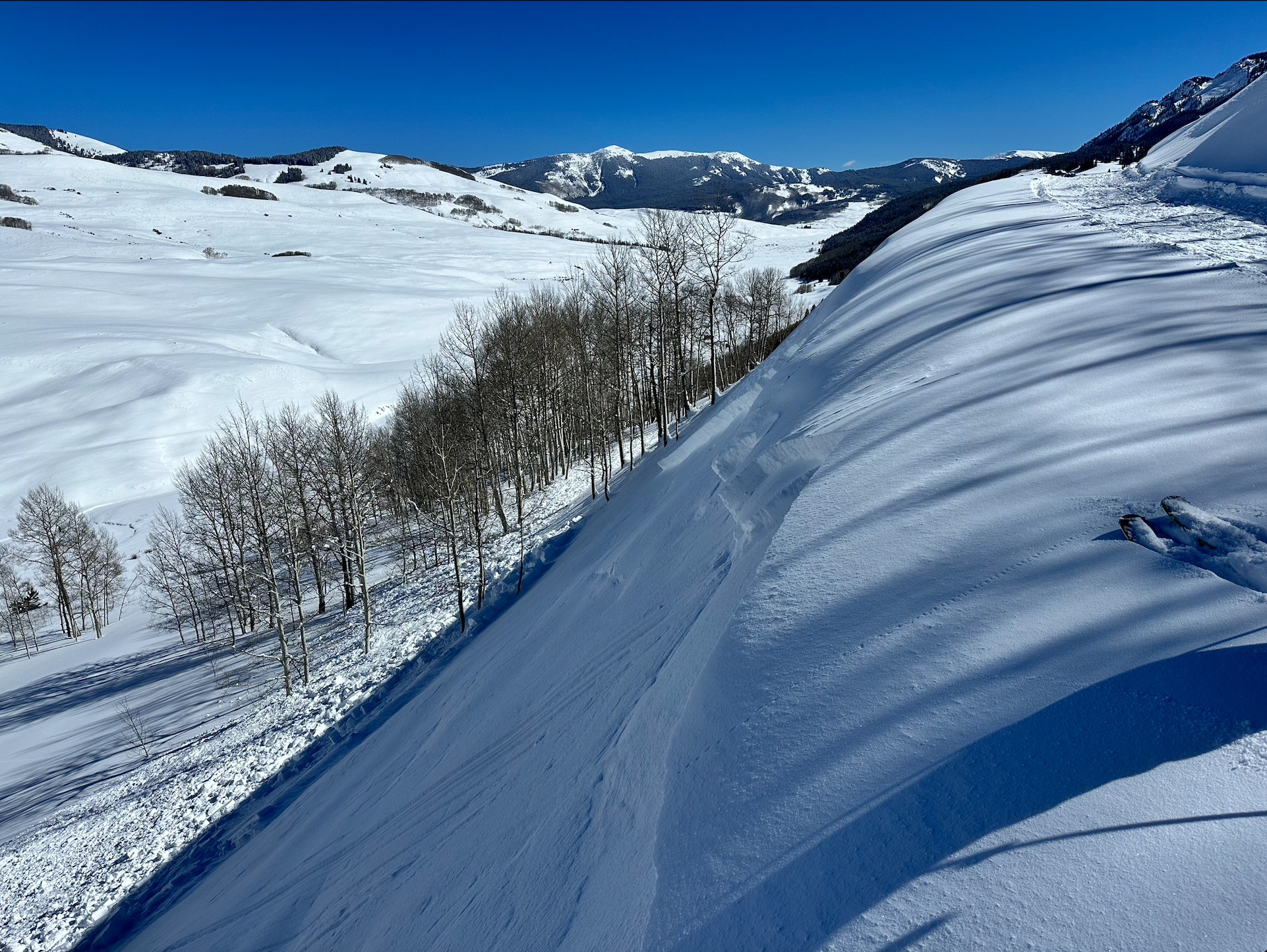
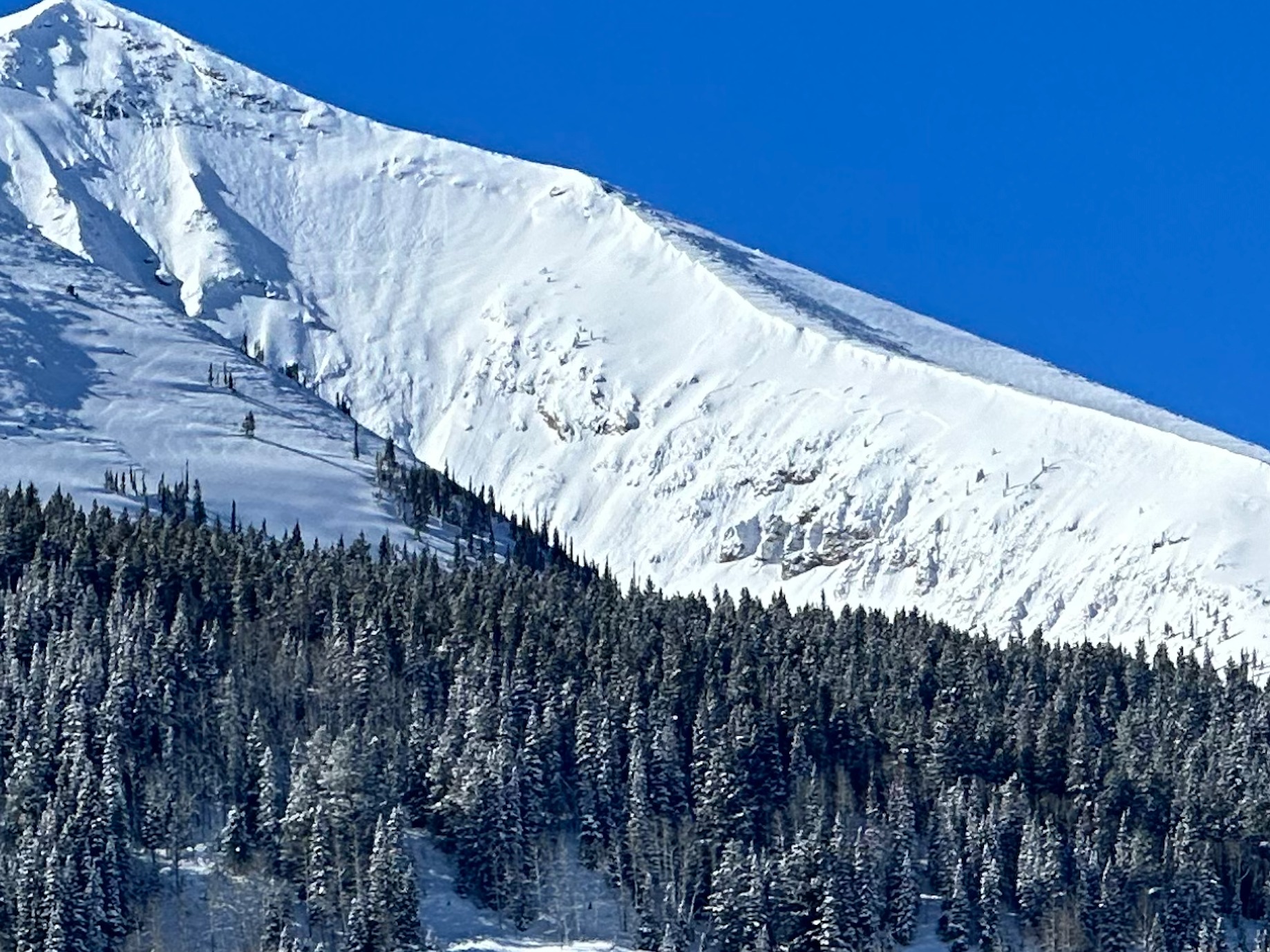
It was hard not to see natural avalanche activity if you looked into the mountains. It was plainly visible on drifted alpine terrain and in sheltered northerly slopes. Cracking and collapsing (whumpfs were often muffled and quiet) were the norm in undisturbed areas where the slab rests on surface hoar/facets and screamed danger.
Numerous collapses and shooting cracks on north, northeast, and east-facing slopes. Layer of concern was 2/2 weak layer down around 14 - 18 inches.Weather
Some drifting continued through midday from northerly winds at upper elevations.
Snowpack
The slab in the upper snowpack ranged from 14 to 18 inches in this area. The slab is relatively thin yet reactive. Slabs remain soft but proved to be ripe for human triggering. Places where the slab rests on surface hoar were the most reactive. Triggered avalanches seem likely in sheltered terrain on slopes facing the north half of the compass.
Avalanche
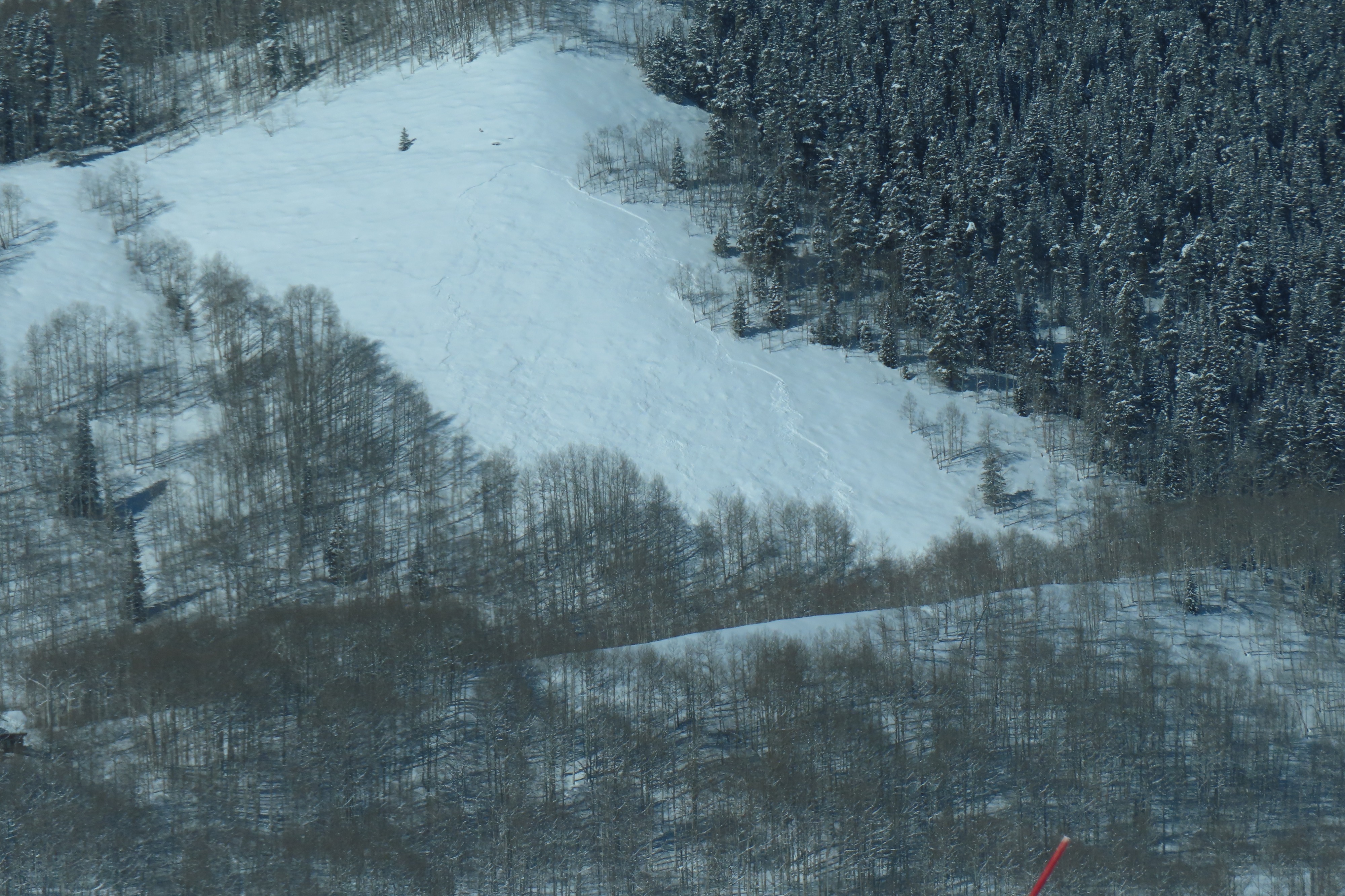
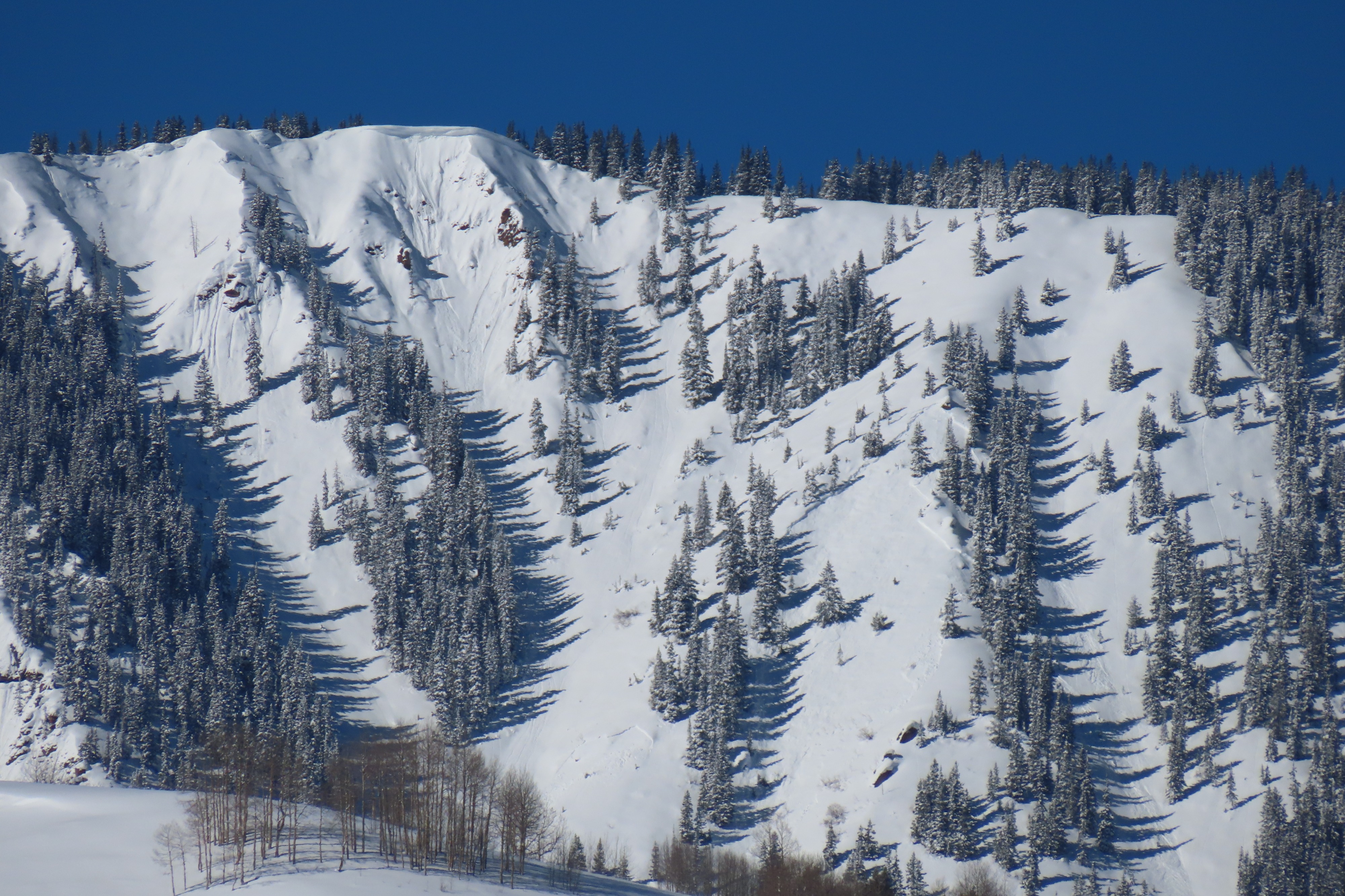
Natural avalanche activity was visible on many drifted slopes including Gothic Mountain, Bellview, Avery, Whetstone, and "Camel Humps". In sheltered areas, there were fresh avalanches on east aspects of Whetstone, east slopes above Town of CB reservoir, east and northeast terrain on Snodgrass. A few of these avalanches likely ran during the day while most were present by morning.