
Quick report
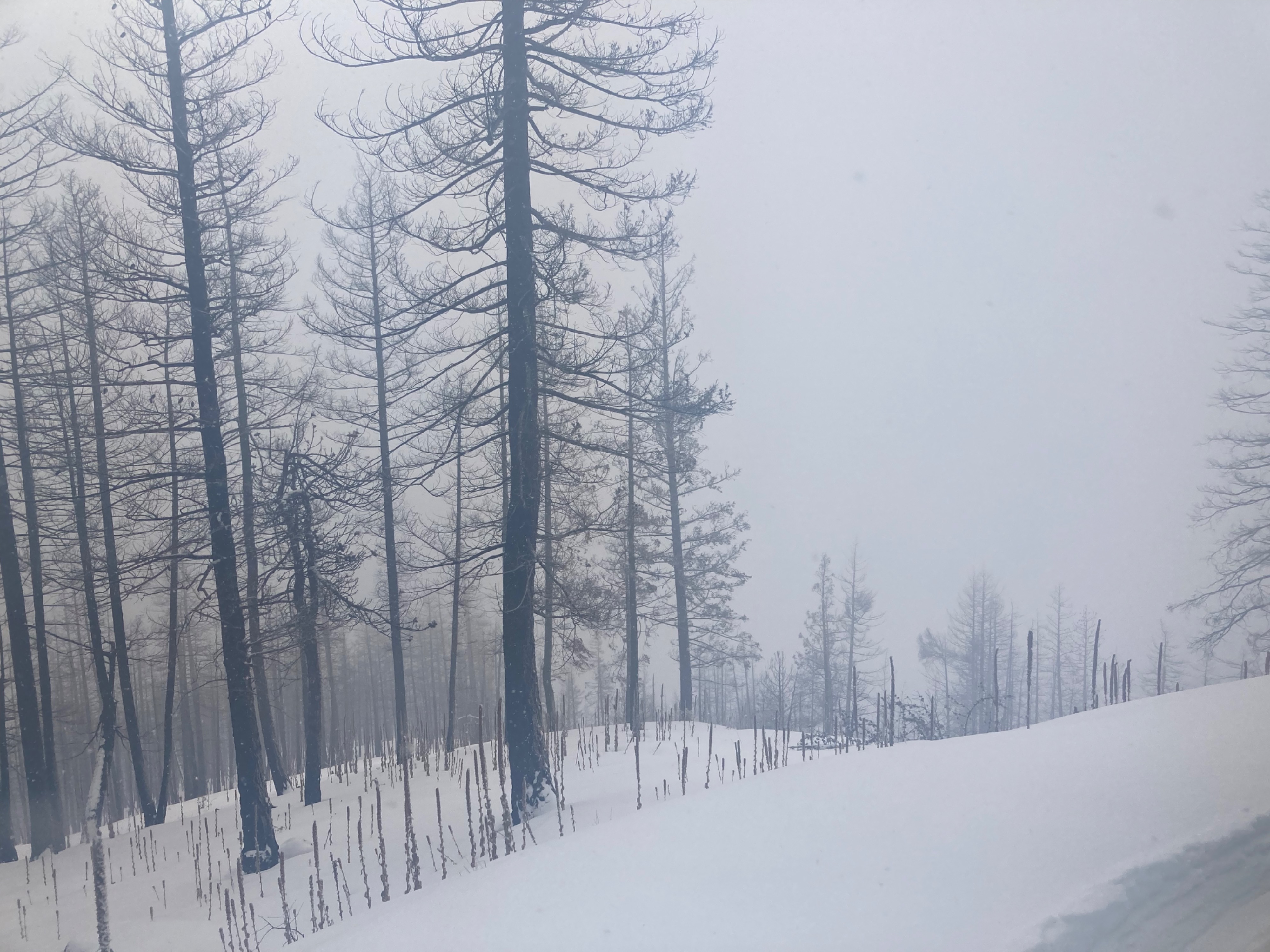
Crusty conditions were softened by a pleasant, low-density 3-4" of snow that fell the previous night at all elevations. Above about 6000ft, snow from earlier in the month provided additional softer layers above the 1/31 crust, making riding much more enjoyable. Overall, I didn't find weaknesses above the 1/31 crust, and I wasn't currently concerned about failures near the ground on the old, rounding facets where I traveled. We stuck to lower angle slopes, away from avalanche terrain, due to the conditions anyways. No avalanches were seen, although visibility was generally poor.
Weather
- Cloud Cover
- obscured
- Wind Loading
- none
- Recent Snowfall
- 10
- Snow Avail For Transport
- small smounts
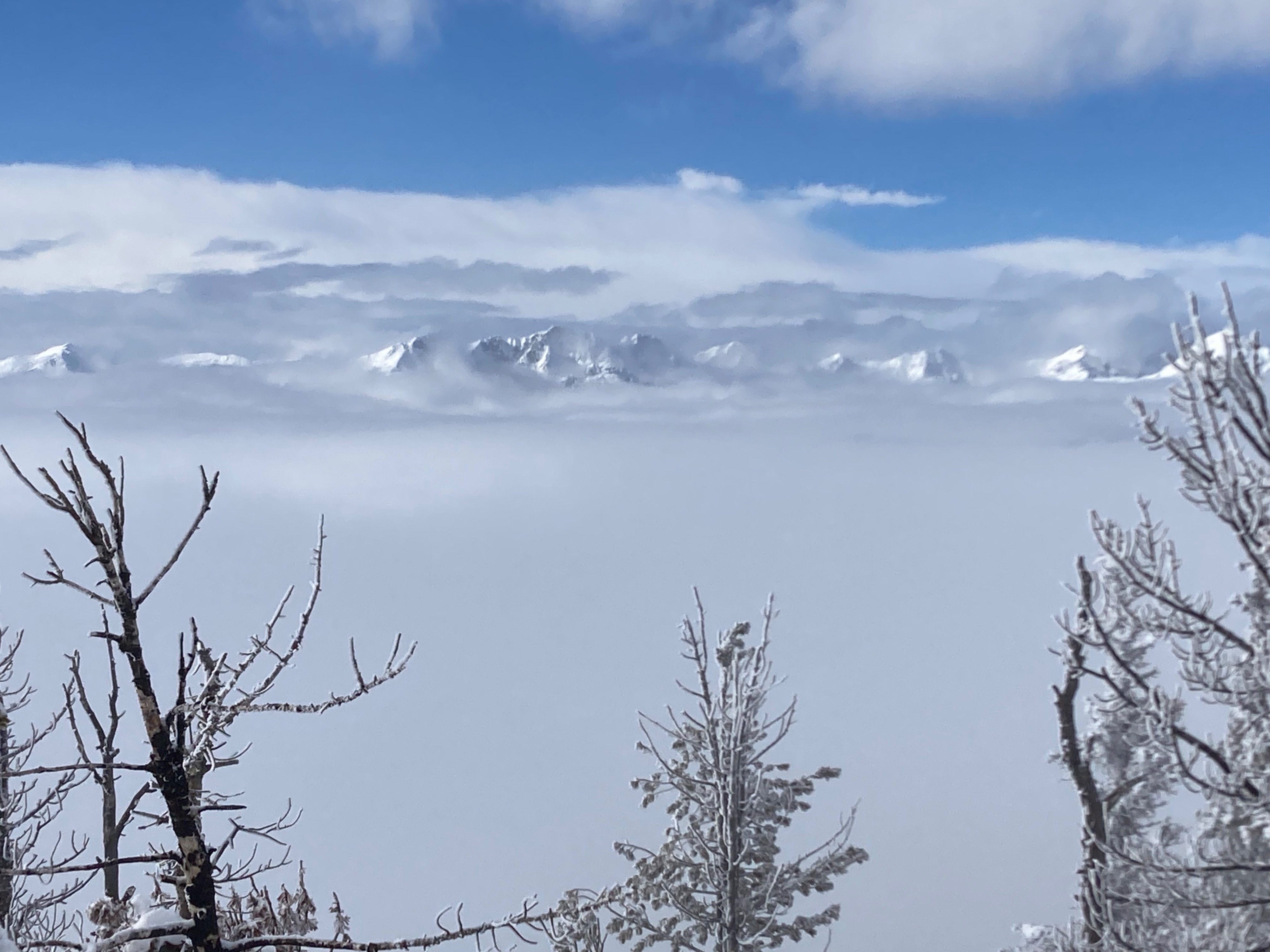
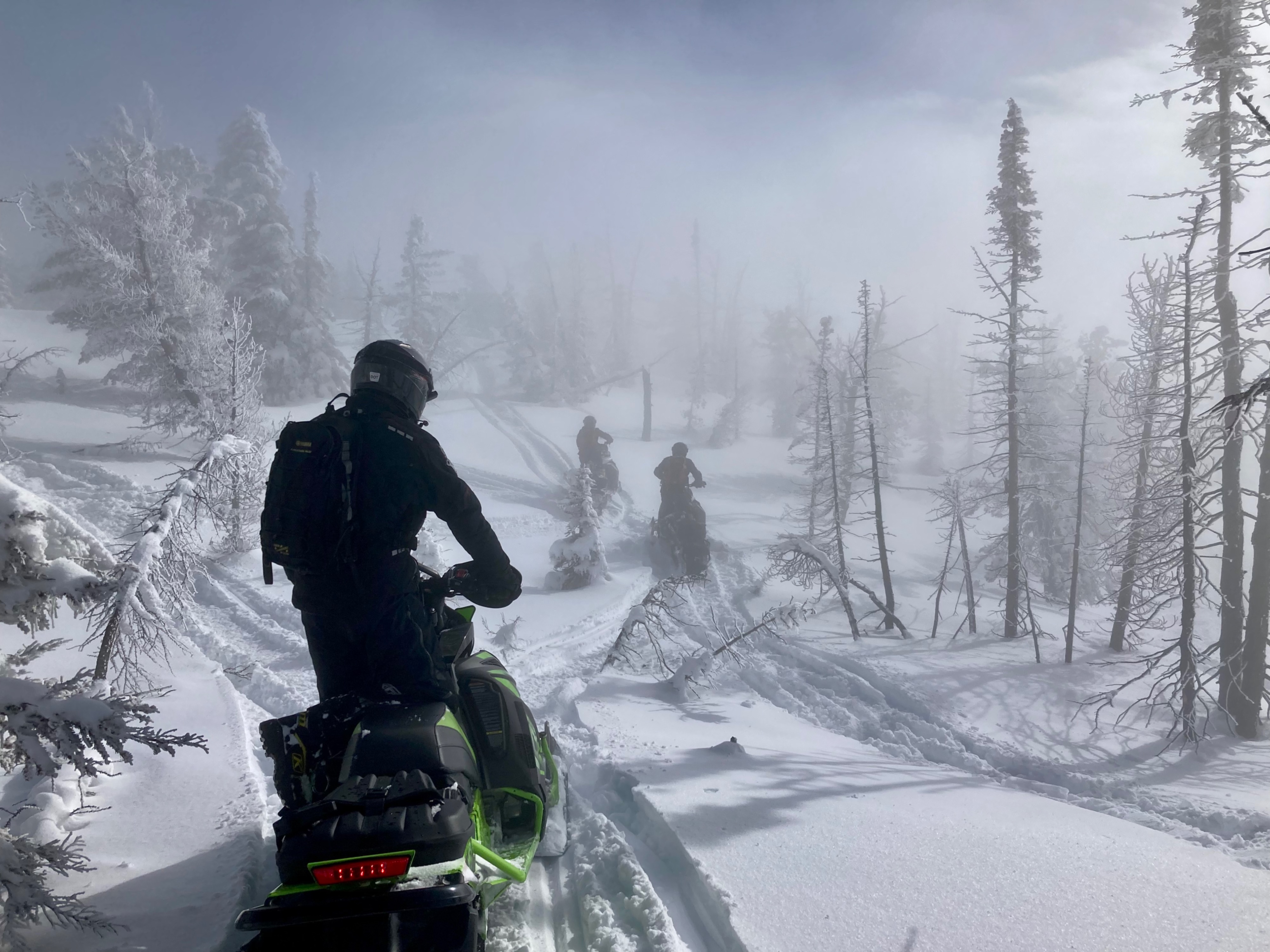
A cloud band was present from about 5000-7500ft. At our max elevation, about 7100ft, we had a few small cloud breaks. It was snowing off and on, very light, S-1, for periods during the day. Small amounts of riming was present at upper elevations.
Snowpack
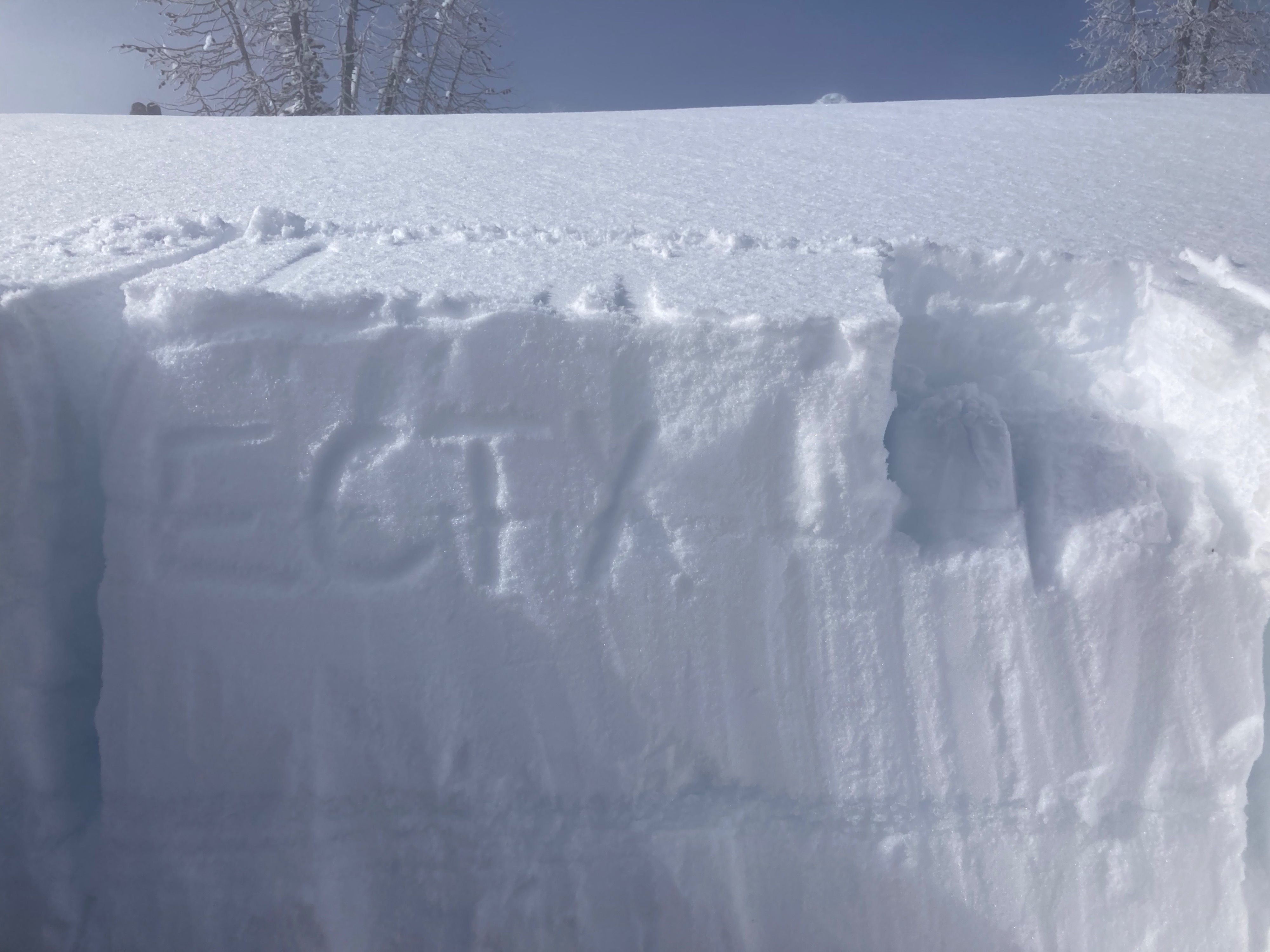
3-4 inches of low density snow coated all surfaces evenly, with minimal wind effect, at all elevations. The 1/31 crust was present beneath the new snow layer up to about 6000ft. Above that elevation, snowfall from earlier in the month was already stacking up above the crust. There was just over a foot of snow above the 1/31 crust at 7100ft. Note: the photos say Early Feb Crust, but it's called the 1/31 crust in the forecast and text here.
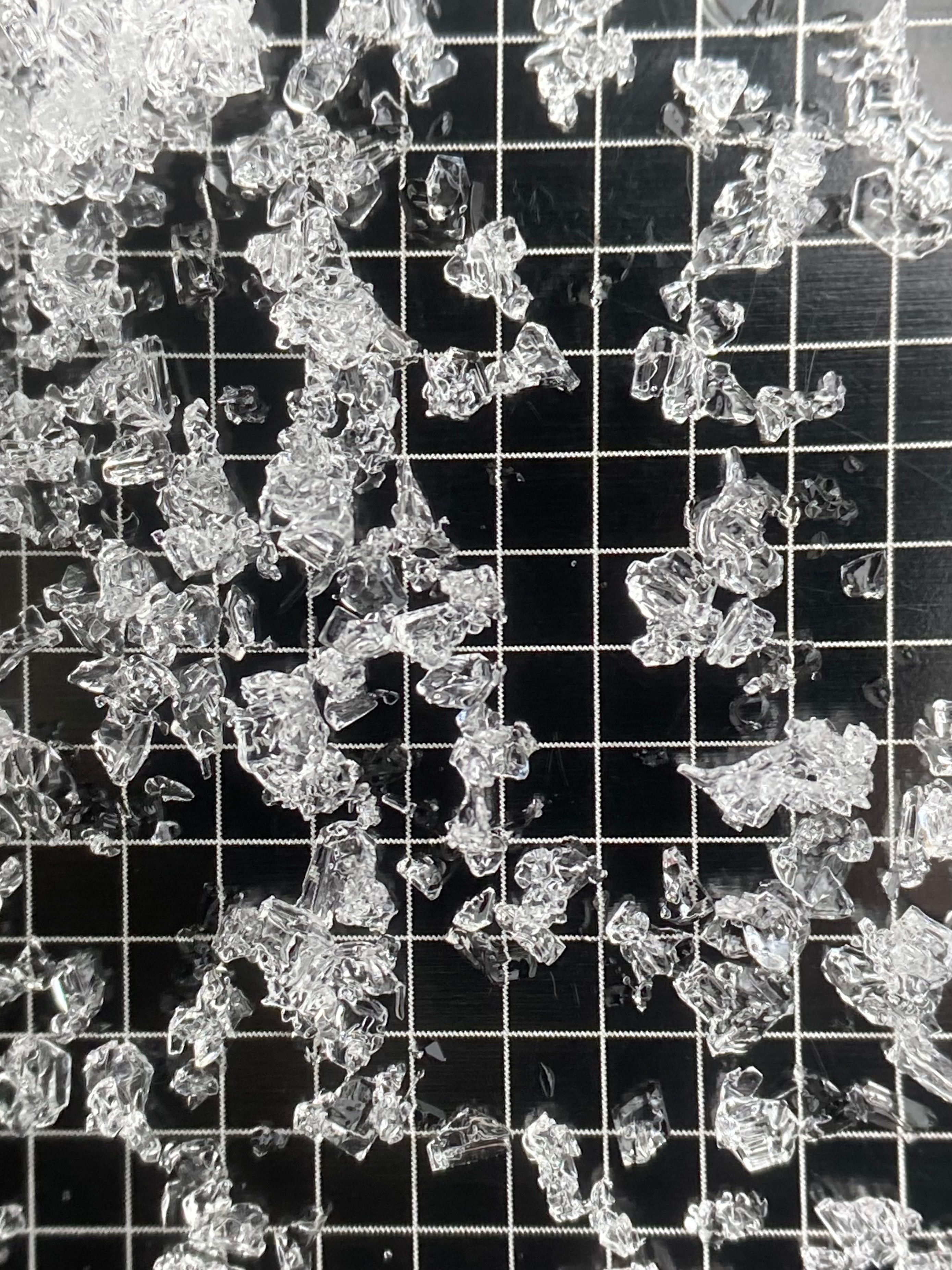
I dug pits on opposite aspects near my max elevation of 7100'. The pits were surprisingly similar. I found right-side-up layering above the 1/31 crust, where snow ranged from Fist-hard in the new snow at the top to 1 Finger above the 1/31 crust. Both pits had a thin crust beneath the previous night's snow, evidence of Friday's clear skies. Snow was well bonded to the crusts, and tilt tests didn't yield any failure planes. Extended column tests revealed no failures as well. Beneath the 1/31 crust, snow remained firm, pencil-hard, until softer 4-finger 2-3mm rounding facets were found near the bottom of the snowpack.
At 6100ft the 1/31 crust was thick, impossible to break through with my feet. Underlying layers that were previously faceted near the bottom of the snowpack were now melted and refrozen solid, at least pencil-hard.
At an even lower elevation of 5200ft, I jumped off my sled and was surprised that I was easily punching through the 1/31 crust. The crust was still thick but softer than the other higher-elevation areas, and snow was soft and faceted beneath the crust. The snowpack was very shallow here, only 1.5ft.