
Quick report
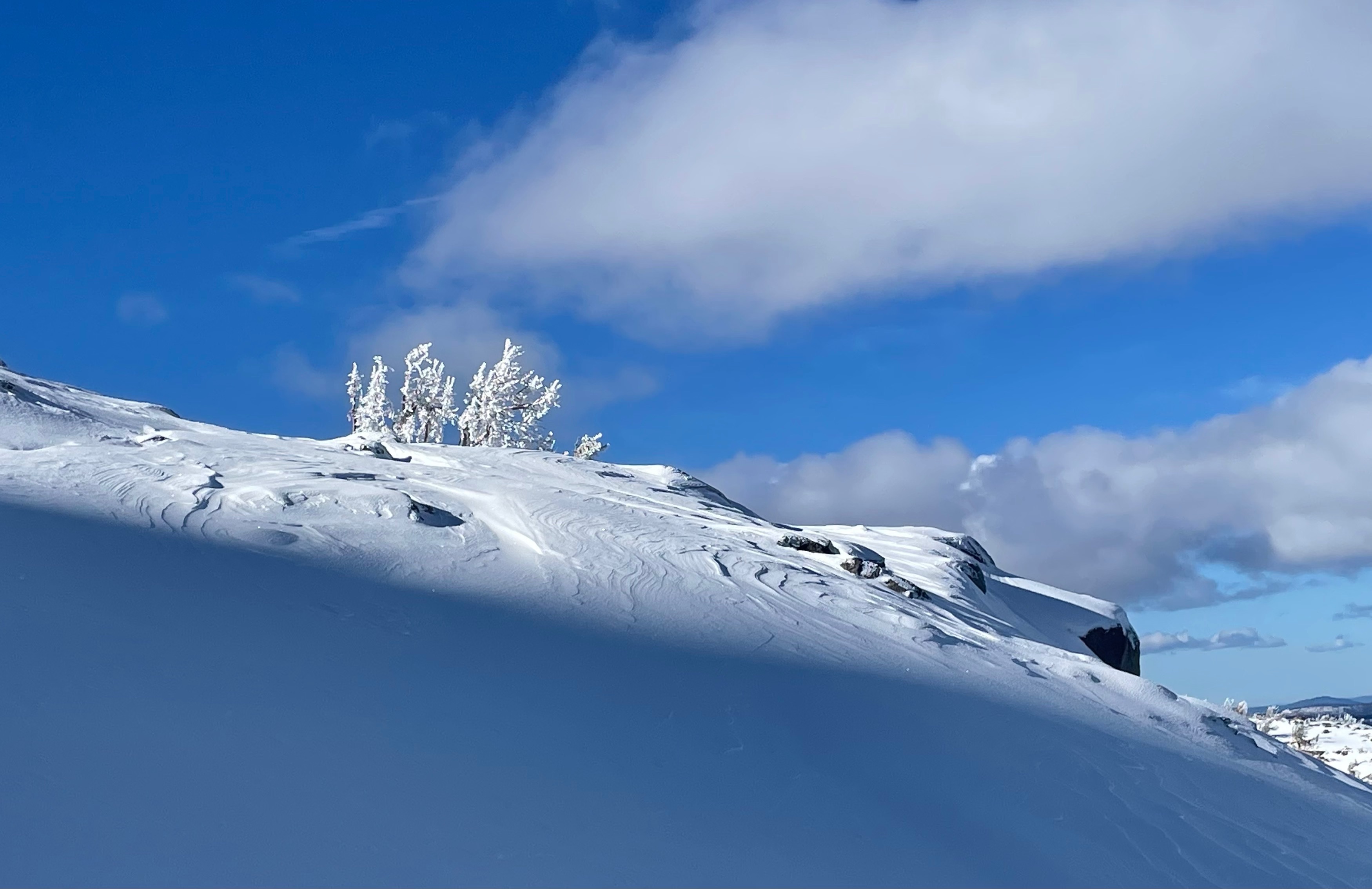
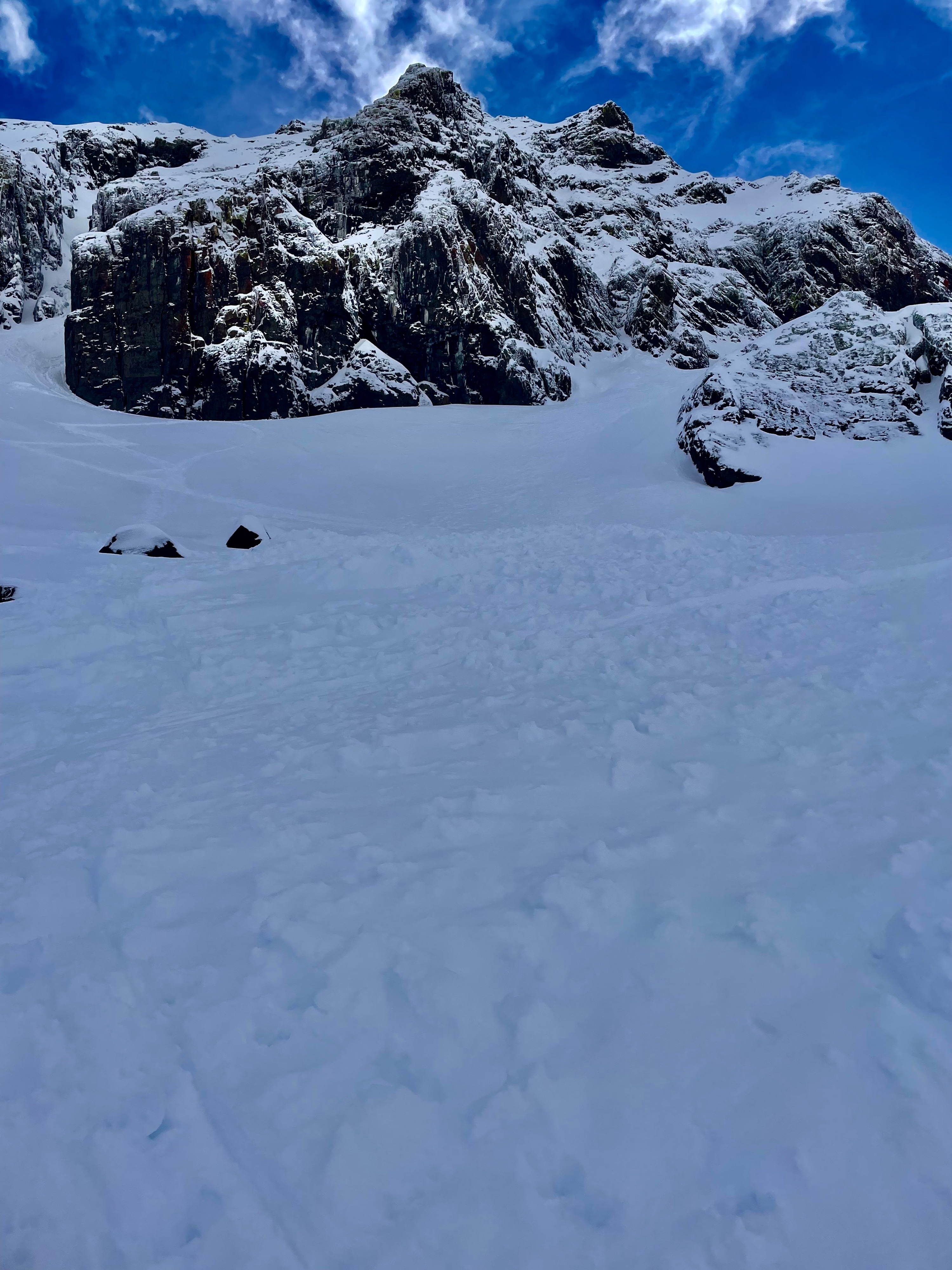
I was in this area on 12-18 and the overall coverage has imporved. There was ~30-35cm of new snow in this area and was mostly powder like conditions with the ocassional pockets of melt freeze crusts in the trees from drip edges of trees. There was widespread surface hoar forming in the trees and in the open fileds all the way up to 9700'. It was still intact by the end of the day on our way out. Meaning there wasn't enough wind or solar raditon to break it down while we were out there. There was some areas of wind effected snow in the upper elevations but an not abundant amount maybe stiffening the snow at times but no slab formation was observed. We did come across a couple of old debris piles; one had had fallen off the rocks next to the coliuor, we could see the remnants of a fracture up above but hard to really see to determine the cause. Another was off in the distance to the lookers left of the coliuor but the fracture was filled in with snow and was hard to determine the cause of that one as well. The riding conditions on the way down was enjoyable as the snow was supportable and soft above 8500'. There was still rocks showing but one could navigate around them as they presented themselves. There was no other signs of more recent avalanches in this area. All three of the Coliours had been skied off the summit of Round Top.
Weather
- Air Temp
- Below freezing
- Cloud Cover
- scattered
- Wind Loading
- none
- Recent Snowfall
- 0
A mostly blue bird day with a slight SW-W breeze when out of the trees. By the afternoon scattered cumlus clouds began to form throughout the area. Early on the day solar radition was melting snow of the trees in lower elevation causing some snow bombs but was not amplified ambient air tempertures.
Snowpack
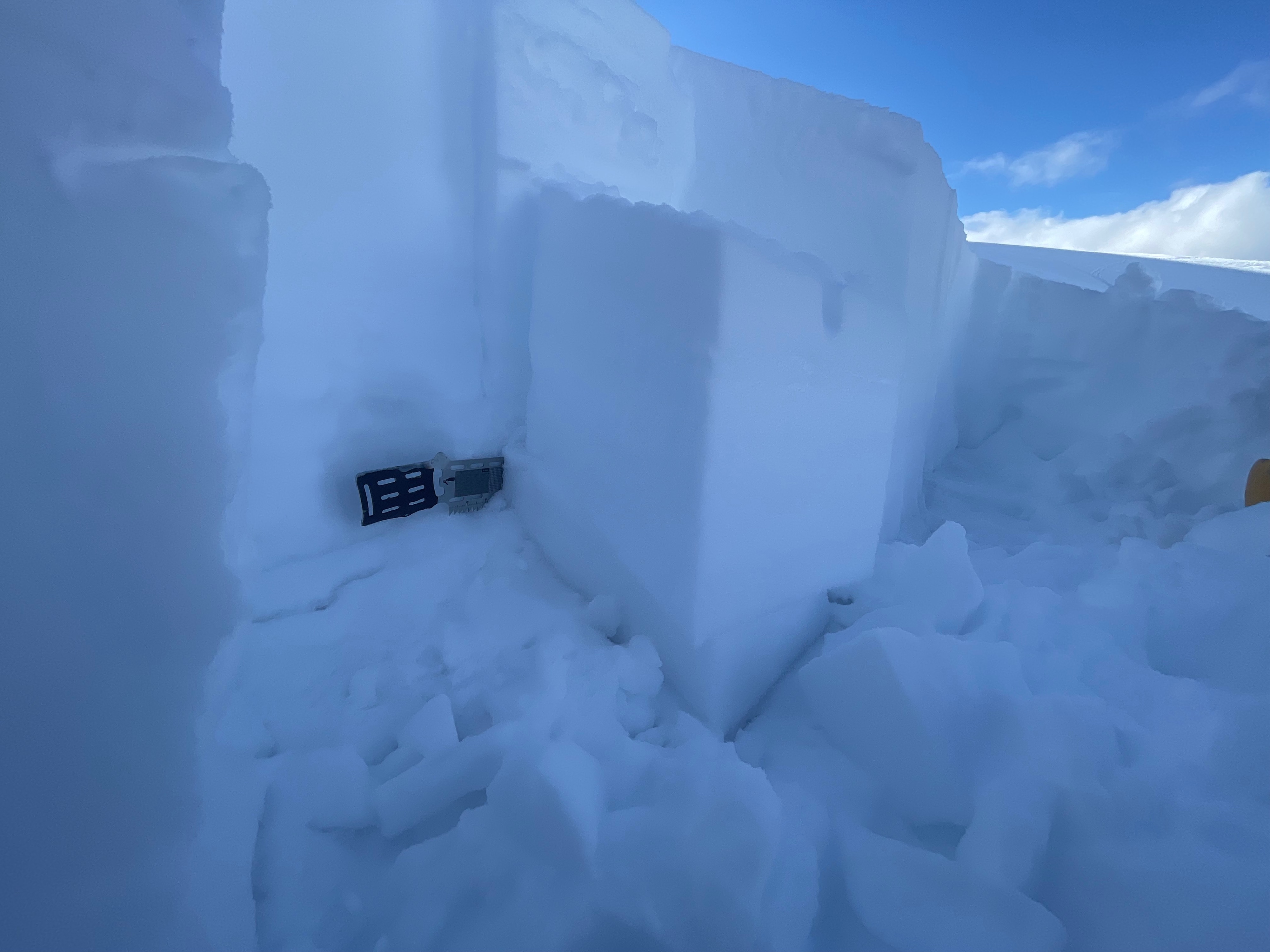
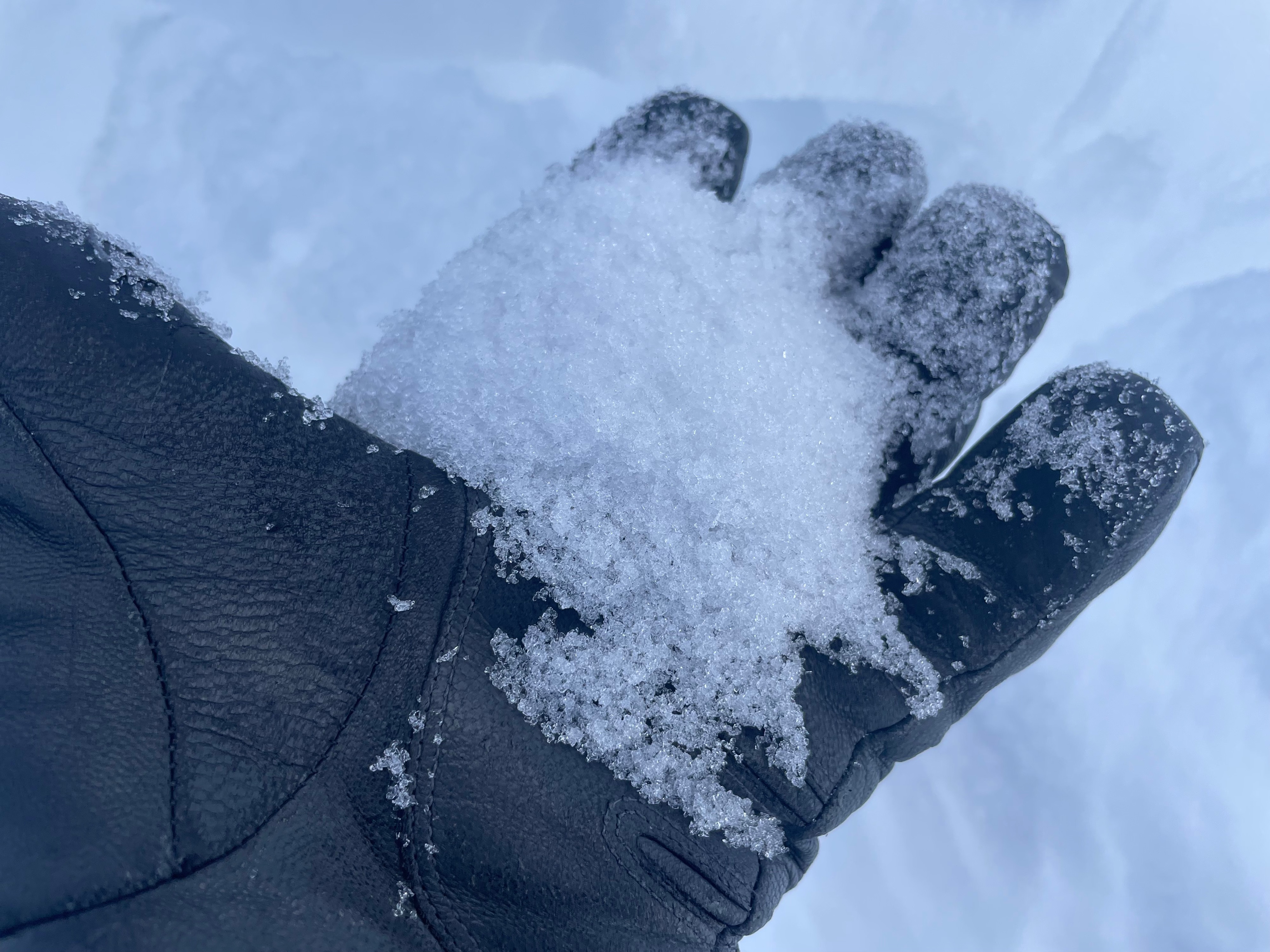
I stopped at two locations to dig pits to investigate the PWL within the snowpack. The first pit location was on a N aspect @ 9000'. This was an obvious wind loaded area that I choose with an HS of 145. There was a few rain crust within it and some facets at the bottom. The facets at the bottom had a sugary feel but was moist and compressible showing signs of gaining strength. My compression tests had no significant results within this pit.
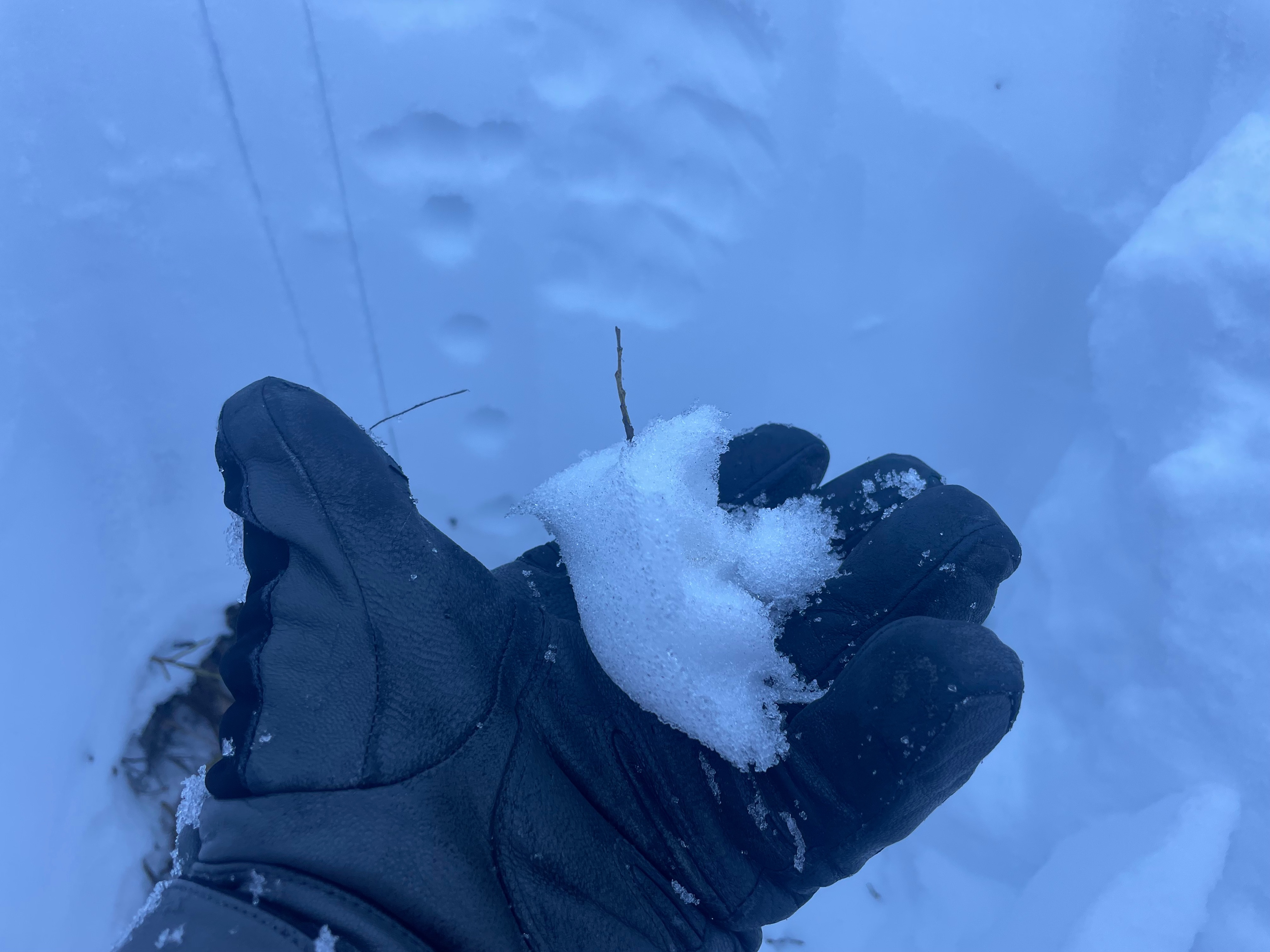
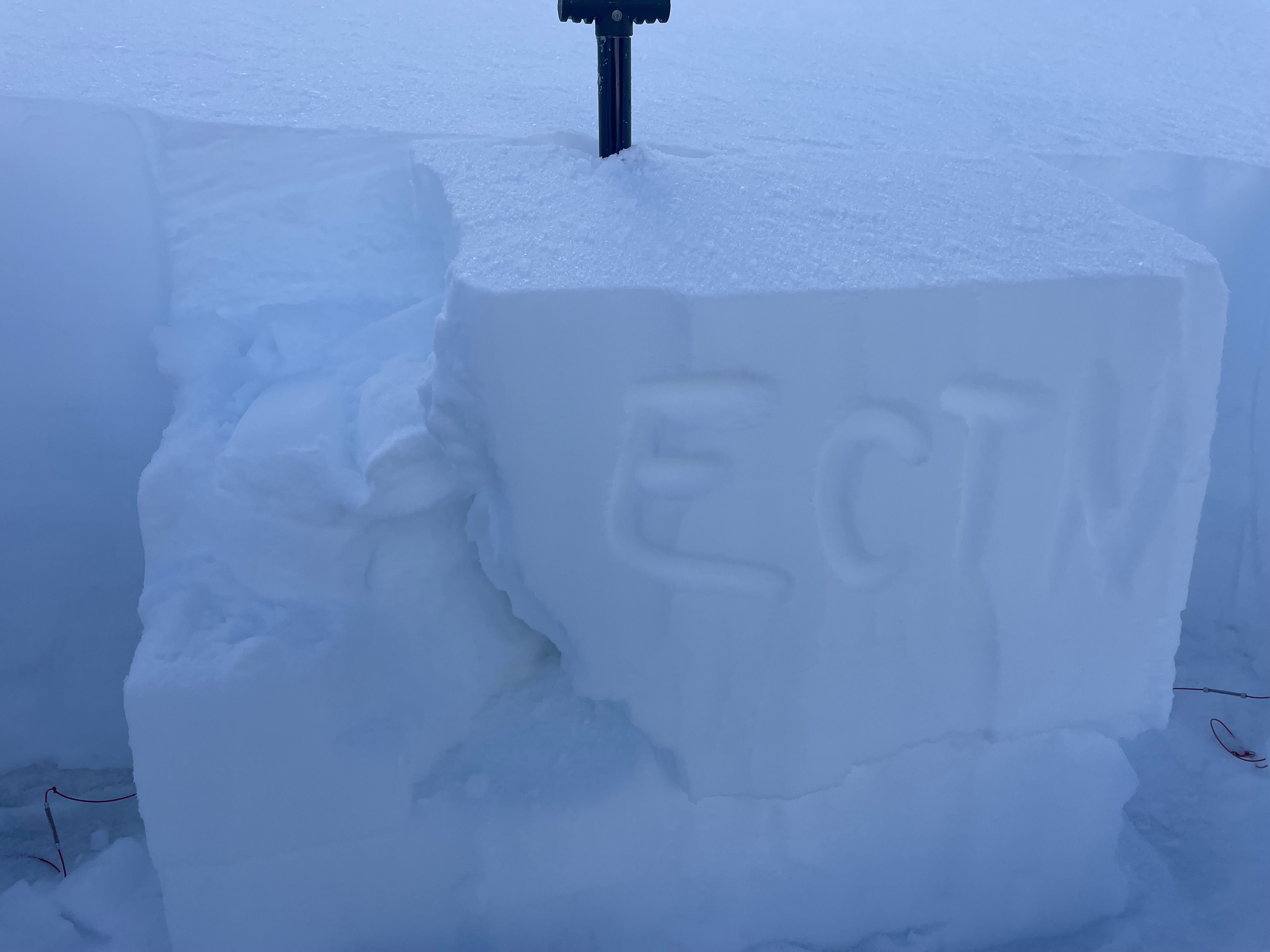
My second pit was on a N aspect at 9700' just adjacent to Cresent coliour. The HS was 65 cm with ~30cm of new snow on top. Below that was a couple rain crusts and facets. The DH was significantly different here as it was still sugary and loose and did not compress in the hand. With that said, the ground was covered in thick ice that is probably leftover snow from last season. The temperature graident at the interface is possibly effecting the preservation of the DH within this area. I did have resistant planar results above one of the ice crust @ 50cm down but only produce ECTN results. There was no faliure on the DH below that.