
Quick report
- Cracking
- isolated
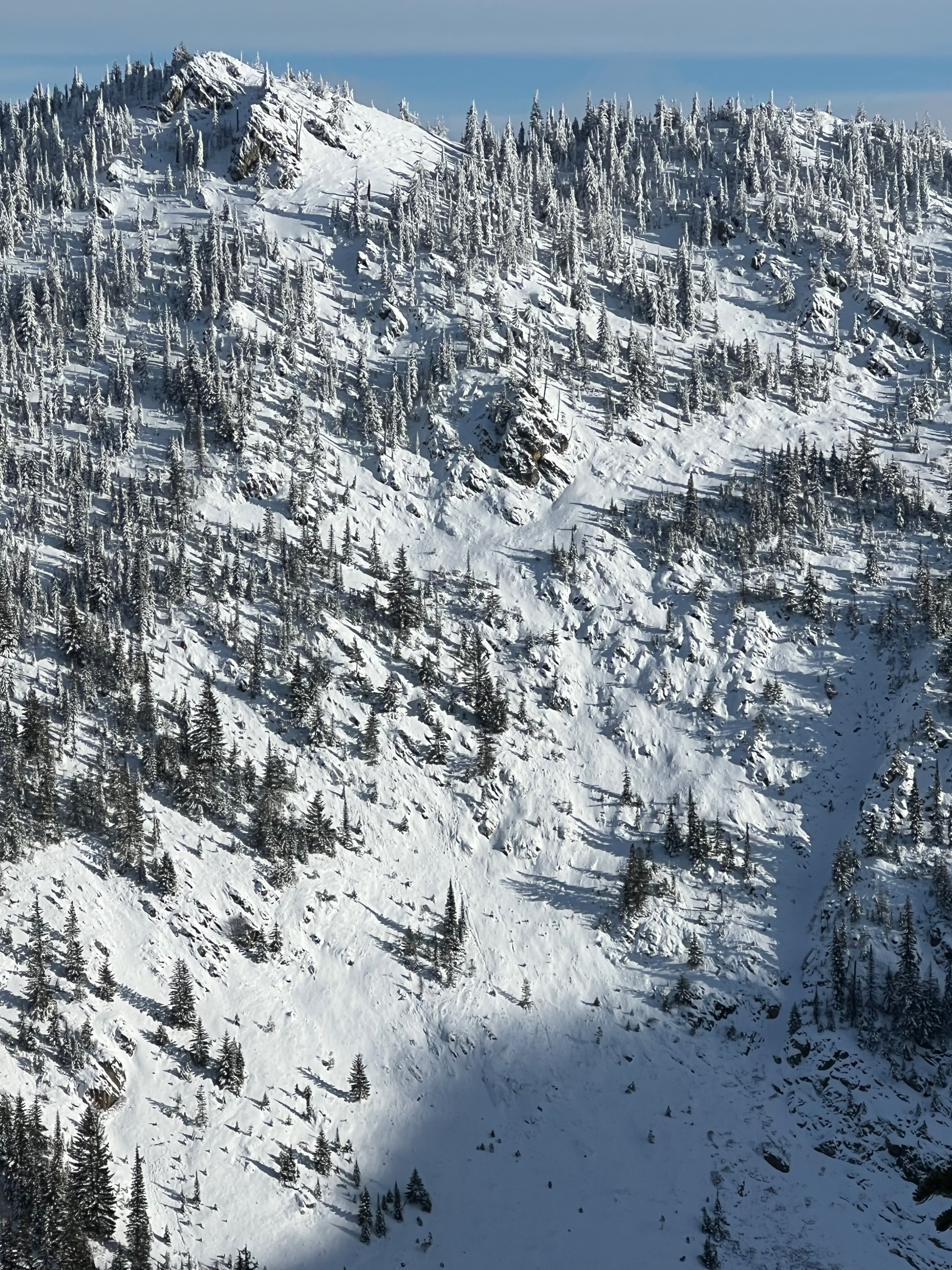
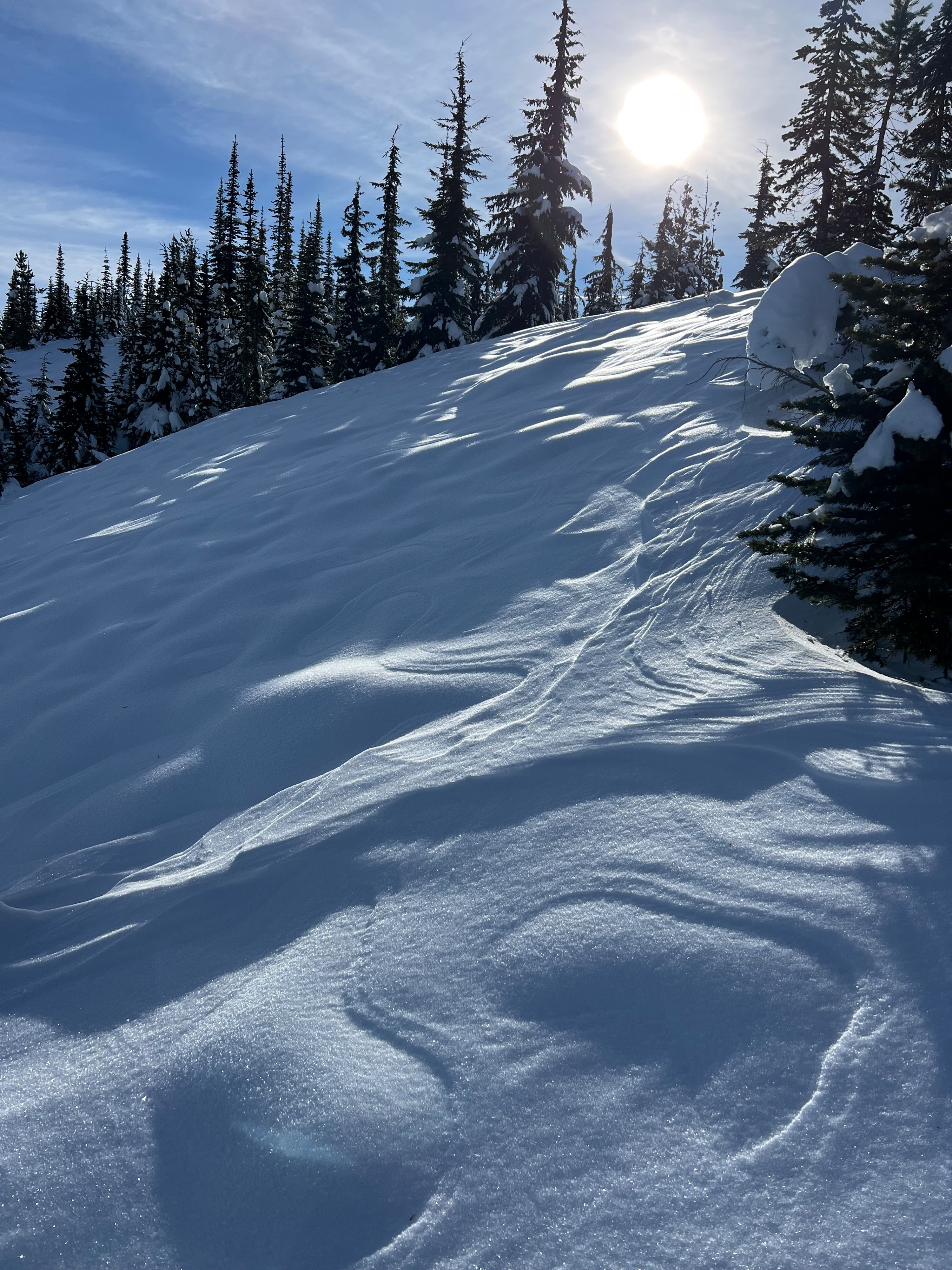
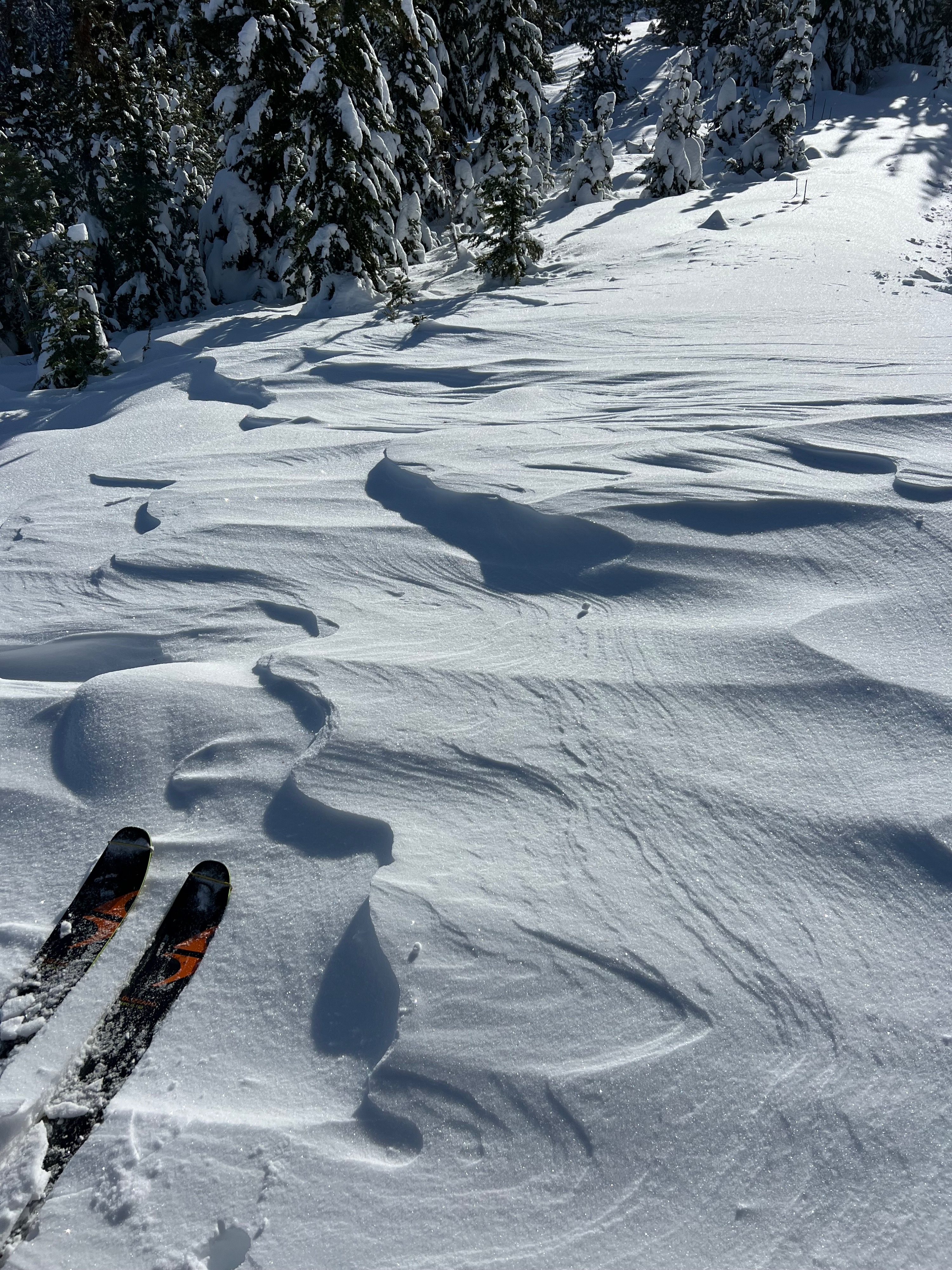
Shallow conditions exist at all elevations, but the snowpack near and above treeline is developing multiple layers. These layers consist of rotting old snow, low-density new snow, and layers of facets. Wind effect can be found on all aspects in open snowfields near and above tree line from the strong and shifting winds last week. Hard slabs that feel very dense near the surface but are sitting on low-density soft snow can be found directly below ridge lines.
Cracking observed in wind-drifted snow below ridgelines. The majority of cracking happened around our skis, but extended as far as 4 to 5 feet in front, in pockets where the wind formed new hard slabs.Weather
- Air Temp
- 20
- Cloud Cover
- few
- Wind Loading
- previous
- Rain Elevation
- not observed
- Recent Snowfall
- 24
- Snow Avail For Transport
- moderate amounts
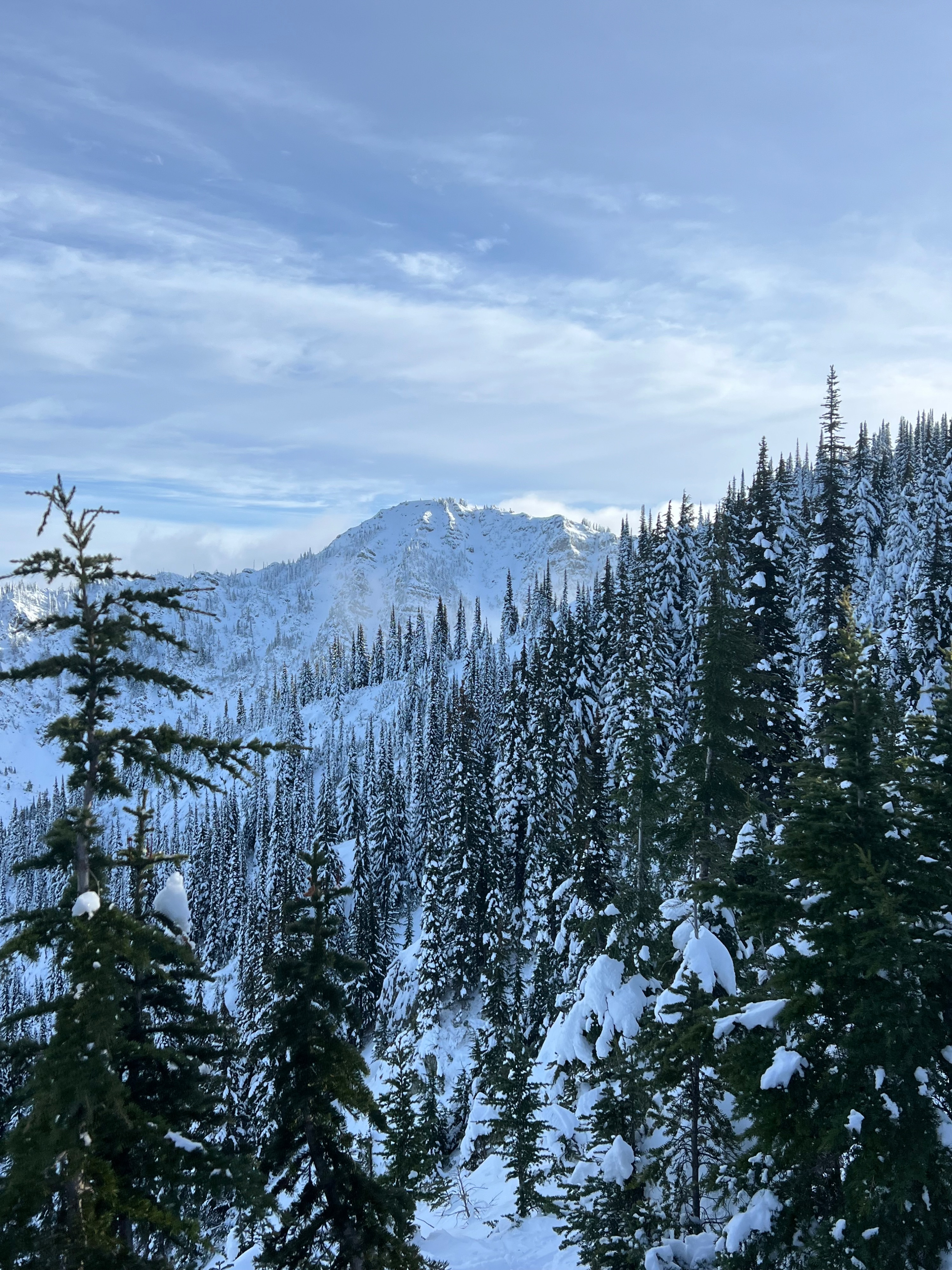
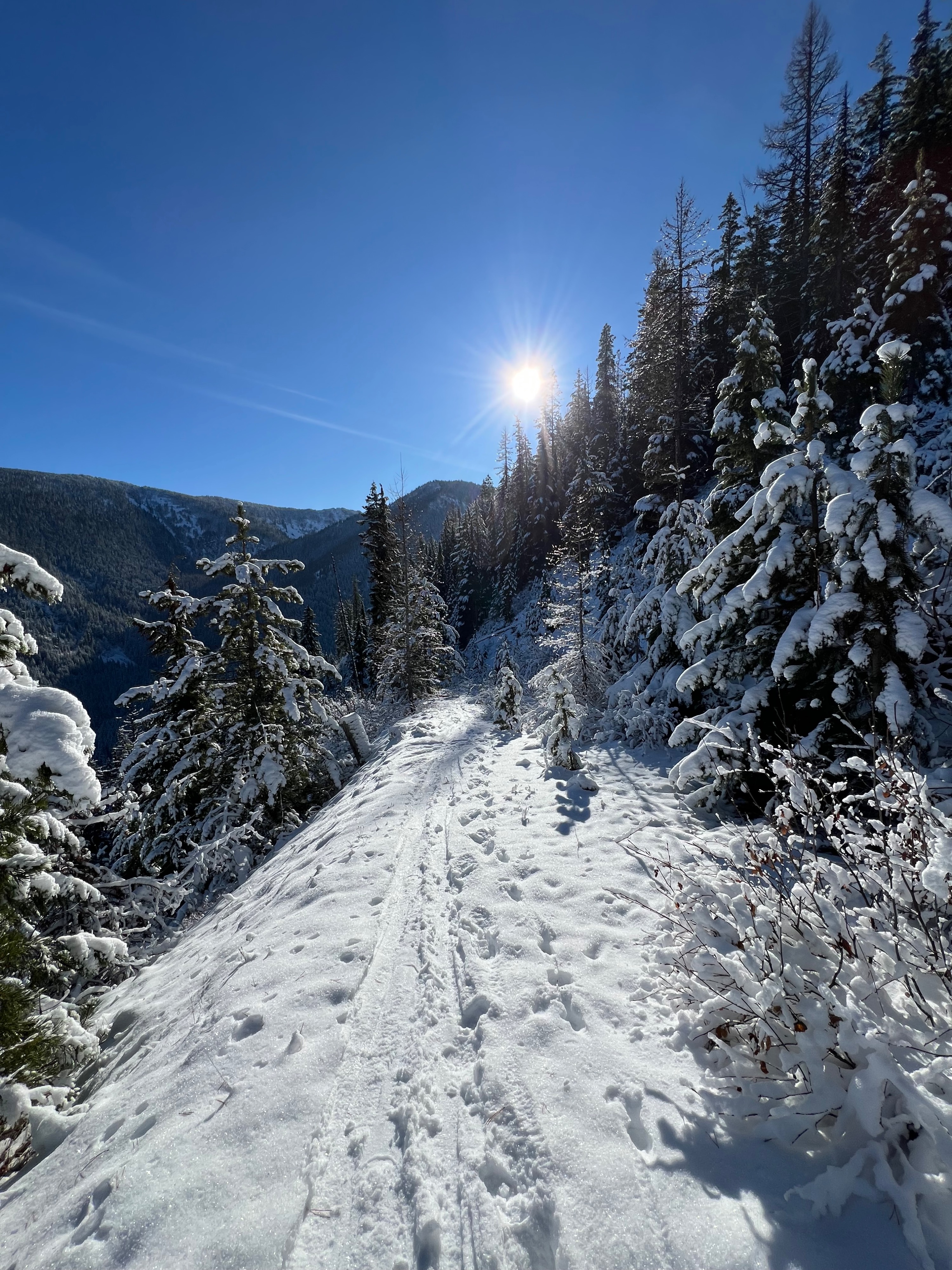
Few clouds and bluebird in the morning, transitioning to broken skies by the evening. Cold, temps in the low 20s with light winds.
Snowpack
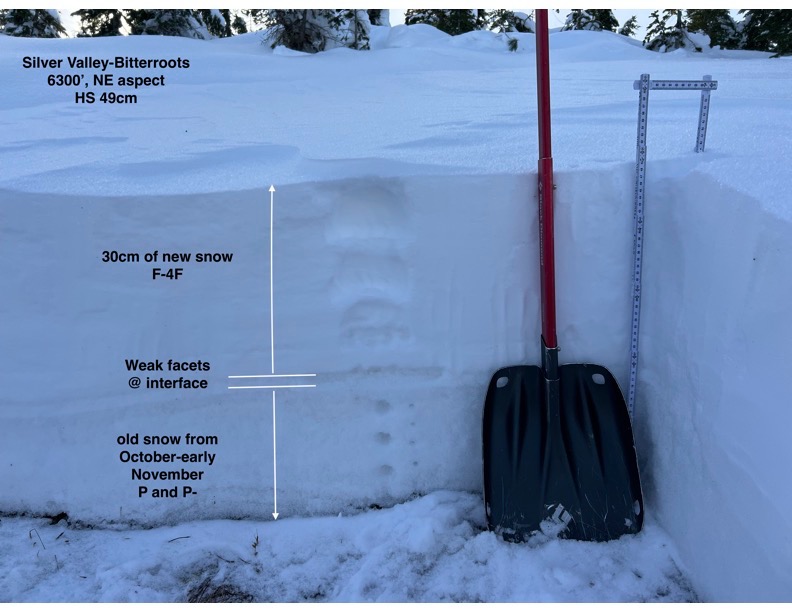
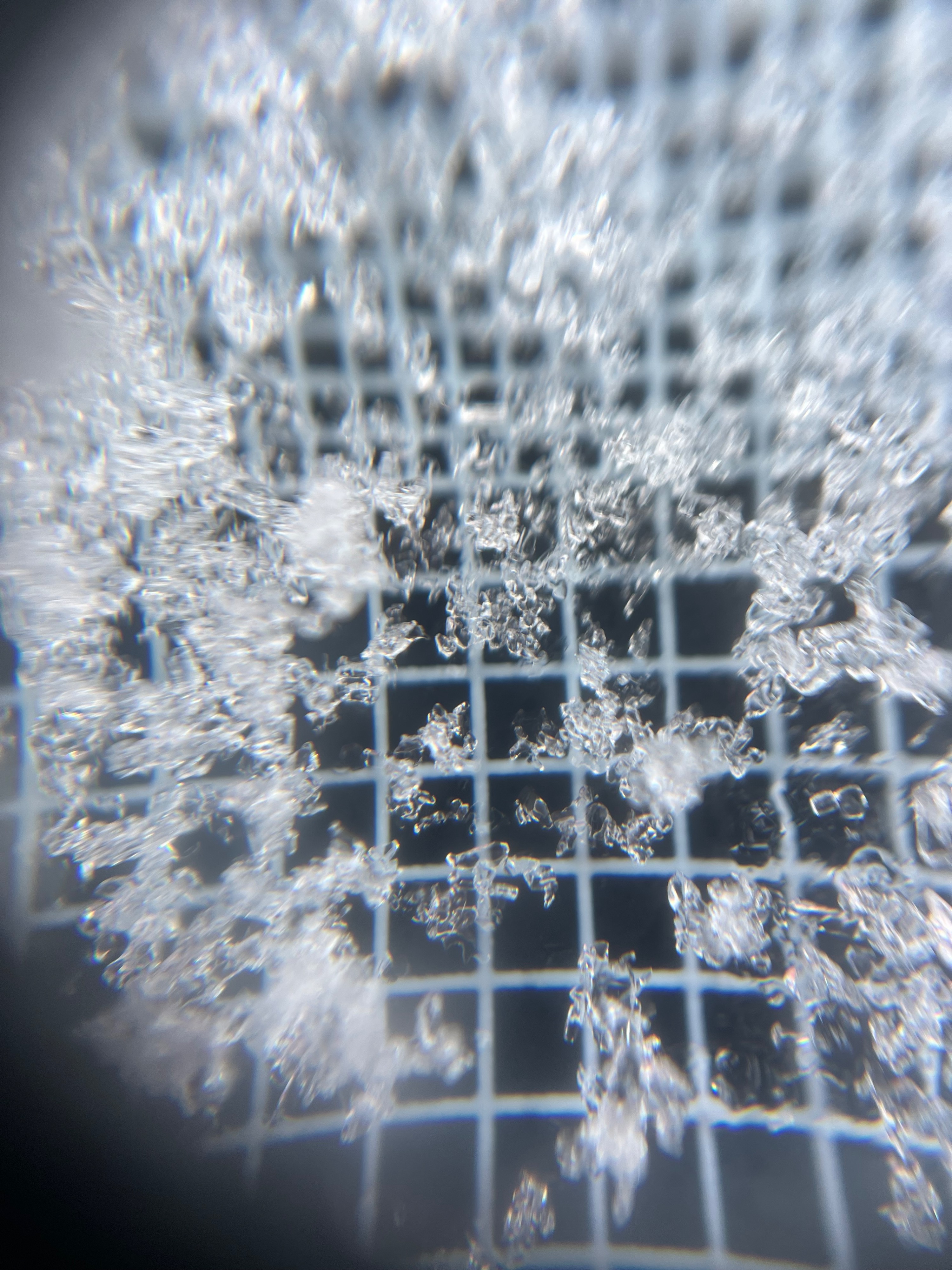
The snowpack is very thin below treeline, but gains depth with elevation, with a noticeable change around 5500'. The snowpack can be characterized into two types: slopes with old snow from October-early November and slopes without it. Because of rain and warm temperatures, the old snow mostly persisted in protected pockets on north through east-facing aspects above 6000'. On west and south aspects that receive more solar input, the early-season snow was obliterated. Because the old snow was so shallow, it became fully saturated. Thanks to recent sustained cold temperatures, the previously saturated snow is refreezing and becoming firm. As moisture moves up through the shallow pack, faceting is developing from top to bottom. Advanced facets are forming right at the new and old snow interface, and the snow is becoming very weak. The most recent new snow on top is still light and low density, but starting to develop some cohesion. As more snow and weight is added, the facets at the new/old snow interface will be a layer to keep an eye on, as it continues to weaken and becomes more likely to fail with more weight and stress added to it.
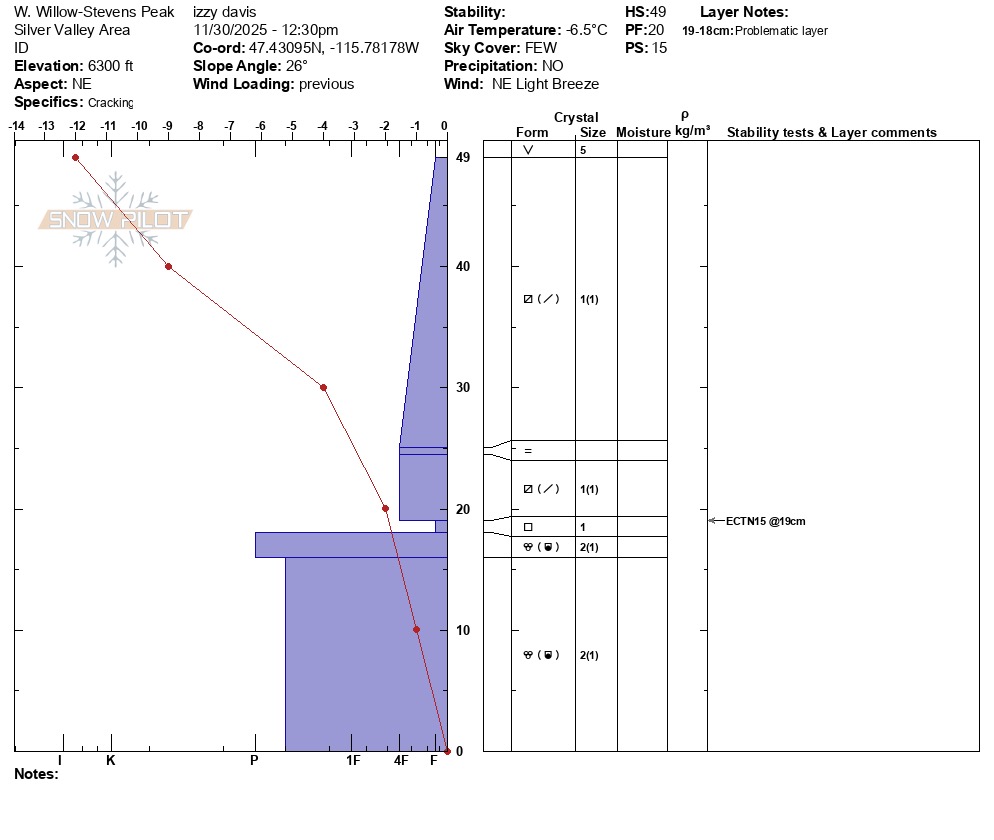
At 6300' on a north/east facing aspect near ridge line, the height of snow was 49cm. The lower 19cm consisted of P and P- old snow, and the upper 30cm was F-4F new snow. A 1cm thick layer of weak F hard facets has developed at the interface.
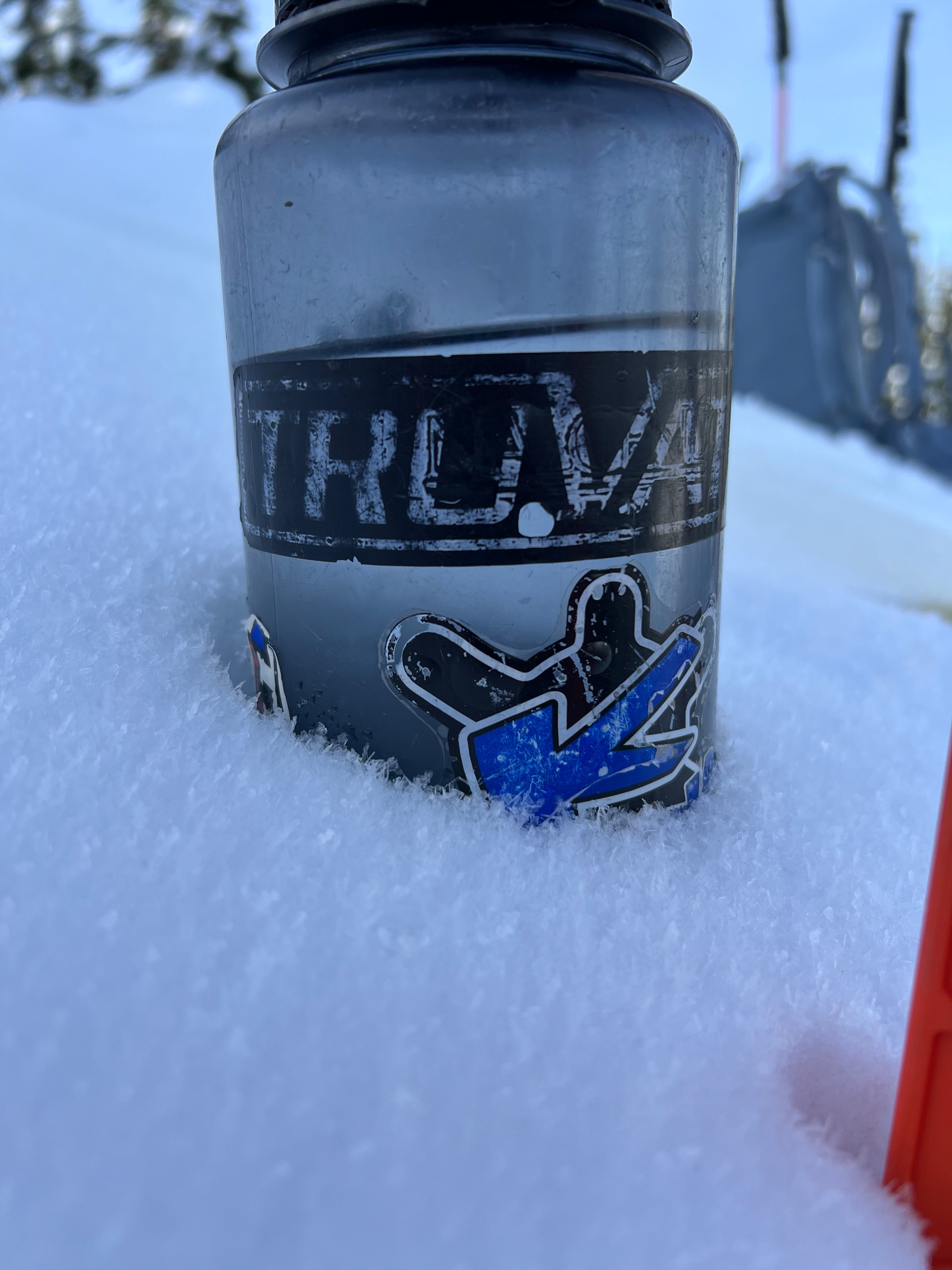
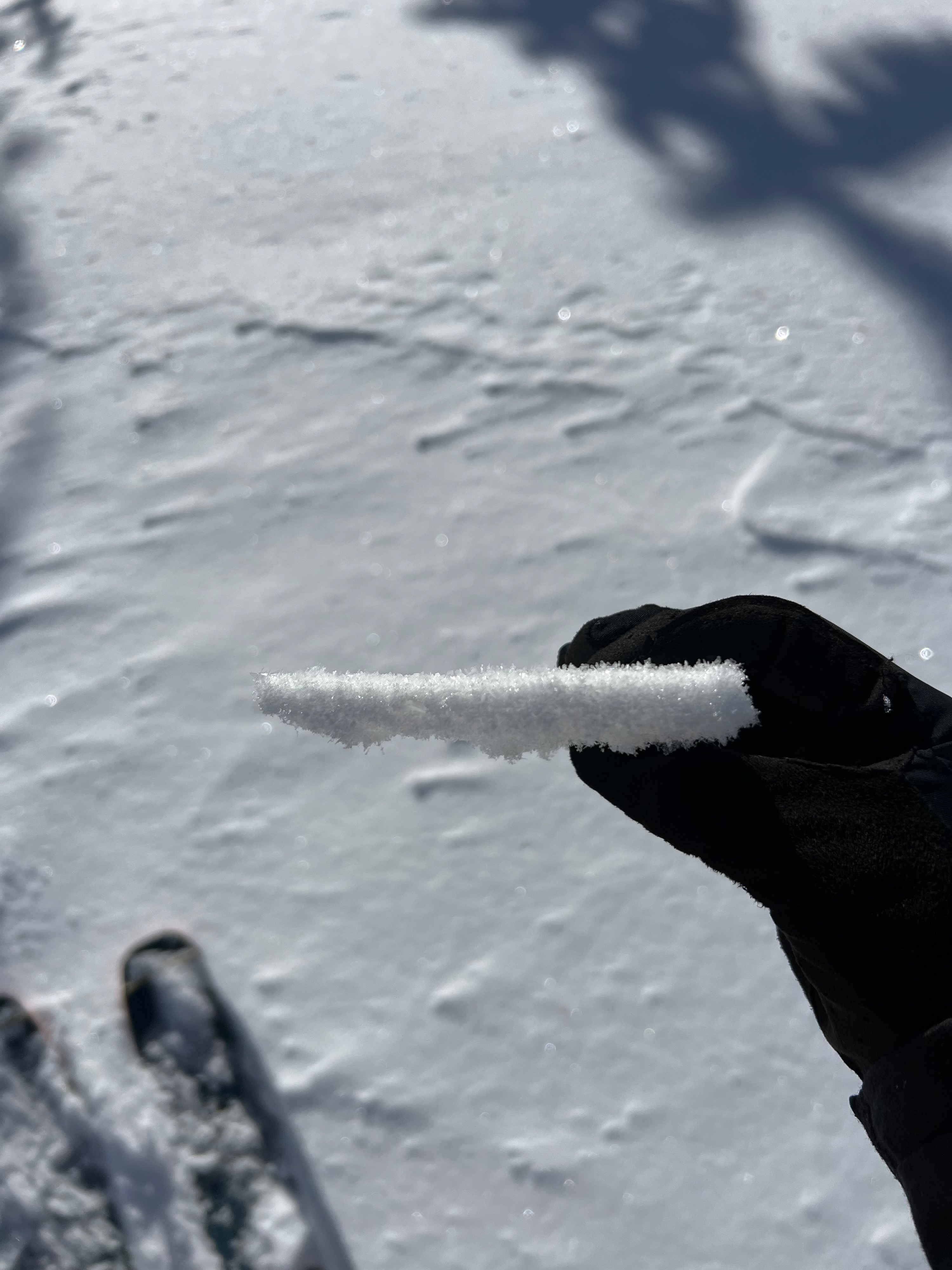
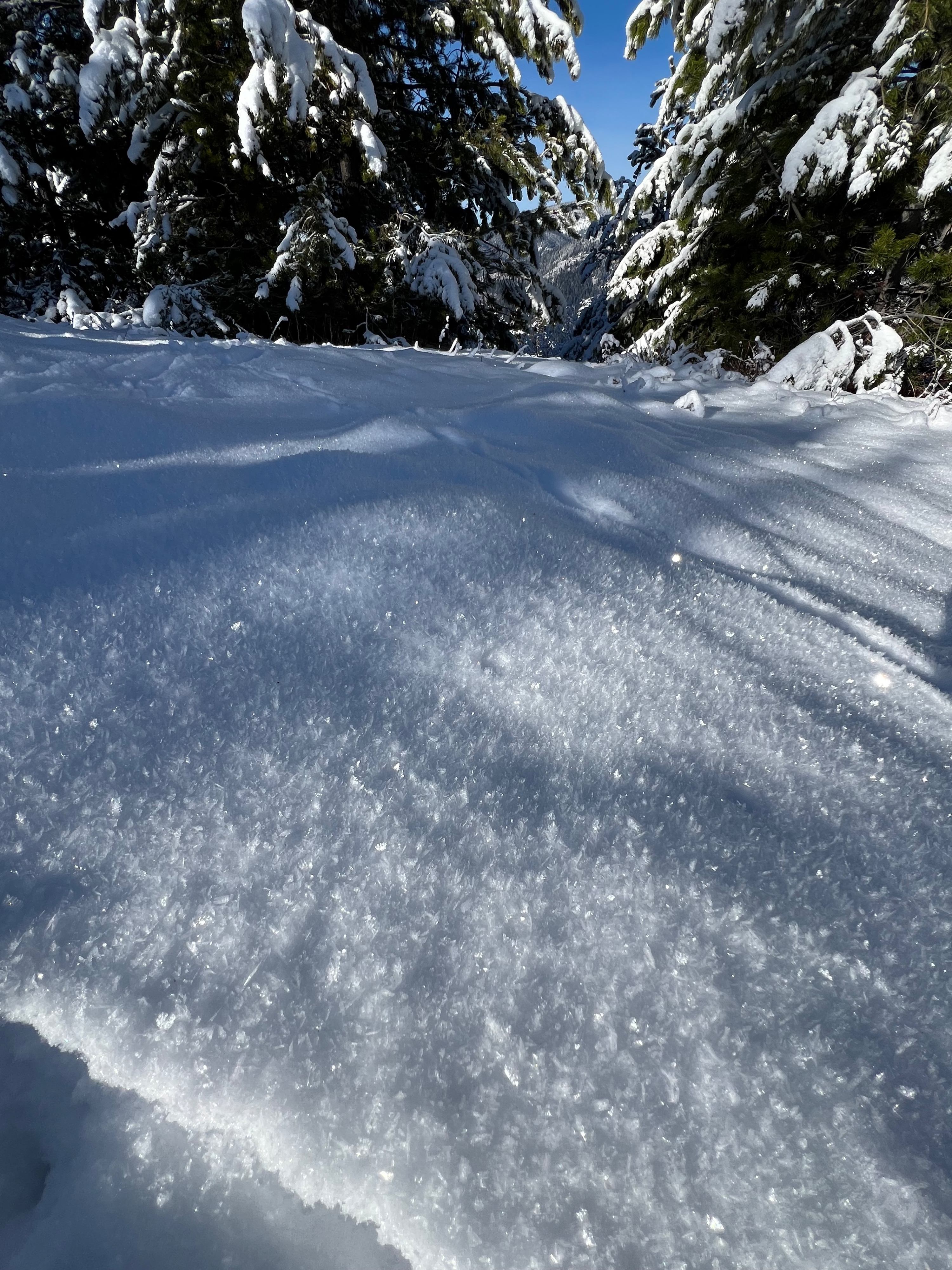
Surface hoar was observed from 4000'-6400' (Top elevation I reached). Surface hoar was largest in shaded areas around 4500'-5500', measuring .5cm. At upper elevations, the distribution of the surface hoar was more patchy.
Avalanche
None observed.