
Quick report
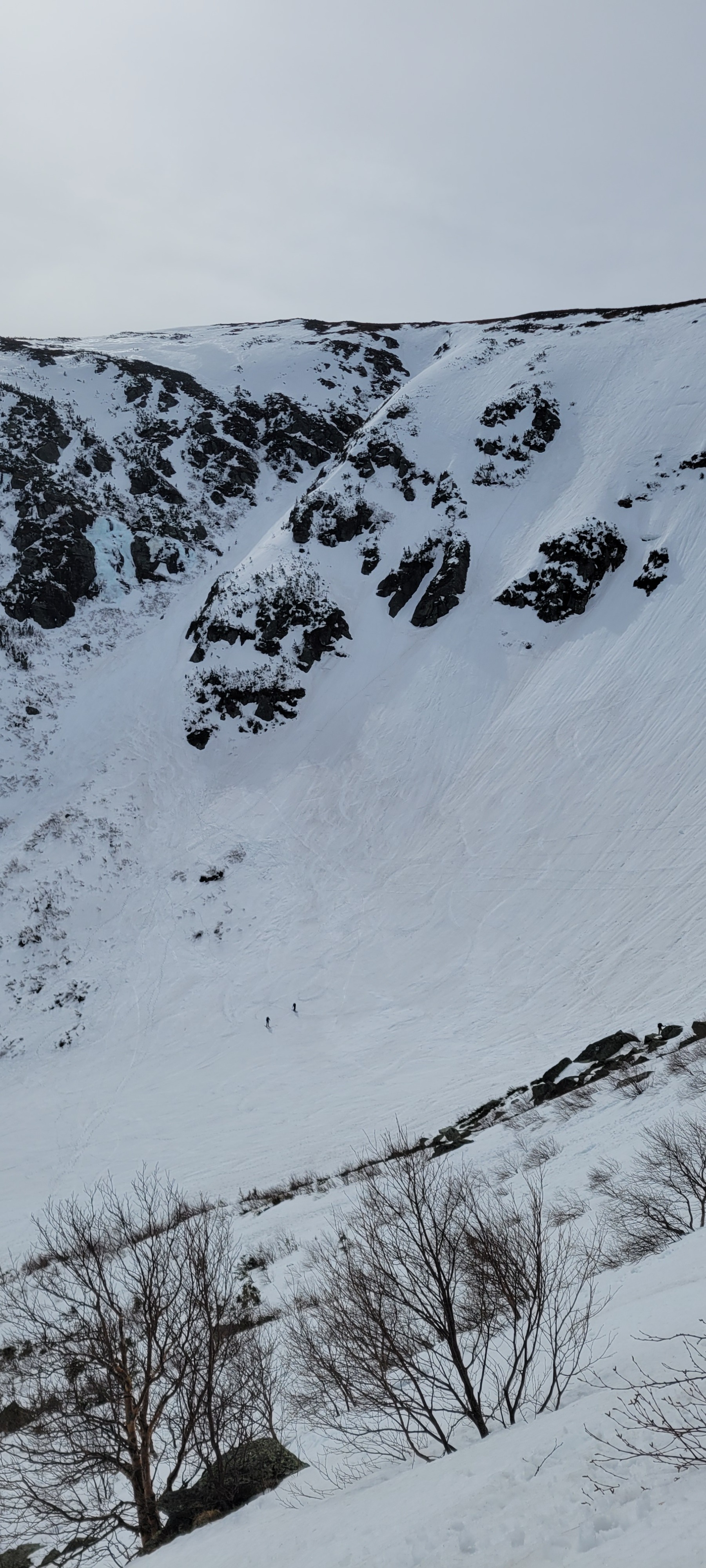
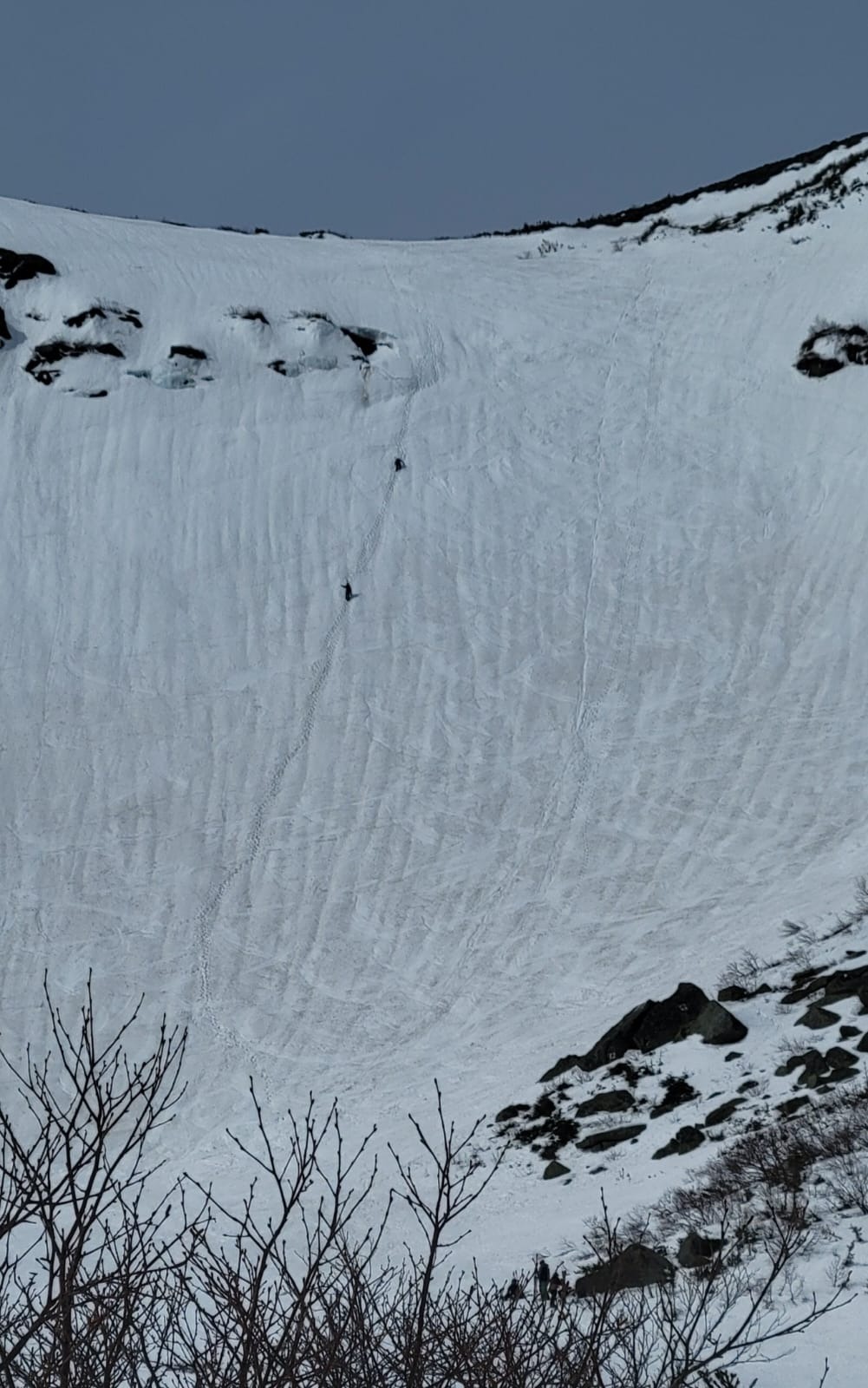
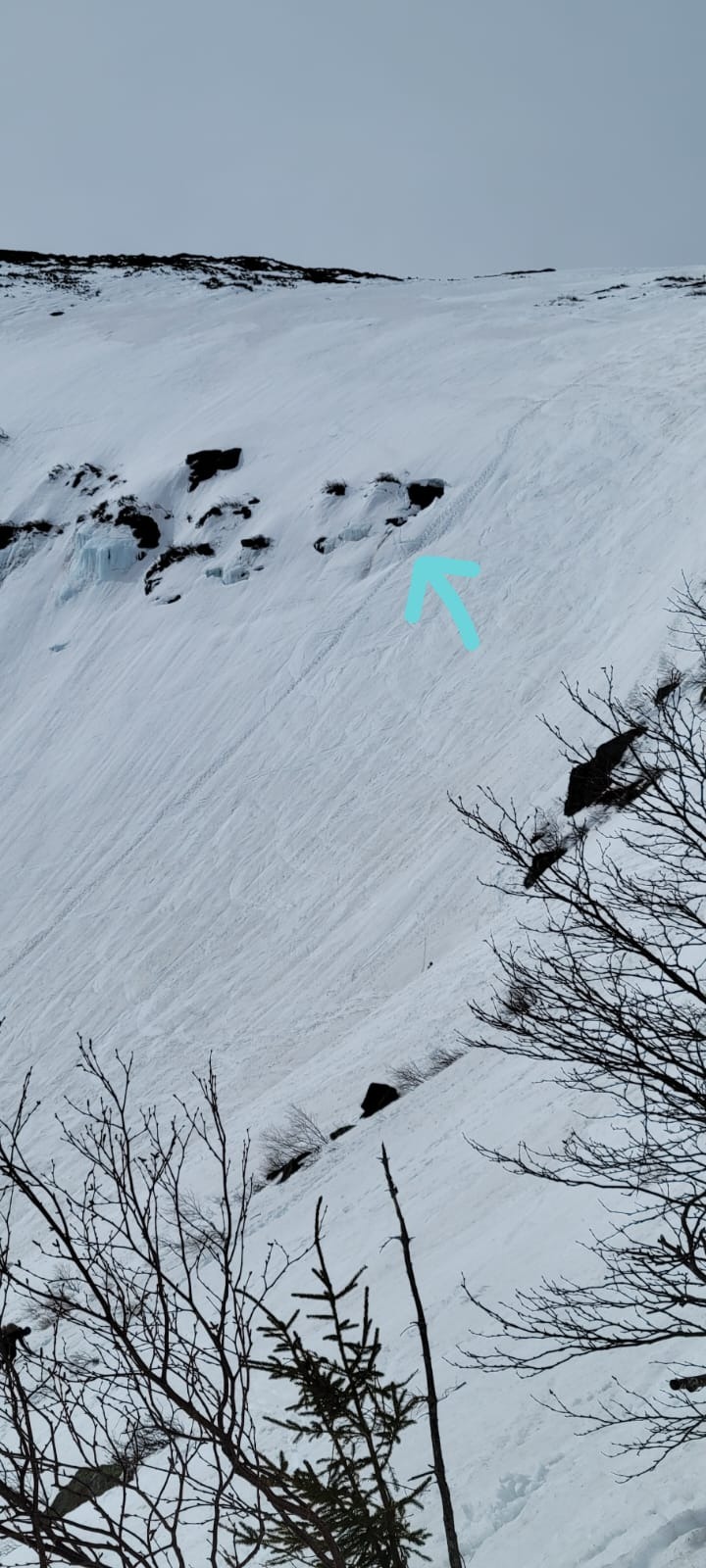
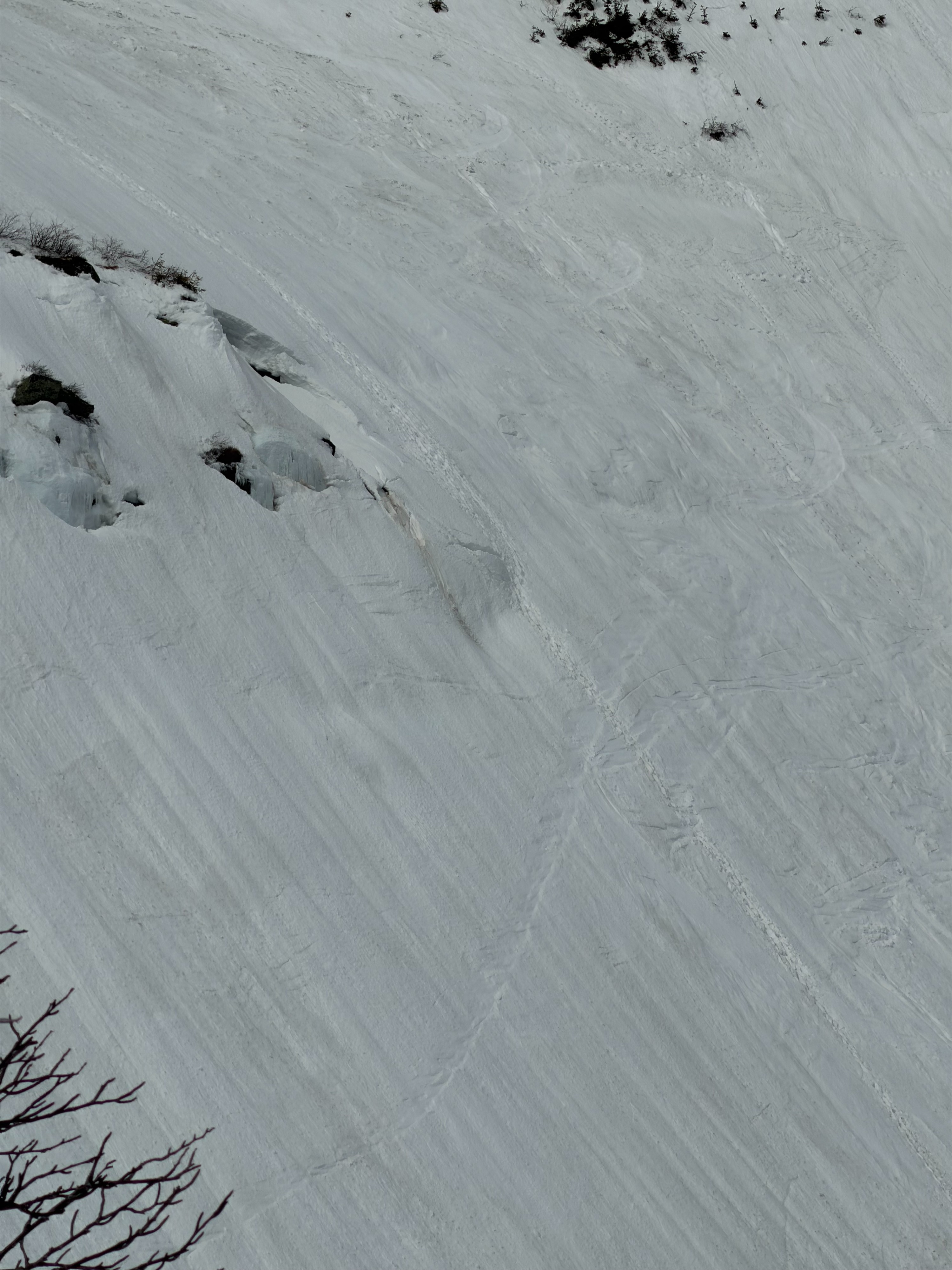
Tuckerman Ravine, like much of the Presidential Range, has lost a significant amount of snow from the ½ inch of rain followed by well above average temperatures with minimal freezing overnight. Spring-like hazards are becoming more apparent. Snow bridging over running water is beginning to sag and become concave, which will likely collapse soon with warmer temperatures, or additional rain. People were out and about today in every gully making overhead hazards constant, in addition to potential ice fall.
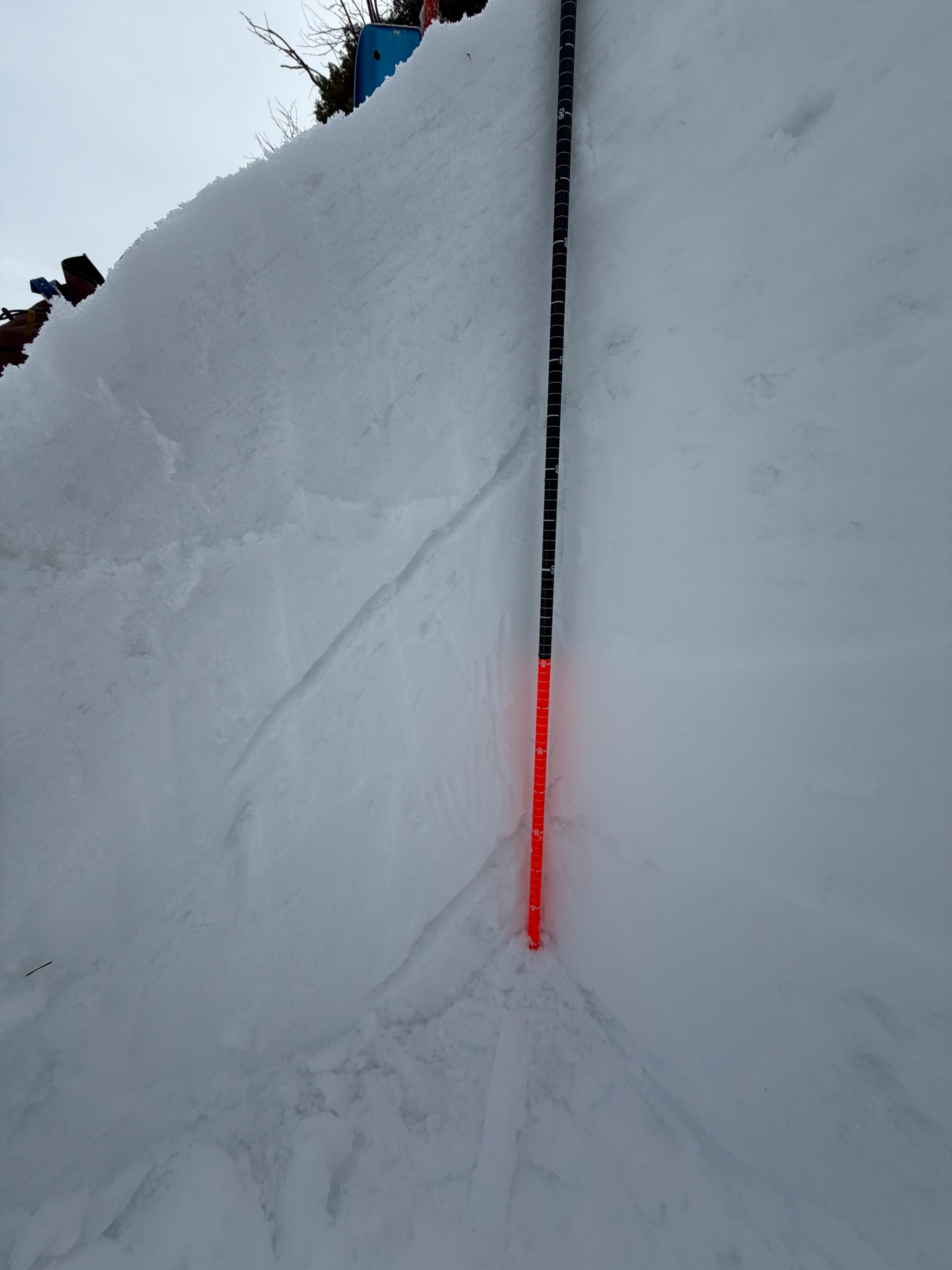
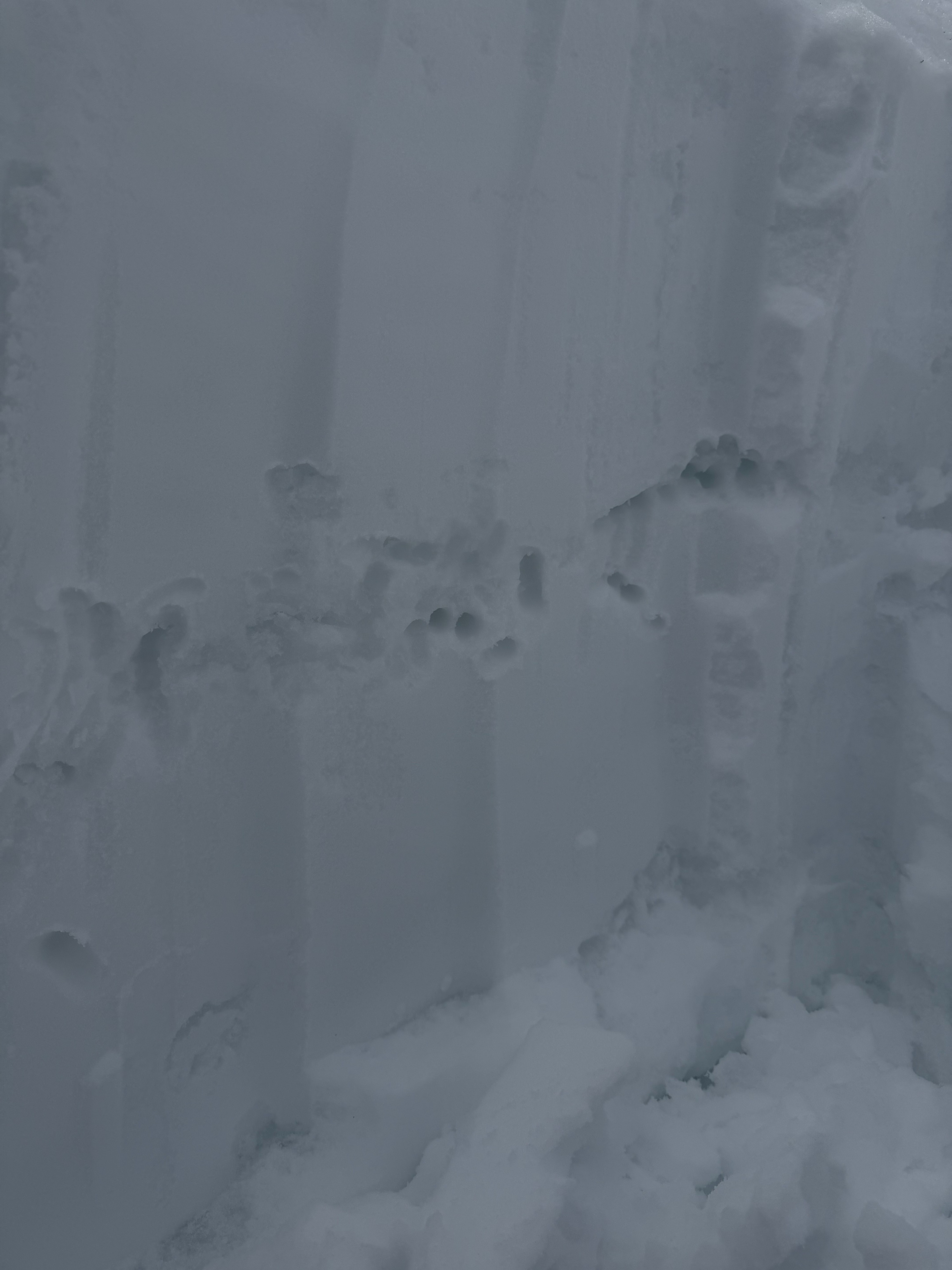
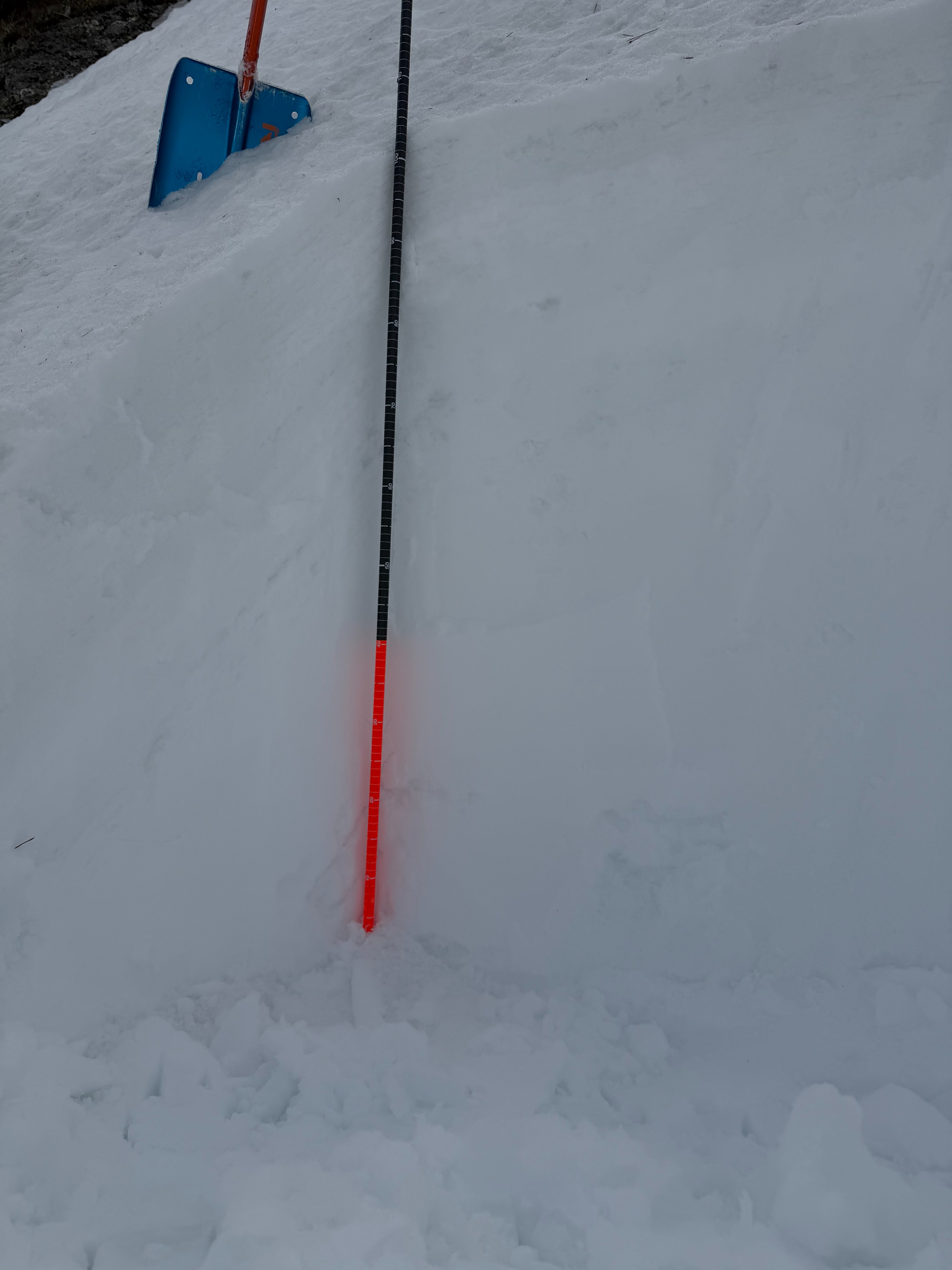
We traveled through Tuckerman Ravine today and dug pits in 3 locations to see how rain and snow melt is moving through the snowpack. In multiple locations, water has moved through the upper snowpack and was found pooling around crusts about 30-40cm down. The snowpack was rotten and punchy in areas, particularly around rocks and shrubs.
While travel today felt mostly supportable and stable, the presence of free water pooling on buried crust layers stood out as a concern and something to keep an eye on as warming continues and/or if additional rain is added to the snowpack before a significant freeze cycle.
No signs of instability were observed.Weather
- Air Temp
- 45
- Cloud Cover
- broken
- Wind Loading
- none
- Snow Avail For Transport
- none
Broken skies with periods of sun. Winds out of the west with strong gusts. Warm temperatures rising into the 40s F.
Snowpack
Wet slabs 30 - 50 cm thick were observed across the terrain sitting on top of an old melt-freeze crust.
In the upper meter of the snowpack, multiple crust layers were found intact, dating back as far as January 10th. An upper crust layer was generally buried 30 - 40 cm below the surface and in multiple locations, water moving through the snowpack was running and pooling on this layer.
While the snow below this first crust layer was moist, it had not yet been touched by free-water draining through the snowpack. This "breakthrough" into the deeper layers of snow was just starting to occur.
Formal stability tests yielded no results. When pulling the isolated column with a shovel, it took a significant amount of force to get a failure on the block. When it did fail, it was generally smooth, wet, and planar.
The structure of the snowpack with pooling melt water was concerning to see, though it did feel stable today. If significant warming or rain add more water into the snowpack,i t wouldn't be surprising to see an isolated but large avalanche on one of these buried crusts.