
Quick report
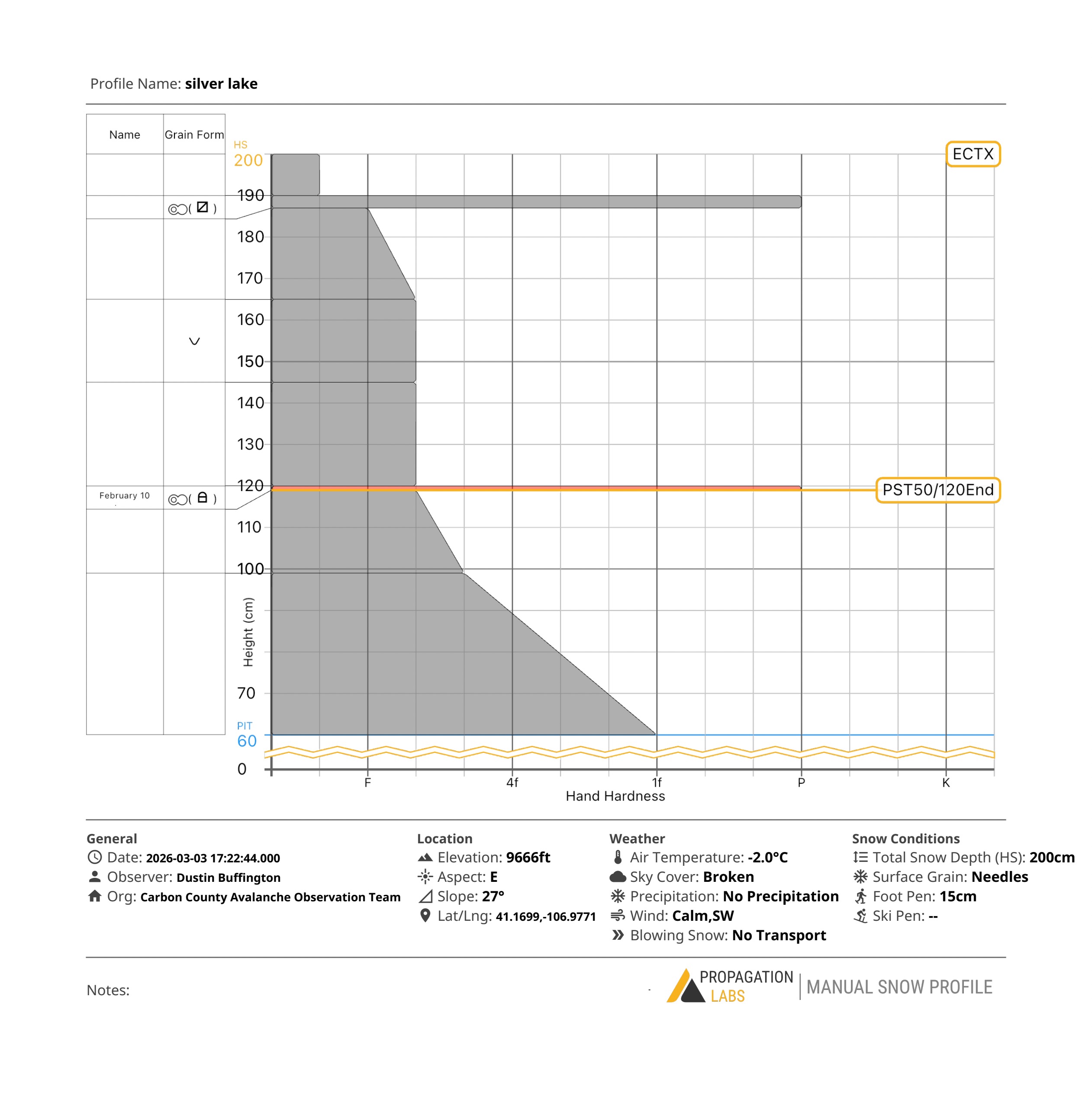
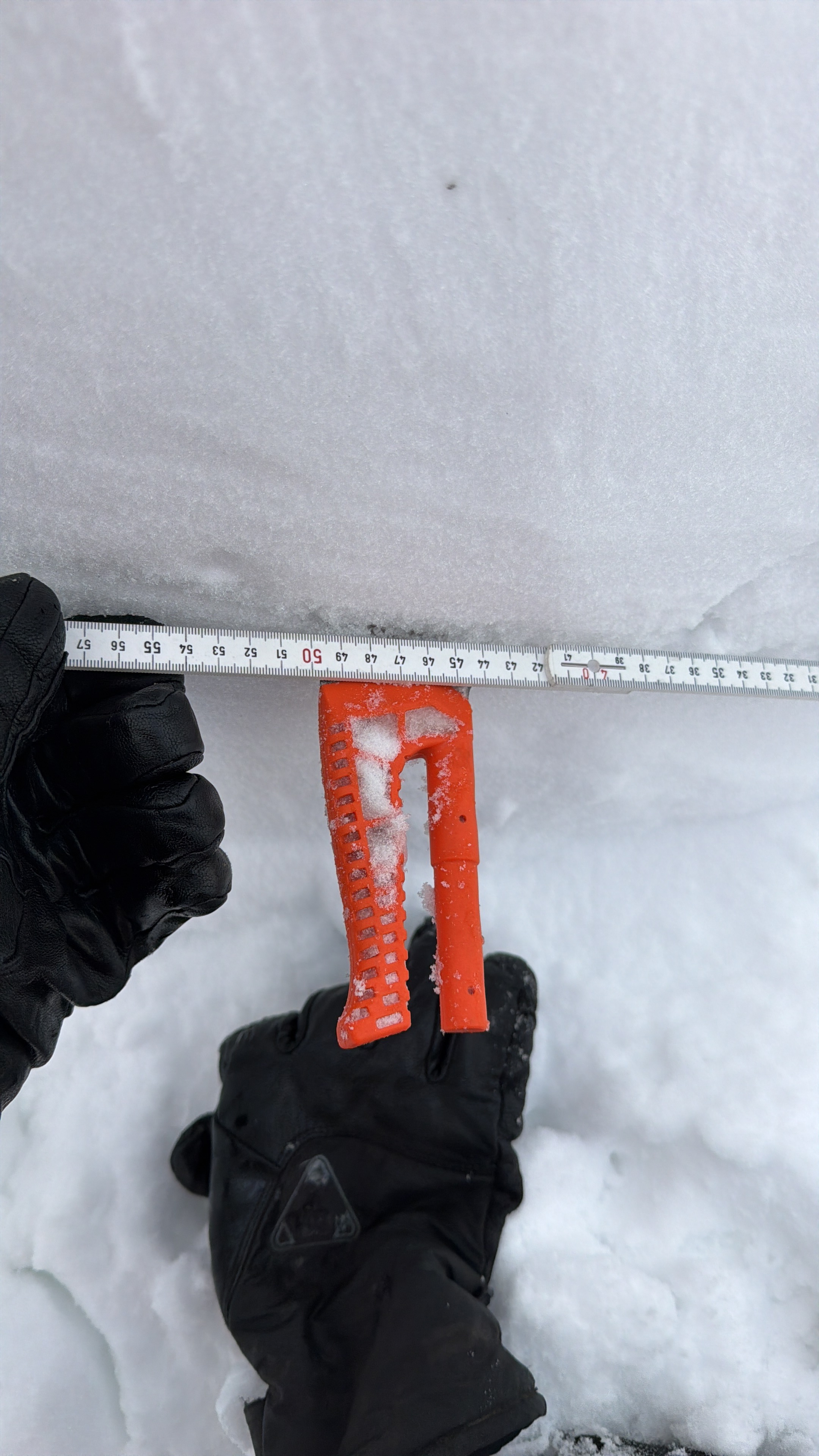
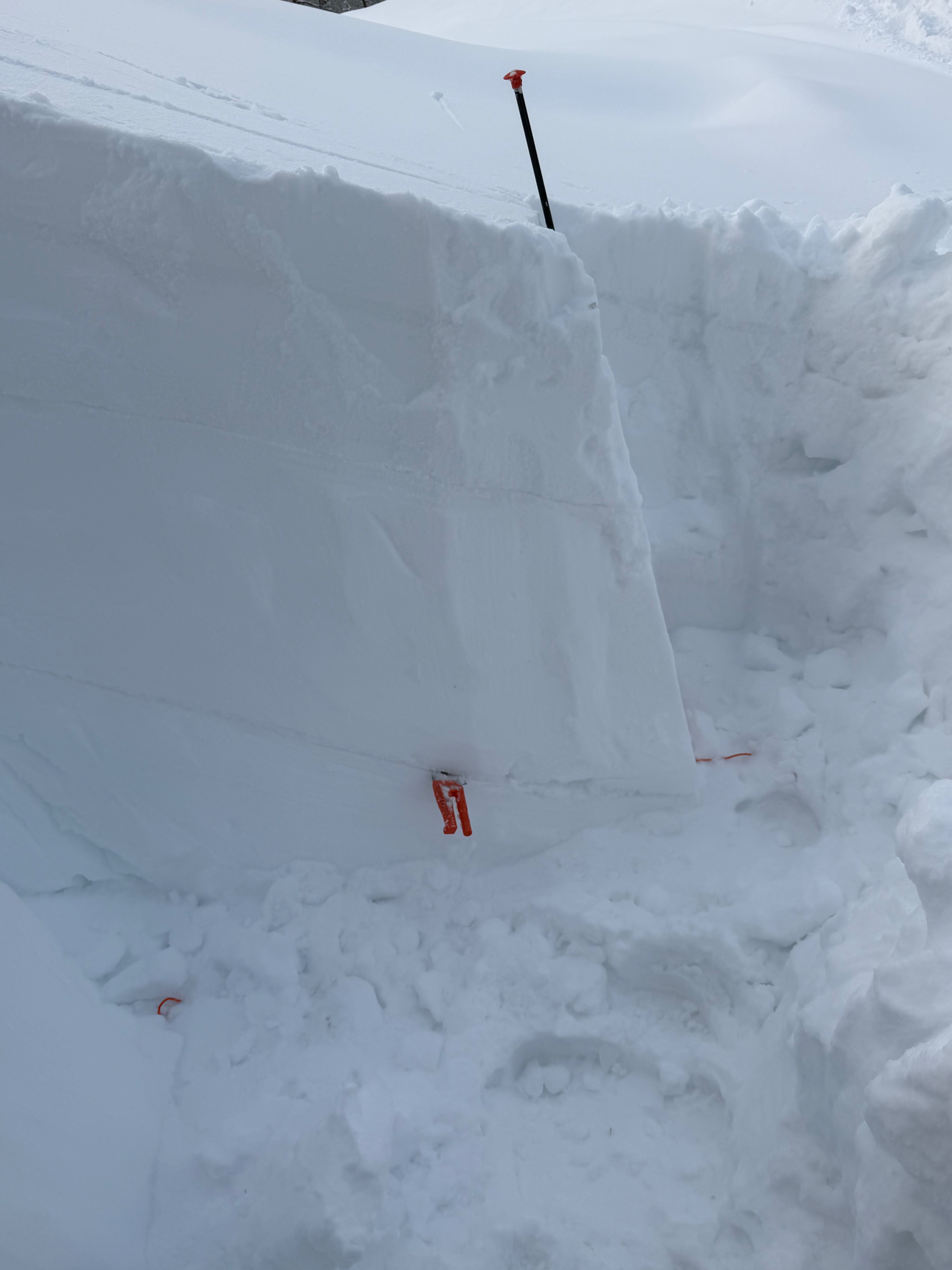
Persistent Slab avalanches are what we’re currently looking at. This slab is anywhere from 2-4 feet thick in areas and is sitting on a very thin layer of ice with junk snow directly below, our February 10th Layer. While there wasn’t much reaction, in the pit, to the instability tests, doesn’t mean that 20 feet away I couldn’t trigger an avalanche. Persistent weak layers are very tricky and very unpredictable. Most of the time these avalanches can be very large and potentially deadly. Caution should still be taken on slopes greater than 30 degrees. Moving forward, as we get more snow, there is a layer of buried surface hoar about 2ft down that could become more reactive as we get more snow and there’s another melt crust about 6-8” down that could also be reactive with increasing snowpack.
Weather
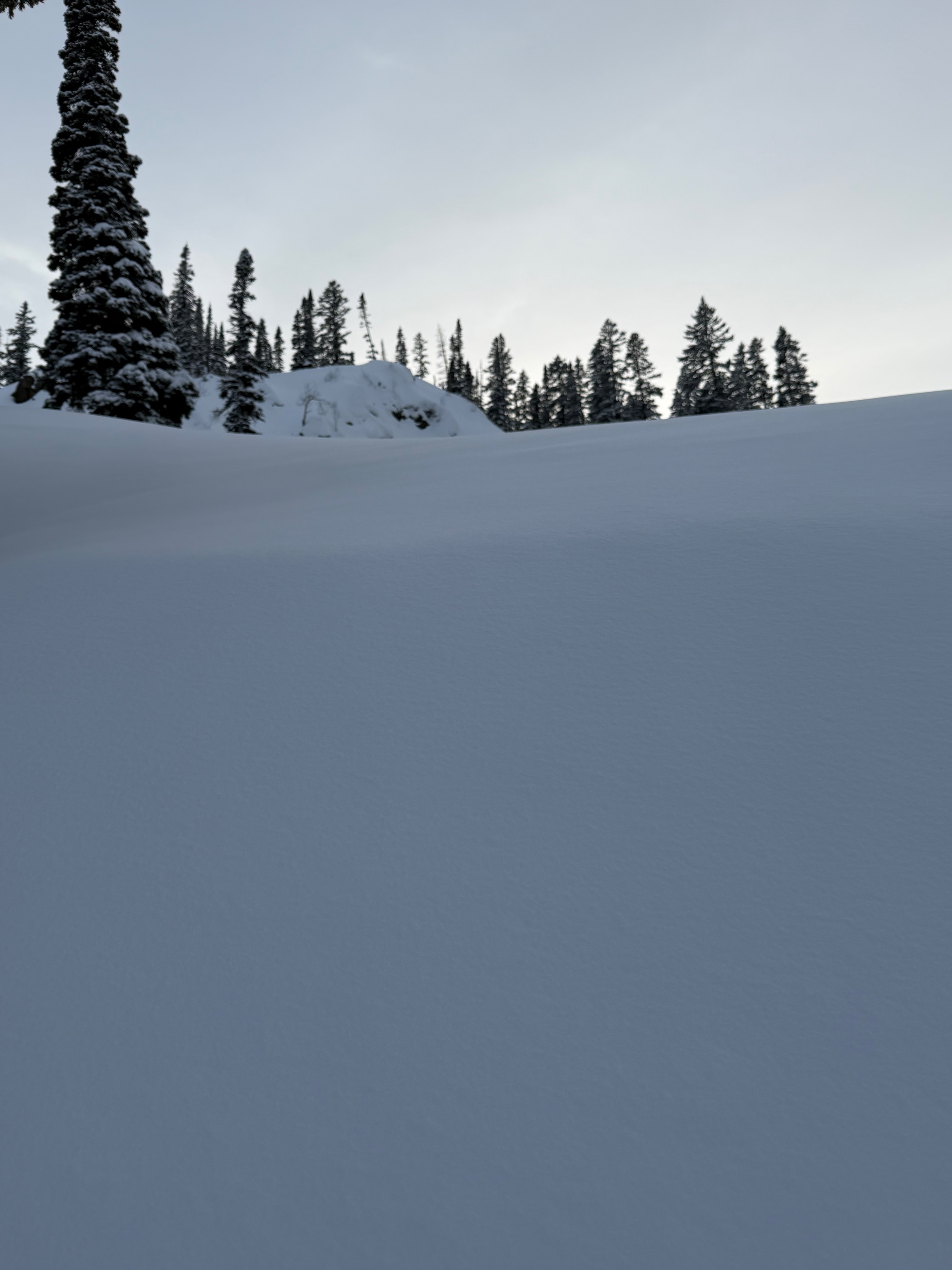
- Cloud Cover
- broken
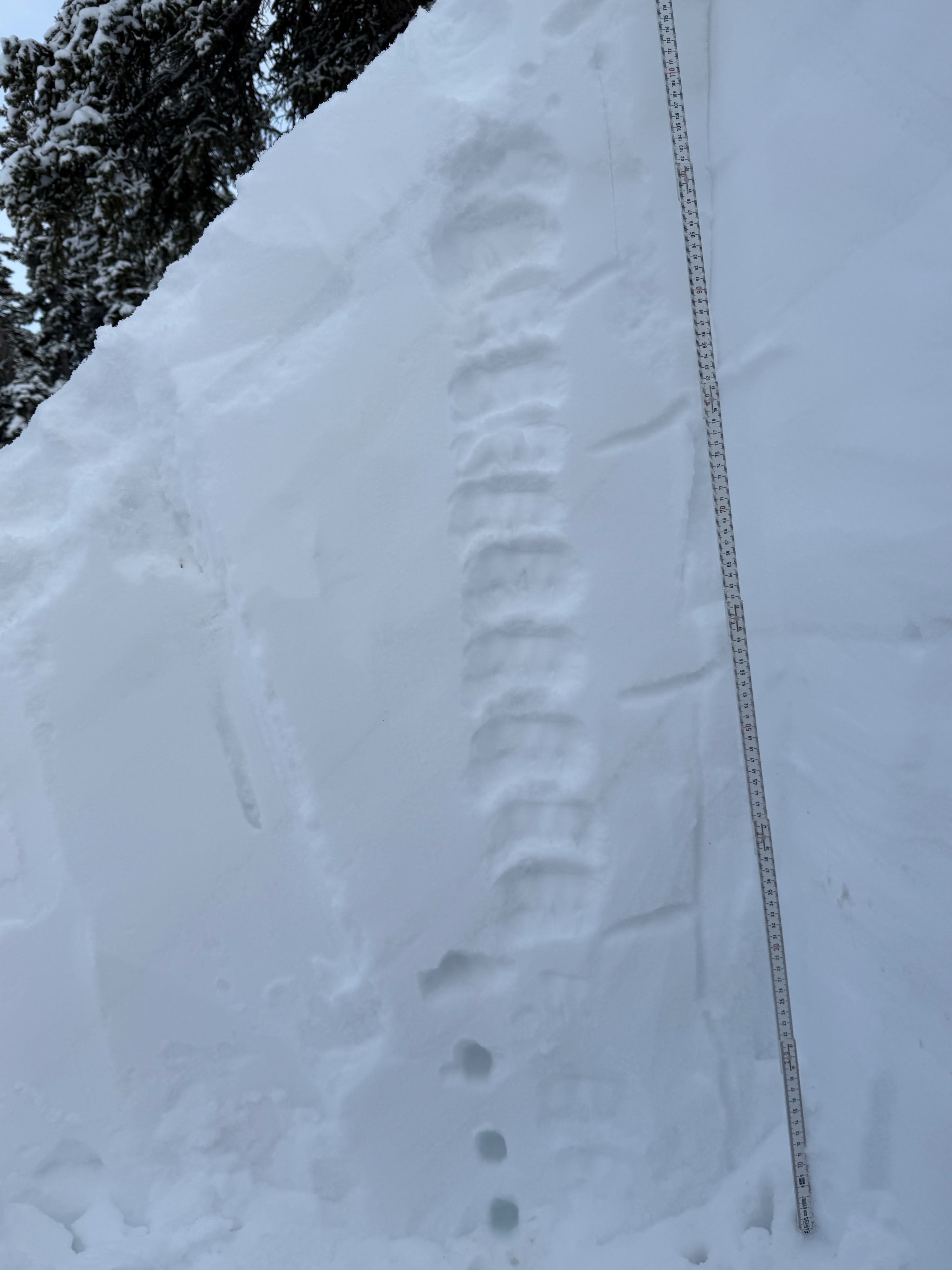
Snowpack
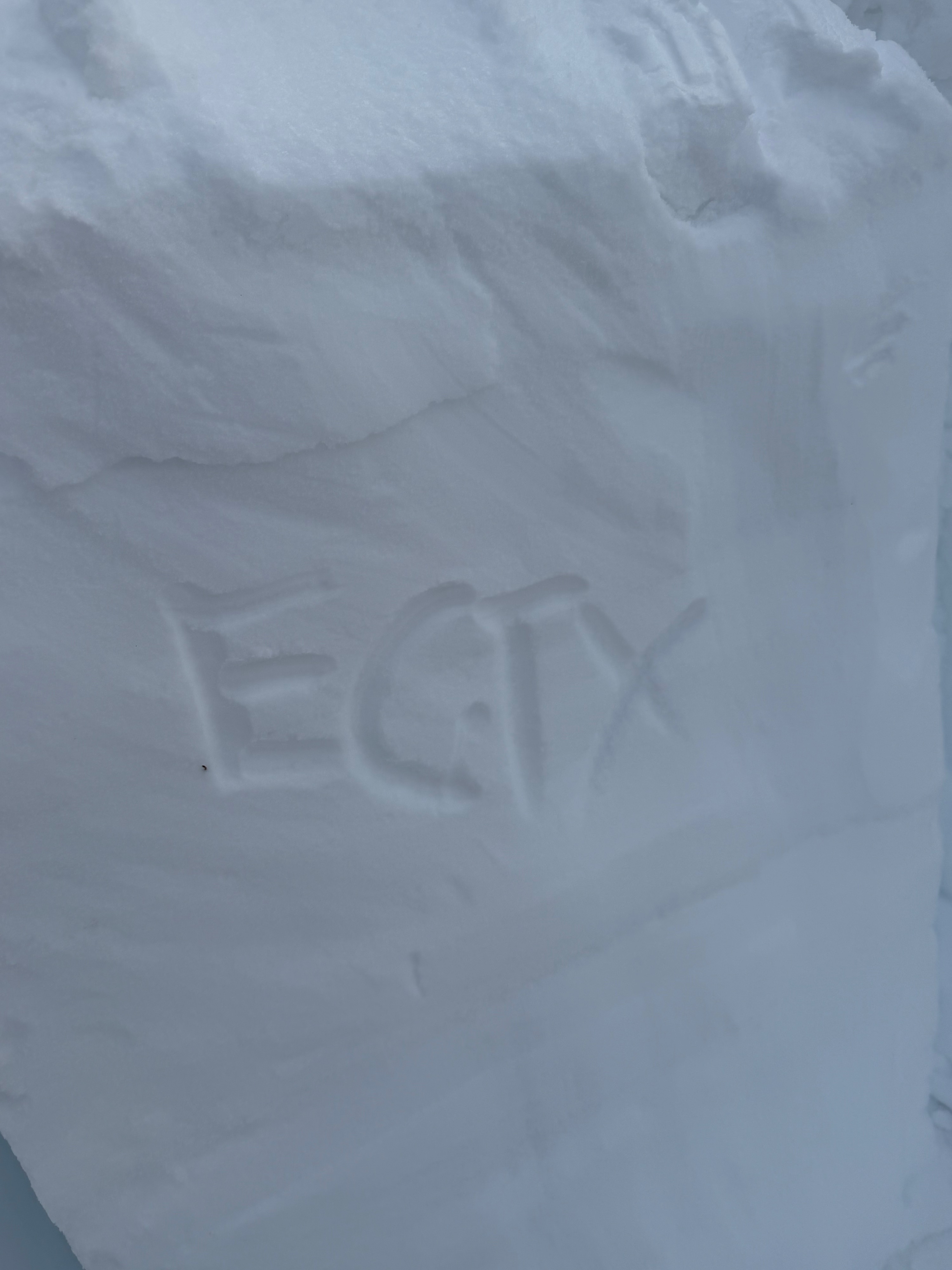
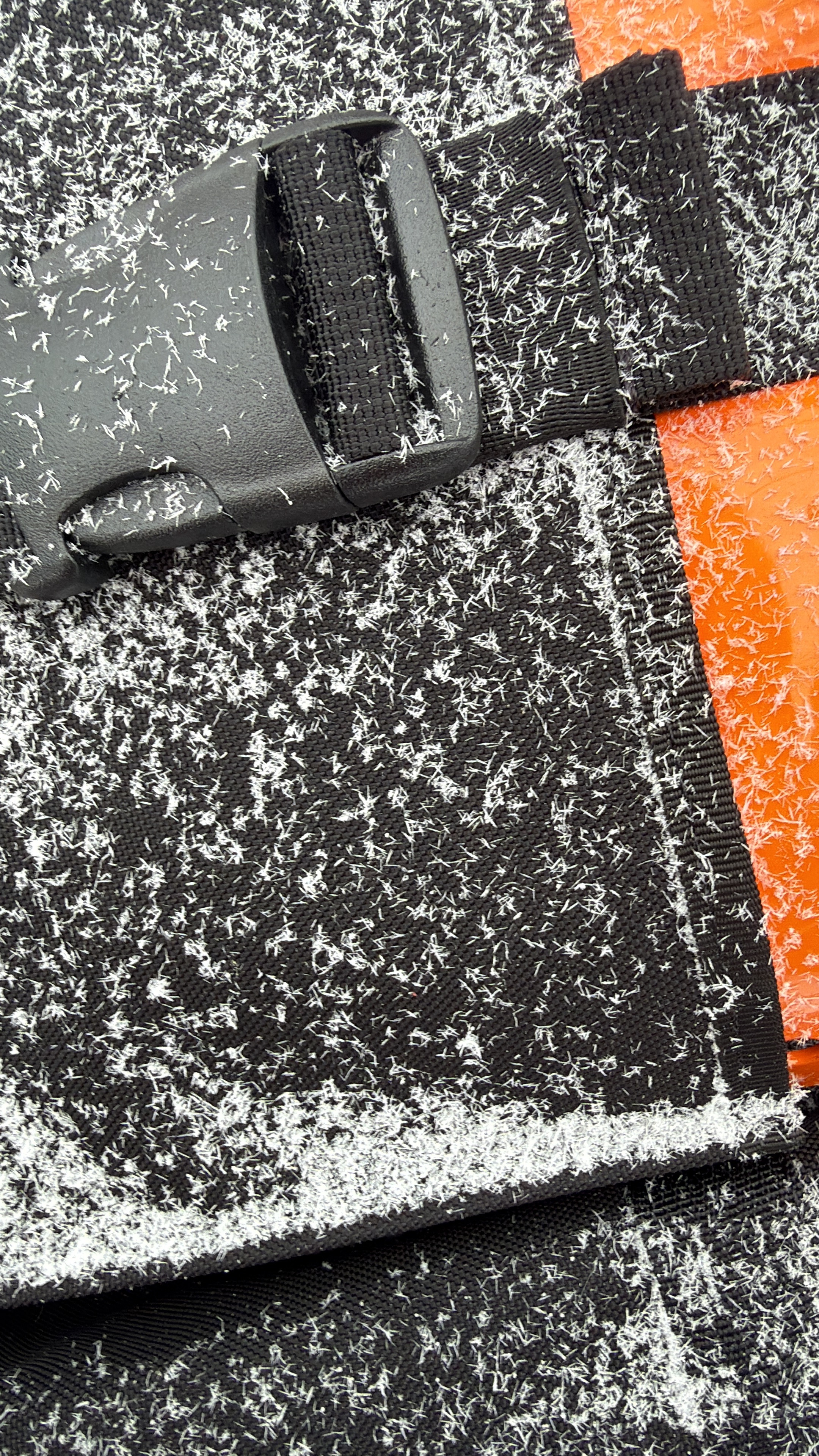
Snow depth in this area was around 200cm. Test pit was dug to 140cm. There were 3 layers of concern, our Feb 10 layer being the most concerning. This is a MFcr about 1 cm thick with rounding facets directly below. A bit further up is a layer of buried surface hoar. While not super reactive to an ECT or PST, there was a bit of reaction on the shovel shear. The last layer of concern is a MFcr about 10 cm down with near surface facets directly below. As we get more snow, this layer will likely be reactive. ECTX, PST50/130END@119cm