

Quick report
- Collapsing
- widespread
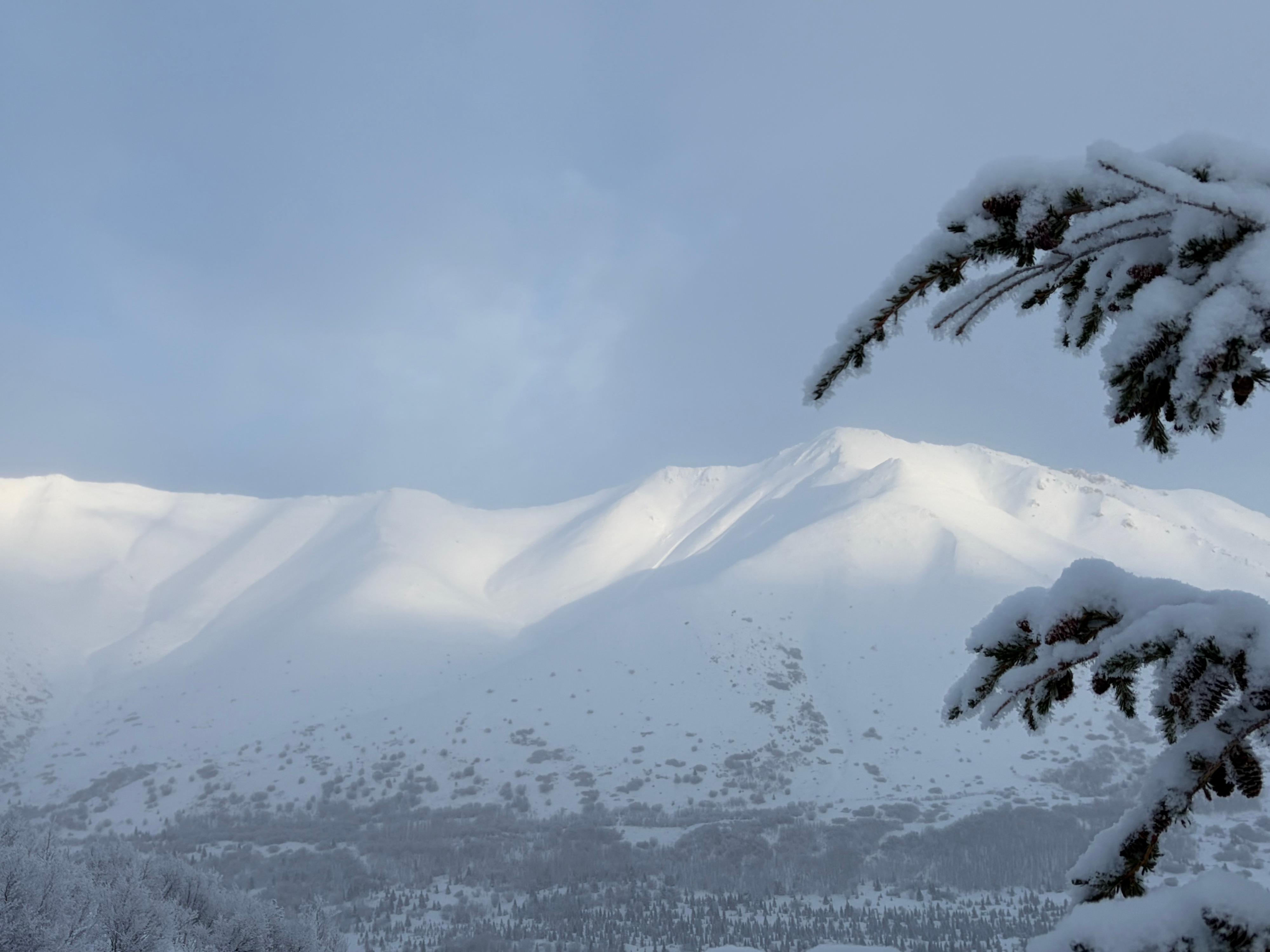
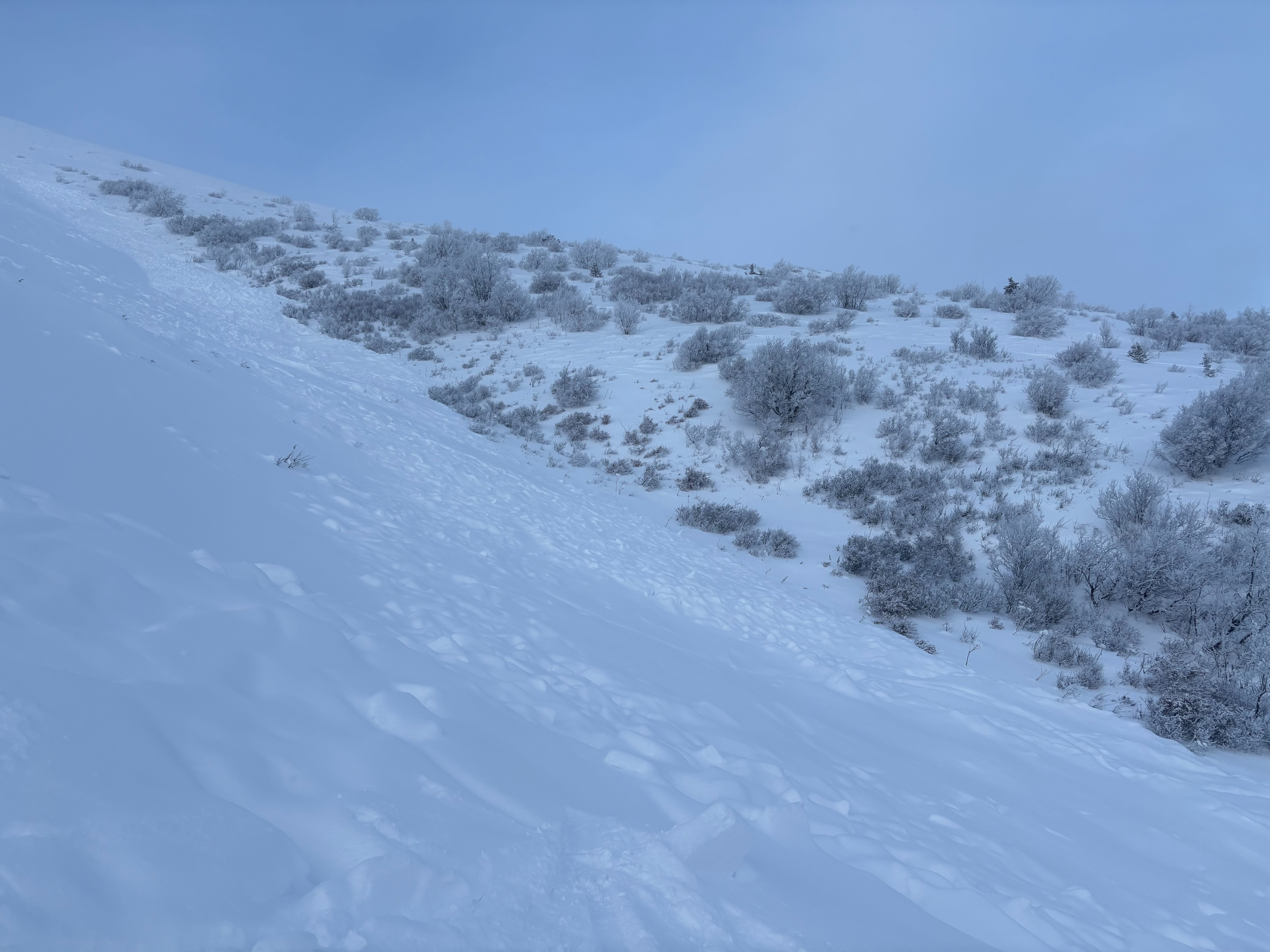
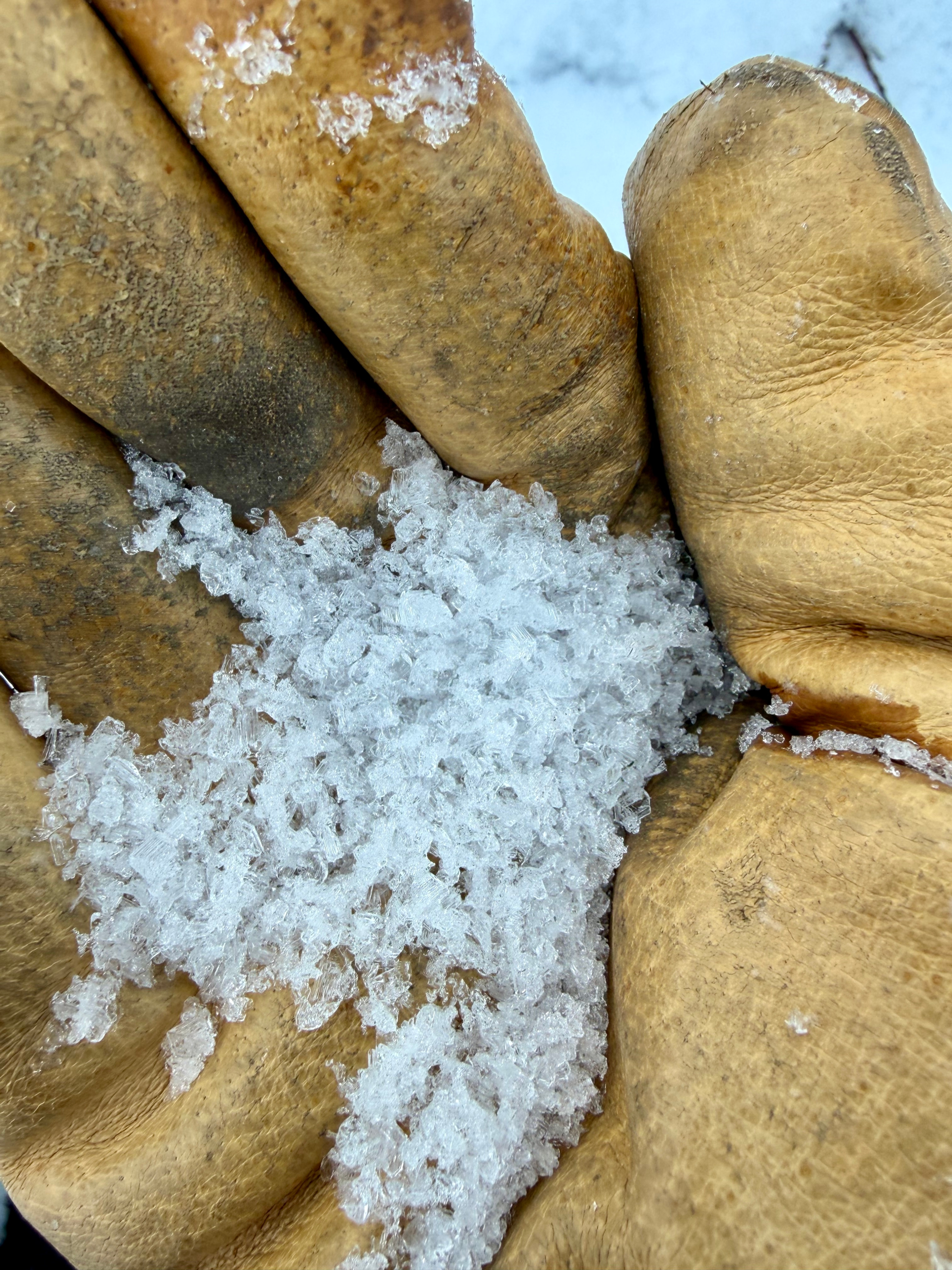
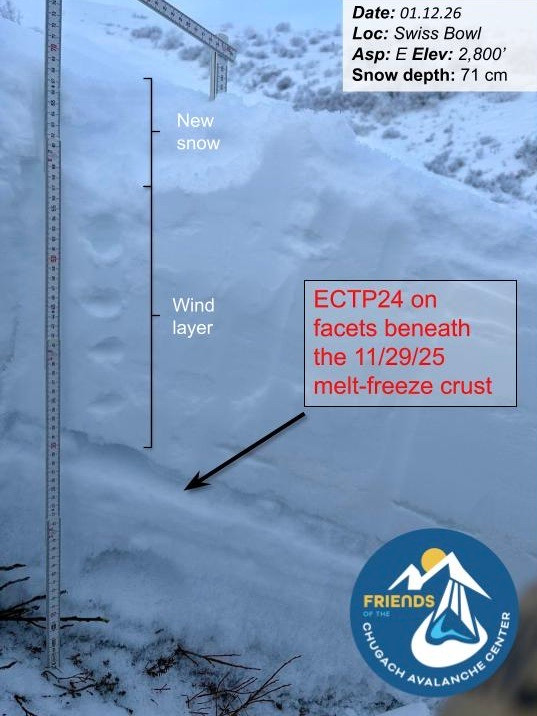
We toured up the South Fork Eagle River with the goal of viewing recently reported remotely human-triggered avalanche activity and observing any potential natural avalanche activity from the weekend. We followed a pre-established skin track up the valley that had approximately one inch of fresh snow on its surface. Whenever we traveled into undisturbed snow off the skin track, we experienced whumpfing and collapses. Upon reaching the Swiss Bowl area, we observed the skier-triggered avalanche described in a recent observation. We determined that the slide failed on well-developed 1–2 mm facets beneath the 11/29/25 melt-freeze crust and was a large enough slide to bury a person. We continued to experience whumpfing in adjacent, unavalanched terrain, which led us to determine that it was unsafe to travel to the uppermost portion of the crown due to significant hangfire remaining in the gully. On our exit, we observed several smaller avalanches in gullies just above the summer trail, as well as a moderate-sized natural avalanche across the valley on Harp Mountain.
The snowpack in the South Fork Valley provided clear signs of instability. We avoided avalanche terrain and stayed off slopes connected to steeper surrounding features. Widespread whumpfing and snowpack test results indicated that the snowpack remains very unstable.
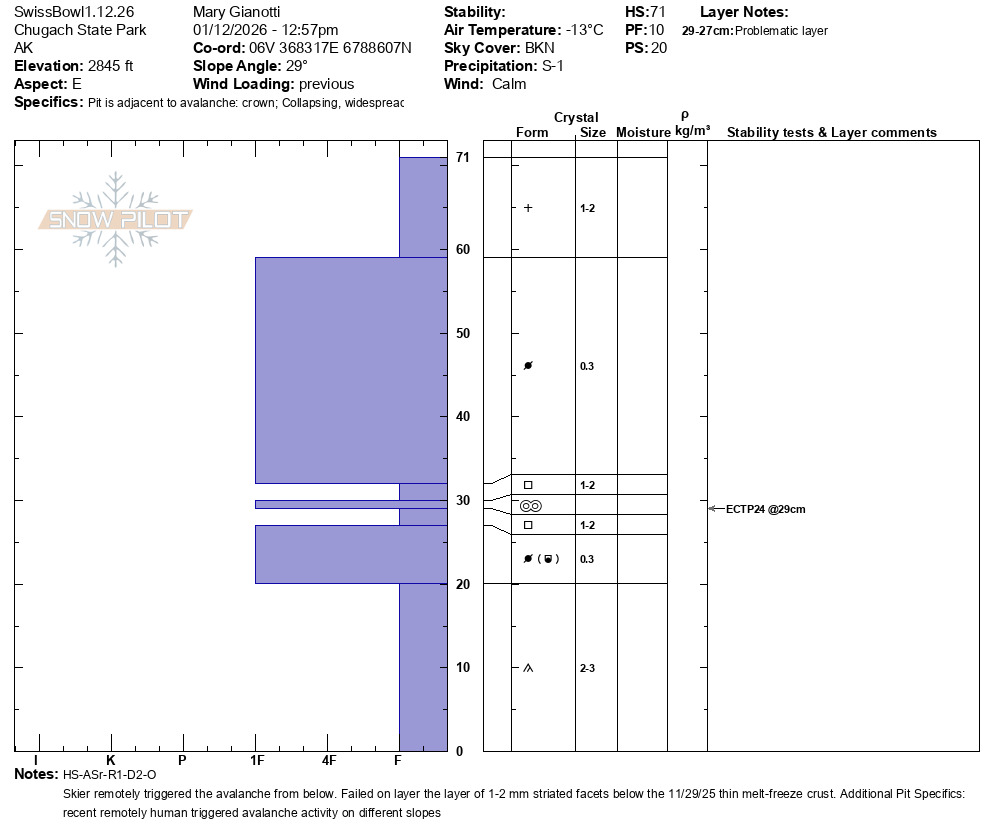
We experienced collapses and widespread whumpfing whenever we traveled off the established skin track. We observed a recent natural avalanche on Harp Mountain between approximately 4,400 and 4,600 ft. We also noted several smaller avalanches in wind-loaded gullies during our skin out to Swiss Bowl. In addition, we were able to view a recent, remotely skier-triggered avalanche in the Swiss Bowl drainage that was reported on January 10th. The avalanche failed on well-developed 1–2 mm facets beneath the 11/29/25 melt-freeze crust. The slide filled much of the gully with debris and was large enough to bury a person. Although we did not observe any new avalanches today, widespread whumpfing and snowpack test results indicated that the snowpack remains very unstable.
Weather
- Air Temp
- 8
- Cloud Cover
- broken
- Wind Loading
- previous
- Recent Snowfall
- 3
- Snow Avail For Transport
- moderate amounts
Broken with light, intermittent flurries during the first half of the day. Clouds lifted in the afternoon to just above many of the surrounding peaks.
Snowpack
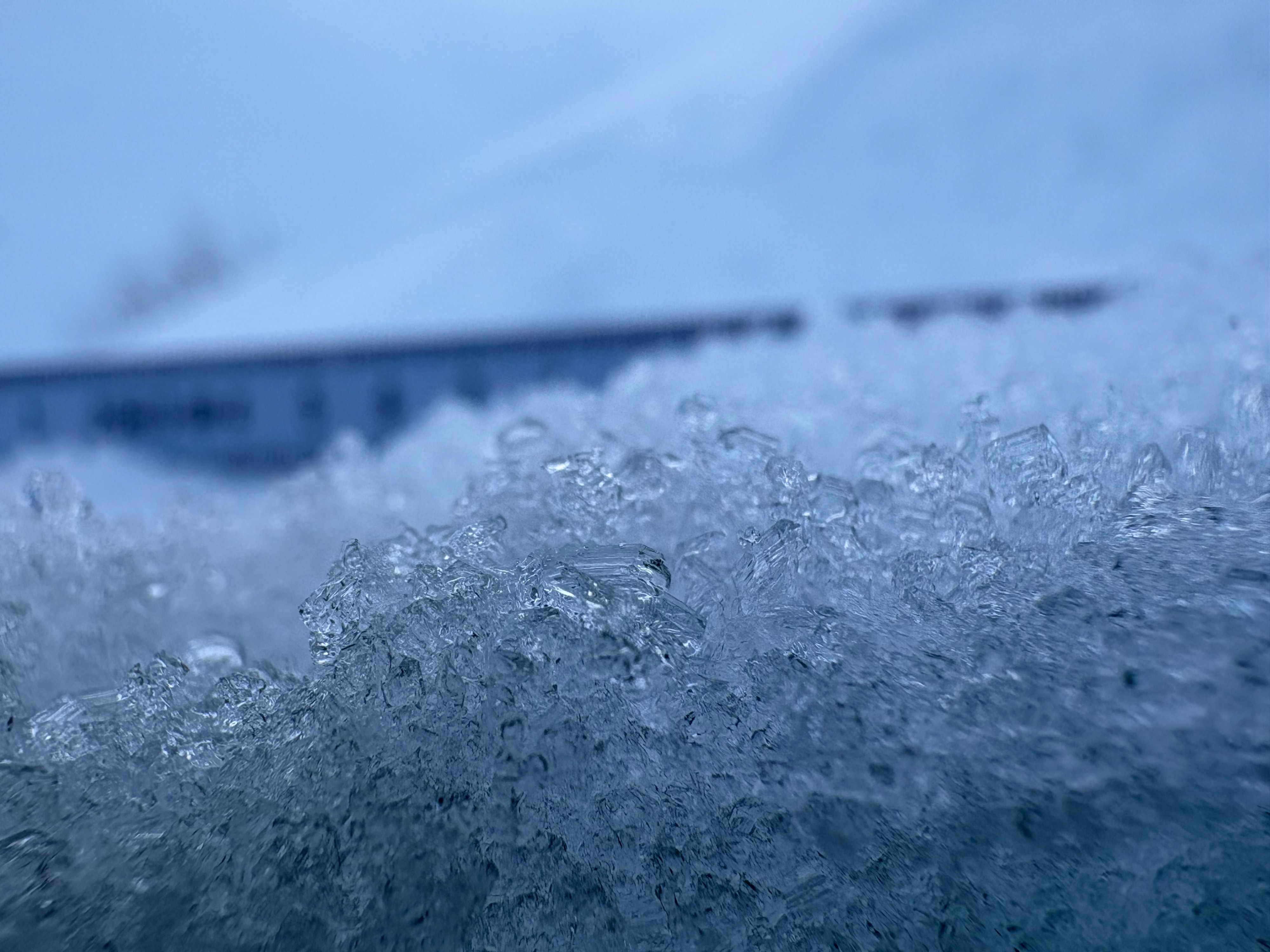
We dug a snowpit and completed a crown profile on an east aspect at 2,800 ft near Swiss Bowl. We completed the crown profile on the lowest portion of the crown that we could safely access and determined that it was unsafe to travel near the upper crown around 3,400 ft.The slab consisted of fresh snow over a stiff, one-finger–hard wind slab, which sat above the faceted 11/29/25 melt-freeze crust. The avalanche failed on 1–2 mm striated facets beneath the 11/29/25 melt-freeze crust and had a crown depth ranging from 0.5 to 2 ft on an easterly aspect. Snowpack tests conducted near the crown profile produced unstable results, including an Extended Column Test with propagation (ECTP 24) and multiple Column Tests failing on isolation (CTC).
Avalanche
- Size
- D2
- Aspect
- E
- Trigger
- AS
- Elevation
- 2800 ft
Exploring low angle terrain and found collapsing and shooting cracks continuously as we skied up toward Swiss Bowl after turning off of the trail leading out to Eagle Lake. Decided to check out the first gully on the right as we headed up with a plan to cross the gully at bottom and ascend on tundra/low snow cover area. Large collapse while crossing at the bottom remote triggered a wind slab 100 feet above which further triggered the whole gully 500 feet above. Crown was 20-24 inches and rapidly loading.