
Quick report
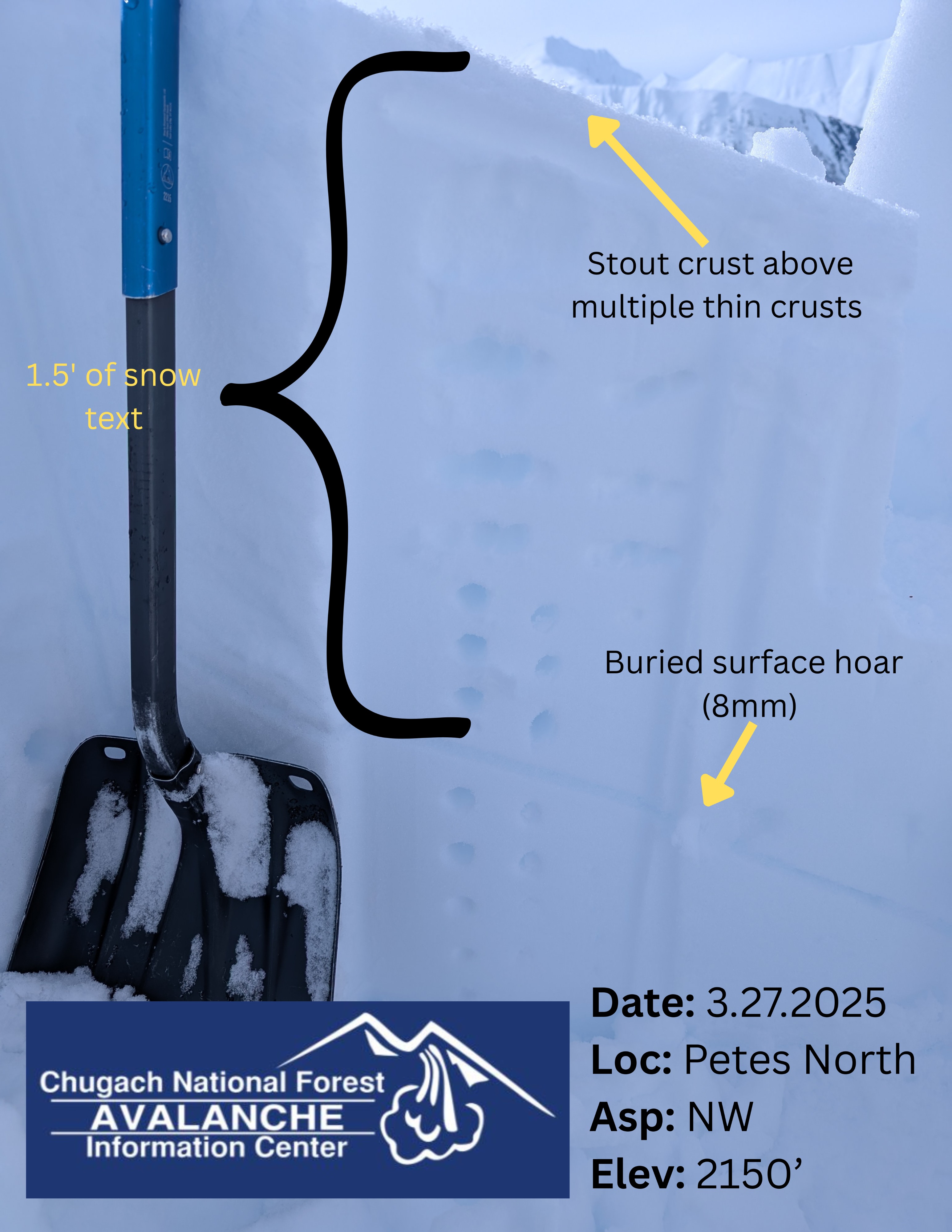
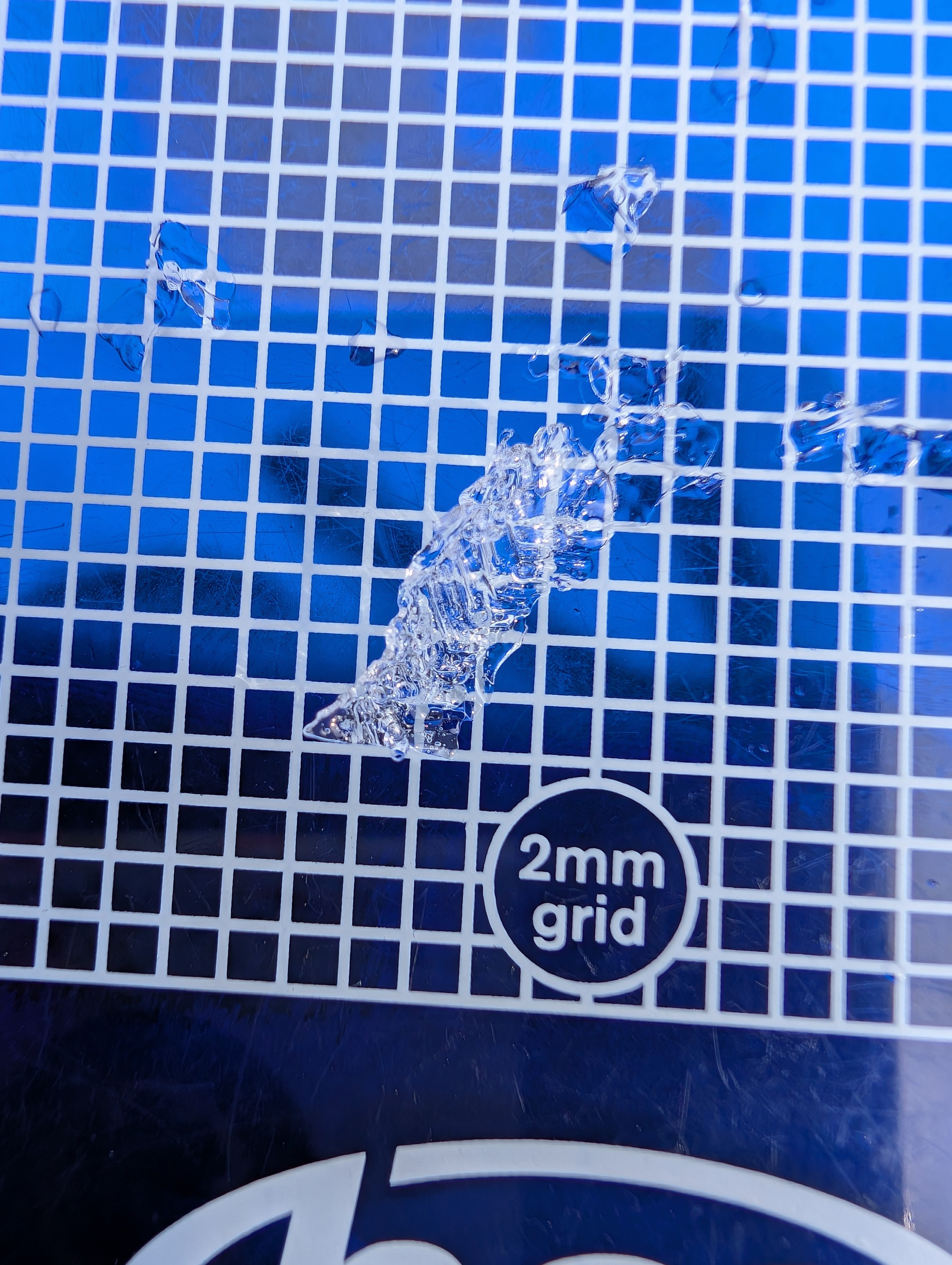
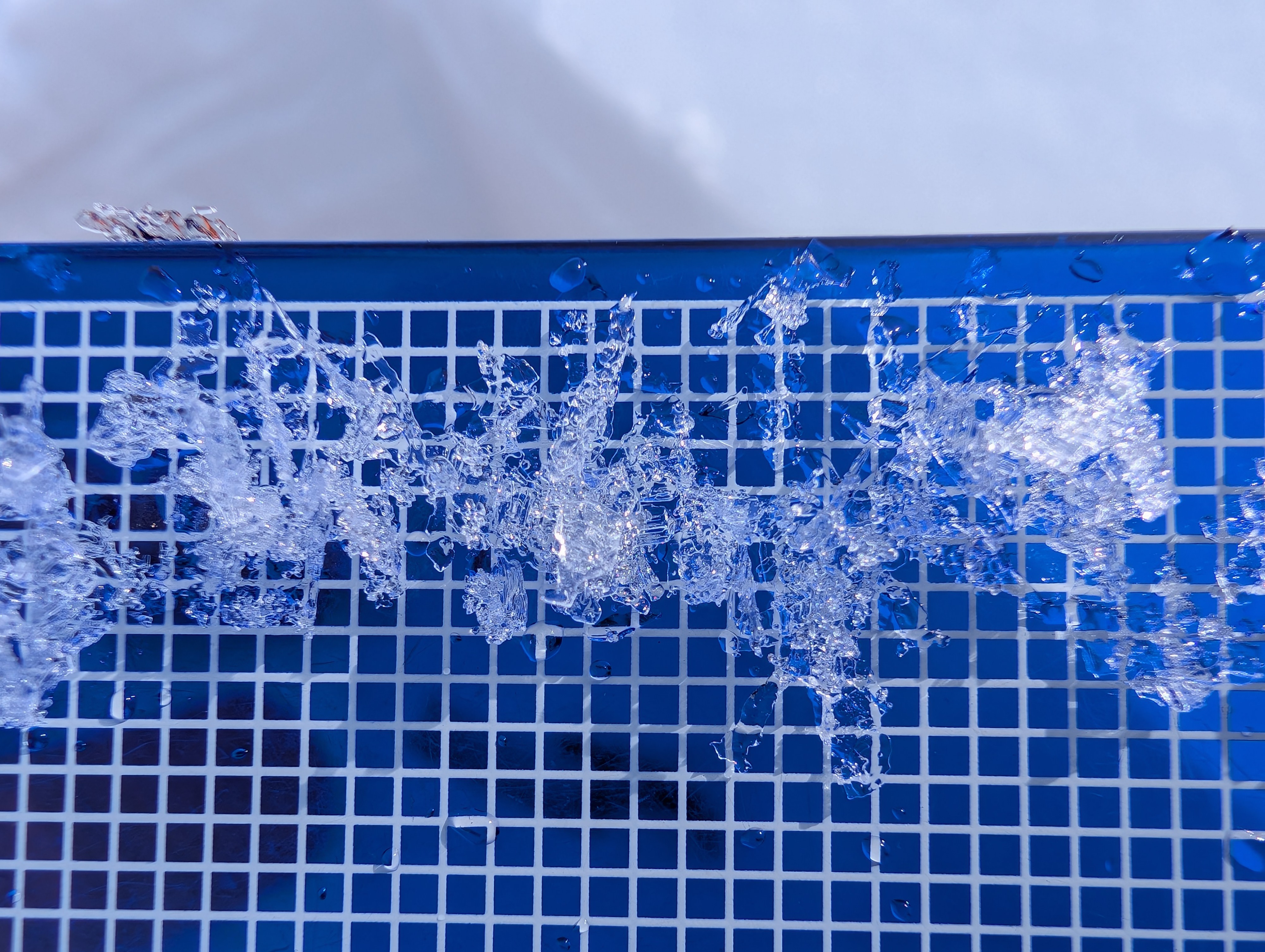
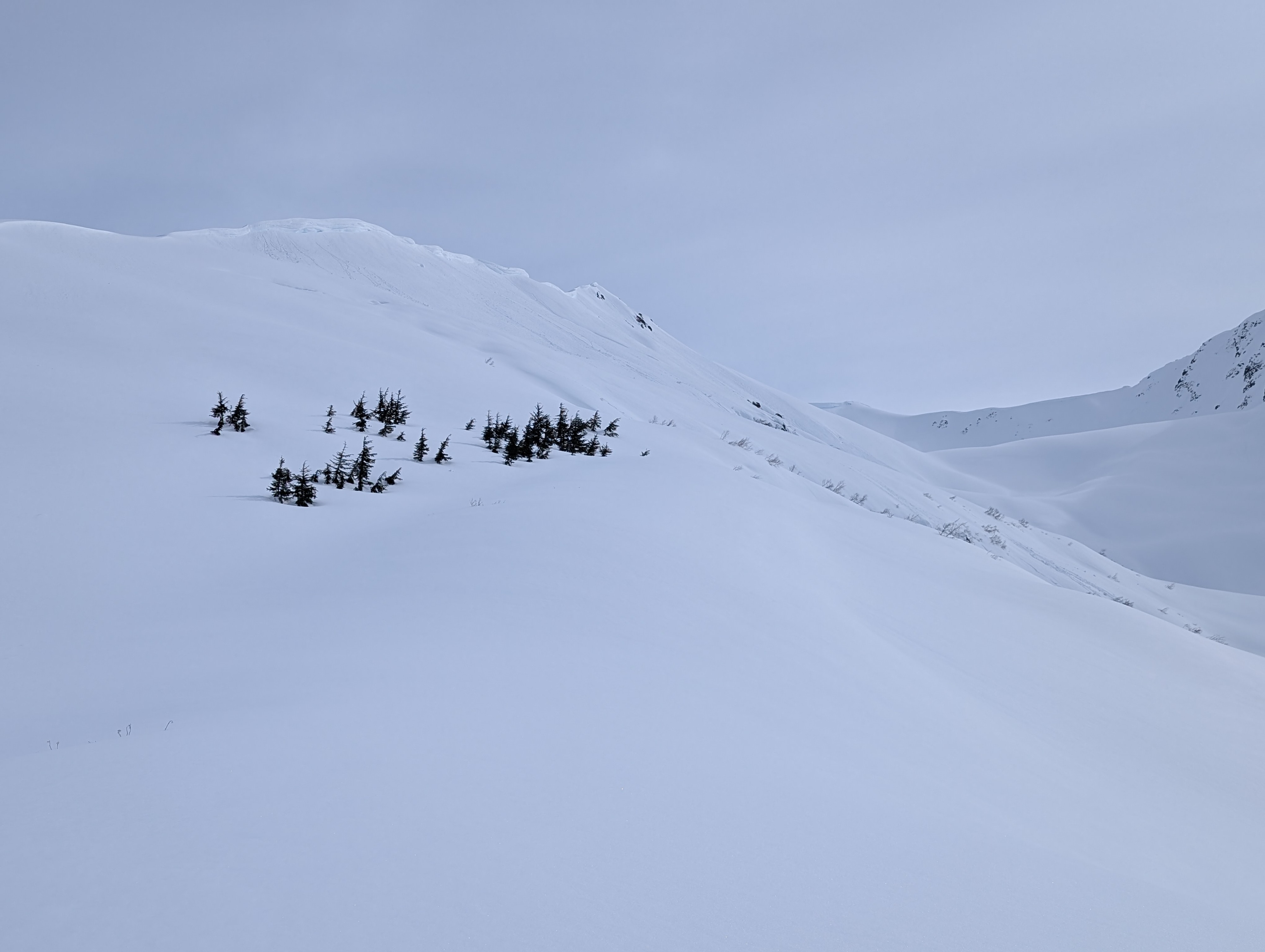
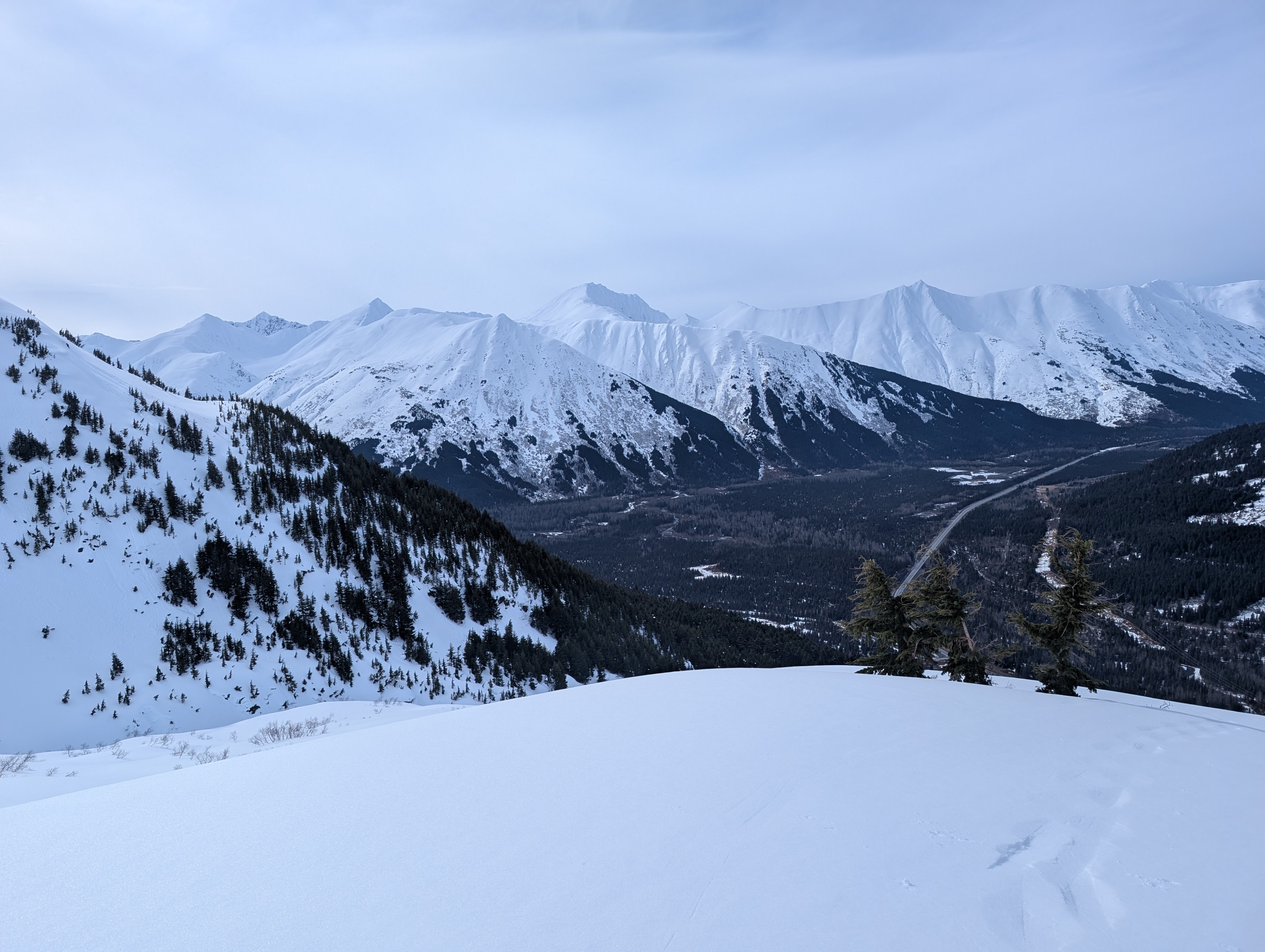
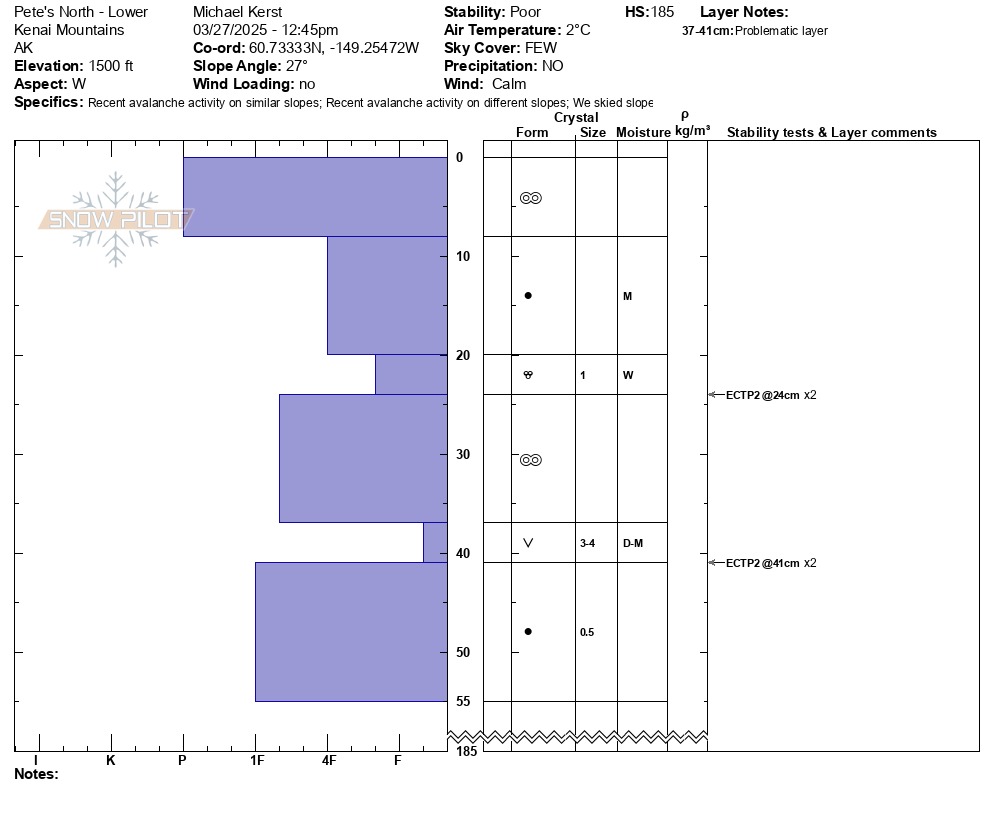
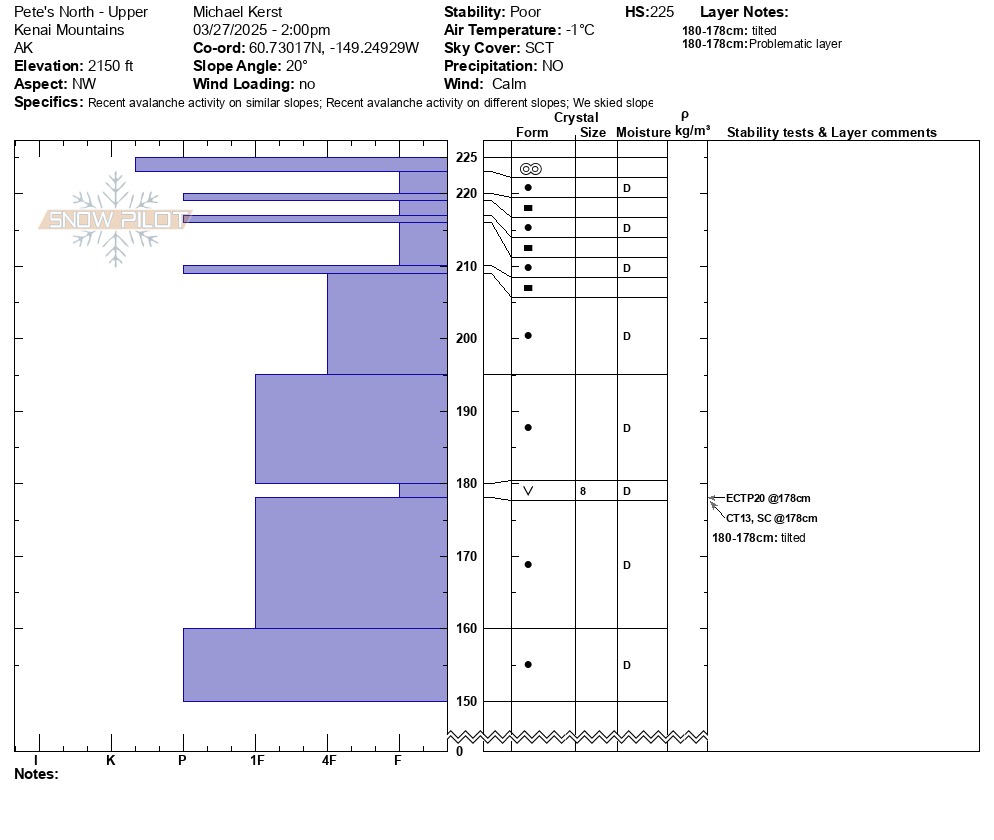
Toured up to 2150' on Pete's North to enjoy the nice weather while avoiding avalanche terrain and to continue tracking the layer of buried surface hoar that has been producing very large avalanches throughout the region for the past month. We found a thick 2-4" melt-freeze crust on the surface all the way to our high point, with southerly slopes turning to corn in the afternoon. We dug two pits during our tour, one at 1500' and another at 2150'. In both of these pits we found the surface hoar buried 1 to 1.5' deep and got concerning results in instability tests. Even though there was a crust on the surface we did not trust it to protect us from the weak layer of buried surface hoar and continued to avoid avalanche terrain and traveled with a conservative mindset.
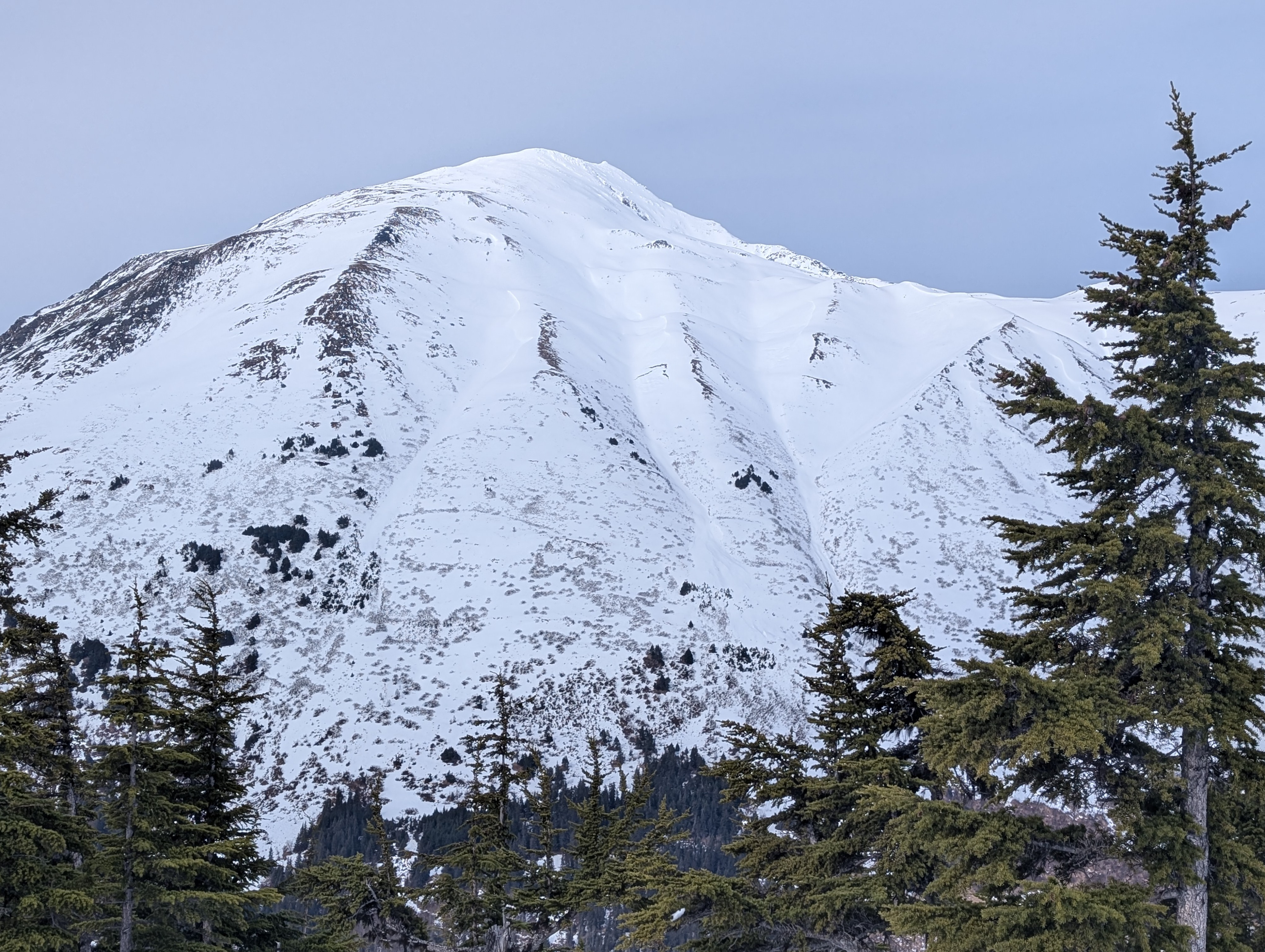
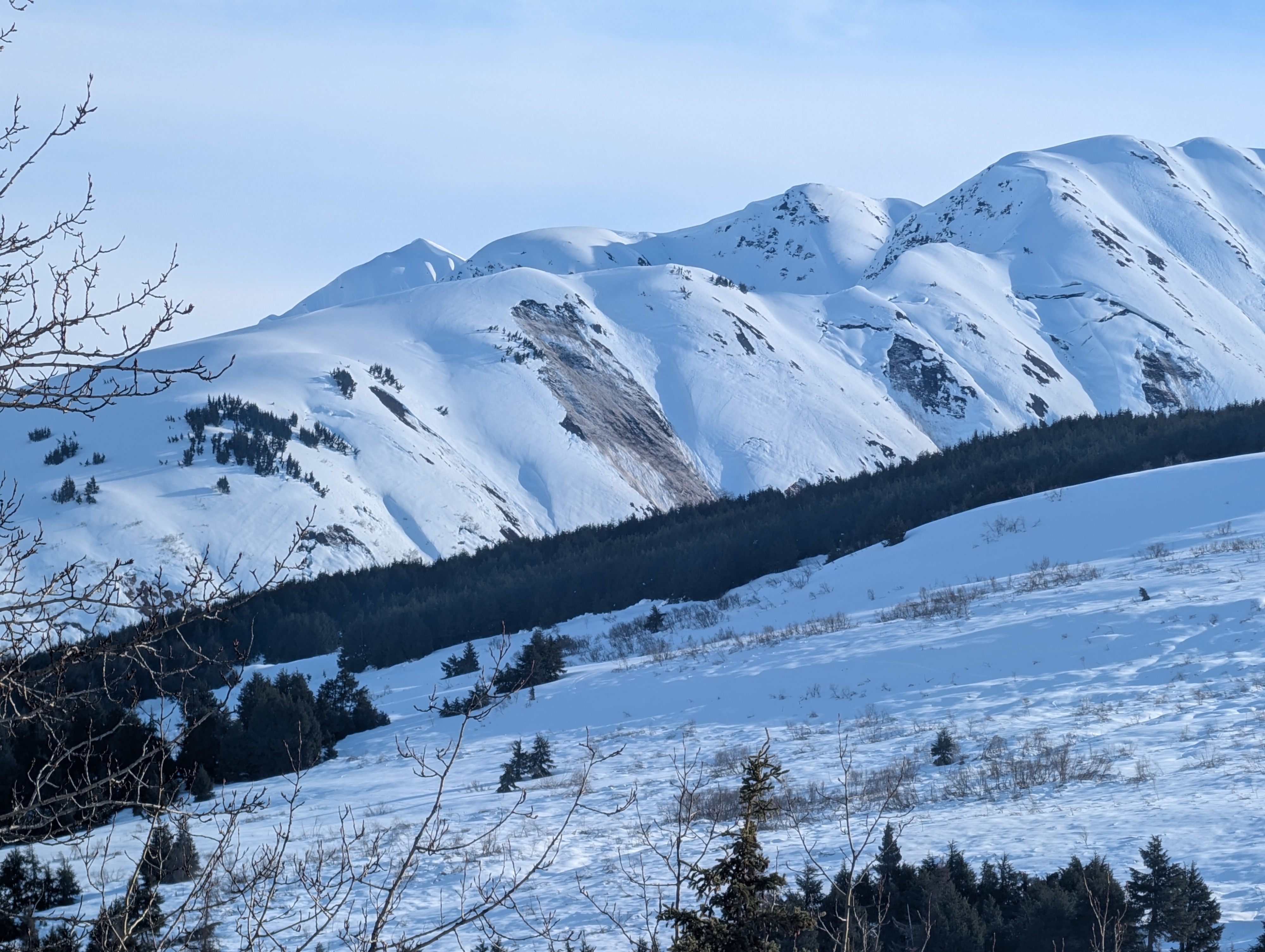
Saw recent glide avalanches on Seattle Ridge and on Wilson South in Summit zone. No other red flags observed.Weather
- Air Temp
- 34
- Cloud Cover
- scattered
- Wind Loading
- none
- Recent Snowfall
- 0
- Snow Avail For Transport
- none
Mostly sunny skies, calm wind, and warm temps.
Snowpack
Surface conditions consisted of a supportable 2 to 4" thick melt-freeze crust all the way to our high point of 2150'. In the afternoon low elevations and southerly slopes had transitioned to corn. Though the crust often supported our weight, we did not trust it and avoided avalanche terrain with a conservative travel mindset.
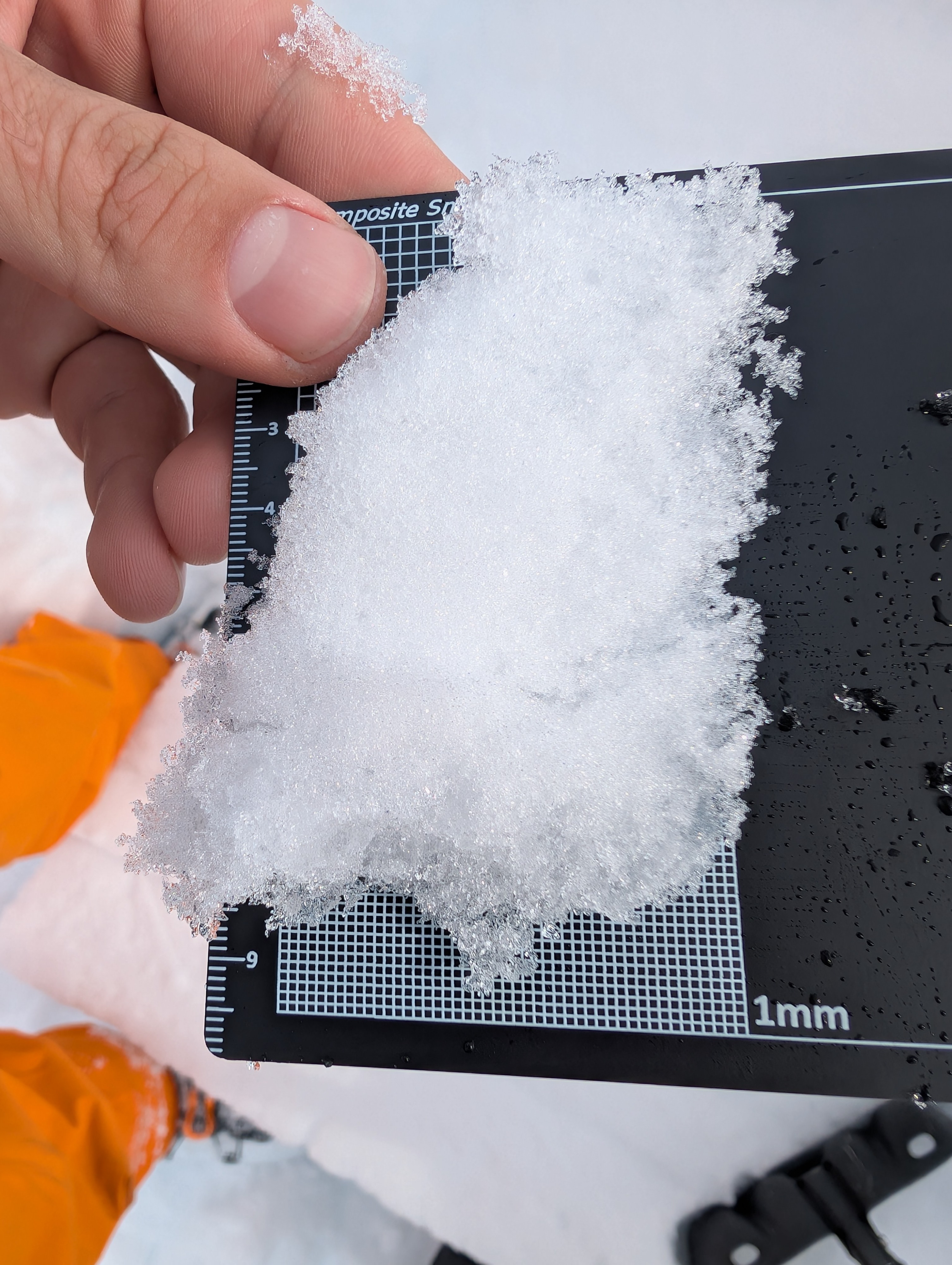
We dug two pits during our tour to continue tracking the highly problematic and persistent layer of buried surface hoar that has been responsible for the past month of dangerous avalanche conditions. In a pit at 1500' we found the surface hoar buried over 1' deep. In instability tests we got very concerning results on the well preserved buried surface hoar and on a layer of wet snow ~8" down from the surface (ECTP2 x2). In our second pit at 2100' we found the surface hoar buried and well preserved 1.5' deep. We got concerning results from instability tests in this pit as well (ECTP20).
These concerning results are great feedback that this weak layer is still reactive and capable of producing very large avalanches. Though with this concerning of a weak layer we can not trust stable results to be accurate. Often this weak layer will not give you the feedback saying it is unstable until you trigger an avalanche. Because of this we avoided avalanche terrain and traveled with a conservative mindset.