
Quick report
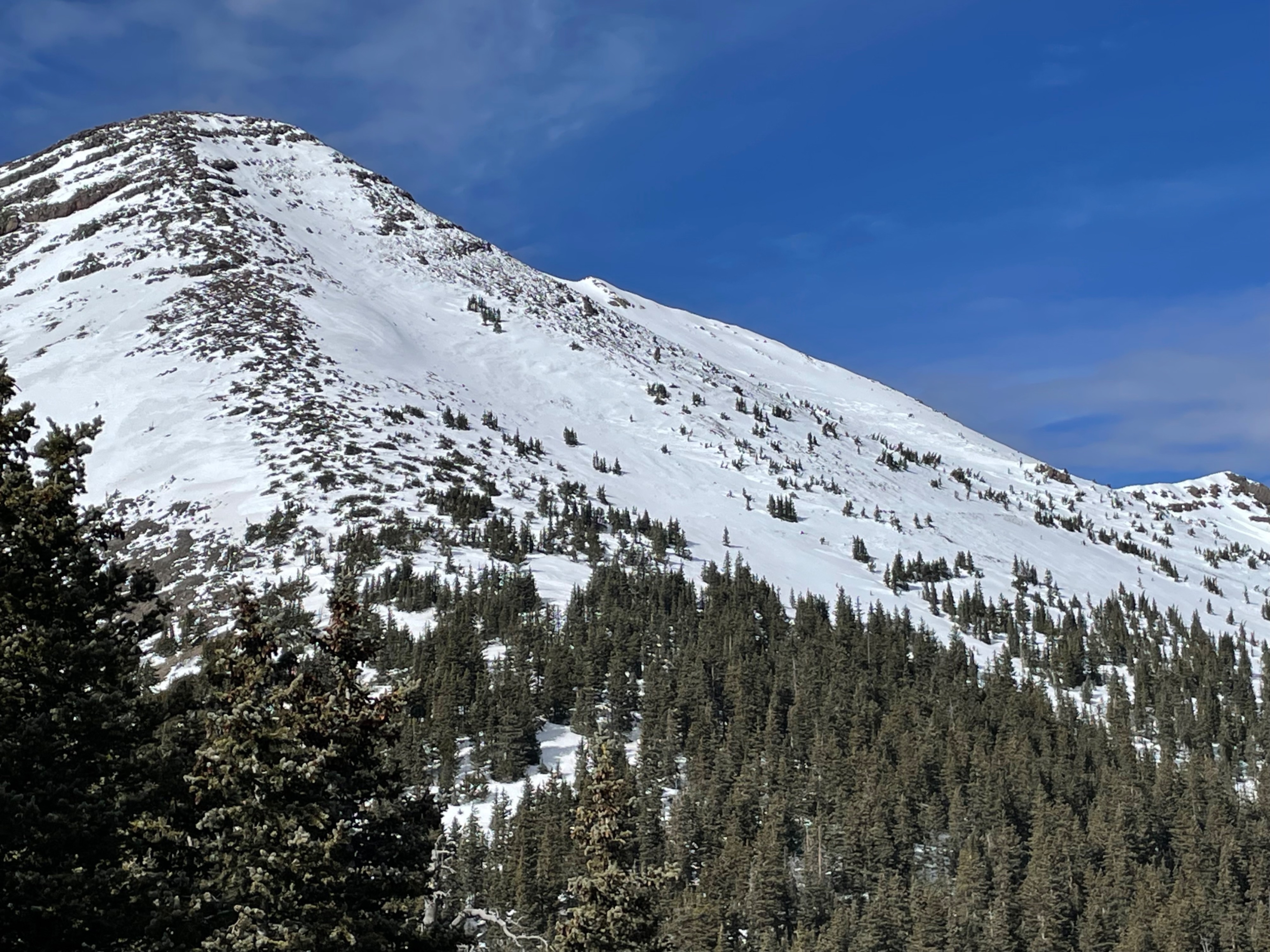
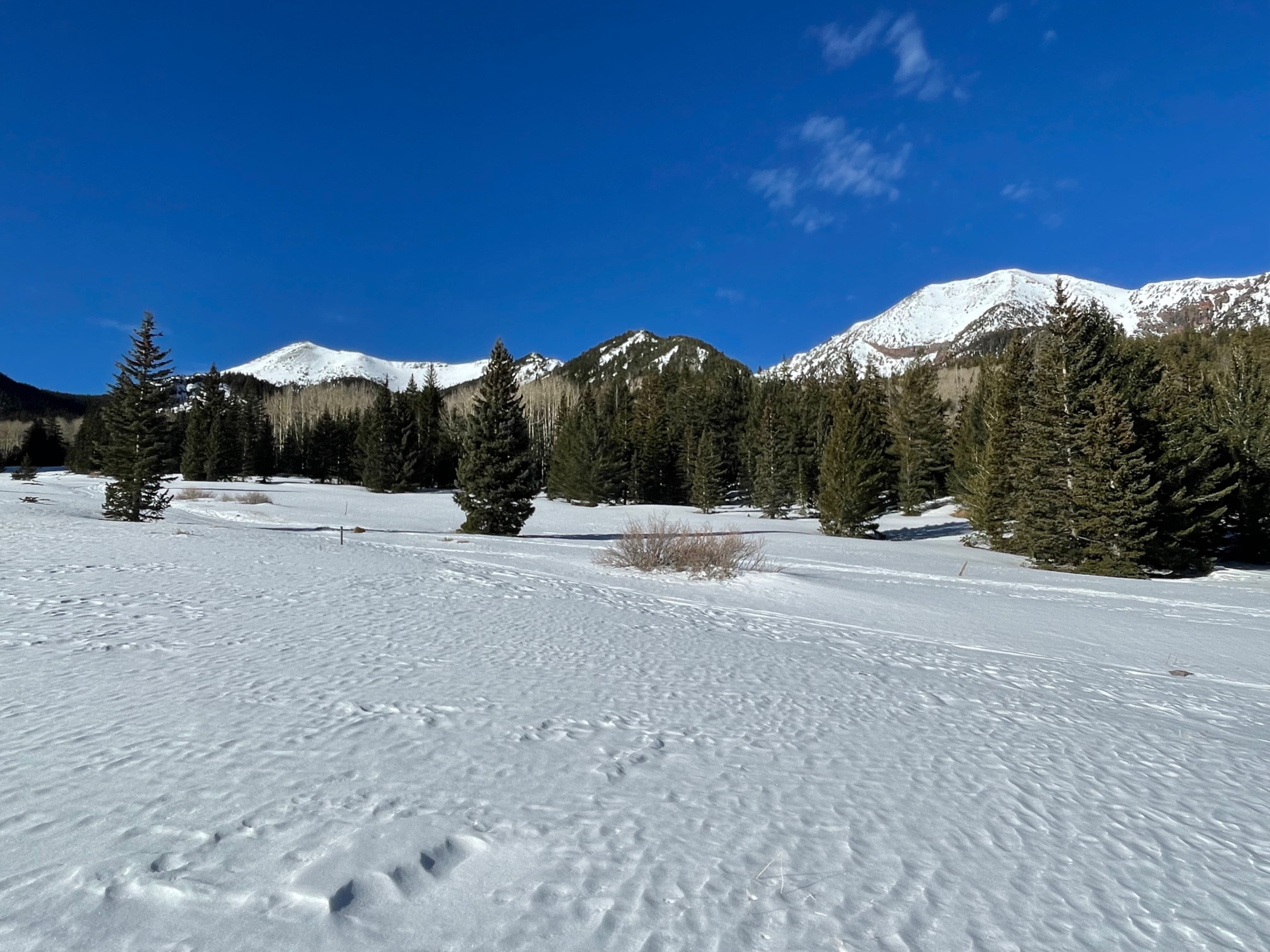
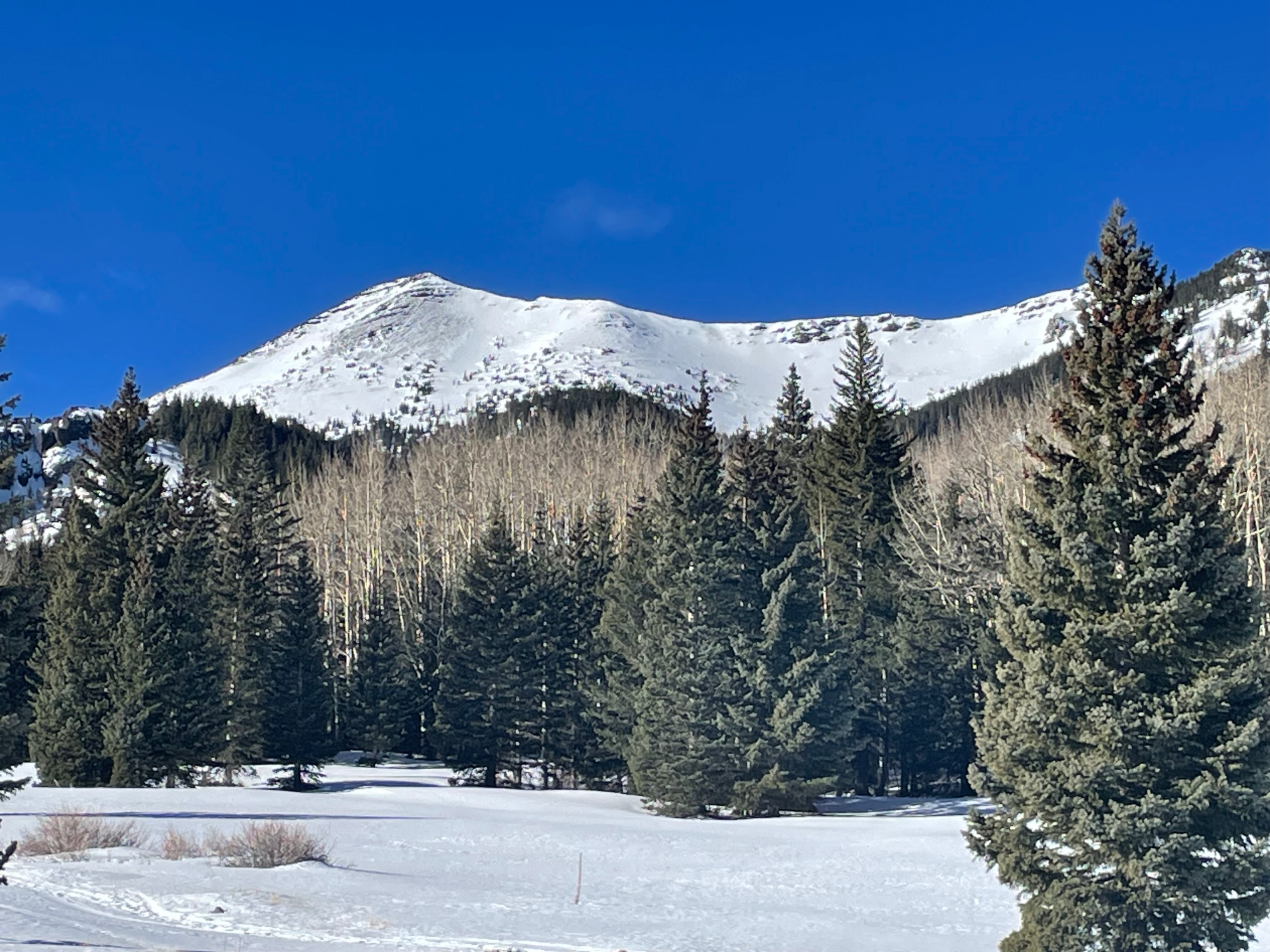
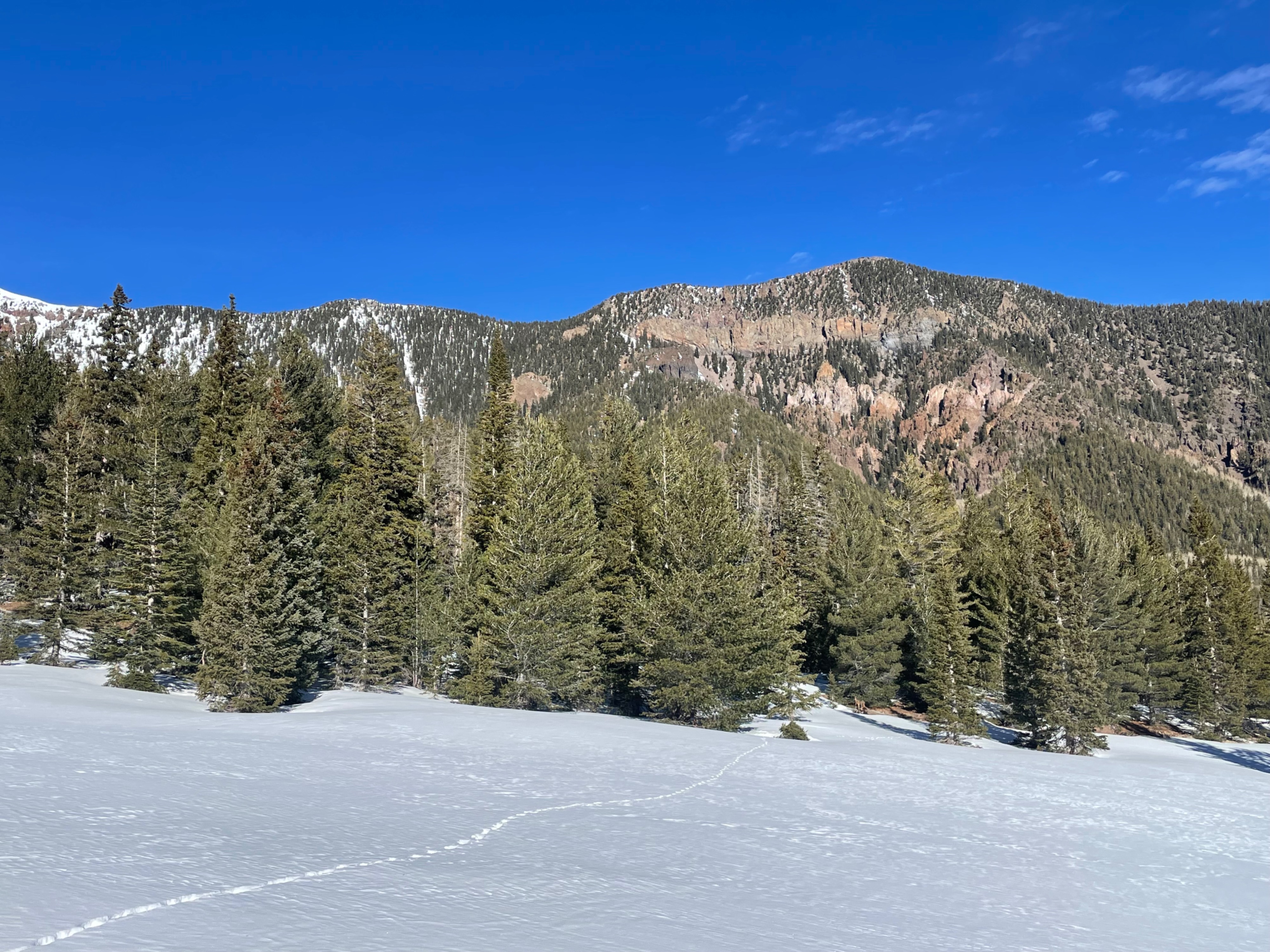
The intention of this tour was to assess current conditions in the Fremont/Doyle/Agassiz area of the Inner Basin and collect general data on surface conditions, snowpack structure, depth, and general coverage; and gain a better idea of potential post-storm snowpack stability/instability. Depths at 9,500' to 10,000' are thin and wind hardened (20-30 cms 1F). By 10,500' depths increased to 50-60 cms and the snow surface softened to F hard with a 10-20 cms facet surface (recycled powder). By 11,000' depths had increased to 80 and 100 cms on northern aspects. The snowpack showed very few signs of recent melting, and the Holiday ice lens was a mere 10-20 cms under the surface.
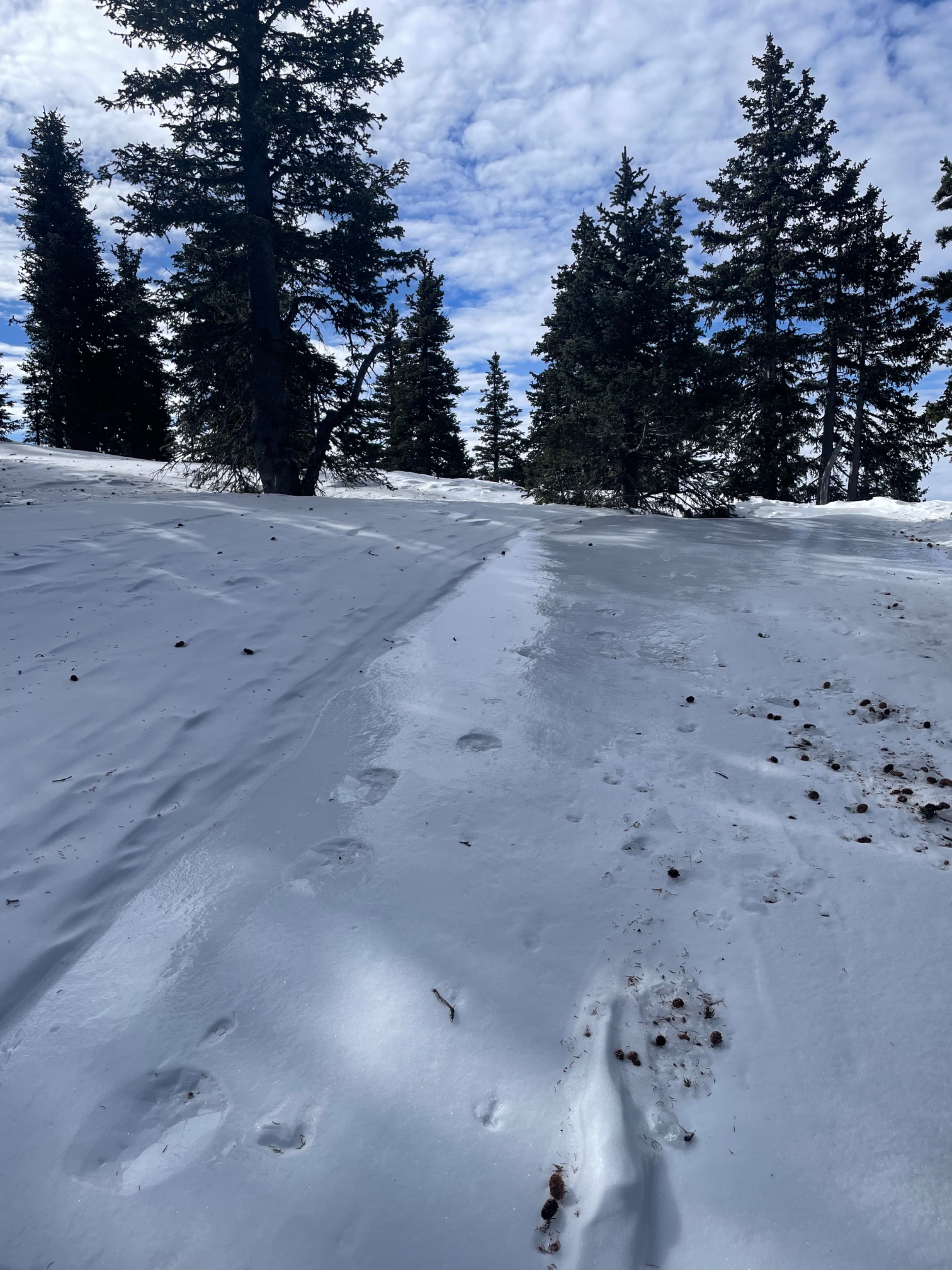
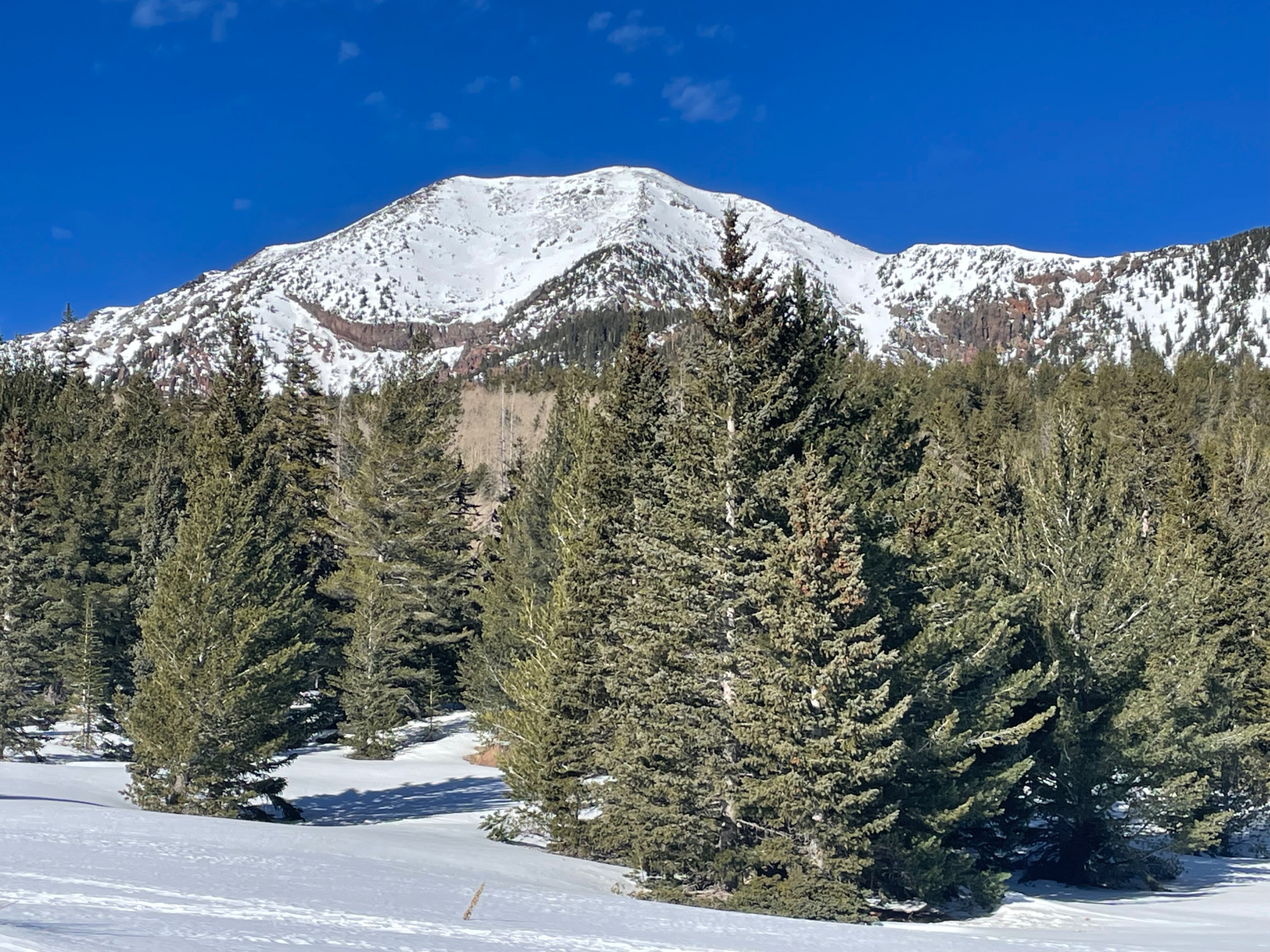
The Holiday ice layer continues to dominate conditions above treeline. It has softened on east and west slopes and in other low angle meadow areas, but on most steep exposed slopes it is as prominent as when it first formed. Most south facing slopes are melted out below 10,000'.
Although there is skiable recycled powder (caused by diurnal recystallization), on north facing slopes below treeline, these pitches are short due to wind effect near treeline, and coverage being limited to mostly north facing slopes.
Hardened wind slabs are common on near treeline ridgelines. This weekend's storm will provide a nice refresh to treed slopes, but will likely not provide enough snow to cover the ice layer on steeper above treeline areas. The Peaks could use a full reset.
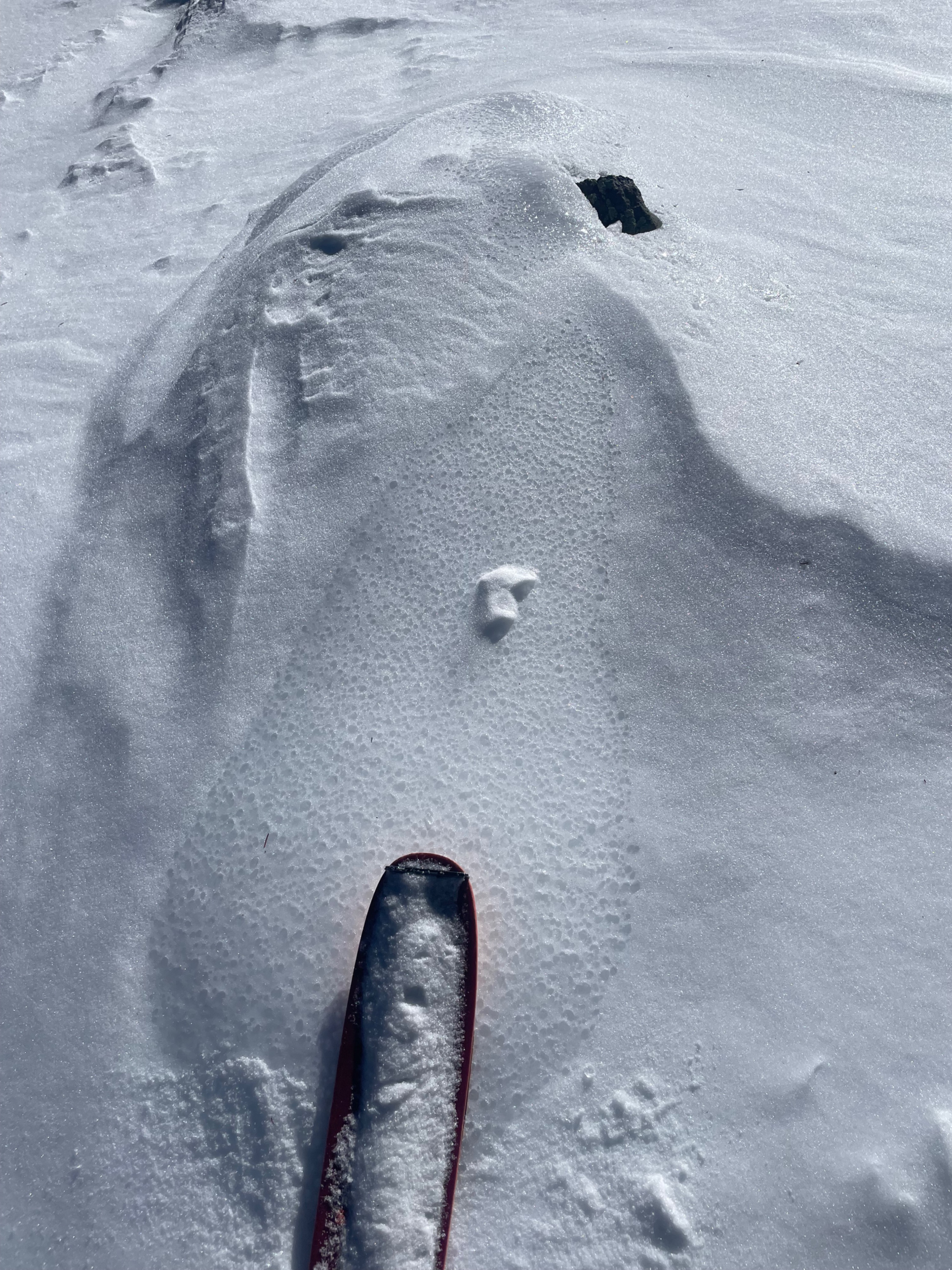
Recycled powder, a type of near-surface faceting that can provide great skiing but forms a likely future weak-layer, covered most of the tour area. To review, there are three types of near-surface faceting: diurnal recystallization, radiation recystallization, and melt-layer recystallization. Diurnal recrystallization (a.k.a. recycled powder) occurs during cycles of warm days and cold nights when the day/night temperature fluctuation drives water vapor through the snowpack and into the cold night air. Radiation recystallization occurs when incoming solar radiation warms the sub-surface, and cooler temperatures keep the snow surface cold. This often happens on south-facing or sun-exposed slopes. Finally, melt-layer recystallization occurs when a warm or wet snow surface is covered by new dry cold snow, creating a temperature gradient between the old and new layers. All of these types of near-surface faceting (NSFs) can create weak layers and become a fracture plane when buried by a slab.
Weather
- Air Temp
- 29
- Cloud Cover
- scattered
- Wind Loading
- previous
- Recent Snowfall
- 0
- Snow Avail For Transport
- small smounts
Mostly sunny. Winds calm to light out of the SW. Temperatures in the low 20s to just above freezing. A nice day.