
Quick report
- Cracking
- widespread
- Collapsing
- widespread
The spatial variability of the persistent slab problem is nuanced and needs to be assessed on a slope-by-slope basis as you travel through the mountains. While slopes with similar aspect and elevation in this zone only a few miles away had no cohesive slab due to facetting, we found an intact and meaty slab still present — creating our strong over weak recipe for a large persistent slab avalanche. Notably more widespread cracking and collapsing in this zone than we've seen elsewhere in the past 10 days indicated the well-connected nature of the weak layer here, and the possibility for a large slide to break if triggered.
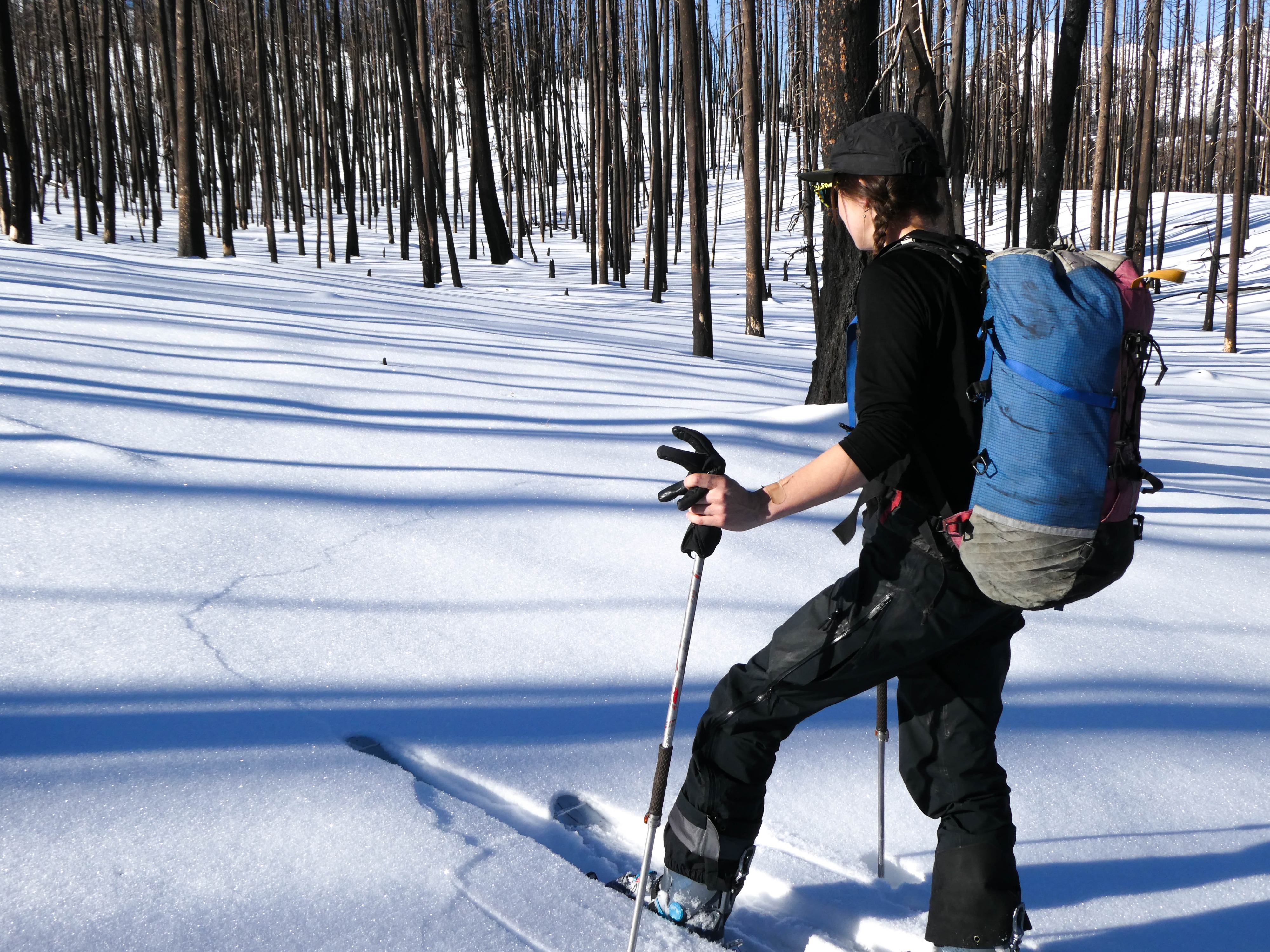
After a significant decrease in observed cracking and collapsing throughout many of our forecast zones in the past two weeks, we experienced widespread and significant cracking and collapsing, particularly at low and mid-elevations. Collapses were at minimum traveling at a 30' radius, with the largest radiating out from our skis across an entire meadow (>100'). We did not experience any above 8000'.Weather
- Cloud Cover
- few
- Wind Loading
- previous
- Snow Avail For Transport
- small smounts
Skies had few clouds that slightly increased throughout the day. Winds were mostly calm, with the occasional light, variable gust at ridgeline. Temperatures remained below freezing during the day, although we were down to our base layers quite quickly while skinning on directly sun-exposed slopes. While there was soft snow on most surfaces, there was only minimal wind effect that happened >48hrs ago.
Snowpack
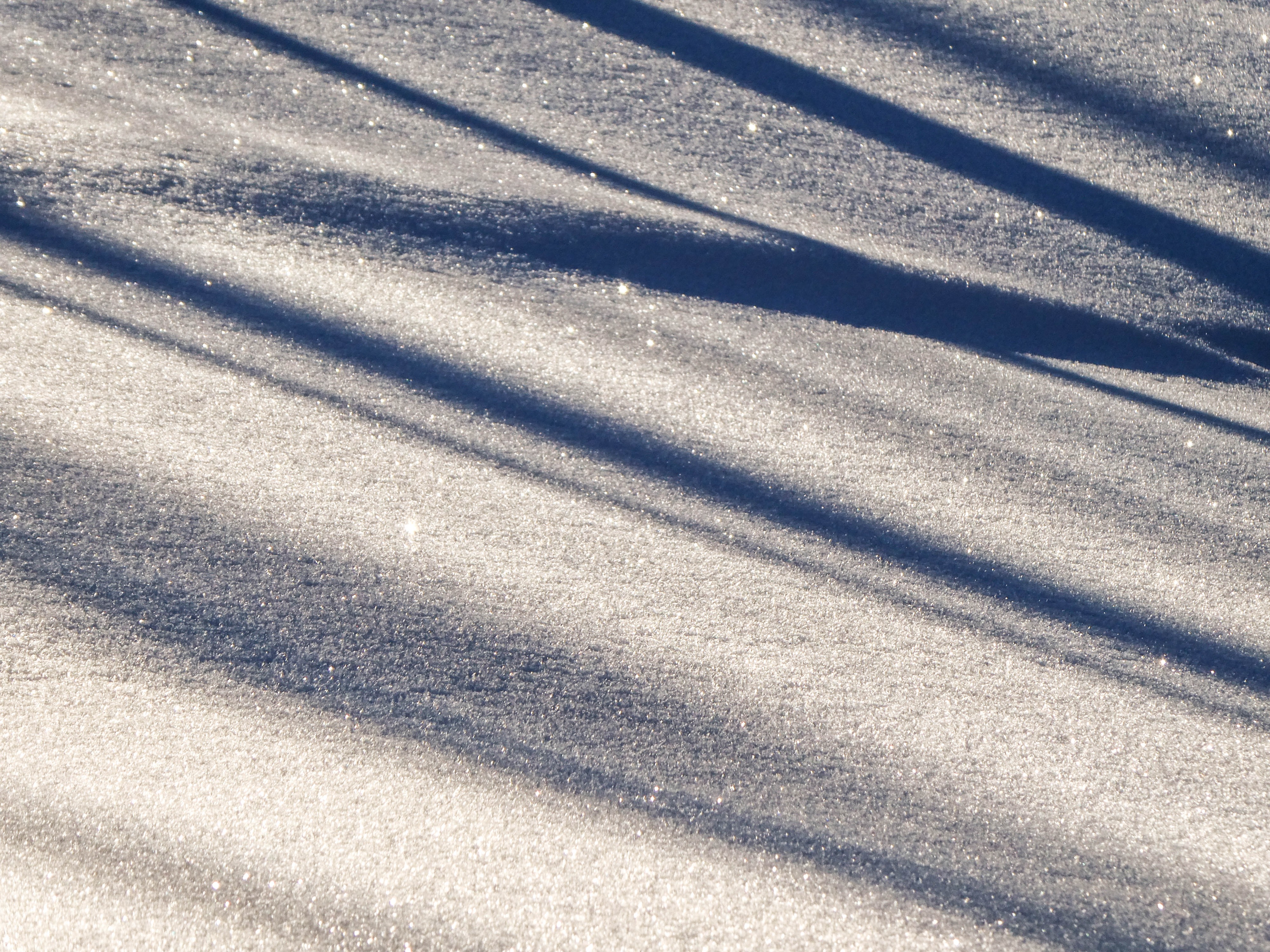
Starting from 7100', snow surfaces were slightly crusty with an ambient temperature crust until we reached 7400'. We started experiencing widespread cracking and collapsing at this point, a significant change from other areas I have traveled the past 10 or so days. We collapsed multiple entire meadows (>100'), and this continued as we climbed and wrapped from more solar (SE) to colder aspects (NE-N-NW). After reaching 8000' in elevation, we noted no further collapses and cracking. Snow surfaces were mostly soft, with a mix of smaller (3-4mm) surface hoar and facets. At ridgeline, we found only slight wind effect, with a very thin windboard (1-2cm) that had likely occurred>48hrs prior. While we did not enter these, we observed more significant wind loading on steeper ESE slopes that appeared to be slab like in nature. On solars regardless of elevation, we found a crust.
Digging a pit on a N-facing slope at 8400' in a 80cm snowpack, we found a thick, meaty slab (53cm) on top of our weak, sugary facets. This is interesting as only two days prior just two drainages south of where we traveled, on an almost identical aspect and elevation, I found there to be no cohesive slab structure as the slab had weakened almost to the point of the 11/30 facets underneath. Stability tests yielded that the slab would be difficult but not impossible to trigger, and given its size would likely have grave consequences (ECTX x2, CPST 90/100 END, ECTN23 on 12/6 crust). This just speaks to the importance of understanding the spatial variability of our persistent slab problem.
Avalanche
No large, notable avalanches observed. However, we did manage to set off two smaller dry loose facet-lanches in steeper terrain.