
Quick report
While the snowpack structure does not inspire confidence, weak layers around 2 ft down are showing signs of strengthening, and deeper layers are buried beneath a very dense, 3+ ft slab and would be very difficult to trigger. You would likely have to go looking for trouble, say, in very steep, rocky, windloaded terrain where these weak layers may be worse and/or closer to the surface.
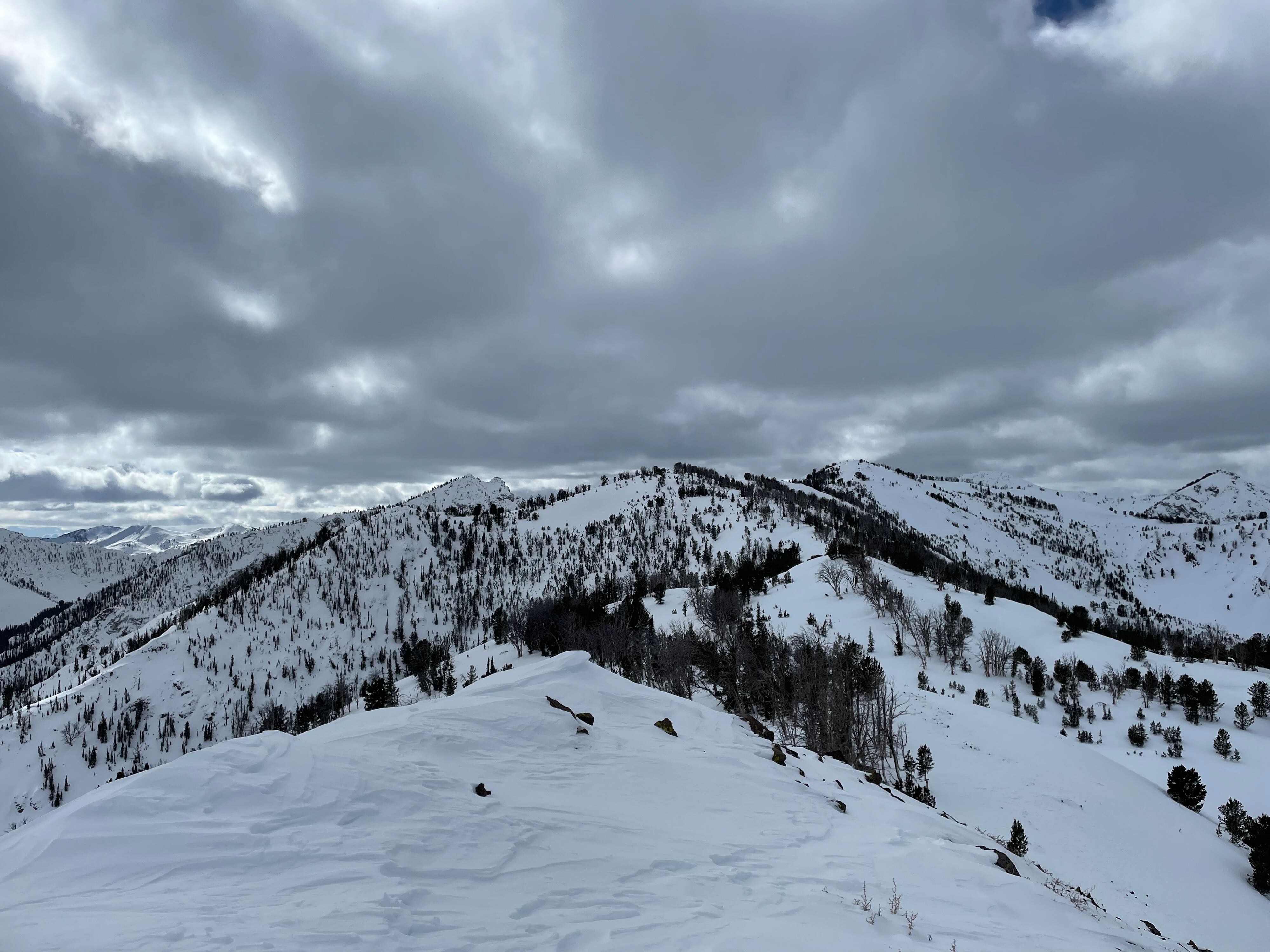
Cloudier skies than forecast prevented significant wet snow problems. There was evidence of recent windloading (with past ~48 hrs), but the fresh wind slabs didn't seem very sensitive.
Weather
- Air Temp
- Near freezing up high
- Cloud Cover
- broken
- Wind Loading
- light
- Recent Snowfall
- 1-2cm from 2/20-21
- Snow Avail For Transport
- small smounts
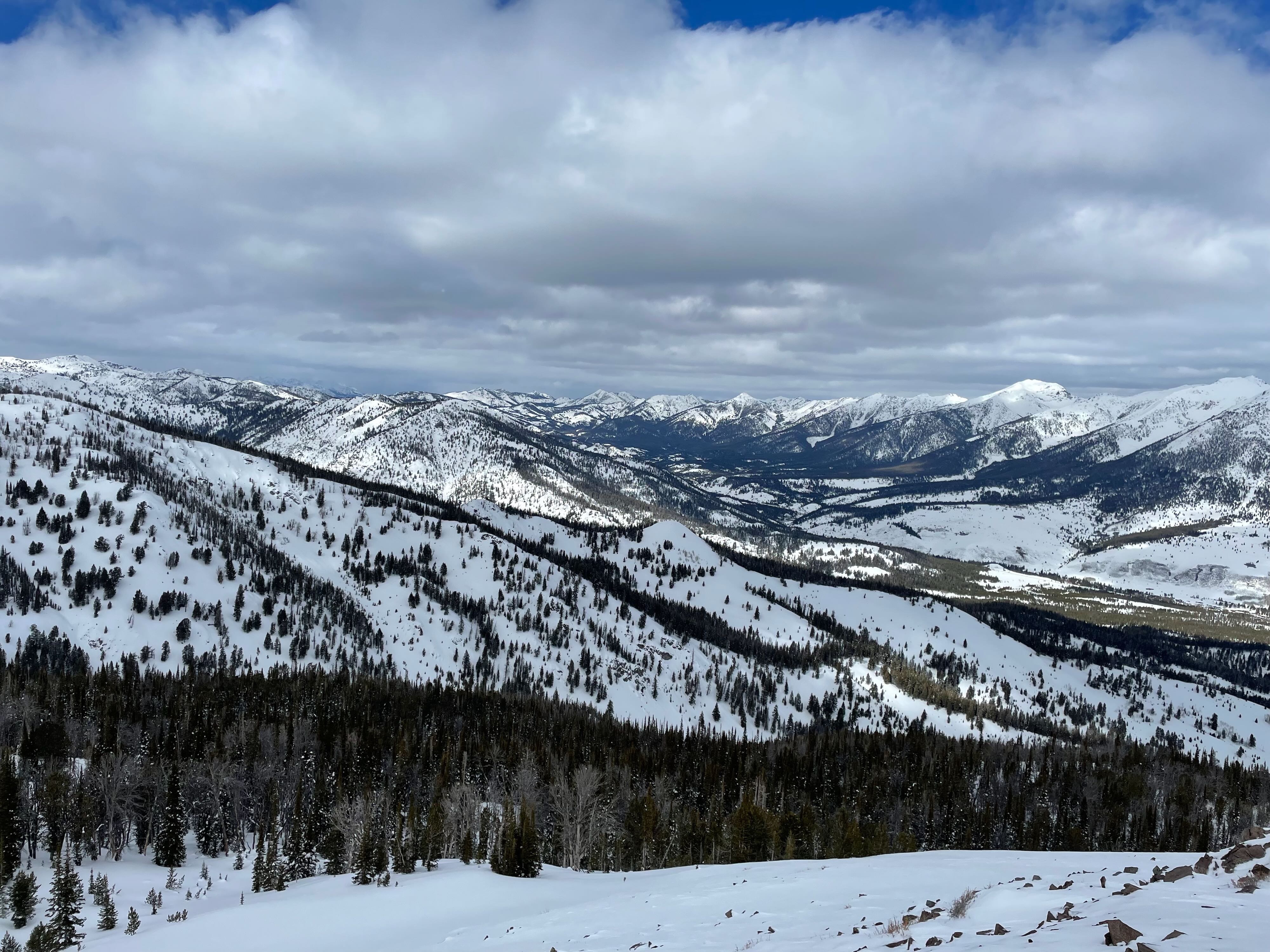
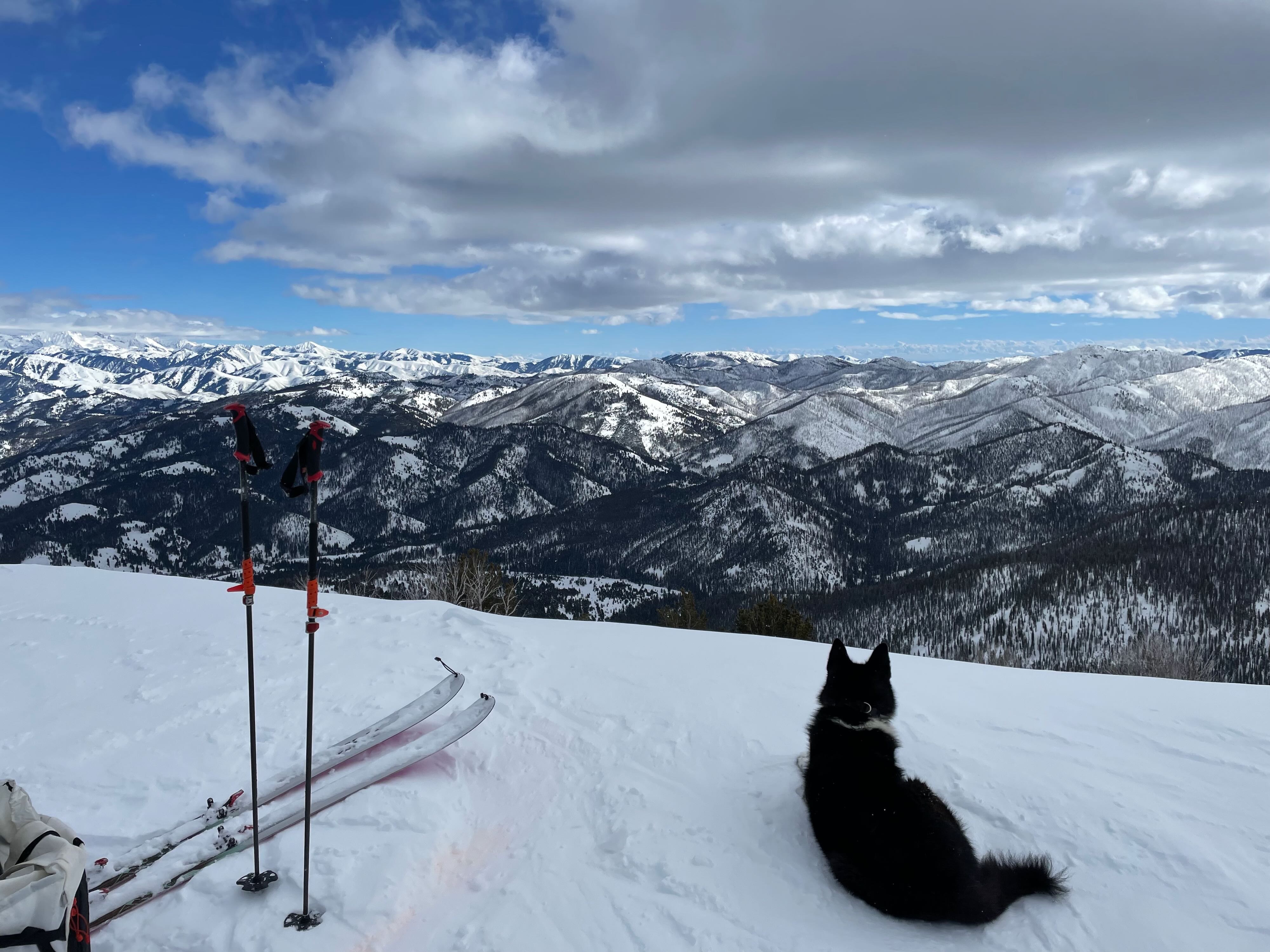
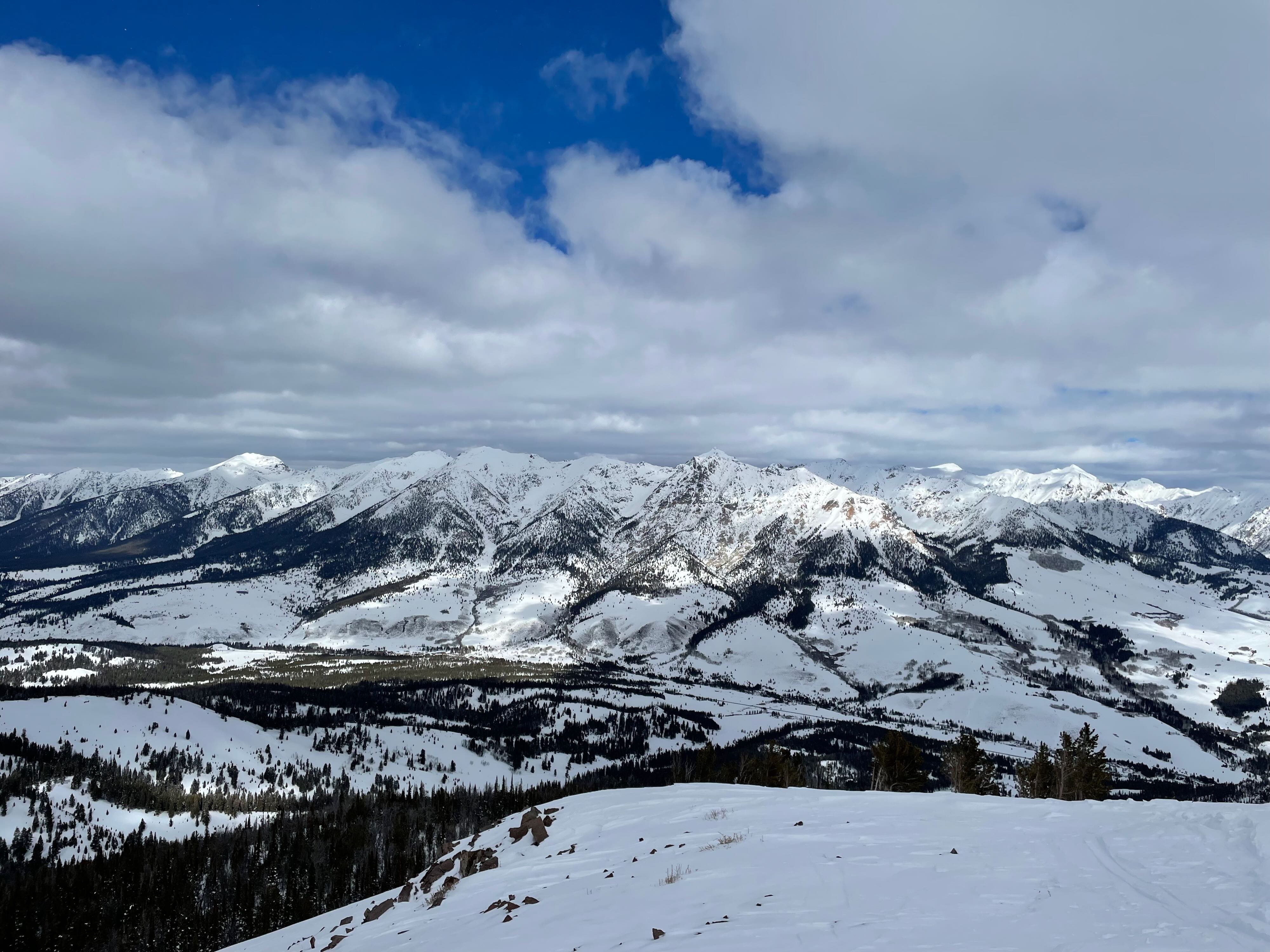
Cloudier than forecast. The Stanley to Galena Summit was mostly cloudy all day. Coming over galena around 1030 this morning, skies became sunnier on the WRV side. However, cloud cover increased through the day, and by afternoon most of the mountains north of the SNRA HQ were mostly cloudy. Winds were light from the NW.
Snowpack
HS ranged from 60cm at the highway elevation to 180cm at upper elevations.
@8150', N: HS 130cm. 2/1 was down 60cm and presented as a crust with facets above and below. 1/6 was down 90cm. ECTX (x2). No failures even with hard nonstandard force.
@9370', ENE: HS 175cm. This pit was on a similar aspect to a natural avalanche that released during the valentines day storm. Based on this pit and the estimated crown depth, it almost certainly ran on the 2/1 layer, which was down 70cm in this location. 2/1 presented as a matrix of two crusts with facets above/below/in between. 1/6 is 4F+ and buried beneath a thick slab, with the bottom half ranging from 1F to P. I only performed tests on 2/1, which yielded ECTX(x2). With very hard nonstandard force, I got 2/1 to propagate on one of the tests.
I felt that 2/1 was the main layer of concern, even though all signs point to it healing. The basal weak layers are strengthening and buried beneath thick, dense slabs that would make it very difficult to trigger.
I did not poke into solars, but mid elevation SE slopes has a softening crust on the surface. Seems like the solars in this area have had a "slow burn" and are less likely to produce significant shedding when/if the sun finally comes out.