
Quick report
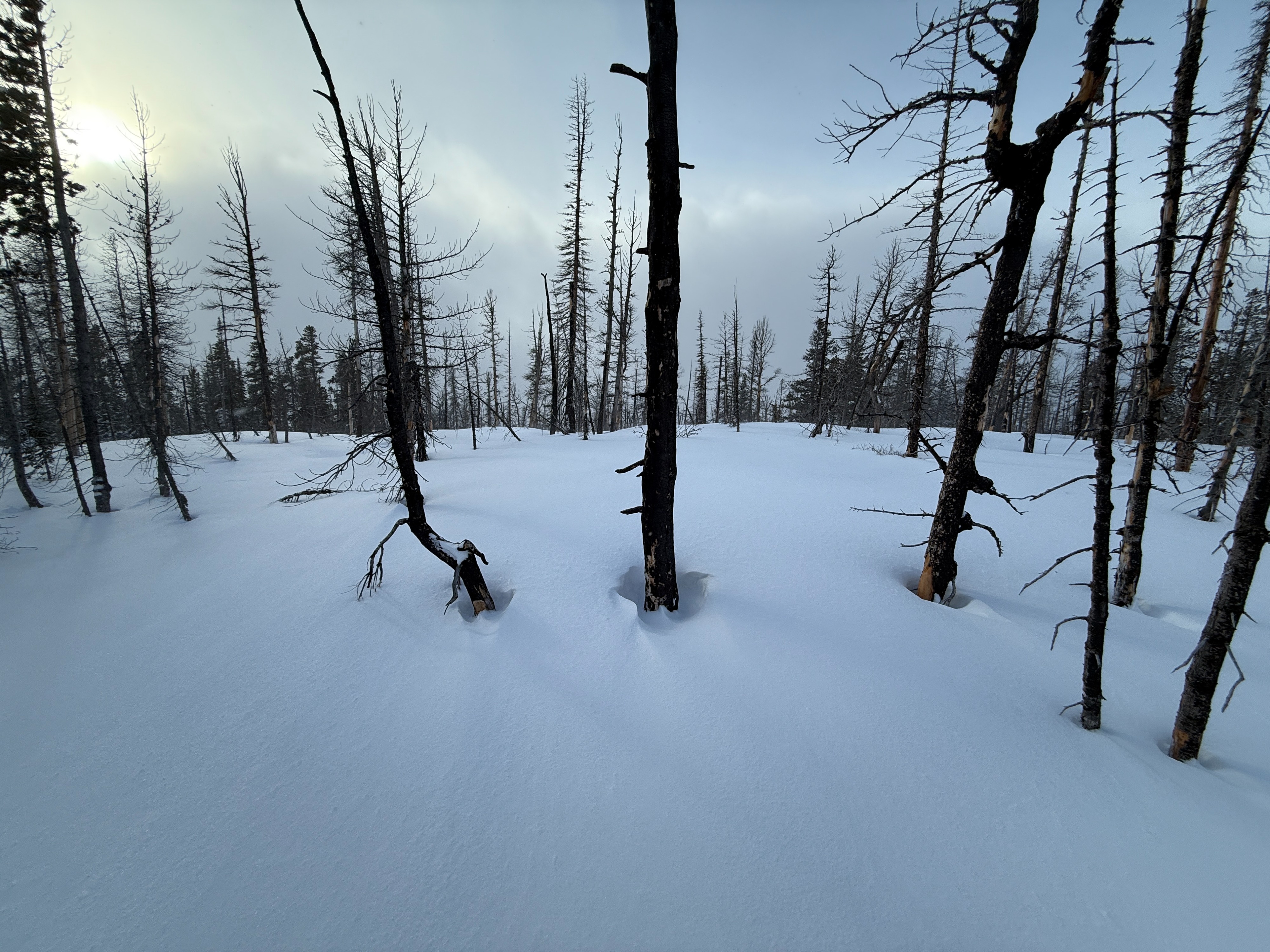
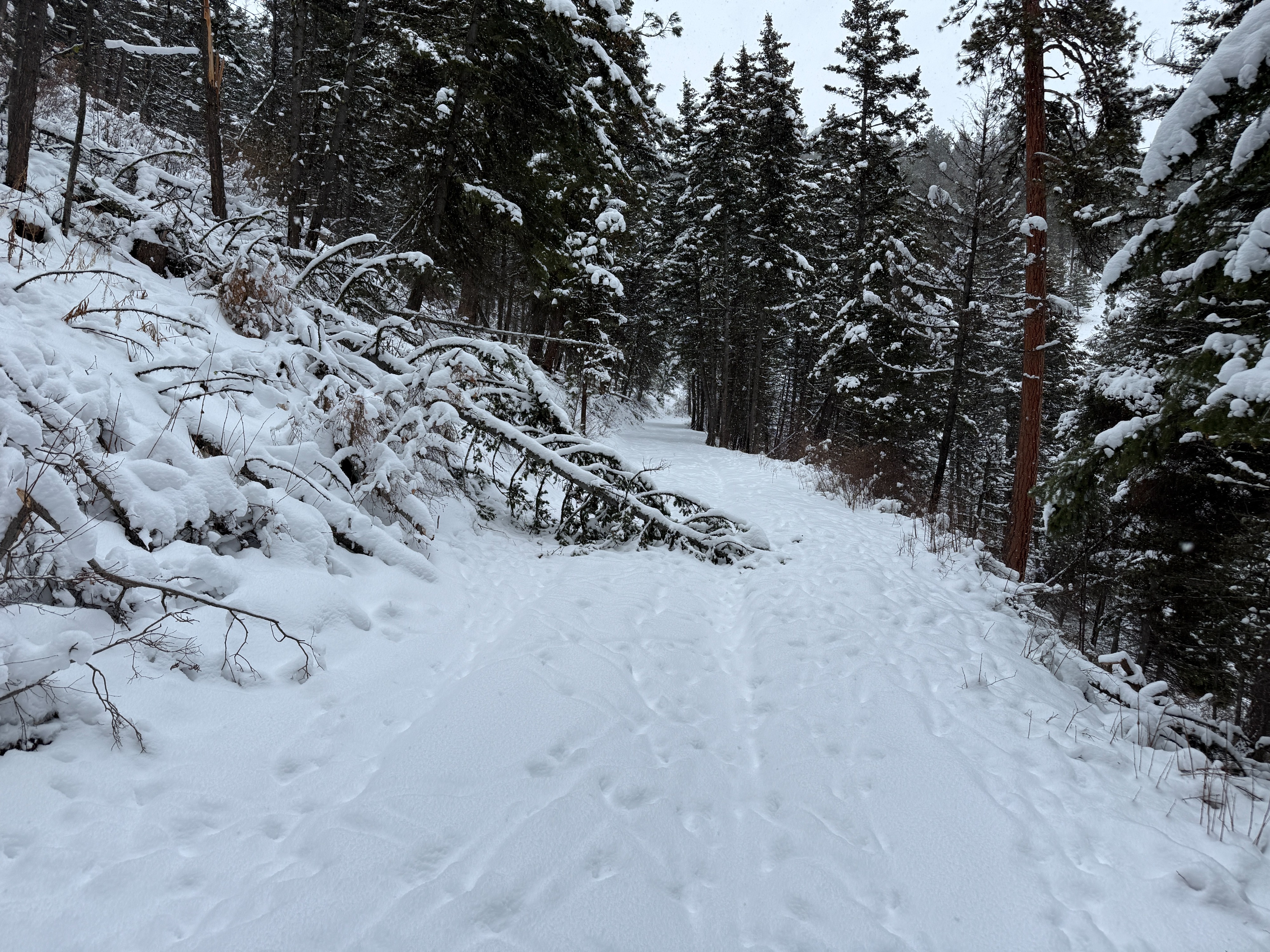
There was 4-6" of recent snow at lower elevations, 6-10" at mid elevations, and 10-20" at upper elevations. Unfortunately, visibility was poor today, and I did not make it up to more alpine, wind loaded terrain. I suspect that wind slabs would have been present in that terrain. At my high point around 7600 ft, snow surfaces were just starting to get wind affected. Moderate west winds were blowing around the significant amount of recent snow. At middle elevations, there were some previously wind scalloped pillows that were now covered by several inches of low density snow. I suspect that up higher, there may be layers of wind slabs, and some may be difficult to identify due to fresh snow on top.
There were two notable persistent weak layers present in a northeast facing snowpit at 7600 ft: near surface facets buried 20" deep and facets just below a crust 26" deep. Neither layer produced propagation in snowpack tests, which is a good sign that these layers may be healing. However, poor snowpack structure with a slab above weak layers is always a concern. I didn't observe any obvious signs of instability, like whumphs, on these layers.
Weather
- Cloud Cover
- broken
- Wind Loading
- moderate
- Recent Snowfall
- 50
- Snow Avail For Transport
- moderate amounts
It was a cool day with mostly cloudy skies, light snowfall, and light to moderate winds.
Snowpack
I dug a snowpit on a NE aspect at 7600 ft. The total snow depth was 72" or 183 cm. There was 20" of total recent snow from the last several days. There were two buried persistent weak layers of concern, but neither produced propagating results in extended column tests. The first was a layer of near surface facets buried 20" deep, directly underneath the recent snow (ECTN22). The second was a crust with some small facets below it, buried 26" deep, from December 26th (ECTN30). Below those, the mid-December crusts did not have any surrounding weak layers.